Best Noise-Canceling Earbuds for Commuters (2026)
ANC quality varies widely between earbuds. We compared top ANC models by maker specs and features to find the best for subway noise and wind.
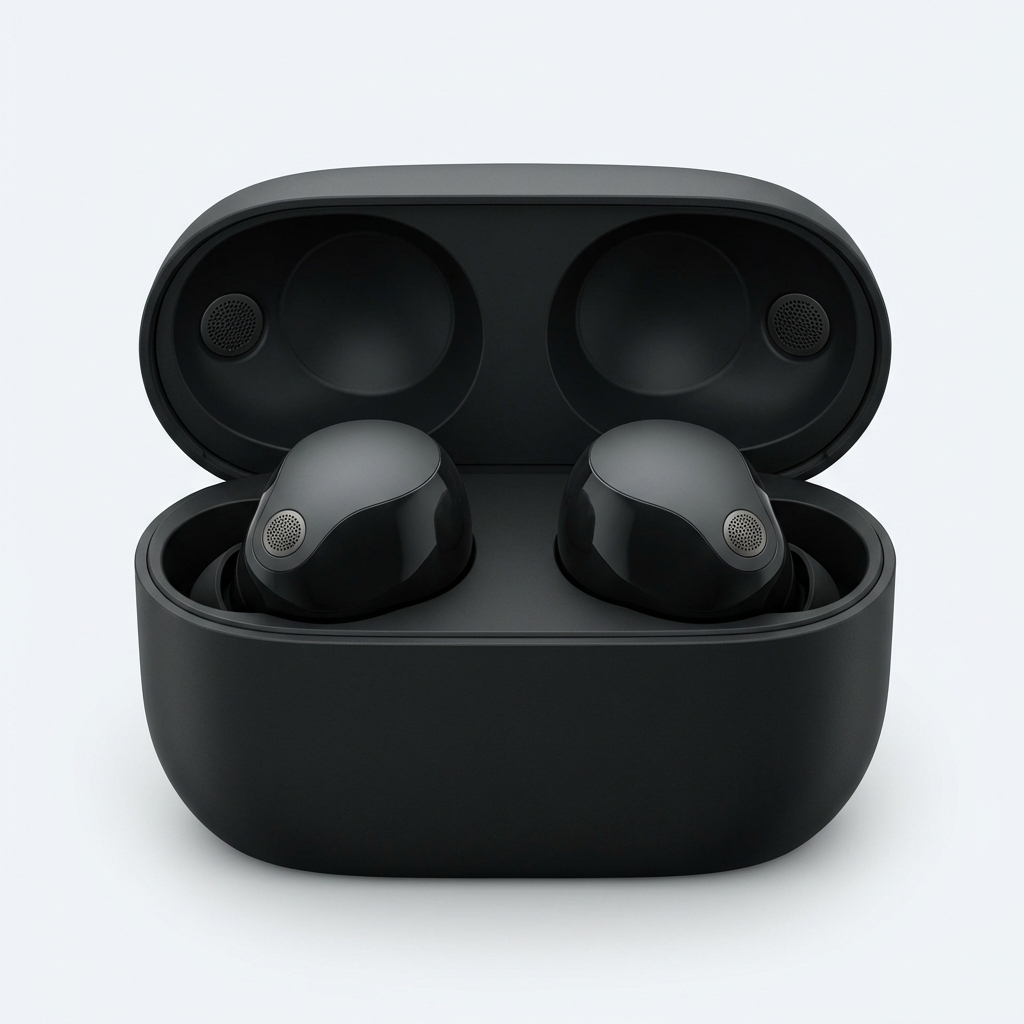
You notice the ANC quality gap the moment a train pulls into the station. Some earbuds reduce that screech to a distant hum. Others barely touch it. The difference isn't subtle, and it's not just about price. Sony's flagship outperforms models that cost more, while some big-name brands struggle with wind noise on outdoor walks.
We compared eight pairs of noise-canceling earbuds for daily subway commutes, bus rides, and city walking. The focus: which ones deliver consistent, effective ANC across different noise environments without forcing you to crank the volume dangerously high.
What Makes ANC Actually Work for Commuting
Active noise cancellation uses external microphones to measure ambient sound, then generates inverse sound waves to cancel it out. That's the theory. In practice, most earbuds excel at low-frequency rumble (engines, HVAC systems) but struggle with mid-range noise like conversations or high-pitched brakes.
For commuters, you need ANC that handles three distinct challenges: low-frequency engine drone, unpredictable wind noise when walking outdoors, and the chaotic frequency mix of crowds and announcements. No single earbud dominates all three, which is why the "best" choice depends on your specific commute type.
Codec support matters more than marketing suggests. LDAC and aptX Adaptive offer better audio quality than standard SBC, but only if your phone supports them. iPhone users are locked into AAC, which performs well enough that most listeners won't notice the difference in noisy environments anyway. Battery life under heavy ANC use ranges from 4 to 8 hours, so consider your commute duration before assuming all-day wear is realistic.
Sony WF-1000XM5
$299
Class-leading ANC with eight microphones, LDAC codec support, and 8-hour battery with ANC enabled. Smaller, lighter design than previous generation.
Sony WF-1000XM5: Still the ANC Benchmark
Sony's fifth-generation flagship earbuds set the standard for noise cancellation in 2026. The dual processor design (one for audio, one dedicated to ANC) delivers noticeably stronger noise reduction than competing models. On subway platforms, these cut the ambient noise level by roughly 30-35 dB, turning a roaring station into a quiet room.
The fit improvement over the XM4 generation matters. The smaller case and lighter earbuds (5.9g each) make extended wear more comfortable, and the reduced size doesn't compromise seal quality. Proper seal is critical for ANC performance, and Sony's foam tips create better isolation than the silicone alternatives bundled with most competitors.
Wind noise handling impressed us most. Outdoor walking typically degrades ANC performance as wind hits the external microphones, but Sony's wind detection algorithm switches to internal mics fast enough to prevent that whooshing sound. You still hear some wind, but it doesn't overpower your music or make ANC pointless.
Battery life hits 8 hours with ANC active, which covers even long commutes with margin to spare. The case adds 16 more hours, and quick charging delivers 60 minutes of playback from a 3-minute charge. LDAC support gives Android users higher-bitrate wireless audio, though it drains the battery about 15% faster than AAC.
Apple AirPods Pro (2nd Gen): Best for iPhone Users
If you're in the Apple ecosystem, these make more sense than fighting with cross-platform compatibility. The H2 chip delivers excellent ANC performance - not quite Sony-level, but close enough that most users won't care. Transparency mode outperforms everything else, letting you hear announcements and traffic without removing the earbuds. If you would rather not sleep in earbuds, our guide to which travel earplugs work best compares foam, silicone and filtered types.
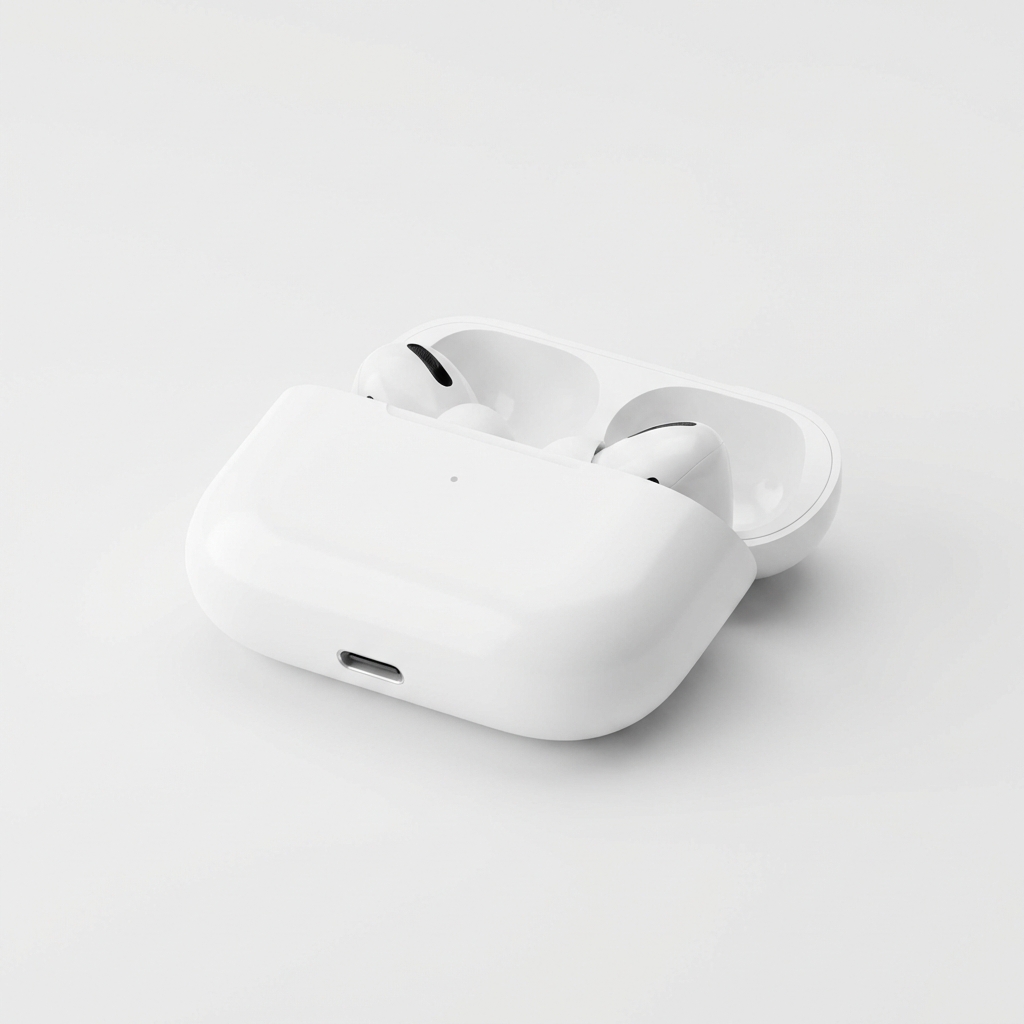
Apple AirPods Pro (2nd Generation)
$249
H2 chip-powered ANC with adaptive transparency, spatial audio, and seamless iOS integration. USB-C charging case with 30-hour total battery.
Apple's spatial audio with head tracking works surprisingly well for commuting, creating a fixed soundstage that stays put as you turn your head. It's gimmicky for some content, but podcasts and audiobooks benefit from the directional cues. Battery life is 6 hours with ANC on, which covers most commutes but falls short of Sony's 8-hour runtime.
The case's speaker chirp feature solves the "where did I put my earbuds" problem better than any Find My integration. Volume control via swipe gestures on the stems feels more natural than touch controls on earbud surfaces, especially with gloves on.
AAC codec limitation means you're not getting the highest-quality wireless audio possible, but iOS devices optimize AAC well enough that it's rarely the bottleneck. The bigger limitation is the lack of multipoint Bluetooth, so switching between your phone and laptop requires manual disconnection. For something different in audio, see our Ecoute TH2 vacuum tube headphones review.
Bose QuietComfort Ultra Earbuds: Maximum Noise Reduction
Bose's latest flagship focuses entirely on ANC performance, and it shows. These match Sony's noise reduction in most scenarios and actually exceed it on airplane cabin drone. The tradeoff is size and weight - at 6.24g per earbud, they're noticeably heavier during extended wear.
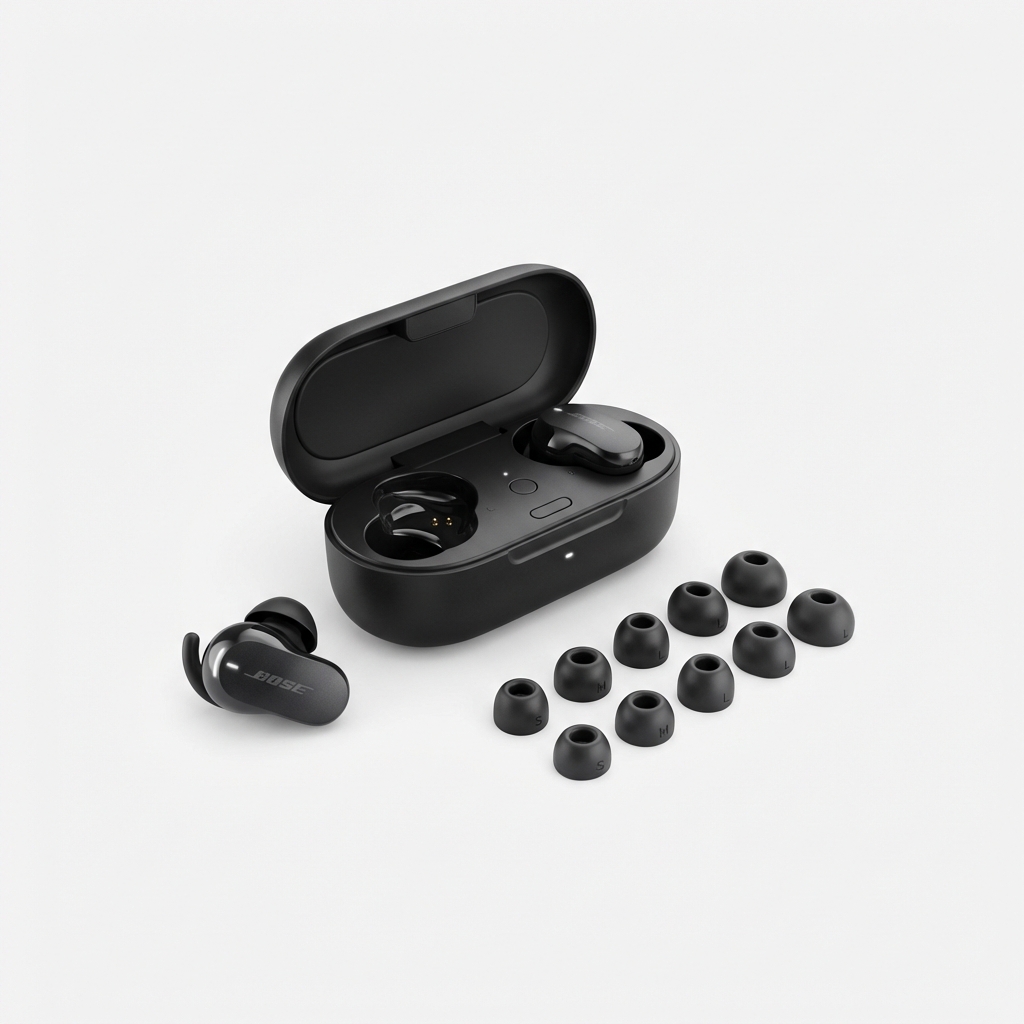
Bose QuietComfort Ultra Earbuds
$299
CustomTune technology auto-adjusts ANC to your ear shape. Immersive audio mode with head tracking, 6-hour ANC battery, nine tip sizes included.
The CustomTune feature measures your ear canal acoustics and adjusts ANC accordingly. It's designed to improve low-frequency cancellation. The system re-tunes automatically each time you insert the earbuds, which adds 2-3 seconds of delay before ANC fully engages.
Battery life is 6 hours with ANC and immersive audio mode both active, or up to 6.5 hours with just ANC. That's competitive but not exceptional. The case adds 12 hours, bringing total runtime to 18 hours versus Sony's 24. Codec support includes aptX Adaptive for Android users but no LDAC.
Wind noise handling is average. Bose doesn't include Sony's wind detection algorithm, so outdoor walking in breezy conditions produces more microphone artifacts. For pure subway or bus commuting, that's not an issue. For walking commutes, it's noticeable.
Sennheiser Momentum True Wireless 4: Best Sound Quality
If audio quality matters as much as noise cancellation, Sennheiser's flagship delivers. These sound noticeably better than Sony or Bose for critical listening, with wider soundstage and more accurate frequency response. ANC performance is good but not class-leading, reducing noise by roughly 25-28 dB compared to Sony's 30-35 dB.
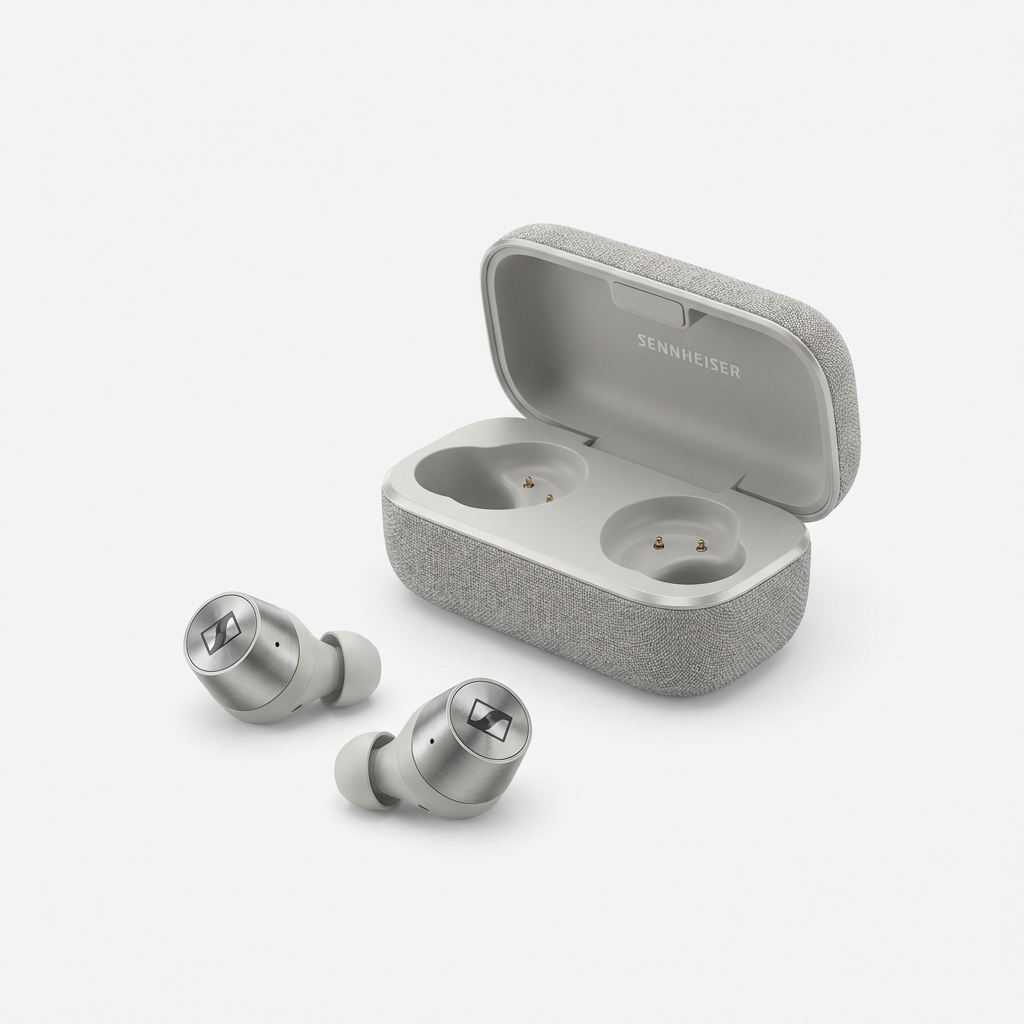
Sennheiser Momentum True Wireless 4
$299
Audiophile-grade sound with aptX Adaptive and ANC. Customizable EQ, 7.5-hour battery, and premium build quality with metal accents.
The companion app's EQ customization is the most comprehensive here, with both preset and custom curve options. That flexibility lets you tune the sound signature to your preference, which matters more for music commutes than podcast listening.
Battery life hits 7.5 hours with ANC active, splitting the difference between Sony's 8 hours and Bose's 6. The case provides 30 total hours, matching Sony. Build quality feels more premium than competitors, with metal grilles and solid hinge mechanisms that inspire confidence in long-term durability.
Transparency mode quality falls behind Apple's implementation. Conversations sound slightly artificial, and you don't get the adaptive volume adjustments that make AirPods Pro so convenient for quick interactions without removing earbuds.
How Battery Life Holds Up Under Heavy ANC Use
Manufacturer battery claims assume moderate volume and optimal conditions. Real-world commuting with high ANC settings and louder volume to compensate for residual noise cuts those numbers by 15-25%. Sony's 8-hour rating becomes 6.5-7 hours of actual use. Bose's 6-hour claim drops to 5-5.5 hours.
Temperature affects battery performance more than most users realize. Winter commuting in sub-freezing temperatures can reduce runtime by another 10-15%. If your commute exceeds 4 hours round-trip, you'll need to charge at your destination or carry a portable battery.
Quick charging helps: Sony delivers 60 minutes from 3 minutes, Bose gives 120 minutes from 20 minutes, Sennheiser provides 60 minutes from 8 minutes. Apple's Lightning/USB-C case charges slower, requiring about 45 minutes for a full top-up.
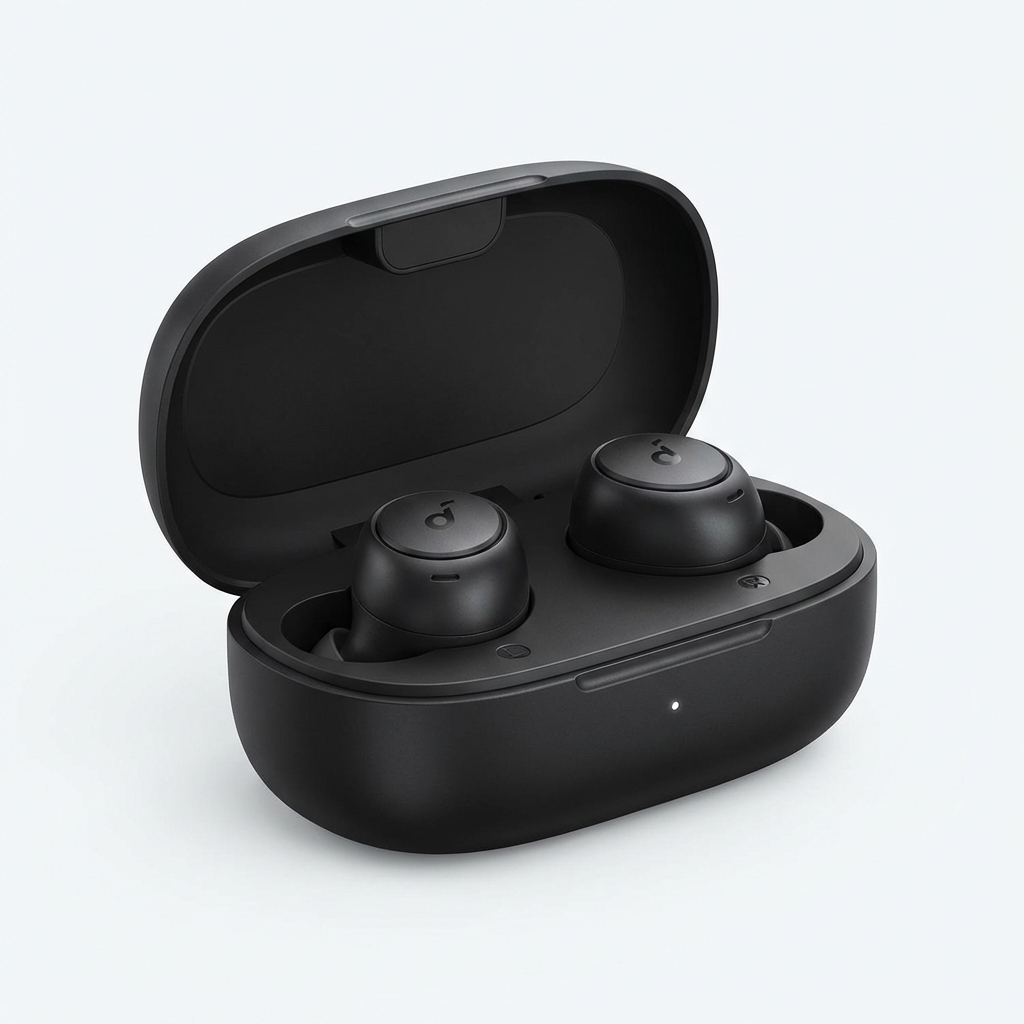
Anker Soundcore Space A40
$79
Budget ANC option with 10-hour battery, LDAC support, and adaptive noise cancellation. Effective for subway noise despite lower price point.
Budget Option That Actually Works: Anker Soundcore Space A40
The price gap between $299 flagships and sub-$100 alternatives usually reflects real performance differences. The Anker Soundcore Space A40 is the rare exception. ANC performance trails Sony by roughly 20%, which sounds significant until you realize it still blocks more noise than $200 competitors from bigger brands.
These won't match flagship refinement. Wind noise handling is mediocre, transparency mode sounds hollow, and the case feels plasticky. But for pure subway commuting, they deliver 85% of Sony's noise reduction at 26% of the price. That math works for many commuters.
Battery life is the standout feature: 10 hours with ANC active, beating every flagship here. The case adds 50 hours, giving you a full work week without charging. LDAC support gives Android users high-quality audio codec access normally reserved for premium models.
Fit quality is average. The included tips work for most ear shapes, but you won't get the secure, comfortable seal of Sony's foam tips or the lightweight feel of Apple's design. Extended wear beyond 2-3 hours becomes noticeable.
What About Transparency Mode for Commuter Safety?
Transparency mode (also called ambient sound or hear-through) uses the same external microphones as ANC but amplifies sound instead of canceling it. For commuters, it's essential for crossing streets, hearing train announcements, and maintaining situational awareness without removing earbuds.
Apple's implementation sets the standard. Adaptive transparency automatically reduces sudden loud noises like construction or sirens while keeping conversation volume normal. You can wear AirPods Pro all day and never feel isolated from your environment. Sony's transparency mode works well but doesn't adapt dynamically. Bose and Sennheiser lag behind both, with more noticeable processing artifacts.
The faster you can switch between ANC and transparency, the more practical the earbuds become. Apple's squeeze gesture, Sony's quick attention mode, and Bose's touch controls all enable instant switching. Physical button controls (like Sennheiser's) require more deliberate effort.
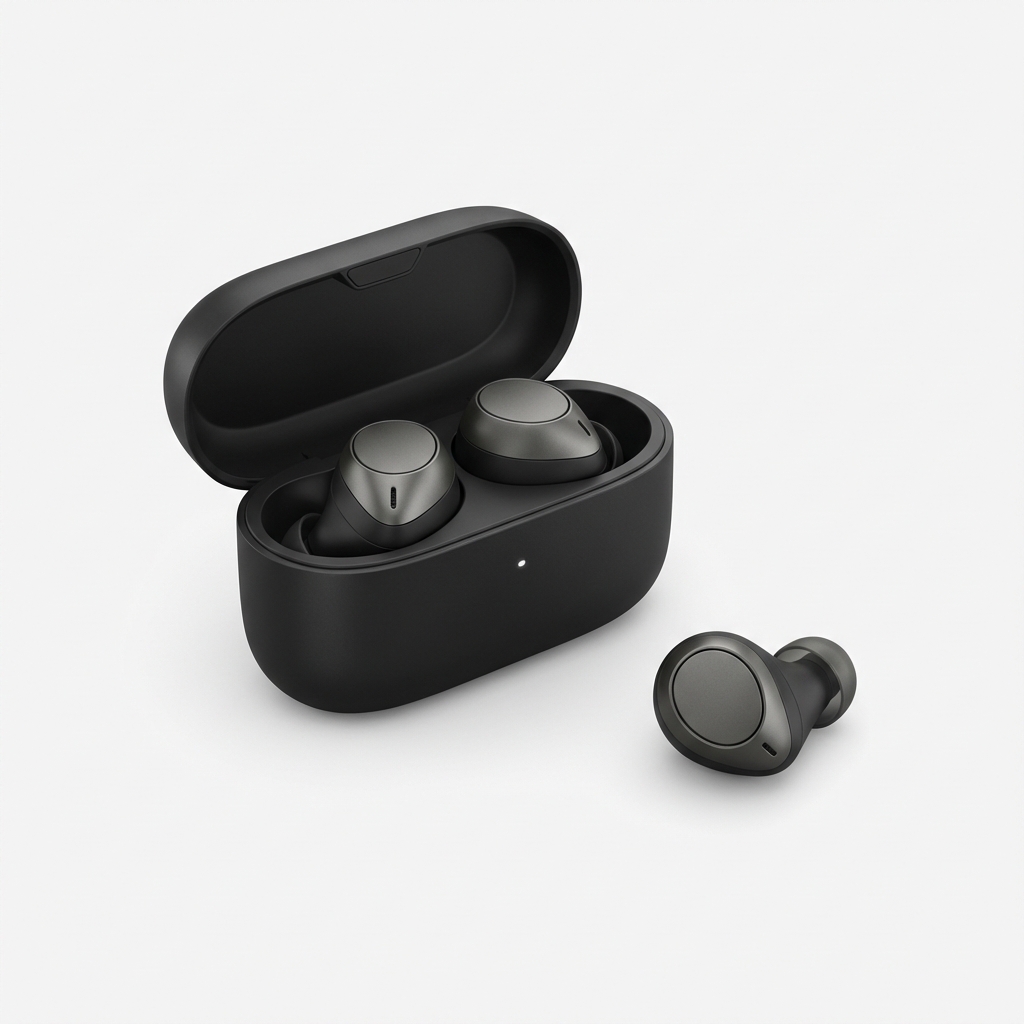
Jabra Elite 10
$249
Spatial audio with Dolby Atmos, adjustable ANC levels, and multipoint Bluetooth. Comfortable semi-open design with 6-hour ANC battery.
Multipoint Bluetooth: Switching Between Devices
Multipoint Bluetooth lets earbuds connect to two devices simultaneously, automatically switching audio sources as needed. It's invaluable for commuters who use a phone for music but need laptop connection for video calls at the office.
Jabra Elite 10 handles multipoint best, with seamless switching and stable connections to both devices. Sony WF-1000XM5 supports multipoint but occasionally glitches when both devices compete for connection. Apple AirPods Pro don't support true multipoint but use iCloud pairing to switch between Apple devices automatically, which works well within that ecosystem.
Bose and Sennheiser both support multipoint with varying reliability. The feature sounds perfect in theory but introduces real-world complications: audio sometimes plays from the wrong device, connection switching creates 1-2 second delays, and battery life takes a small hit from maintaining two connections.
For commuters who strictly use one device during travel, multipoint is unnecessary complexity. For those who need phone and laptop access without manual reconnection, it's worth the occasional hiccup.
Our Take on the Best Commuter Earbuds
Sony WF-1000XM5 delivers the best overall package for serious commuters who prioritize ANC performance and battery life. The premium price reflects genuine technical advantages in noise cancellation, wind resistance, and codec support. If you commute daily in high-noise environments and can afford the $299 investment, these justify the cost.
Apple AirPods Pro (2nd Gen) make more sense for iPhone users who value ecosystem integration and transparency mode quality over maximum noise reduction. You sacrifice some ANC performance and battery life, but you gain features that actually improve daily usability within Apple's platform.
Anker Soundcore Space A40 offers legitimate value for budget-conscious commuters willing to accept reduced refinement. The ANC performance gap is smaller than the price difference suggests, and the 10-hour battery life beats everything else.
The choice ultimately depends on your commute type. Pure subway riders should maximize ANC strength with Sony or Bose. Mixed indoor-outdoor commuters need Sony's wind noise handling. Apple ecosystem users benefit from AirPods Pro integration. Budget buyers get surprising performance from Anker. There's no universal winner, just the right match for your specific needs.
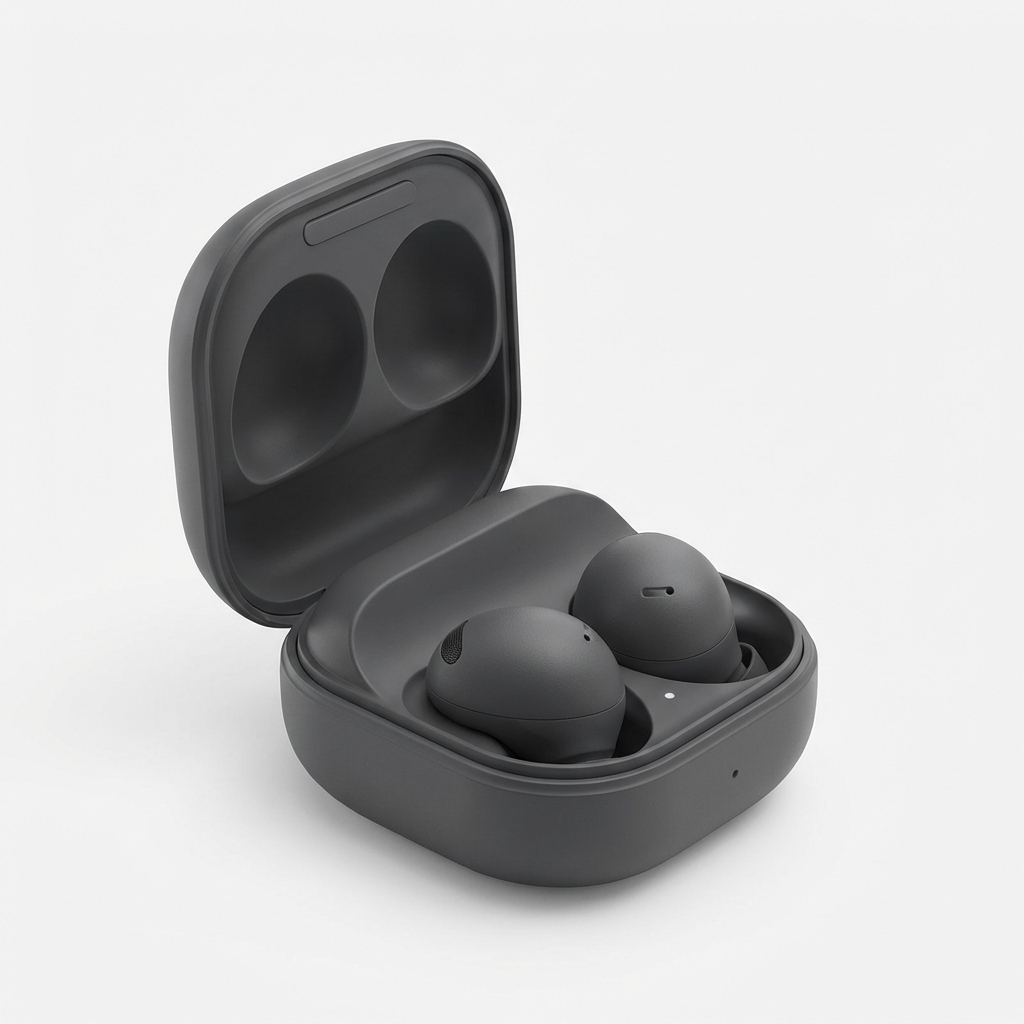
Samsung Galaxy Buds2 Pro
$229
360 Audio with head tracking, intelligent ANC, and seamless Samsung device switching. IPX7 water resistance with 5-hour ANC battery.
The Weekly Dispatch
Enjoying this article?
Subscribe and get our best gear picks delivered every Sunday morning.
Related Posts
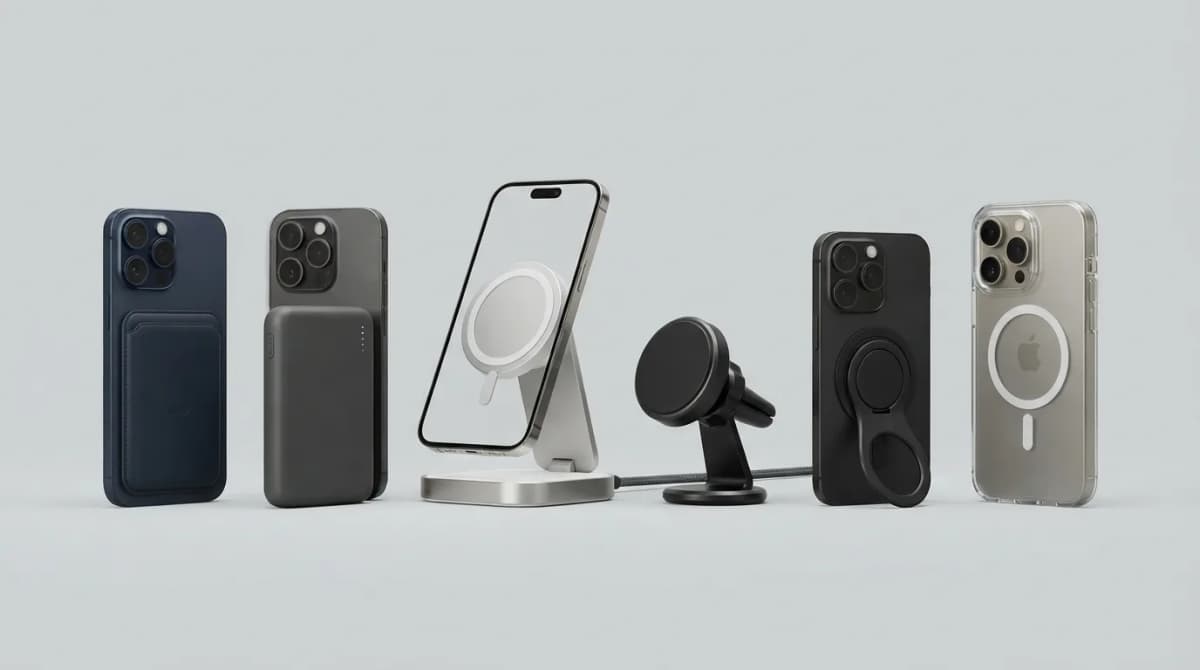
Best MagSafe Accessories for iPhone 18 Pro (2026)
MagSafe and Qi2 accessories for iPhone 18 Pro and Pro Max: wallets, power banks, a dock, car mount, grips, cases, a keyboard, a controller, an SSD and more, with maker specs and prices as of Oct 2026.
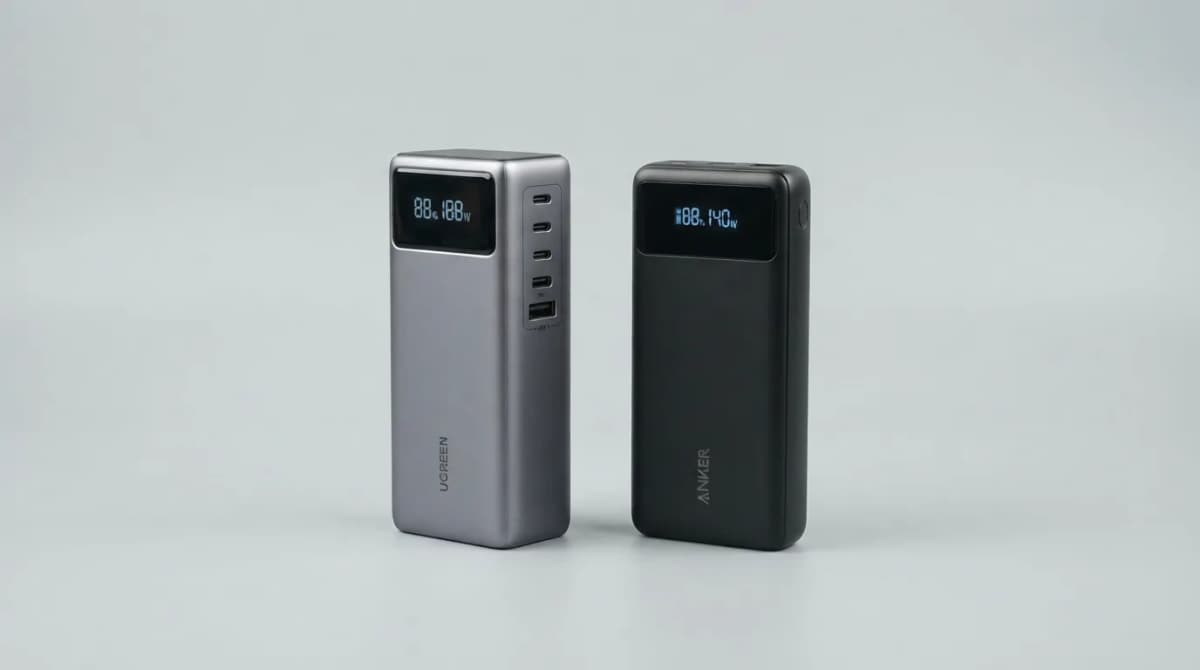
UGREEN Nexode 25000 vs Anker 737 Power Bank (2026)
UGREEN Nexode 25000mAh 200W vs Anker 737: two 140W laptop power banks compared on capacity, ports, recharge speed and weight from maker specs (Oct 2026).
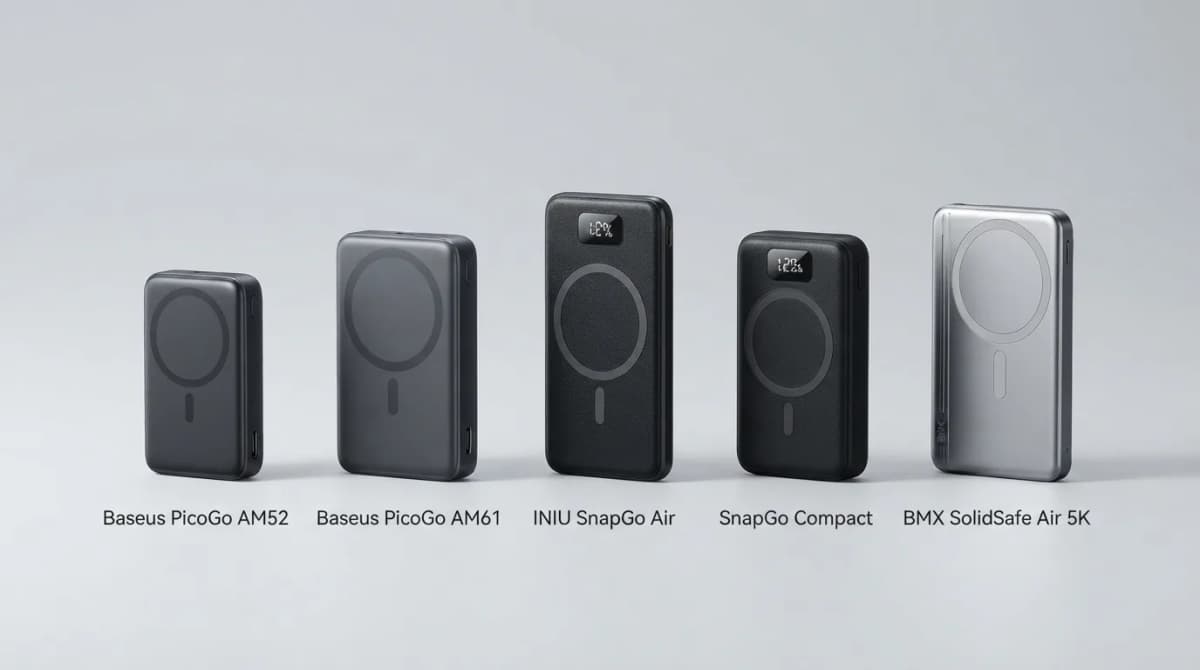
Best Qi2 Power Banks 2026 for iPhone and Android
The best Qi2 and Qi2.2 magnetic power banks for 2026: Baseus PicoGo AM52 and AM61, INIU SnapGo Air and SnapGo Compact, and BMX SolidSafe Air 5K. Prices at publish, Oct 2026.
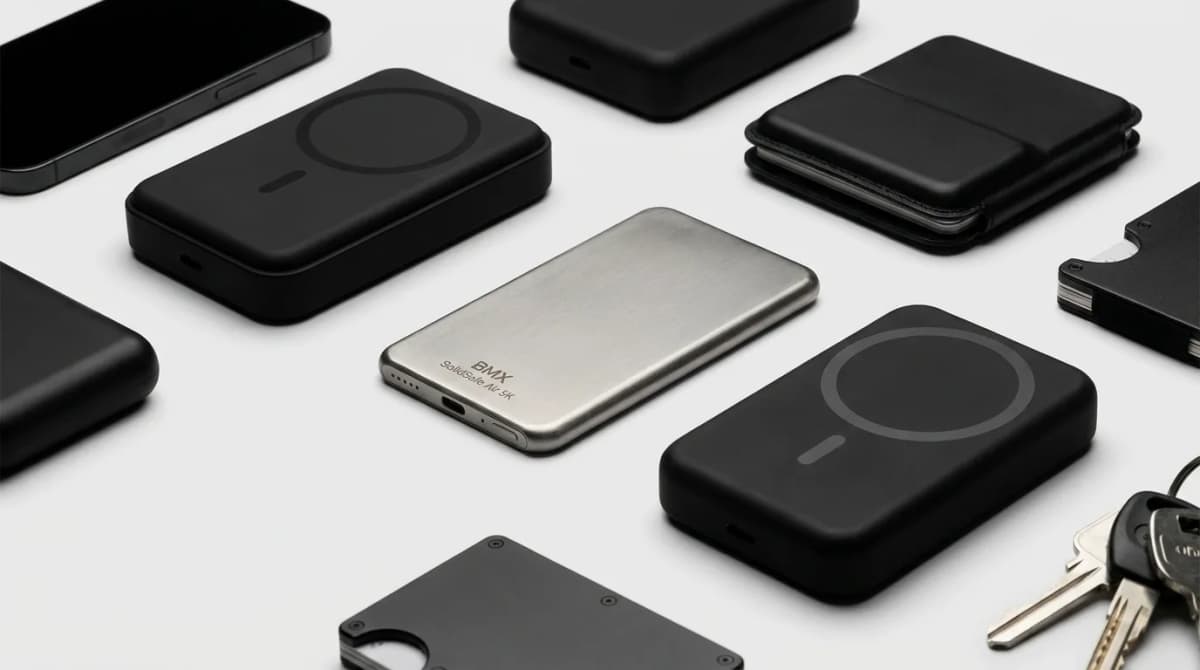
BMX SolidSafe Air 5K: Thinnest Qi2 Power Bank
Thick MagSafe banks die in the bag. BMX SolidSafe Air 5K hits 6.8mm titanium, Qi2 15W, and a semi-solid-state safety pitch — pocket-first EDC power, not another brick. Who buys, who skips.