Budget EDC Tech Under $50 That Doesn't Suck
Solid EDC tech doesn't require a trust fund. These gadgets punch above their price tag, delivering real utility without compromising quality.

You've maxed out rent, filled the tank, and watched your grocery bill climb. Spending $200 on a titanium pocket tool isn't happening this month. But carrying disposable gas station gear that quits after three weeks? That's not the move either.
The sweet spot exists. Real tools, actual performance, sub-$50 price tags. We're talking power banks that keep up with your phone's demands, flashlights that genuinely illuminate dark spaces, and cables that survive daily abuse. Not luxury items, just dependable gear that works.
What Actually Matters in Budget EDC Tech
Price hunting gets complicated fast. A $15 power bank sounds great until it dies in four months. A $60 flashlight with features you'll never use wastes money you don't have. The goal is maximum utility per dollar, not minimum spend.
Build quality separates the keepers from the landfill fodder. Look for established brands with warranty coverage, products using standard materials like aluminum or quality plastics, and items with consistent user reviews mentioning longevity. A well-built $40 tool that lasts three years beats a $20 knockoff that breaks in six months.
Feature bloat is the enemy. You need a flashlight that turns on reliably and stays bright, not seventeen modes you'll cycle through by accident. You need a cable that charges fast and doesn't fray, not RGB lighting. Strip away the marketing gimmicks and focus on core functionality.
Compatibility and standardization matter more at this price point. USB-C everything means fewer cables to carry. Devices that work with what you already own eliminate the need for proprietary accessories. Future-proofing on a budget means choosing gear that fits into existing ecosystems.
Best Power Solution: Anker Nano Power Bank
Dead phone anxiety is real. The Anker Nano Power Bank addresses it without the bulk of traditional battery bricks. At 10,000mAh capacity, it delivers roughly two full charges for most smartphones while maintaining a genuinely pocketable form factor.
The built-in USB-C connector eliminates the need to carry a separate charging cable. Fold it out, plug directly into your phone, and you're charging. No fumbling with cables in your bag, no forgetting the right cord at home. The 30W output handles fast charging for compatible devices, which means less time tethered to a battery pack.
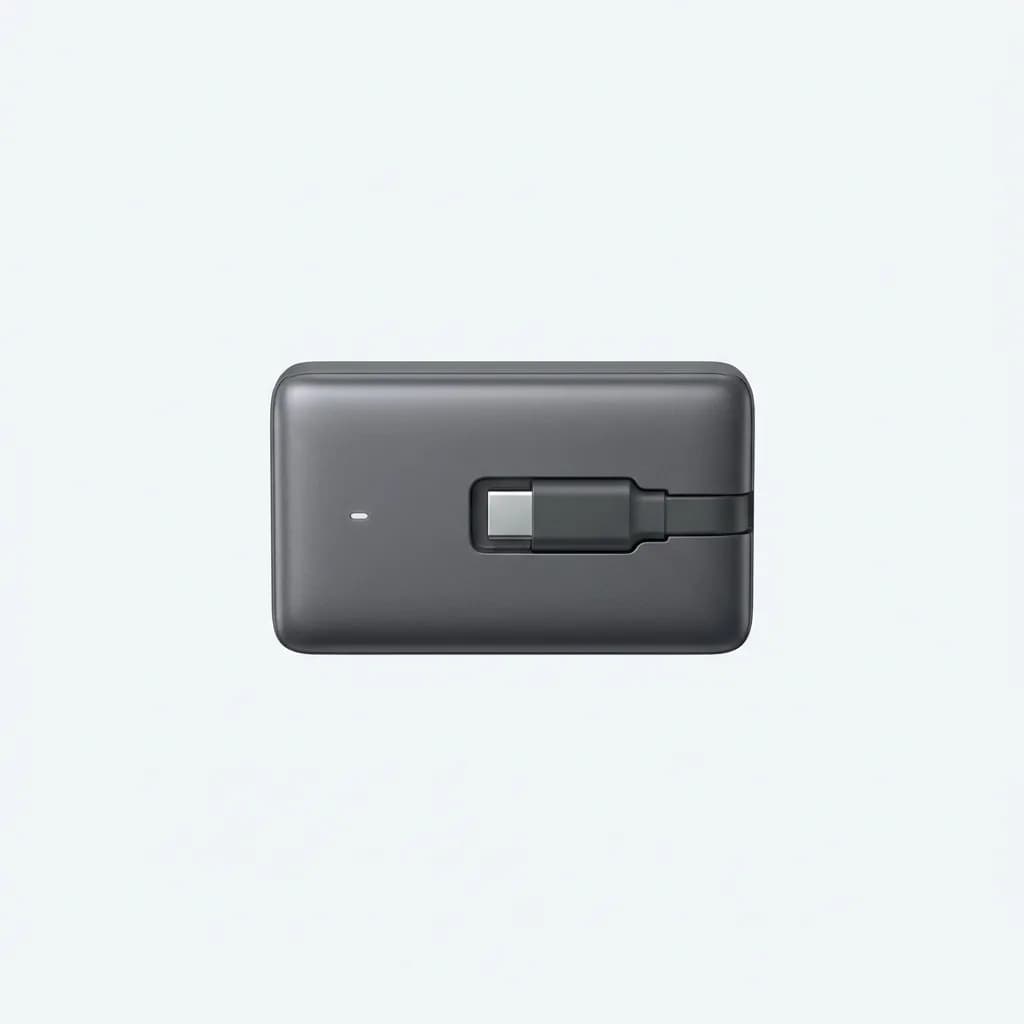
Anker Nano Power Bank
$55
10,000mAh portable battery with built-in USB-C connector and 30W fast charging output. Compact design eliminates the need for separate charging cables.
Build quality feels solid for the price. The hinge mechanism on the built-in connector seems durable through regular use, though time will tell if it holds up to years of daily pocket carry. At $55, it pushes the upper limit of budget territory, but the integrated cable design justifies the premium over cheaper options that require you to carry extra accessories.
Best Compact Light: Nitecore TINI 3
Keychain flashlights used to mean anemic output and dim, yellowish beams. The Nitecore TINI 3 delivers 500 lumens from a light small enough to disappear in your pocket. That's legitimate brightness, not marketing numbers that fall apart in real-world use.
The OLED display shows remaining battery percentage and current brightness level. No guessing whether you have enough juice for an evening walk or if you're about to be stranded in the dark. Magnetic charging means no fumbling with micro-USB ports, just snap it to the included cable.
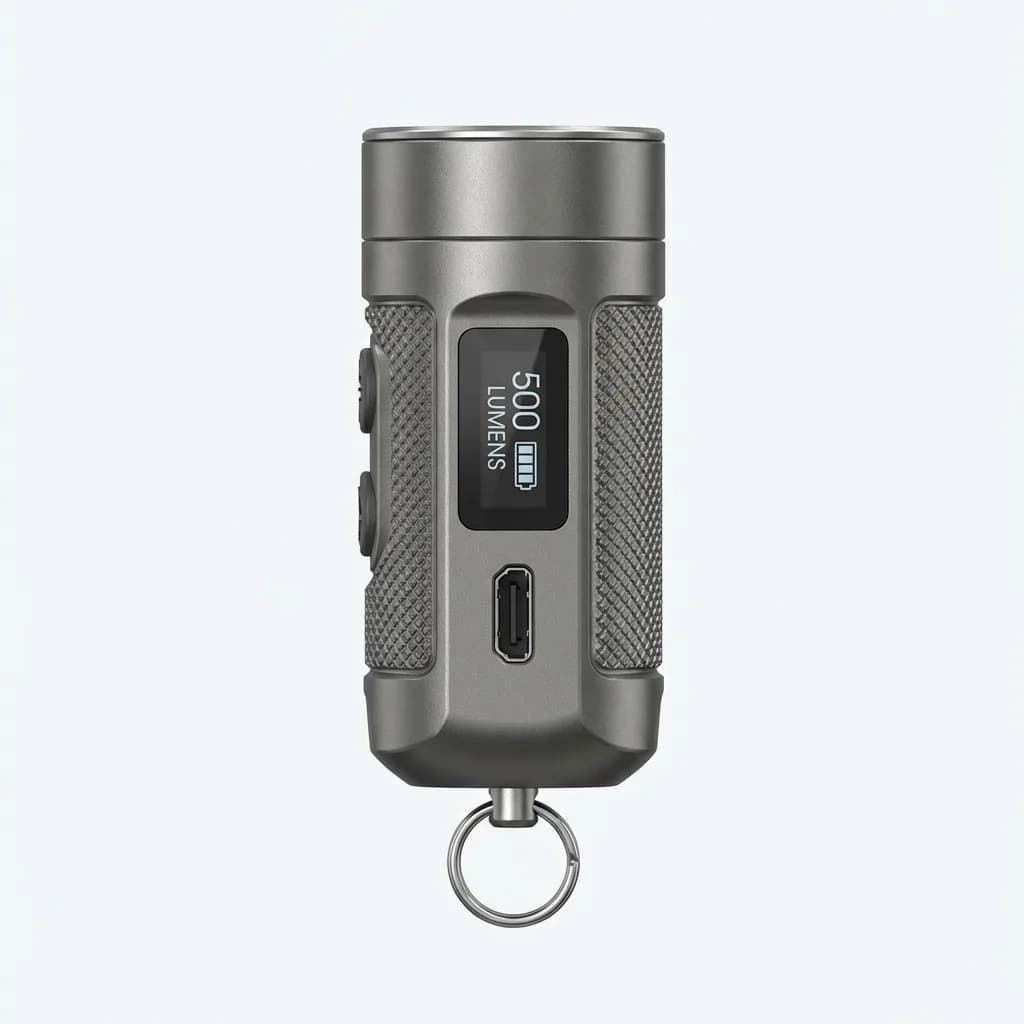
Nitecore TINI 3 Flashlight
$40
500-lumen keychain flashlight with OLED battery display and magnetic USB charging. Compact aluminum body with multiple brightness modes.
Multiple output modes range from barely-there moonlight (perfect for not waking your partner at night) to full-blast turbo. The aluminum body feels robust, though the anodized finish will show wear from keychain life. At $40, it's priced comparably to quality keychain lights from established manufacturers while offering more features than most.
Most Practical Cable: Native Union Belt Cable Duo
Cables fail. Constantly. The Native Union Belt Cable Duo takes a different approach with genuine leather reinforcement at stress points and a braided construction that resists fraying. The dual-ended design (USB-C to USB-C plus USB-C to Lightning) means one cable handles multiple devices.
The leather strap that wraps around the coiled cable keeps it organized without weird folding or stuffing. Toss it in your bag, pull it out weeks later, and it's still neat. Small detail, massive quality-of-life improvement.
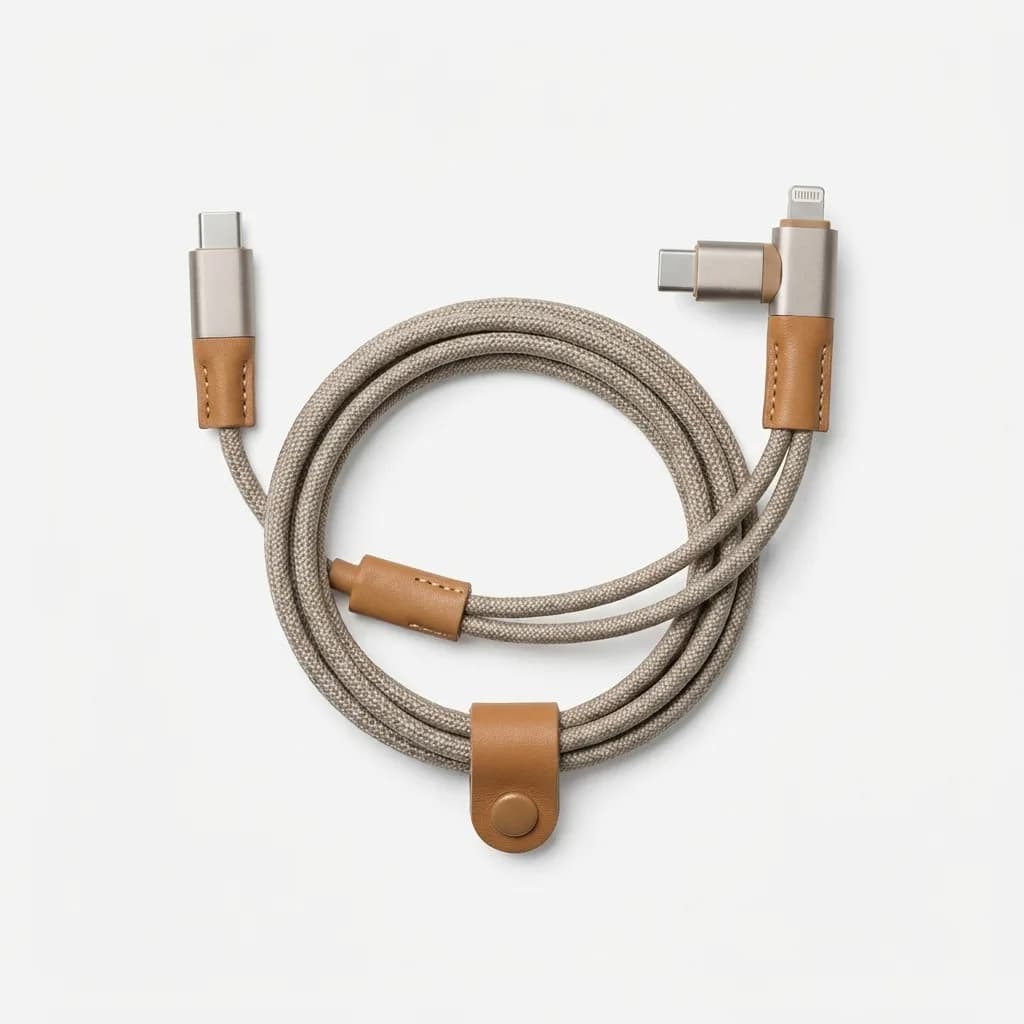
Native Union Belt Cable Duo
$40
Dual-ended charging cable with USB-C to USB-C and USB-C to Lightning connectors. Leather-reinforced stress points and built-in cable organizer strap.
At $40 for a charging cable, you might balk. Perspective check: how many $12 cables have you replaced in the past year? If the answer is more than three, this cable pays for itself. The leather ages well rather than looking worn, which matters if you care about how your gear looks after six months of use.
Best Organizer: Aer Pro Kit
Tech accessories multiply like rabbits. Cables, adapters, memory cards, batteries, all floating loose in your bag until you need one. The Aer Pro Kit corrals the chaos with logical organization and just enough structure to keep things accessible.
The clamshell opening provides full visibility of contents. No digging through a black hole of a pouch trying to find the right dongle. Elastic loops hold cables in place, mesh pockets secure smaller items, and the rigid back panel prevents crushing when the bag gets stuffed.
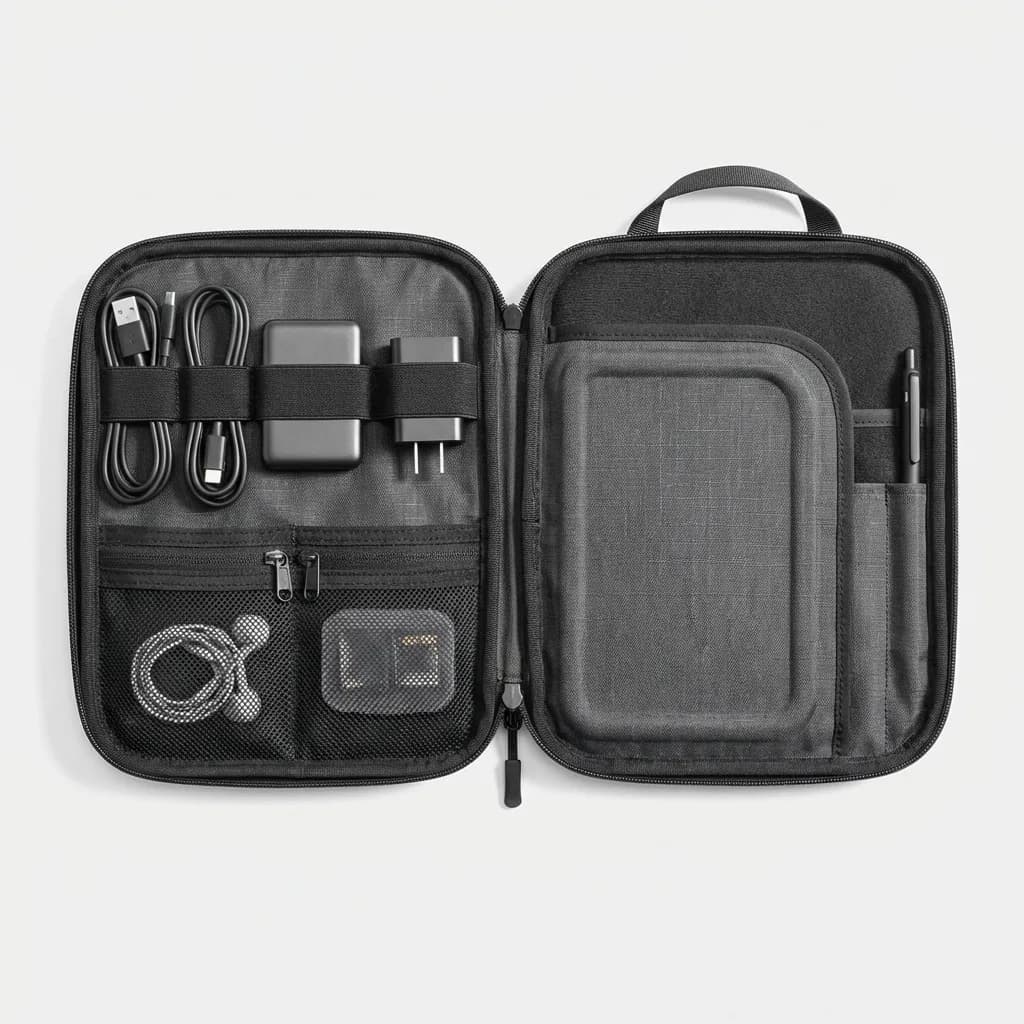
Aer Pro Kit
$55
Compact tech organizer with clamshell opening, elastic cable loops, and mesh storage pockets. Rigid back panel protects contents from crushing.
Ballistic nylon construction means it'll survive getting tossed around. The compact footprint fits in most bags without eating up all your space. At $55, it's pricier than generic tech pouches, but the organization system and build quality justify it if you regularly carry multiple cables and accessories.
Best Wall Charger: Anker Prime 67W
One charger for everything. That's the pitch, and the Anker Prime 67W mostly delivers. Three ports (two USB-C, one USB-A) with intelligent power distribution handle laptop, phone, and accessories simultaneously. The 67W output is enough for most ultrabooks when you're not running intensive tasks.
The folding prongs solve the bag-snagging problem that plagues fixed-plug chargers. GaN technology keeps the size reasonable despite the high wattage. It's not truly compact, but it's far smaller than carrying separate chargers for each device.
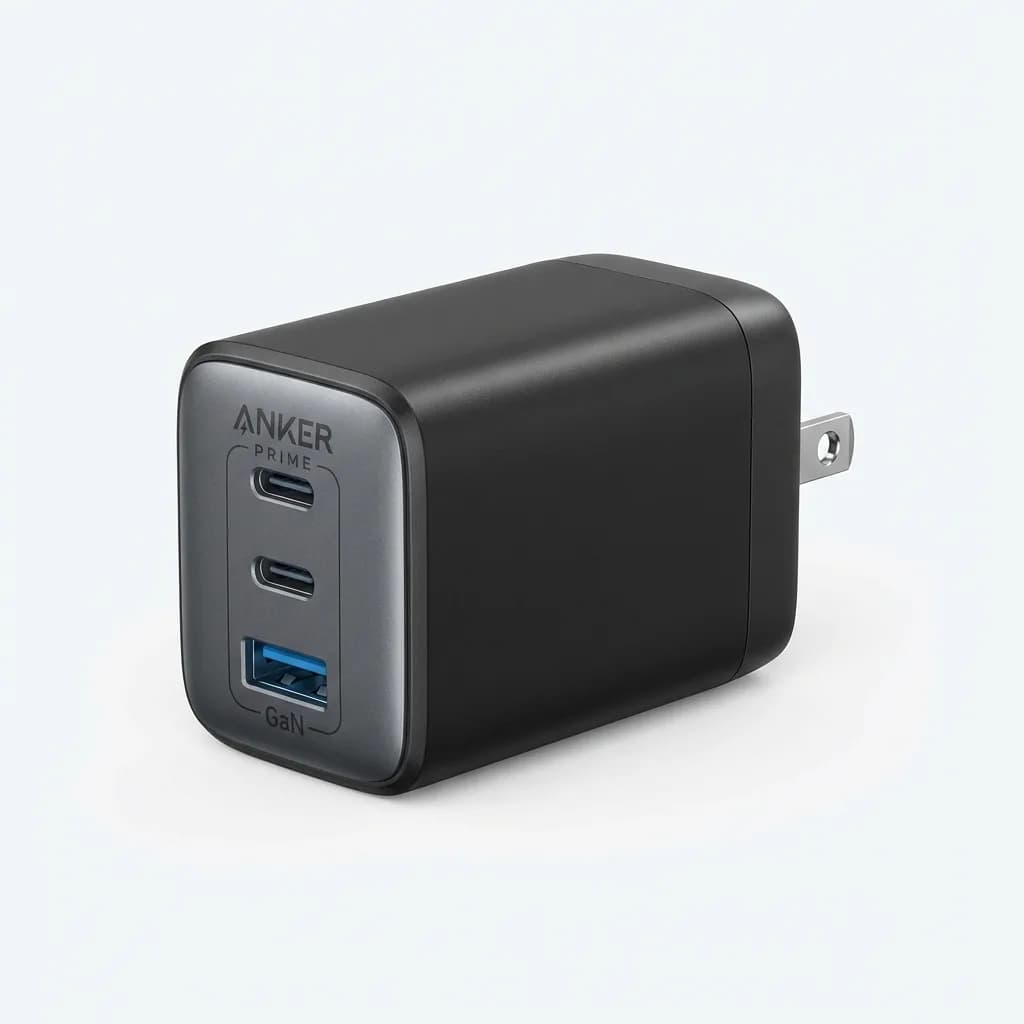
Anker Prime 67W USB-C Charger
$50
Three-port wall charger with 67W total output using GaN technology. Two USB-C and one USB-A port with intelligent power distribution. Folding prongs for portability.
Port placement could be better. When all three ports are occupied, cable management gets awkward. But for $50, you're getting legitimately fast charging for multiple devices in a package that replaces three separate chargers. The trade-off makes sense for anyone trying to minimize what they carry.
Best Precision Tool: HOTO Electric Screwdriver
Manual screwdrivers work, obviously. But when you're assembling furniture, swapping computer components, or handling any project with more than six screws, an electric screwdriver stops being a luxury and starts being a necessity.
The HOTO model offers adjustable torque to prevent stripping screws, a built-in LED work light, and enough battery life to handle most projects on a single charge. The bit storage in the handle keeps common sizes accessible. USB-C charging means one less proprietary cable to track.
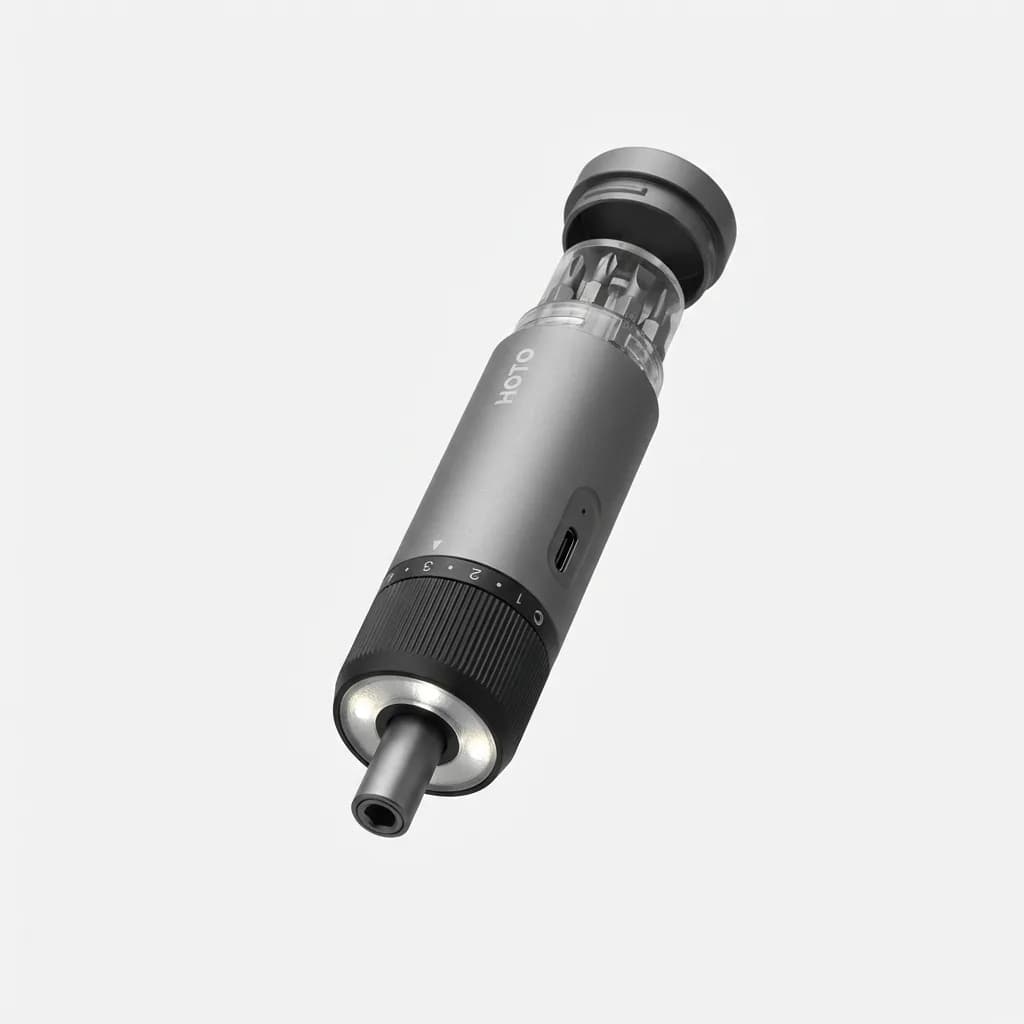
HOTO Electric Screwdriver
$50
Compact cordless screwdriver with adjustable torque settings, LED work light, and internal bit storage. USB-C rechargeable with multiple torque levels for precision work.
Torque maxes out around 3 N-m, which handles electronics and light assembly but won't drive deck screws. That's fine. This is an EDC tool, not a construction kit. The form factor fits in a bag without dominating your packing space, and the aluminum body feels durable enough for regular use.
Best Fire Starter: Dark Energy Plasma Lighter
Butane lighters run out. Matches get wet. The Dark Energy Plasma Lighter uses an electric arc that works in wind, rain, and at altitude. No fuel to refill, no flame to extinguish, just plug it in via USB-C when the battery runs low.
The dual-arc design creates enough heat to light candles, start campfires, or ignite a stove. It won't work on cigarettes (the gap is too wide), but for general fire-starting needs, it's more reliable than traditional lighters.
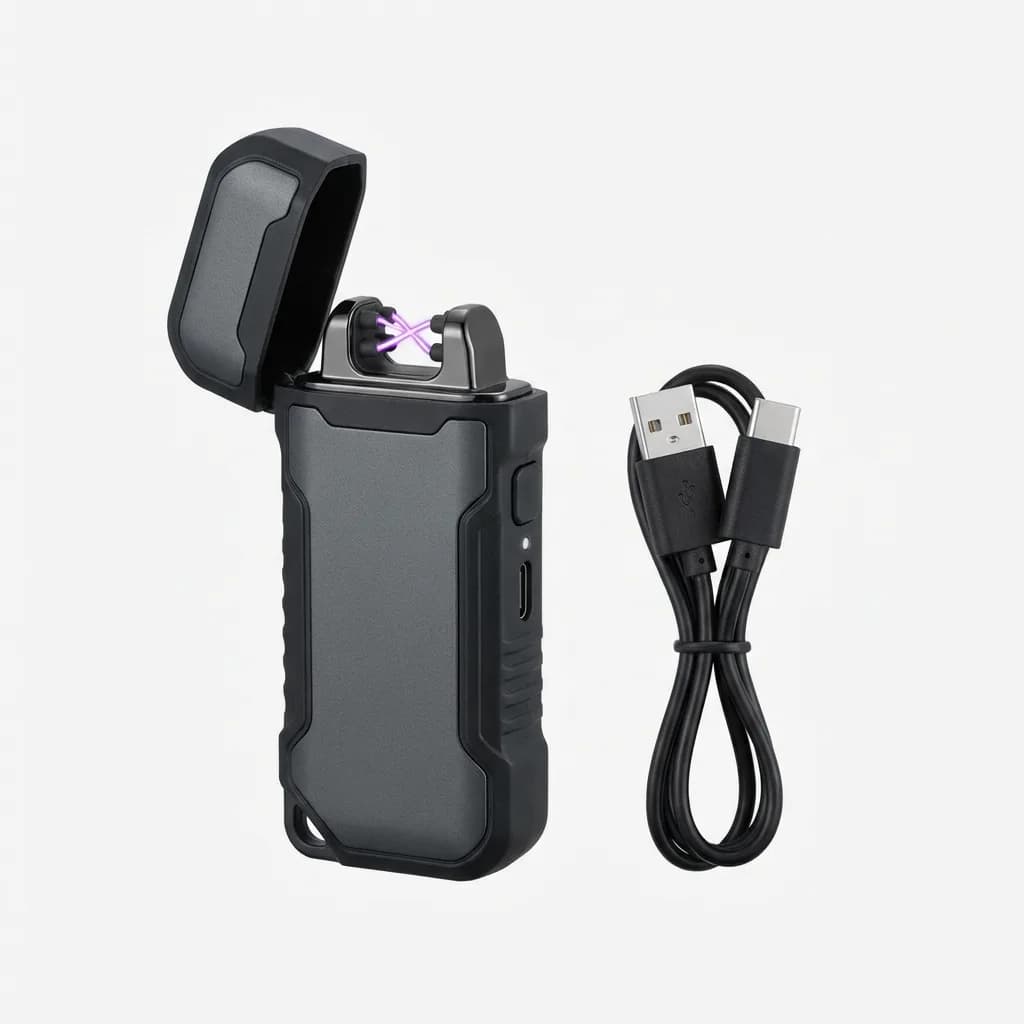
Dark Energy Plasma Lighter
$30
Dual-arc electric lighter with USB-C charging and waterproof construction. Works in wind and rain without butane fuel. Rechargeable battery for hundreds of lights per charge.
The waterproof housing matters more than you'd think. Toss it in a wet bag after a rainy camping trip and it still works. At $30, it costs more upfront than disposable lighters, but you'll never buy another one. The rechargeable design also eliminates the environmental waste of throwing away dozens of plastic lighters.
Best Budget Earbuds: JBL Vibe Beam
Wireless earbuds under $60 usually mean compromised sound quality, terrible battery life, or both. The JBL Vibe Beam manages acceptable audio performance and reliable connectivity without the premium price of name-brand alternatives.
Battery life hits around 8 hours per charge with an additional 24 hours from the case. That's enough for a full workday plus your commute without hunting for a charger. The IP54 rating handles sweat and light rain, though don't test it in the shower.
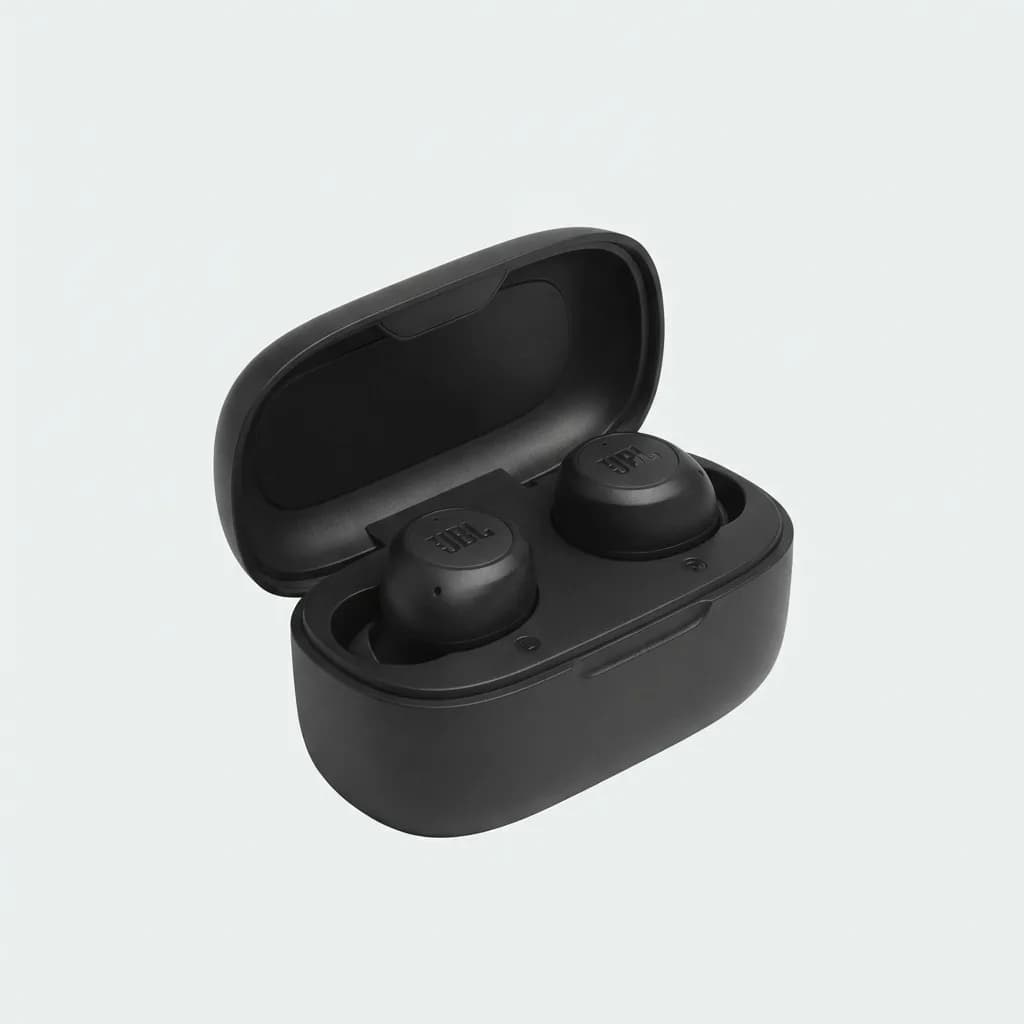
JBL Vibe Beam Earbuds
$55
True wireless earbuds with 8-hour battery life per charge and IP54 water resistance. Charging case provides 24 additional hours. Reliable Bluetooth connectivity and balanced sound.
Sound quality sits in "perfectly fine" territory. Bass response is adequate, mids are clear, and treble doesn't grate. Audiophiles will want more, but for podcast listening, video calls, and casual music, they deliver. The touch controls occasionally register phantom taps, but that's a common issue across all price ranges.
Most Compact Storage: SanDisk Extreme Fit USB-C
Cloud storage costs money every month. Physical drives break. USB flash drives offer the middle ground: portable storage you can touch, no subscription required. The SanDisk Extreme Fit in USB-C format delivers 256GB capacity in a drive small enough to live on your keychain.
Read speeds hit around 400 MB/s, which means transferring large files doesn't become an afternoon project. The aluminum body dissipates heat better than plastic alternatives, and the loop attachment point prevents the drive from snapping off in your bag.
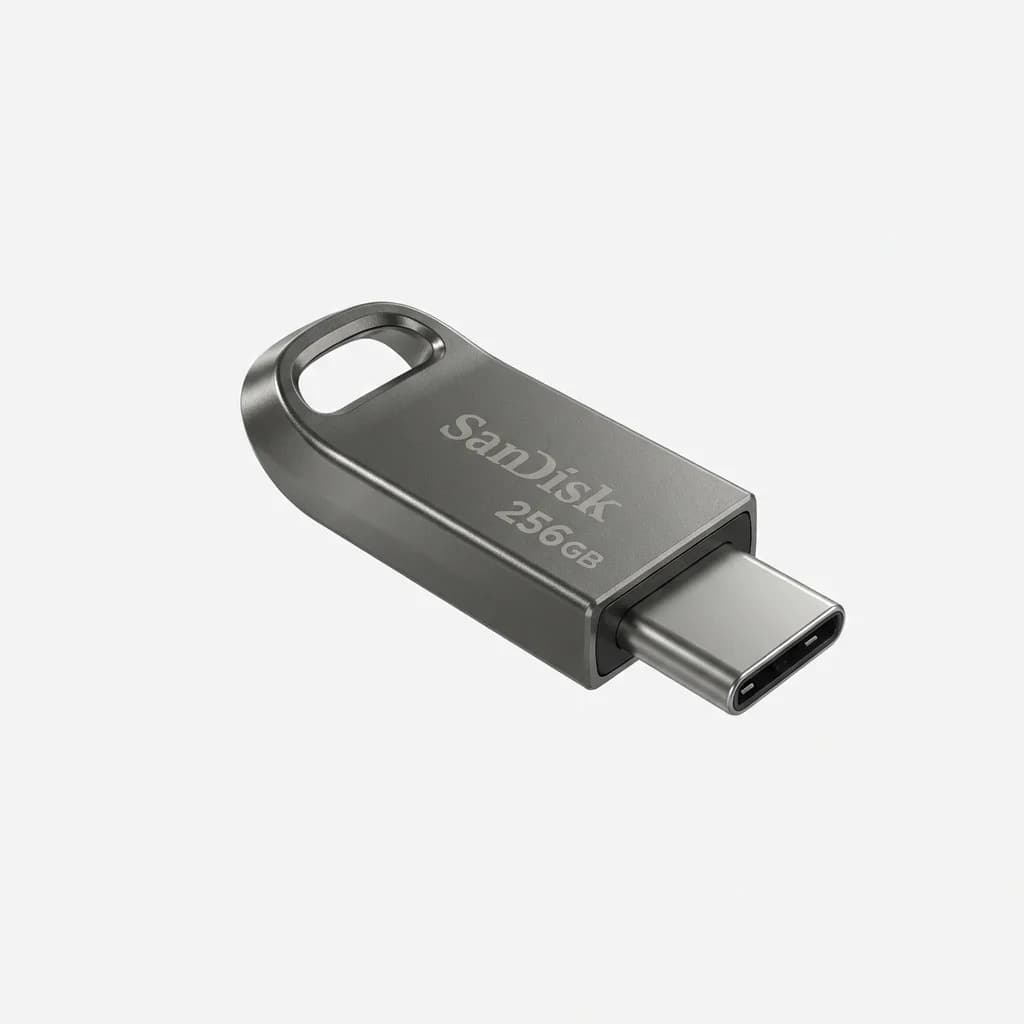
SanDisk Extreme Fit USB-C Flash Drive
$38
256GB USB-C flash drive with 400 MB/s read speeds and durable aluminum body. Compact keychain-friendly design with integrated loop attachment.
At $38 for 256GB, the cost per gigabyte beats most competitors while maintaining performance. The drive runs warm during sustained transfers, which is normal for high-speed flash storage in a compact form factor. Just don't expect it to stay cool while moving 100GB of video files.
Most Nostalgic: Casio CA-53W-1 Calculator Watch
Is a calculator watch practical in 2025? Not really. Phones exist. But there's something deeply satisfying about having a functional calculator strapped to your wrist, especially one that costs $40 and looks like it time-traveled from 1985.
The actual calculator works surprisingly well for quick math. The buttons are small but responsive, and the display is readable in most lighting conditions. The stopwatch and alarm functions add utility, though you'll probably use your phone for those too.
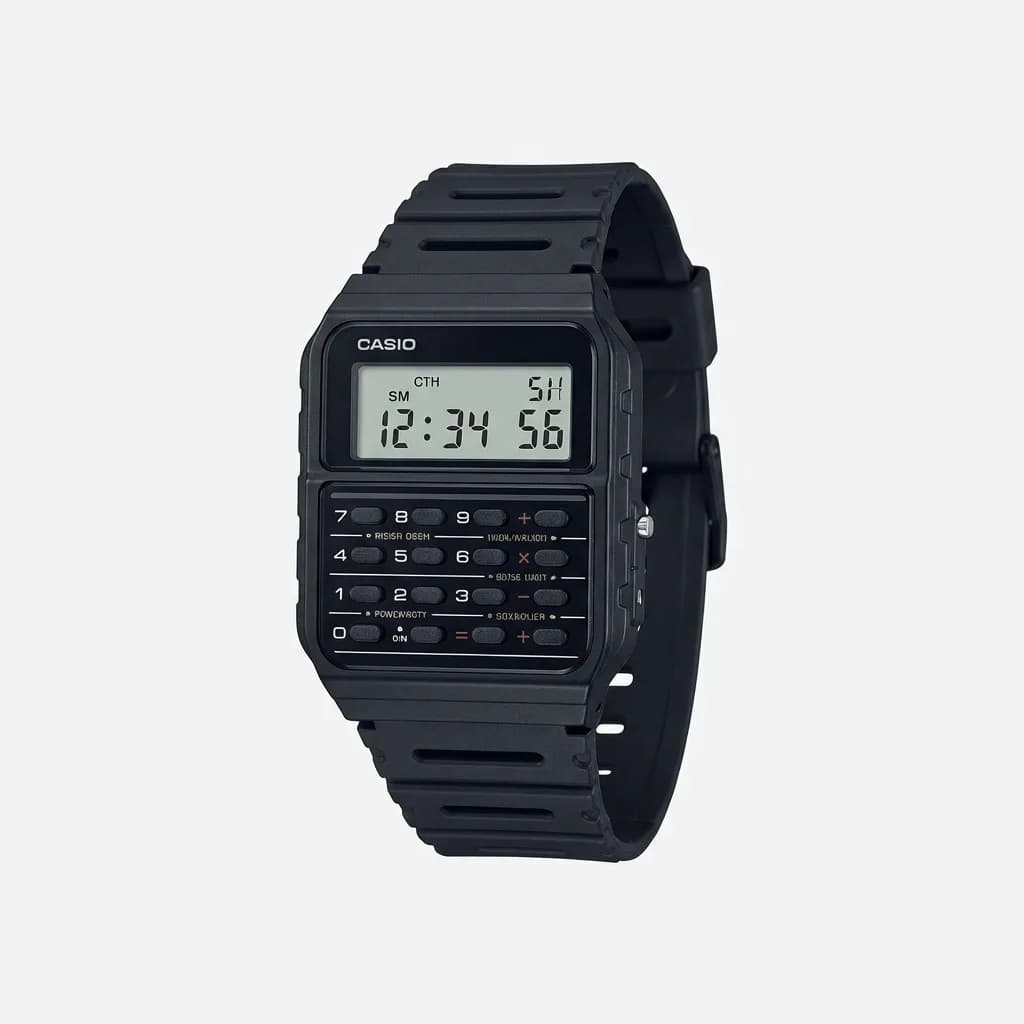
Casio CA-53W-1 Calculator Watch
$40
Digital calculator watch with functional keypad, stopwatch, and alarm. Classic 1980s design with water resistance and long-life battery. Resin case and comfortable band.
This is a conversation starter more than a tool, but it's a genuine Casio with the build quality that implies. The resin case and band feel cheap because they are cheap, but they're also practically indestructible. Battery life measures in years, not weeks. At $40, it's an affordable piece of functional nostalgia.
Bonus Pick: Miyoo Mini Plus
Technically a handheld gaming console, practically a pocket-sized stress relief device. The Miyoo Mini Plus runs retro game emulators with a 3.5-inch IPS display and genuine tactile buttons. Load it with classic games and you've got unlimited entertainment that fits in a jacket pocket.
Battery life hits 4-5 hours depending on the system you're emulating. The Linux-based OS accepts community firmware for expanded functionality. Build quality is solid for a Chinese import, though the buttons will develop play after extended use.
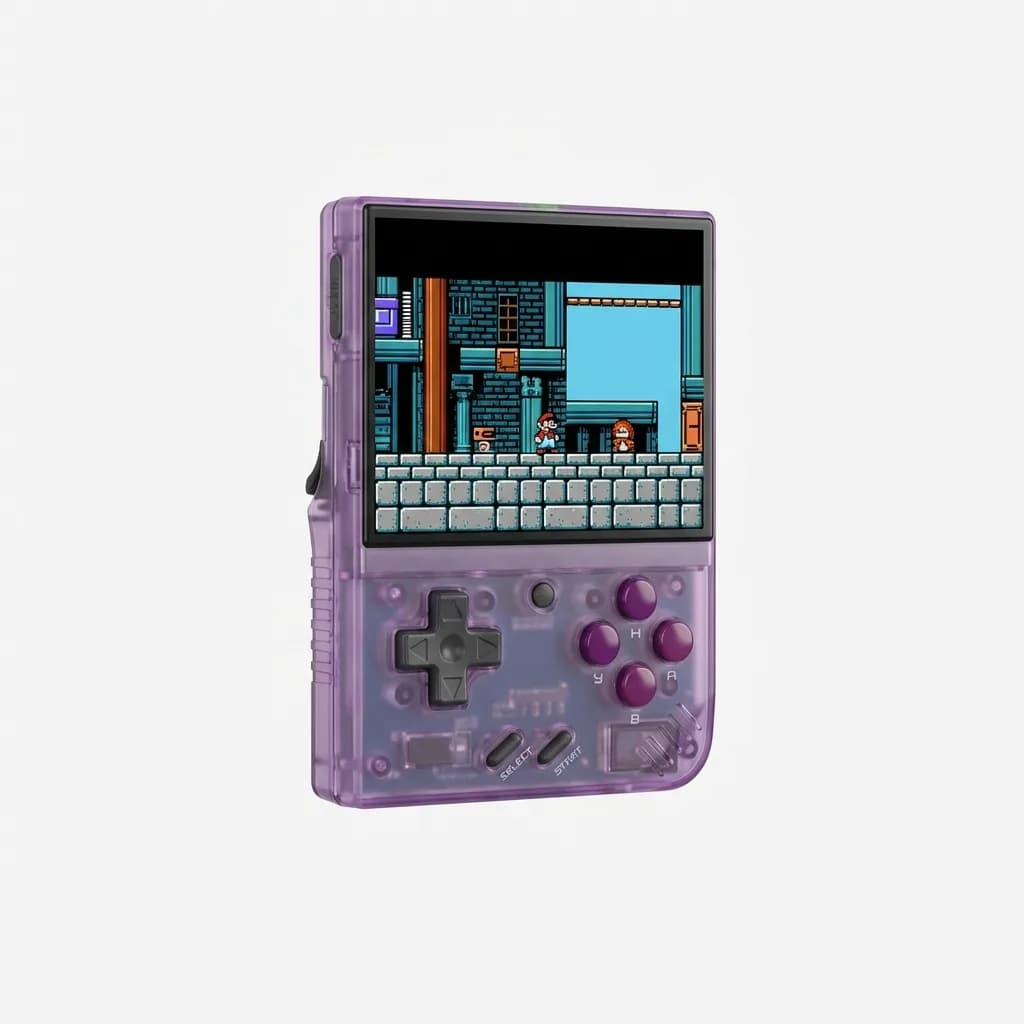
Miyoo Mini Plus
$69
Portable retro gaming handheld with 3.5-inch IPS screen and Linux-based emulation OS. Plays classic console games with physical controls. Community firmware support for expanded features.
At $69, it exceeds the $50 target, but the value proposition holds. Compare it to buying individual classic games on modern platforms, and it pays for itself quickly. Plus, having Tetris available during flight delays has measurable mental health benefits.
How These Stack Up Against Each Other
The Anker power bank and wall charger create a complete charging ecosystem. Pair them with the Native Union cable and you've covered power needs at home, on the road, and in emergencies. Total investment: $145 for three items that work together seamlessly.
For illumination, the Nitecore flashlight and Dark Energy lighter overlap in some scenarios but serve different primary purposes. The flashlight provides sustained light for walking, searching, or working. The lighter handles fire-starting and emergency situations. If budget forces a choice, the flashlight gets more daily use.
The JBL earbuds versus the Casio watch represents a utility versus novelty decision. One provides tangible value multiple times per day. The other delivers conversation and nostalgia. If you're building an EDC kit from scratch, earbuds win. If you're adding character to an existing setup, the calculator watch adds personality.
Storage options split between cloud (subscription cost), internal device storage (fixed capacity), and the SanDisk flash drive (one-time purchase). The flash drive makes sense for anyone regularly moving files between devices or needing offline backup. It doesn't replace cloud storage, but it eliminates the need for constant connectivity.
Who Should Buy What
If your phone dies daily and you're tired of hunting for outlets, grab the Anker Nano Power Bank first. The integrated cable design eliminates excuses for not carrying backup power.
If you work in dimly lit spaces, do any outdoor activities, or find yourself fumbling with your phone's flashlight regularly, the Nitecore TINI 3 solves a problem you might not realize you have until you own a proper light.
If you replace charging cables more than twice a year, the Native Union Belt Cable Duo's durability justifies the upfront cost. It's insurance against constant cable shopping.
If you carry multiple devices and spend time in transit, the Aer Pro Kit and Anker wall charger work together to keep everything organized and charged. The combo turns chaotic cable management into a system.
If you do any kind of assembly, repair, or modification work, the HOTO screwdriver saves enough time and frustration to justify the purchase within a few projects.
If you're building an EDC kit on a strict budget, start with power (Anker Nano), light (Nitecore TINI 3), and storage (SanDisk drive). Those three address the most common daily needs for under $135 total.
The Weekly Dispatch
Enjoying this article?
Subscribe and get our best gear picks delivered every Sunday morning.
Related Posts
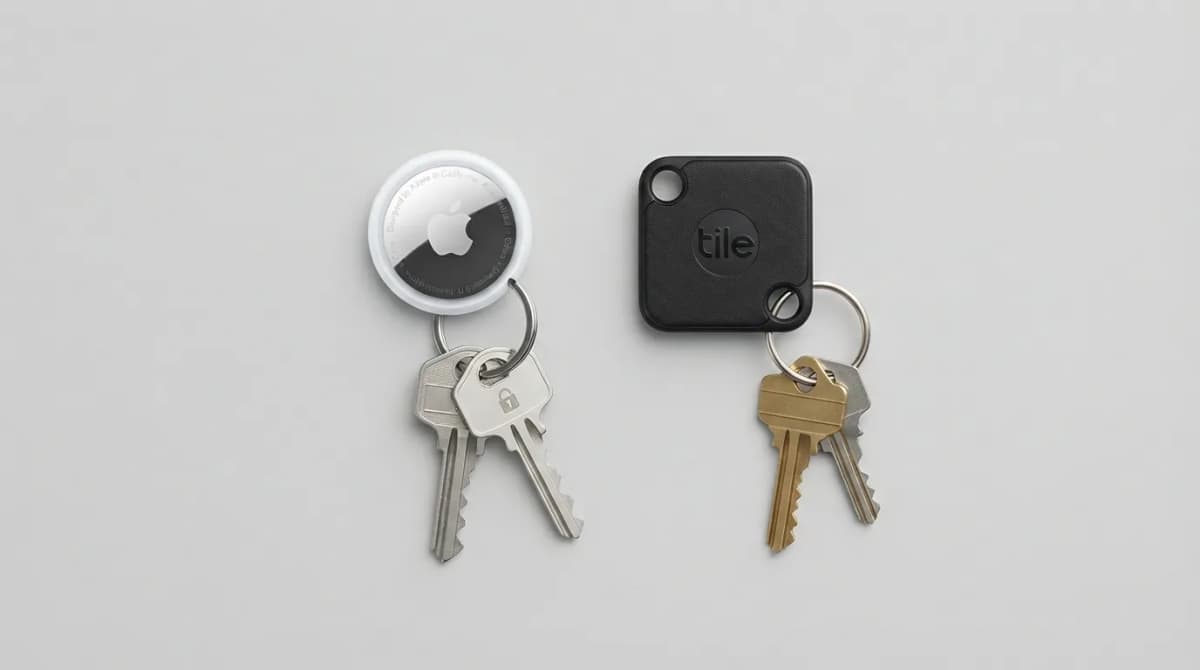
AirTag vs Tile Mate (2026): Which Key Tracker to Buy
Apple AirTag vs Tile Mate for keys: phone compatibility, range, battery and price compared from Apple and Tile maker pages, as of Oct 2026.
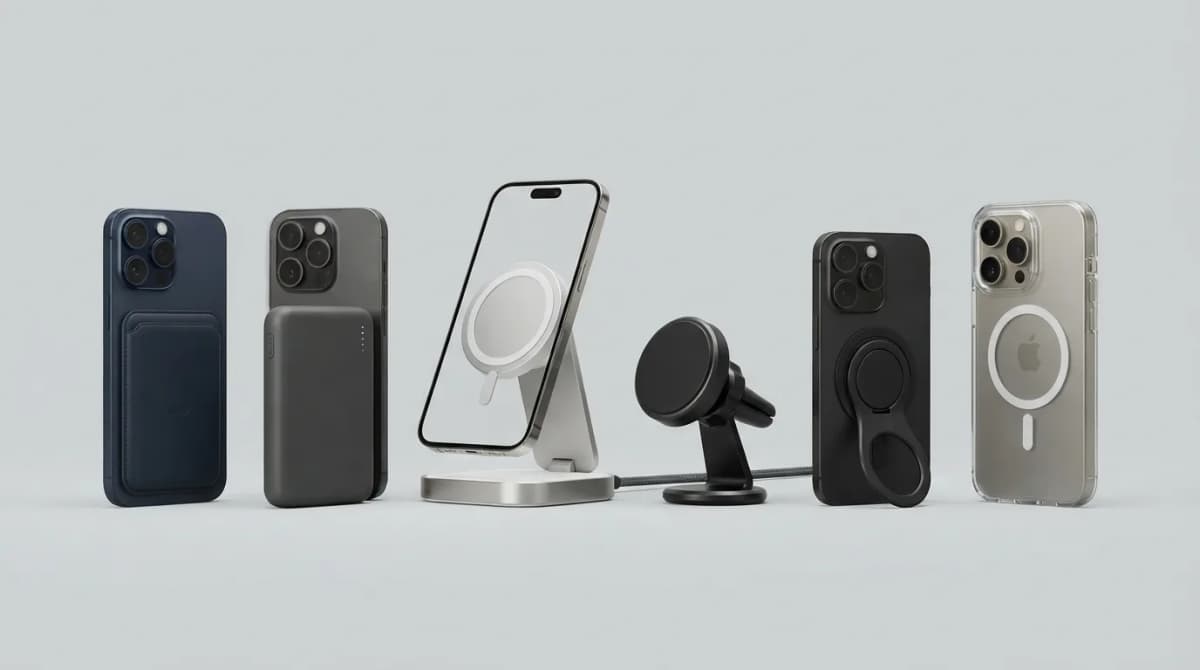
Best MagSafe Accessories for iPhone 18 Pro (2026)
MagSafe and Qi2 accessories for iPhone 18 Pro and Pro Max: wallets, power banks, a dock, car mount, grips, cases, a keyboard, a controller, an SSD and more, with maker specs and prices as of Oct 2026.
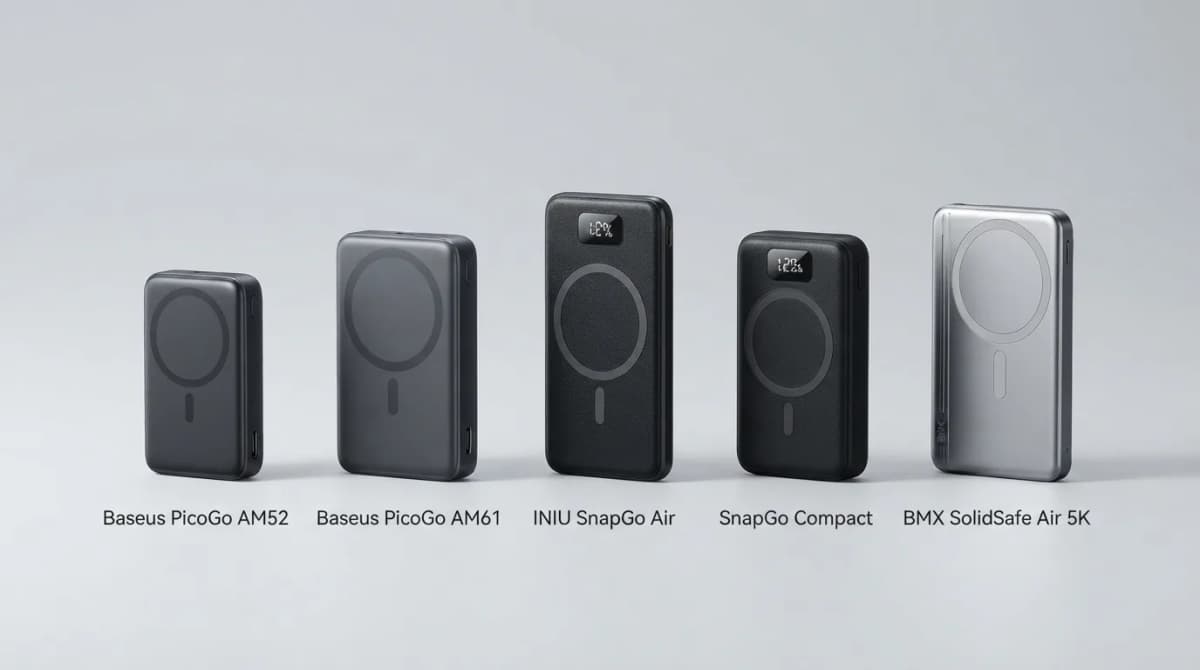
Best Qi2 Power Banks 2026 for iPhone and Android
The best Qi2 and Qi2.2 magnetic power banks for 2026: Baseus PicoGo AM52 and AM61, INIU SnapGo Air and SnapGo Compact, and BMX SolidSafe Air 5K. Prices at publish, Oct 2026.
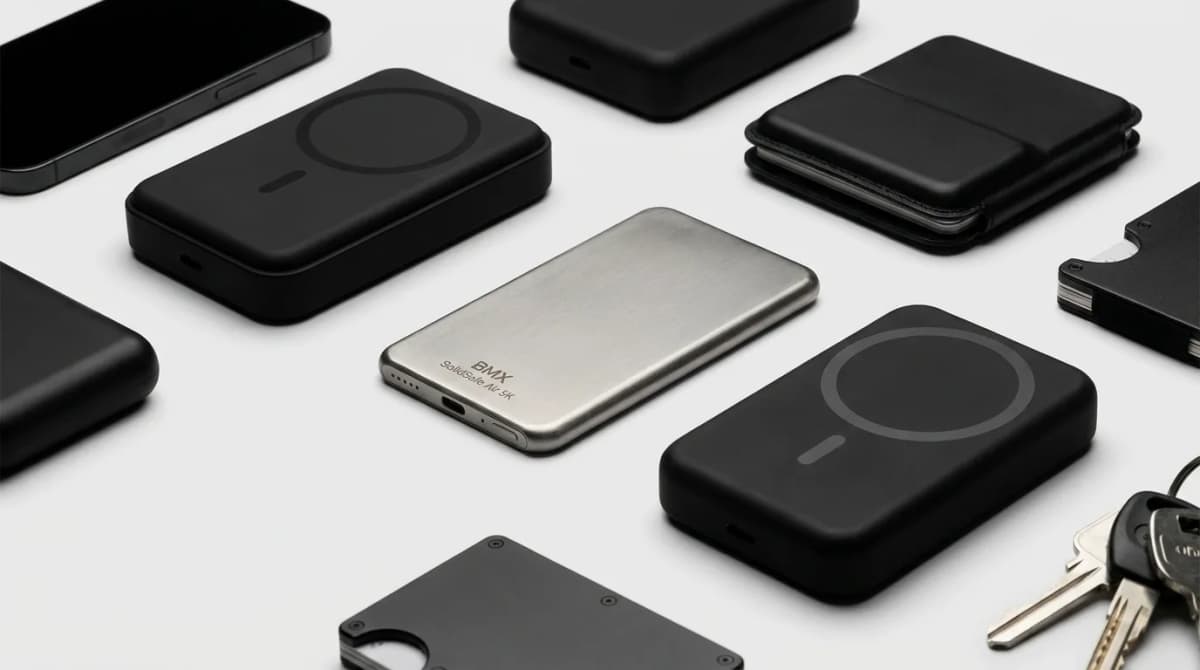
BMX SolidSafe Air 5K: Thinnest Qi2 Power Bank
Thick MagSafe banks die in the bag. BMX SolidSafe Air 5K hits 6.8mm titanium, Qi2 15W, and a semi-solid-state safety pitch — pocket-first EDC power, not another brick. Who buys, who skips.