Smart Home Gadgets Worth Your Money in 2026
Skip the gimmicks. These smart home devices actually solve problems, work reliably across ecosystems, and respect your privacy without subscriptions.
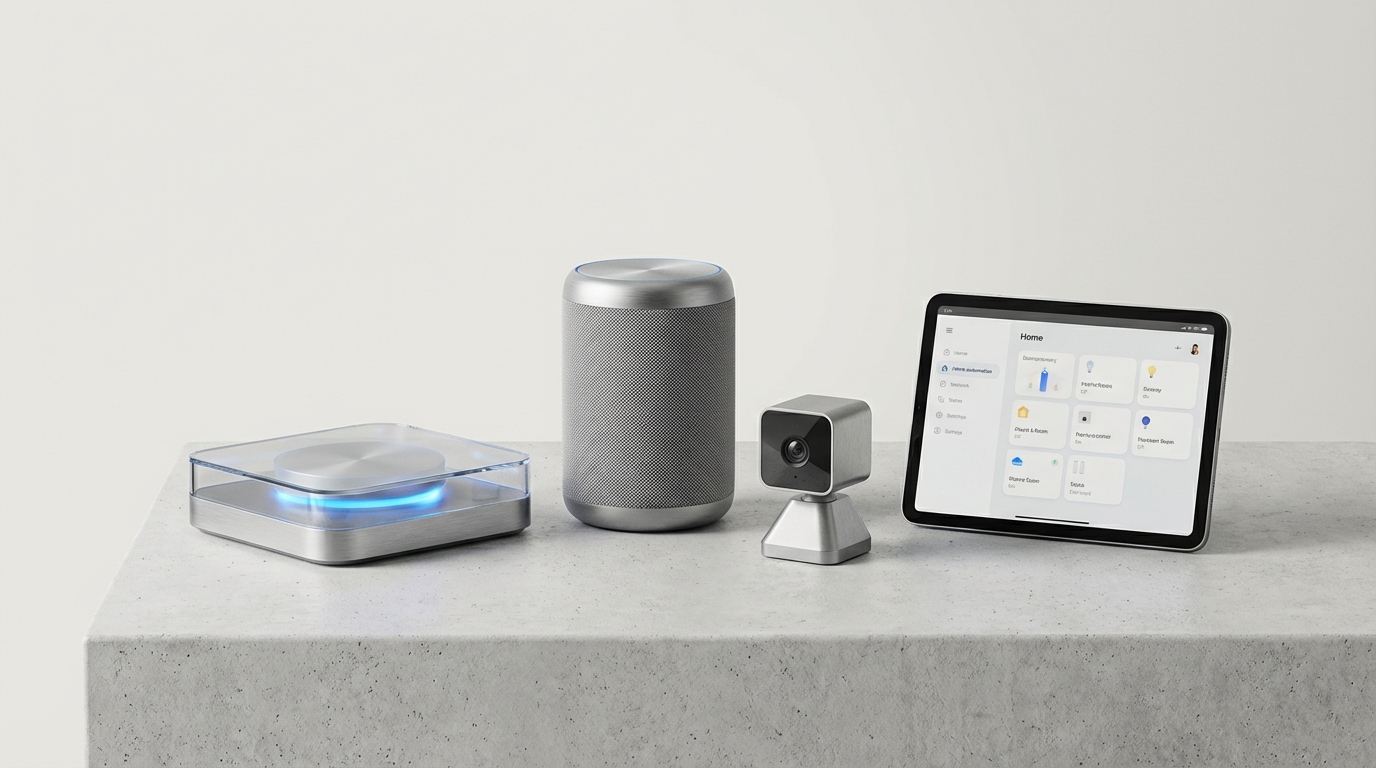
Most smart home gadgets end up as expensive paperweights within two years. The app stops working, the company shuts down, or you realize it solved a problem you never actually had. These are the ones worth a permanent spot in your home.
The difference between a useful smart device and a pointless one comes down to three things: it works without constant troubleshooting, it integrates with what you already own, and it actually saves you time or money. Ignore the flashy features. Focus on reliability and compatibility.
Matter Protocol Changed Everything
Matter is the interoperability standard that finally delivers on the promise of a unified smart home. Devices certified with Matter work across Apple Home, Google Home, Amazon Alexa, and Samsung SmartThings without brand lock-in or compatibility headaches.
Before Matter, you had to check if your smart bulb worked with your smart speaker, then hope the integration didn't break after an update. Now, Matter-certified devices connect to all major platforms simultaneously. You can control them from any app, and they keep working even if one platform goes offline.
This matters more than any individual feature. Buy Matter-compatible devices whenever possible. The certification mark looks like a stylized molecule, and you'll find it on packaging from brands like Eve, Aqara, Nanoleaf, and TP-Link.
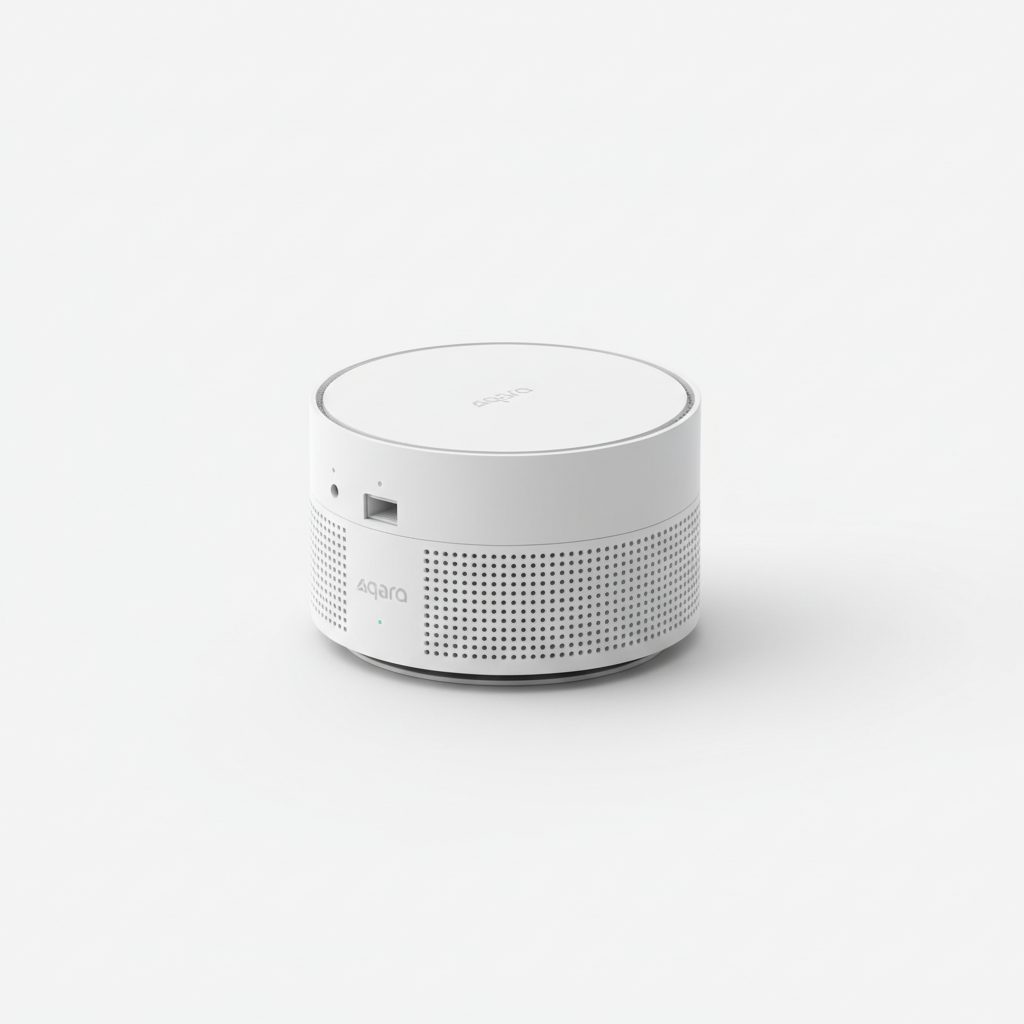
Aqara Hub M3
$99
Matter-certified hub supporting Zigbee, Thread, and Wi-Fi protocols. Connects up to 256 devices with local control, no cloud dependency. Doubles as IR blaster for traditional appliances.
The exception to the Matter-only rule: devices with excellent standalone apps and proven longevity. Some manufacturers like Lutron and Sonos have earned trust through years of reliable software support. They'll add Matter eventually, but their proprietary systems already work seamlessly.
Smart Plugs That Actually Monitor Energy
Smart plugs are the gateway device for home automation. They turn any appliance into a connected one, but most cheap plugs lack the feature that makes them truly valuable: energy monitoring.
A basic on-off smart plug saves you from walking to the outlet. An energy-monitoring plug tells you exactly which devices are driving up your electric bill. It can reveal vampire power drains: devices still drawing power while supposedly "off."
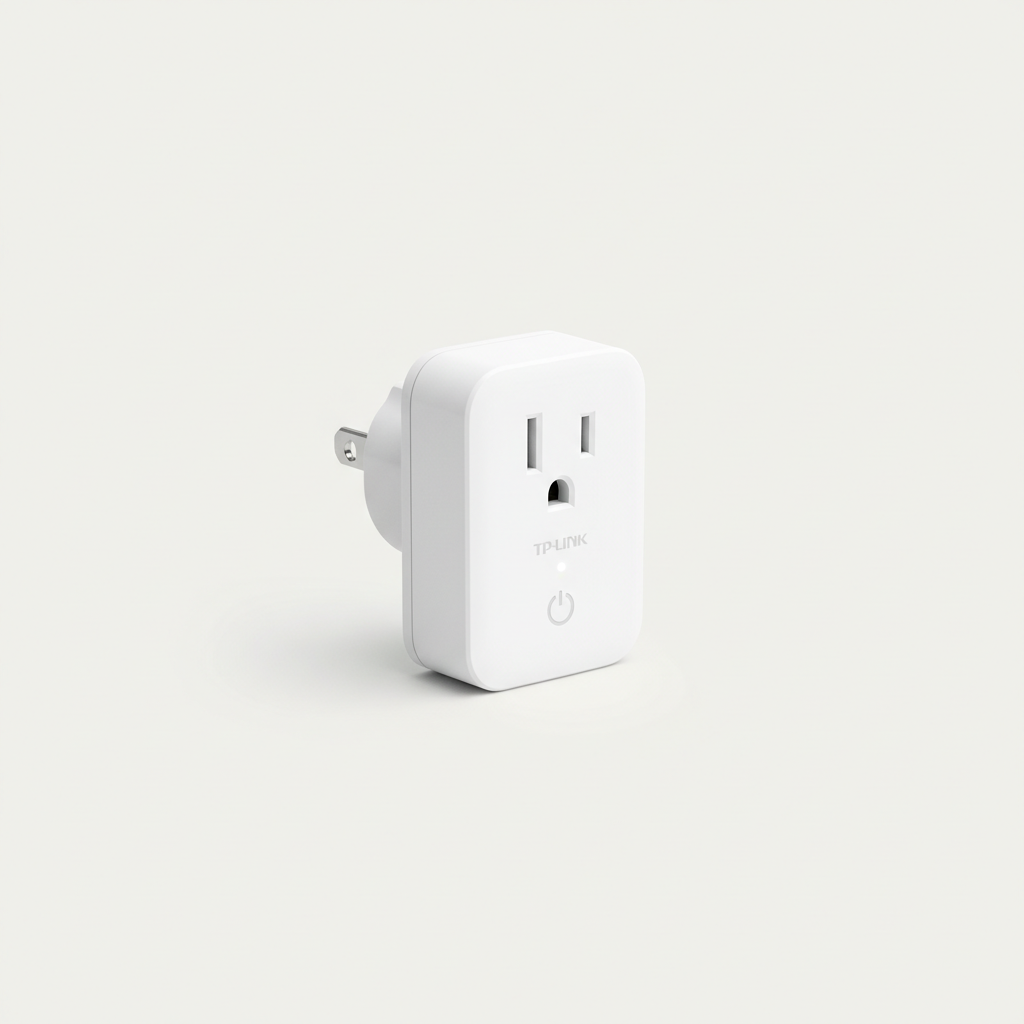
TP-Link Kasa EP25
$18
Matter-certified smart plug with real-time energy monitoring down to 0.1W accuracy. Compact design doesn't block adjacent outlets. Tracks historical usage and cost per device.
Look for plugs rated for at least 15 amps and 1800 watts. Lower ratings mean you can't use them with space heaters, hair dryers, or other high-draw appliances. Also check the physical size. Many smart plugs are so bulky they block the second outlet on a standard duplex receptacle.
The Kasa EP25 succeeds because it's genuinely compact, monitors power accurately, and supports Matter. You can automate based on energy thresholds. For example, send an alert if your sump pump draws more than 5 watts continuously, indicating it's running nonstop and might be failing.
Smart Lighting: Skip RGB, Prioritize White Spectrum
RGB color-changing bulbs are fun for about two weeks, then you realize warm white and cool white are the only settings you actually use. Save your money and focus on smart bulbs with excellent white spectrum control instead.
Quality smart lighting adjusts color temperature from warm 2200K (candlelight ambiance) to cool 6500K (bright daylight focus). This affects your circadian rhythm more than any color wash. Warmer temperatures in the evening signal your body to wind down. Cooler temperatures in the morning help you wake up and concentrate.
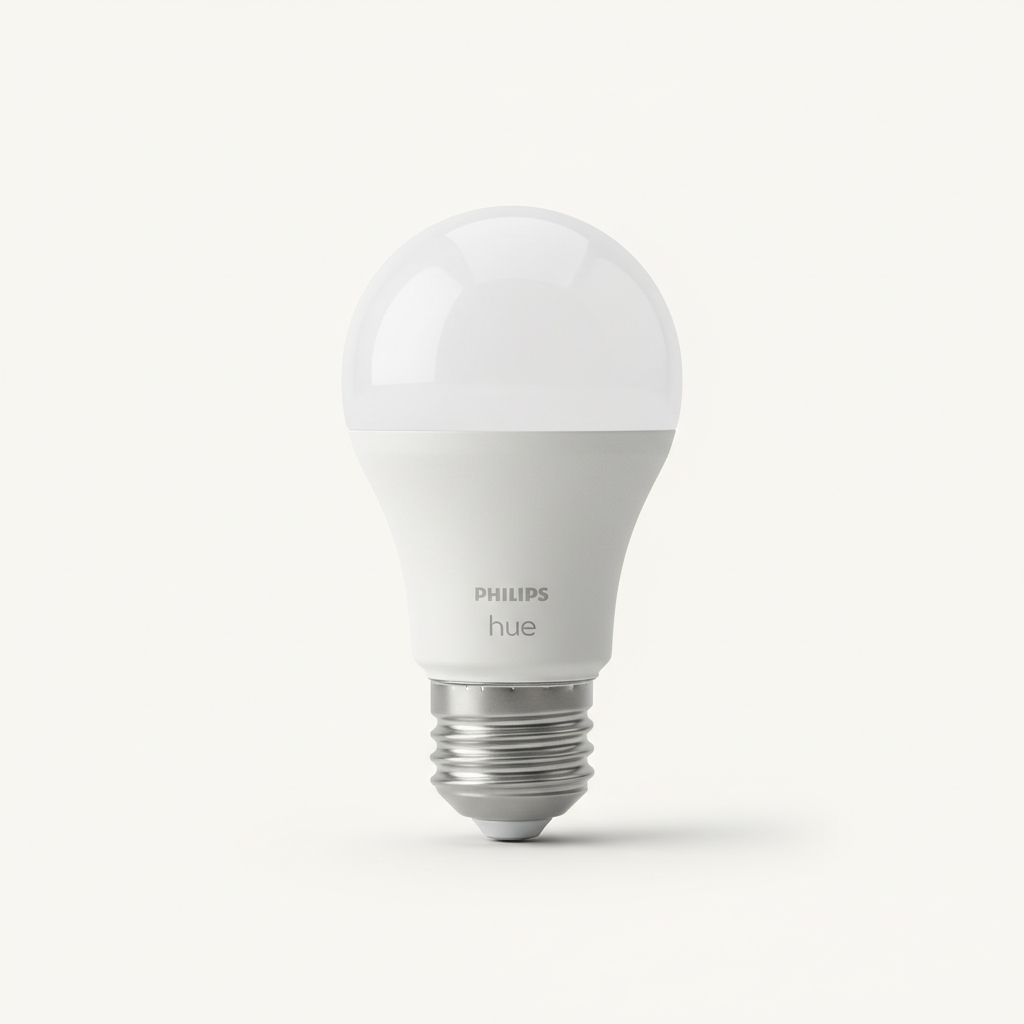
Philips Hue White Ambiance A19
$25
Tunable white LED (2200K-6500K) with rock-solid Zigbee connectivity. 1600 lumens, equivalent to 100W incandescent. Works with every major platform via Hue Bridge, now Matter-compatible.
Philips Hue remains the gold standard because the system just works. Bulbs connect reliably, respond instantly, and the scenes sync across devices without lag. The Hue Bridge costs $60, but it's worth it for the stability. Cloud-dependent Wi-Fi bulbs lose connection during internet outages. Zigbee bulbs with a local hub keep functioning.
For budget-conscious buyers, the Sengled Smart LED bulbs offer Matter support at $12 per bulb. They require a Matter hub like the Aqara M3, but you avoid the Hue ecosystem cost. The trade-off: slightly slower response times and fewer advanced features like entertainment sync.
Smart Speakers You'll Actually Use Daily
Voice assistants peaked in utility around 2019 and have mostly stagnated since. You don't need the latest model. Focus on speakers with good audio quality, because you'll use them for music far more than voice commands.
Smart speakers earn their place in daily use: kitchen timers while cooking, music during cleaning, weather checks before leaving, and smart home control from the couch. The best ones balance voice recognition accuracy with speaker performance.
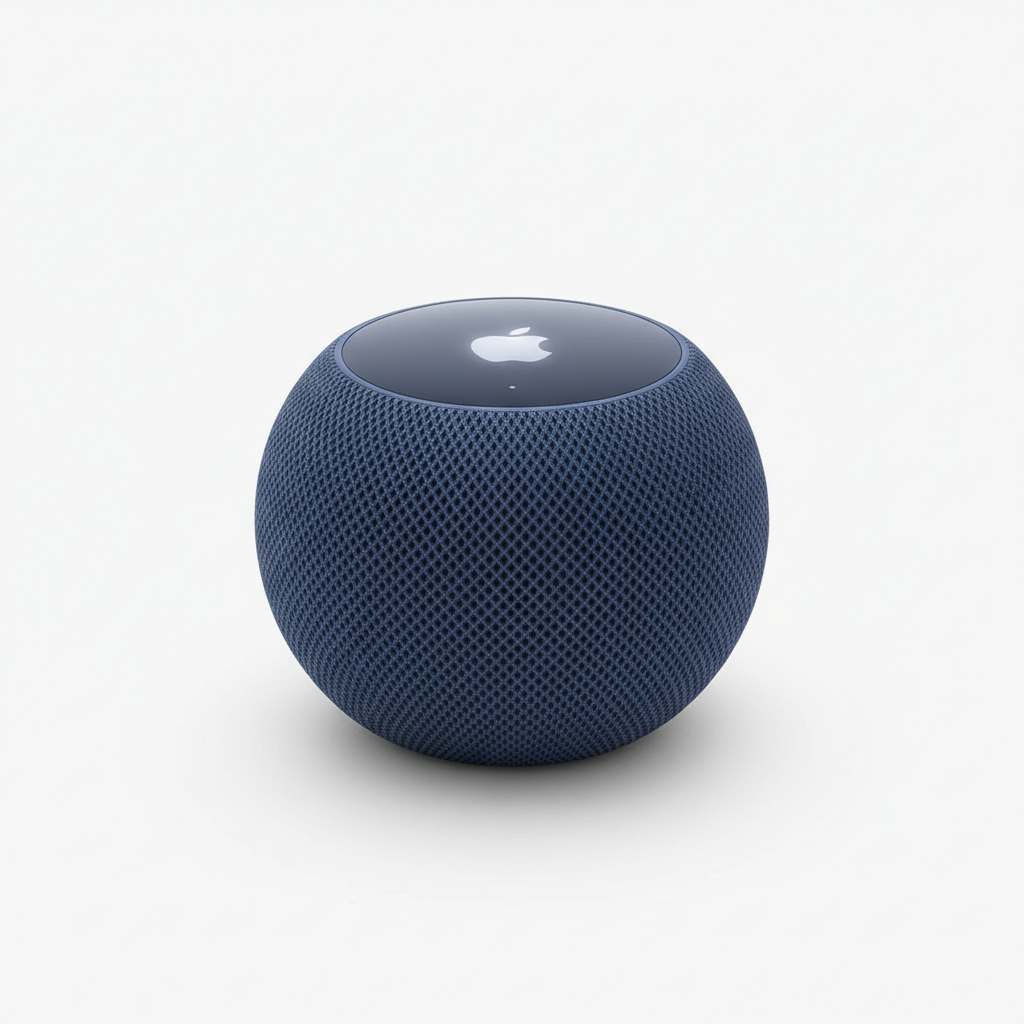
Apple HomePod Mini (2nd Gen)
$99
Compact smart speaker with surprisingly full sound, room-sensing audio adaptation, and Thread border router built in. Siri integration for Apple users, Matter controller for everything else.
The HomePod Mini punches above its size class for audio quality, and it doubles as a Thread border router for low-power Matter devices. If you're already in the Apple ecosystem, it's the obvious choice. Siri still lags behind Alexa and Google Assistant for general queries, but for smart home control and Apple Music, it's seamless.
For non-Apple households, the Echo Dot (5th Gen) at $50 offers better voice recognition and wider skill support. Audio quality is merely adequate, but Alexa excels at routines, timers, and cross-device announcements. The built-in temperature sensor enables location-based automation.
Contact Sensors That Work Reliably
Door and window sensors are unsexy but incredibly useful. They enable security monitoring, trigger automations when you arrive home, and track whether you left the garage door open.
The problem: most contact sensors use coin cell batteries that claim two-year life but die in 8-10 months. Then you're constantly replacing batteries in sensors mounted high on door frames or tucked behind windows.

Aqara Door and Window Sensor P2
$17
Zigbee contact sensor with true 5-year battery life using a single CR123A. Detects open/closed states in under 300ms. Includes light sensor for dual-purpose automation triggers.
The P2 stands out for its fast response time and legitimate multi-year battery life. Place one on your front door to automatically turn on lights when you enter after sunset. Put one on a bedroom door to pause music when the door opens (privacy automation for shared spaces).
The included light sensor adds a second automation trigger. You can set different behaviors based on whether it's day or night. For example, door opens during daytime = no action, but door opens after dark = lights on.
Smart Thermostats: The One Device That Pays for Itself
Smart thermostats are the rare category where even cheap options deliver real value. Automated scheduling alone saves 10-15% on heating and cooling costs. That's $150-250 per year for the average household, meaning the device pays for itself in one season.
The key feature isn't AI learning or occupancy sensing. It's geofencing. When your phone leaves a defined area around your home, the thermostat switches to away mode. When you return, it resumes the comfort schedule. No manual adjustment needed.
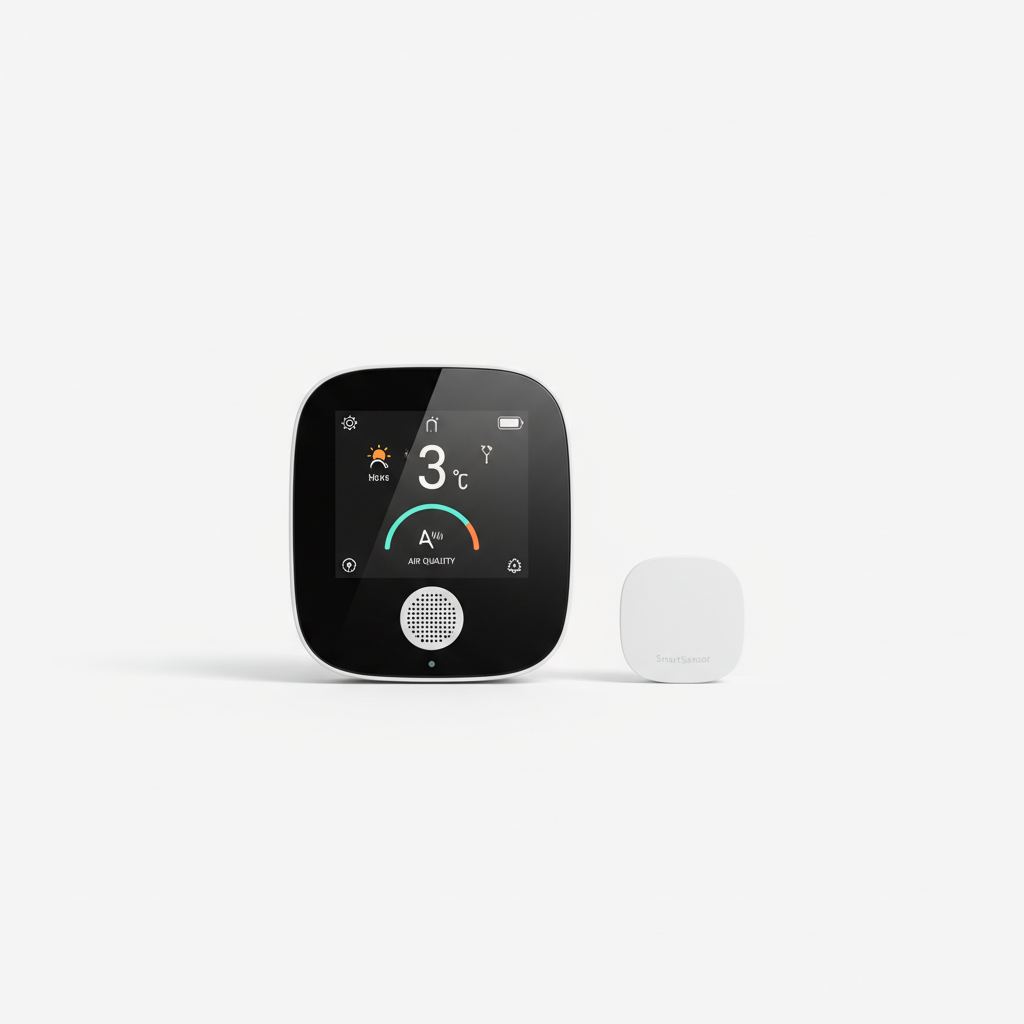
Ecobee Smart Thermostat Premium
$249
Energy Star certified with room sensor included for balanced multi-room temperature. Built-in air quality monitor, radar occupancy detection, and Alexa voice control. Matter support confirmed for 2026.
Ecobee beats the Nest Learning Thermostat for one reason: included remote sensors. Your thermostat location (often a hallway) isn't representative of where you actually spend time. Remote sensors in the bedroom, living room, and home office give the system accurate temperature data from rooms that matter.
The Premium model adds an air quality monitor tracking VOCs, humidity, and temperature. High VOC readings prompt ventilation suggestions. It's not medical-grade equipment, but it's useful for knowing when to open windows or run an air purifier.
Budget alternative: Ecobee3 Lite at $169. It lacks the air quality monitor and radar detection but includes the core features: geofencing, scheduling, remote sensor compatibility, and Matter support.
Why Privacy Actually Matters Now
Most smart home concerns about privacy are overblown. Amazon isn't listening to your dinner conversations to serve ads. But data collection is real, and it has consequences beyond targeted marketing.
Insurance companies are starting to request smart home data. Usage patterns, occupancy schedules, and device activity can affect premiums or claims. Ring doorbell footage has been subpoenaed in criminal cases without owner notification. Smart speaker voice recordings are stored indefinitely unless you manually delete them.
This doesn't mean avoid smart devices. It means choose manufacturers with clear data policies and local control options. Look for:
- Local processing: Device functions without cloud connectivity
- Encryption: Data transmitted over HTTPS/TLS, stored encrypted
- Data deletion: Easy process to remove your information
- No selling: Company policy prohibits selling user data to third parties
Apple, with on-device processing and end-to-end encryption, leads in privacy. HomeKit devices process commands locally on your iPhone or HomePod. Amazon and Google rely more heavily on cloud processing, meaning your commands route through their servers.
The compromise: Use cloud-dependent devices for non-sensitive applications (lights, plugs, sensors) and privacy-focused devices for cameras and door locks.
The Mistake Everyone Makes
The biggest smart home error isn't buying the wrong device. It's buying too many devices at once and creating an overwhelming setup process that never gets completed.
Start with one room or one problem you want to solve. Get that working reliably before expanding. Master the automation logic with three devices before you try coordinating twelve.
A starter kit that actually works:
- One smart speaker (room where you spend the most time)
- Three smart bulbs (living room or bedroom)
- Two smart plugs (lamps or frequently-toggled devices)
- One smart thermostat (if you own your home)
That's enough to experience the benefits without the complexity trap. Set up basic automations: lights on at sunset, lights off at 11 PM, temperature adjusted when you leave for work. Use these daily for a month. Once they're reliable and useful, add sensors and expand to other rooms.
What to Skip Entirely
Some smart home categories have matured to the point where they're clearly worth buying. Others remain solutions searching for problems.
Smart refrigerators: Pay $1000-2000 extra for a touchscreen that does what your phone already does. The "see inside without opening" cameras are gimmicky. Buy a quality standard refrigerator and spend the difference on devices that matter.
Smart ovens: Recipe guidance and remote preheating sound useful but require more manual input than they save. Precision temperature matters for baking, but a $20 oven thermometer solves that without connectivity.
Smart mirrors: Displaying weather and calendar while you brush your teeth isn't worth $500-1500. Your phone does this better, and you're checking it anyway.
Smart air purifiers: The smart features (scheduling, air quality monitoring, remote control) are legitimately useful, but you're paying $100-150 premium over equivalent manual models. Unless you have allergies or live in a wildfire-prone area, the manual version with a timer works fine.
Building for Longevity
Smart home technology moves slowly now. The Matter standard gives you confidence that devices purchased today will work for years. But longevity still depends on choosing manufacturers with track records.
Philips Hue lights from 2012 still receive updates and work with current systems. That's 14 years of support. Insteon, a once-popular home automation brand, shut down in 2022, bricking thousands of devices overnight.
Brand matters less than platform in 2026. Matter-certified devices will outlast proprietary systems because they're not dependent on a single company's survival. Even if the manufacturer disappears, Matter devices continue functioning through other controllers.
The smart home you build this year should still work in 2030. Buy for compatibility and local control, not for the newest AI gimmick or the prettiest app interface.
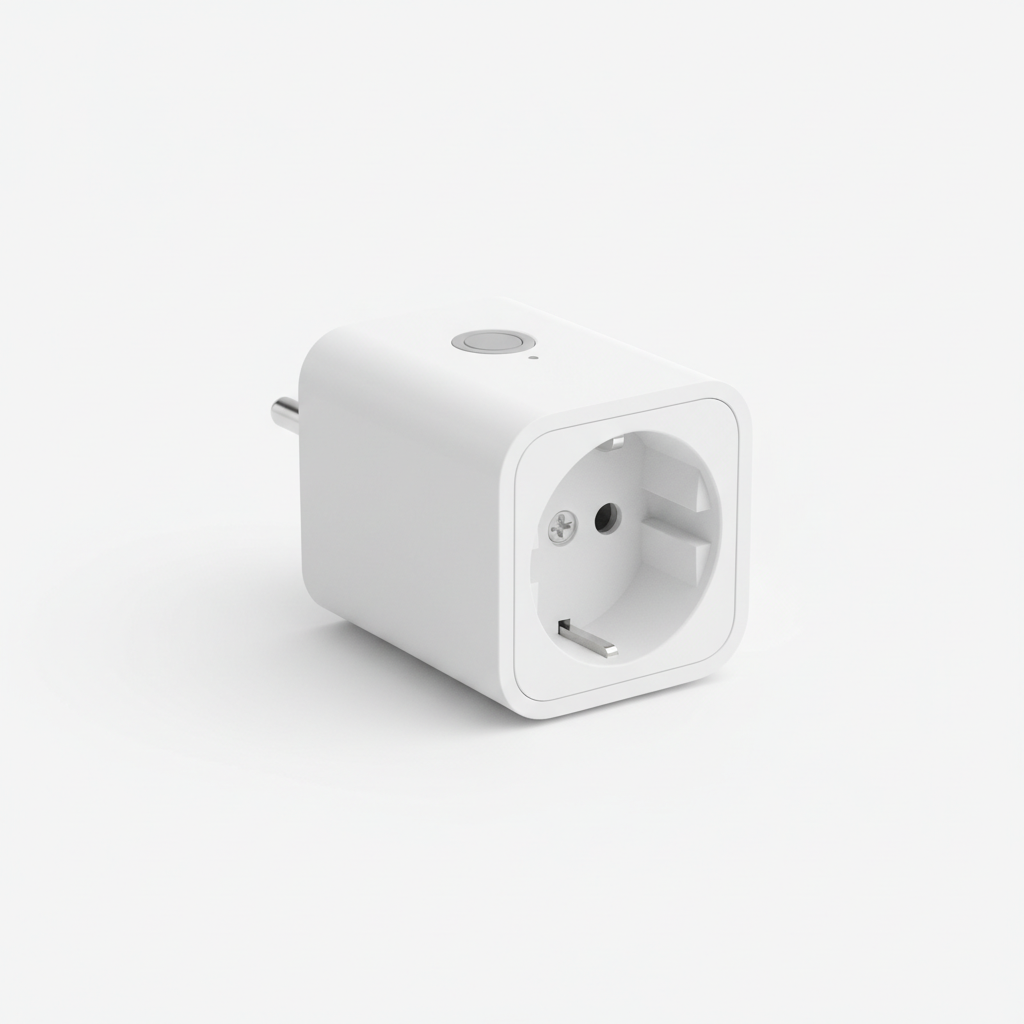
Eve Energy (Matter)
$40
German-engineered smart plug with precise energy monitoring, Thread connectivity, and guaranteed 5-year software support. Works entirely locally, no cloud account required. Premium build quality.
Start With What Actually Annoys You
The best smart home solves your specific frustrations, not the ones featured in marketing videos. Forget the lifestyle imagery of voice-controlled coffee makers and robot vacuums (though robot vacuums are legitimately useful).
What actually bothers you? Getting up to turn off lights after you're in bed? Wondering if you remembered to close the garage door? Coming home to a dark house after sunset? Forgetting to adjust the thermostat before a trip?
Identify three real annoyances in your daily routine. Buy devices that specifically solve those problems. Skip everything else, regardless of how cool it seems. Your smart home should fade into the background, working automatically without requiring thought or maintenance.
That's the real test of a worthwhile smart device: you stop thinking about it because it just works.
The Weekly Dispatch
Enjoying this article?
Subscribe and get our best gear picks delivered every Sunday morning.
Related Posts
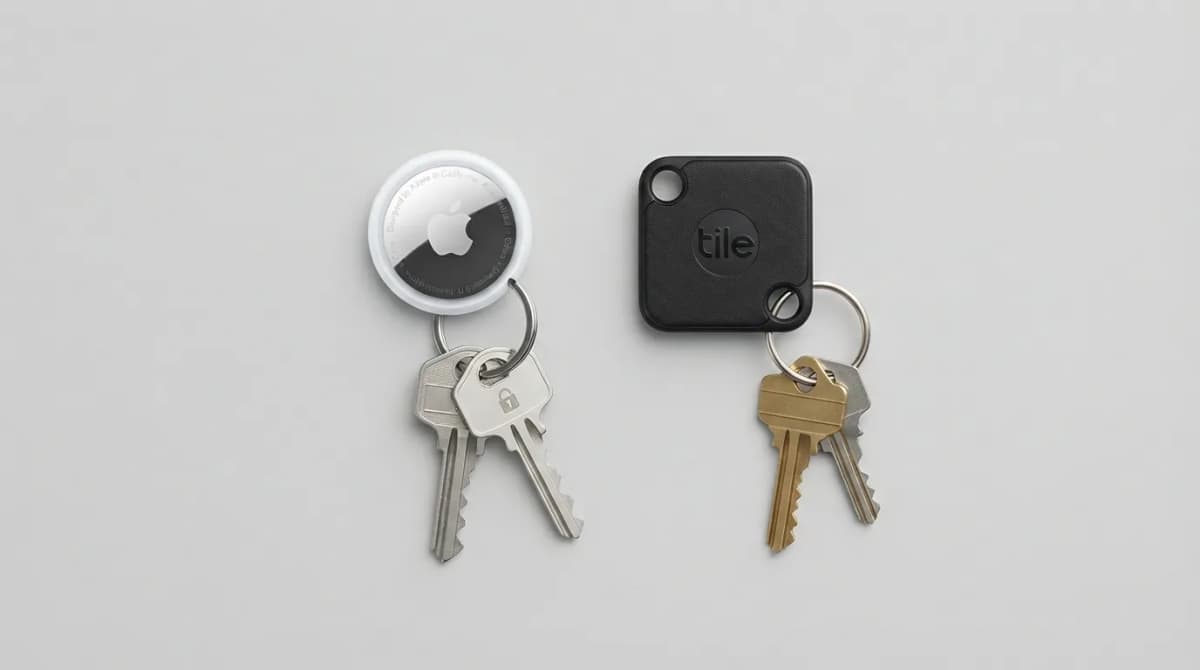
AirTag vs Tile Mate (2026): Which Key Tracker to Buy
Apple AirTag vs Tile Mate for keys: phone compatibility, range, battery and price compared from Apple and Tile maker pages, as of Oct 2026.
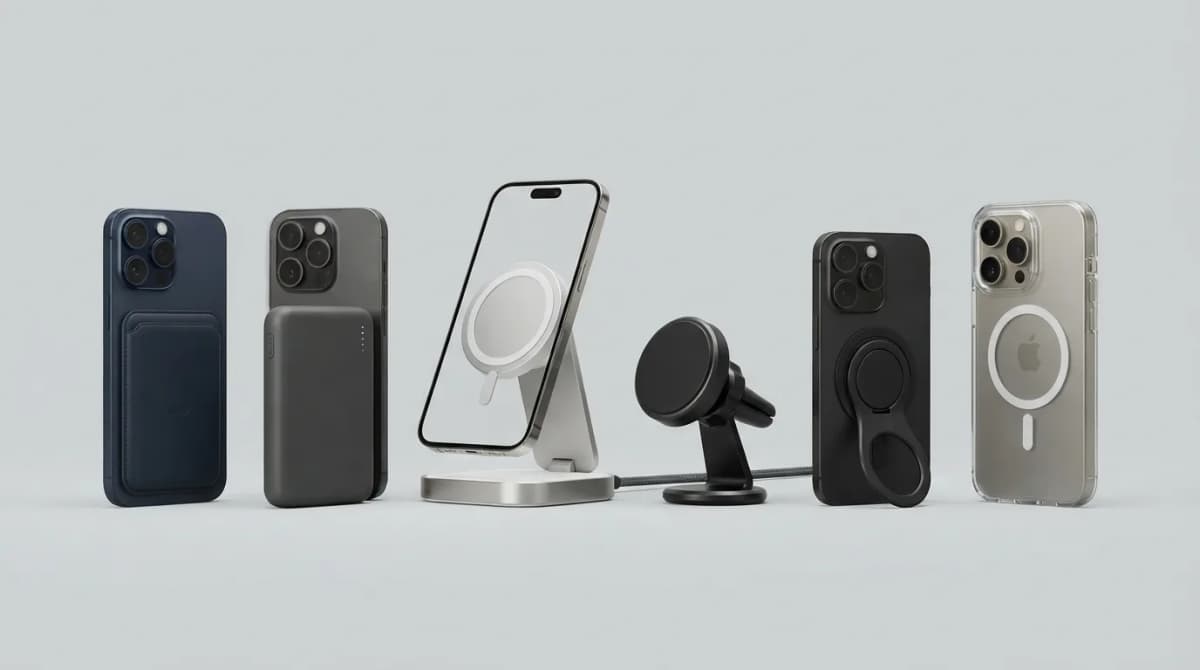
Best MagSafe Accessories for iPhone 18 Pro (2026)
MagSafe and Qi2 accessories for iPhone 18 Pro and Pro Max: wallets, power banks, a dock, car mount, grips, cases, a keyboard, a controller, an SSD and more, with maker specs and prices as of Oct 2026.
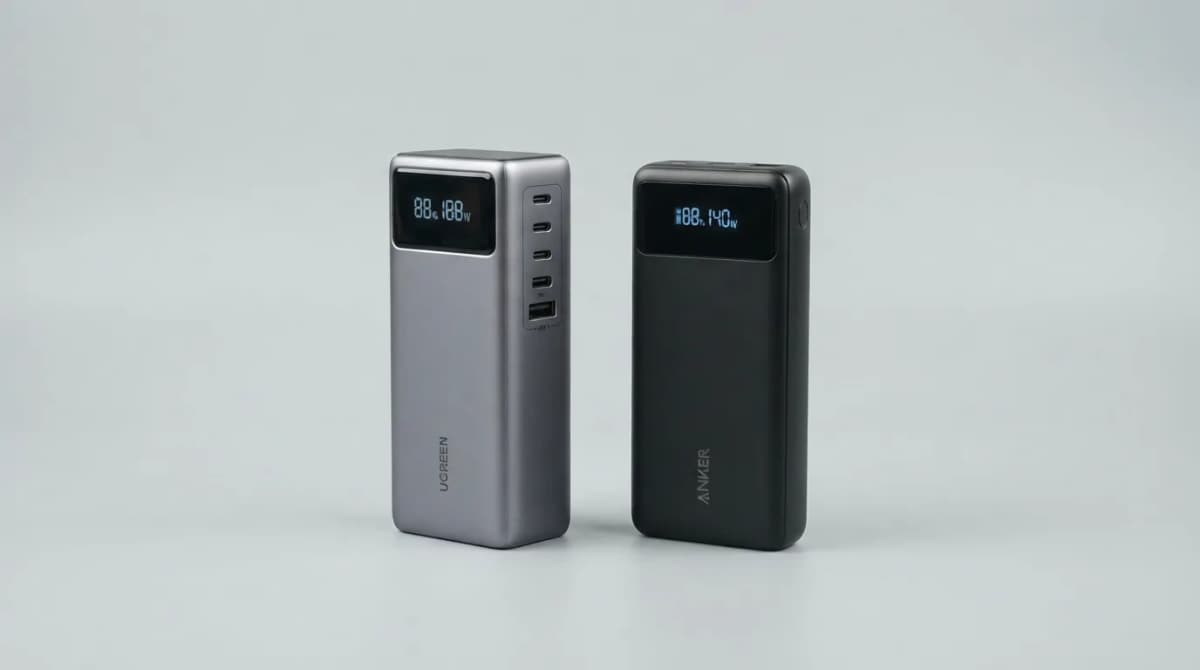
UGREEN Nexode 25000 vs Anker 737 Power Bank (2026)
UGREEN Nexode 25000mAh 200W vs Anker 737: two 140W laptop power banks compared on capacity, ports, recharge speed and weight from maker specs (Oct 2026).
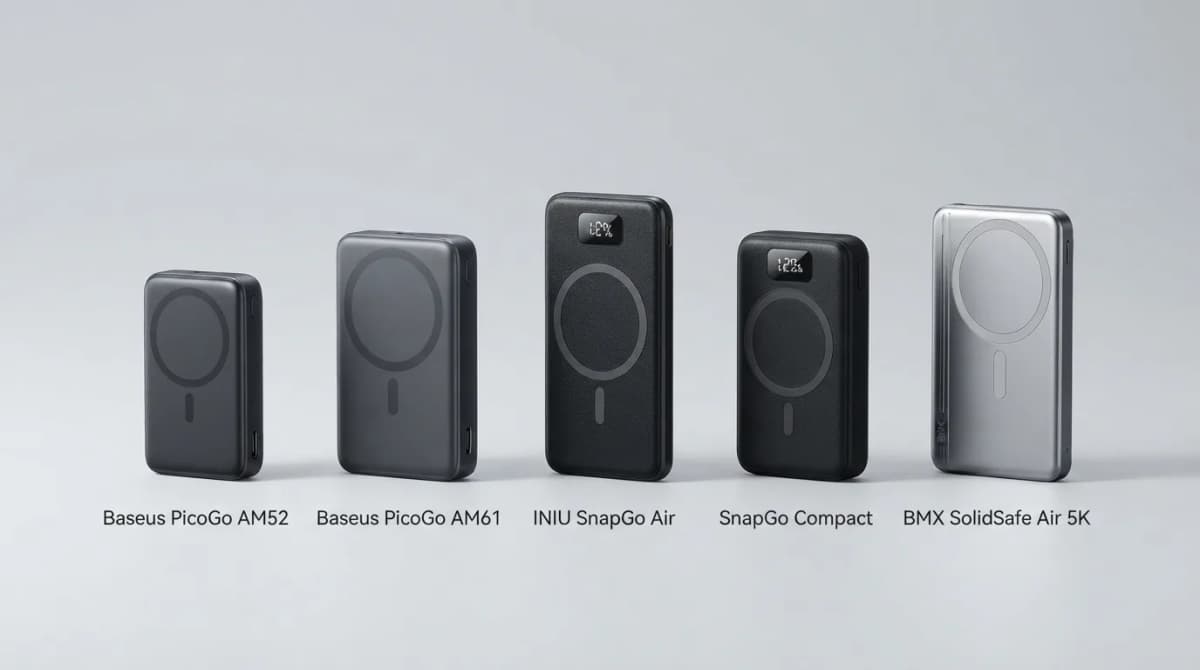
Best Qi2 Power Banks 2026 for iPhone and Android
The best Qi2 and Qi2.2 magnetic power banks for 2026: Baseus PicoGo AM52 and AM61, INIU SnapGo Air and SnapGo Compact, and BMX SolidSafe Air 5K. Prices at publish, Oct 2026.