
Kitchen··6 min read
Carbon Steel Pan vs Cast Iron: Which Cooks Better?
Carbon steel heats faster and weighs less, but cast iron holds heat longer. We break down the real differences that matter in your kitchen.
This small hub covers a few kitchen tools. For most home cooks the most useful starting point is the choice of pan material. Carbon steel heats faster and weighs less than cast iron, while cast iron holds heat longer, according to the makers' published specs and care guides.
Our kitchen guides compare products on maker specs: material, weight, dimensions, capacity and price. We do not run our own cooking tests. Care instructions, such as seasoning, come from the makers.
Start with the carbon steel vs cast iron comparison. For coffee, see the beginner espresso machines under $300 and the cold brew makers for home. The Misen carbon nonstick pan review covers a carbon steel pan with a nonstick coating. Each guide lists the maker's specs side by side, so you can compare weight, capacity and price before buying. Kitchen gear sits outside our everyday carry focus, so this hub is kept brief and is not promoted elsewhere on the site.
Carbon steel heats faster and weighs less, but cast iron holds heat longer. We break down the real differences that matter in your kitchen.
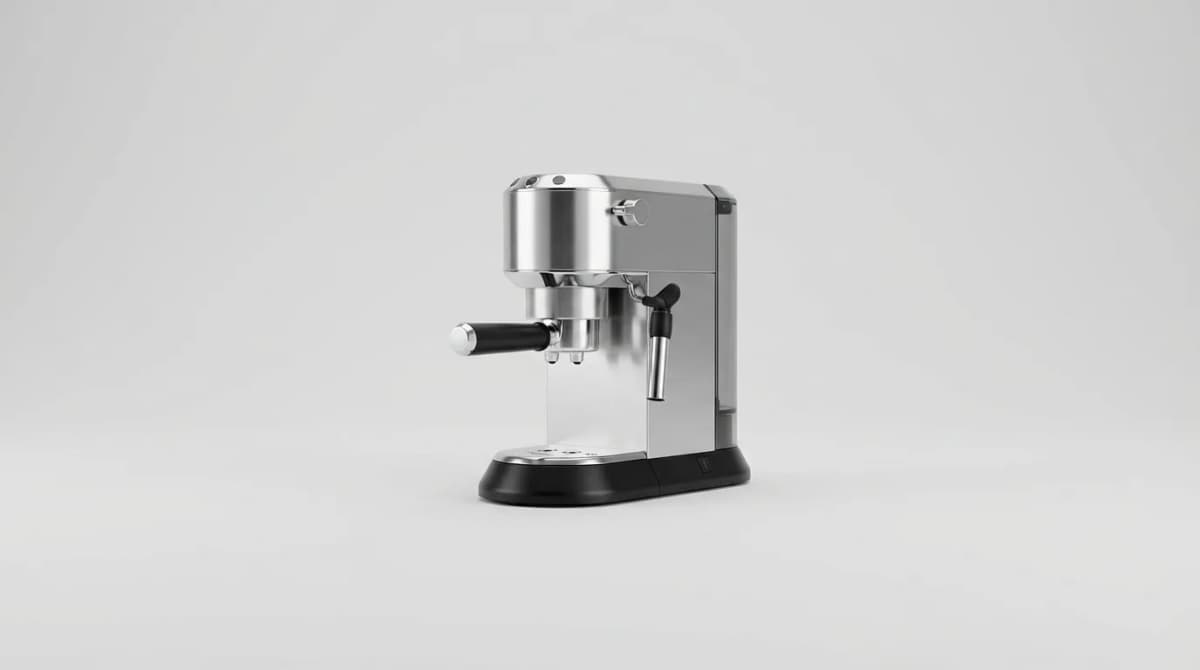
Entry-level espresso machines that pull real shots without the complexity or price tag of prosumer rigs. These five under $300 deliver cafe-quality results.
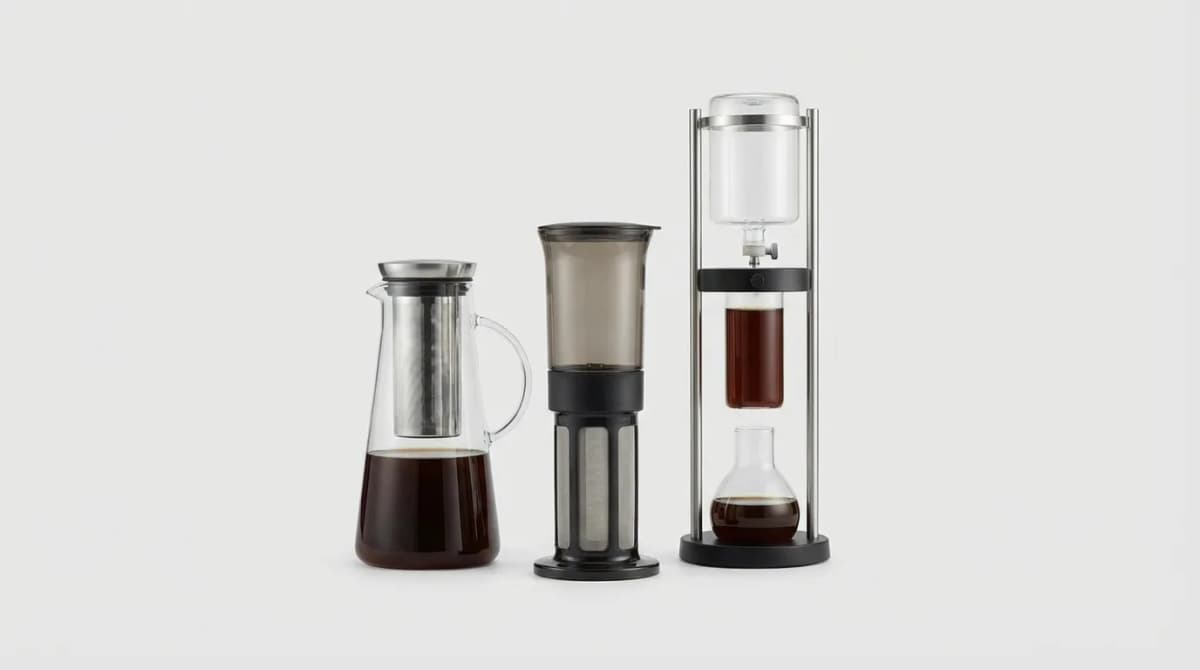
Cold brew delivers smooth, low-acid coffee. We compared top home systems by maker specs for capacity, brew method and ease of use.

Misen's carbon nonstick pan promises the heat control of carbon steel with a PTFE-free coating. Here's what the maker's specs claim, and where they fall short.