Earplugs for Travel: Which Type Works Best
Foam blocks more noise but silicone lasts longer. We compared every type by NRR ratings and materials for flights, hotels and noisy neighbors.
A crying baby two rows back. A snoring roommate. The ice machine outside your hotel door cycling on every twenty minutes. Travel puts you at the mercy of noise you can't control, and bad sleep ruins trips faster than lost luggage.
Quick Picks
Our top recommendations at a glance:
- 1
- 2
- 3
- 4
- 5
The right earplugs solve this, but the options split into camps with different tradeoffs. Foam plugs block the most sound but feel intrusive after an hour. Silicone flanged designs sit lighter but leak more noise. Wax molds to your ear but gets gross fast. We compared every major type to figure out which works where, and the answer depends less on decibel ratings than on how you sleep and what you're blocking out.
Most people buy the wrong type first, then give up thinking earplugs don't work for them. The real issue is matching the design to the situation.
Foam Earplugs: Maximum Blocking, Minimum Comfort
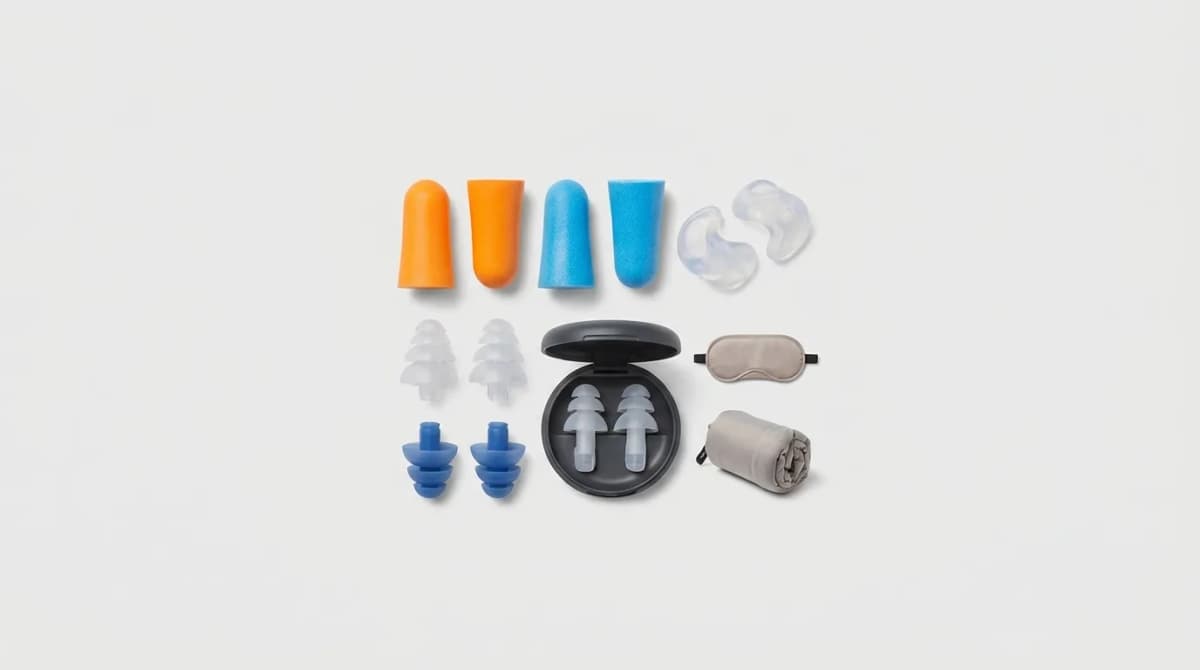
Foam earplugs - the orange cylinder type you squeeze and insert - deliver the highest noise reduction numbers, typically 32-33 dB. That's enough to knock a normal conversation down to a whisper and turn aircraft cabin noise into a dull hum. They work by expanding to fill your ear canal completely, creating an airtight seal that stops sound waves before they reach your eardrum.
The problem shows up after 30-60 minutes. That full seal creates pressure. Your ears feel stuffed, sometimes to the point of mild pain. If you sleep on your side, the compressed foam pushes against your pillow and drives itself deeper, which either hurts or wakes you up when you shift positions. Some people tolerate this fine. Most find it increasingly annoying over a full night.
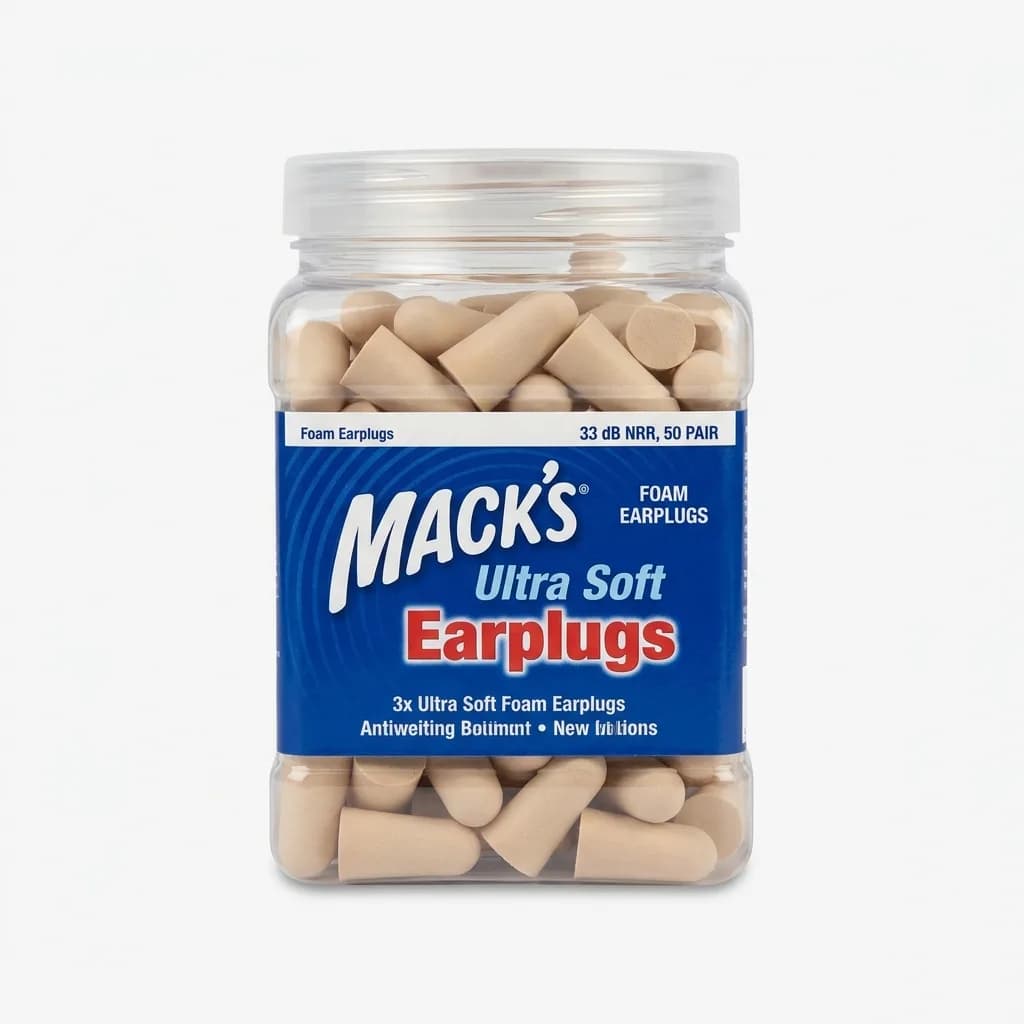
Mack's Ultra Soft Foam Earplugs
$13
33 dB NRR foam earplugs, the highest-rated disposable option. Tapered design reduces pressure. 50-pair jar lasts months of regular travel.
Foam also degrades quickly. Each pair lasts maybe three to five uses before the foam loses its springiness and stops sealing properly. You'll notice more sound leaking in, especially low frequencies like engine rumble or bass-heavy music. For regular travelers, you're buying new packs every month or two.
Where foam wins: flights longer than two hours where blocking engine noise matters more than comfort, or situations where you need maximum isolation and won't be wearing them past a few hours. They're also the cheapest per pair when bought in bulk.
Where foam loses: overnight sleep, side sleepers, anyone with small or sensitive ear canals, and situations where you need to wear them multiple nights in a row without irritation.
Silicone Flanged Earplugs: The Reusable Middle Ground
Flanged silicone earplugs use a Christmas-tree shape with multiple soft ridges that sit in your ear canal without filling it completely. This design blocks 20-27 dB depending on the model - noticeably less than foam, but enough to knock most ambient noise down to manageable levels. You'll still hear a loud conversation or a nearby alarm, which some people prefer for safety reasons.
The comfort gap is significant. Because they don't expand with pressure, flanged plugs feel lighter and less intrusive, especially after the first hour. Side sleepers tolerate them better since the firmer silicone doesn't compress as much against a pillow. You can wear them all night without the stuffed-ear sensation.
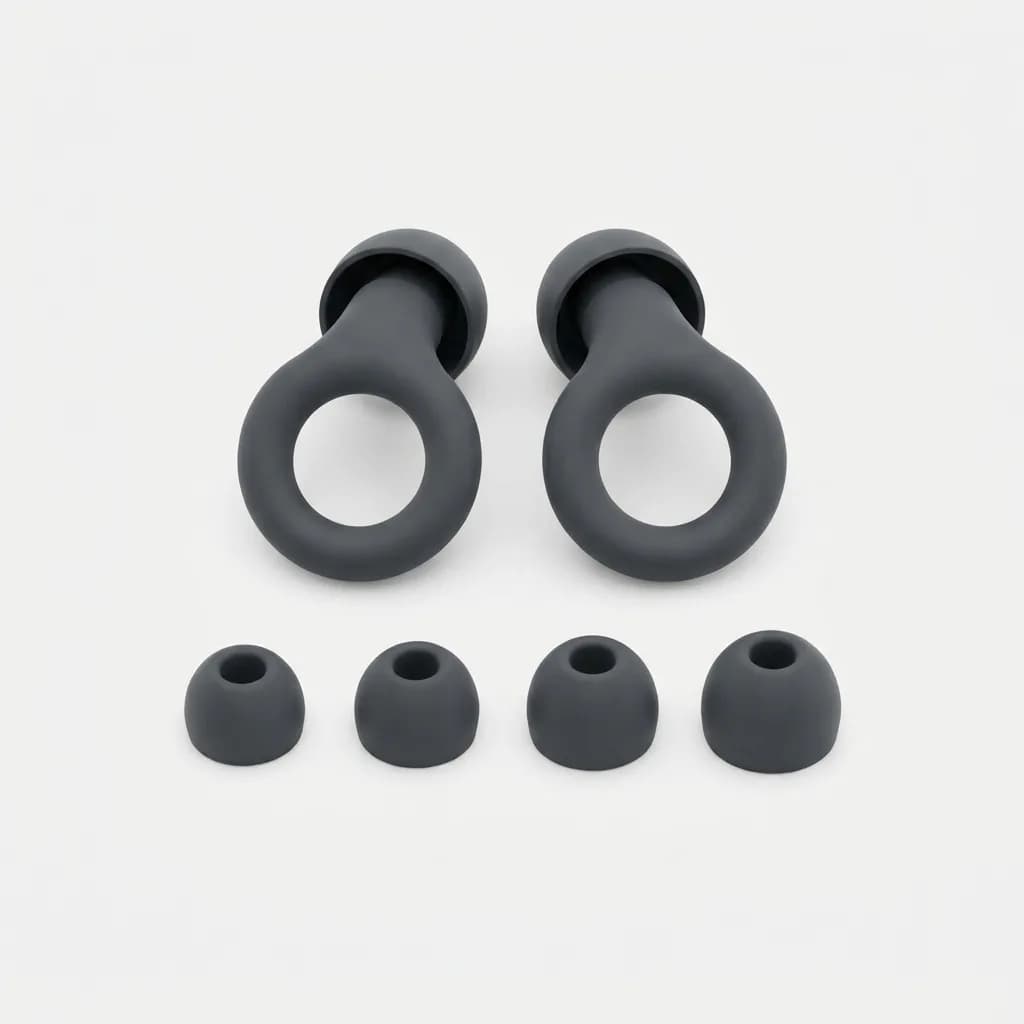
Loop Quiet Earplugs
$20
27 dB silicone earplugs with four tip sizes. Reusable design lasts 6+ months. Round loop handle makes insertion easier than traditional flanged plugs.
Reusability is the other big advantage. Quality silicone plugs last six months to a year with regular use. You rinse them with soap and water, dry them overnight, and they're ready again. Over time, this beats foam on cost and convenience - no need to pack dozens of disposable pairs or run out mid-trip.
The tradeoff is fit variability. Flanged plugs come with multiple tip sizes (usually small, medium, large), but finding the right size takes trial and error. Too small and they fall out or leak sound. Too large and they hurt. Once you nail the fit, they're great. Until then, it's frustrating.
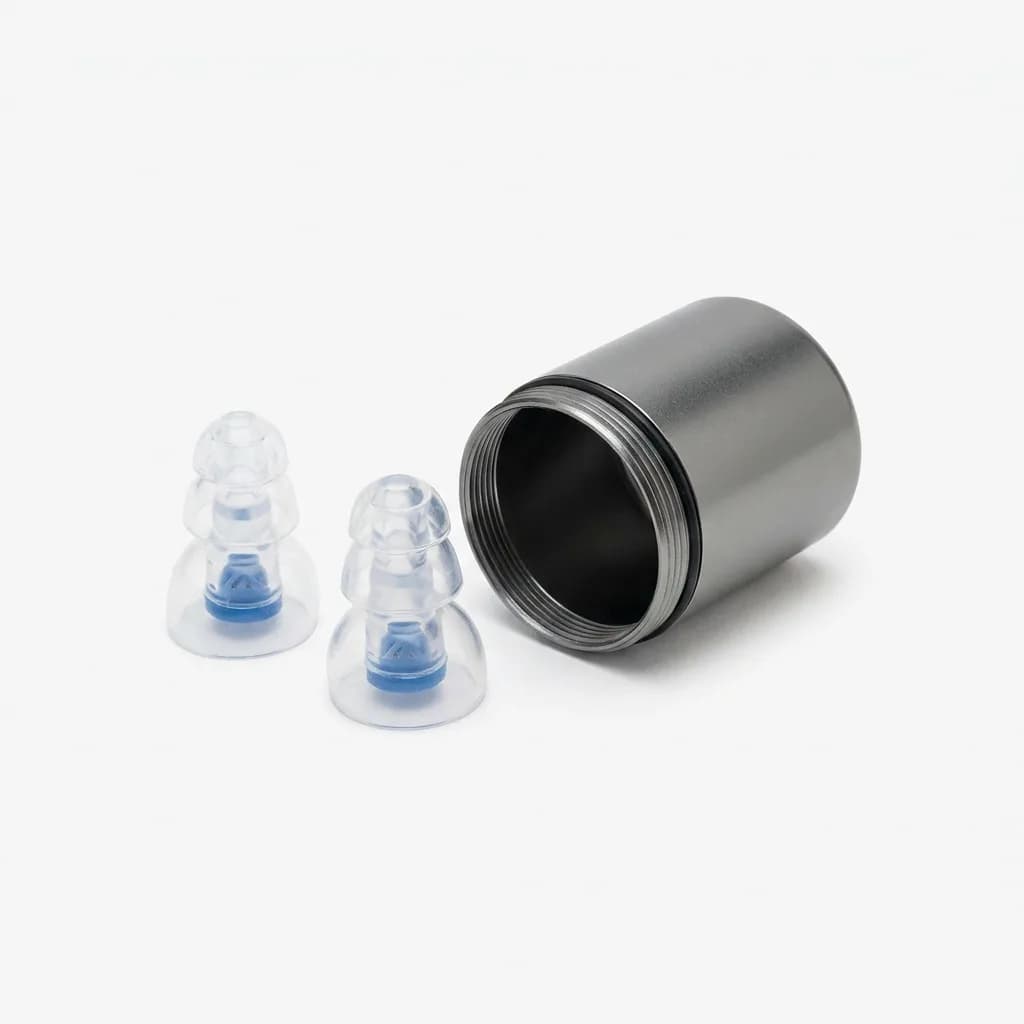
Eargasm High Fidelity Earplugs
$36
21 dB attenuation designed to reduce volume evenly across frequencies. Aluminum case included. Popular with musicians, works well for sleep if you don't need maximum blocking.
Where silicone flanged wins: multi-night trips, side sleepers, anyone who wants reusable gear, and situations where moderate noise reduction is enough. Also better for warm climates since foam plugs can get sweaty.
Where silicone flanged loses: extremely loud environments like construction noise or very loud snorers, and anyone who struggles to find a comfortable tip size.
Moldable Wax Earplugs: Custom Fit, Messy Results
Wax or silicone putty earplugs work differently - you warm them in your hands, shape them into a ball, and press them over your ear opening to form a custom seal. They block sound by covering the entrance to your ear canal rather than going inside it. This makes them the most comfortable option for people who hate the sensation of anything inserted in their ears.
Noise reduction lands around 22-27 dB, similar to flanged silicone. They excel at blocking high-frequency sounds like voices and rustling but let more low-frequency rumble through. For hotel rooms with thin walls or chatty neighbors, they work well. For airplane engine noise, less so.

Mack's Pillow Soft Silicone Earplugs
$5
22 dB moldable silicone putty earplugs. Waterproof, stays in place during sleep. 6 pairs per box, each pair lasts 3-5 uses before getting too dirty.
The problem is hygiene. Wax and putty collect dirt, ear wax, and debris fast. After three to five uses, they're visibly grimy and lose their stickiness. You can't really clean them - you just replace them. This puts them somewhere between foam (fully disposable) and flanged silicone (fully reusable) in terms of cost over time, but with the added hassle of dealing with a sticky, dirty product.
They also fall out more easily than canal-inserted designs. If you toss and turn at night, you might wake up with one on your pillow instead of your ear.
Where wax wins: people who can't tolerate in-canal designs, swimmers who need waterproof blocking, and anyone who values comfort over maximum noise reduction.
Where wax loses: active sleepers, extremely noisy environments, and anyone grossed out by reusing semi-dirty earplugs.
High-Fidelity Earplugs: When You Need to Hear Some Things
High-fidelity or musician's earplugs use acoustic filters instead of solid plugs. They reduce volume evenly across all frequencies (typically 15-20 dB) without muffling sound. This means you can still hear speech, alarms, and important sounds, just quieter.
For travel, these work in specific scenarios: you're on a bus and want to lower ambient noise without missing your stop announcement, or you're in a hostel and need to hear your alarm but want to dampen snoring. They don't work for deep sleep in loud environments - 15-20 dB isn't enough to block a truly noisy hotel room or a crying baby on a flight.
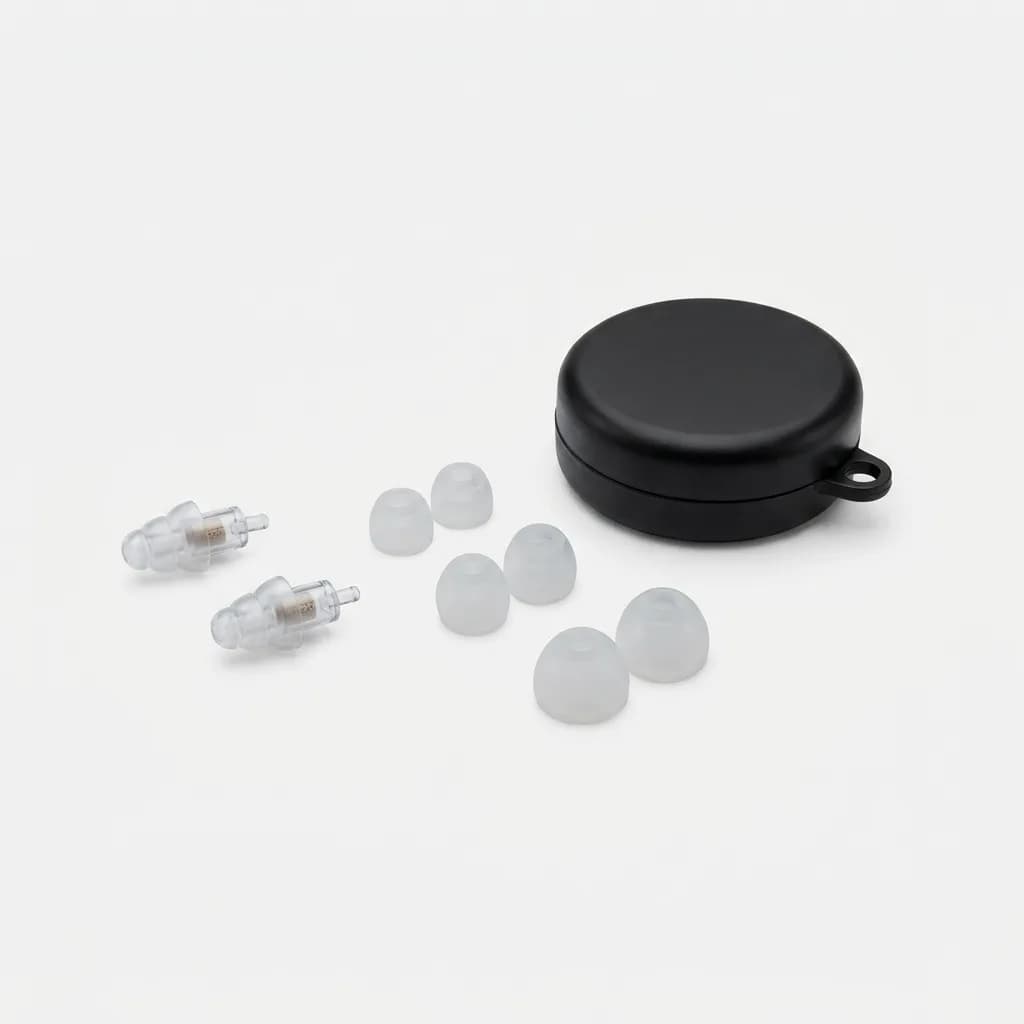
Etymotic Research ER20XS Earplugs
$16
20 dB high-fidelity earplugs with flat attenuation. Preserves sound clarity at lower volume. Comes with three tip sizes and carrying case.
Where high-fidelity wins: situations where you need some noise reduction but must stay alert, or anyone who finds total silence disorienting when trying to sleep.
Where high-fidelity loses: maximum noise blocking, which is what most travelers actually need.
How Noise Reduction Numbers Mislead
Earplug packages display an NRR (Noise Reduction Rating) in decibels. A 33 dB rating sounds like it cuts noise by 33 dB, but that's not how it works in real use. The EPA testing happens in a lab with perfect insertion by trained technicians. In actual use, most people see about half the rated reduction, sometimes less.
This matters when comparing products. A 33 dB foam plug might block 15-20 dB in your hands if you don't insert it correctly. A 27 dB flanged silicone plug that fits perfectly might actually block more sound than poorly-inserted foam. Fit and insertion technique matter more than the number on the box.
The other misleading factor: frequency response. Some earplugs block high frequencies better than low frequencies, or vice versa. A plug that excels at blocking voices might barely touch airplane engine noise. NRR gives you one number averaged across frequencies, which hides these differences.
For travel, you generally want plugs that block low frequencies well (engines, bass, rumbling) since those are the hardest sounds to escape. Foam does this best, followed by well-fitted silicone flanged plugs.
Which Type Wins for Side Sleepers
Side sleeping changes everything. When you press your ear against a pillow, any earplug gets compressed or pushed deeper. Foam plugs, already expanding inside your canal, get forced further in and create pain or wake you up. Harder flanged silicone plugs push back against the pillow with less compression, so they stay more comfortable.
The ideal side-sleeper design has a low profile (doesn't stick out past your ear) and uses soft but firm material that won't collapse under pressure. Loop Quiet and similar rounded designs work well because the circular handle distributes pressure instead of creating a single point. Traditional flanged plugs with straight stems are hit or miss.
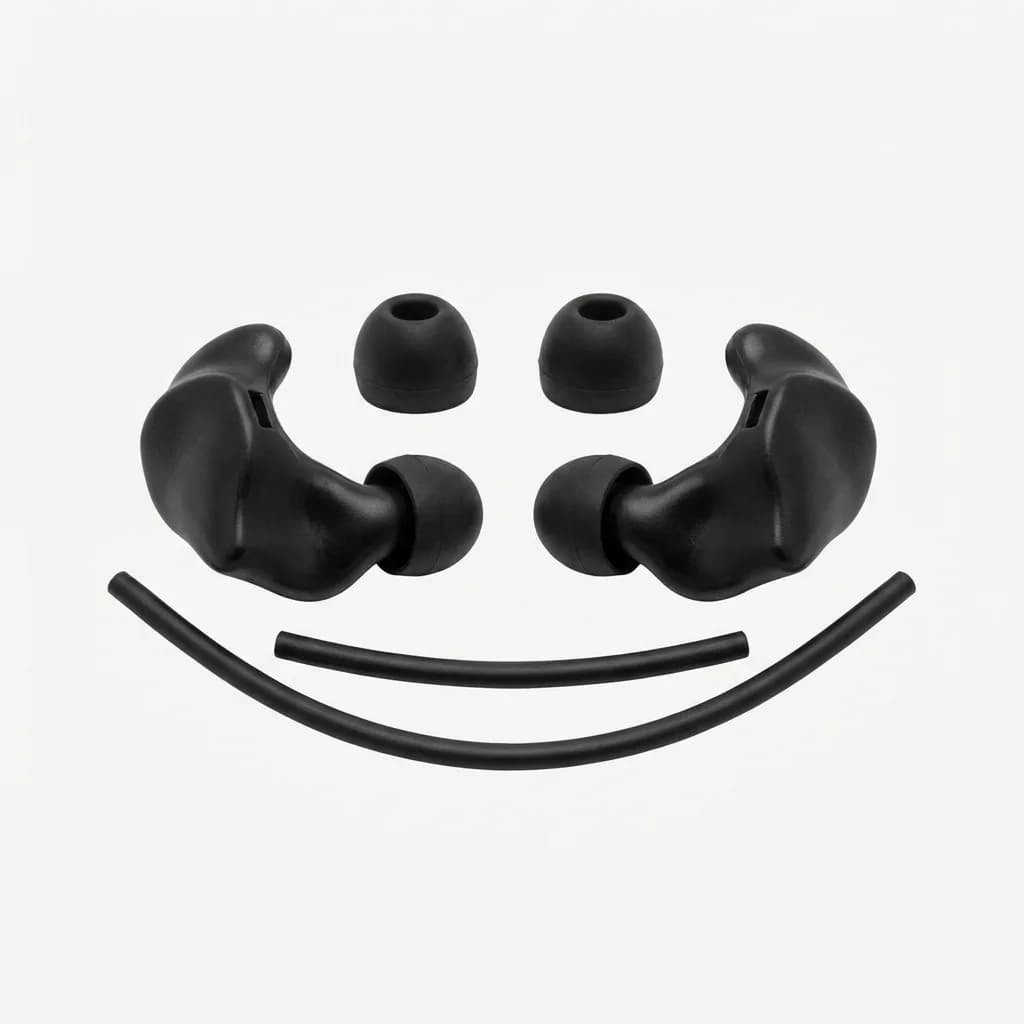
Decibullz Custom Molded Earplugs
$26
Thermoplastic custom-moldable earplugs you shape to your ear in hot water. Creates perfect fit for side sleeping. 31 dB NRR. Reusable for years.
Custom-molded earplugs (like Decibullz) solve this by letting you shape the plug to your exact ear, then trimming any excess that would stick out. The upfront effort pays off if you travel often and sleep on your side. You heat them in boiling water, mold them to your ears, let them cool, and you're set. They last years with proper care.
What Works for Flights vs Hotels vs Hostels
Flights need maximum low-frequency blocking since engine noise dominates. Foam plugs win here despite comfort issues - you're usually trying to sleep for a few hours at most, and engine rumble cuts through anything less than 30+ dB reduction. Pair them with over-ear headphones playing white noise for even better results.
Hotels depend on what's making noise. Thin walls with talking or TV sounds respond well to any plug type since voices sit in higher frequencies. If the issue is traffic noise, air conditioning units, or someone snoring through the wall, you need foam or well-fitted silicone flanged plugs. Wax works fine for hotel sleep if the noise isn't extreme.
Hostels throw unpredictability at you - snoring, people coming in late, conversations, crinkling bags. You need good blocking but also the ability to hear an alarm or someone calling your name. Silicone flanged plugs hit the sweet spot. They block enough to let you sleep through moderate noise but won't make you miss your 6 AM tour bus.
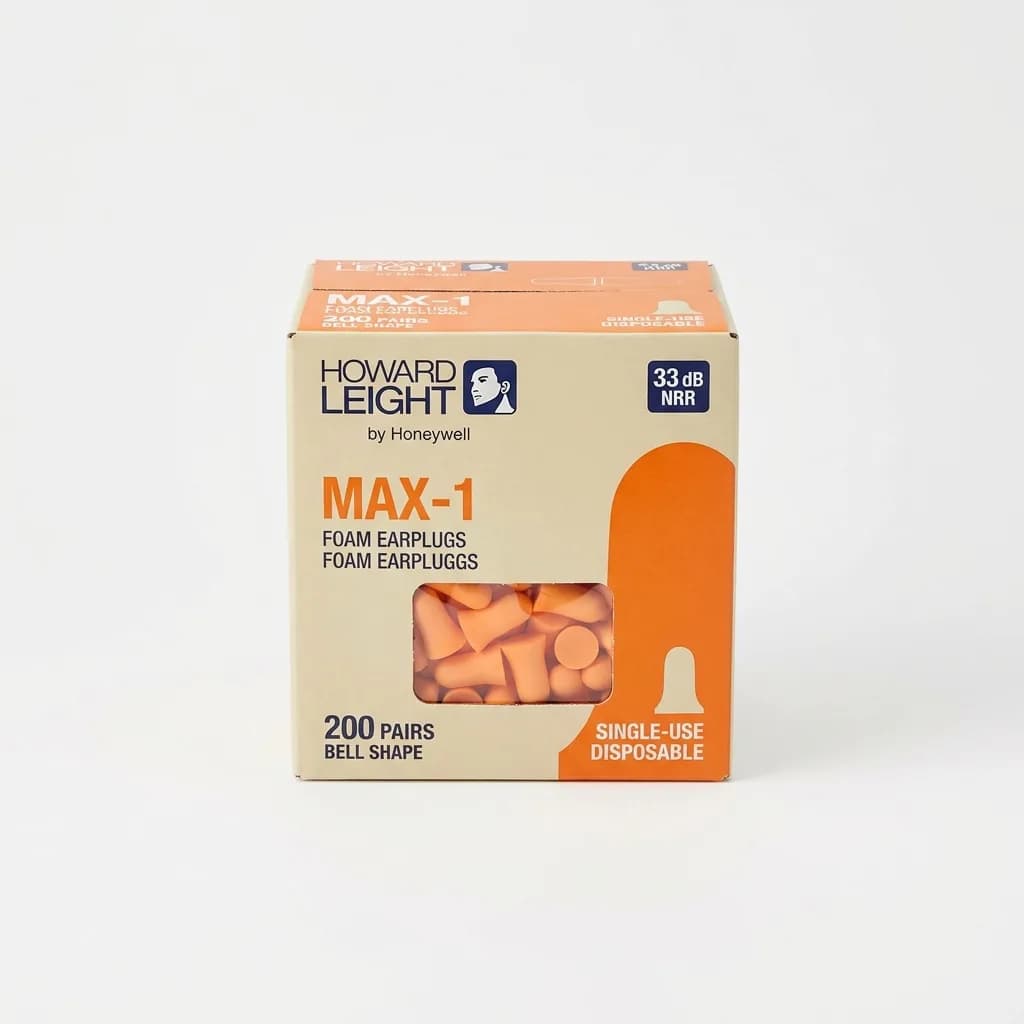
Howard Leight MAX-1 Foam Earplugs
$25
33 dB NRR foam earplugs with bell shape for easier insertion. Single-use disposable. 200-pair box for frequent travelers or multiple trips.
Getting the Fit Right
Most people insert earplugs wrong, which tanks their effectiveness. The correct method for foam: roll the plug into a tight cylinder between your fingers, reach over your head with your opposite hand, pull your ear up and back to straighten the canal, insert the plug, and hold it in place for 30 seconds while it expands. If you just shove it in without rolling or straightening your canal, it won't seal properly.
For flanged silicone plugs: same ear-pulling technique, but insert slowly with a slight twisting motion to help the flanges seal against your canal walls. If they feel loose or you hear too much sound, try a different tip size.
For wax or putty: clean and dry your hands and ears first. Warm the plug between your fingers until it's pliable, shape it into a ball, and press it over your ear opening (not into the canal). Smooth the edges to create a seal. If it doesn't stick well, your ear might be too oily - wipe it with a dry cloth first.
The ear-pulling step makes the biggest difference. Your ear canal isn't straight - it curves. Pulling up and back straightens it and lets the plug seat properly. Skip this and even expensive plugs will underperform.
Are Expensive Earplugs Worth It
The jump from $5 foam to $20-40 reusable silicone pays off if you travel more than a few times per year. Buying a 50-pair foam jar for $13 sounds cheap until you realize you're replacing them every 3-5 uses and the jar lasts maybe six months. Over two years, you've spent $50+ on disposables.
A $25 pair of quality flanged silicone plugs lasts 6-12 months, often longer. The cost per night drops to pennies. You also don't have to pack dozens of foam pairs or worry about running out mid-trip.
Custom-molded options ($25-40) make sense if you've tried everything else and nothing fits comfortably. The upfront cost is higher, but they last years and solve the fit problems that plague off-the-shelf designs.
Where expensive options don't help: if you're a once-a-year traveler or you lose small items constantly. Stick with bulk foam and accept the comfort compromise.
What About Noise-Canceling Headphones Instead
Active noise-canceling headphones excel at constant low-frequency noise - airplane engines, bus rumble, train tracks. They're terrible at blocking sudden or high-frequency sounds like voices, crying, or door slams. The opposite of earplugs.
The best setup combines both: flanged silicone earplugs under over-ear noise-canceling headphones. The earplugs block high frequencies and sudden sounds, the headphones kill low-frequency rumble, and you get near-total silence. This works for flights or extremely noisy environments.
For sleeping, headphones aren't practical. They're bulky, the headband creates pressure, and side sleeping becomes impossible. Earplugs win for any situation where you need to lie down.
When to Skip Earplugs Entirely
If you're blocking noise to mask a sleep problem (racing thoughts, anxiety, insomnia), earplugs won't fix the root issue. Same if you're in an unsafe situation - you need to hear smoke alarms, break-ins, or emergency alerts. Don't use earplugs while driving, operating machinery, or anywhere you need full situational awareness.
Some people develop ear infections from dirty earplugs or overuse. If your ears itch, hurt, or produce unusual discharge, stop using earplugs and see a doctor. Clean reusable plugs after every use and replace them on schedule.
The Quick Recommendation
Most travelers should start with mid-range silicone flanged earplugs like Loop Quiet. They balance comfort, effectiveness, and cost better than other types for multi-night trips. Keep a pack of foam earplugs as backup for flights or extremely noisy situations where you need maximum blocking for a few hours.
If you're a side sleeper, go straight to custom-molded or try several flanged designs with different profiles until one works. If foam doesn't bother you and you travel infrequently, bulk foam in 50-100 pair jars gives you the best noise blocking at the lowest cost.
Skip wax unless you've tried canal-inserted designs and can't tolerate them. Skip high-fidelity plugs unless you specifically need to hear some sounds. And test whatever you buy at home before a trip - waking up exhausted in a strange city because your new earplugs don't fit is a miserable way to learn.
The Weekly Dispatch
Enjoying this article?
Subscribe and get our best gear picks delivered every Sunday morning.
Related Posts
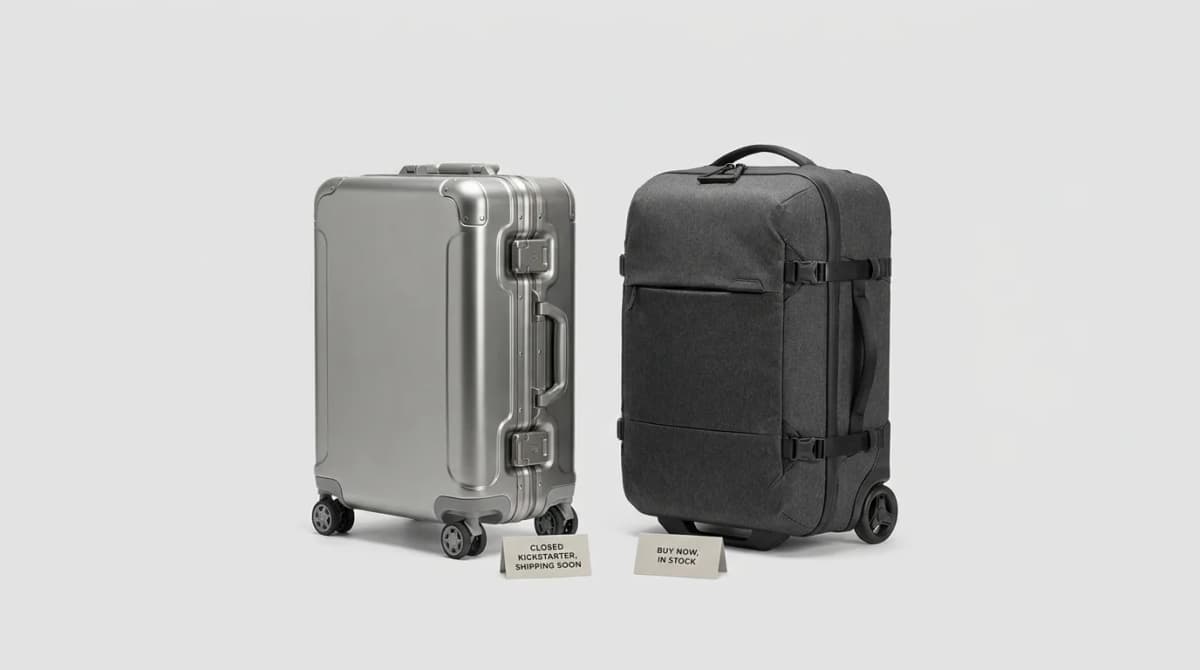
Titaner Voyager vs Peak Design: Titanium Carry-On
Peak Design owns Kickstarter travel bags. Titaner answered with a Grade 1 titanium latch spinner - not another backpack. Closed KS ship watch vs Roller Pro buy-today: who waits for Voyager, who buys Peak now.
Best Sleep Masks for Flights and Hotels
Foam blocks more? Not always. We compare contoured, silk, and eye-cup sleep masks for flights and hotels so you pick blackout that still packs small.
Best Travel Pillows That Pack Small
Compact travel pillows compared: inflatable vs memory foam, what actually supports your neck on flights, and which ones compress small enough to matter.
Travel Coin Solutions for Europe That Actually Work
European coins pile up fast. These pouches, wallets, and daily carry strategies keep change organized without bulk during weeks of travel across the continent.