Ecoute TH2 Review: Vacuum Tube Headphones Reimagined
Real vacuum tubes and dual-mono amps bring hi-fi architecture to a headset. We break down the Ecoute TH2's specs, features and price to see who it's for.
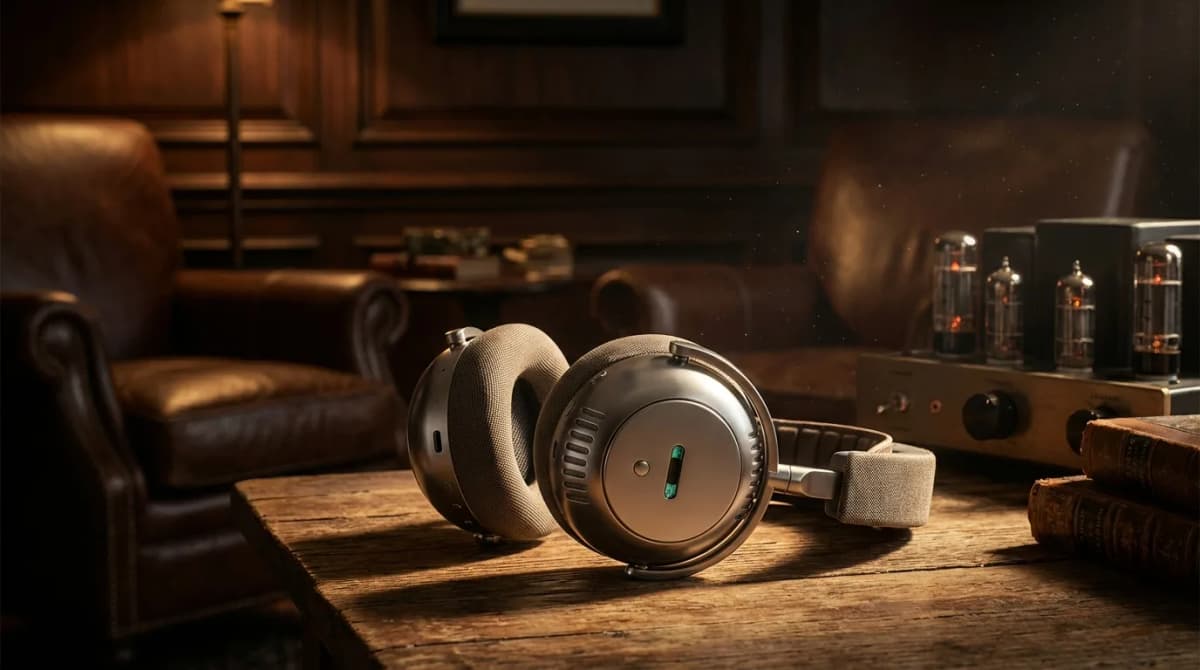
You're three tracks into a listening session when you realize something feels different. The soundstage isn't just wider, it's more coherent. Instruments occupy distinct positions instead of bleeding together. There's warmth without muddiness, detail without harshness. Then you remember: there are actual vacuum tubes glowing inside these headphones.
The Ecoute TH2 isn't trying to simulate hi-fi architecture. It builds the entire signal path into a wearable form factor. Real triodes for voltage gain. True dual-mono amplification with separate paths for left and right channels. A 32-bit/384kHz dual-core DAC. No shared circuitry, no shortcuts, no compromises dictated by size or cost.
This isn't incremental improvement over typical headphones. It's a fundamentally different approach to portable audio.
What Makes the TH2 Different From Standard Headphones
Most headphones run both channels through shared amplifier circuits. It's efficient and cheap, but it collapses spatial information and introduces crosstalk. The TH2 uses true dual-mono architecture: two completely isolated analog amplification paths, each fed by its own triode stage and powered by discrete solid-state analog amps.
At the heart of each channel sits a Korg Nutube 6P1, a next-generation dual-triode vacuum tube. One triode handles the left channel, the other handles the right. These aren't effects or emulations running in DSP. They're actual vacuum tubes performing voltage gain, the critical front-end stage where microdynamics, harmonic structure, and spatial cues are either preserved or destroyed.
The architecture continues downstream. Each channel gets its own fully discrete Class A/B amplifier. The DAC uses two independent cores, one per channel, converting at 32-bit/384kHz capability (operating at 24-bit/96kHz for streaming sources). From digital input to the 40mm titanium-coated mylar drivers, left and right never share processing.
Why Vacuum Tubes Still Matter in 2026
Vacuum tubes remain fixtures in high-end audio because they do something solid-state circuits can't replicate: they restore natural harmonics lost during recording and digital conversion. Specifically, triodes generate even-order harmonics, the same consonant structures found in real instruments and voices.
These harmonics don't distort the signal. They reinforce it. The result is warmth, body, and presence that makes playback feel less mechanical and more like a live performance. That's why tube preamps remain standard equipment in recording studios and reference listening rooms.
The TH2's implementation preserves this advantage while solving the traditional problems of tube gear: heat, size, power consumption, and fragility. The Nutube 6P1 runs cool enough for wearable use, draws minimal current from the 1600mAh battery (20+ hours runtime), and survives the physical demands of portable gear.
The sonic signature is unmistakable if you've spent time with tube equipment. There's a textural richness to vocals, a natural bloom to acoustic instruments, and a sense of air around individual elements in the mix. It's not colored in the sense of being inaccurate. It's complete in a way that typical headphone amplification isn't.
Build Quality and Physical Design
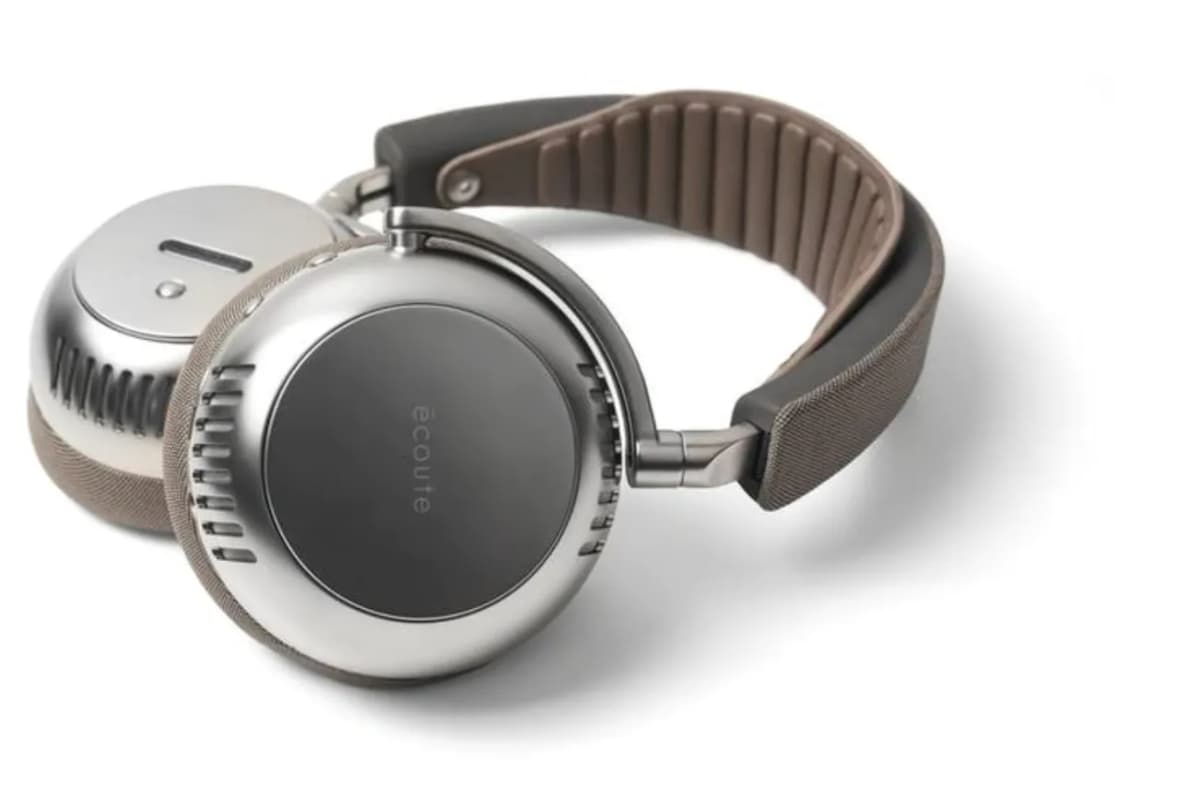
The chassis and armature are CNC-machined from solid aluminum billets. No plastic, no composite materials trying to mimic metal. At 424 grams, the TH2 is heavier than most consumer headphones, but the weight distribution keeps pressure off the crown. The clamping force is firm without being aggressive.
The modular construction allows for component replacement. Ear pads, headband wraps, and cables are all user-serviceable. This matters for gear meant to last beyond the typical two-year replacement cycle of consumer audio products.
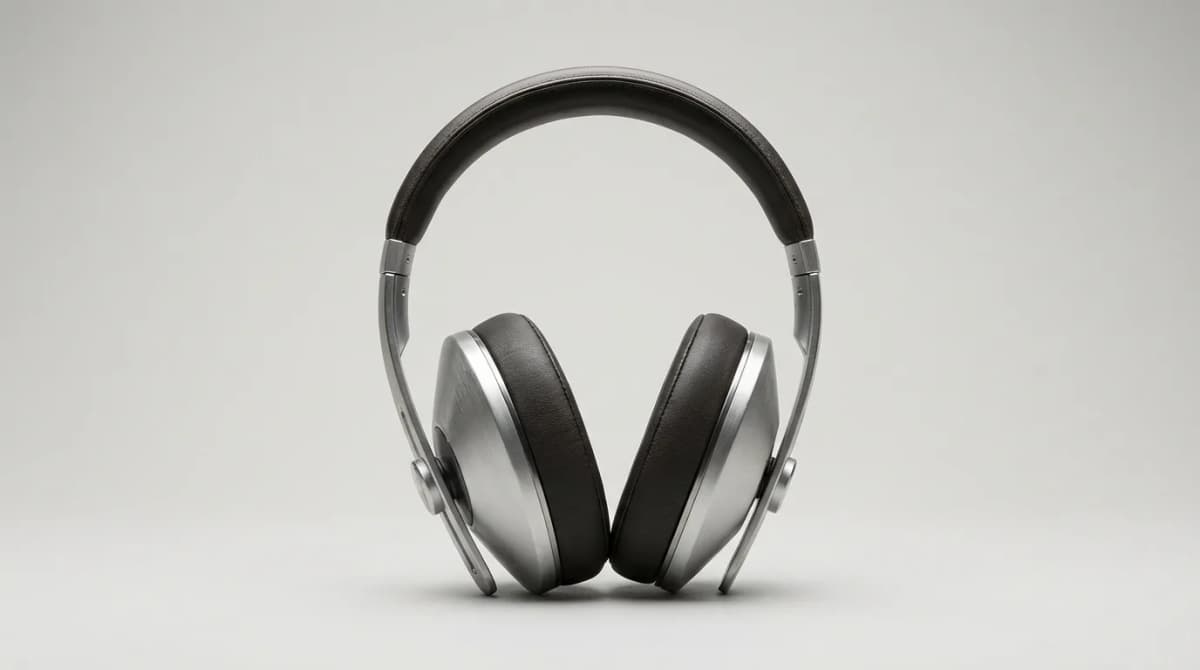
Two color options ship: Gunmetal with gray accents, or Nickel with brown. If the Kickstarter campaign hits $500,000, a third option (Charcoal, matte black-on-black) unlocks. The finishes are applied with more care than you typically see in this price range.
The passive isolation improved over the original TH1. Noise bleed in both directions is reduced, which matters for office environments and commutes. The hybrid ANC operates with a lower noise floor, and the transparency mode sounds more natural than most implementations.
Sound Performance Across Different Source Material
The TH2's tuning skews toward reference neutrality with a slight warmth in the lower mids. It's not a colored presentation, but it's not clinical either. Bass response is controlled and extends deep without bloat. The midrange renders vocals and strings with texture and body. Treble extends without harshness or sibilance.
Where the TH2 separates itself is in staging and imaging. The dual-mono architecture creates a soundstage that feels wider and more stable than typical headphones. Instruments occupy precise positions. Depth layers are preserved. You hear the room the recording was made in, not just the notes.
This matters most with complex orchestral recordings and dense rock mixes where lesser headphones smear details together. The TH2 keeps individual elements distinct without sounding analytical or fatiguing.
The tube stage adds harmonic richness that's particularly noticeable with acoustic sources. Solo piano, fingerstyle guitar, and unaccompanied vocals all benefit from the added texture. Electronic music and heavily processed pop tracks show the TH2's resolving power, but the tubes don't add as much to these genres.
The companion app (iOS and Android) provides eight-band parametric EQ with plus or minus 12dB per band. The adjustments happen at the firmware level inside the DSP, not as post-processing, which preserves signal integrity. Your settings save directly to the headset and persist across all inputs.
Connectivity Options and Wireless Performance
The TH2 offers three input paths: wireless Bluetooth 5.3 (LDAC, AAC, SBC), lossless digital via USB-C, and analog via 3.5mm.
LDAC support is significant. At 990kbps bitrate (over three times standard Bluetooth), it delivers 24-bit/96kHz wireless audio that matches or exceeds the quality of most streaming services, including high-resolution platforms like Qobuz and Tidal. This isn't wireless as a fallback. It's wireless without audible compromise for streaming content.
The USB-C connection delivers bit-perfect digital audio when you need absolute fidelity. The 3.5mm input works in both active and passive modes, meaning the TH2 functions as a standard passive headphone if the battery dies mid-flight.
Battery life hits 20+ hours with mixed use (wireless, ANC on). That's enough for a workweek of commuting or a long-haul international flight without recharging.

Who Should Buy the TH2 (and Who Shouldn't)
The TH2 makes sense if you already understand what proper hi-fi separates sound like and want that experience in a portable format. If you've invested in a dedicated listening room with separates and quality speakers, the TH2 extends that fidelity to environments where speakers aren't practical.
It's also the move if you missed early-bird pricing on the original TH1 and regretted it. The TH2 improves on the first generation with deeper bass extension, improved treble resolution, better noise control, and refined ergonomics.
This isn't the right choice if you're primarily listening to compressed streaming on a phone while running errands. The TH2's strengths reveal themselves with high-quality source material and focused listening. If you're using headphones as background audio while multitasking, you won't benefit from what the TH2 offers.
The weight and size also rule it out for athletic use or active travel where you need gear that packs small and weighs little. These are over-ear, stay-in-one-place headphones for serious listening sessions.
Pros
- +True dual-mono architecture with real vacuum tube preamps
- +Exceptional soundstage width and imaging precision
- +LDAC wireless delivers legitimate hi-res audio quality
- +Modular construction allows component replacement
- +Three input options including bit-perfect USB-C
- +Firmware-level EQ customization without signal degradation
- +CNC aluminum construction built for longevity
Cons
- -424g weight is heavy for extended wear
- -Tube character adds most to acoustic sources, less to electronic music
- -Currently Kickstarter-funded with September 2026 delivery
- -Price point targets serious enthusiasts, not casual listeners
Alternatives Worth Considering
If the TH2's approach appeals but you want something available now, or if the price point is beyond reach, two alternatives deserve consideration.
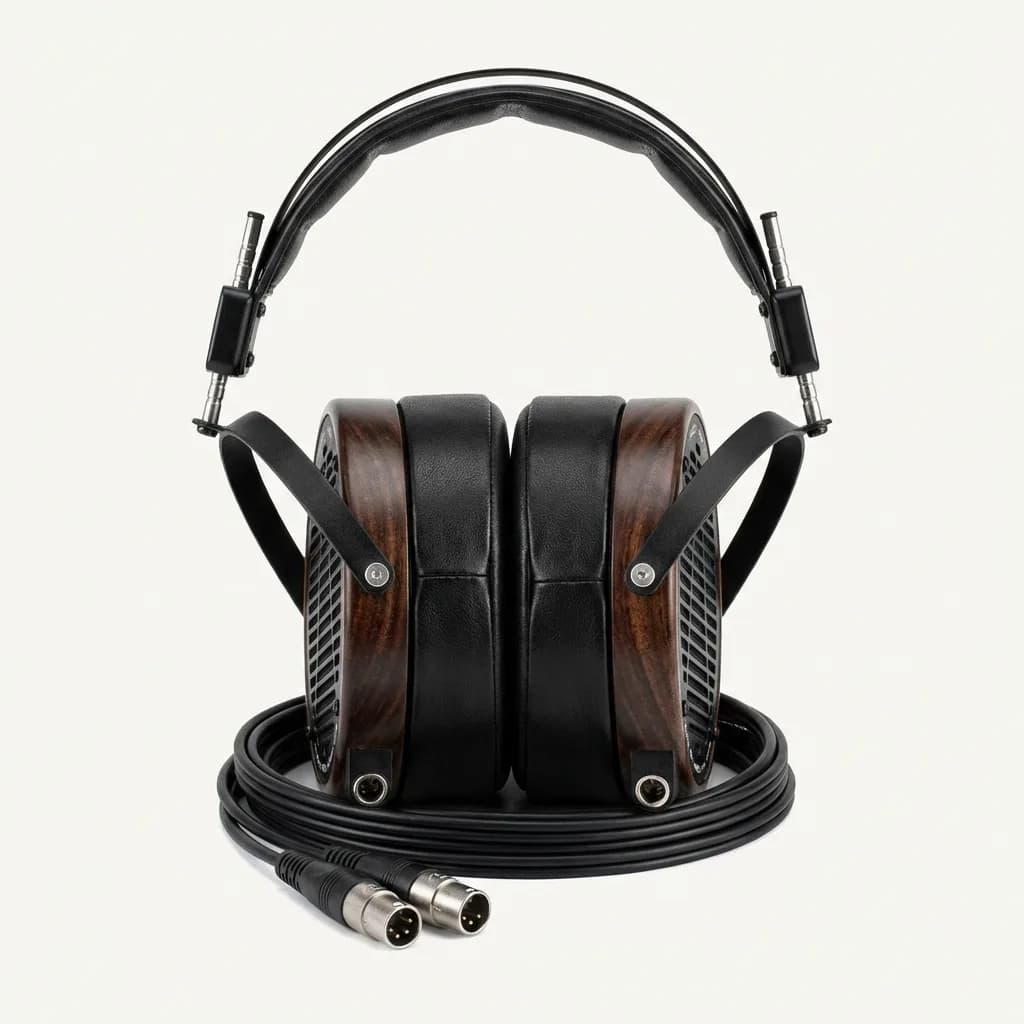
Audeze LCD-2 Classic
$799
Planar magnetic drivers in open-back design deliver exceptional detail and natural soundstage. Heavier at 550g, requires dedicated amplification, but offers reference-grade performance for critical listening at home.
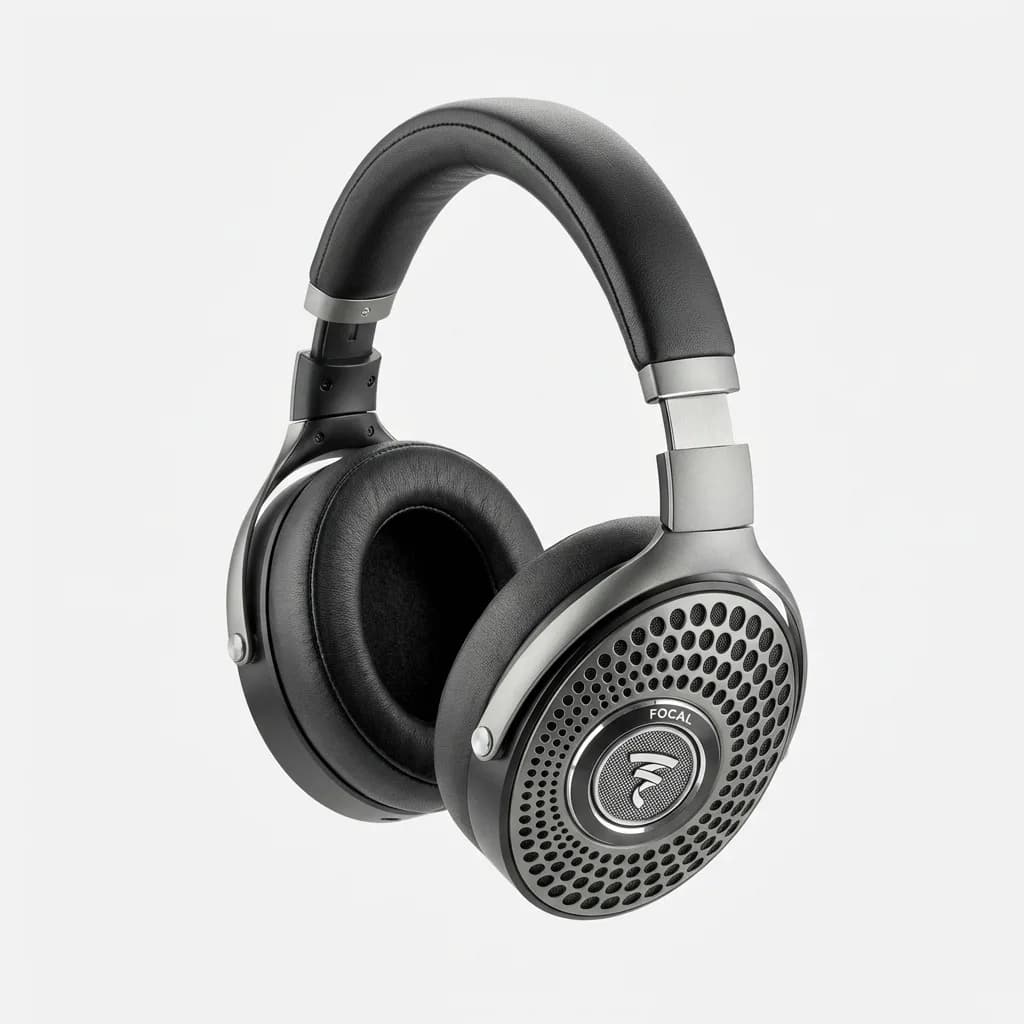
Focal Bathys
$799
High-end closed-back wireless headphones with built-in DAC and Class AB amplification. Excellent build quality, refined tuning, and strong ANC performance. No tubes, but solid conventional hi-fi approach in portable form.
The LCD-2 Classic is the choice for home listening where weight and portability don't matter. The planar magnetic technology offers similar resolution to the TH2 with different tonal characteristics (faster transients, less warmth). You'll need a separate amplifier.
The Focal Bathys is the premium wireless alternative without exotic technology. It doesn't match the TH2's unique architecture, but it delivers excellent conventional performance with better portability and immediate availability.
Highly Recommended for Audiophiles
The TH2 delivers on its ambitious premise: full hi-fi architecture in a wearable format. If you know what tubes and proper separation can do, this extends that experience beyond the listening room.
The Bottom Line
The Ecoute TH2 isn't trying to be the best headphones for everyone. It's built for the listener who understands what a full hi-fi system sounds like and refuses to accept the compromises typical headphones make.
Real vacuum tubes, true dual-mono amplification, and a signal path designed without shortcuts. The result is soundstaging, imaging, and harmonic richness that standard headphone designs can't replicate because they're not built this way.
At 424 grams with September 2026 delivery, it's not an impulse purchase. But if you've spent years building a reference system and want that fidelity to travel with you, the TH2 delivers something genuinely unique.
The Kickstarter campaign runs through March 12, 2026, with early-bird pricing available. If you missed the TH1 preorder window, this is your chance to back the next generation before retail pricing kicks in.
The Weekly Dispatch
Enjoying this article?
Subscribe and get our best gear picks delivered every Sunday morning.
Related Posts
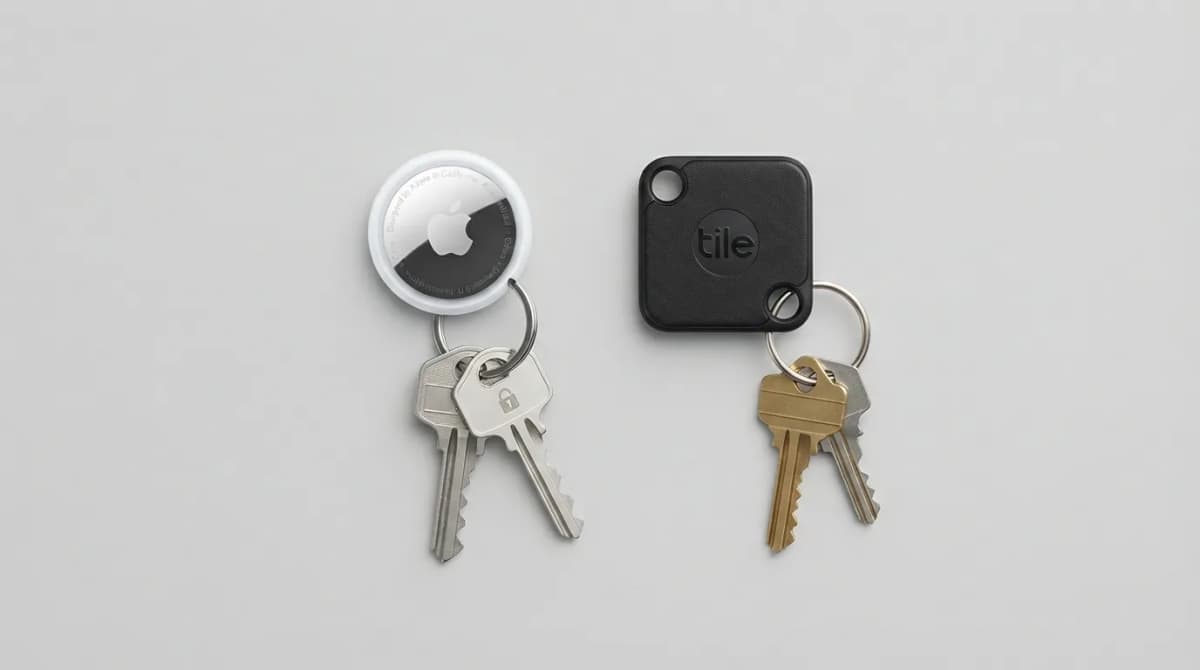
AirTag vs Tile Mate (2026): Which Key Tracker to Buy
Apple AirTag vs Tile Mate for keys: phone compatibility, range, battery and price compared from Apple and Tile maker pages, as of Oct 2026.
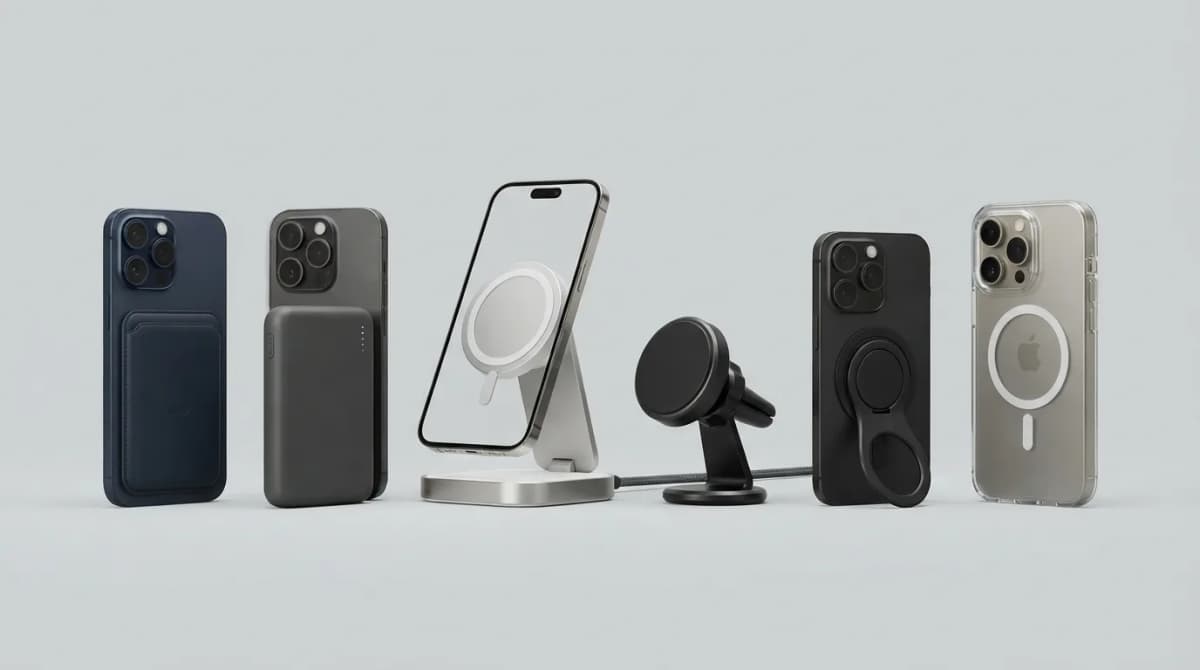
Best MagSafe Accessories for iPhone 18 Pro (2026)
MagSafe and Qi2 accessories for iPhone 18 Pro and Pro Max: wallets, power banks, a dock, car mount, grips, cases, a keyboard, a controller, an SSD and more, with maker specs and prices as of Oct 2026.
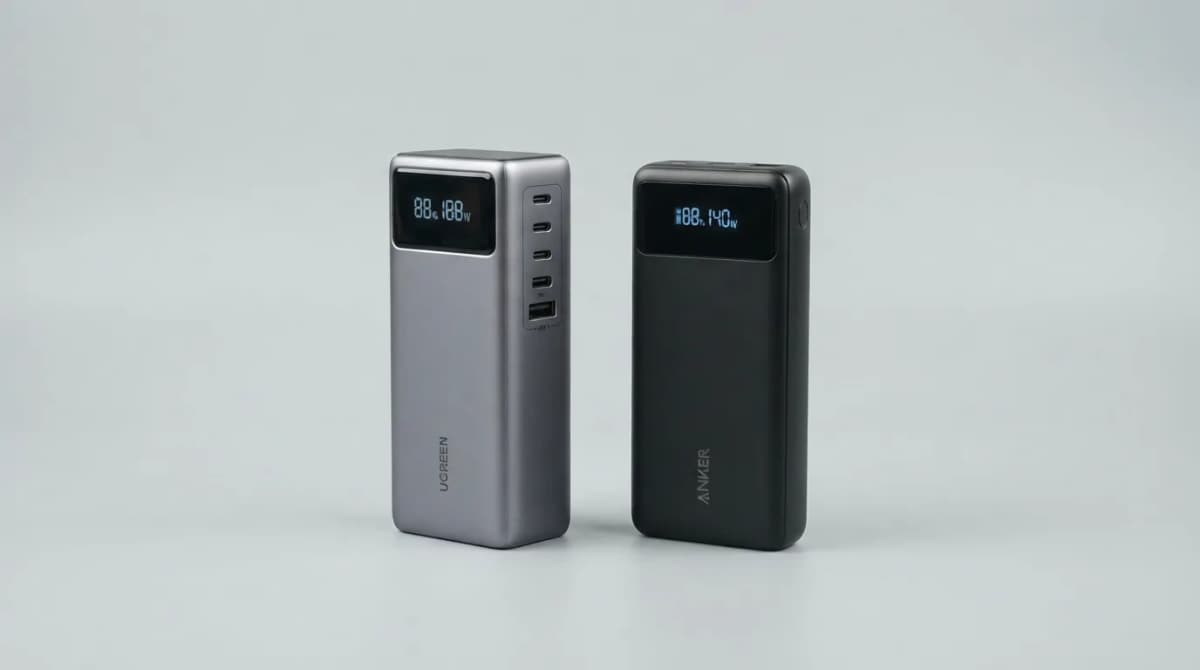
UGREEN Nexode 25000 vs Anker 737 Power Bank (2026)
UGREEN Nexode 25000mAh 200W vs Anker 737: two 140W laptop power banks compared on capacity, ports, recharge speed and weight from maker specs (Oct 2026).
Best Qi2 Power Banks 2026 for iPhone and Android
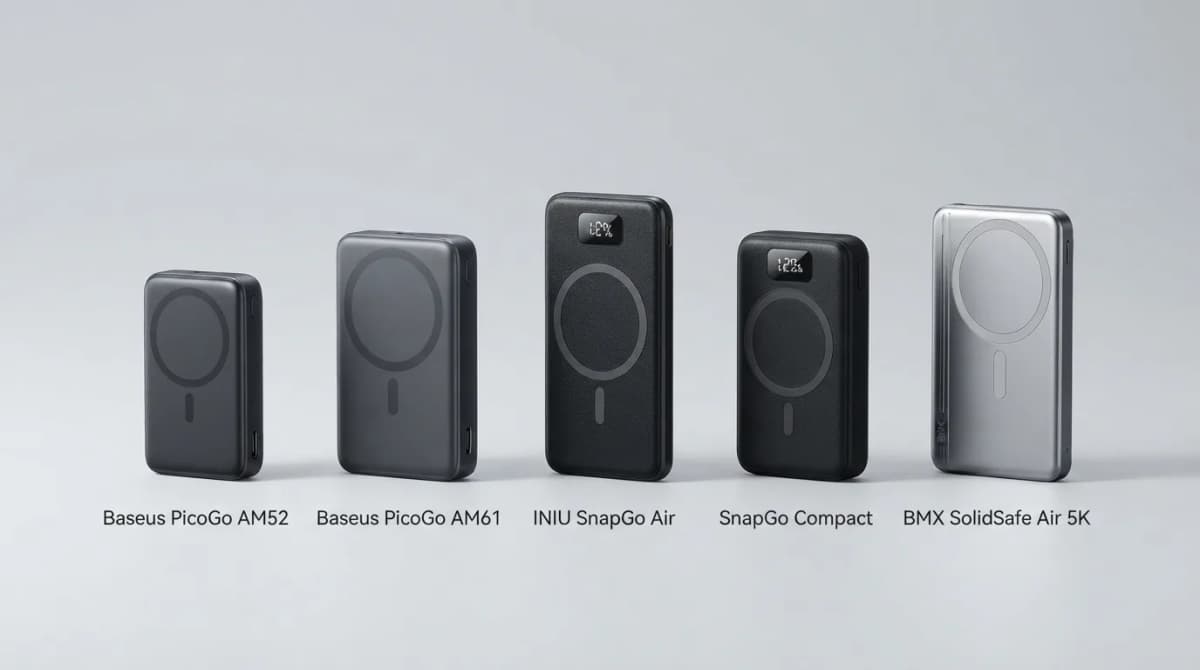
The best Qi2 and Qi2.2 magnetic power banks for 2026: Baseus PicoGo AM52 and AM61, INIU SnapGo Air and SnapGo Compact, and BMX SolidSafe Air 5K. Prices at publish, Oct 2026.