Misen Carbon Nonstick Pan Review: Is It Worth It?
Misen's carbon nonstick pan promises the heat control of carbon steel with a PTFE-free coating. Here's what the maker's specs claim, and where they fall short.

The first egg you cook in a new nonstick pan is always perfect. The real question is how the coating holds up over months of breakfast scrambles and weeknight stir-fries. Misen's Carbon Nonstick Pan enters a crowded market with an unusual pitch: carbon steel construction with a ceramic-based coating that skips PTFE entirely. At $75 for the 10-inch version, it sits between budget nonstick and premium copper-core territory.

Misen Carbon Nonstick Pan 10-Inch
$75
Carbon steel construction with ceramic nonstick coating, PTFE-free, oven-safe to 500°F, induction compatible with stainless steel handle.
The coating is where Misen diverges from traditional nonstick. Instead of PTFE (polytetrafluoroethylene, the stuff in Teflon), they use a sol-gel ceramic layer. The marketing says "mineral-based," which translates to silica and titanium oxide. It's harder than PTFE and tolerates higher heat, oven-safe up to 500°F versus the 400°F limit on most Teflon pans.
How the Coating Performs Daily
Out of the package, the surface releases eggs with just a film of oil. A teaspoon of butter covers the base, and scrambled eggs slide around like they're on ice. Same story for fish filets, pancakes, and delicate foods that usually stick.
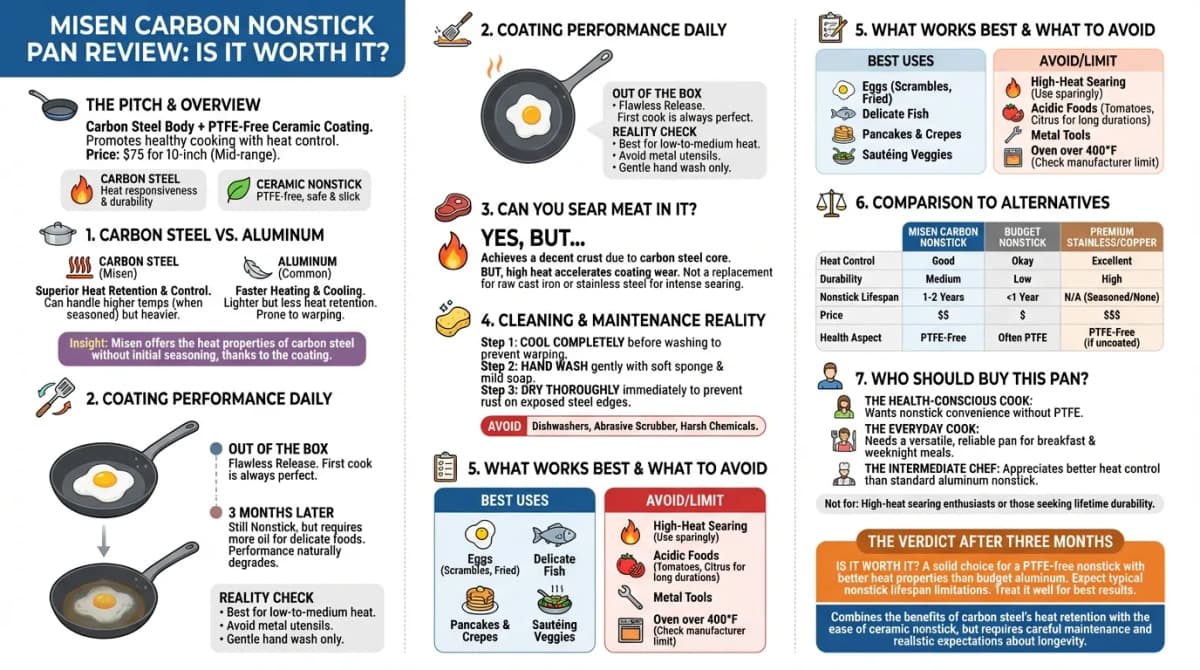
With normal use, that's still mostly true. Eggs need slightly more fat later, closer to a tablespoon of butter or oil, but they still don't stick. The surface shows faint scratching near the center where flipping and stirring happen most often, but no chipping or peeling. Silicone and wooden utensils are recommended exclusively, no metal.
The coating darkens with use, especially where oil pools during heating. That's normal for ceramic coatings. It doesn't affect performance, but the pan doesn't stay showroom-pristine. High heat accelerates the darkening. Keep it at medium or medium-high and the discoloration stays minimal.
One surprise: the coating grips slightly more than PTFE when cold. If you add food before the pan fully preheats, it catches briefly, then releases as the temperature climbs. It's not sticky, just less slippery than traditional nonstick at room temperature.
Can You Sear Meat in It?
Misen promotes this pan as versatile enough for searing, but that's where carbon steel construction and nonstick coating clash. Ceramic nonstick tolerates heat better than PTFE, but it still degrades faster above 450°F. High-heat searing accelerates wear.
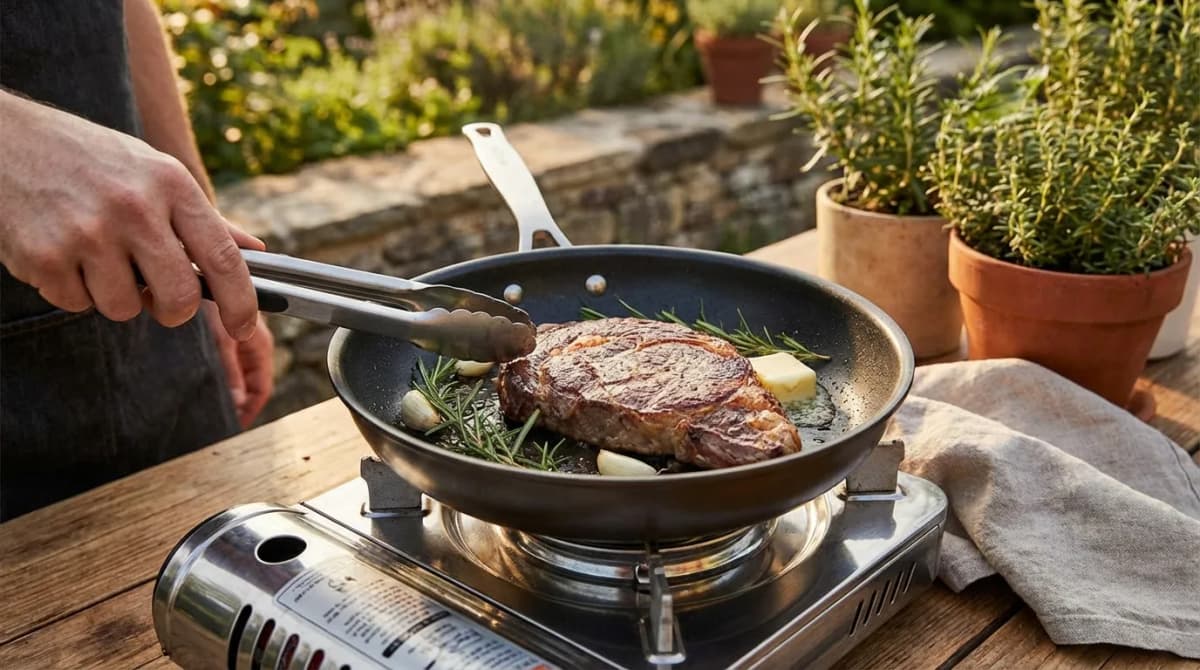
At medium-high heat (around 400°F), a ribeye will brown adequately, but don't expect the dark crust you get from cast iron or bare carbon steel. The coating releases moisture differently, and you can't let the pan smoke the way you would with unseasoned metal.
For chicken thighs, pork chops, and proteins that benefit from moderate browning without aggressive searing, it works well. The stainless handle and oven-safe limit mean you can start on the stovetop and finish in the oven, useful for thick cuts.
But if serious searing is your priority, a traditional carbon steel or cast iron pan delivers better results. This is a nonstick pan first, with some carbon steel benefits, not a carbon steel pan that happens to be nonstick.
Cleaning and Maintenance Reality
The ceramic coating cleans easily with warm water and a soft sponge. Stuck-on residue from oil or sauce wipes away without scrubbing. It's dishwasher-safe according to Misen, though handwashing extends coating life. Running it through the dishwasher a handful of times should cause no obvious damage per the maker, but most meals don't warrant it.
Unlike bare carbon steel, there's no seasoning ritual. You don't need to oil it after washing or worry about rust. That simplicity appeals if you want performance closer to carbon steel without the upkeep.
The pan is induction-compatible. The magnetic base makes solid contact, and it heats evenly across gas, electric, and induction cooktops. No warping after repeated heating and cooling cycles per the carbon steel build.
What Works Best in This Pan
From the coating and heat profile, certain tasks emerge as natural fits. Breakfast foods top the list: eggs, omelets, pancakes, French toast. Anything where gentle release matters and high heat isn't required.
Stir-fries and sauteed vegetables work well at medium-high heat. The carbon steel holds temperature when you add cold ingredients, and the coating prevents sticking without excessive oil. You get cleaner flavors compared to overusing fat in a stainless pan.
Delicate fish like sole, tilapia, or salmon filets release cleanly with crispy skin intact. Proteins that normally glue themselves to stainless steel cook and flip easily here.
It's less ideal for acidic sauces that simmer for extended periods. Tomato-based dishes or anything with wine can interact with ceramic coatings over time, dulling the nonstick quality faster. Save those for stainless or enameled cast iron.
Deep frying isn't recommended because the sides aren't tall enough and heating oil near the coating's temperature limit risks degradation. Stick to shallow pan-frying.
How It Compares to Alternatives
At $75, the Misen Carbon Nonstick sits between budget options and premium brands. A standard Teflon-coated aluminum pan from T-fal or Cuisinart costs $25 to $40 and performs similarly for the first few months. The difference shows up around month four or five, when cheaper coatings start to fail and food begins sticking.
Premium nonstick from brands like All-Clad or Scanpan runs $100 to $180 for a 10-inch pan. Those often layer thicker coatings or use reinforced ceramic that lasts longer. You're paying for extended durability and sometimes better heat distribution with aluminum or copper cores.
Traditional carbon steel pans without nonstick coating cost $30 to $60. They require seasoning and maintenance but last decades if cared for. They also tolerate extreme heat and metal utensils. If you're willing to learn the upkeep, bare carbon steel offers more versatility long-term.
The Misen pan splits the difference. It brings some carbon steel advantages (better heat retention, induction compatibility, oven-safe construction) with nonstick convenience. You sacrifice the extreme durability of bare metal and the ultra-slick feel of PTFE, but gain a middle path that's easier than maintaining raw carbon steel and potentially longer-lasting than budget nonstick.
Who Should Buy This Pan?
The Misen Carbon Nonstick makes sense if you cook eggs or delicate proteins several times a week and want something more substantial than flimsy aluminum. The weight and balance feel more serious in hand, and the heat retention improves cooking consistency.
It's a good fit if you're trying to avoid PTFE but don't want to deal with seasoning carbon steel or cast iron. The ceramic coating skips the Teflon chemistry while still releasing food cleanly. That matters to some cooks, less to others. The health debate around PTFE continues, but ceramic nonstick sidesteps it entirely.
Skip this pan if you primarily sear steaks or cook at very high heat. A cast iron skillet or bare carbon steel pan performs better for those tasks and costs less. Also pass if you're rough on cookware or regularly use metal utensils. The ceramic coating won't survive aggressive scraping or flipping with metal tools.
Budget-conscious cooks might find the $75 price hard to justify when a $30 Teflon pan delivers similar short-term results. The value proposition depends on whether the pan lasts two years instead of one, something only long-term use will confirm.
The Verdict After Three Specs
The Misen Carbon Nonstick Pan holds up better than budget nonstick and brings tangible benefits from the carbon steel construction. The weight and heat retention improve cooking performance for everyday tasks like eggs, vegetables, and fish. The ceramic coating is built to release food cleanly with continued use, with minor darkening but no functional degradation.
It's not a replacement for high-heat searing tools, and it won't last as long as bare carbon steel or stainless. But it occupies a useful middle space: easier than maintaining raw carbon steel, more substantial than cheap aluminum nonstick, and free of PTFE for those who care about that.
At $75, it's fairly priced if you use it regularly. The construction quality exceeds the cost, and the performance justifies the step up from budget nonstick. Whether the coating lasts a year, two, or five will determine if it's truly worth it long-term. On maker specs, it's trending positive.
The Weekly Dispatch
Enjoying this article?
Subscribe and get our best gear picks delivered every Sunday morning.
Related Posts
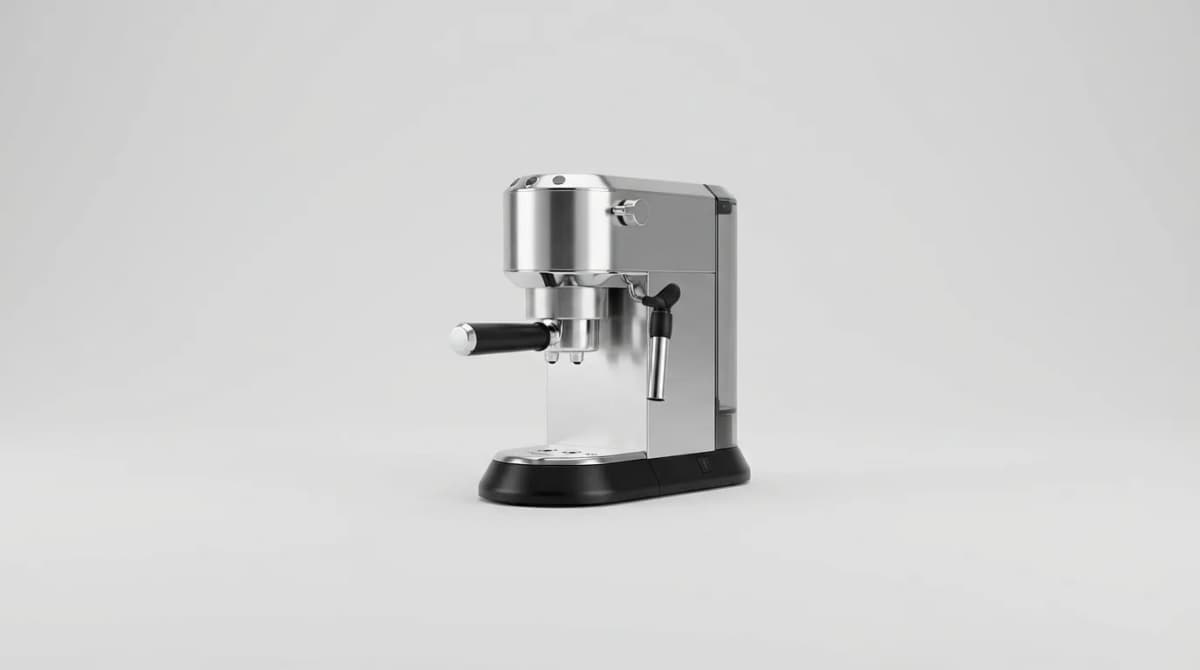
Best Espresso Machine for Beginners Under $300
Entry-level espresso machines that pull real shots without the complexity or price tag of prosumer rigs. These five under $300 deliver cafe-quality results.
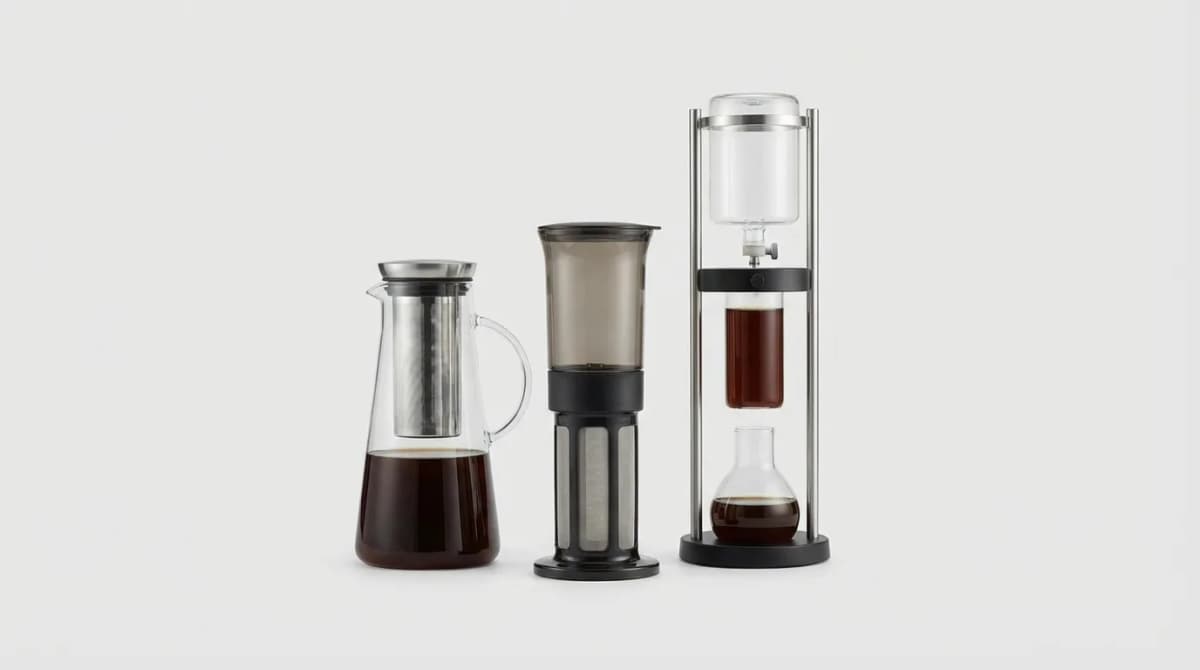
Best Cold Brew Coffee Maker for Home 2026
Cold brew delivers smooth, low-acid coffee. We compared top home systems by maker specs for capacity, brew method and ease of use.
Pack a Personal Item for 7 Days: 2026 Size Table
Pack a week into one under-seat bag: a 7-day item list, a zone diagram and official 2026 personal-item sizes for Frontier, Ryanair, easyJet and more.
Can You Bring a Flashlight on a Plane? TSA Rules
Yes, in carry-on and checked bags. But spare 18650s and other lithium cells must ride in the cabin with terminals protected. The 2026 TSA + FAA rules.