Carbon Steel Pan vs Cast Iron: Which Cooks Better?
Carbon steel heats faster and weighs less, but cast iron holds heat longer. We break down the real differences that matter in your kitchen.

Both carbon steel and cast iron develop a natural non-stick surface through seasoning, handle high heat without complaint, and last decades with basic care. The choice between them comes down to weight, heat response, and what you cook most often.
The core difference is in the metal itself. Carbon steel is 99% iron and 1% carbon, rolled thin into sheets that respond quickly to temperature changes. Cast iron is 97-98% iron with 2-3% carbon, poured into molds that create thicker, heavier pieces that heat slowly but hold that heat stubbornly. That difference in thickness and carbon content drives everything else.
Weight and Handling: Carbon Steel Wins for Daily Use
A 12-inch carbon steel pan weighs 4-5 pounds. The same size cast iron skillet weighs 8-9 pounds. That extra weight matters when you're flipping vegetables, pouring out fond for a pan sauce, or washing up after dinner.
Carbon steel is easier to maneuver with one hand. You can toss ingredients, slide the pan on and off heat quickly, and store it without dedicating serious shelf space. Cast iron requires two hands for most people, and moving a hot 9-pound skillet off the burner mid-cook is awkward.

Misen Carbon Steel Pan 12-Inch
See current price
5-ply construction with a flat base that won't warp. Sloped sides make tossing easy. Weighs 4.5 pounds with excellent balance for one-handed control.
The weight difference also affects heat retention, which we'll cover next, but for everyday cooking tasks like sauteing, stir-frying, or making omelets, carbon steel's lighter build is a practical advantage.
Heat Response: Carbon Steel Heats Fast, Cast Iron Holds Steady
Carbon steel heats up in 2-3 minutes on medium-high heat. Cast iron takes 8-10 minutes to reach the same temperature. Once hot, cast iron maintains that heat better when you add cold ingredients. Drop a steak into a screaming hot cast iron skillet and the temperature drops maybe 50-75 degrees. The same move in carbon steel can drop the temp 100-150 degrees.
This makes cast iron better for searing thick steaks or getting deep browning on proteins when you're cooking in batches. The pan stays hot enough to develop a crust even as moisture hits the surface. Carbon steel works fine for searing, but you need to let the pan recover between batches or your second steak won't brown as well as the first.

Lodge Cast Iron Skillet 12-Inch
$40
Pre-seasoned American-made skillet with dual pour spouts and a helper handle. Weighs 8 pounds. Excellent heat retention for high-heat searing and oven use up to 500+ degrees.
But carbon steel's faster heat response is an advantage for recipes that require temperature control. Making a French omelet or sauteing delicate vegetables? Carbon steel reacts immediately when you lower the heat. Cast iron lags behind, staying hotter longer than you want.
Cooking Surface: Both Season Well, Different Textures
Both materials develop a polymerized oil layer (seasoning) that creates a semi-non-stick surface. Neither will ever be Teflon-slick, but a well-seasoned pan of either type releases eggs, fish, and sticky sauces without issue.
Cast iron's surface is slightly rougher due to the casting process. Even machined cast iron (which is smoother) has more texture than carbon steel. Carbon steel starts smoother and gets slicker faster as the seasoning builds up in the first few months of use.
The rougher cast iron surface can grab onto proteins initially, which some cooks prefer for building fond. The smoother carbon steel surface is better for delicate items like fish or crepes that you want to slide around freely.
Seasoning and Maintenance: Nearly Identical
Both require seasoning before first use (unless pre-seasoned) and benefit from regular cooking with fat to maintain the non-stick layer. Both need to be dried thoroughly after washing to prevent rust. Both can handle a metal spatula without damage.
The main maintenance difference is recovery from neglect. If you leave either pan wet and it rusts, carbon steel is easier to scrub down and re-season because it's thinner. A heavily rusted cast iron piece might need sandblasting or electrolysis to fully restore.

De Buyer Mineral B Pro Carbon Steel Fry Pan
$50
French-made with a beeswax protective coating. Riveted stainless steel handle stays cool longer. 12.5-inch size is ideal for large meals and high-heat techniques.
Both can go in the oven without restriction. Both work on gas, electric, and induction (assuming the carbon steel has a magnetic base). Both are terrible in the dishwasher.
Where Carbon Steel Excels
Carbon steel is the better choice for Asian cooking techniques like wok-style stir-frying, where you need to move the pan constantly and adjust heat quickly. The light weight and responsive heating make it easier to control the cook.
It's also better for recipes that start on the stovetop and finish in the oven repeatedly, like pan-roasted chicken thighs. The lighter weight makes moving the pan in and out less awkward.

Matfer Bourgeat Black Carbon Steel Fry Pan 11-7/8-Inch
$45
Professional French design with a long handle for leverage. Natural beeswax finish. Used in restaurant kitchens worldwide for fast, high-heat cooking and superior heat control.
Carbon steel works well for dishes where you're building layers of flavor and need to deglaze frequently. The quick temperature response helps you control the browning without burning the fond.
Where Cast Iron Excels
Cast iron is unbeatable for recipes that need sustained high heat: cornbread, deep-dish pizza, thick pork chops, or anything that goes from stovetop to oven and stays there. The heat retention means the pan stays hot throughout the bake, giving you even browning and a crispy bottom crust.
It's also better for cooking over campfires or coals, where you can't adjust the heat source easily. The mass of cast iron absorbs and evens out hot spots from uneven flames.

Lodge Pre-Seasoned Cast Iron Skillet with Assist Handle 10.25-Inch
$20
Classic American skillet with a helper handle for safe two-handed lifting. Ready to use out of the box. Oven-safe to any temperature, works on all cooktops including induction.
Cast iron holds up better to abuse. You can scrape it aggressively, use it over an open fire, or leave it on high heat without warping. Carbon steel can warp if overheated or heated unevenly, especially cheaper models with thin bases.
Common Mistakes to Avoid
Don't use soap-free cleaning as a rule for either pan. Modern dish soap doesn't contain lye and won't strip seasoning. Scrub with hot water and a drop of soap if needed, then dry immediately.
Don't assume older is better. Vintage cast iron is smoother because manufacturers machine-finished the cooking surface back then, but a modern Lodge skillet seasons up just fine with use. Vintage carbon steel pans aren't significantly better than new ones.
Don't store either pan with the lid on or stacked with other cookware unless they're bone dry. Trapped moisture causes rust faster than anything else.
Which One Should You Buy First?
If you cook a lot of quick-cooking meals, vegetables, eggs, fish, or Asian-inspired dishes, start with carbon steel. The weight and heat control make daily cooking more enjoyable.
If you cook a lot of steaks, roasts, baked dishes, or camp cooking, start with cast iron. The heat retention and durability matter more for those tasks.
Most serious home cooks end up with both. A 12-inch carbon steel pan and a 10-inch cast iron skillet cover 90% of cooking tasks between them and cost less than $100 combined. They'll both outlast you if you treat them reasonably well.
The real question isn't which is better overall. It's which fits your cooking style today. Both are excellent tools. Both require the same basic care. Both get better with use. Pick the one that matches what you cook most often, and add the other later when you find yourself reaching for something lighter or heavier than what you have.
The Weekly Dispatch
Enjoying this article?
Subscribe and get our best gear picks delivered every Sunday morning.
Related Posts
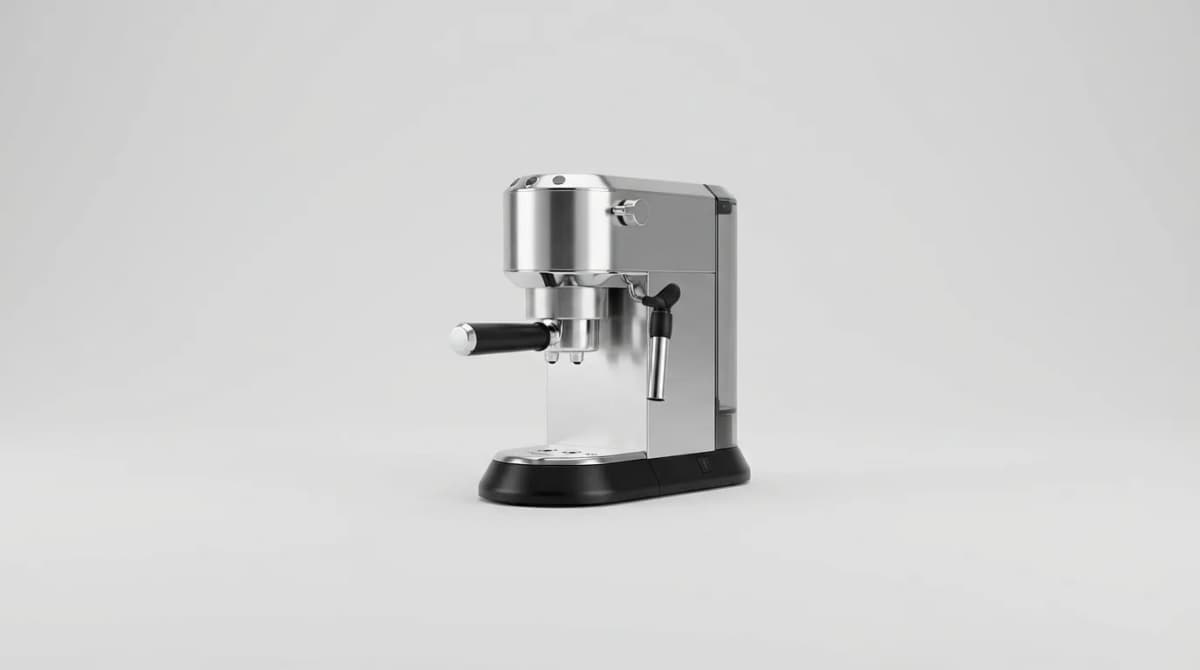
Best Espresso Machine for Beginners Under $300
Entry-level espresso machines that pull real shots without the complexity or price tag of prosumer rigs. These five under $300 deliver cafe-quality results.
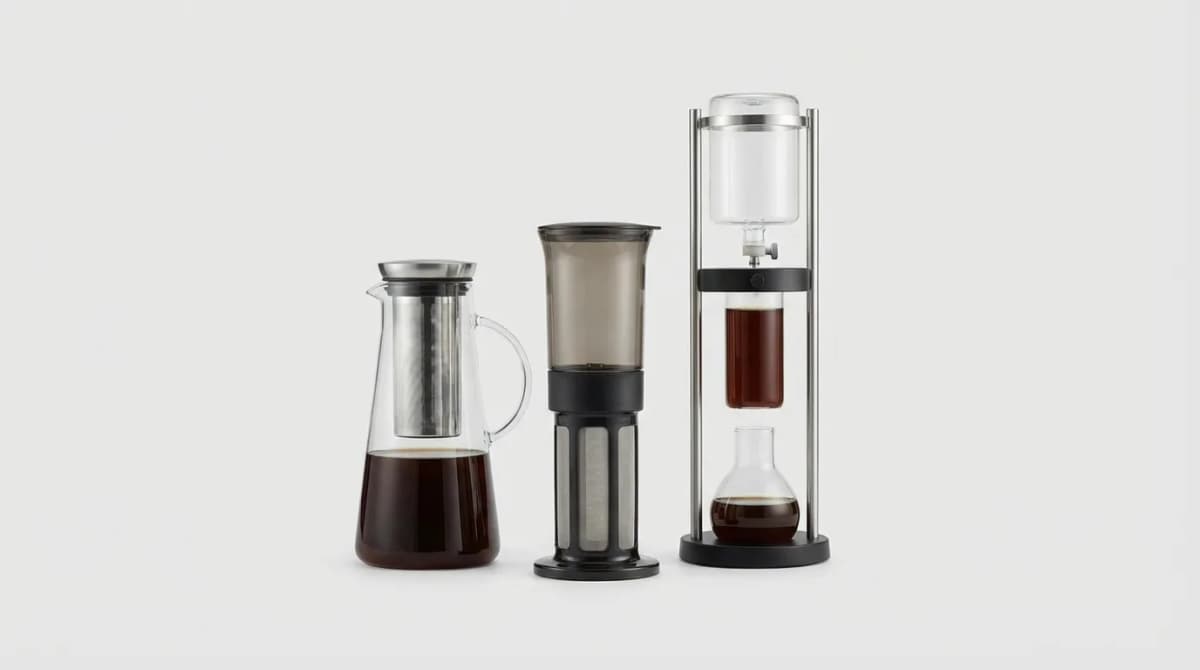
Best Cold Brew Coffee Maker for Home 2026
Cold brew delivers smooth, low-acid coffee. We compared top home systems by maker specs for capacity, brew method and ease of use.

Misen Carbon Nonstick Pan Review: Is It Worth It?
Misen's carbon nonstick pan promises the heat control of carbon steel with a PTFE-free coating. Here's what the maker's specs claim, and where they fall short.
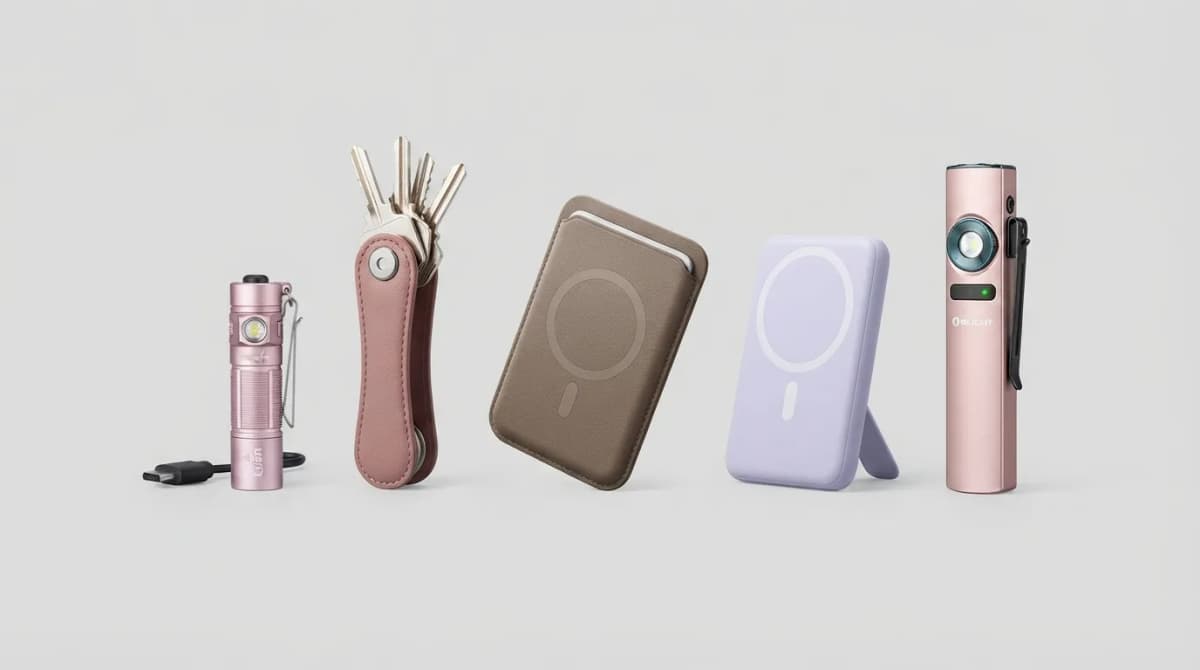
EDC Gifts for Women (2026): Practical Carry Gifts She Will Use
Practical EDC gifts for women: Fenix E05R, Orbitkey Key Organizer, Apple FineWoven Wallet, Anker MagGo 10K and Olight Arkfeld Ultra, with maker specs and prices as of Oct 2026.