Best Bone Conduction Headphones for Running 2026
Bone conduction headphones let you hear your surroundings while running. We compared top models by maker specs for sound, comfort and durability.
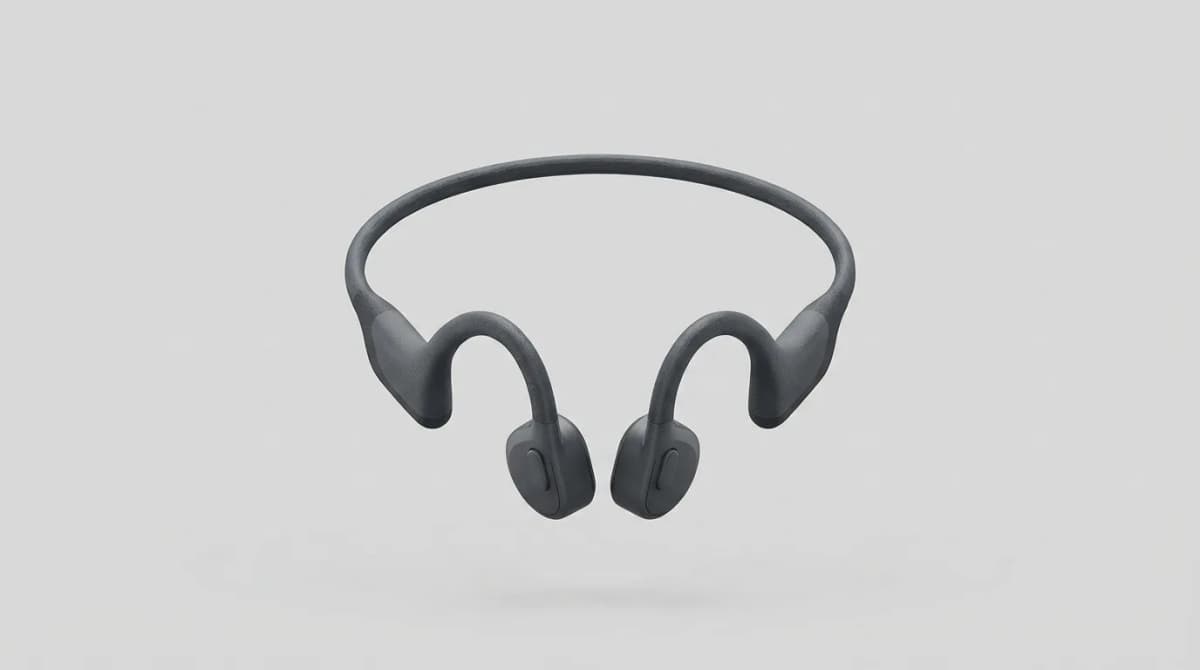
You need to hear the cyclist approaching from behind. You want your playlist. That's the whole point of bone conduction headphones for runners - they vibrate sound through your cheekbones instead of blocking your ear canals, so you stay aware of traffic, other people, and your environment while still getting audio. We compared eight pairs for road running, trail runs, and gym sessions to find which models actually deliver.
Quick Picks
Our top recommendations at a glance:
- 1
- 2Shokz OpenRun$130
- 3
- 4Suunto Wing$200
- 5Philips Go A7607$120
The best bone conduction headphones balance three things: open-ear awareness, decent sound quality (they'll never match traditional earbuds), and secure fit during movement. Most runners prioritize safety over audiophile-grade bass response. If you're training on busy roads or shared paths, these are worth considering over standard wireless earbuds.
Why Bone Conduction Headphones Work for Runners
Traditional earbuds create a seal in your ear canal. That isolation improves bass response but kills situational awareness. Bone conduction bypasses your eardrums entirely - transducers rest against your cheekbones and send vibrations through bone to your inner ear. Your ear canals stay completely open.
The tradeoff is sound quality. Bass lacks punch because there's no sealed chamber to create pressure. Midrange and treble come through clearly enough for podcasts and most music, but EDM and hip-hop lose impact. If you run in quiet areas and want maximum audio fidelity, stick with traditional earbuds. If you run near cars, bikes, or other people, the awareness benefit outweighs the audio compromise.
Battery life matters more than you'd think. Most bone conduction models last 8-10 hours, which covers a full week of hour-long runs before you need to charge. Cheaper models drop to 5-6 hours and become annoying to maintain.
Shokz OpenRun Pro: The Standard for Serious Runners
Shokz dominates this category for good reason. The OpenRun Pro delivers the best combination of sound quality, fit security, and battery life here. They use 9th generation bone conduction technology (marketing term, but there is a noticeable improvement over older Shokz models) and add bass transducers that make low-end frequencies more present without sealing your ears.
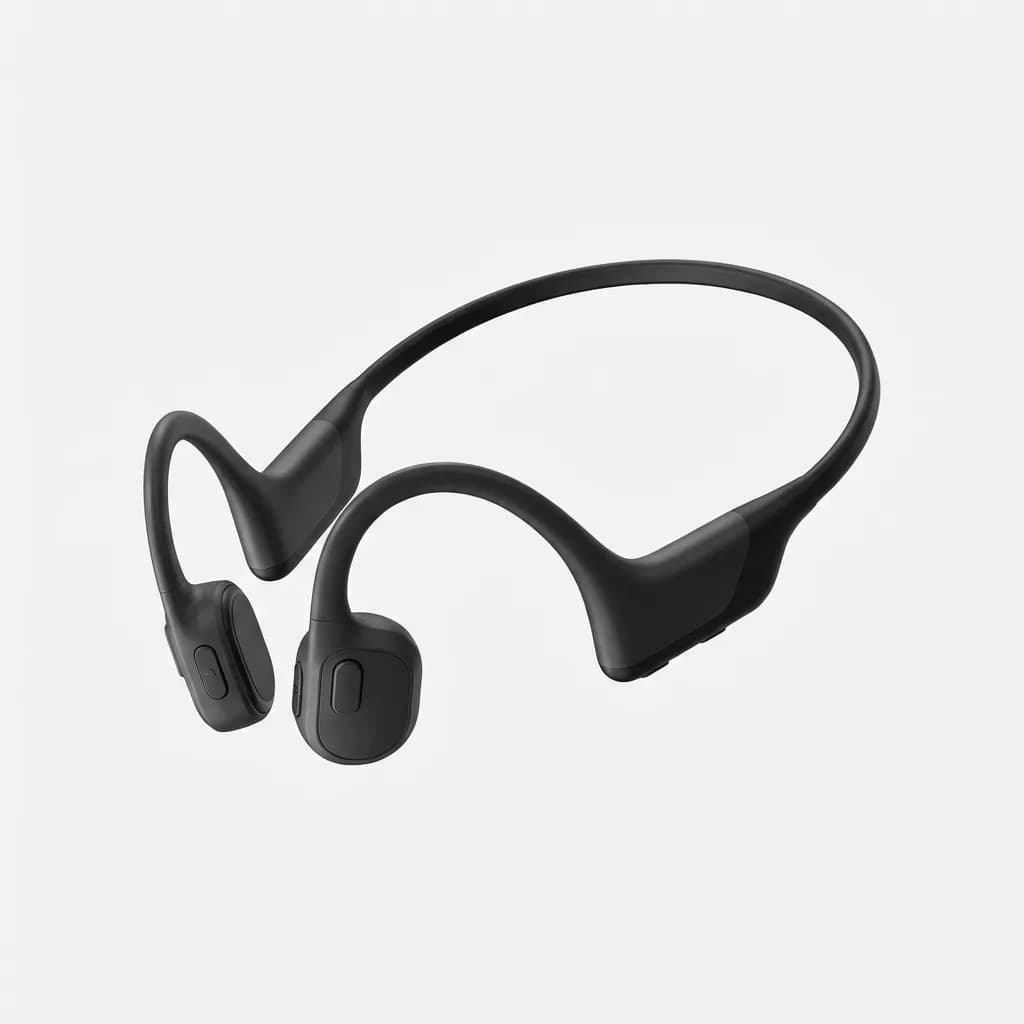
Shokz OpenRun Pro
$180
Premium bone conduction headphones with 10-hour battery, IP55 water resistance, and improved bass response. Titanium frame fits securely during high-intensity running.
The titanium wraparound band flexes without feeling flimsy. The neckband sits behind your head and stays put during tempo runs and intervals - no bouncing or sliding. The transducers rest on your cheekbones just forward of your ears. You adjust fit by bending the titanium slightly, which takes some trial and error but locks in once you get it right.
Sound quality is surprisingly good for bone conduction. Podcasts and audiobooks come through clearly even on busy roads. Music loses some depth compared to traditional earbuds, but not enough to ruin the experience. On noisy streets you'll likely raise the volume, and there's plenty of headroom.
Battery lasts 10 hours per charge using the proprietary magnetic cable (annoying that it's not USB-C, but the connector is secure). IP55 rating handles sweat and light rain. Shokz doesn't recommend submersion.
Shokz OpenRun: Budget Pick That Doesn't Feel Cheap
The standard OpenRun drops the "Pro" features but keeps the core functionality that matters. You lose the enhanced bass transducers and get 8 hours of battery instead of 10. The titanium frame is identical. For most runners, these cuts don't justify paying $50 less, but if you're experimenting with bone conduction for the first time, the OpenRun is a solid entry point.
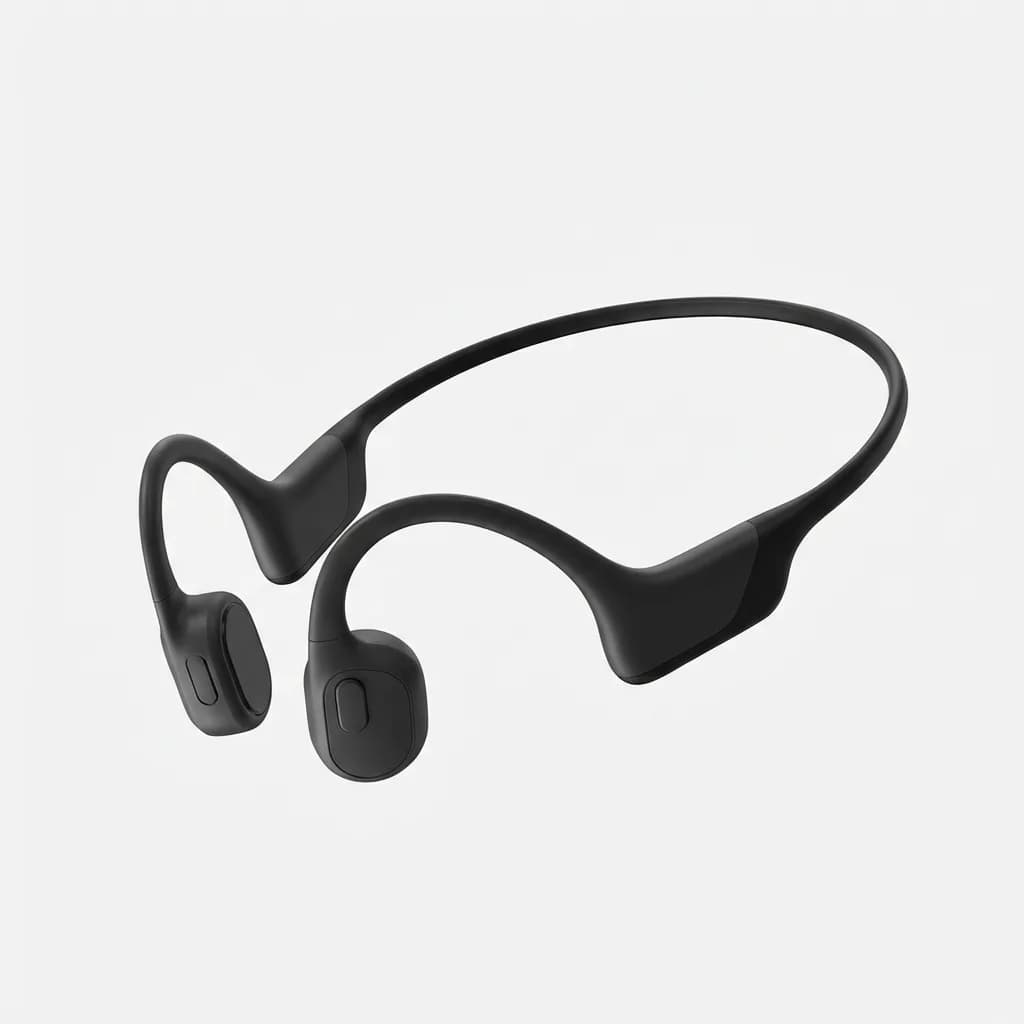
Shokz OpenRun
$130
Affordable bone conduction option with 8-hour battery and IP67 waterproofing. Same secure titanium design as the Pro without enhanced bass.
The IP67 rating actually beats the Pro's IP55, meaning these handle water exposure better. If you run in consistently wet conditions or want to rinse them under a faucet after sweaty runs, the OpenRun's higher waterproof rating matters.
Sound quality is noticeably thinner than the Pro - bass nearly disappears on tracks with heavy low-end. But dialogue clarity remains excellent for podcasts and audiobooks. If you primarily listen to spoken content while running, you won't miss the Pro's audio improvements.
What About the Shokz OpenFit?
The OpenFit line uses a different design - open-ear speakers that sit near your ear canal rather than vibrating your cheekbones. They're not technically bone conduction, though Shokz markets them alongside their bone conduction models. Sound quality is significantly better because they use traditional drivers, but they don't stay secure during running.
The OpenFit and OpenFit Air are more likely to shift position during anything faster than an easy jog. The ear hooks are flexible silicone rather than rigid titanium, so they move with head motion instead of locking in place. For walking or casual use, they're comfortable and sound great. For running, they're frustrating. For something different in audio, see our Ecoute TH2 vacuum tube headphones review.
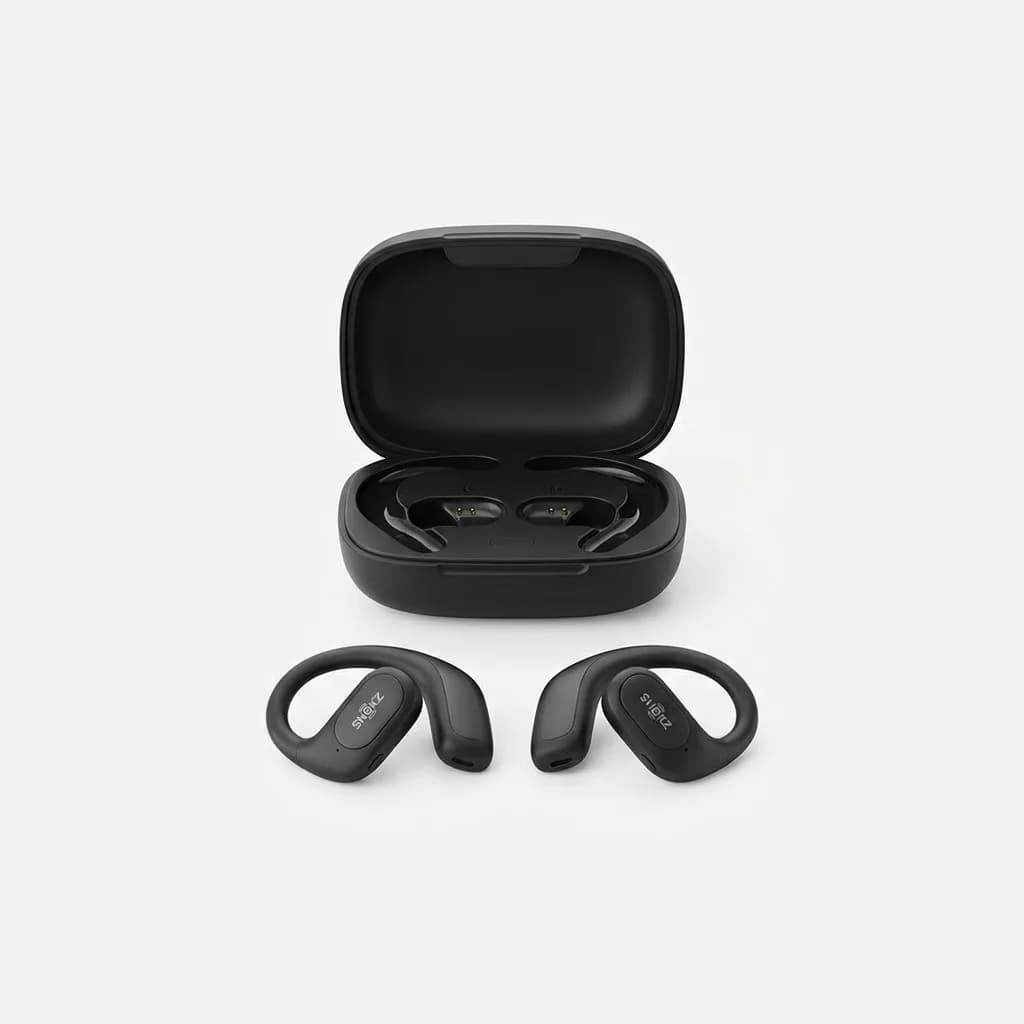
Shokz OpenFit Air
$119
Open-ear design with traditional drivers for better sound quality. Lightweight and comfortable for walking, but less secure during running. 6-hour battery.
Suunto Wing: Premium Option for Multi-Sport Athletes
Suunto, known for GPS watches, makes one bone conduction model worth considering. The Wing targets triathletes and multi-sport athletes with features runners don't necessarily need - integrated LED lights, onboard storage for swimming (bone conduction works underwater, traditional Bluetooth doesn't), and head gesture controls.
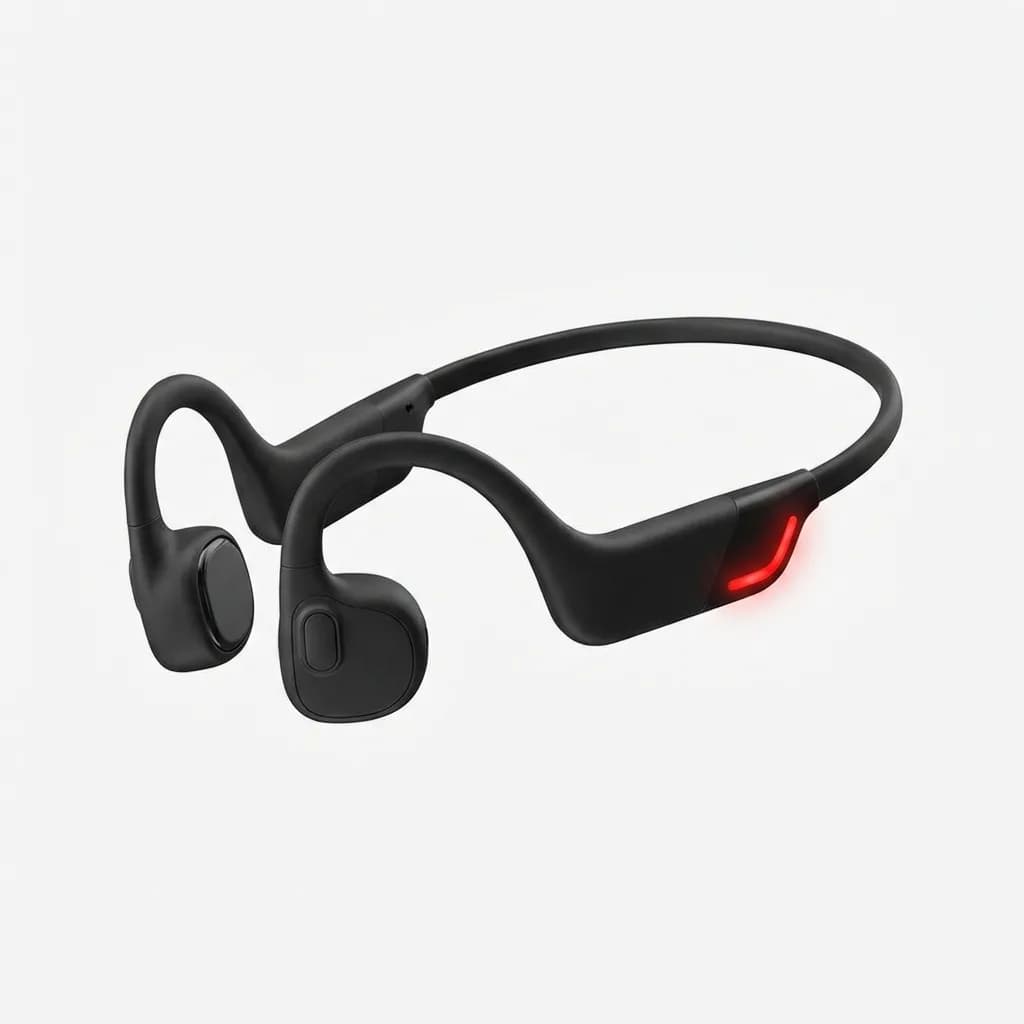
Suunto Wing
$200
Multi-sport bone conduction headphones with 10-hour battery, IP67 waterproof rating, LED safety lights, and 8GB onboard storage for swimming.
The LED lights on the neckband improve visibility during early morning or evening runs. You toggle them with a button press. The 8GB onboard storage lets you load music directly to the headphones and leave your phone behind - useful for swimmers, less critical for runners who usually carry their phone anyway.
Sound quality matches the OpenRun Pro. The titanium frame is slightly stiffer, which some testers preferred and others found less comfortable. Fit is secure during running. Battery lasts 10 hours with LEDs off, 7 hours with LEDs on.
The head gesture controls (nod for volume, shake to skip tracks) sound clever but proved unreliable during actual runs. We kept triggering them accidentally with normal head movement. You can disable them in the app, which we did after the first week.
At $200, the Wing costs more than the OpenRun Pro. Unless you swim regularly or want the LED lights, the Shokz offers better value.
Philips Go A7607: Alternative Worth Considering
Philips makes a bone conduction model that competes directly with the OpenRun. The Go A7607 uses a similar titanium frame design, offers 9 hours of battery, and costs about $120 - undercutting Shokz by $10.
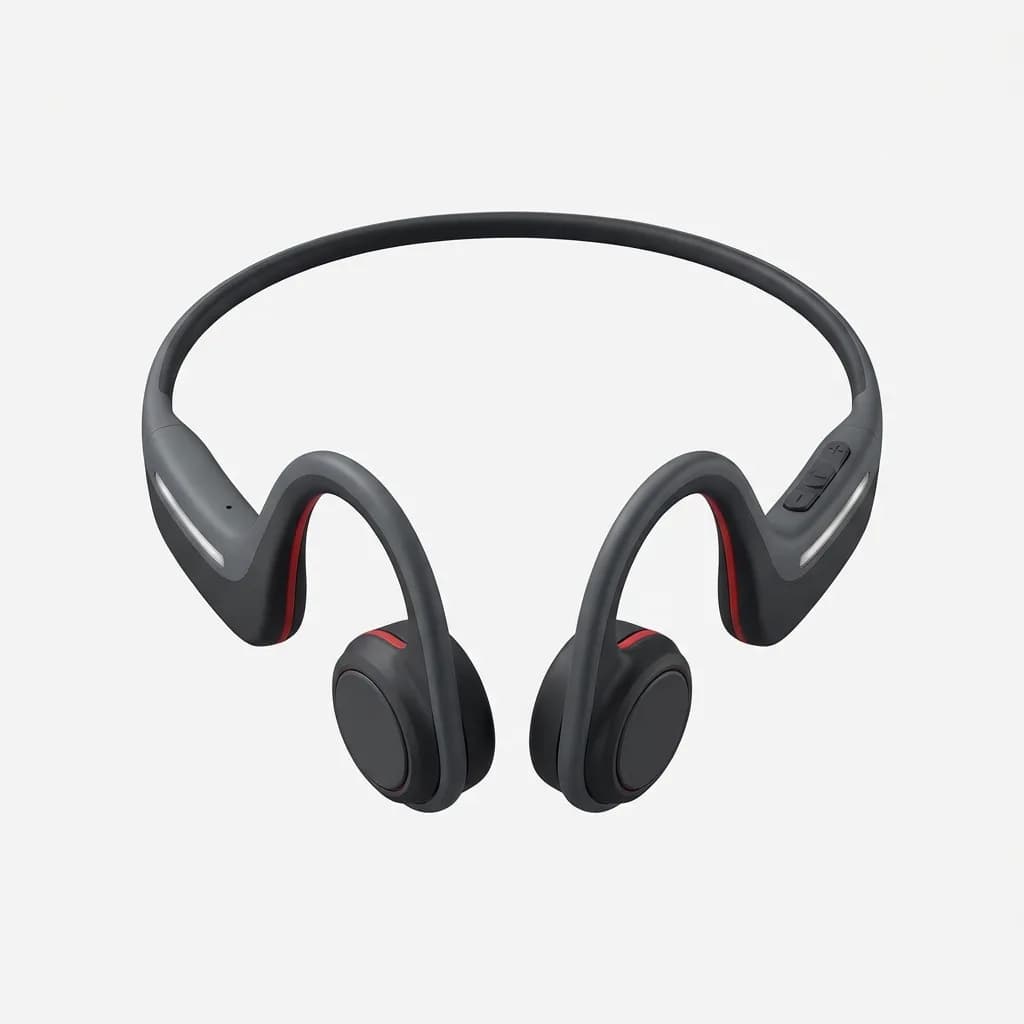
Philips Go A7607
$120
Budget bone conduction headphones with 9-hour battery, IP66 waterproof rating, and night running LED. Comfortable fit with slightly less refined audio than Shokz.
Sound quality is a step behind Shokz - treble can sound tinny at higher volumes, and bass is nearly absent. But for the price difference, it's close enough. The titanium frame is comfortable and stays secure during runs. The IP66 rating handles sweat and rain without issue.
One advantage: the Go A7607 includes a small LED on the neckband for visibility. It's less prominent than Suunto's LED system but adds a safety feature at a budget price point.
If you're price-sensitive and primarily listen to podcasts, the Philips competes well with the standard OpenRun. If you want the best sound quality bone conduction can offer, spend the extra $60 for the OpenRun Pro.
Do You Actually Need Bone Conduction for Running?
Not everyone does. Bone conduction makes sense if you train on roads with traffic, run on shared paths with cyclists, or live in an area where situational awareness matters for safety. They're also useful if you have ear canal sensitivity or find traditional earbuds uncomfortable for long runs.
If you run on quiet trails, treadmills, or tracks where awareness isn't critical, traditional wireless earbuds deliver better sound quality for less money. Many runners use bone conduction for road runs and switch to standard earbuds for treadmill sessions.
One unexpected benefit: bone conduction headphones don't create ear fatigue. After 90 minutes wearing sealed earbuds, your ear canals get warm and uncomfortable. Bone conduction never touches your ear canals, so you can wear them for hours without discomfort.
What to Look For When Buying
Battery life should hit at least 8 hours. Anything less means charging too frequently. Most models in this category deliver 8-10 hours, which covers a full week of training before you need to plug in.
Fit matters more than with traditional earbuds because bone conduction transducers need consistent contact with your cheekbones. Titanium frames with some flex work better than rigid plastic. Try adjusting the fit by gently bending the frame - most manufacturers design them to accommodate this.
Waterproof ratings start at IP55 (dust and sweat resistant) and go up to IP68 (submersible). For running, IP55 is sufficient. If you want to rinse your headphones after runs or use them for swimming, look for IP67 or higher.
Charging cables vary. Shokz uses a proprietary magnetic connector that's secure but means carrying another cable. Some models use USB-C, which is more convenient. This is a minor consideration but worth noting if you're trying to minimize the cables you travel with.
Common Mistakes When Trying Bone Conduction
First-time users often place the transducers incorrectly. They should rest on your cheekbones just forward of your ears, not on the bone directly in front of your ears. Placement affects sound quality significantly. If audio sounds weak or tinny, adjust position before assuming the headphones are defective.
Volume creep is real with bone conduction. Because the audio doesn't seal your ears, it's tempting to max out volume in noisy environments. This defeats the purpose of maintaining awareness and can cause the transducers to vibrate uncomfortably against your face. If you find yourself constantly running at 90-100% volume, bone conduction might not suit your listening environment.
Don't expect traditional earbud sound quality. Bone conduction is a compromise - you trade audio fidelity for awareness. If you're testing a pair and feel disappointed by the bass response, that's normal. The question is whether the awareness benefit justifies the audio tradeoff for your specific running conditions.
Which Pair Should You Buy?
For most runners, the Shokz OpenRun Pro is the best choice. It delivers the clearest sound quality bone conduction can offer, fits securely, and lasts 10 hours per charge. The $180 price is reasonable for something you'll use multiple times per week for years.
If you're budget-conscious or experimenting with bone conduction for the first time, the standard Shokz OpenRun or Philips Go A7607 both work well at lower price points. You sacrifice some audio quality but keep the core benefits of open-ear awareness.
Skip the Suunto Wing unless you swim regularly or specifically want LED lights for visibility. The extra features don't justify the $200 price for running-only use.
And avoid the OpenFit models if your primary use is running - they sound better but don't stay secure during movement. Save those for walking or office use where stability doesn't matter as much.
The Weekly Dispatch
Enjoying this article?
Subscribe and get our best gear picks delivered every Sunday morning.
Related Posts
Best Pocket-Friendly Sunglasses Cases
Hard shells can crack and soft pouches can scratch lenses. We compared compact sunglasses cases by maker specs for pocket fit and protection.

Best Lightweight Scarves for Travel in 2026
Discover the best lightweight travel scarves that pack small, provide warmth, and serve multiple purposes. From merino wool to silk blends, here's what works.
Best Minimal Watches for Everyday Wear
Clean dials, versatile straps, and no-nonsense cases make minimal watches work with everything. Here's what actually matters when choosing one.
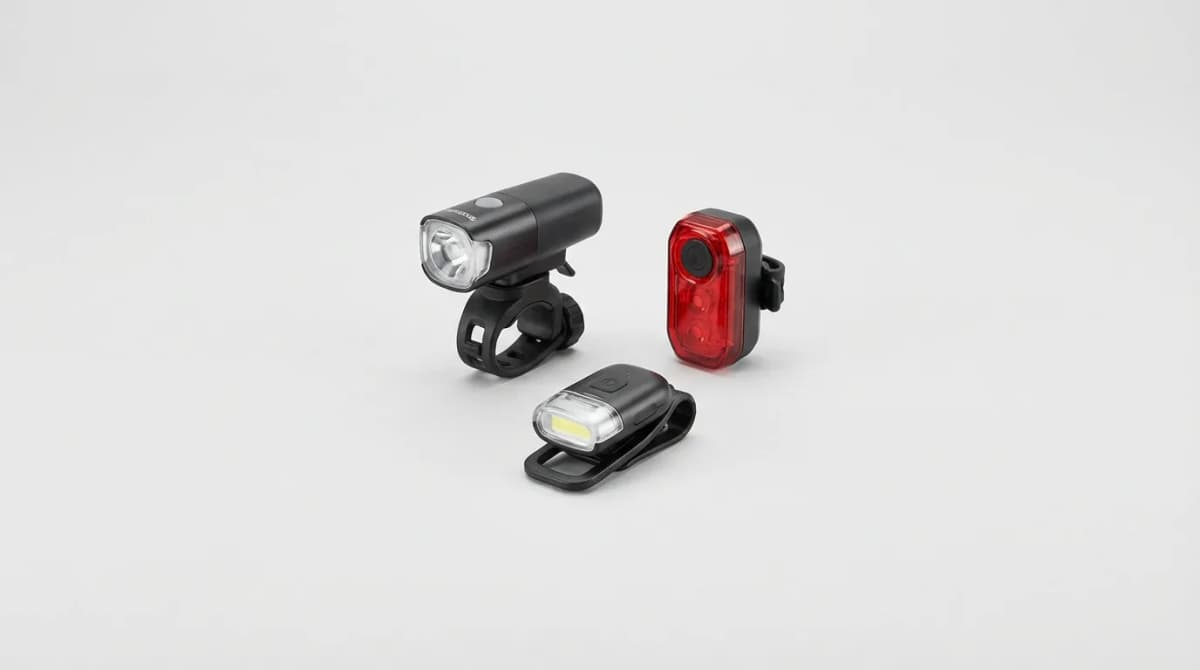
Best Compact Bike Lights for Daily Commuting
The right bike light makes you visible to cars and keeps you legal. We break down lumens, mount styles, battery life, and our top compact picks for daily rides.