Ridge Wallet vs Ekster: Which Slim Wallet Wins
Ridge and Ekster dominate the slim wallet market, but they take different approaches. We compare materials, capacity, tracking features, and daily carry to find the winner.

You've probably seen both brands all over YouTube and Instagram. Ridge built their reputation on machined aluminum and extreme minimalism. Ekster went a different direction with leather-wrapped designs and solar-powered tracking. Both cost roughly the same, both promise to slim down your pocket, but they feel completely different in hand.
Quick Picks
Our top recommendations at a glance:
- 1
- 2
- 3
- 4
- 5
We've carried both for months across different scenarios: travel, daily commuting, nights out where pocket space matters. Here's what actually separates them.
Build quality and materials
Ridge uses 6061-T6 aluminum, titanium, or carbon fiber for the outer plates. The plates are CNC-machined, anodized, and held together with a single elastic band. It's rigid, sharp-edged, and industrial. The machining quality is excellent with no burrs or rough spots. The elastic band is the only wear point, and Ridge sells replacements for $5.
Ekster's Parliament model (their closest Ridge competitor) uses full-grain leather on the outside with an aluminum cardholder mechanism inside. The leather is 1.2mm thick Italian cowhide that develops patina over time. The mechanism is precision-milled aluminum with a spring-loaded trigger. Build quality matches Ridge, but the aesthetic is completely different.
Ridge feels like a tool. Ekster feels like a leather good that happens to have a clever mechanism inside.

Ridge Wallet - Aluminum
$75
CNC-machined 6061-T6 aluminum plates with elastic band. Holds 1-12 cards plus folded cash. RFID blocking. Lifetime warranty.

Ekster Parliament Wallet
$89
Full-grain Italian leather with aluminum trigger mechanism. Holds 4-10 cards plus cash. Solar-powered Chipolo tracker included.
Card capacity and access
This is where the designs diverge hard. Ridge holds 1-12 cards between the two plates, accessed by pushing up from the bottom cutout or using the optional money clip side. There's no quick-access mechanism. You slide cards in and out, and the elastic tension holds everything tight. It works, but getting to a middle card means pulling out everything above it.
Ekster's trigger mechanism ejects your cards in a cascading fan with one thumb press. Cards sit at different heights so you can grab the one you need. It's faster and more refined. The downside is reduced capacity: 4-10 cards versus Ridge's 1-12. If you carry a lot of membership cards or business cards, Ridge wins on pure volume.
For cash, Ridge uses a money clip (sold separately for $20-30) that attaches magnetically or with screws. It holds bills folded in half outside the wallet. Ekster has an integrated leather sleeve that holds bills folded in thirds inside the wallet. Ekster's solution is cleaner and doesn't add bulk.
Pocket feel and everyday carry
Ridge measures 3.4 x 2.1 x 0.24 inches with 6 cards. It's rigid, flat, and sits in your front pocket like a deck of cards. The sharp aluminum edges can catch on fabric, especially on dress pants or suit pockets. Over time, the hard corners can leave wear marks on pocket linings.
Ekster Parliament measures 4.1 x 2.6 x 0.6 inches with 6 cards. It's thicker but softer-edged thanks to the leather wrap. The extra thickness comes from the trigger mechanism and integrated cash sleeve. It sits in front pockets without snagging and doesn't wear on fabric.
In a back pocket, Ridge is nearly unnoticeable. Ekster is too thick for back-pocket carry unless you're standing. Sitting on Ekster's trigger mechanism will eventually damage it.

Ridge Wallet Carbon Fiber Edition
$115
3K carbon fiber weave plates with matte finish. 40% lighter than aluminum. Same capacity and elastic system. Premium upgrade option.
Tracking and tech features
Ridge doesn't include tracking by default. You can buy their AirTag case accessory ($35) that attaches to the outside via screws or magnets, but it adds 0.25 inches of thickness and makes the wallet noticeably bulkier. The AirTag solution works well in Apple's ecosystem but looks tacked on.
Ekster includes a solar-powered Chipolo tracker built into the wallet. It charges from any light source (indoor or outdoor) and lasts indefinitely without battery replacements. Range is about 200 feet via Bluetooth. You can trigger a ring tone from the Chipolo app, see last-known location, and set up crowd-finding through Chipolo's network.
The solar tracker is genuinely useful. We've used it to locate the wallet under couch cushions and in jacket pockets multiple times. It's not as robust as Apple's Find My network, but it doesn't require an external device or battery maintenance.

Ridge AirTag Case Accessory
$35
Aluminum AirTag holder that attaches to Ridge wallet via magnets or screws. Adds 0.25 inches thickness. Compatible with all Ridge models.
RFID blocking and security
Both wallets include RFID blocking. Ridge uses a continuous metal shell that blocks 13.56 MHz frequencies used by contactless credit cards and passports. Ekster uses an RFID-blocking lining in the leather combined with the aluminum mechanism. Both designs are built to stop contactless reads.
For physical security, Ridge's rigid design makes it nearly impossible to pickpocket without you noticing. The sharp edges and solid construction create friction against fabric. Ekster's softer profile slides in and out of pockets more easily, which means it's also easier to lift.
Durability and long-term wear
Expect minor scuffs on the anodized finish over time, and the elastic band can stretch slightly. Ridge offers free elastic replacements for life, which is a strong warranty position.
Our Ekster Parliament developed patina on the leather (expected and desirable for full-grain leather) and one small scratch on the aluminum mechanism from dropping it on concrete. The trigger mechanism still operates smoothly with no loss of spring tension. Ekster offers a 2-year warranty covering defects.
The weak point on Ridge is the elastic band. The weak point on Ekster is the leather wearing through at stress points, particularly where the trigger mechanism presses against the leather. It's the most likely long-term issue.

Ekster Senate Cardholder
$69
Compact version without cash sleeve. Holds 3-6 cards. Same trigger mechanism and solar tracker. Best for ultra-minimalists.
Price and value breakdown
Ridge aluminum models start at $75. Carbon fiber and titanium versions run $115-$195. Money clip accessories add $20-30. AirTag case adds $35. A fully loaded Ridge setup costs $130-$260 depending on materials and accessories.
Ekster Parliament starts at $89 and includes the solar tracker. No additional purchases required unless you want extra accessories like keychains or AirTag holders. Total cost: $89.
For pure minimalism and durability, Ridge offers better long-term value if you don't need tracking. For integrated features and refined access, Ekster delivers more functionality at a lower total cost.
Which wallet wins for your carry style
Choose Ridge if you want the absolute thinnest profile, maximum capacity (12+ cards), back-pocket carry, or titanium/carbon fiber materials. Ridge works best for minimalists who've already trimmed their card count and prefer function over refinement.
Choose Ekster if you want quick card access, integrated tracking, a leather aesthetic, or cash carry that doesn't add external bulk. Ekster works best for people who want a slim wallet that still feels like a traditional wallet.
We've carried both long enough to recommend them for different reasons. Ridge is the extreme option: uncompromising, industrial, built for people who've fully committed to minimal carry. Ekster is the balanced option: slim enough to feel modern, refined enough to use in professional settings, practical enough for daily carry without compromise.
Both brands also make a credit-card multitool that fits their wallets; we compare them in our best card tool guide.
If Bellroy is also on your shortlist, see our Bellroy vs Ridge wallet comparison.

Ridge Wallet Titanium Edition
$195
Aerospace-grade titanium construction. Corrosion-resistant, non-magnetic, 50% lighter than aluminum. Premium heirloom option.
Both brands have earned their market positions. Your choice comes down to whether you value Ridge's militant minimalism or Ekster's thoughtful feature integration. Either way, you're getting a wallet that will outlast the leather bifold it's replacing.
The Weekly Dispatch
Enjoying this article?
Subscribe and get our best gear picks delivered every Sunday morning.
Related Posts
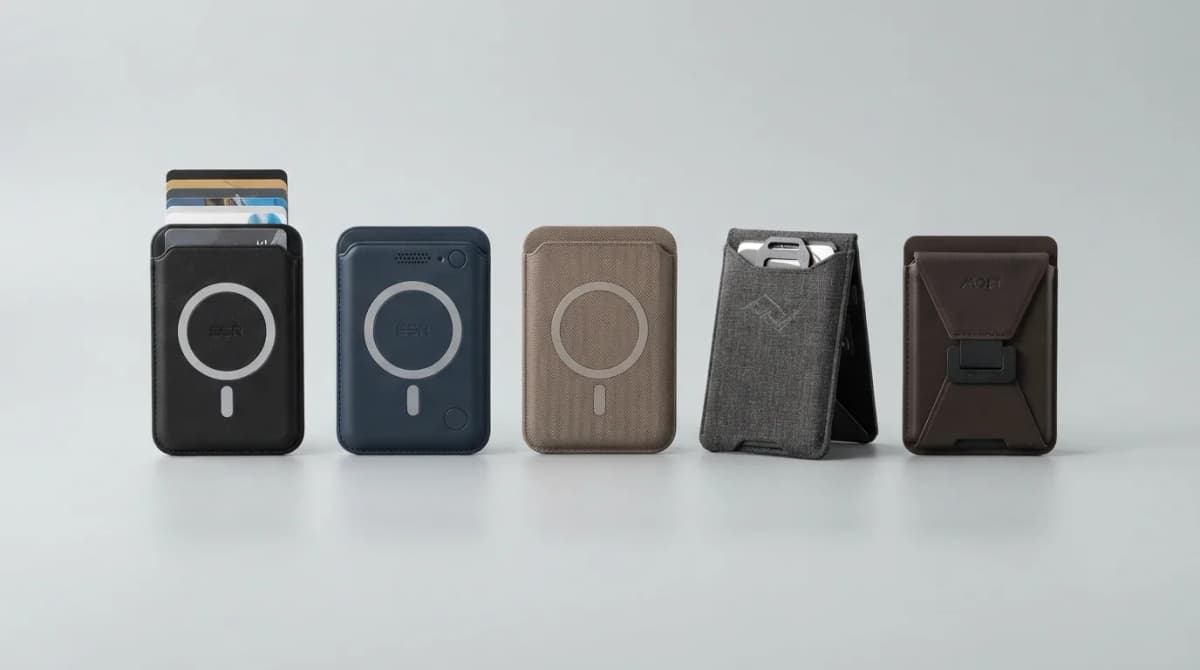
Best MagSafe Wallets 2026: Slim Picks That Stay Put
The best MagSafe wallets for 2026: ESR Classic 5-card, ESR Geo with Find My, Apple FineWoven, Peak Design Mobile Wallet Stand and MOFT Snap-on. Prices at publish, Oct 2026.
Ohsnap Wallet 2 Kickstarter: MagSafe Pop-Up Wallet
MagSafe wallets are usually a thin sleeve or a pricey titanium tool slab. Ohsnap Wallet 2 is the wallet + SnapGrip / MagStack lane on Kickstarter - pop-up card cores, modular covers, campaign clock ending Sep 26, 2026. Who picks MagStack, who skips crowdfunding risk.
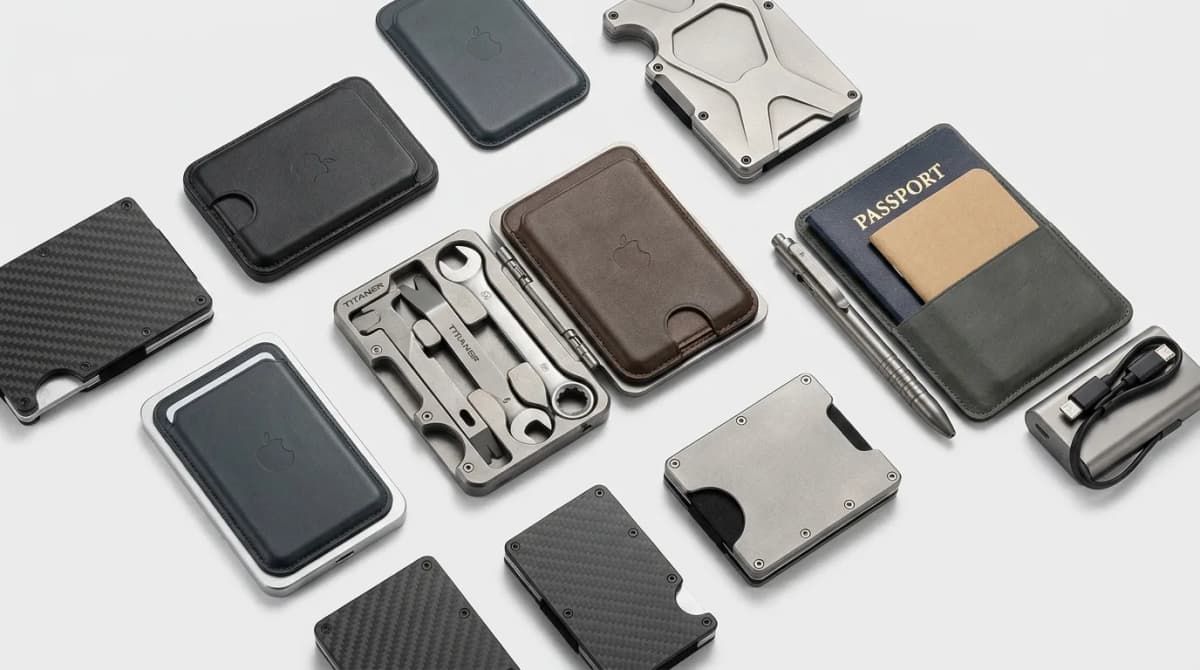
Titaner Verso and the MagSafe Tool-Wallet Trend
MagSafe wallets got expensive fast. Titaner Verso closed at $248-$298 as a Grade 5 Ti tool-wallet - who should buy, plus a travel EDC stack.
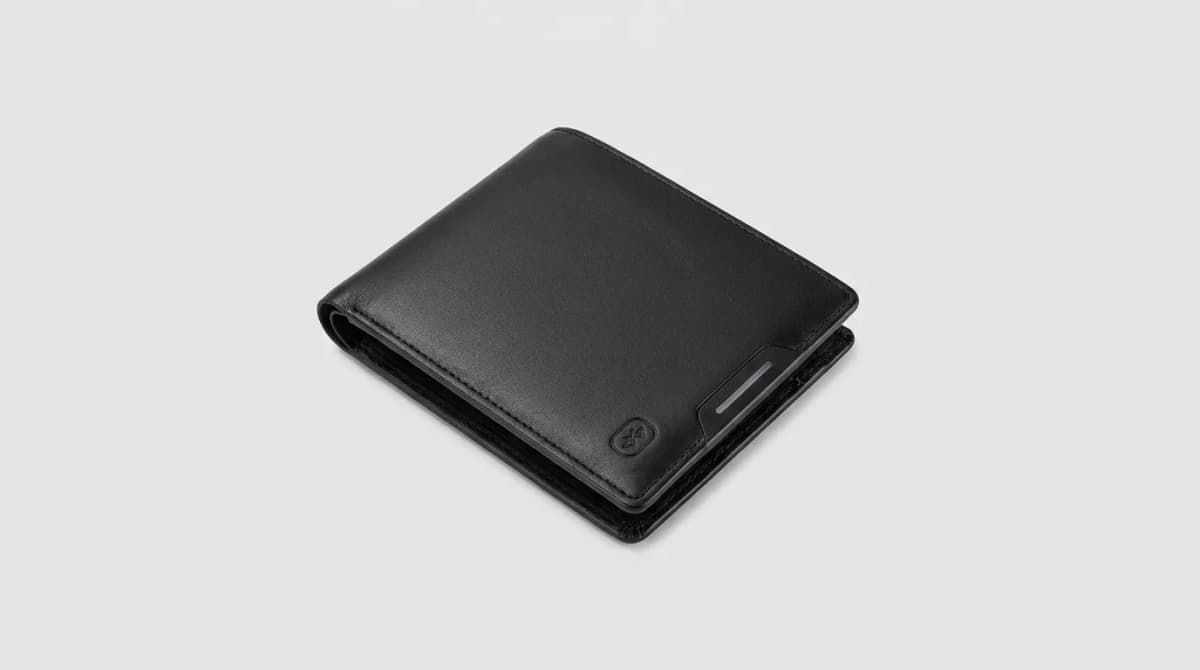
Smart Wallets Review: Wallets With Trackers
Smart wallets combine Bluetooth tracking, RFID protection, and app connectivity to prevent loss. We compare battery life, features, and the best models worth buying.