Are Titanium Wallets Worth It? Complete Review
Titanium wallets promise durability and RFID protection at 3-5x the price of leather. We compare top models by specs and price to see if it's justified.
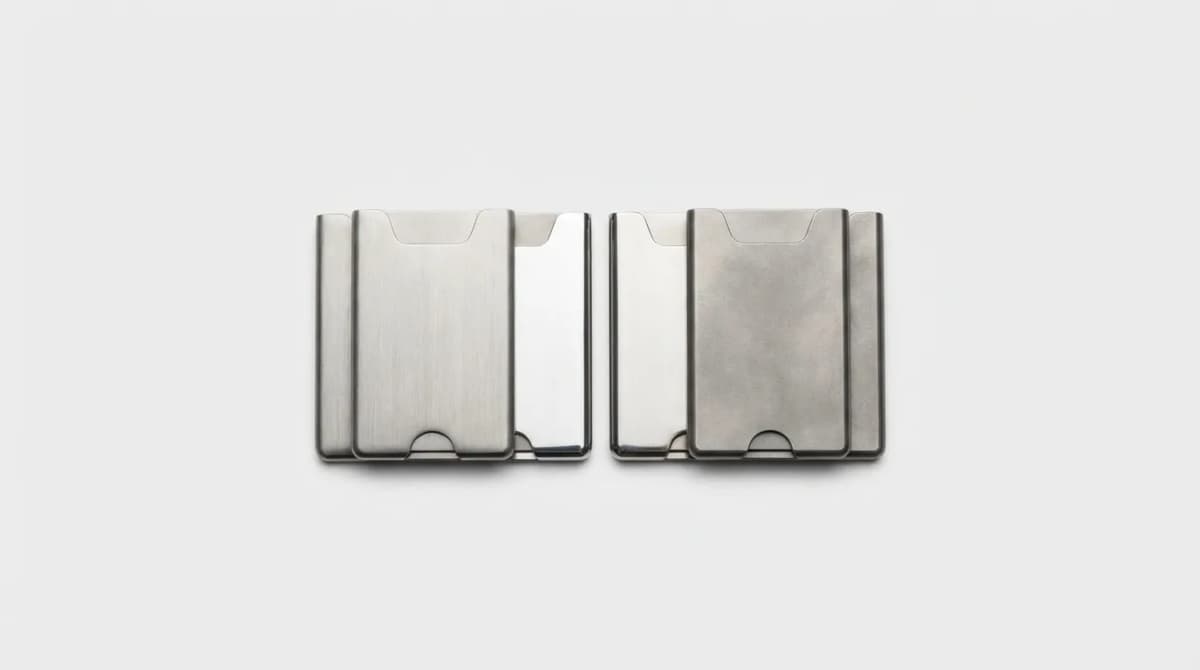
Your leather wallet is probably falling apart. The stitching frays, the edges wear down, and after a year or two, it looks like it went through a war zone. Titanium wallets promise to solve that problem, but they'll cost you $80 to $150 instead of $30 to $50. That's a steep jump for something that holds the same cards.
Quick Picks
Our top recommendations at a glance:
- 1Ridge Titanium WalletSee current price
- 2Ekster Parliament Titanium WalletSee current price
- 3Dango T01 Tactical WalletSee current price
- 4Trayvax Element Titanium WalletSee current price
- 5Machine Era Ti5 WalletSee current price
We compared five titanium wallets to figure out if the premium is worth it. The answer depends on what you actually carry and how you use your wallet. Some people will save money in the long run. Others are better off with leather.
What Makes Titanium Different from Aluminum and Steel
Most metal wallets use aluminum because it's cheap and light. Titanium costs more to machine and harder to work with, but it brings real advantages. It's 45% lighter than steel while being just as strong. It doesn't corrode, even in saltwater or sweat. And it's hypoallergenic, so it won't turn your pocket green or cause skin reactions.
Aluminum scratches easily and dents if you sit on it wrong. Steel is heavy - a steel wallet weighs 3-4 ounces compared to 1-2 ounces for titanium. Titanium hits the sweet spot: tough enough to handle daily abuse without adding bulk to your pocket.
The other factor is flex. Titanium has spring to it, which matters for wallets with expandable bands or clip mechanisms. Aluminum doesn't bounce back as well, so those mechanisms wear out faster. Aluminum wallets can lose their tension within months, while titanium holds its spring far longer.
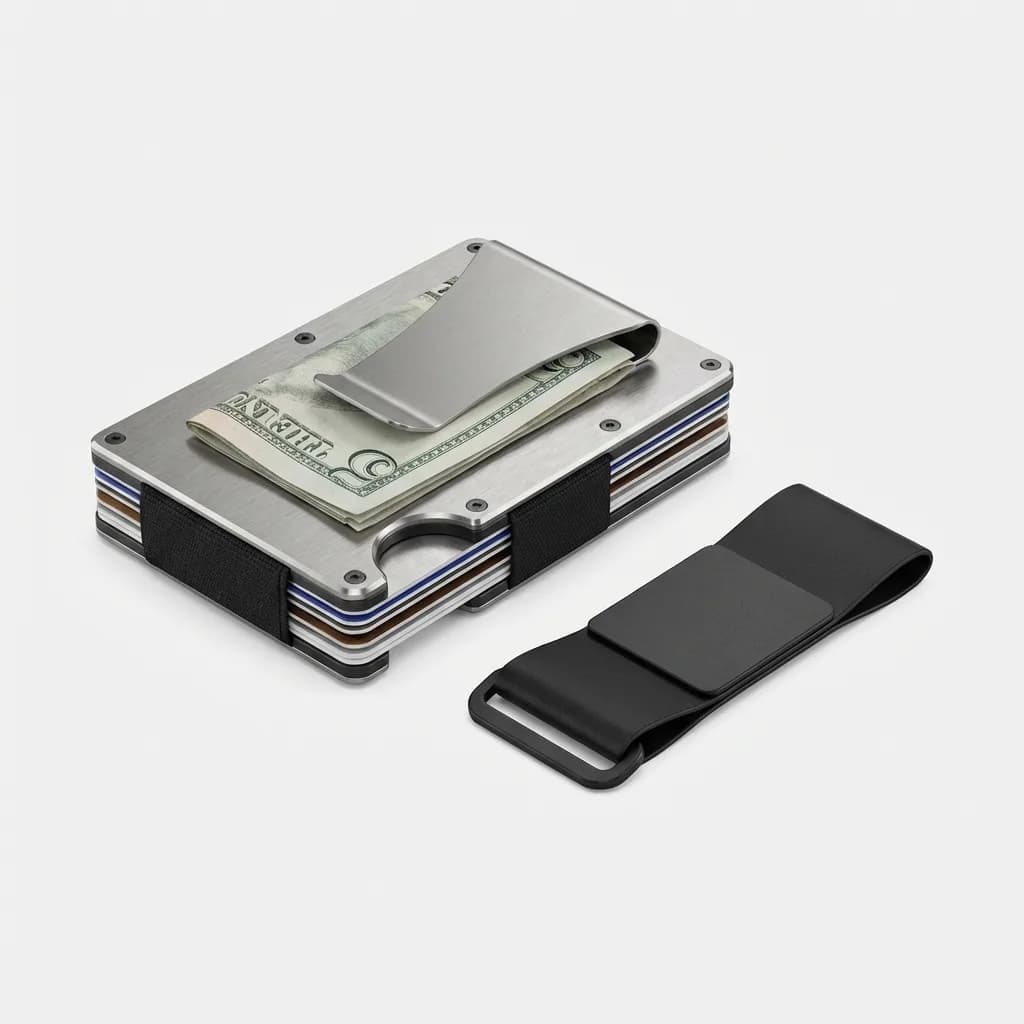
Ridge Titanium Wallet
See current price
Aerospace-grade titanium with RFID blocking. Holds 1-12 cards with elastic band. Money clip or cash strap options. Lifetime guarantee.
RFID Blocking: Marketing Hype or Real Protection?
Every titanium wallet claims RFID blocking, but not all of them actually block the frequencies that matter. RFID credit cards and passports transmit on 13.56 MHz. A solid metal shell blocks that signal, but only if there are no gaps.
Fully enclosed designs like the Ridge and Ekster block reads reliably. Cheaper options with cutouts or visible gaps leave openings, which is better than nothing, but not foolproof.
Here's the reality: RFID skimming is rare. We're not saying it doesn't happen, but your credit card company will refund fraudulent charges. The bigger risk is someone getting your physical card. If RFID protection is your main reason for buying titanium, you're probably overpaying. A $10 RFID-blocking sleeve works just as well.
But if you want durability and the RFID blocking comes included, that's a different story. Don't buy titanium for RFID alone. Buy it for the material, and treat the RFID as a bonus.
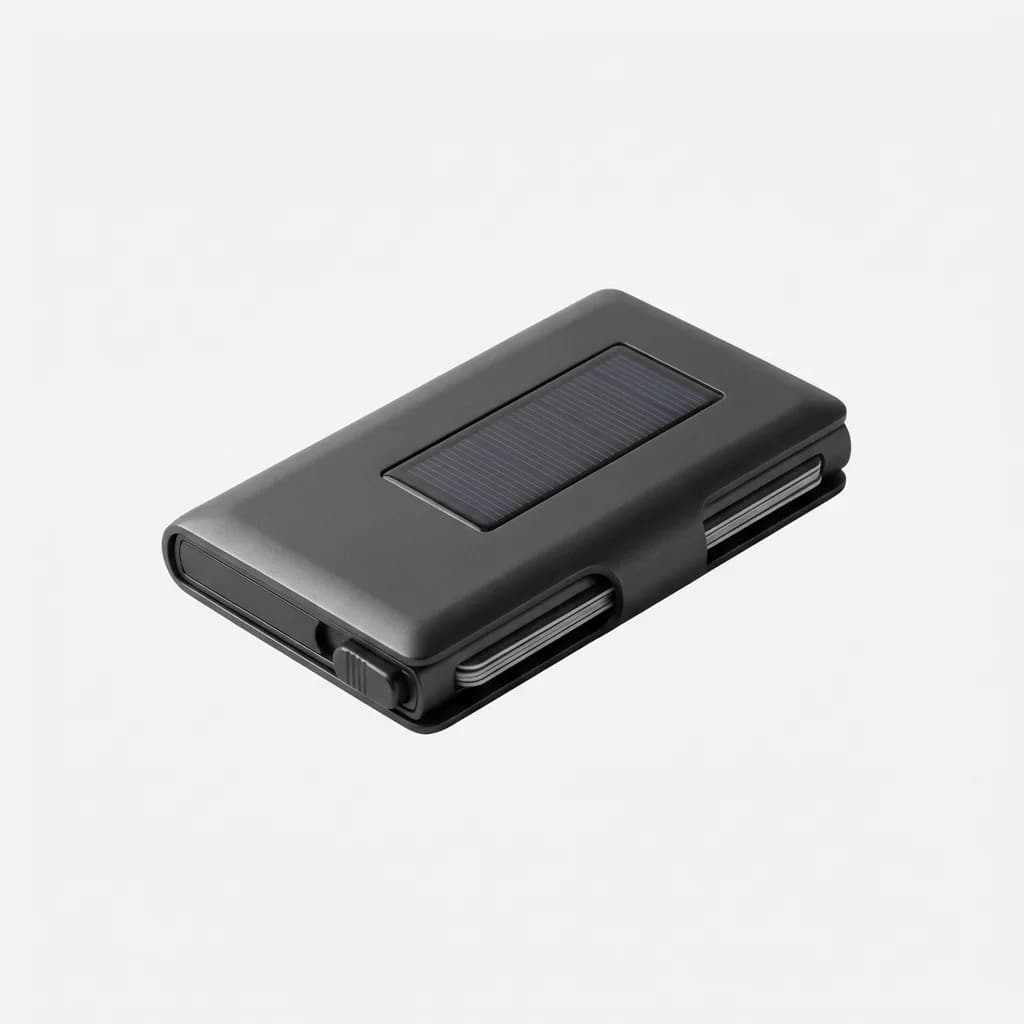
Ekster Parliament Titanium Wallet
See current price
Quick-access card mechanism with solar-powered tracker. Holds 4-10 cards. Premium titanium construction. RFID protection tested to 13.56 MHz.
Card Capacity and Actual Pocket Comfort
Titanium wallets are rigid. That's good for protecting your cards from bending, but bad if you carry more than 8-10 cards. Most models use an elastic band or spring mechanism to expand, but there's a limit. Past 10 cards, the wallet gets thick and the mechanism struggles to hold everything tight.
Capacity depends on card thickness: business cards are thinner than embossed credit cards. Ridge rates its wallet for up to 12 cards, though it gets bulky past 8. The Ekster holds up to 10. Budget models with weaker bands can lose grip at lower counts.
If you carry 5-8 cards, titanium works great. The wallet stays slim, the cards don't slide around, and you can actually feel the difference compared to a thick leather wallet. If you carry 12-15 cards, cash, receipts, and insurance cards, stick with leather. Forcing a titanium wallet to hold that much defeats the purpose.
Pocket comfort is subjective, but here's what we noticed: titanium wallets sit flat in your front pocket without creating a bulge. In your back pocket, they're less forgiving. Sitting on a rigid metal rectangle isn't comfortable. We ended up switching to front pocket carry after a week.
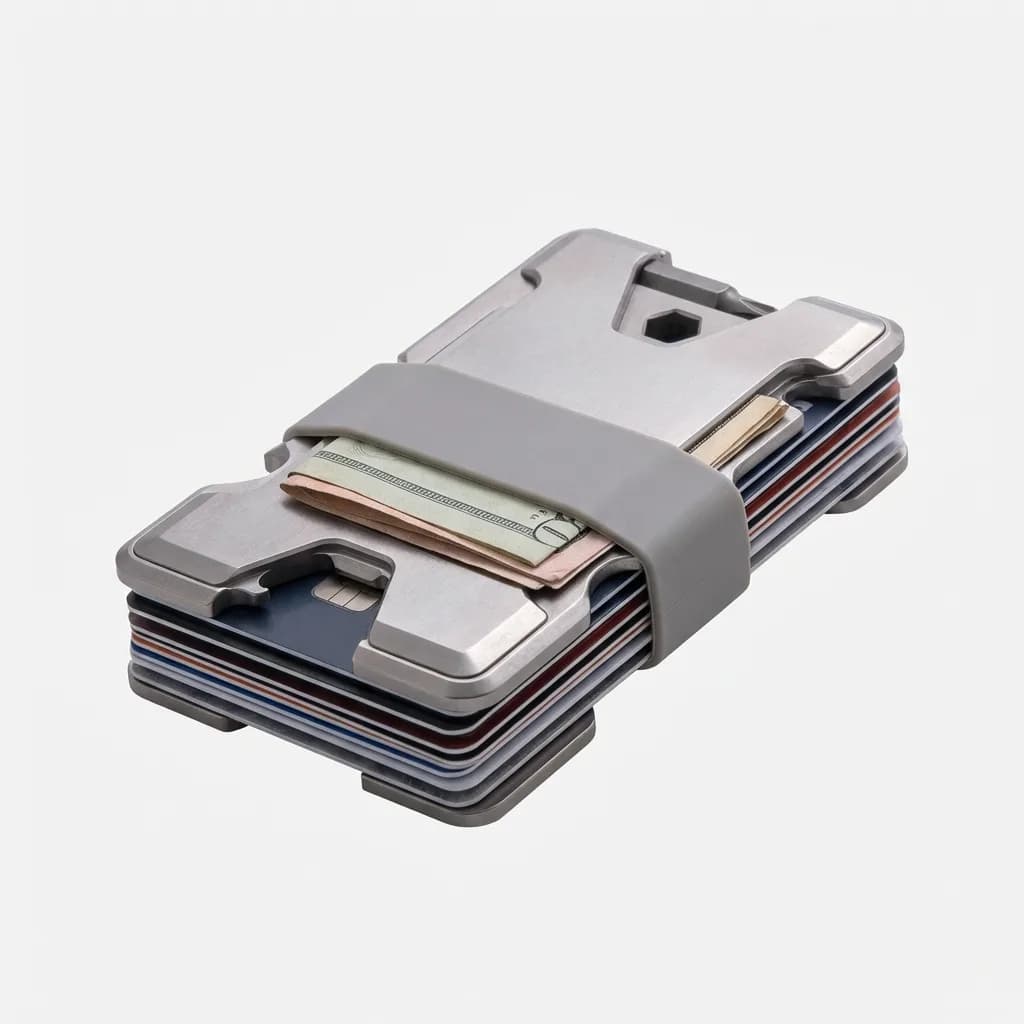
Dango T01 Tactical Wallet
See current price
CNC-machined titanium with built-in multi-tool. Holds 8-10 cards. Includes bottle opener and hex bit driver. Designed for front pocket carry.
Weight Comparison: Does It Actually Matter?
A leather wallet with 8 cards weighs about 3-4 ounces. A titanium wallet with the same load weighs 1.5-2.5 ounces. That's a 40-50% reduction. On paper, it sounds significant. In practice, you probably won't notice.
The weight difference matters more for people who carry their wallet in a jacket pocket or bag. In a pants pocket, an ounce or two doesn't change how your pants fit or feel. But if you clip your wallet to a bag strap or keep it in a shirt pocket, lighter is better.
Where weight really shows up is in the cards themselves. Eight credit cards weigh about 1.5 ounces. The wallet itself is almost secondary. If you want to reduce pocket weight, cut down on cards. That'll make more difference than switching materials.
One exception: if you're comparing a bulky leather bifold to a slim titanium card holder, the total weight savings can hit 3-4 ounces. That's worth feeling. But comparing slim leather to slim titanium? The difference is marginal.
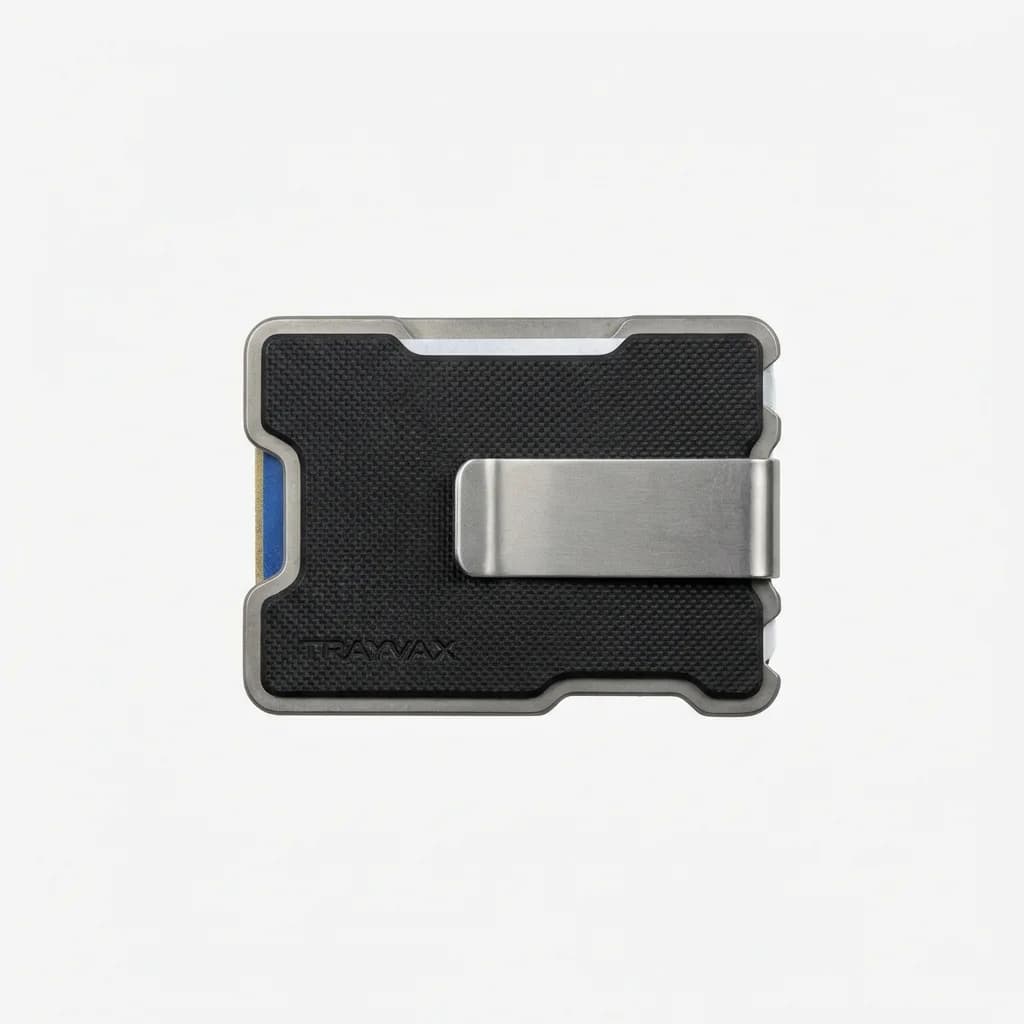
Trayvax Element Titanium Wallet
See current price
Raw titanium construction with G10 overlay. Holds 3-7 cards. Includes removable money clip. Weighs 1.9 ounces empty. Made in USA.
Do Titanium Wallets Last Longer Than Leather?
This is the real question. A good leather wallet costs $40-60 and lasts 2-3 years with daily use. A titanium wallet costs $80-150 and should last 10-20 years. If you replace your leather wallet every three years, you'll spend $120-180 over nine years. A single titanium wallet costs less than that and outlasts it.
We've used titanium wallets for over a year with zero signs of wear. No scratches that affect function, no loose mechanisms, no fading. The elastic bands wear out eventually, but most brands sell replacements for $5-10. Compare that to leather, which cracks, stretches, and stains.
The caveat is losing it. If you're someone who misplaces wallets regularly, spending $150 on titanium is a bad investment. But if you've had the same wallet for years and only replaced it because it wore out, titanium makes financial sense.
The other factor is resale value. Used titanium wallets sell for 50-70% of retail on eBay and Mercari. Leather wallets lose most of their value once they show wear. If you decide titanium isn't for you, you can recoup a chunk of the cost.
Best Titanium Wallets by Use Case
For pure minimalism, the Ridge is still the standard. It's overexposed at this point, but it works. The mechanism is solid, the RFID blocking is real, and the lifetime warranty means you'll never buy another wallet. If you carry 5-8 cards and minimal cash, it's hard to beat.
For travel and tracking, Ekster's Parliament adds a solar-powered tracker that pings your phone if you leave it behind. The quick-access mechanism is faster than digging through a stack of cards. It's pricier, but the features justify the cost if you travel frequently.
For EDC nerds who want built-in tools, Dango's T01 includes a bottle opener, hex bit driver, and SIM tool. It's thicker than other options but still slimmer than a traditional wallet. The multi-tool aspect is gimmicky for some, essential for others.
For raw titanium aesthetics, Trayvax's Element uses uncoated titanium that develops a patina over time. It's lighter and less refined than machined options, but it has character. The G10 overlay adds grip without bulk.
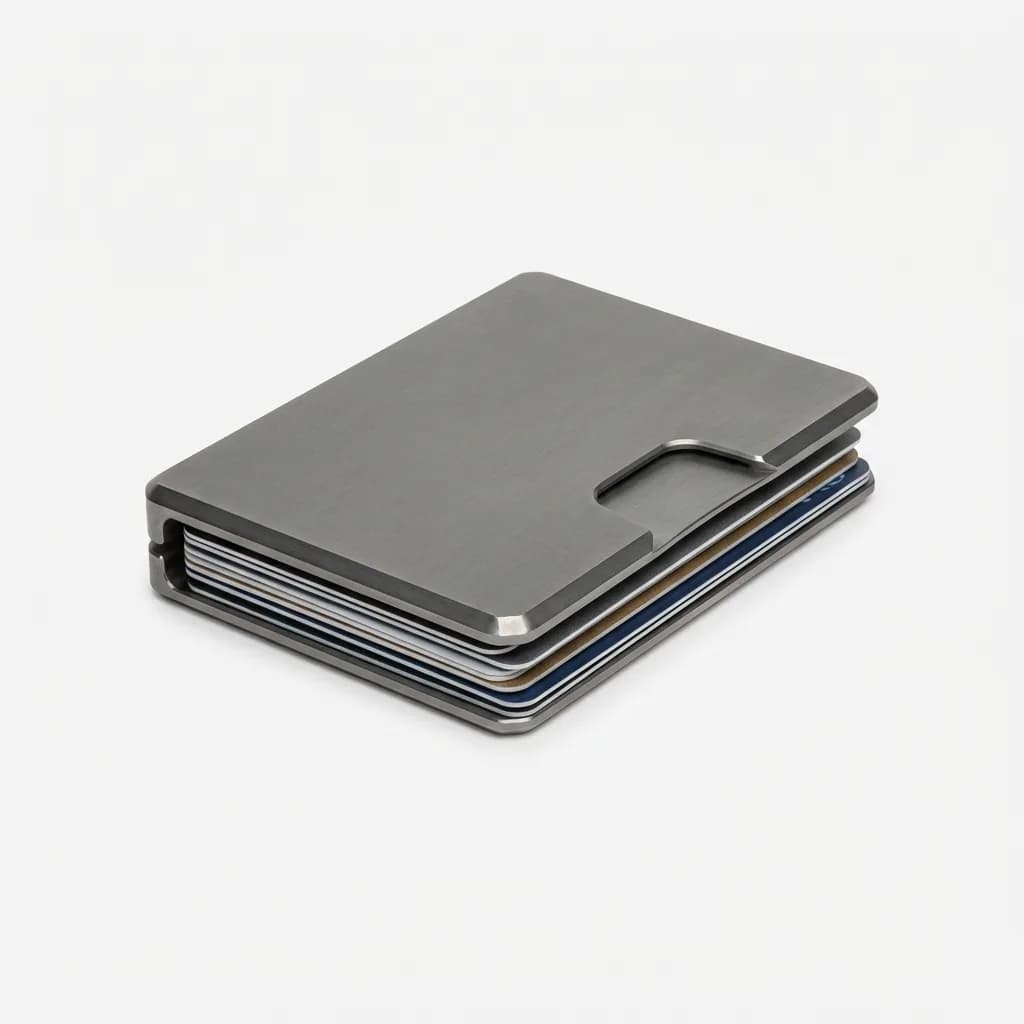
Machine Era Ti5 Wallet
See current price
Minimalist titanium card case with precision-machined edges. Holds 4-6 cards. No elastic bands or moving parts. Pure function and form. Designed in USA.
Common Mistakes When Switching to Titanium
The biggest mistake is not adjusting your carry. Titanium wallets are smaller, so you can't stuff them with receipts, coins, and backup cards. If you're used to a leather bifold that holds 15 cards and three folds of cash, titanium will frustrate you. Audit your cards first, cut down to essentials, then make the switch.
Second mistake: buying cheap. A $30 aluminum wallet marketed as "titanium-coated" isn't the same as solid titanium. Check the specs. If it doesn't say "grade 5 titanium" or "aerospace titanium," it's probably aluminum with a coating. Those coatings chip off in weeks.
Third mistake: expecting it to fit in your back pocket comfortably. It won't. Titanium is rigid. Sitting on it hurts. Front pocket or bag carry is the move.
Fourth mistake: not testing the mechanism before buying. Some titanium wallets use screws to adjust tension. Others use elastic bands. Others use spring clips. Each has pros and cons. Screws are durable but annoying to adjust. Elastic is convenient but wears out. Springs are permanent but can't be customized. Know what you're getting.
The Verdict: Who Should Buy Titanium?
Buy titanium if you carry 8 cards or fewer, want something that lasts a decade, and don't mind front pocket carry. The upfront cost is high, but the long-term value beats replacing leather every few years.
Skip titanium if you carry cash regularly, need 12+ card slots, or prefer back pocket carry. Leather or fabric wallets flex with your body. Metal doesn't.
If you're on the fence, start with a budget option like the Trayvax Element ($60-80) instead of jumping straight to a Ridge ($120-150). Test the form factor first. If you love it, upgrade later. If you hate it, you're only out $60 instead of $150.
Titanium wallets aren't for everyone, but for the right person, they're the last wallet you'll ever buy. That alone makes them worth considering.
The Weekly Dispatch
Enjoying this article?
Subscribe and get our best gear picks delivered every Sunday morning.
Related Posts
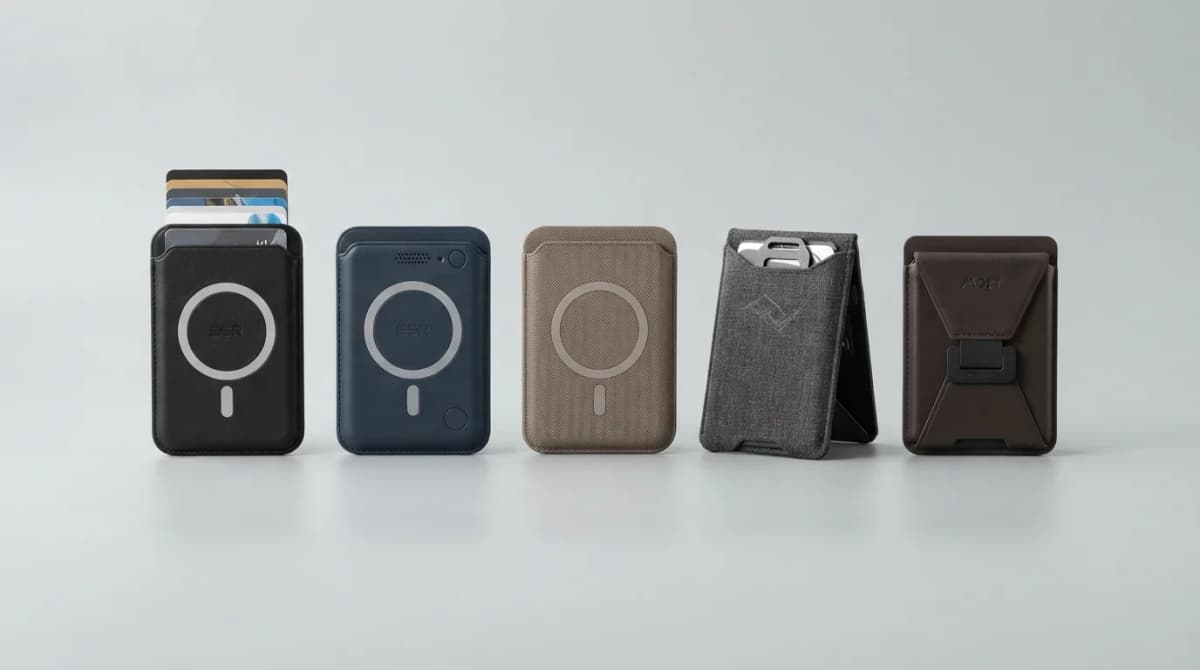
Best MagSafe Wallets 2026: Slim Picks That Stay Put
The best MagSafe wallets for 2026: ESR Classic 5-card, ESR Geo with Find My, Apple FineWoven, Peak Design Mobile Wallet Stand and MOFT Snap-on. Prices at publish, Oct 2026.
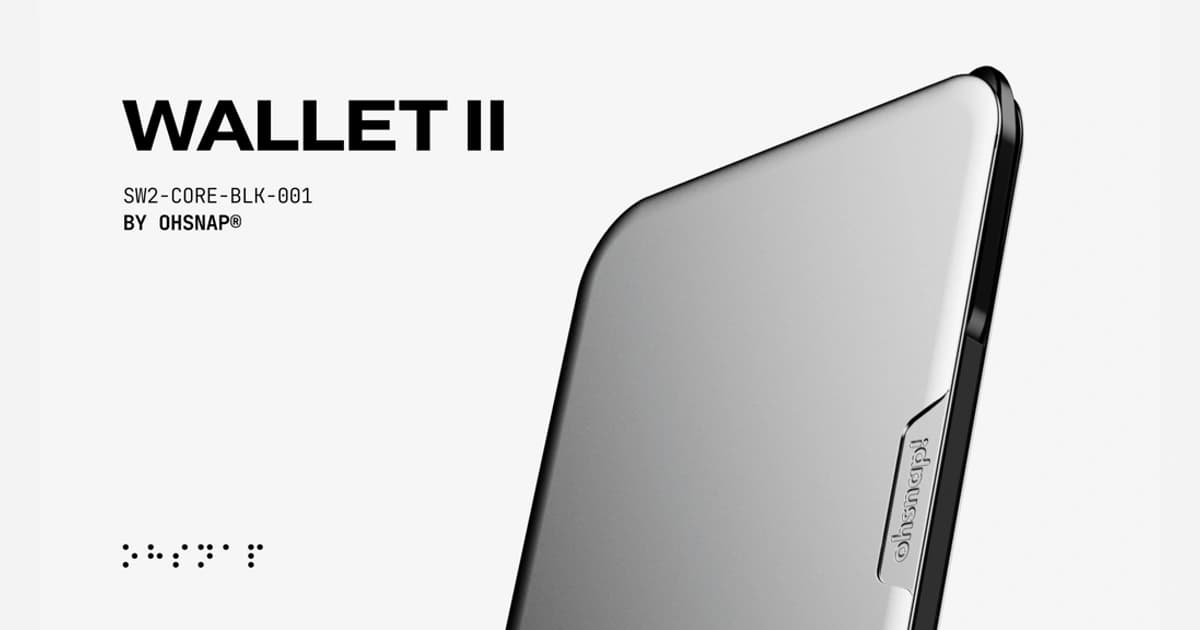
Ohsnap Wallet 2 Kickstarter: MagSafe Pop-Up Wallet
MagSafe wallets are usually a thin sleeve or a pricey titanium tool slab. Ohsnap Wallet 2 is the wallet + SnapGrip / MagStack lane on Kickstarter - pop-up card cores, modular covers, campaign clock ending Sep 26, 2026. Who picks MagStack, who skips crowdfunding risk.
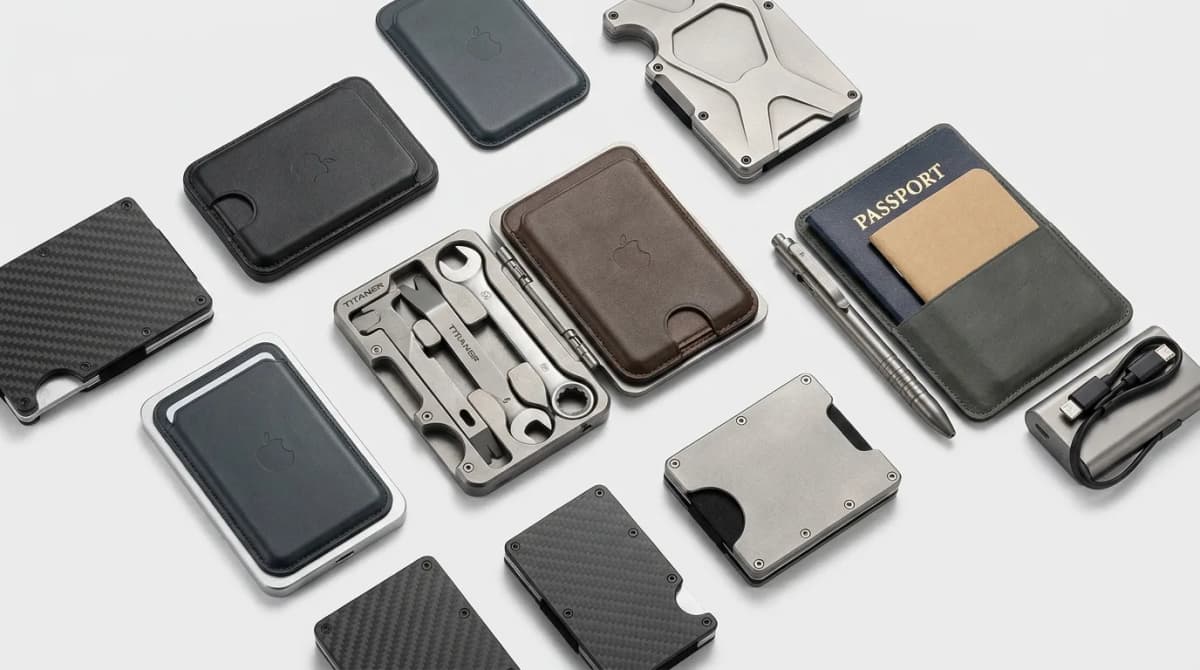
Titaner Verso and the MagSafe Tool-Wallet Trend
MagSafe wallets got expensive fast. Titaner Verso closed at $248-$298 as a Grade 5 Ti tool-wallet - who should buy, plus a travel EDC stack.

Smart Wallets Review: Wallets With Trackers
Smart wallets combine Bluetooth tracking, RFID protection, and app connectivity to prevent loss. We compare battery life, features, and the best models worth buying.