EDC Starter Kit for New Professionals
Starting your first office job? These office-safe EDC essentials balance professional style with practical function without breaking the bank.
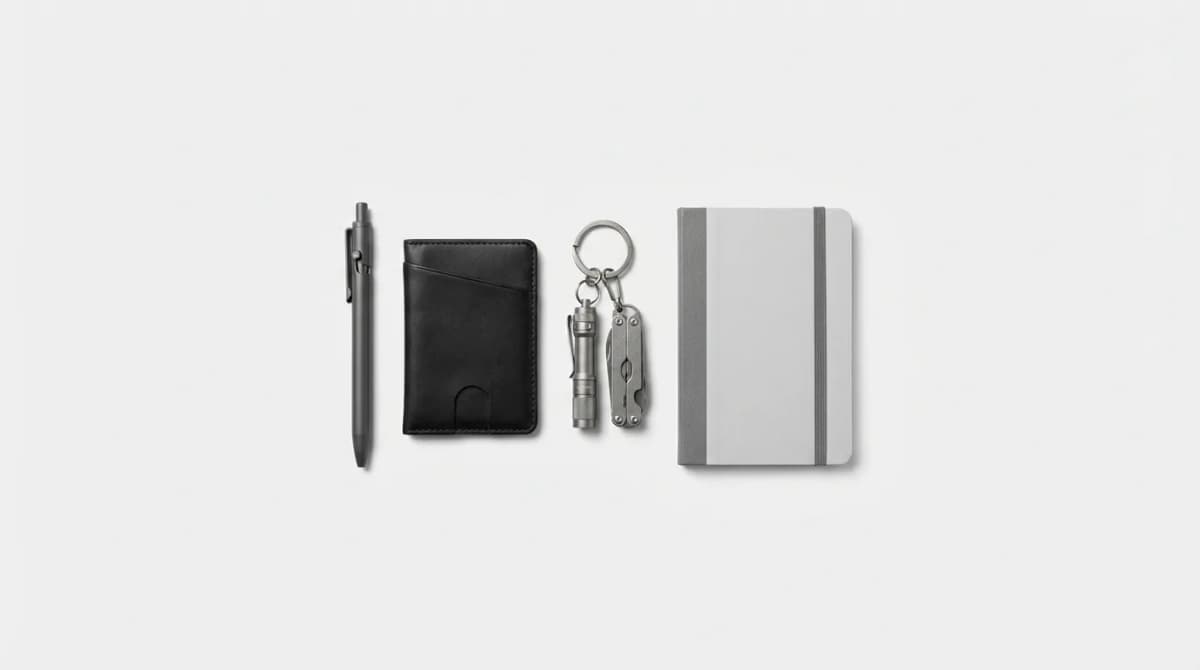
You just landed your first professional job. Congratulations. Now you need gear that works in an office without making you look like you're prepping for the apocalypse or raiding your grandfather's toolbox.
The cubicle reality is simple: no one wants to see a tactical knife clipped to your khakis, and TSA-approved multi-tools raise eyebrows in client meetings. But that doesn't mean you should settle for a chewed-up Bic pen and a falling-apart wallet held together with hope.
We're focusing on five categories that matter most when you're building your first professional EDC: a proper writing instrument, a wallet that doesn't embarrass you, a key organization system that actually works, a pocket notebook for the inevitable "Can someone write this down?" moments, and one genuinely useful tool that won't get you called into HR.
The Pen That Makes You Look Like You Have Your Life Together
Your pen choice telegraphs more than you think. Borrowing pens from coworkers signals disorganization. Fishing a cracked plastic pen from your bag suggests you don't take details seriously. A quality pen that writes smoothly and feels substantial costs less than two fancy coffees and lasts for years.
The best entry point is the Pilot G2 Limited in 0.7mm. Yes, it's technically a gel pen, but the metal body elevates it beyond the disposable plastic versions everyone else carries. It writes reliably, doesn't leak, refills cost under two dollars, and it looks professional on a conference table. The 0.7mm tip hits the sweet spot between the scratchy feel of 0.5mm and the blobby lines of 1.0mm.
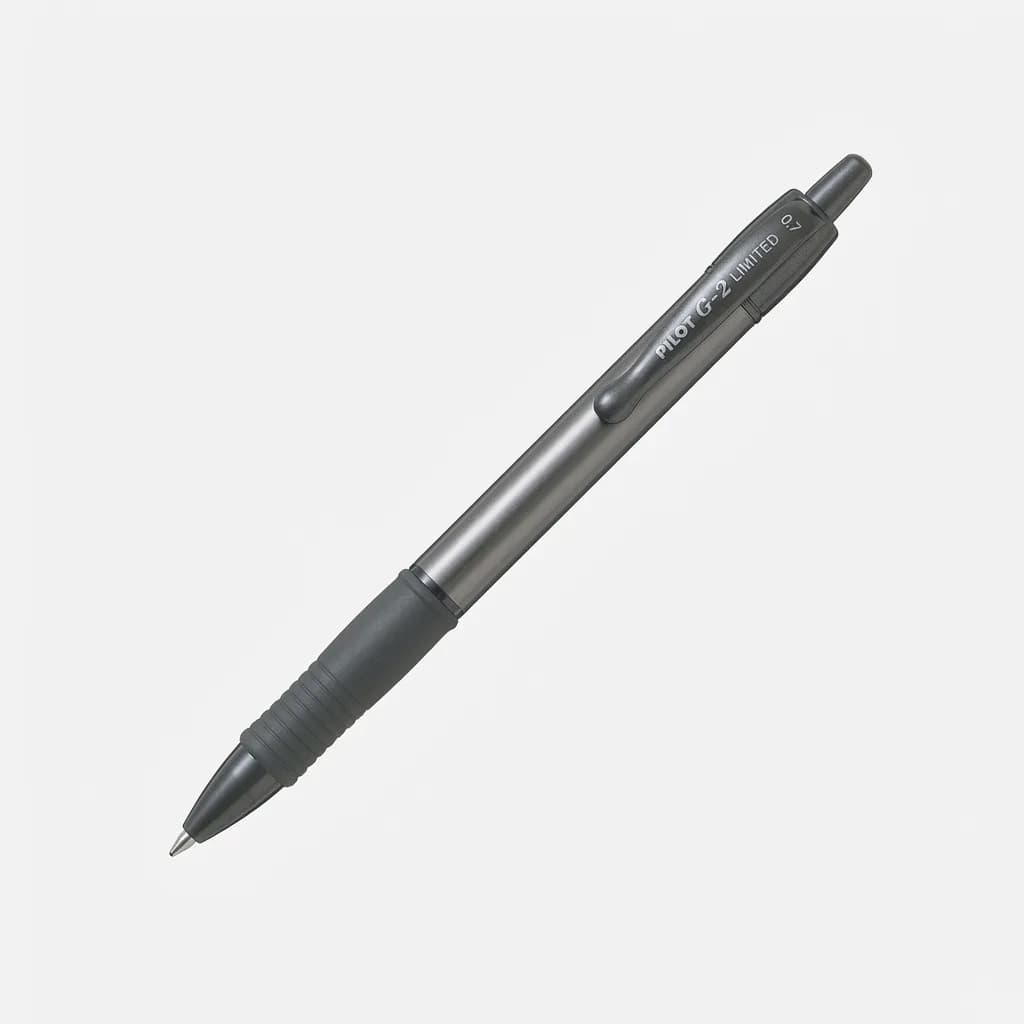
Pilot G2 Limited Metallic Body Gel Pen
$8
Metal-bodied gel pen with smooth 0.7mm tip, refillable design, and professional finish. Writes consistently without skipping or bleeding through paper.
If you want to step up without going full fountain pen snob, the Zebra F-701 offers stainless steel construction for around ten dollars. It takes standard Parker-style refills, which means you can upgrade to better ink as your preferences develop. The knurled grip prevents sliding during long note-taking sessions, and the all-metal body means it won't crack if you drop it on concrete.
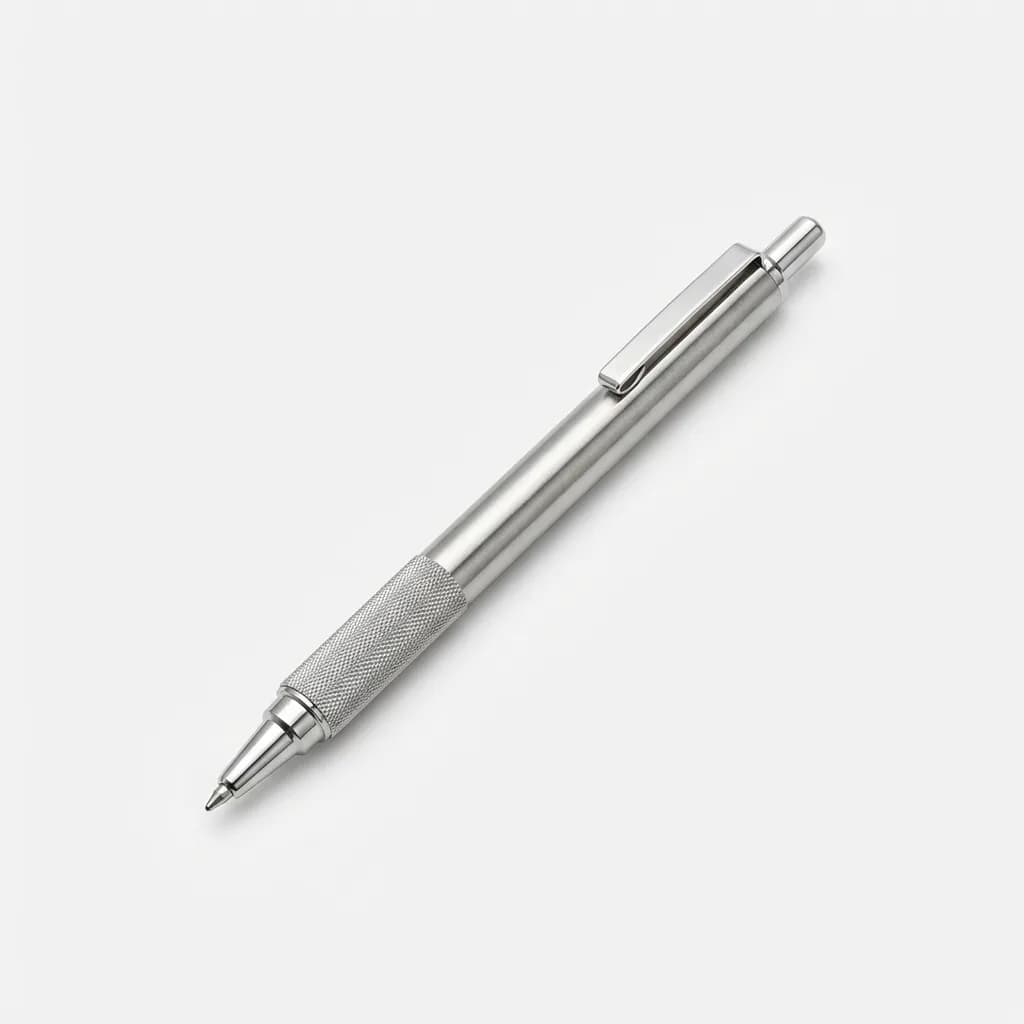
Zebra F-701 Stainless Steel Ballpoint Pen
$10
Full stainless steel body with knurled grip, accepts Parker-style refills for customization. Durable all-metal construction built to last years of daily use.
Why Your Wallet Needs an Upgrade Before Anything Else
That bulging bi-fold from high school doesn't work anymore. Professional settings mean more business cards, more credit cards, and ironically, less cash. You need something that holds 4-6 cards plus your ID without creating a lumpy bulge that destroys the line of your pants.
The Ridge wallet changed the slim wallet game when it launched, but now dozens of manufacturers make similar designs for less money. The core concept works: elastic band holds bills, metal or polymer frame holds cards, RFID blocking keeps your information secure. Cards fan out with a thumb press, making it faster to grab what you need than fishing through slots.
We prefer designs with at least 12-card capacity because you'll accumulate more cards than you expect (work badge, gym membership, insurance cards, that coffee shop loyalty card). Aluminum models cost $30-60 and last indefinitely. Carbon fiber versions run $20-30 and weigh noticeably less but can crack if you sit on them wrong.
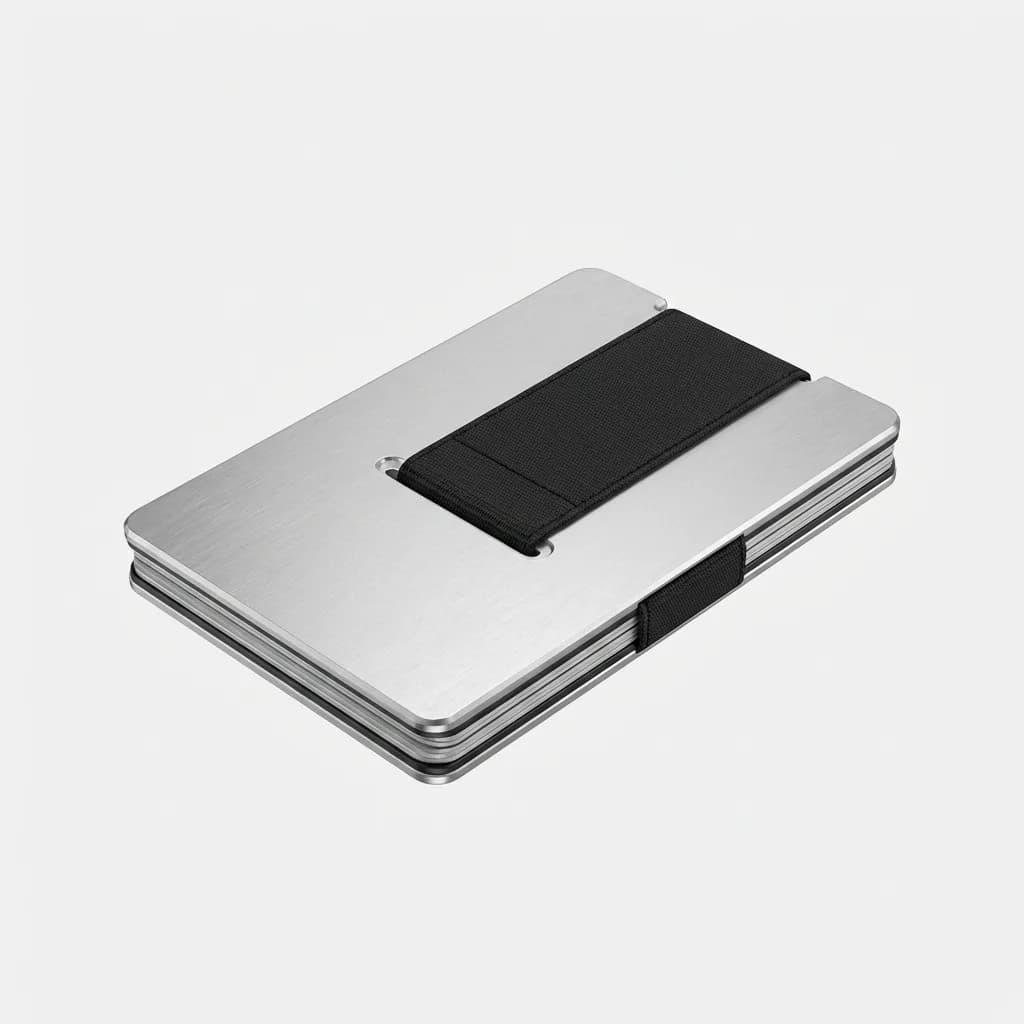
Ridge Wallet Original Aluminum
$75
RFID-blocking aluminum cardholder holds 1-12 cards, features elastic money clip strap. Durable metal construction prevents card bending and eliminates bulk.
The alternative approach is ultra-slim leather. The Bellroy Slim Sleeve holds up to 12 cards across three pockets, includes a pull-tab for quick access to frequently used cards, and maintains a professional appearance that metal wallets sometimes lack. The leather breaks in over the first month, conforming to your specific card stack. At 0.5 inches thick when fully loaded, it actually lives up to the "slim" promise.
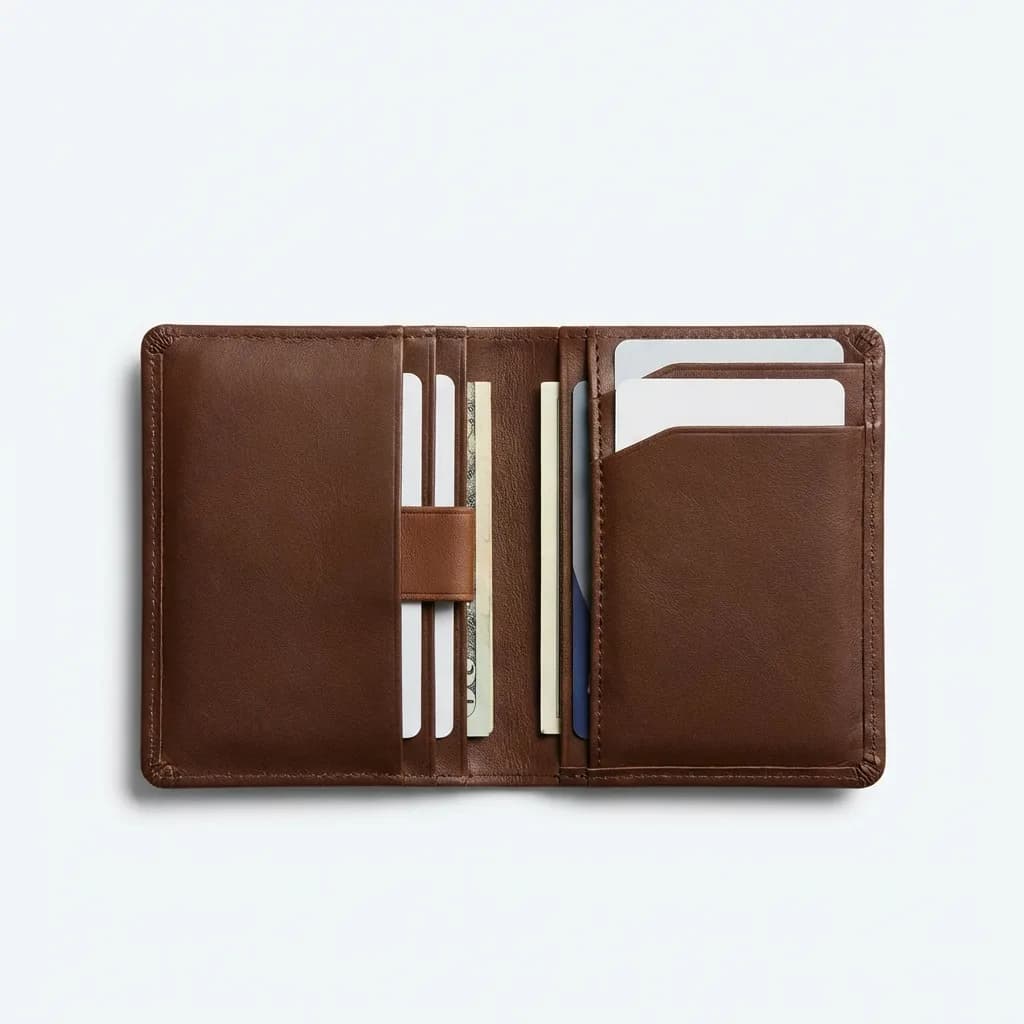
Bellroy Slim Sleeve Wallet
$60
Premium leather wallet with three card pockets, pull-tab for easy access, holds 4-12 cards plus bills. Slim 0.5-inch profile with RFID protection available.
The Key Organization System That Actually Reduces Bulk
Loose keys jangling in your pocket sounds unprofessional and wears holes in your pants lining. Key rings work but create a bulky mass that's uncomfortable to carry. The solution is a proper key organizer that stacks keys like a Swiss Army knife.
KeySmart and KeyBar dominate this category, and both work well. KeySmart uses a folding design that expands to access individual keys. KeyBar sandwiches keys between two metal bars with screws at each end. The KeyBar holds slightly more keys (up to 12 versus KeySmart's 8), but KeySmart's expansion bolt system lets you add accessories like bottle openers or USB drives.
For office carry, go with KeySmart. The more compact profile when folded disappears in a pocket, and the expansion system means you can add a tiny multi-tool later without buying a completely new organizer. Most people carry 3-5 keys, leaving room for growth.
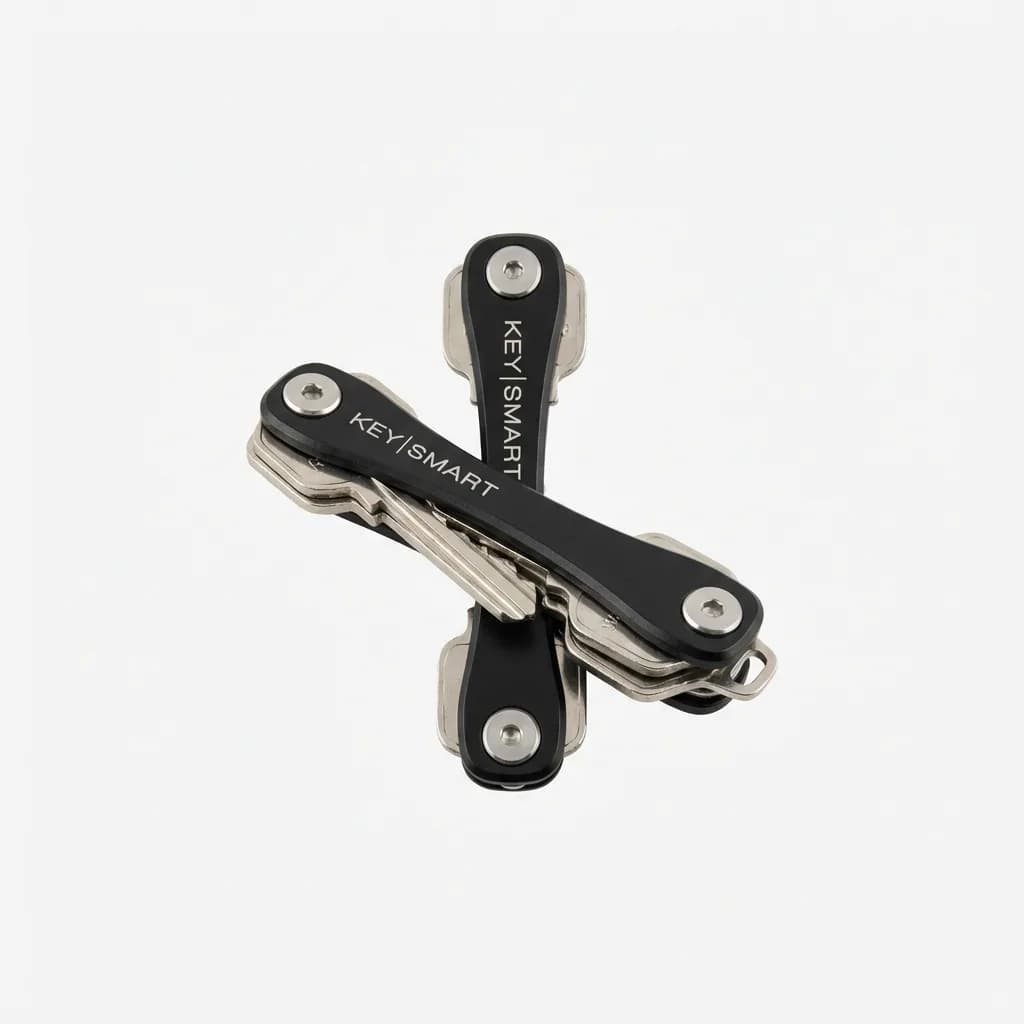
KeySmart Classic Key Organizer
$20
Compact key holder stores 2-8 keys in folding design, includes expansion posts for accessories. Eliminates jingle and bulk while keeping keys organized and accessible.
One mistake we see constantly: people add too many accessories to their key organizers. A bottle opener is useful. A bottle opener, flashlight, multi-tool, USB drive, and pry bar turns your keys into a medieval mace. Keep it minimal.
Why a Pocket Notebook Beats Your Phone for Quick Notes
Phones are great until you're in a meeting with a VP who thinks phones signal inattention. Pull out your phone to take notes and people assume you're checking Instagram. Pull out a pocket notebook and you look engaged.
The Field Notes memo books became the standard for a reason. The 3.5 x 5.5 inch size fits in a back pocket without folding, 48 pages is enough for 2-3 weeks of notes, and the cardboard covers protect pages without adding bulk. The "Original Kraft" 3-pack costs around $12 and lasts most people three months.
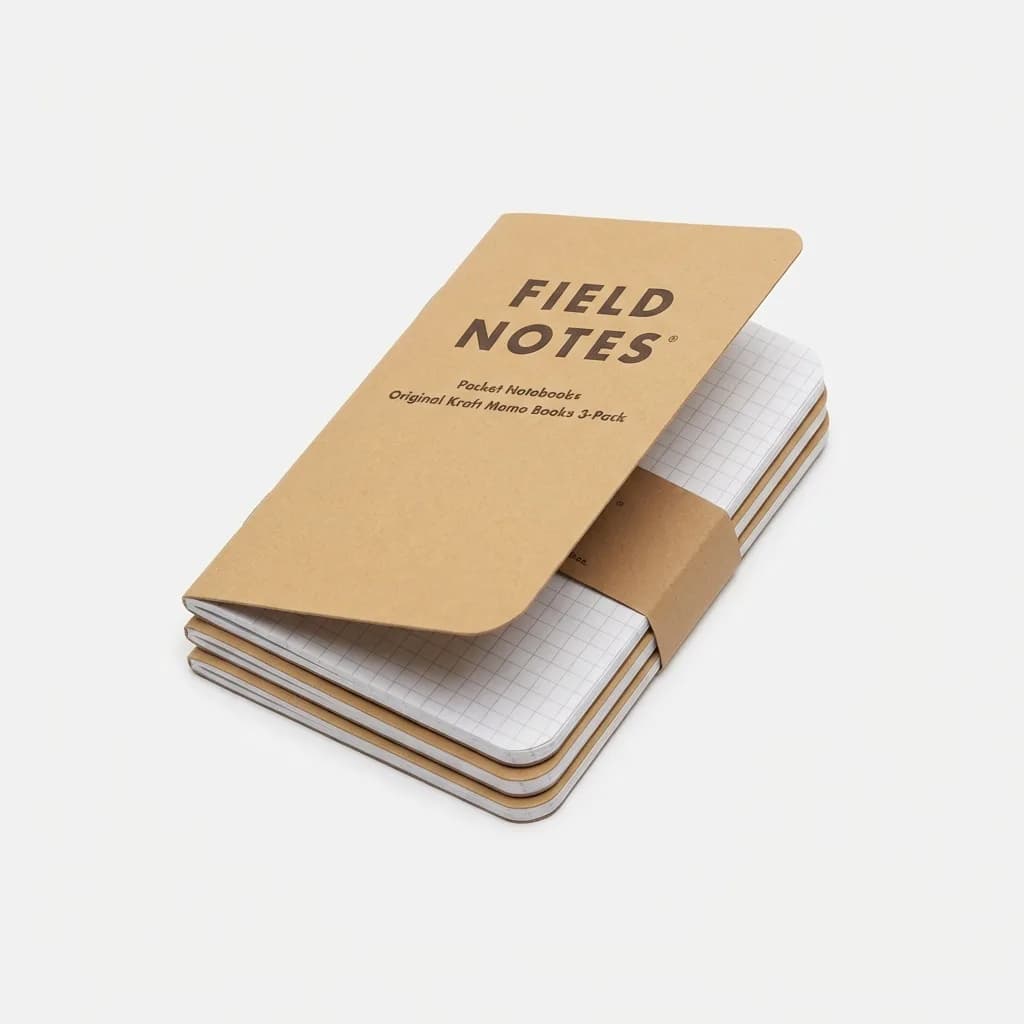
Field Notes Original Kraft Memo Books 3-Pack
$12
Three 48-page pocket notebooks with durable covers, graph ruling for notes and sketches. Classic 3.5 x 5.5 inch size fits comfortably in back pocket.
The graph ruling beats lined paper because it works for both writing and quick diagrams. Blank pages sound appealing but make it harder to keep handwriting consistent. Dot grid is trendy but unnecessary unless you're really into bullet journaling.
Pair it with your good pen, not a random ballpoint. Gel ink on Field Notes paper feels satisfying in a way that makes you actually want to take notes instead of zoning out.
The One Tool That Won't Get You Questioned by Security
You need something useful without looking like you're smuggling a tactical strike kit into the break room. Forget about knives. HR departments have opinions about knives, and those opinions are rarely positive.
The Gerber Shard solves this elegantly. It's a flat pry bar about the size of a house key with a wire stripper, bottle opener, small flat-head driver, and pry tip. The entire tool is TSA-compliant, contains no knife blade, and costs under $8. Clip it to your key organizer and you have something useful for opening packages, tightening screws, or popping bottle caps without carrying anything remotely threatening.
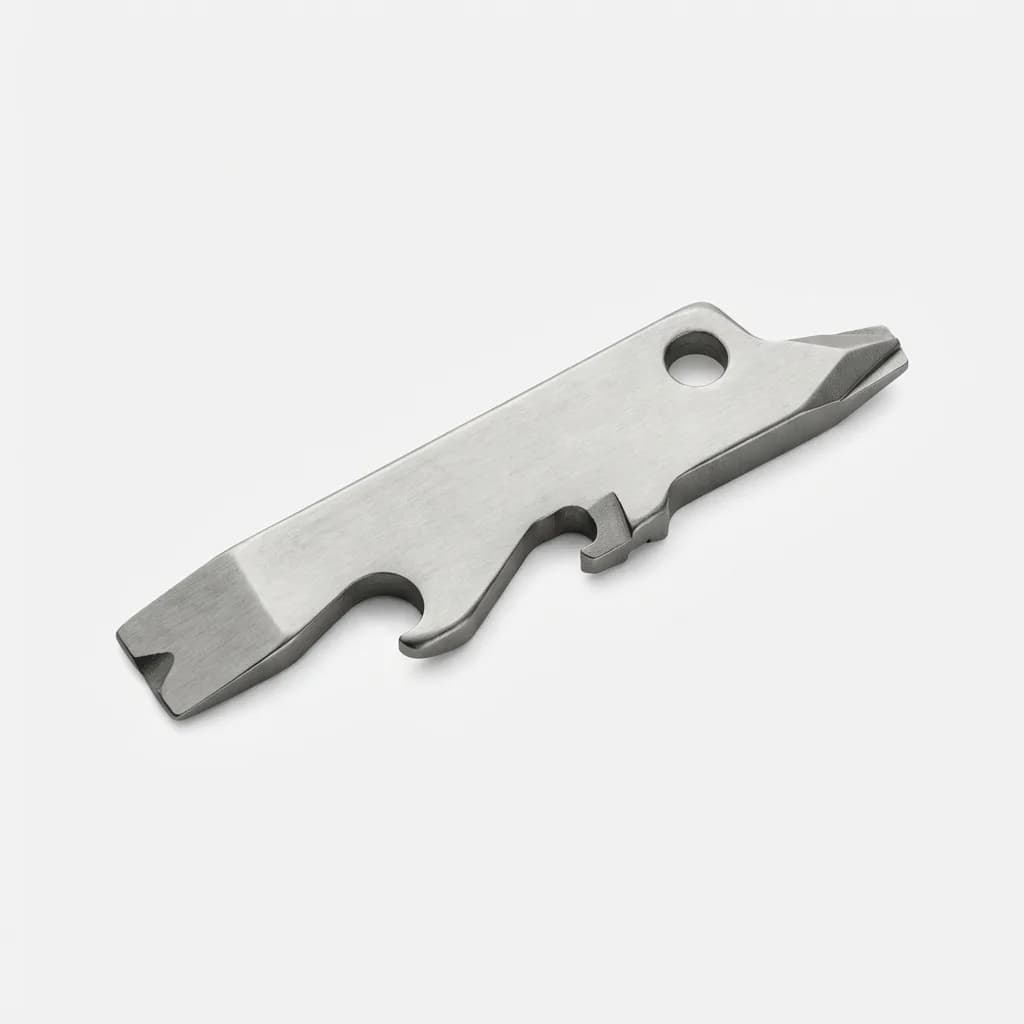
Gerber Shard Keychain Multi-Tool
$7
TSA-compliant mini pry bar with bottle opener, wire stripper, and flat-head screwdriver. Durable stainless steel construction at key-sized form factor for everyday carry.
The pry tip is more useful than you'd think. Stuck desk drawer? Pry it. Tape residue on something? Scrape it. Package with those annoying plastic zip ties? Wedge it. None of these are tactical applications, but they come up constantly in office life.
If you absolutely need a blade, the Victorinox Classic SD Swiss Army knife offers tiny scissors, a nail file, tweezers, and a 1.25-inch blade that's about as threatening as a butter knife. It's small enough to forget about and socially acceptable in ways that larger knives aren't.
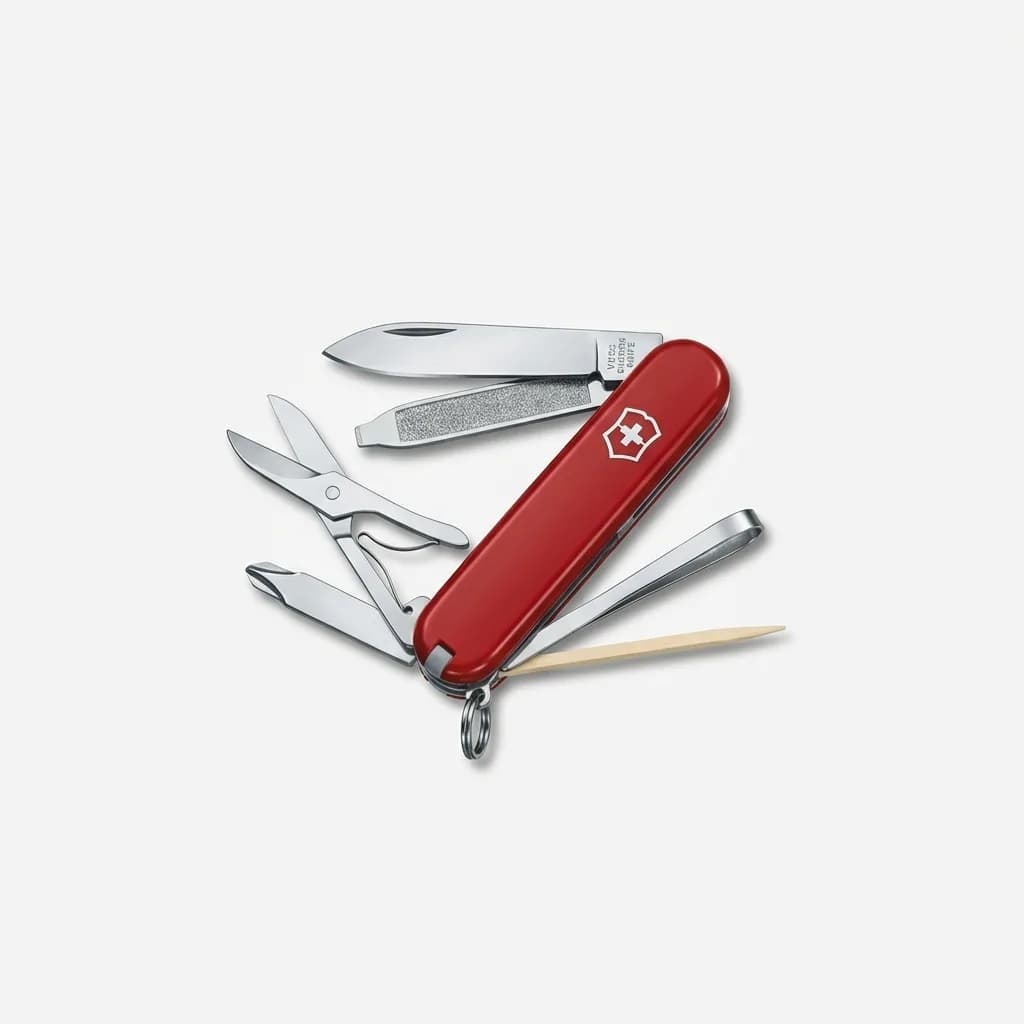
Victorinox Classic SD Swiss Army Knife
$20
Compact 2.25-inch multi-tool with small blade, scissors, nail file, and tweezers. Classic design fits on keychain, widely accepted in professional environments.
What to Skip When Building Your First Professional EDC
Flashlights seem practical until you realize your office has overhead lighting and your phone has a perfectly adequate flashlight app. Save the Olight for when you actually need one, which in office environments is basically never.
Tactical pens are expensive solutions to problems you don't have. They write worse than regular pens, feel unbalanced, and advertise that you watched too many Jason Bourne movies. The Pilot G2 Limited writes better and costs 75% less.
Fancy leather goods from boutique makers look great on Instagram but aren't necessary when you're starting out. A $150 hand-stitched leather wallet might last 20 years, but so will the $60 Bellroy, and you can upgrade later once you know exactly what you want.
Multiple multi-tools create redundancy. Pick one - either the Gerber Shard or the Victorinox Classic - and leave the rest at home. Carrying both plus a separate bottle opener, pry bar, and scissors means you're optimizing for theoretical problems instead of actual needs.
The Total Cost and What You're Actually Getting
If you buy everything on this list at regular prices, you're spending around $200. That breaks down to a pen that lasts years, a wallet that solves daily annoyance, a key organizer that reduces pocket bulk, a three-month supply of notebooks, and a tool you'll actually use.
Compare that to replacing a cheap wallet every 18 months, losing pens constantly, dealing with jangling keys, and never having something to write on when you need it. The upfront cost is higher. The long-term cost and frustration level are both lower.
The smarter approach is to phase things in. Start with the wallet and pen since those get used daily. Add the key organizer when your current keyring breaks. The notebook and multi-tool can wait until you've identified specific needs.
What you're really building is a system of reliable tools that work in professional settings without drawing negative attention. That's worth more than the sum of the parts, especially when you're establishing yourself in a new environment where small details matter more than anyone wants to admit.
Every item here solves a specific recurring problem: writing clearly, accessing cards quickly, managing keys compactly, capturing information reliably, and handling small tasks efficiently. None of them are flashy. All of them are useful. That's exactly what professional EDC should be.
The Weekly Dispatch
Enjoying this article?
Subscribe and get our best gear picks delivered every Sunday morning.
Related Stories
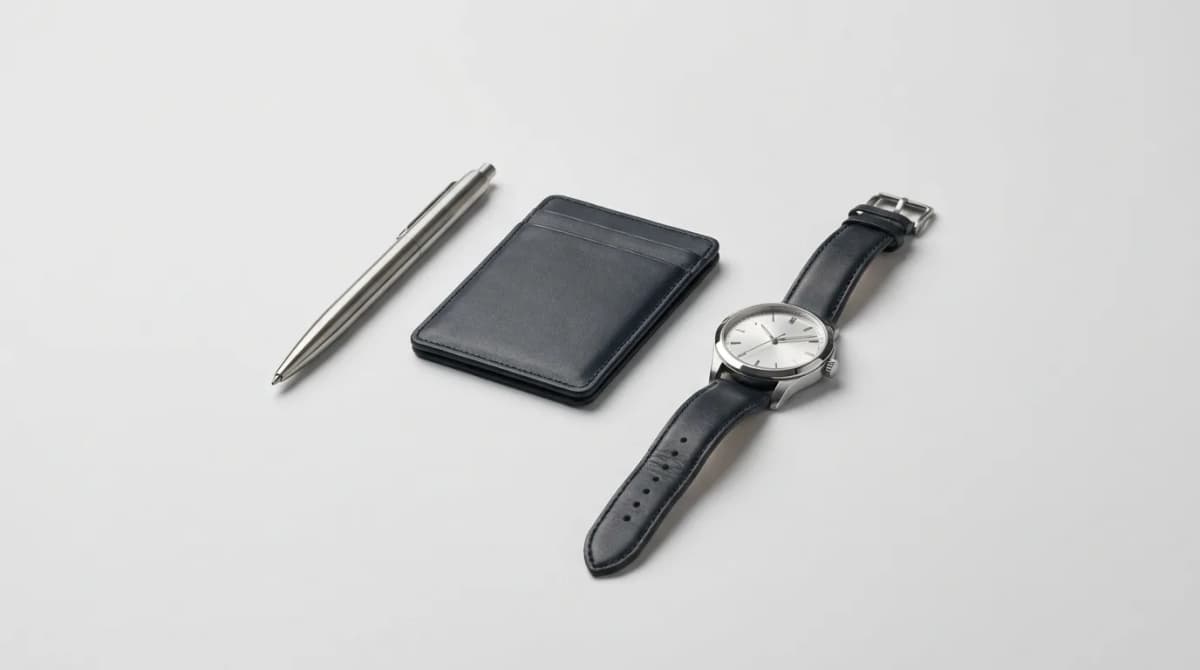
EDC for the Office and After Hours
Building an EDC that works from boardroom to bar requires smart choices, not duplicate gear. Here's how to carry less and do more.
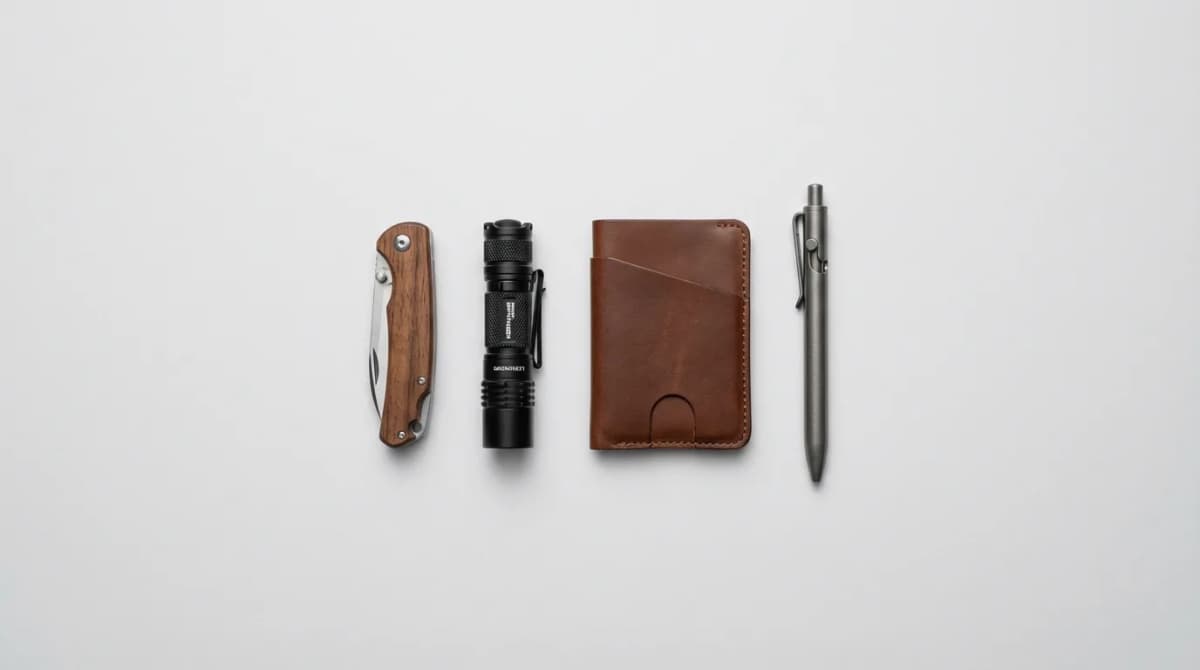
Best EDC Gear for Beginners: Starter Kit Guide
Starting your EDC setup doesn't require a $500 budget. Here's exactly what you need in your pockets, what to skip, and why most beginners waste money on the wrong gear first.
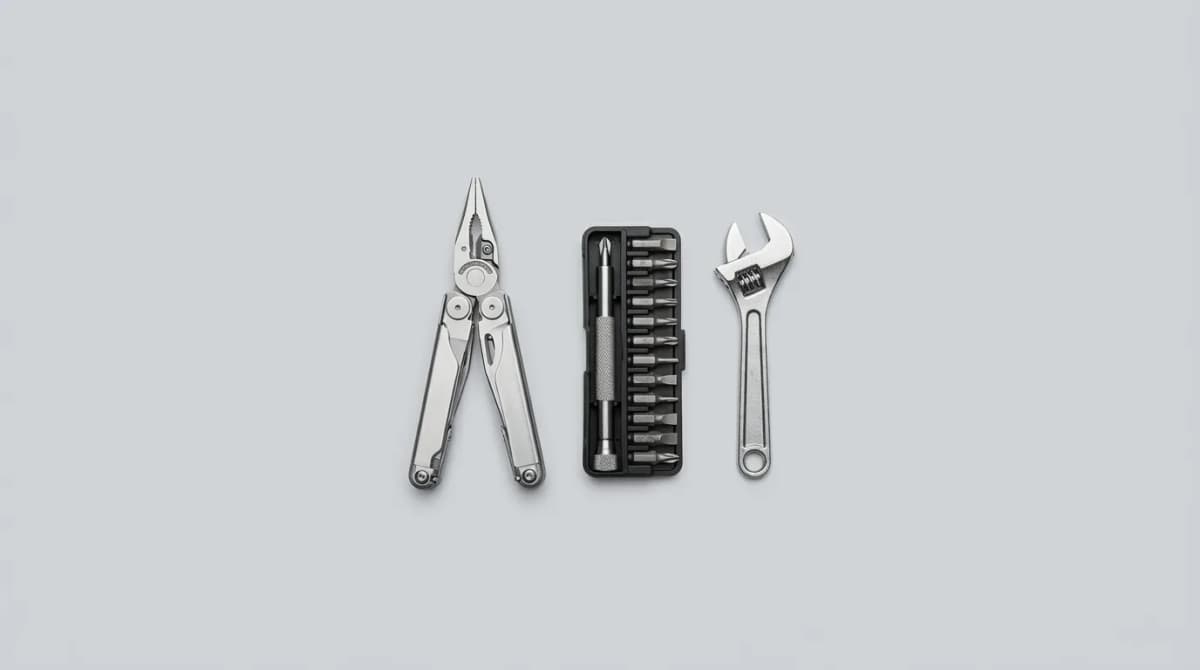
Best Pocket Tools for Apartment Maintenance
You don't need a full toolbox for apartment fixes. These pocket-sized tools handle loose screws, furniture assembly, and quick repairs without taking up drawer space.