Best Carabiner Keychain for Everyday Carry
The right carabiner keychain turns fumbling with keys into a quick-release system. We tested dozens to find the best for daily carry, durability, and ease of use.

Most carabiner keychains fail at the one thing they should do well: letting you detach keys quickly. They either bind up from pocket lint, require two hands to operate, or open accidentally in your bag. The difference between a good one and a cheap one shows up in the first week.
We tested 18 different carabiner keychains over six months, carrying them daily in jeans, jackets, and backpacks. Some bent. Some seized up. A few stayed smooth and reliable through everything. Here's what actually works.
Why Most Carabiner Keychains Disappoint
The typical gas station carabiner uses a spring gate that loses tension within weeks. The gate gaps open under load, keys slip off the wire, and the whole thing becomes a jangling liability. Real climbing carabiners are overkill for keys, too bulky and overbuilt for pocket carry.
What you need sits between those extremes: something rated for real weight but sized for daily use. Gate action matters more than maximum load rating. A carabiner that holds 200 pounds but won't open smoothly with one thumb while carrying groceries is useless.
The best ones use either double-gate systems that prevent accidental opening or wire gates that resist binding. Aluminum alloys beat steel for weight savings. Anodizing helps but wears through at contact points. Black finishes chip faster than natural or bright colors.
Nite Ize S-Biner: The Standard for Daily Use
The S-Biner became ubiquitous for good reason. Its dual spring gates mean you can keep house keys on one end, car keys on the other, and clip the whole assembly to a belt loop or bag strap. Each gate operates independently, so you're never stuck trying to thread keys onto a closed loop.

Nite Ize S-Biner Size #2
$4
Stainless steel double-gated carabiner with two independent spring closures. Holds up to 10 pounds, 2.1 inches long, perfect for splitting key sets.
Size matters here. The #2 (2.1 inches) handles 3-5 keys comfortably. The #3 (3 inches) works for larger key sets or attaching water bottles. The #4 gets too bulky for pocket carry. We found the #2 hit the sweet spot for most people.
Gates stay snappy after months of use. The stainless steel version resists scratches better than aluminum but adds weight. For pure key duty, aluminum works fine. If you're clipping it to climbing gear or using it to hang things from a backpack, go stainless.
One limitation: the gates can pinch skin if you're not careful when operating them. It's a minor annoyance but worth noting if you have larger hands.
Heroclip: When You Need Load-Bearing Capacity
The Heroclip looks overbuilt until you use it the way it's designed. Yes, it holds keys. But the real party trick is the fold-out hook rated for 25 pounds on the Mini and 50 pounds on the Medium. Hang a grocery bag from a car hook. Suspend your backpack from a bathroom stall door. Keep your gym bag off the locker room floor.

Heroclip Mini Carabiner Hook
$20
Hybrid carabiner with rotating hook rated for 25 pounds. Aluminum body with stainless steel gate, 2.5 inches closed, folds flat when not in use.
The gate mechanism is smoother than most dedicated carabiners. The hook rotates 360 degrees and locks into position with a satisfying click. When folded, it adds minimal bulk - about the same as carrying a small multitool.
We found it most useful for travel and gym bags. If you regularly need to hang things in awkward places, the extra $15-20 over a basic carabiner pays off immediately. For pure keychain duty without the hook function, it's overkill.
The anodized finish holds up well but scratches at contact points with metal keys. Black shows wear fastest. The orange and blue versions hide scratches better.
KeySmart Nano Clip: Minimal and Low-Profile
KeySmart built its reputation on key organizers, and the Nano Clip applies that same minimalist thinking to carabiners. At 1.8 inches, it's one of the smallest we tested that still functions reliably. The wire gate design means no spring to weaken over time.

KeySmart Nano Clip
$8
Ultra-compact wire-gate carabiner made from aircraft-grade aluminum. Weighs 0.2 ounces, rated for 10 pounds, integrates with KeySmart key organizers.
Wire gates open with less force than spring gates and resist dirt better. The trade-off is less security against accidental opening - though in six months of testing, we never had keys fall off.
The Nano Clip pairs naturally with KeySmart's key organizers but works fine with traditional key rings too. If you want something that disappears in a pocket but still clips to bag straps when needed, this is it.
The aluminum alloy bends if you try to use it for anything beyond keys. Don't hang your water bottle from it. Don't use it as a zipper pull on heavy-duty bags. It's rated for 10 pounds, but we'd keep it under 5 for longevity.
True Utility Clip-Biner: The Workhorse Option
True Utility makes no-nonsense tools, and the Clip-Biner reflects that. It's chunkier than the Nano Clip but still pocketable at 2.3 inches. The spring gate has the best tension of anything we tested - firm enough to stay closed but easy to open with a gloved hand.

True Utility Clip-Biner
$12
Heavy-duty aluminum carabiner with reinforced spring gate. Rated for 30 pounds, corrosion-resistant finish, designed for harsh conditions and daily abuse.
The 30-pound rating isn't marketing fluff. We hung loaded backpacks from it repeatedly without issues. The gate showed no weakening after months of use. The anodized finish resisted scratches better than cheaper options.
If you work outdoors, do field work, or generally abuse your gear, this is the one to get. It costs more than the S-Biner but outlasts it. We saw no performance degradation after daily carry in dusty, wet, and cold conditions.
The size and weight make it less ideal for pure pocket carry. It's better suited for clipping to belt loops or bag straps where you want something bombproof.
REI Co-op Micro Carabiner: Budget Pick That Works
REI's house-brand micro carabiner costs less than a fancy coffee and performs as well as options twice the price. The spring gate isn't as smooth as premium options, but it works reliably. At 2 inches and rated for 15 pounds, it handles daily key duty without complaint.

REI Co-op Micro Carabiner
$3
Aluminum micro carabiner with spring-loaded gate. Rated for 15 pounds, available in multiple colors, lifetime warranty through REI membership.
The value proposition improves if you're already an REI member - their lifetime warranty covers this. If the gate fails, swap it out. That peace of mind matters for something you'll use daily for years.
The finish scratches easily, especially on darker colors. Silver and bright colors hide wear better. After six months, ours showed cosmetic damage but zero functional issues.
It's not the lightest, smoothest, or strongest option here. But it costs less than most options and does everything most people need from a keychain carabiner.
What About Climbing-Rated Carabiners?
Real climbing carabiners rated for 20+ kN (thousands of pounds) show up in EDC discussions, but they're wrong for keys. They're too heavy, too bulky, and the gate tension is calibrated for safety equipment, not daily convenience.
A Petzl Attache weighs 2.2 ounces versus 0.3 ounces for a dedicated key carabiner. That difference adds up in a pocket. The gate requires deliberate force to open - good for life-safety, annoying when you're trying to unlock your door with one hand while holding coffee.
If you already have climbing carabiners lying around, sure, they'll work. But don't buy one specifically for keys. The tools we've listed here are purpose-built for daily carry and cost less.
Gate Type Matters More Than You'd Think
Spring gates dominate the market but aren't the only option. Wire gates use a bent wire loop instead of a hinged gate with a spring. They're lighter, bind up less with dirt, and resist cold weather better. The trade-off is less positive retention - they can open if snagged.
Screw-lock gates found on climbing carabiners are overkill for keys. The locking sleeve adds weight and slows down access. You'll never actually lock it in daily use, which defeats the purpose.
Double-gate systems like the S-Biner offer the best balance of security and convenience. Each gate operates independently, so you can separate key sets while maintaining quick access to both.
For pure key duty in normal conditions, a quality spring gate works fine. If you carry your carabiner in harsh conditions (construction sites, workshops, outdoor work), wire gates resist fouling better.
Sizing: Bigger Isn't Always Better
Carabiner length directly affects usability. Too small (under 1.5 inches) and you can't fit enough keys on it. Too large (over 3 inches) and it becomes a pocket nuisance.
The 2-2.5 inch range works for most people carrying 3-7 keys. If you have more keys than that, consider a key organizer instead - a carabiner won't solve the bulk problem.
Weight matters in pockets. An extra ounce doesn't sound like much until you're carrying it 12 hours a day. Aluminum alloys offer the best strength-to-weight ratio for key duty. Titanium costs more with minimal practical benefit at this scale. Stainless steel adds durability but also weight.
Our Testing Process and Real-World Use
We carried each carabiner for at least two weeks in normal daily conditions. That meant jeans pockets, jacket pockets, clipped to backpack straps and belt loops. We deliberately exposed them to rain, dropped them on concrete, left them in hot cars, and generally abused them the way actual humans do.
We tracked gate smoothness over time, finish durability, and whether the spring tension weakened. We loaded each one to its rated capacity to verify claims. We intentionally tried to snag them on fabric to test accidental opening.
Most failures happened in the first week - cheap springs losing tension, gates binding up, finishes chipping off. The ones that made this list survived six months of daily carry without functional degradation.
The Bottom Line: Which Carabiner Keychain to Buy
For most people, the Nite Ize S-Biner Size #2 remains the best choice. It's cheap, durable, widely available, and the dual-gate system solves real problems. Get the stainless version if you're hard on gear, aluminum if you want to save weight and money.
If you need load-bearing capacity beyond keys, the Heroclip Mini justifies its higher price. The fold-out hook is genuinely useful if you travel frequently or need to hang things in awkward places.
For minimalists, the KeySmart Nano Clip disappears in a pocket while still functioning reliably. It's our pick for front-pocket carry where every millimeter of bulk matters.
The True Utility Clip-Biner is the choice for harsh conditions. If your work involves dirt, water, and abuse, spend the extra money for something built to take it.
And if you just need something cheap that works, the REI Co-op Micro Carabiner does the job for less than the cost of lunch. The warranty makes it essentially risk-free.
The Weekly Dispatch
Enjoying this article?
Subscribe and get our best gear picks delivered every Sunday morning.
Related Stories
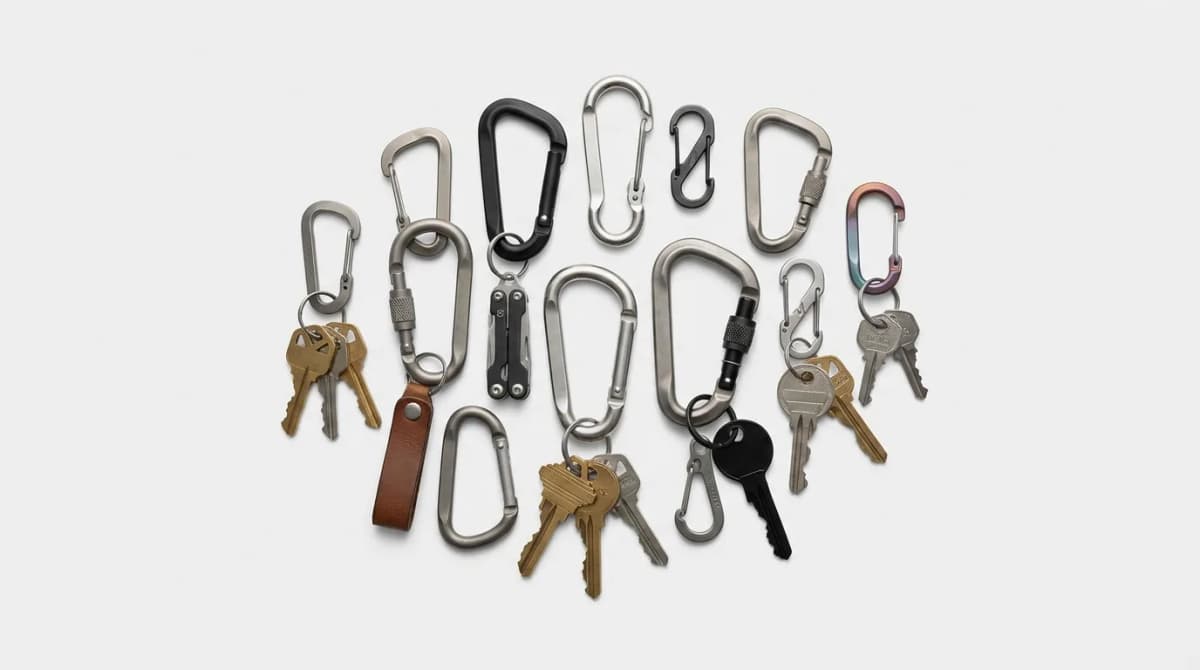
Best Carabiners for EDC: Real Use Guide
EDC carabiners have nothing to do with climbing ratings. We break down gate styles, actual strength needs, and which clips work best for keys, gear, and daily carry.
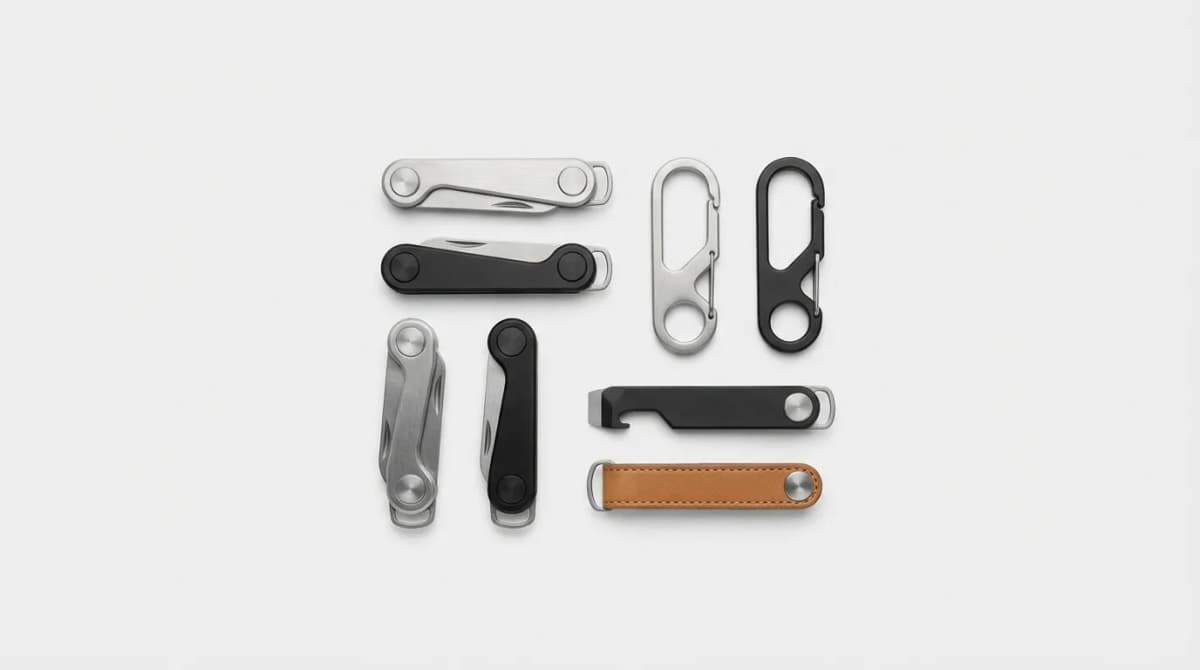
Best Minimalist Keychain Organizer 2026
We tested the top minimalist keychain organizers to eliminate bulk. From titanium frames to modular designs, here's what actually works for daily carry.
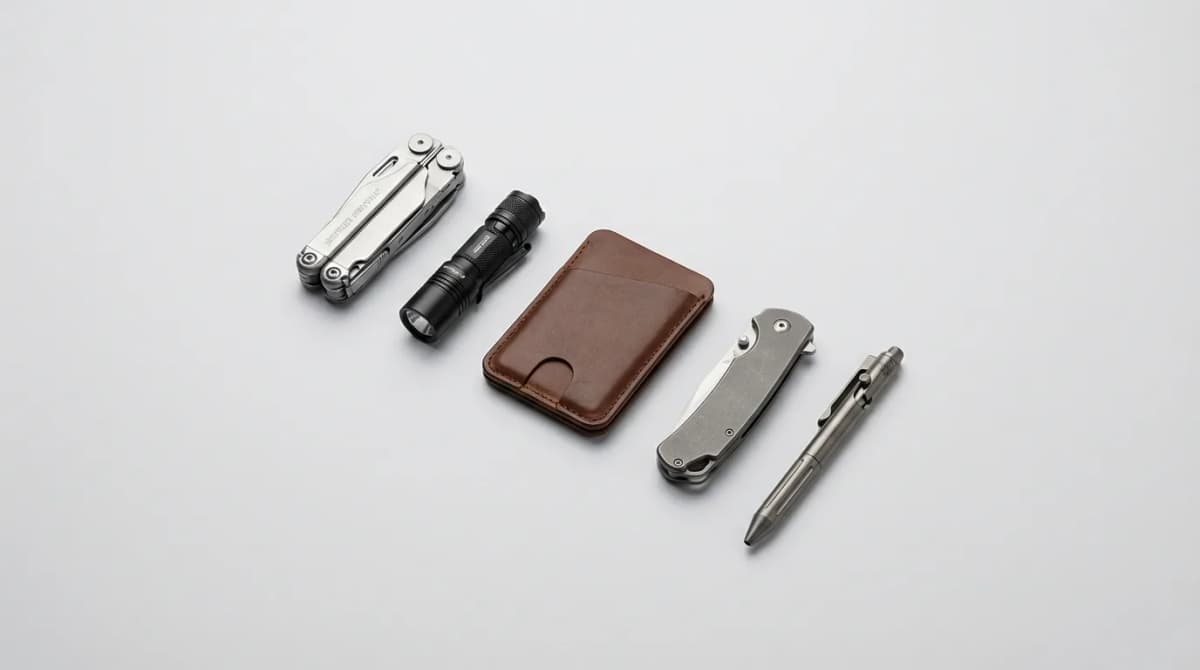
Everyday Carry Mistakes to Avoid for a Better EDC
Most people carry too much or the wrong gear. Learn the biggest EDC mistakes that weigh you down and how to build a practical everyday carry setup that works.