Stainless Steel EDC: Why It Still Wins
Titanium gets the hype, but stainless steel remains the workhorse material for EDC gear. Here's why corrosion resistance and real-world durability matter more than weight savings.

You drop your knife in saltwater. Your multi-tool sits in a sweaty pocket all summer. Your flashlight gets rained on weekly. Stainless steel doesn't care. While titanium and carbon fiber dominate gear forums, stainless steel quietly handles the abuse that actually happens in daily carry. It's not the lightest option, and it's certainly not the most expensive, but for most people in most situations, it's still the smartest choice.
Quick Picks
Our top recommendations at a glance:
- 1
- 2
- 3
- 4
- 5
The gap between stainless steel and premium materials has narrowed in recent years. Modern stainless alloys offer better edge retention than ever, corrosion resistance that approaches marine-grade specs, and price points that make sense for tools you'll actually use hard. The question isn't whether stainless steel is "good enough" anymore. It's whether the alternatives offer enough real benefit to justify their tradeoffs.
Corrosion Resistance That Actually Matters
Stainless steel's chromium content (minimum 10.5%, usually 13-18%) forms a passive oxide layer that self-heals when scratched. That's not marketing talk. It means you can carry a stainless blade in humid climates, near saltwater, or in sweaty pockets without obsessive maintenance. 154CM, VG-10, and S30V are all stainless alloys that hold an edge well while shrugging off moisture.
Compare that to carbon steel, which offers superior edge retention and easier sharpening but demands constant attention. A carbon steel blade will develop surface rust after a single sweaty day if you don't wipe it down. Some people love the patina and ritual. Most people just want a knife that works when they grab it.
High-end "super steels" like S90V and M390 push corrosion resistance even further, but the performance gap between them and mid-tier stainless like S35VN is narrower than the price difference suggests. For EDC use (opening boxes, cutting cord, food prep), the difference is academic.

Spyderco Delica 4 VG-10
$95
VG-10 stainless blade with excellent corrosion resistance and edge retention. Lightweight FRN handle, reversible pocket clip, easy one-hand opening. Proven EDC workhorse since 1990.
Built For Everyday Abuse
EDC gear faces a specific kind of stress: not extreme force, but constant, repetitive use. Opening dozens of packages per week. Cutting zip ties and tape. Tightening screws. This is where stainless steel's toughness shines. It's harder to chip than carbon steel, less brittle than some high-hardness alloys, and more forgiving of edge angles.
A stainless blade at 58-60 HRC hits the sweet spot between edge retention and toughness. You can sharpen it to a working edge in minutes with a basic stone. You won't snap the tip off prying open a paint can (though you shouldn't, technically). And if you do damage it, you're not mourning a $300 titanium framelock.
This matters more for multi-tools than knives. A multi-tool sees plier abuse, screwdriver torque, wire cutting, and file work. Stainless steel handles all of it without special treatment. The Leatherman Wave+ uses 420HC stainless for its blades specifically because it balances edge holding with ease of field sharpening. That's a feature, not a compromise.

Leatherman Wave Plus Multi-Tool
$120
420HC stainless steel blades and tools, 18 functions including pliers, wire cutters, saw, scissors. Easy one-hand access, 25-year warranty. The EDC multi-tool benchmark.
Weight Vs. Practicality: The Real Tradeoff
A titanium framelock knife weighs 2.5 ounces. A stainless liner lock weighs 3.5 ounces. That's one ounce, about the weight of five quarters. In your pocket, you won't notice it. On a long hike with every ounce accounted for, maybe you will. But for daily carry in an urban or suburban environment, the weight difference between stainless and titanium is noise.
Where titanium wins decisively is in premium framelock folders where the frame provides structural support and reduces parts count. Titanium's strength-to-weight ratio allows thinner frame profiles without sacrificing rigidity. But most affordable titanium EDC items (pens, flashlight bodies, key organizers) use titanium purely for aesthetics and weight reduction, not structural necessity.
Stainless steel's density is also an advantage in some applications. A stainless steel pen feels substantial and balanced. A stainless flashlight body conducts heat better than titanium, helping LEDs run cooler. A heavier knife blade carries momentum through tougher cuts. Weight isn't always the enemy.

Benchmade Mini Griptilian 154CM
$145
154CM stainless blade, AXIS lock mechanism, textured Noryl GTX handle. Compact 3.45-inch blade, excellent edge retention, made in USA. Lifetime warranty and sharpening service.
How Stainless Steel Handles Real-World EDC Tasks
The test of an EDC material isn't lab results. It's whether the tool works after six months of actual carry. Stainless steel knives stay sharp through weeks of cardboard cutting. They don't pit after a rainy camping trip. They hold factory edges long enough that most users never sharpen them, which is both a testament to the steel and an indictment of how little most EDC blades actually get used.
Stainless multi-tools are even more forgiving. The pivot points stay smooth without constant oiling. The spring-loaded tools maintain tension. The file stays flat. You can throw a stainless multi-tool in a toolbox for two years, pull it out, and it works. Try that with a carbon steel vintage tool and you'll spend 20 minutes with oil and steel wool first.
For pens, stainless steel bodies develop a worn patina that looks better than scratched aluminum and less precious than dinged-up titanium. They're heavy enough to feel deliberate in your hand but not so heavy they drag your shirt pocket down. And they're half the price of titanium equivalents with identical refill compatibility.

Fisher Space Pen Bullet Stainless
$30
Compact stainless steel pen with pressurized cartridge that writes in any position, underwater, and in extreme temps. Closes to 3.75 inches, extends to 5.3 inches. Iconic EDC design since 1968.
Value and Replaceability: The Unspoken Advantage
A solid stainless steel EDC knife costs $60-$150. A comparable titanium folder runs $180-$400. That price gap matters not because stainless users can't afford titanium, but because affordability changes how you use a tool. A $70 knife is a tool you'll actually use. A $350 knife becomes a safe queen you're afraid to scratch.
Stainless steel's value proposition extends beyond purchase price. It's easier to sharpen, cheaper to replace if lost, and less heartbreaking when damaged. You're more likely to lend a stainless knife to a friend. More likely to use it for rough tasks. More likely to carry it instead of leaving it home because you're worried about TSA confiscation or loss.
This psychological factor is real. We've watched people baby $300 titanium knives while abusing $80 stainless blades without hesitation. The expensive knife gets more careful use, which defeats the purpose of EDC. The point is to have a capable tool available when you need it, not to preserve a collector's item.

CRKT CEO Stainless Steel
$55
Sleek 3.35-inch stainless drop-point blade, IKBS ball bearing pivot, low-profile pocket clip. Professional appearance, slim 6.6-inch overall, liner lock design. Budget-friendly executive carry option.
Maintenance Simplicity: Less Fuss, More Carry
Stainless steel requires almost no maintenance beyond basic cleaning. Wipe the blade down occasionally. Oil the pivot once a year. That's it. No need for storage precautions, humidity control, or protective coatings. This low-maintenance nature is precisely why manufacturers use stainless for budget and mid-tier EDC tools.
Carbon steel and high-alloy tool steels demand more attention. They reward that attention with performance, sure, but only if you actually provide it. Most EDC users don't. They carry a knife for weeks, use it when needed, and forget about it until it's needed again. Stainless steel tolerates this neglect. Carbon steel doesn't.
Even premium stainless alloys like S35VN and M390 need minimal care. A quick wipe after heavy use and occasional lubrication keeps them running for years. The edge degrades slowly enough that most users go months between sharpening sessions. For people who view knives and multi-tools as functional items rather than hobbies, this simplicity is the whole point.
When Stainless Steel Isn't Enough
Stainless steel has limits. In extreme cold (below -20°F), some stainless alloys become brittle. In high-heat applications (above 300°F), tempering can be affected. For specialized tasks like marine rope cutting or industrial electrical work, you need purpose-built tools with specific alloy treatments.
Ultra-premium folders aimed at collectors and enthusiasts use exotic materials (titanium frames, carbon fiber scales, Damascus blades) because the target audience values craftsmanship and uniqueness over pure utility. That's fine. But it doesn't make stainless steel obsolete for the 95% of EDC users who need a reliable tool, not a showpiece.
If you're carrying EDC gear in consistently harsh environments (saltwater fishing, tropical humidity, desert sand and heat), consider marine-grade stainless like H1 or LC200N. These alloys sacrifice some edge retention for near-immunity to corrosion. Spyderco makes several models in H1 specifically for this use case.

Spyderco Salt 2 H1 Steel
$140
H1 nitrogen-based steel with complete rust immunity, 3-inch serrated blade, bright yellow FRN handle. Purpose-built for marine and tropical environments. Zero corrosion even in saltwater.
The Bottom Line: Choose Based On Use, Not Hype
The best EDC material is the one that matches your actual carry conditions and usage patterns. For most people in most situations, that's stainless steel. It handles daily tasks without complaint, resists the environmental abuse that real carry involves, and costs little enough that you'll actually use it instead of preserving it.
Titanium has its place in ultralight setups and premium framelock folders. Carbon steel appeals to knife enthusiasts who enjoy maintenance and traditional grinds. Ceramics and exotic alloys solve niche problems. But none of them have made stainless steel obsolete, because stainless steel solves the fundamental EDC challenge: be ready, stay sharp, don't corrode, don't break.
The gear that works is the gear you carry. The gear you carry is the gear that doesn't demand attention. For most of us, that means stainless steel.
The Weekly Dispatch
Enjoying this article?
Subscribe and get our best gear picks delivered every Sunday morning.
Related Posts
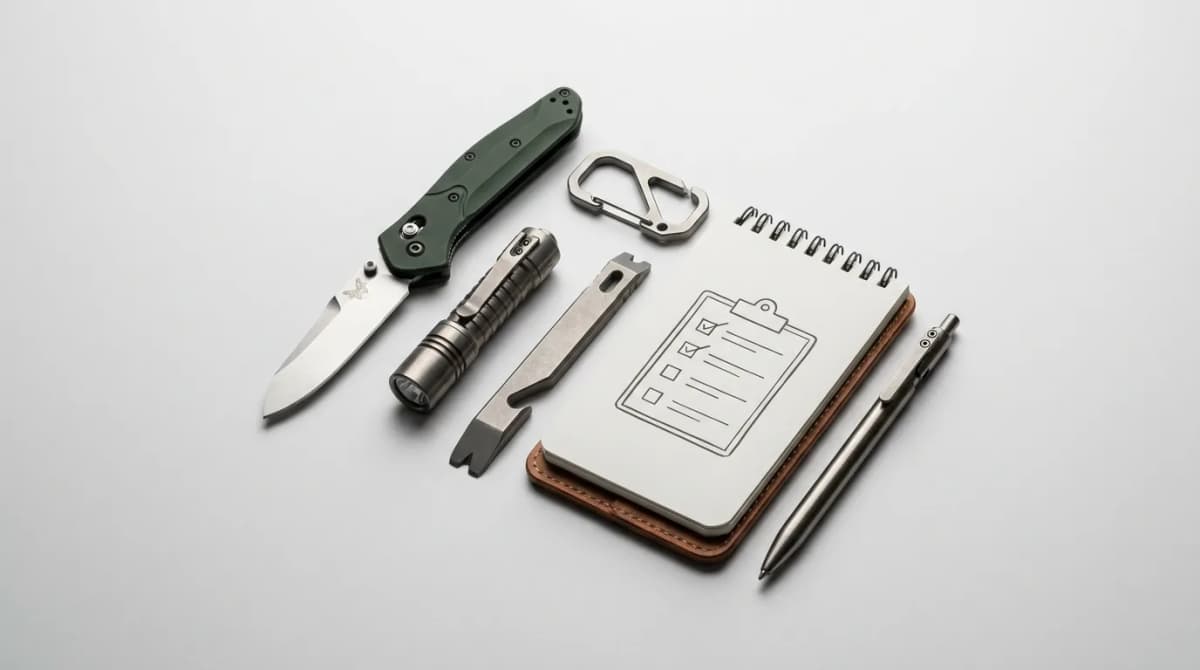
EDC Kickstarter Checklist: 10 Checks to Run First
EDC campaigns are everywhere this fall. Use this 10-point checklist, built on Kickstarter's own rules, to judge knives, lights and clips before you pledge.
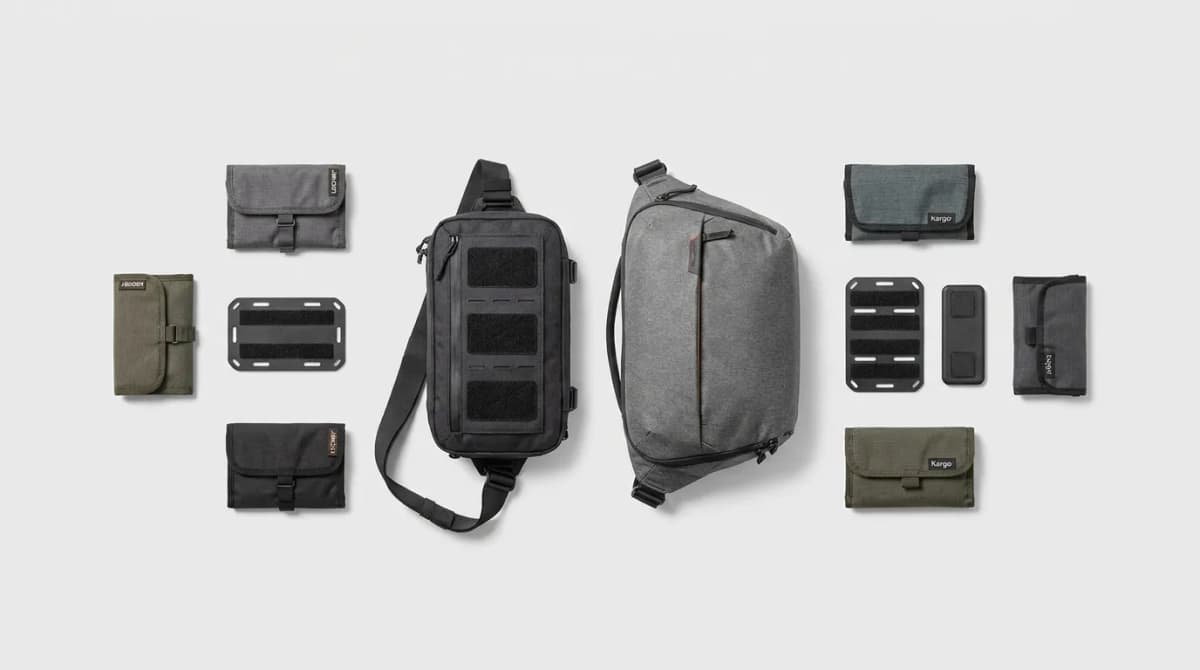
VAULT Sling vs Peak Design: Modular EDC Sling 2026
Tool-and-tech EDC slings, not camera bags. VAULT Flex Boards and 7L–9L magnetic expand vs Peak Design Everyday 6L, plus LOCHBY and Kargo.
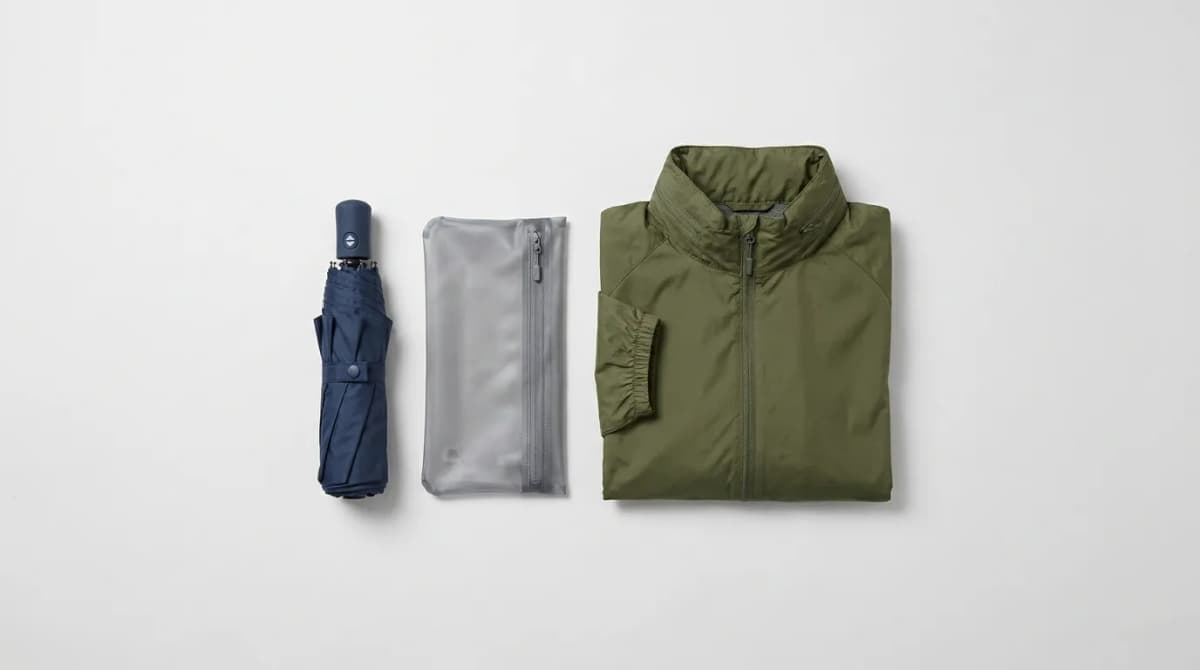
EDC for Rainy Cities: The Complete Setup
Rainy-city EDC means canopy, wet pouch, and smarter fabrics. Build a daily carry that stays dry on transit without soaking your bag or pockets.
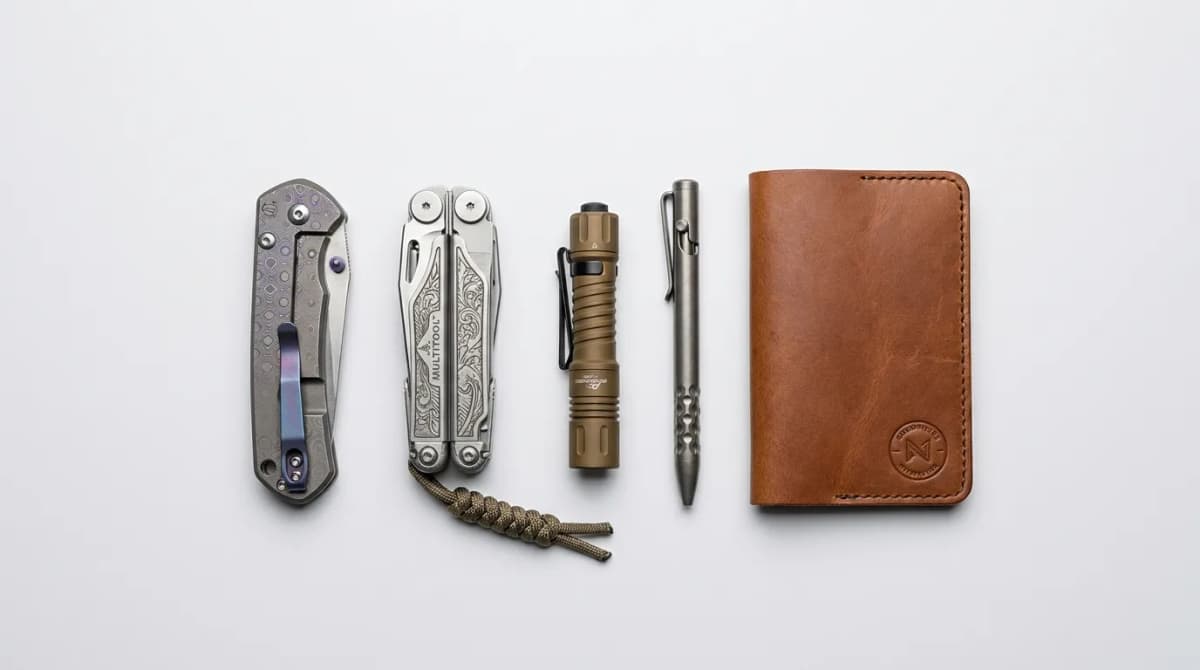
DIY EDC Mods: Personalize Your Everyday Carry Gear
Learn practical DIY modifications for your EDC gear: paracord wraps, anodizing, custom scales, and personalization techniques that improve function and style.