EDC for Maximalists: How to Avoid Overpacking
Carrying everything you might need sounds smart until your pockets bulge and your bag weighs ten pounds. Here's how to build a maximalist EDC that stays practical.

You know the type. They carry three knives, two flashlights, backup pens, a field notebook, and enough gear to handle any scenario from opening packages to performing emergency repairs. The maximalist approach to EDC makes sense on paper - better to have it and not need it - until you realize your pockets are stretched, your bag is heavy, and you spend five minutes digging for your keys.
Quick Picks
Our top recommendations at a glance:
- 1
- 2
- 3
- 4
- 5
The problem is not wanting to be prepared. The problem is carrying preparation for situations that never happen while the things you actually use stay buried under layers of redundancy. Most maximalists carry far more than they use in a typical week, and that extra weight creates friction that makes even the useful items harder to access.
This is not about becoming a minimalist. It is about building an EDC system that holds more capability in less space, rotates gear based on context, and keeps the truly essential items within instant reach.
Why Maximalist EDC Fails in Practice
The instinct to carry backup gear comes from a reasonable place. Flashlights fail, pens run out, knives get dull. But redundancy has costs that compound quickly.
Weight is the obvious one. A full-size multi-tool adds 8 ounces. A backup flashlight adds 3-4. A second knife adds 4-6. Before you know it, you are carrying an extra pound of "just in case" gear that pulls your pants down and makes sitting uncomfortable. A maximalist pocket carry can easily top two pounds, not counting the bag.
Access matters more than weight. When you have twelve items in four pockets, finding the right one takes conscious effort. You pat pockets, pull out the wrong thing, dig deeper. That friction means you stop using the gear, which defeats the entire purpose of carrying it. The best EDC item is the one you can access in under two seconds without looking.
Redundancy also creates decision fatigue. You carry three different writing instruments, so every time you need to jot something down, you subconsciously evaluate which one to use. That mental overhead is tiny per instance but exhausting over the course of a day.
The real failure mode is when your EDC becomes a burden instead of an enabler. You leave things at home because carrying everything is uncomfortable, and then you actually need something you left behind. The maximalist approach collapses under its own weight.

Maxpedition Micro Pocket Organizer
$18
Compact pocket organizer with elastic loops and slip pockets. Fits in cargo pockets or bags. Keeps small EDC items accessible without loose carry.
Build a Core EDC That Covers 90% of Use Cases
Start by tracking what you actually use over two weeks. Not what you might use, not what you used once six months ago, but what you reach for daily. For most people, that list is shorter than expected: phone, wallet, keys, one knife or multi-tool, one light source, one writing instrument.
Those six categories form your core EDC - the gear that stays on you regardless of context. Everything else is supplemental, which means it gets carried conditionally based on the day's activities.
The trick is choosing core items that span the widest range of functions without overlapping. A Leatherman Wave+ handles more tasks than a dedicated knife plus a separate screwdriver plus separate pliers. A smartphone with a good flashlight app eliminates the need for a dedicated light in many contexts (though we still recommend a backup for reliability). A Fisher Space Pen writes in more conditions than three regular pens combined.
Multi-function tools compress capability. But they have limits. A multi-tool is never as good at cutting as a dedicated knife, never as bright as a dedicated flashlight, never as comfortable to write with as a dedicated pen. The question is whether the 80% capability across multiple functions is worth more than 100% capability in one function. For core EDC, the answer is usually yes.
Weight and volume budgets matter here. We set a hard limit of 1.2 pounds and 250 cubic centimeters for pocket carry. That forces real prioritization. You can fit a lot in that envelope, but not everything, which means choosing tools that deliver the most utility per gram.

Leatherman Wave Plus Multi-Tool
$120
Full-size 18-tool multi-tool with outside-accessible blades, needlenose pliers, wire cutters, and bit driver. The standard for comprehensive EDC capability in a single tool.
Use Modular Pouches for Context-Specific Gear
The breakthrough for maximalist EDC is moving from "carry everything always" to "carry everything relevant now." That requires a modular system where you swap pouches based on context rather than adding and removing individual items.
We use three types of pouches: a minimal urban kit, a technical kit, and a travel kit. Each one is pre-loaded with the gear relevant to that scenario. When you leave the house, you grab your core EDC plus whichever pouch fits the day's activities. This takes five seconds and eliminates the decision fatigue of assembling a custom loadout every morning.
The urban kit handles daily tasks around town. It includes a backup pen, a small notebook, earbuds, charging cables, and a few adhesive bandages. Total weight is under 6 ounces. This covers coffee shops, errands, meetings - situations where you need basic tools but not survival gear.
The technical kit is for work, projects, or outdoor activities. It adds a proper first aid setup, repair tools specific to your hobbies (hex keys for bikes, screwdrivers for electronics, cord and tape for general repairs), and task lighting beyond your keychain flashlight. This weighs 12-14 ounces but delivers real capability when you need it.
The travel kit handles airports, hotels, and being away from your home base for extended periods. It includes duplicates of essentials (charging cables, medications, spare batteries), comfort items (eye mask, earplugs), and a few tools that cannot go through airport security but are useful on the other side (a larger knife, a full-size multi-tool if you are checking bags).
Each pouch lives in a specific place - drawer, bag, car - so grabbing it is automatic. You are not hunting through storage bins or trying to remember where you put the technical gear last time. This organization overhead matters more than most people realize. A modular system only works if accessing the modules is frictionless.

Vanquest PPM-HUSKY 2.0 Pouch
$45
Versatile admin pouch with internal organization, MOLLE/belt attachment, and zippered compartments. Sized for EDC essentials without bulk. Tough 1000D Cordura construction.
What Actually Needs Redundancy?
Some gear is critical enough that redundancy makes sense. Most is not.
Light sources justify backup carry because they fail without warning and losing light in the wrong situation is dangerous. We carry a primary light on a keychain (Olight i3T EOS at 180 lumens) and a backup coin cell light (Rovyvon A1 at 650 lumens burst) in a bag or fifth pocket. Total added weight is 1.5 ounces, and the chance of both failing simultaneously is near zero.
Writing instruments do not need redundancy if you carry a reliable pressurized pen that works in all conditions. If you carry a cheap ballpoint, sure, bring a backup. If you carry a Fisher Space Pen or a Rite in the Rain pen, it will write until the ink runs out.
Knives and multi-tools rarely need backup unless you are doing heavy cutting tasks where breakage is a real risk. For urban and suburban EDC, one good quality folding knife or multi-tool is sufficient. If it fails, you can improvise for the ten minutes until you get somewhere with tools.
Medical supplies do justify some redundancy, but not in the form of duplicate kits. Instead, carry a basic setup (adhesive bandages, antiseptic, pain reliever) on your person and keep a comprehensive first aid kit in your car or bag. Treat the personal carry as triage gear for the first 60 seconds, not a full medical response.
The redundancy question comes down to failure modes and consequences. If the tool failing creates immediate danger or major disruption, carry a backup. If failure is inconvenient but manageable, a single high-quality item is better than two mediocre ones.

Olight i3T EOS Dual-Output Flashlight
$20
Compact AA flashlight with 180-lumen high and 5-lumen low modes. Tail switch operation, IPX8 waterproof. Perfect EDC size at 3.5 inches and 1.4 ounces.
Rotate Gear Based on Seasonal and Activity Patterns
Your EDC should shift with the calendar and your schedule. The gear that makes sense in January does not make sense in July. The gear that makes sense during a normal work week does not make sense on vacation.
Seasonal rotation handles temperature-driven needs. In winter, hand warmers, a beanie, and gloves live in coat pockets. In summer, sunscreen, a hat, and a bandana shift into rotation. Battery life also changes with temperature - cold weather kills lithium cells fast, so we carry backup batteries in winter and skip them in summer.
Activity rotation handles predictable schedule changes. If you know you have a week of outdoor projects coming up, swap to the technical kit. If you have a week of back-to-back meetings, swap to the urban kit. If you are traveling, swap to the travel kit the night before you leave.
This seems obvious, but most people either carry the same loadout year-round or try to carry every seasonal variant simultaneously. The first approach means being under-prepared half the year. The second approach means being overloaded all year. Rotation gives you the capability of a maximalist system with the comfort of a minimalist carry.
We keep a simple rotation schedule: winter kit (November-March), summer kit (May-September), and shoulder season kit (April and October). Each one has a checklist, so swapping takes five minutes twice a year. Inside those seasonal frames, we swap modular pouches based on the week's activities.
The key insight is that carrying everything all the time is not preparedness. Carrying the right things at the right time is preparedness. That requires planning, but the planning overhead is trivial compared to the daily burden of overpacking.

Fisher Space Pen Bullet
$30
Compact pressurized pen that writes upside down, underwater, and in extreme temperatures. Retracts to 3.9 inches for pocket carry, extends to 5.3 inches for writing. Lifetime reliability.
How to Test and Refine Your System
The only way to know if your EDC works is to use it under real conditions and track what you reach for versus what you carry. This takes conscious effort for about two weeks, then it becomes automatic.
Keep a simple log on your phone. Every time you use an EDC item, note it. Every time you need something you do not have, note that too. After two weeks, you will have data on actual usage patterns versus theoretical needs.
Most people discover they use 40-50% of what they carry and need a few items they left out. That gap is where refinement happens. Drop the unused items, add the missing ones, and run the test again. After two or three cycles, you converge on a stable loadout that matches your real life instead of an imagined version of it.
Pay attention to friction points. If you consistently avoid using a tool because it is hard to access or uncomfortable to carry, either move it to a better position or replace it with something more ergonomic. EDC only works if using the gear is easier than not using it.
Weight check matters too. Weigh your full loadout on a kitchen scale. If it is over 1.5 pounds for pocket carry, start cutting. You can carry more weight in a bag, but pocket carry over 1.5 pounds creates discomfort that accumulates through the day.
The goal is not perfection. The goal is a system that adapts to your actual patterns, stays comfortable enough that you never leave it behind, and keeps the most useful items within instant reach. Maximalism works when it is organized, modular, and tested against reality.
Common Mistakes Maximalists Make
Carrying duplicates of the same tool is the biggest waste. Two identical knives do not give you more capability, they give you redundant capability. If you want backup cutting, a multi-tool with a blade plus a dedicated knife makes sense because they serve different purposes. Two folding knives do not.
Ignoring weight distribution causes discomfort and damage. Front pockets can handle 6-8 ounces before they start pulling your pants down. Rear pockets should stay empty or carry only lightweight flat items like wallets - anything heavy ruins the seat of your pants and hurts when you sit. Distribute weight across multiple pockets and use a bag for anything over a pound total.
Buying gear before defining needs leads to accumulation without purpose. The EDC community loves new releases and limited editions, which creates pressure to add things you do not need. Define your requirements first, then find tools that meet them. Do not buy tools and then invent reasons to carry them.
Neglecting maintenance means your carefully chosen gear fails when you need it. Knives dull, lights run out of batteries, multi-tools get gunked up. Set a monthly maintenance session to clean, sharpen, and test everything. Replace consumables before they run out. A perfect EDC loadout with dead batteries is useless.
Treating EDC as a static system instead of an evolving one locks you into suboptimal choices. Your needs change, better tools get released, and your experience teaches you what actually matters. Review your loadout every three months and adjust based on what you learned. The best EDC is one that improves over time.

County Comm Pico Widgy Pry Bar
$35
Titanium mini pry bar at just 0.5 ounces and 2.75 inches. Bottle opener, scraper, and light prying tasks without carrying a full multi-tool. Keychain attachment.
Building Your Modular System from Scratch
Start with your core EDC and carry only that for one week. No extras, no backups, no "just in case" items. This baseline teaches you what is truly essential versus what you think might be useful. Most people find their core is smaller than expected.
Add one category at a time based on actual needs that came up during the baseline week. If you needed to take notes but had no paper, add a pocket notebook. If you needed light but your phone died, add a keychain flashlight. Do not add things preemptively.
Build your first modular pouch around the most common add-on needs. For most people, that is charging cables, a backup pen, and basic first aid. Load the pouch, carry it for a week, and track whether you use everything in it. Remove what you do not touch.
Add a second pouch only after the first one stabilizes. This is usually a technical or project-specific kit with tools relevant to your hobbies or work. Again, load it based on actual needs from situations where the core plus urban kit was not enough.
Test the rotation system by deliberately swapping pouches based on context. Going to work on a project? Grab the technical kit. Running errands downtown? Grab the urban kit. The swap should take under ten seconds. If it takes longer, your storage system needs work.
After a month of active testing and refinement, you will have a modular EDC system that is maximalist in capability but minimalist in daily burden. You can handle a wide range of situations without carrying everything everywhere, and the gear you do carry is organized, accessible, and actually used.
That balance - prepared without overloaded, capable without cumbersome - is what maximalist EDC should be. It takes more planning than throwing everything in your pockets, but the payoff is a system that works with you instead of against you.
The Weekly Dispatch
Enjoying this article?
Subscribe and get our best gear picks delivered every Sunday morning.
Related Posts
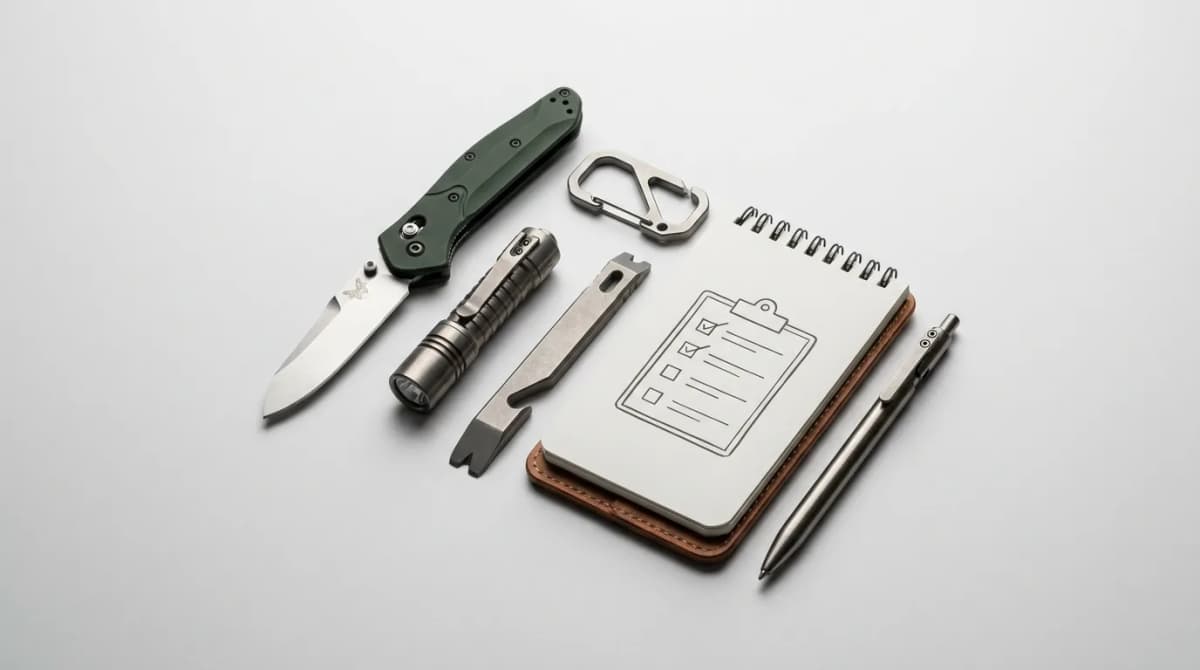
EDC Kickstarter Checklist: 10 Checks to Run First
EDC campaigns are everywhere this fall. Use this 10-point checklist, built on Kickstarter's own rules, to judge knives, lights and clips before you pledge.
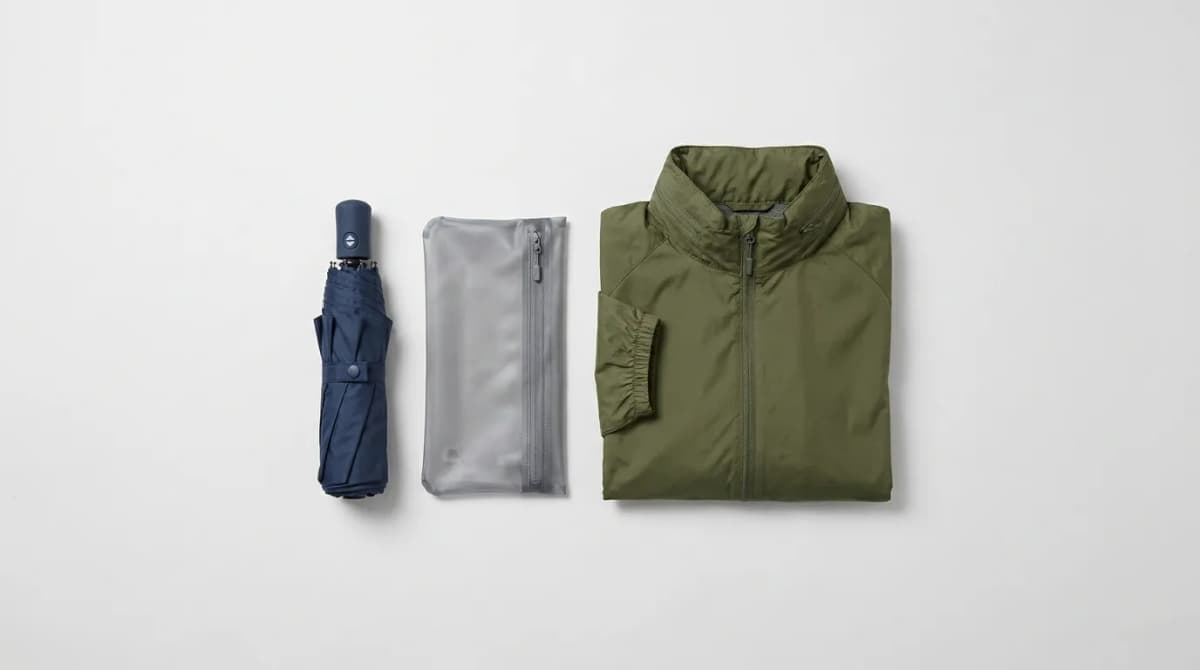
EDC for Rainy Cities: The Complete Setup
Rainy-city EDC means canopy, wet pouch, and smarter fabrics. Build a daily carry that stays dry on transit without soaking your bag or pockets.
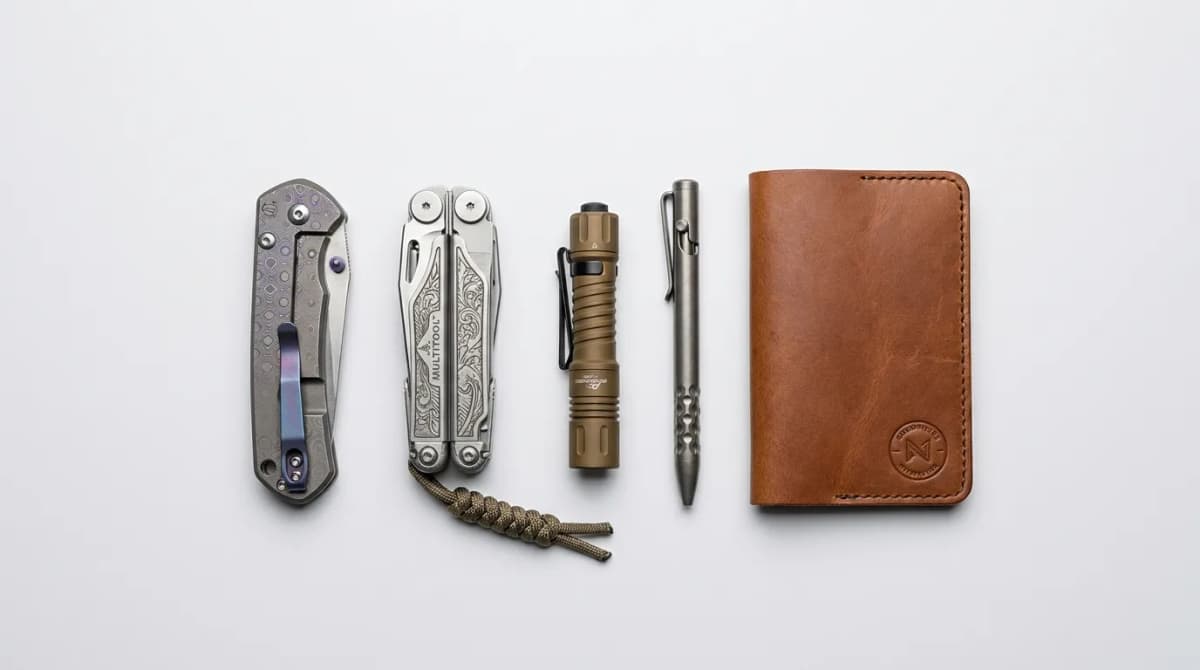
DIY EDC Mods: Personalize Your Everyday Carry Gear
Learn practical DIY modifications for your EDC gear: paracord wraps, anodizing, custom scales, and personalization techniques that improve function and style.
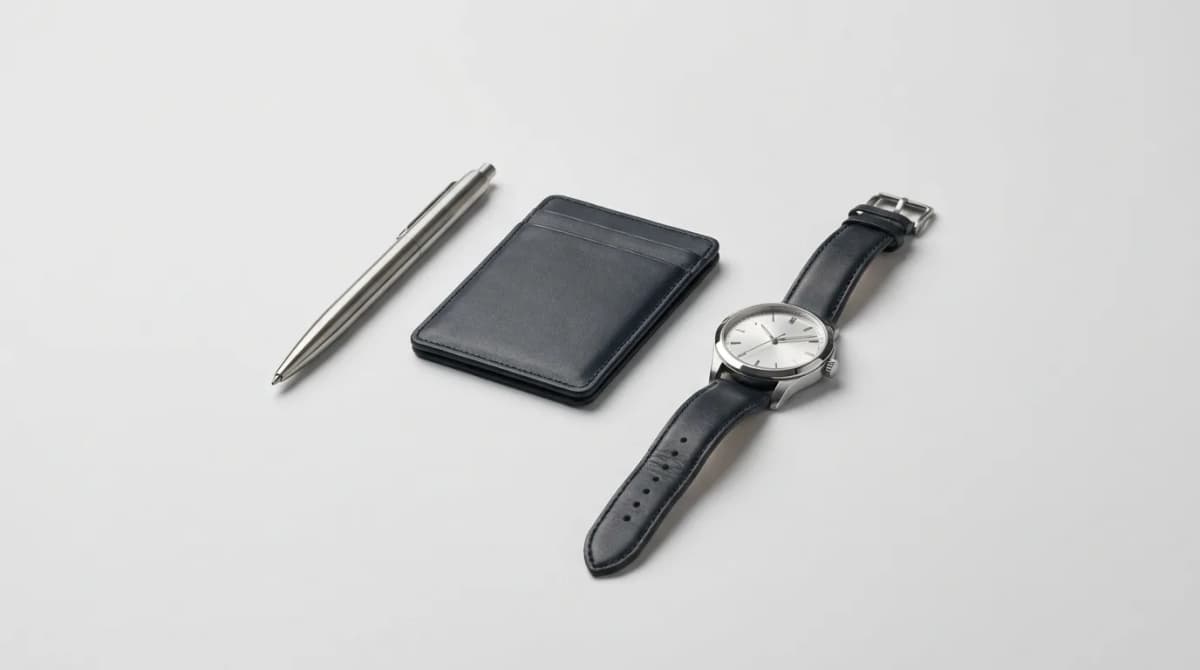
EDC for the Office and After Hours
Building an EDC that works from boardroom to bar requires smart choices, not duplicate gear. Here's how to carry less and do more.