Best EDC Gear for Beginners: Starter Kit Guide
A beginner EDC kit for about $100 to $175: one knife, one light, one pen, a slim wallet and a key fix. Exact picks, prices as of Oct 2026, and what to skip.
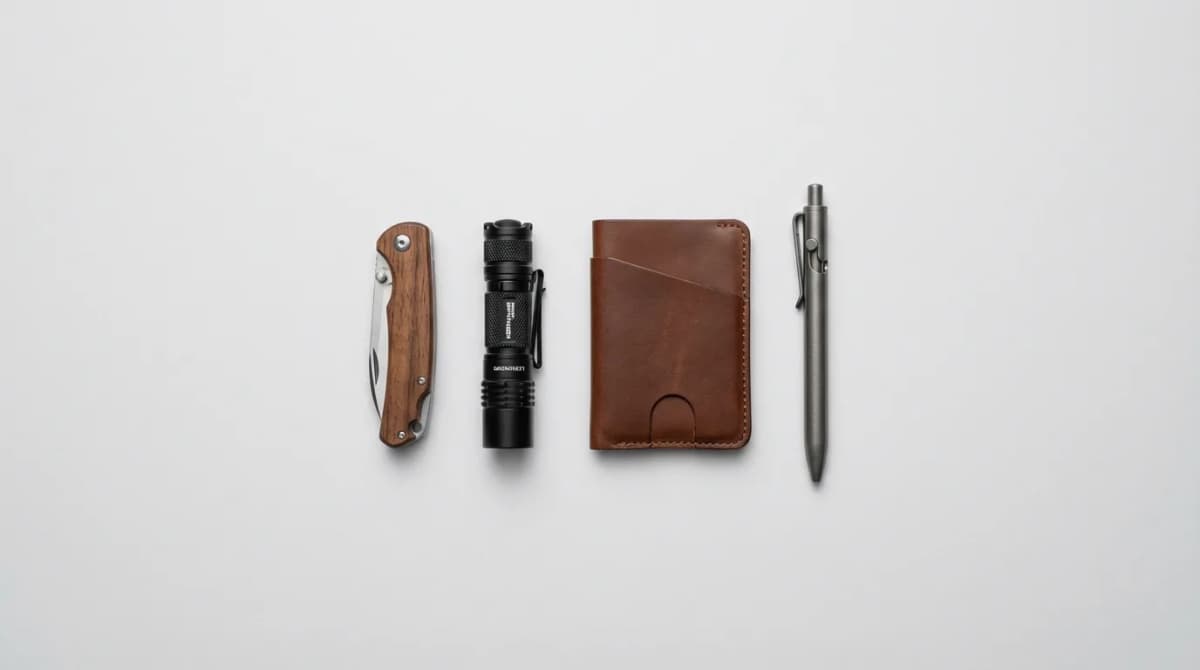
Quick picks: the starter kit (prices as of Oct 2026)
Quick Picks
Our top recommendations at a glance:
- 1
CRKT Pilar~$40- 2
- 3
Olight i3T EOS~$18- 4
Streamlight MicroStream USB~$35-$41- 5
Zebra F-701~$8-$10Advertisement
- Knife: CRKT Pilar, 2.4-inch blade, about $40. Or a Victorinox Cadet Alox, about $45, if you want a Swiss Army knife.
- Light: Olight i3T EOS, 180 lumens on one AAA, about $18. Or a Streamlight MicroStream USB, 250 lumens, rechargeable, about $35 to $41.
- Pen: Zebra F-701, all-metal, about $8 to $10.
- Wallet: Any slim card holder. The Ridge Aluminum is $95 list, often on sale.
- Later: Leatherman Skeletool, about $90, once you know you need pliers.
- Under $100 total: Ontario RAT 2 D2 ($49.95) + Olight i3T EOS + Zebra F-701 + Gerber Shard ($7.99), roughly $85 to $90.
- New job, office carry: Victorinox Classic SD ($24), Zebra F-701 and a Field Notes 3-pack ($12.95).
Start with the four things that solve daily friction: cutting, light, writing, and a wallet and keys that don't bulge. Carry them for a month before you buy anything else.
| Item | Pick | Key spec | Price (as of Oct 2026) | Why it fits beginners |
|---|---|---|---|---|
| Knife | CRKT Pilar | 2.4-in 8Cr13MoV blade, frame lock | ~$40 | Small, one-hand open, easy to sharpen |
| Knife (alt) | Victorinox Cadet Alox | Multi-tool SAK, 1.6 oz | ~$45 | Non-threatening, adds screwdriver and opener |
| Light | Olight i3T EOS | 180 lm, 1x AAA | ~$18 | Batteries everywhere, simple tail switch |
| Light (alt) | Streamlight MicroStream USB | 250 lm, rechargeable | ~$35-$41 | No batteries to buy |
| Pen | Zebra F-701 | All-metal, standard refill | ~$8-$10 | Cheap, durable, refillable |
| Upgrade | Leatherman Skeletool | Pliers multi-tool, 5 oz | ~$90 | Only once you need pliers |
| Budget knife | Ontario RAT 2 (D2) | 3.0-in D2 blade, liner lock, 2.7 oz | $49.95 (KnifeCenter, Oct 2026) | Larger blade for the under-$100 kit |
| Keychain tool | Gerber Shard | 7 functions, 1.0 oz, airline safe | $7.99 (Gerber, Oct 2026) | Pry, drivers and opener with no blade |
| Office knife | Victorinox Classic SD | 7 functions incl. scissors, nail file, tweezers | $24 (Victorinox US, Oct 2026) | Tiny and office-friendly |
| Notebook | Field Notes Original Kraft 3-pack | 48-page, 3.5 x 5.5 in | $12.95 (Field Notes, Oct 2026) | Notes without pulling out your phone |
How to build your loadout: the three-test framework
Before you buy anything beyond the core four, run each item through three tests:
- You actually carry it every day. If it stays home more often than not, it isn't part of your loadout.
- You use it often enough to justify the space. Give anything new at least two weeks. If you haven't touched it in a month, cut it.
- It doesn't make carrying uncomfortable. Bulk and weight are why most gear ends up in a drawer.
Then give every item a fixed home. A simple pocket plan works for most people: knife (and maybe a small light) in your dominant-hand front pocket, keys on a clip or organizer in the other front pocket, phone in whichever has room, and a slim wallet in front instead of back so you're not sitting on it all day. Bigger tools like a full multi-tool can live on your belt or in your bag.
Your loadout should also flex with the season and setting. Jacket pockets in winter make room for extras like a battery bank or bigger multi-tool, while summer shorts call for a smaller knife and slimmer wallet. Flying means leaving blades at home or checking them, and international trips mean checking local knife laws first. Keep a personal baseline that never changes and add situational items on top.
Knife: CRKT Pilar or Victorinox Cadet
A beginner knife should open with one hand, lock, and be small enough that nobody flinches when you open a box. The CRKT Pilar has a 2.4-inch 8Cr13MoV blade with a frame lock, at about $40 (BladeHQ lists it at $39.95). 8Cr13MoV doesn't hold an edge as long as premium steel, but it's easy to sharpen. Our knife care guide shows how.
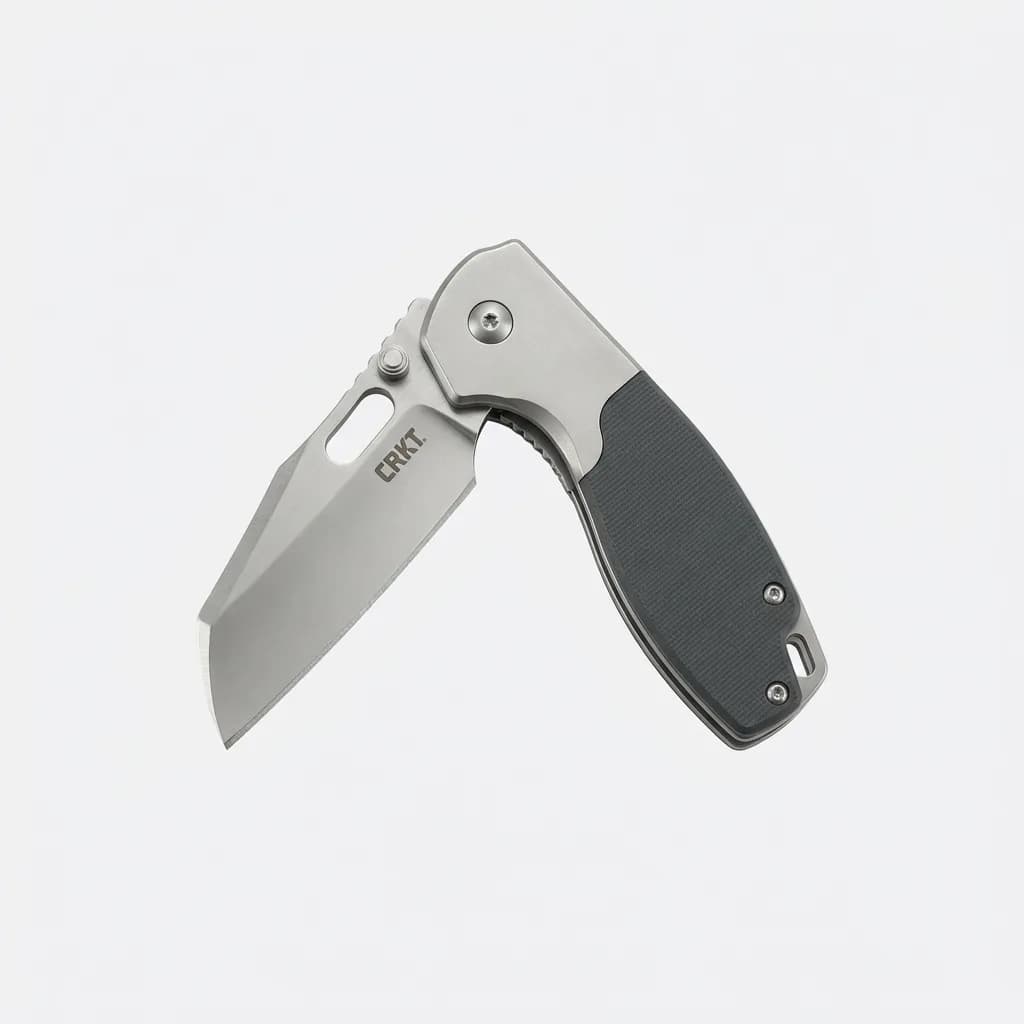
CRKT Pilar
~$40
Compact frame-lock folder with a 2.4-inch 8Cr13MoV blade. About $40 (as of Oct 2026).
If you'd like a Swiss Army knife instead, the Victorinox Cadet Alox is $45 at Victorinox US and weighs 1.6 oz. Its blade doesn't lock, but it adds drivers and a cap lifter. Want a step up? The Kershaw Leek (3-inch 14C28N blade) now runs about $73 to $100, so it's no longer a budget pick. Carrying a Swiss Army Knife? Our Lamprey91 pocket clip compatibility guide shows which models it fits.
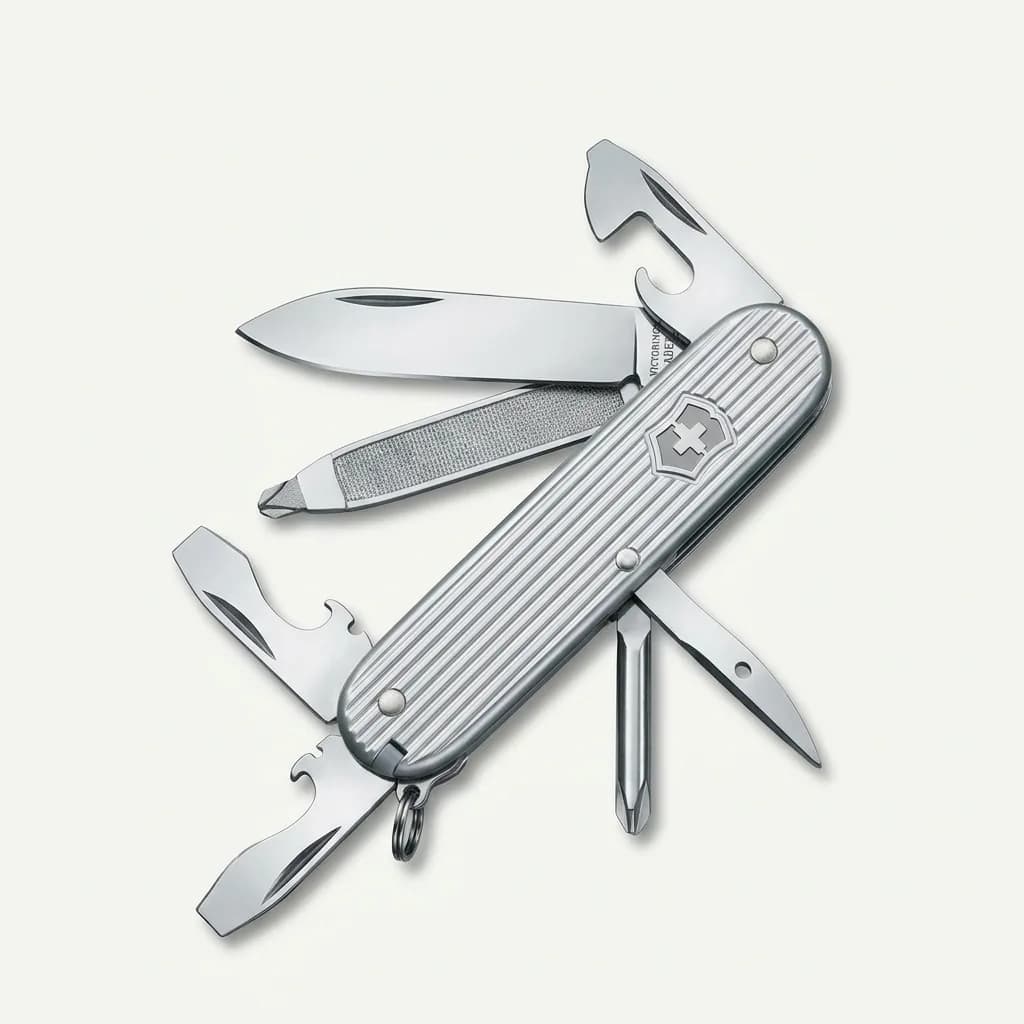
Victorinox Cadet Alox
~$45
Slim aluminum-scaled Swiss Army knife with blade, drivers and cap lifter. 1.6 oz, $45 (Victorinox US, as of Oct 2026).
Check local knife laws before you carry.
Light: Olight i3T EOS or Streamlight MicroStream USB
You don't need 1,000 lumens to find keys under a car seat. The Olight i3T EOS runs on one AAA with 180 lumens high and 5 lumens low, for about $18. If you'd rather recharge, the Streamlight MicroStream USB puts out 250 lumens high and 50 low, for about $35 to $41.
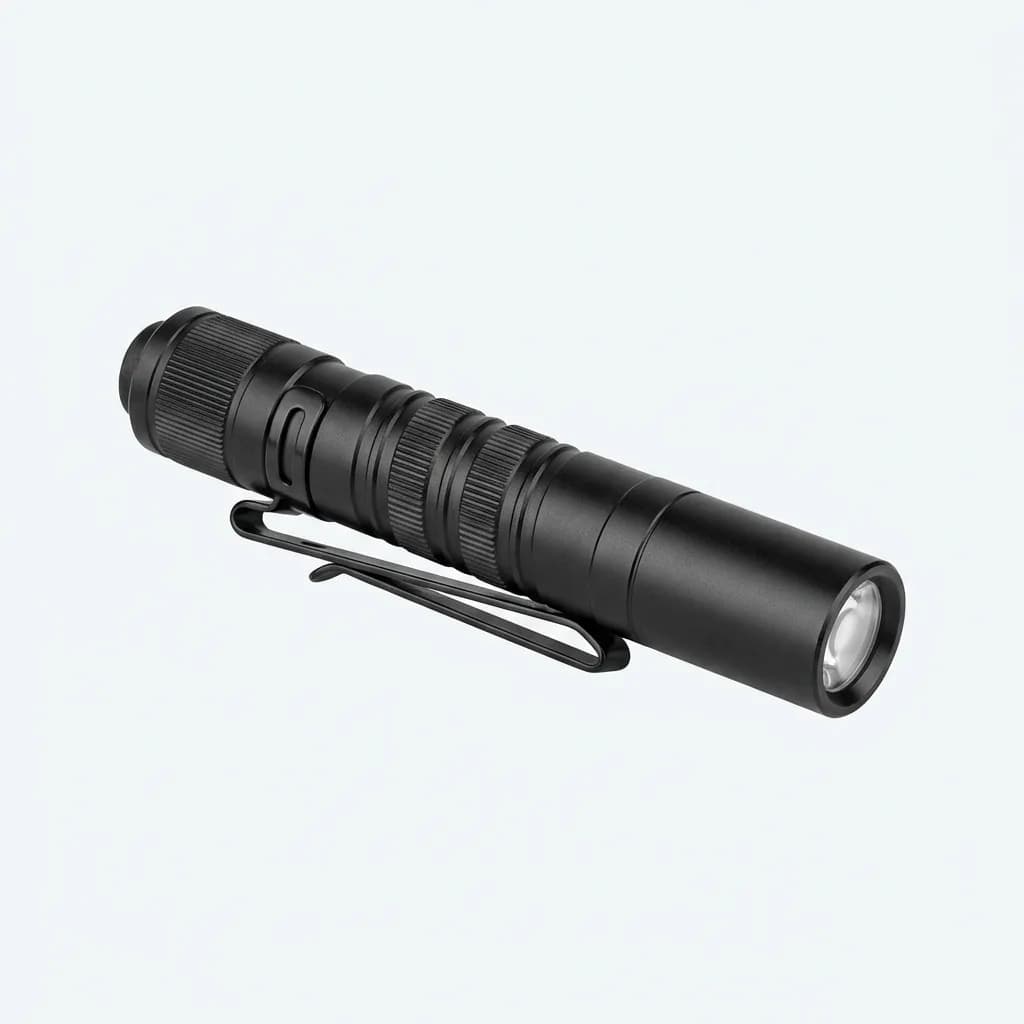
Olight i3T EOS
~$18
AAA tail-switch pocket light, 180 lm high / 5 lm low. About $18 (Olight, as of Oct 2026).
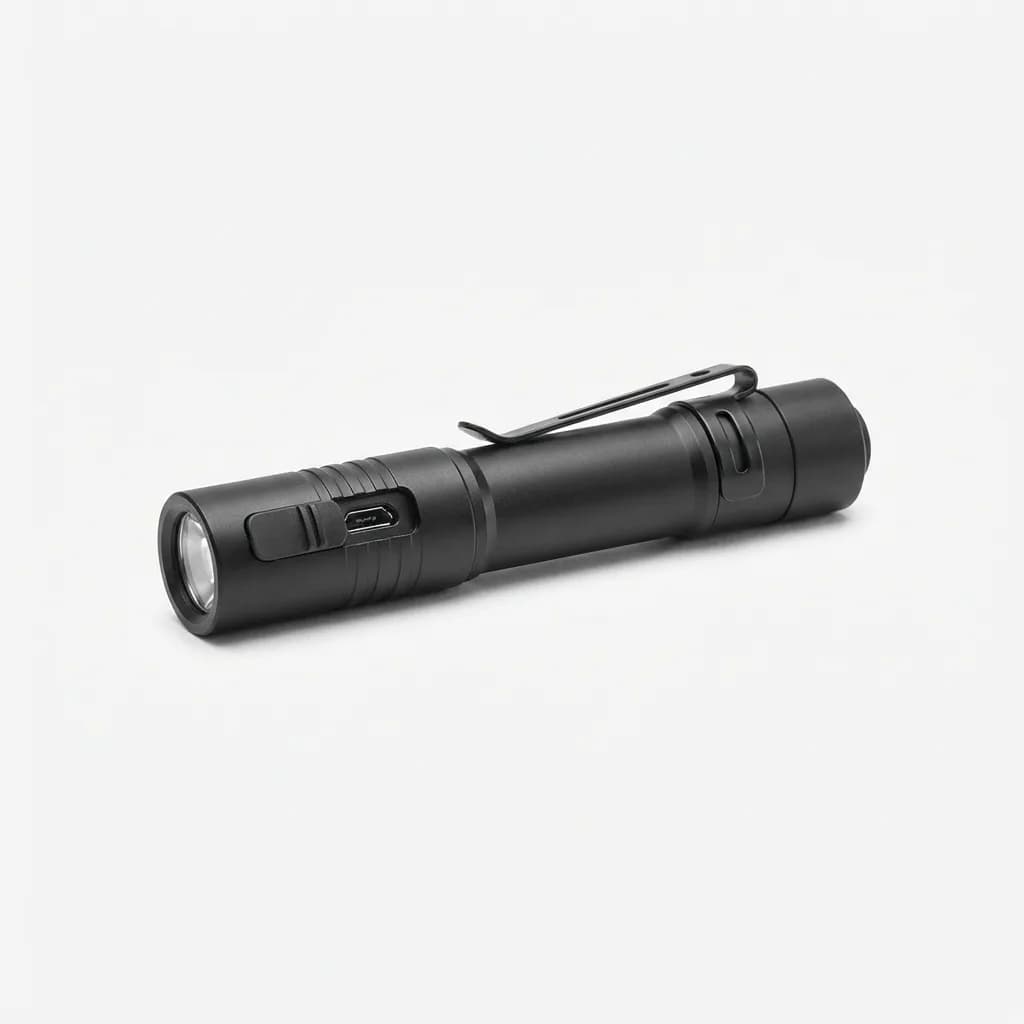
Streamlight MicroStream USB
~$35-$41
Rechargeable pen-size light, 250 lm high / 50 lm low. About $35-$41 (as of Oct 2026).
For more options, see best rechargeable EDC flashlights with USB-C.
Pen: Zebra F-701
The F-701 is a stainless-bodied retractable ballpoint that costs less than lunch, about $8 to $10 depending on the retailer. It takes standard Zebra F refills, so it can last for years.
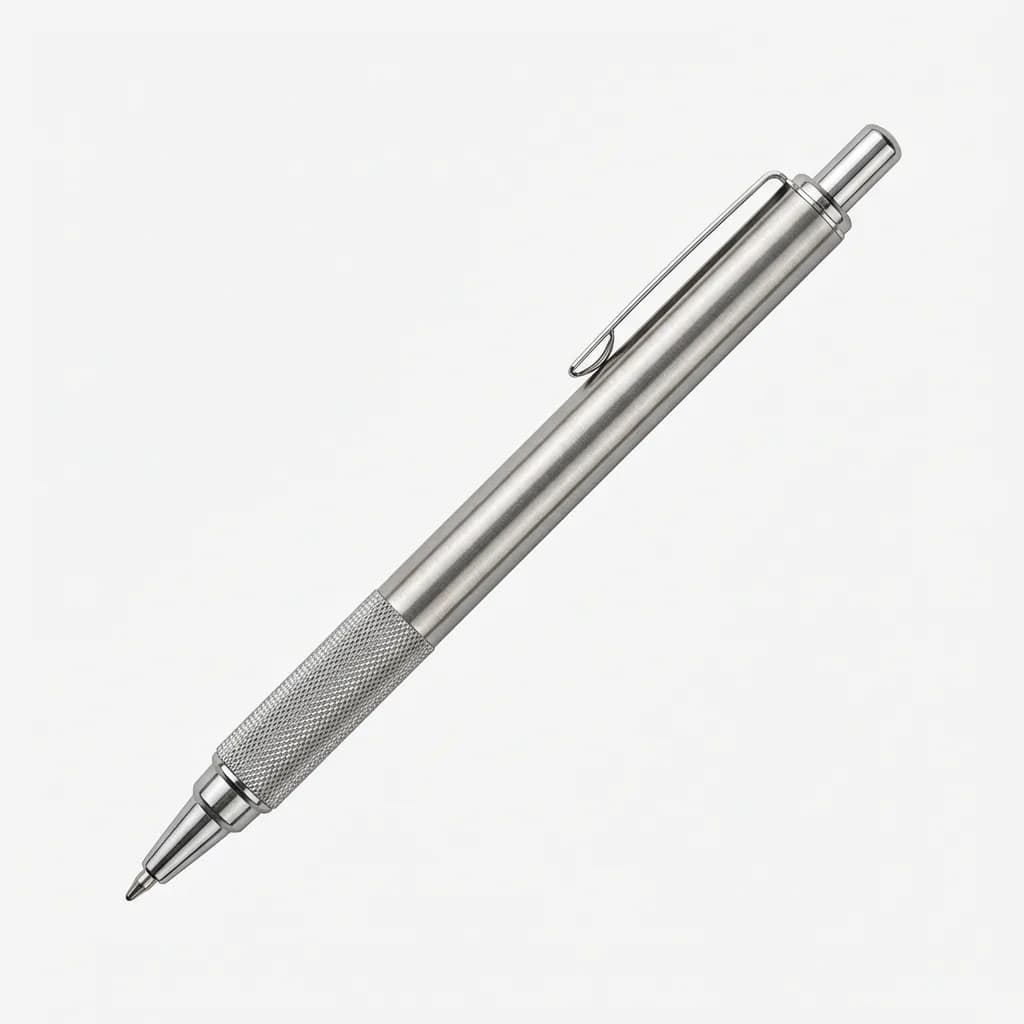
Zebra F-701
~$8-$10
Stainless steel retractable ballpoint, 0.7 mm, refillable. About $8-$10 (as of Oct 2026).
A complete kit under $100
If $100 is a hard ceiling, this is the build, with every price checked in Oct 2026:
- Knife: Ontario RAT 2 (D2), $49.95
- Light: Olight i3T EOS, about $18
- Pen: Zebra F-701, about $8 to $10
- Keychain tool: Gerber Shard, $7.99
That comes to roughly $85 to $90 and leaves a little room for a basic card sleeve. Spend on the knife first, because it's the tool you'll use most. A cheap light or keychain tool is fine, since budget LEDs are good now and a keychain tool is a backup, not a primary. On a tight budget? See our best EDC under $25 that is not junk.
The RAT 2 is a step up in size from the Pilar. KnifeCenter lists the D2 version with a 3.0-inch blade, liner lock, four-position pocket clip and a weight of 2.7 oz, at $49.95 (price at publish, Oct 2026; source). It was in stock when we checked.
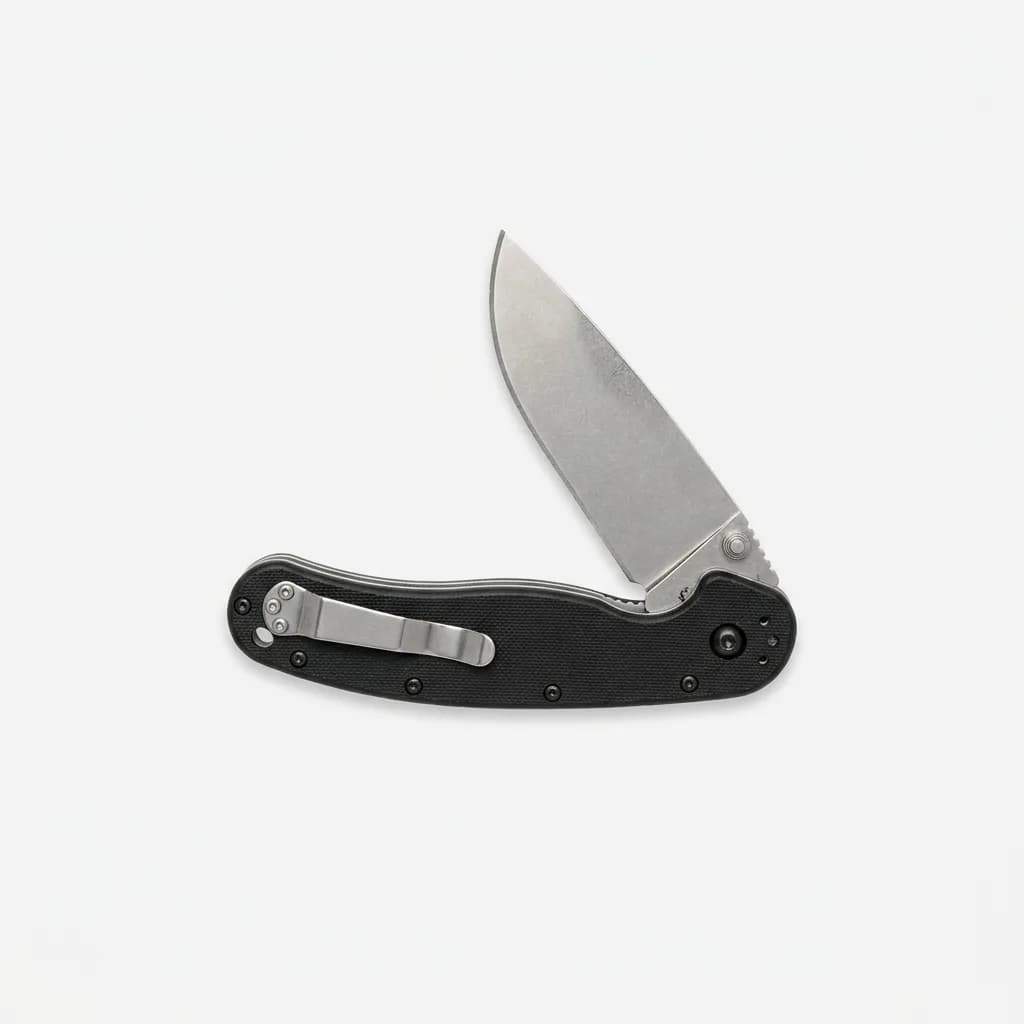
Ontario RAT 2 (D2)
$49.95
3.0-inch D2 drop-point blade, liner lock, 4-position clip, 2.7 oz. $49.95 price at publish (Oct 2026), KnifeCenter.
The Gerber Shard is a flat keychain tool with seven functions: pry bar, small and large flathead drivers, cross driver, wire stripper, bottle opener and lanyard hole. Gerber lists it at 1.0 oz, airline safe, for $7.99 (price at publish, Oct 2026; source), and it showed in stock. For more options, see our keychain tools guide.
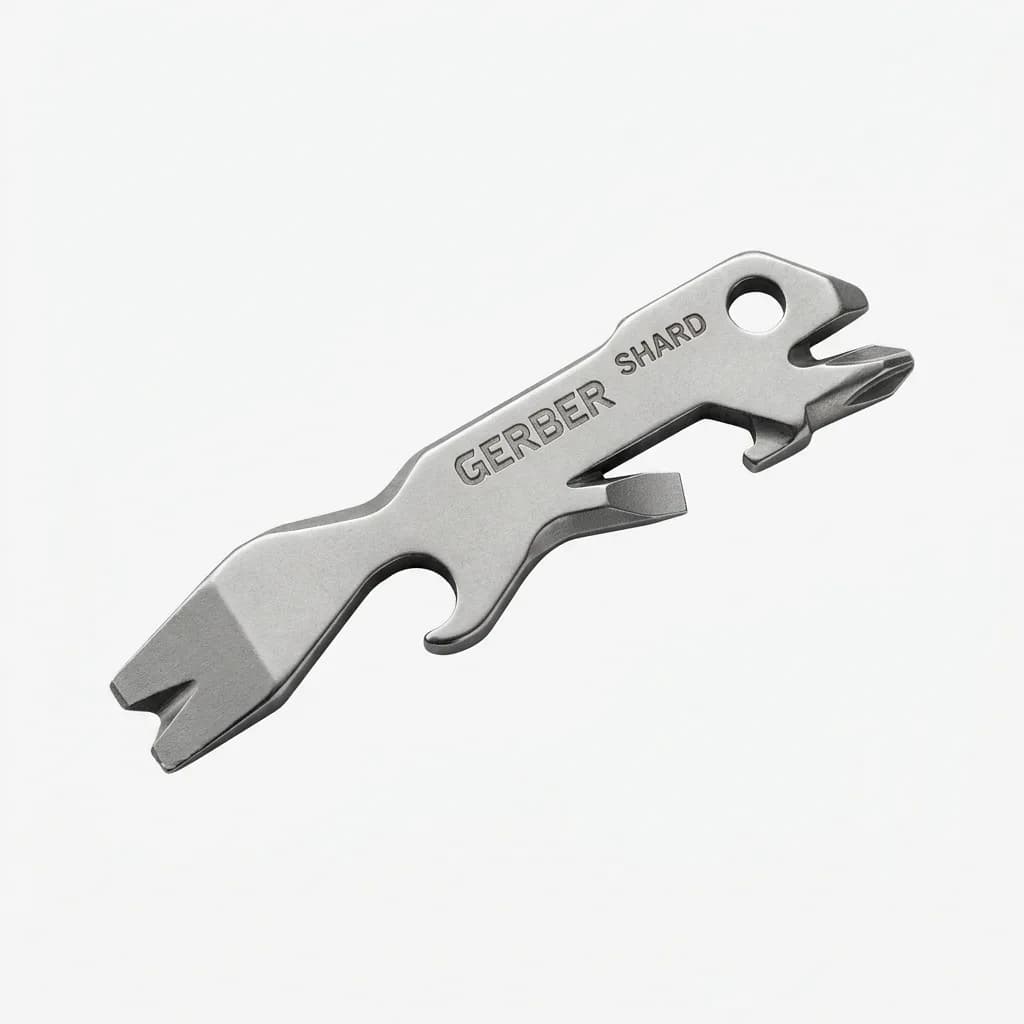
Gerber Shard
$7.99
7-function keychain tool with pry bar, drivers, wire stripper and bottle opener. 1.0 oz, airline safe. $7.99 price at publish (Oct 2026), Gerber.
Want to stretch the budget further? Gently used gear on forums like r/EDCexchange often sells well below retail. Buy only from sellers with clear photos and a good track record.
Starting a new job: the office-friendly kit
A first professional job changes the rules. A big folder clipped to your pocket can raise eyebrows, and a flashlight matters less under office lights. Focus on what comes up at a desk: writing, notes, keys, cards and small fixes.
- Pen: The Zebra F-701 above looks fine on a conference table and is refillable.
- Notebook: Writing in a pocket notebook during a meeting looks more engaged than typing on your phone.
- Small tool: The Victorinox Classic SD or the Gerber Shard (choose one, not both).
- Keys: A stacking key organizer stops the jangle. Compare options in our key organizer guide.
- Wallet: A slim card holder (see the wallet section below).
Victorinox lists the Classic SD as a 7-function knife with a small blade, scissors, nail file and tweezers, at $24 on its US site (price at publish, Oct 2026; source), in stock.
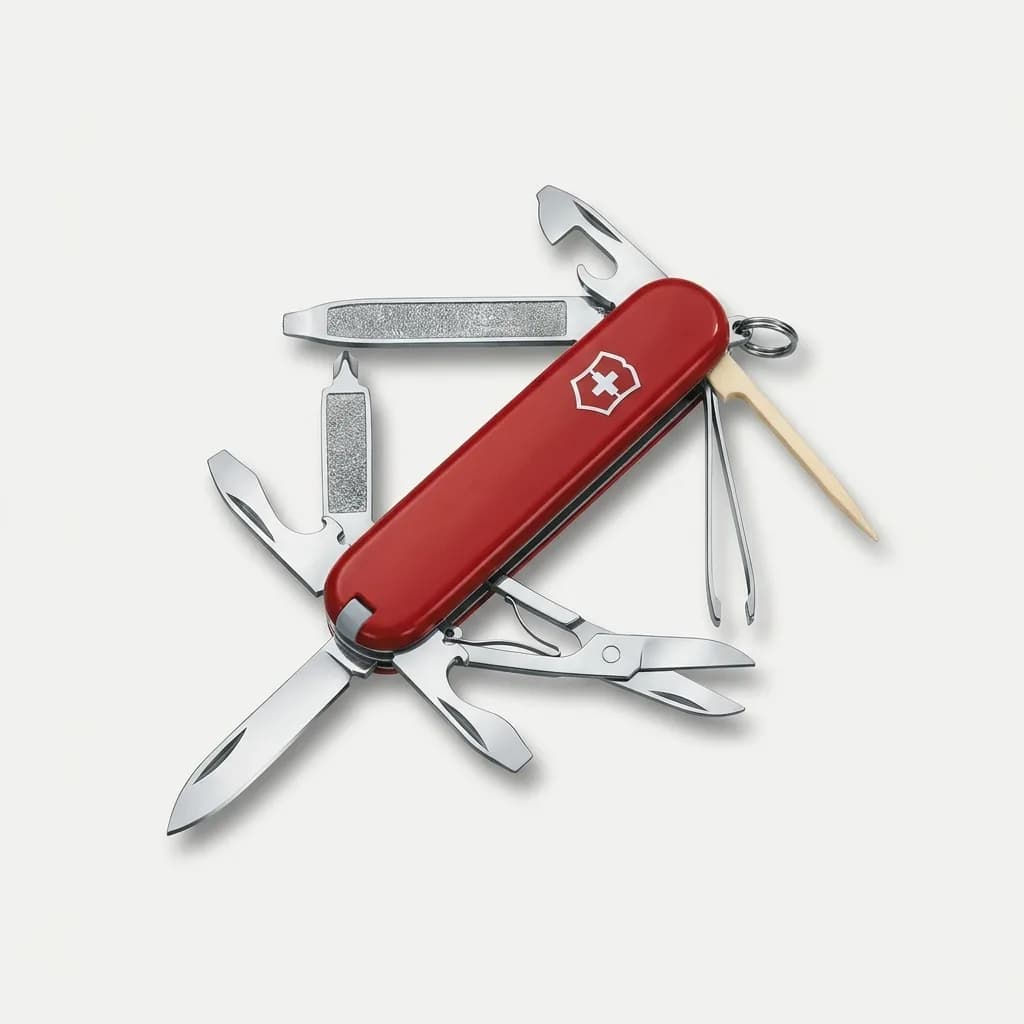
Victorinox Classic SD
$24
Small 7-function Swiss Army knife with blade, scissors, nail file and tweezers. $24 price at publish (Oct 2026), Victorinox US.
Field Notes Original Kraft memo books come in a 3-pack of 48-page, 3.5 x 5.5 inch books, in graph, ruled or plain, for $12.95 (price at publish, Oct 2026; source), in stock.
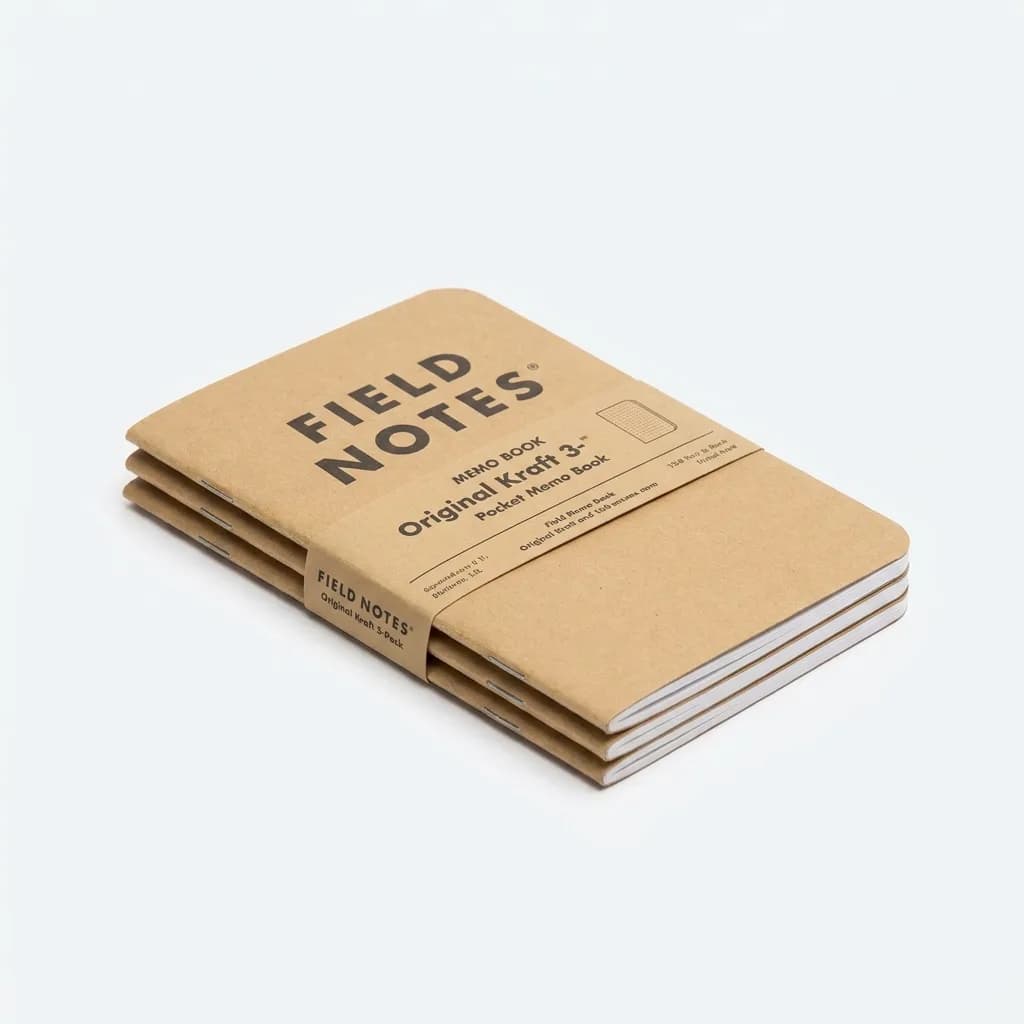
Field Notes Original Kraft 3-Pack
$12.95
Three 48-page 3.5 x 5.5 inch pocket memo books. $12.95 price at publish (Oct 2026), Field Notes.
Phase it in. Start with the wallet and pen, because you'll use them every day, and add the rest once you notice the gap.
Wallet and keys
Swap a thick bifold for a slim card holder. Our minimalist wallet guide compares Ridge, Bellroy, Secrid and others. For keys, a stacking key organizer stops the jangle. Our key organizer guide compares current models.
Later: Leatherman Skeletool
Add pliers only once you notice you need them. The Skeletool is a 7-in-1 at about 5 oz, and Leatherman lists it at $89.95.
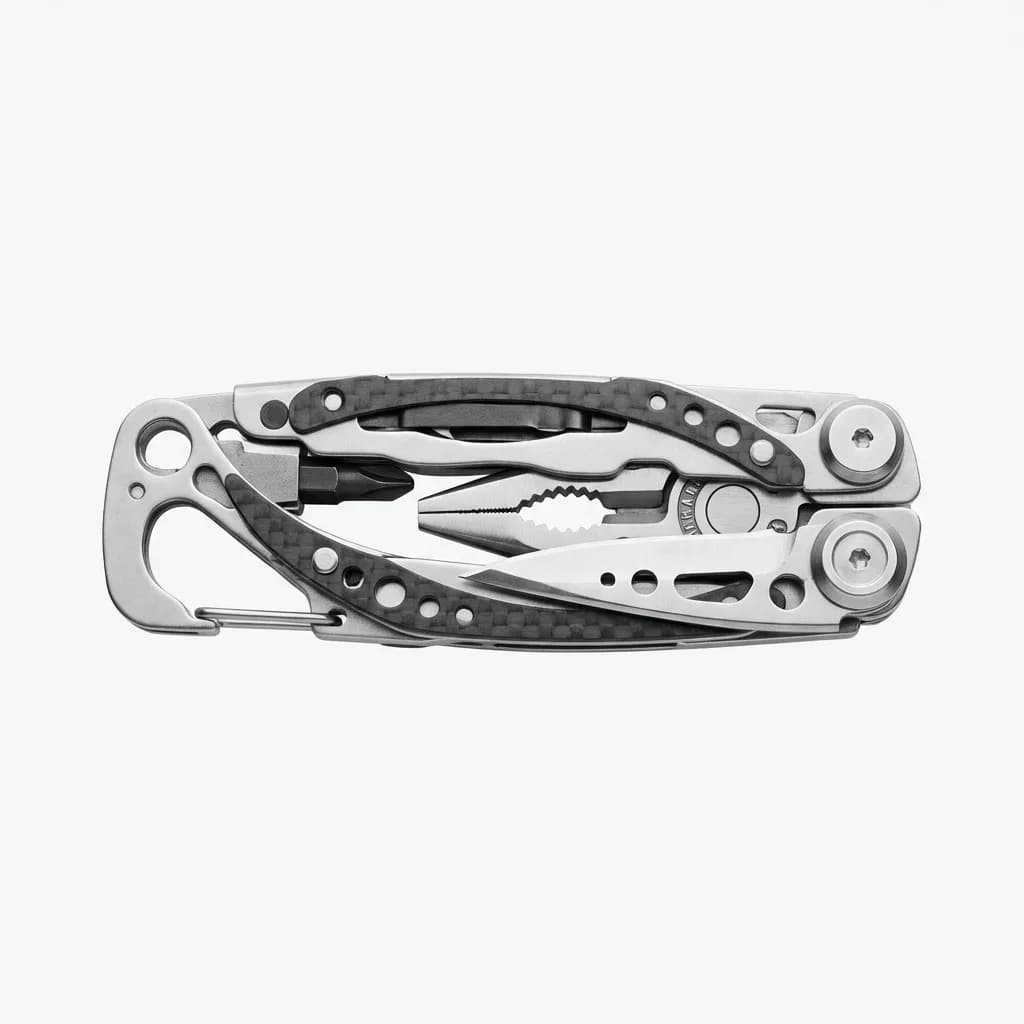
Leatherman Skeletool
~$90
7-in-1 multi-tool with pliers, blade, bit driver and carabiner clip. About 5 oz, $89.95 (Leatherman, as of Oct 2026).
Beginner mistakes to skip
- Buying everything at once. Add one item at a time and carry it for two weeks.
- Buying for looks. Titanium doesn't cut better. Function first.
- Pre-made "EDC kits." Picking each item yourself usually gets you better gear for the same money.
- Ignoring weight. Heavy gear ends up in a drawer.
- Buying cheap copies of expensive designs. A knockoff of a premium wallet or knife usually has the weak points without the strengths. Pick a different design at your price instead.
- Buying several budget options to "try out" styles. That's how you spend $200 to save $100. Pick one per category and carry it for a month.
More on this in everyday carry mistakes to avoid, or keep it all in one place with how to build a one-pocket EDC. Ready for pliers? Our multi-tools by profession guide covers the next step.
FAQ
How much should a first EDC kit cost? About $100 to $175 for the core four plus a wallet fix. The under-$100 build above works if money is tight.
What should I buy first? The knife, if it's legal where you live and work. In an office, start with the pen and a slim wallet.
Can I carry EDC gear at an office job? Usually yes, if you keep it low-key. A small Swiss Army knife or a bladeless keychain tool draws far less attention than a big folder. Check workplace policy.
Can I fly with my EDC? Not with knives in your carry-on in the US. Pack blades in checked luggage or leave them home, and check local laws before you travel abroad.
How do I know if something belongs in my kit? Use the three tests: you carry it daily, you use it, and it doesn't make carrying uncomfortable. If it fails any one of them, cut it.
The Weekly Dispatch
Enjoying this article?
Subscribe and get our best gear picks delivered every Sunday morning.
Related Posts
EDC Kickstarter Checklist: 10 Checks to Run First
EDC campaigns are everywhere this fall. Use this 10-point checklist, built on Kickstarter's own rules, to judge knives, lights and clips before you pledge.
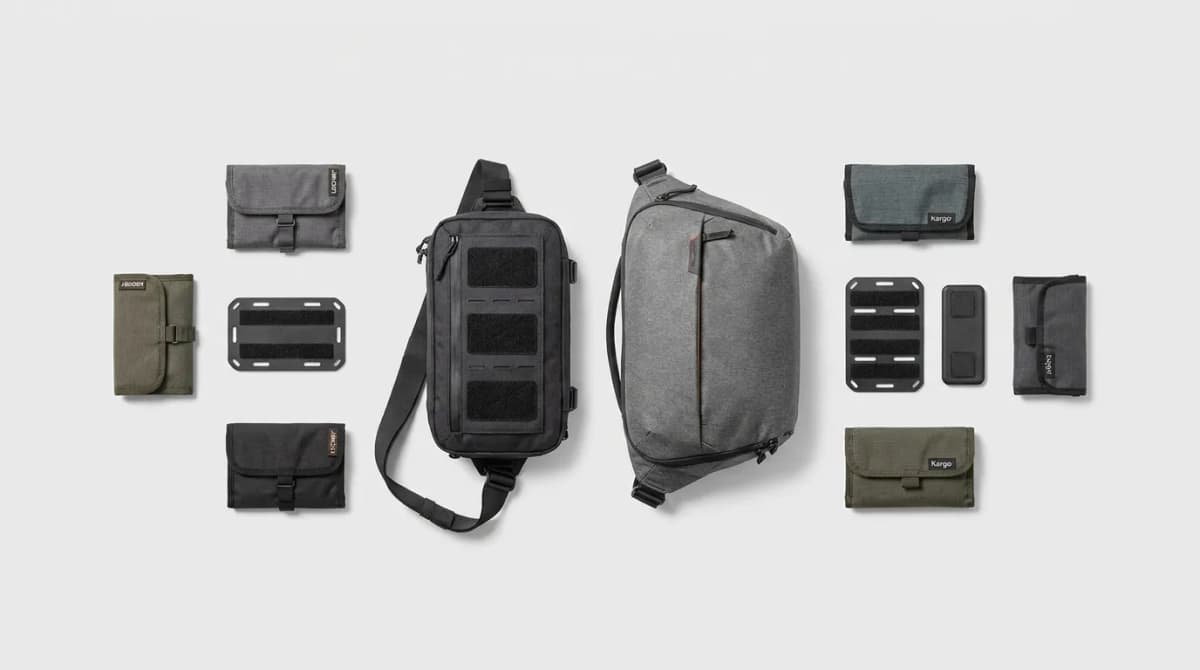
VAULT Sling vs Peak Design: Modular EDC Sling 2026
Tool-and-tech EDC slings, not camera bags. VAULT Flex Boards and 7L–9L magnetic expand vs Peak Design Everyday 6L, plus LOCHBY and Kargo.
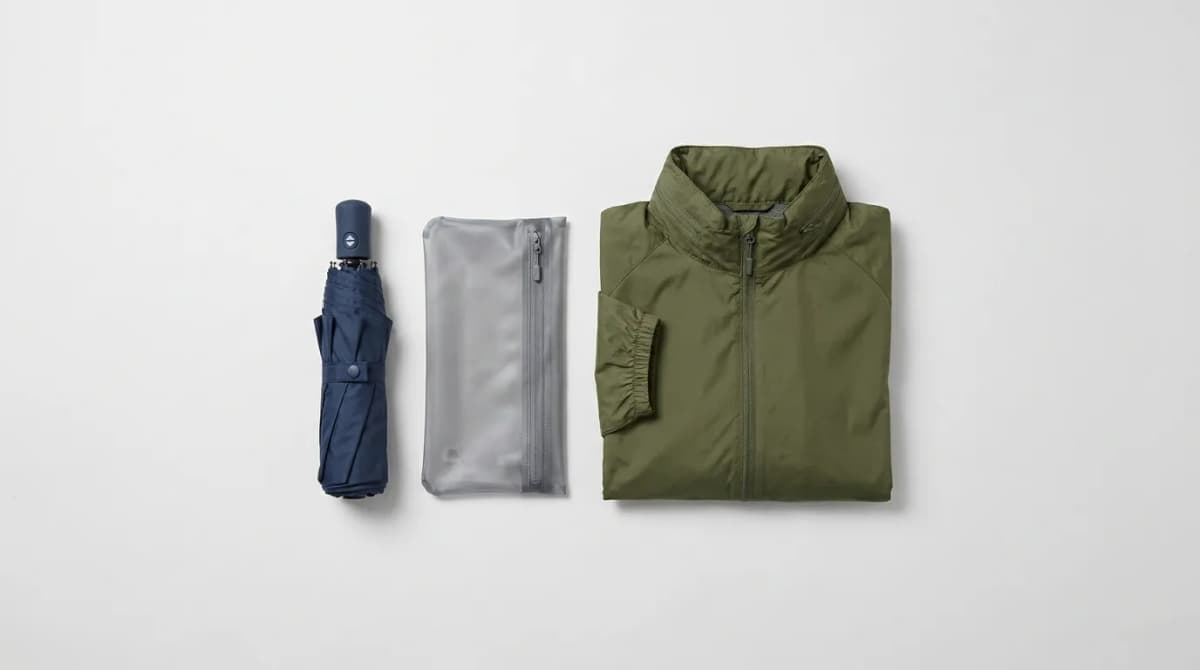
EDC for Rainy Cities: The Complete Setup
Rainy-city EDC means canopy, wet pouch, and smarter fabrics. Build a daily carry that stays dry on transit without soaking your bag or pockets.
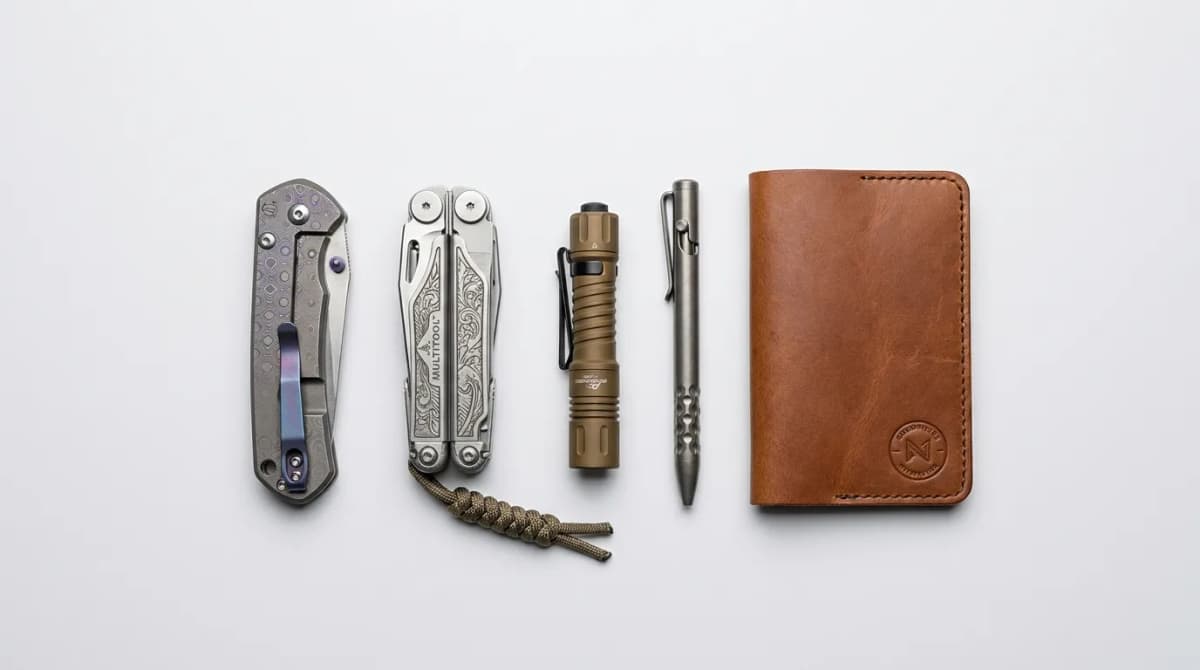
DIY EDC Mods: Personalize Your Everyday Carry Gear
Learn practical DIY modifications for your EDC gear: paracord wraps, anodizing, custom scales, and personalization techniques that improve function and style.