Best Multi-Tools for Every Profession (2026)
The right multi-tool for electricians, IT pros, outdoor guides and everyday carry, with maker prices checked in Oct 2026.

Quick picks (price at publish, Oct 2026)
Quick Picks
Our top recommendations at a glance:
- 1
Leatherman Surge$159.95- 2
- 3
Gerber Center-Drive$154.99- 4
Leatherman Signal$149.95- 5
Leatherman Wave Plus$129.95Advertisement
- Electricians: Leatherman Surge, $159.95, replaceable wire cutters and 21 tools.
- Trades on a budget: Gerber Multi-Plier 600 Basic, $99.99, one-hand sliding jaws.
- IT and bit-driver work: Gerber Center-Drive, $154.99, center-axis magnetic bit driver.
- Outdoor guides: Leatherman Signal, $149.95, 19 tools at 7.5 oz.
- All-rounder: Leatherman Wave Plus, $129.95, 18 tools at 8.5 oz.
- Light EDC: Leatherman Skeletool, $89.95. Budget EDC: Gerber Suspension-NXT, $54.99. Keychain: Victorinox Classic SD, $24.
Count the tools you actually use, not the tools on the box. A 20-function tool with a weak wire stripper is worse for an electrician than a simpler tool with a good one. Pick by job first, then by weight.
How the picks compare
| Tool | Best for | Key feature | Price at publish (Oct 2026) |
|---|---|---|---|
| Leatherman Surge | Electricians, heavy trades | 21 tools, replaceable wire cutters | $159.95 |
| Gerber Multi-Plier 600 Basic | Trades on a budget | One-hand sliding pliers | $99.99 |
| Gerber Center-Drive | IT, assembly, bit work | Center-axis magnetic bit driver, 9.5 oz | $154.99 |
| Leatherman Signal | Outdoor guides, field work | 19 tools, 7.5 oz | $149.95 |
| Leatherman Wave Plus | All-round work and DIY | 18 tools, 8.5 oz, replaceable wire cutters | $129.95 |
| Leatherman Skeletool | Light pocket carry | Skeletonized frame, bit driver | $89.95 |
| Gerber Suspension-NXT | Budget EDC | Spring-loaded pliers, low price | $54.99 |
| Victorinox Classic SD | Keychain, travel | Tiny Swiss Army knife with scissors | $24.00 |
Best multi-tool for electricians
Electricians need three things: wire strippers that work, cutters that survive hard copper, and a blade that holds up on cable jacket. The Surge is one of Leatherman's two largest tools, with large pliers, replaceable wire cutters and a blade exchanger. It's heavy, so it belongs on a belt or in a tool bag rather than a pocket.
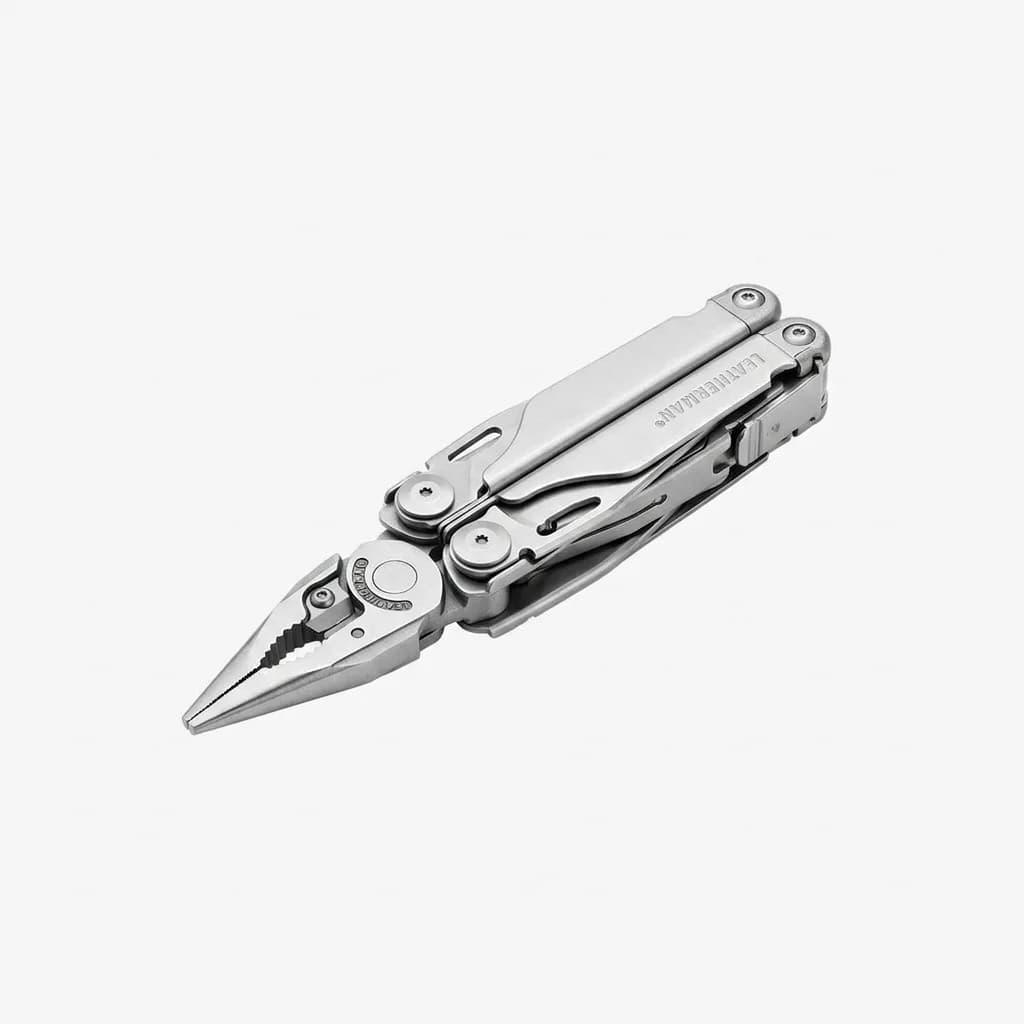
Leatherman Surge
$159.95
Heavy-duty 21-tool multi-tool with replaceable wire cutters, spring-action scissors and a blade exchanger. 25-year warranty (Leatherman specs, Oct 2026). Price at publish (Oct 2026), source: leatherman.com.
If you want a cheaper plier-first tool, the Gerber Multi-Plier 600 is the classic sliding-jaw design that opens with one hand, handy when your other hand is holding a wire.
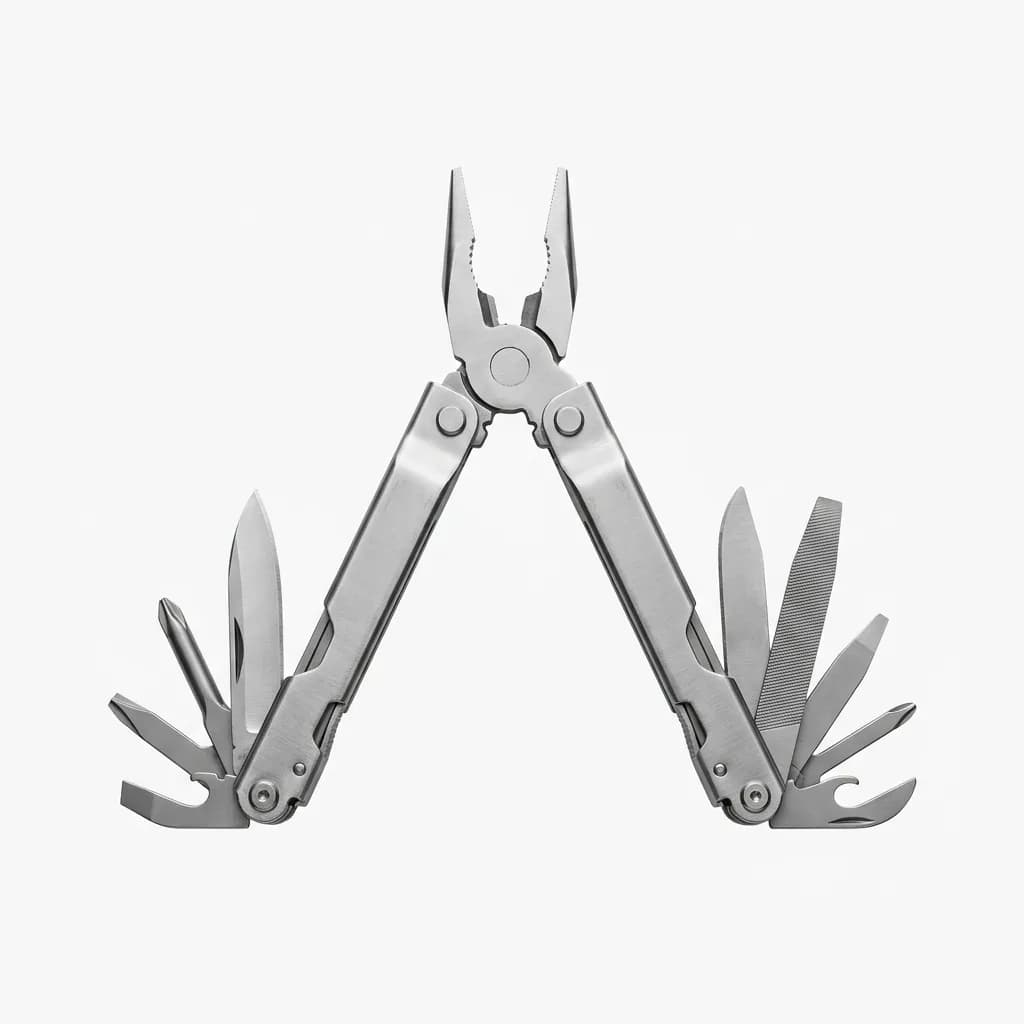
Gerber Multi-Plier 600 Basic
$99.99
Gerber's one-hand-opening sliding-jaw multi-plier. Price at publish (Oct 2026), source: gerbergear.com.
Best multi-tool for IT professionals
Network and desk-side work is mostly screws, cable ties and packaging. A real bit driver matters more than a saw. The Center-Drive's driver opens in line with the handle, like a normal screwdriver, and takes standard bits. Pair it with a precision bit set for small electronics. More ideas are in our guide to EDC tools for IT pros. For compact bit-driver multitools, see our GripNGo Vault vs Rixel Revolver comparison.
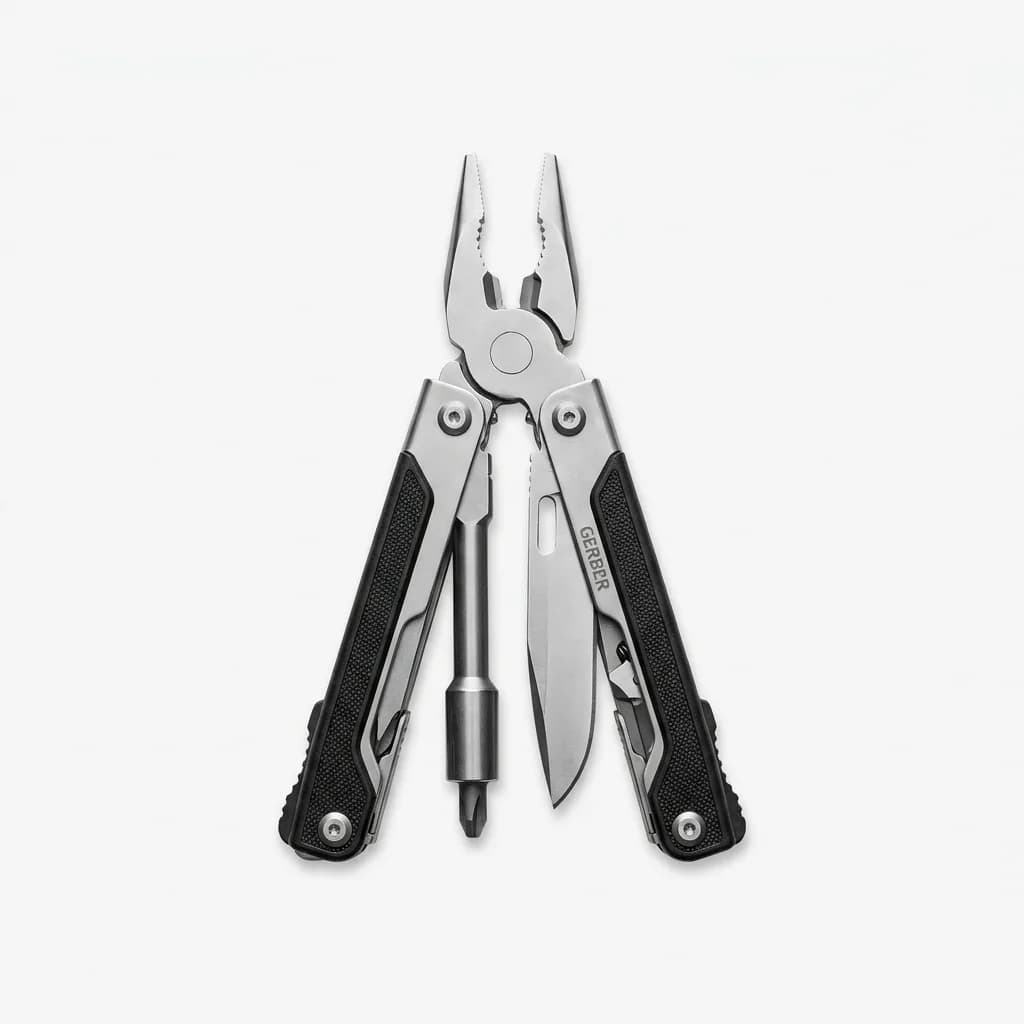
Gerber Center-Drive
$154.99
Full-size multi-tool with a magnetic 3.2-inch center-axis bit driver, 3.25-inch 420HC blade, one-thumb opening pliers and carbide wire cutters. 9.5 oz, made in USA (Gerber specs, Oct 2026). Price at publish (Oct 2026), source: gerbergear.com.
Best multi-tool for outdoor guides and field work
Field tools need a saw, a usable blade and something for fire or emergencies, without the weight of a trade tool. The Signal packs 19 tools at 7.5 oz. The Wave Plus is the safer all-round choice: 18 tools, all-locking implements and replaceable wire cutters, and it works as well around the house as on a trail.
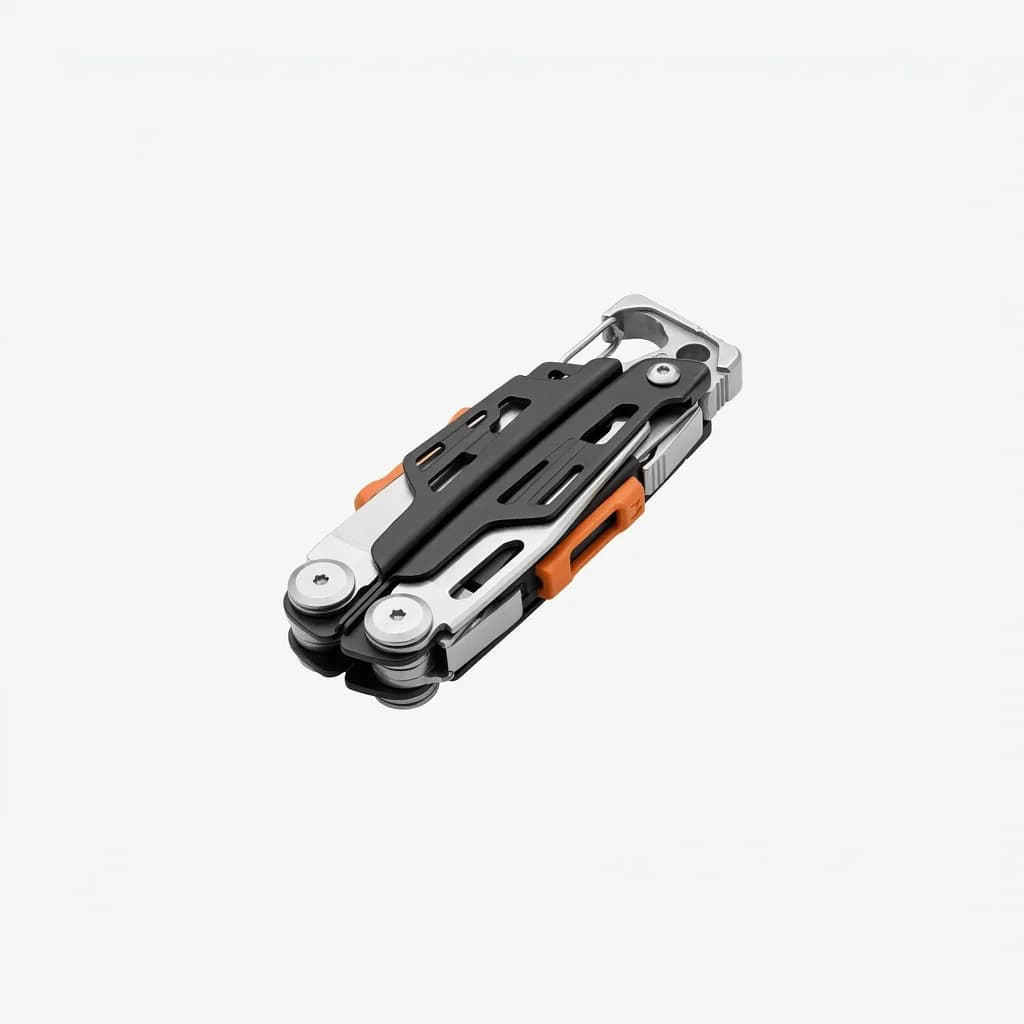
Leatherman Signal
$149.95
19-tool outdoor multi-tool, 7.5 oz and 4.5 in closed (Leatherman specs, Oct 2026). Price at publish (Oct 2026), source: leatherman.com.
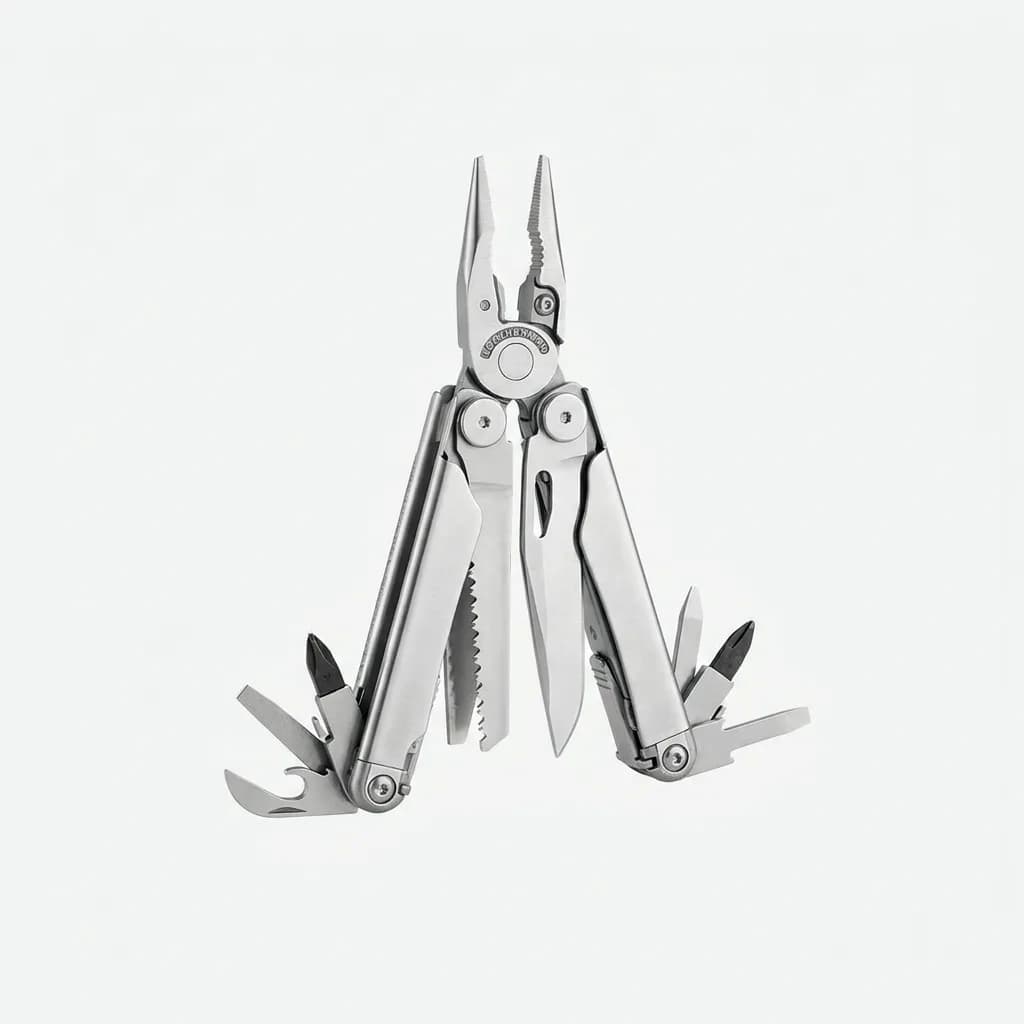
Leatherman Wave Plus
$129.95
Leatherman's best-selling multi-tool: 18 tools, all-locking features and replaceable wire cutters. 8.5 oz, 4 in closed (Leatherman specs, Oct 2026). Price at publish (Oct 2026), source: leatherman.com.
Best multi-tools for everyday carry
For daily pocket carry, weight wins. The Skeletool cuts the tool count down to the essentials in a skeletonized frame. The Suspension-NXT is the budget pick with spring-loaded pliers. And if you only want something on your keys, the Victorinox Classic SD covers scissors, a small blade and a file. See more small options in keychain tools you'll actually use and EDC card tools. Carrying a Swiss Army Knife? Our Lamprey91 pocket clip compatibility guide shows which models it fits.
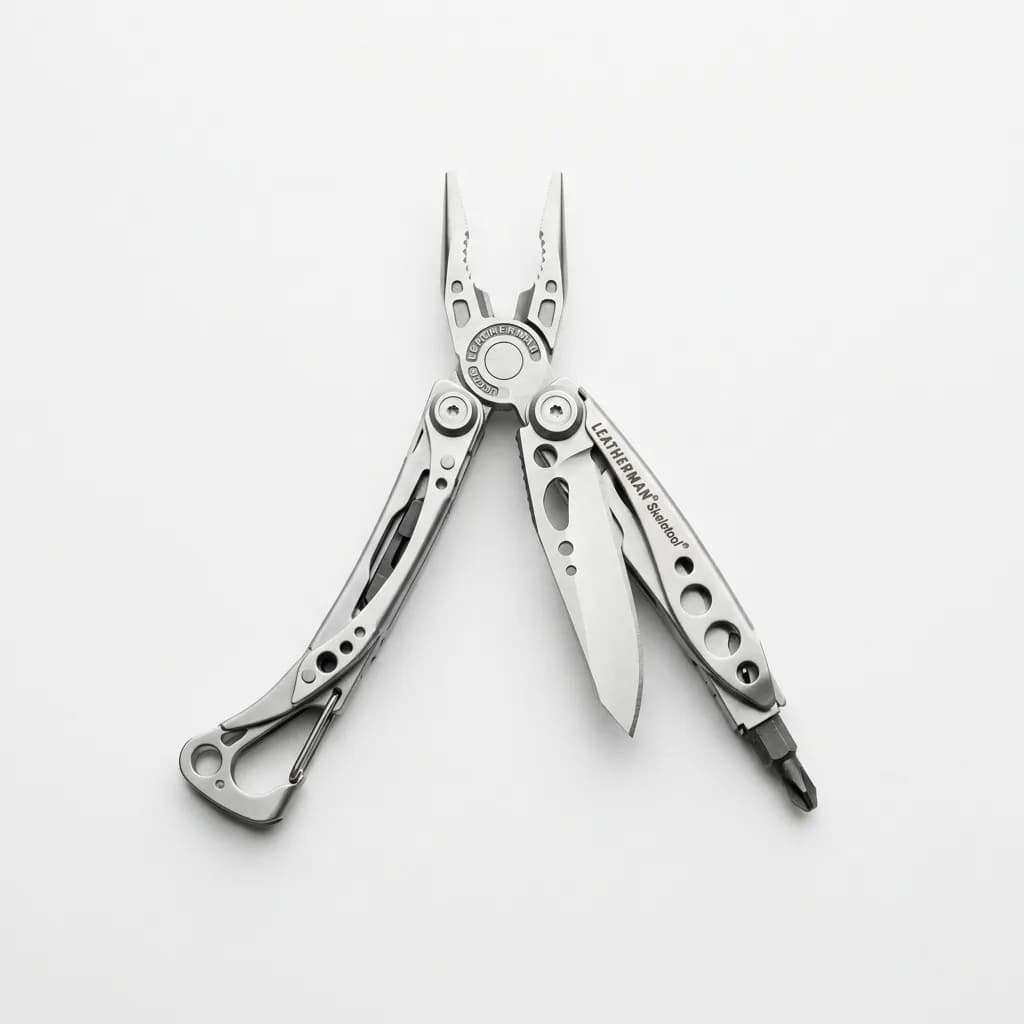
Leatherman Skeletool
$89.95
Lightweight skeletonized multi-tool with pliers, blade and bit driver. Price at publish (Oct 2026), source: leatherman.com.
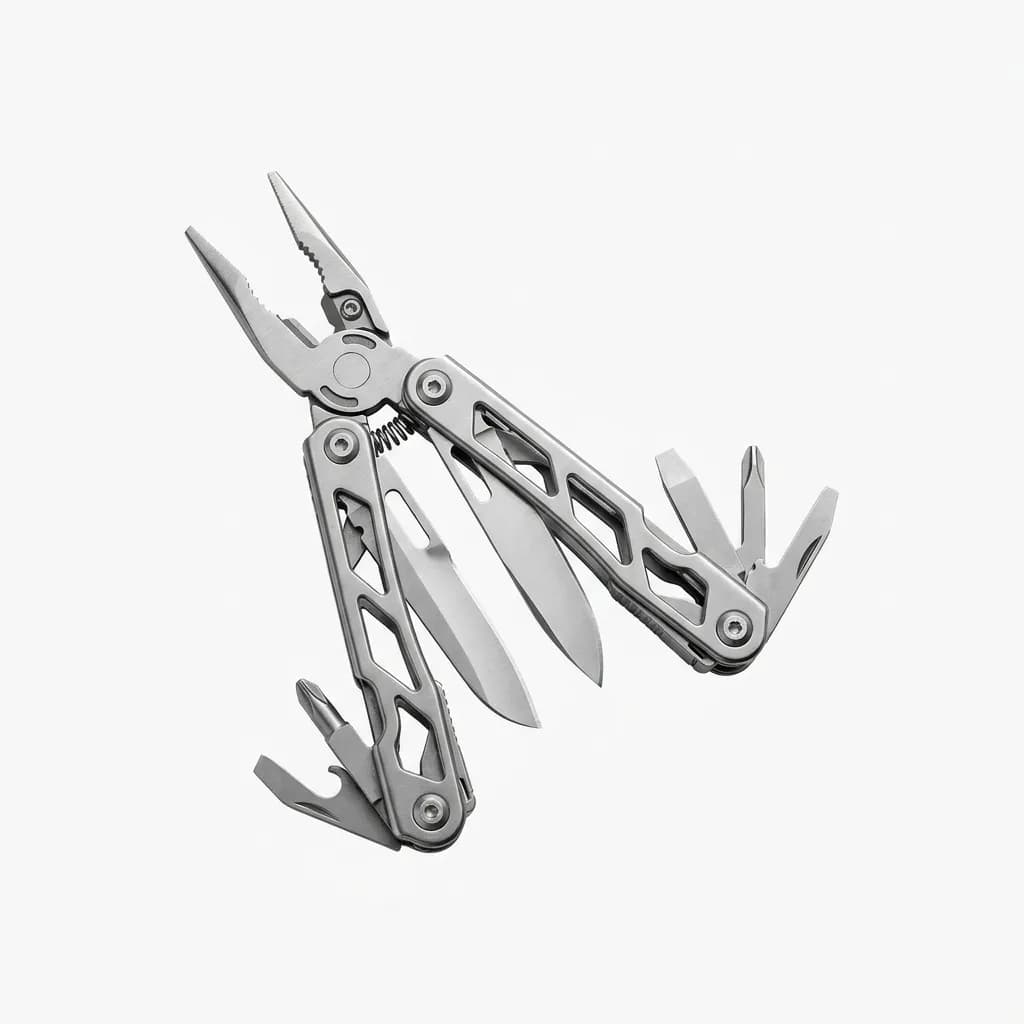
Gerber Suspension-NXT
$54.99
Budget pocket multi-tool with spring-loaded pliers. Price at publish (Oct 2026), source: gerbergear.com.
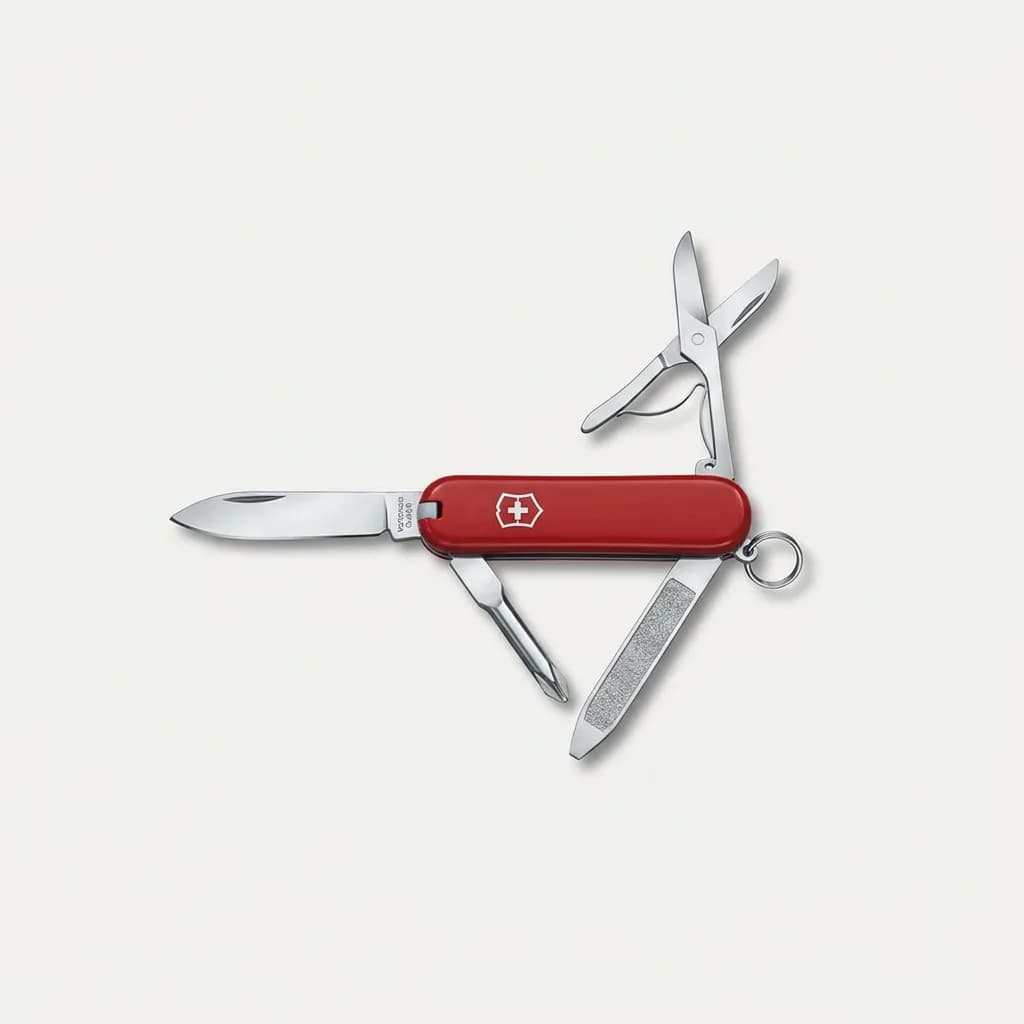
Victorinox Classic SD
$24.00
Small Swiss Army knife with scissors, blade and nail file for keychain or travel kits. Price at publish (Oct 2026), source: victorinox.com.
What actually matters when choosing
- Match tools to tasks. List the five jobs you do most, then check the tool does each one well.
- Locking implements. Blades and drivers that lock open are safer under load.
- Replaceable parts. Replaceable wire cutters or bits keep a work tool going for years.
- Weight for how you carry. Belt or bag tools can be heavy; pocket tools should stay light.
- Warranty. Leatherman offers a 25-year warranty and Gerber a limited lifetime warranty.
If you're building a kit around your tool, start with our beginner EDC starter kit and keep small items sorted in an EDC pouch. Renters can find lighter picks in pocket tools for apartment maintenance.
Keeping a multi-tool working
- Clean it. Rinse grit out of the pivots with warm water, then dry it fully.
- Oil the pivots. A drop of light oil on each joint keeps pliers and blades smooth and limits rust.
- Keep the edge sharp. A dull blade slips. Our knife care guide covers sharpening.
- Inspect it. Check for loose pivots, chipped cutters and worn bits, and replace parts before they fail.
FAQ
What is a multi-tool?
A folding tool that combines pliers or a knife with drivers, cutters, openers and other implements in one handle.
Is a multi-tool better than separate tools?
For carry, yes: one tool replaces several and costs less than buying each. For heavy or repeated jobs, dedicated full-size tools still do better.
What size multi-tool should I carry every day?
For pocket carry, a light tool like the Skeletool or a keychain knife. Full-size tools like the Surge are better on a belt or in a bag.
Can I fly with a multi-tool?
Tools with blades are generally not allowed in carry-on bags in the US, so pack them in checked luggage. A bladeless tool may be allowed, but the final call is the screening officer's.
How do I maintain a multi-tool?
Clean it, dry it, oil the pivots, keep the blade sharp and check for loose or worn parts.
Do multi-tools have warranties?
Most major brands do. Leatherman offers 25 years and Gerber a limited lifetime warranty.
The Weekly Dispatch
Enjoying this article?
Subscribe and get our best gear picks delivered every Sunday morning.
Related Posts
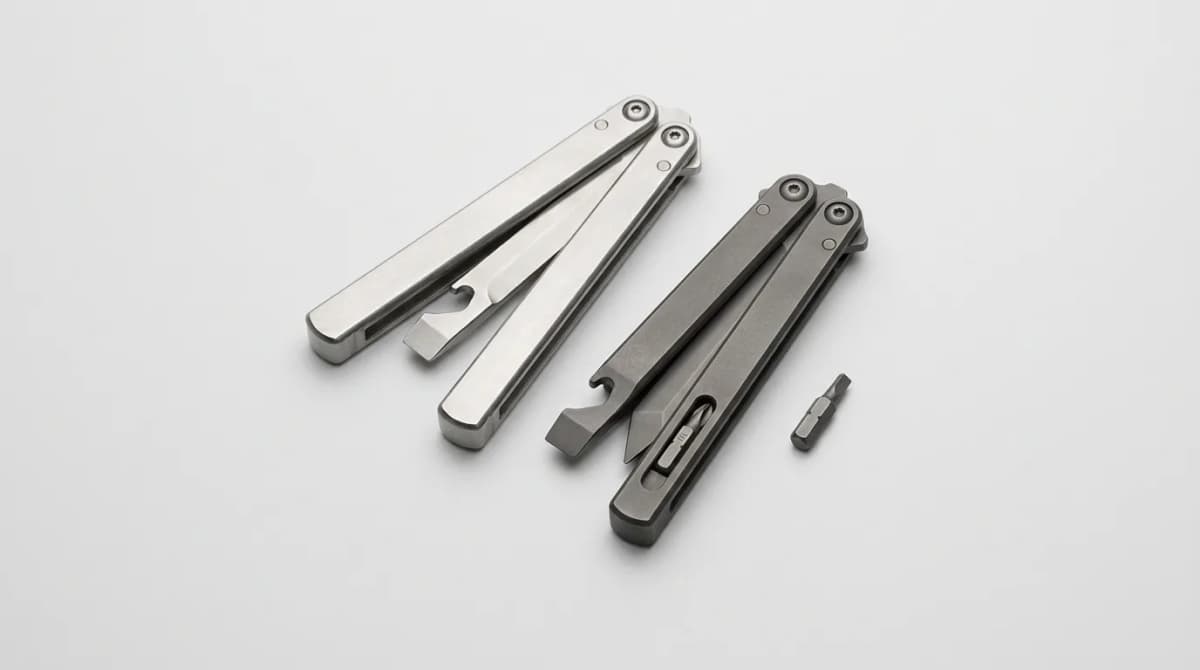
SnapTac 2601: Balisong Fidget Multitool That Works
Desk fidget that pries tape, opens bottles, and takes a 1/4 in hex — not a real knife. DiGimbal SnapTac 2601 in 304 SS or TC4 Ti: what it is, who buys, KS vs retail.
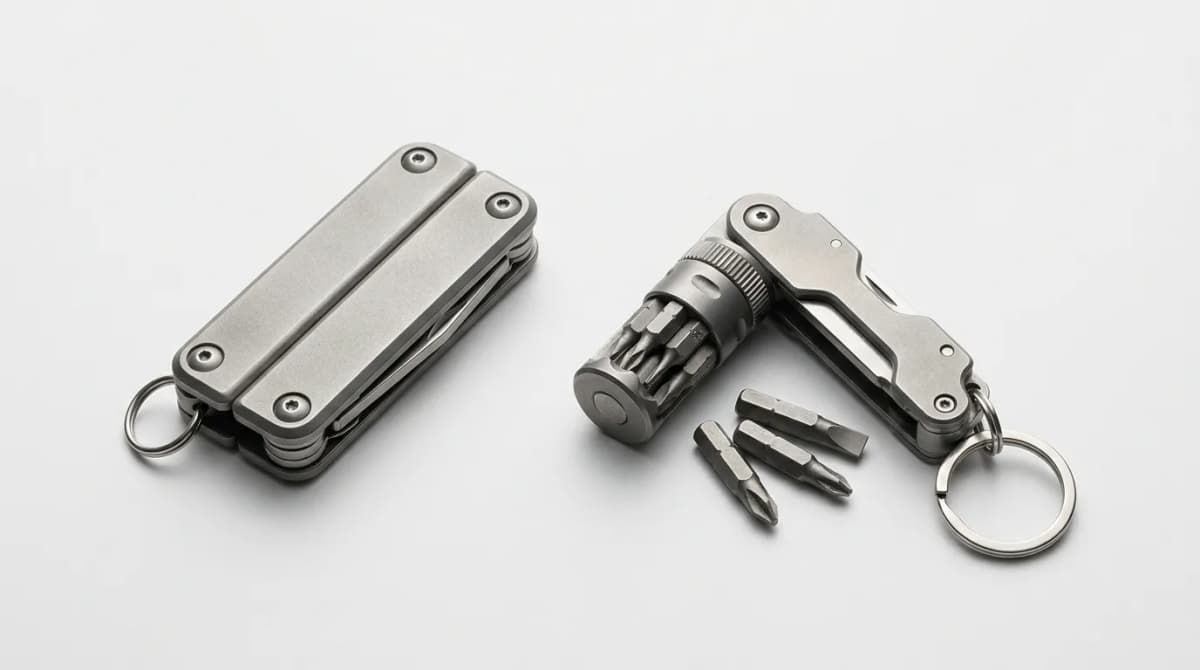
GripNGo Vault vs Rixel Revolver Multitools
Revolver bit magazines are the new keychain EDC flex. GripNGo Vault closes Sep 13 - how the 52.5 mm titanium tool stacks against Rixel and Geo.
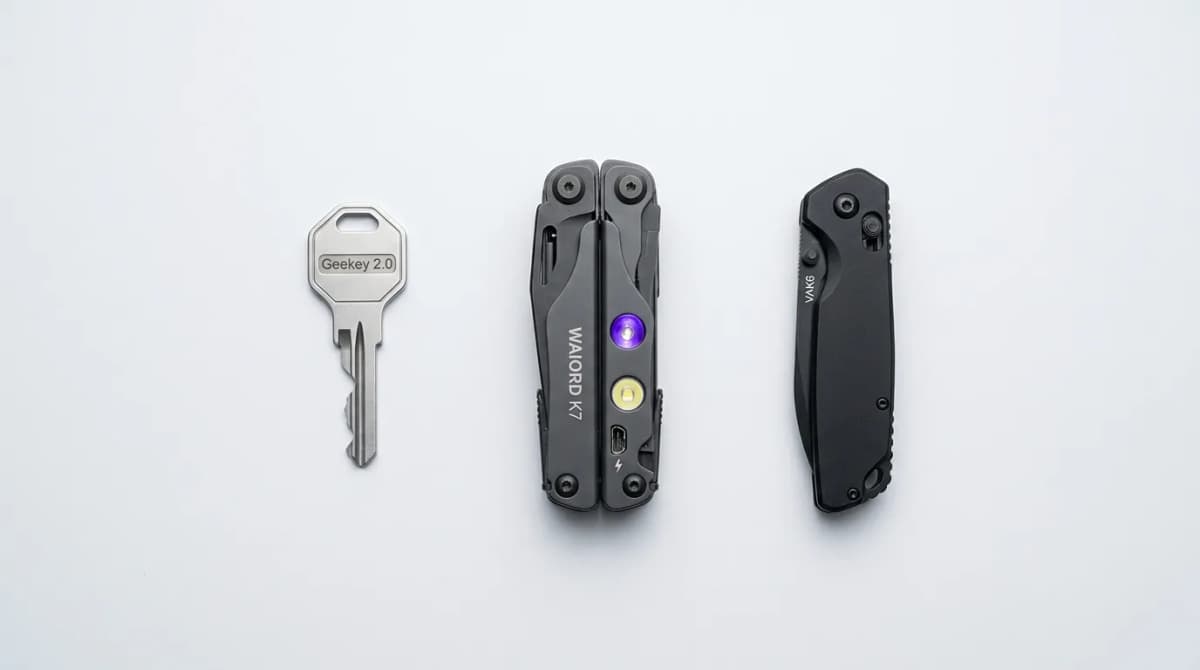
WAIORD K7 Review: Light, UV, and Plasma Arc EDC
WAIORD K7 packs a flashlight, UV, RGB glow, and windproof plasma arc into just 56 g. Closes Sep 10 - how it stacks against Geekey 2.0 and VAK6.
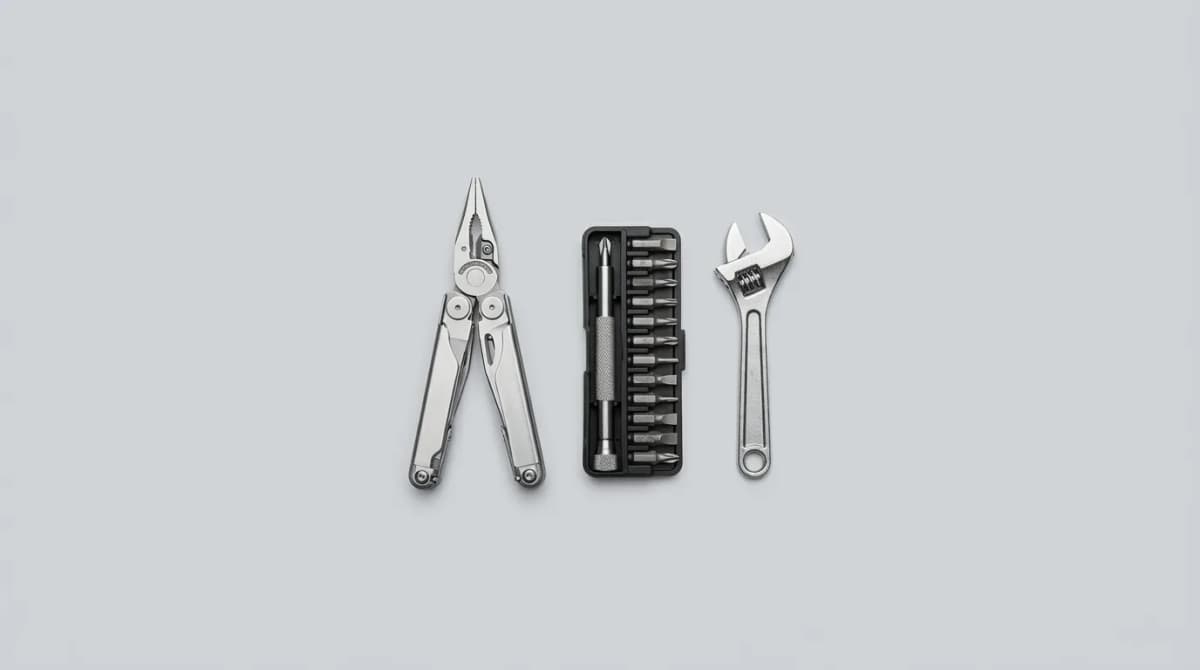
Best Pocket Tools for Apartment Maintenance
You don't need a full toolbox for apartment fixes. These pocket-sized tools handle loose screws, furniture assembly, and quick repairs without taking up drawer space.