EDC for Conferences: The Professional's Carry Guide
The right conference gear keeps you prepared without weighing you down. Here's what actually matters when networking and what you can leave at home.
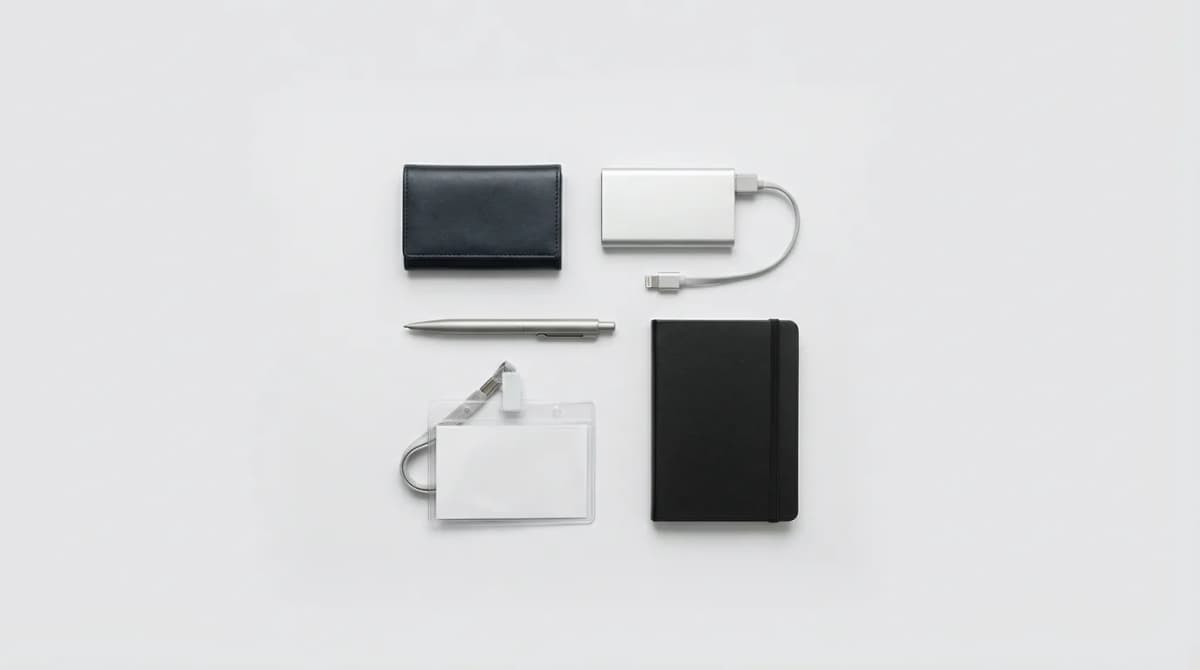
You're stuck in a hotel ballroom for eight hours, surrounded by hundreds of people, and your phone is at 12%. This is when you discover what conference EDC really means.
Quick Picks
Our top recommendations at a glance:
- 1
- 2
- 3
- 4
- 5
Most people pack wrong for conferences. They either show up with nothing but their phone, or they lug around a massive backpack full of things they'll never touch. The sweet spot is having exactly what you need to stay functional, comfortable, and ready to make connections without looking like you're moving apartments.
We've attended dozens of trade shows, industry conferences, and networking events over the past few years. The gear that actually gets used isn't what you'd expect.
Why Conference EDC Is Different From Daily Carry
Your normal EDC assumes you have access to your car, your office, or your home within a few hours. Conferences trap you in convention centers for entire days. You can't run back to your hotel room between sessions without missing talks or networking opportunities.
The priorities shift hard. Battery life matters more than cutting tools. Comfort items you'd never normally carry become essential after hour six on concrete floors. Business cards suddenly matter again, even though nobody uses them the other 51 weeks of the year.
Weight matters more than you think. An extra pound feels like five pounds by mid-afternoon. Everything needs to either fit in your pockets or live in the smallest possible bag.
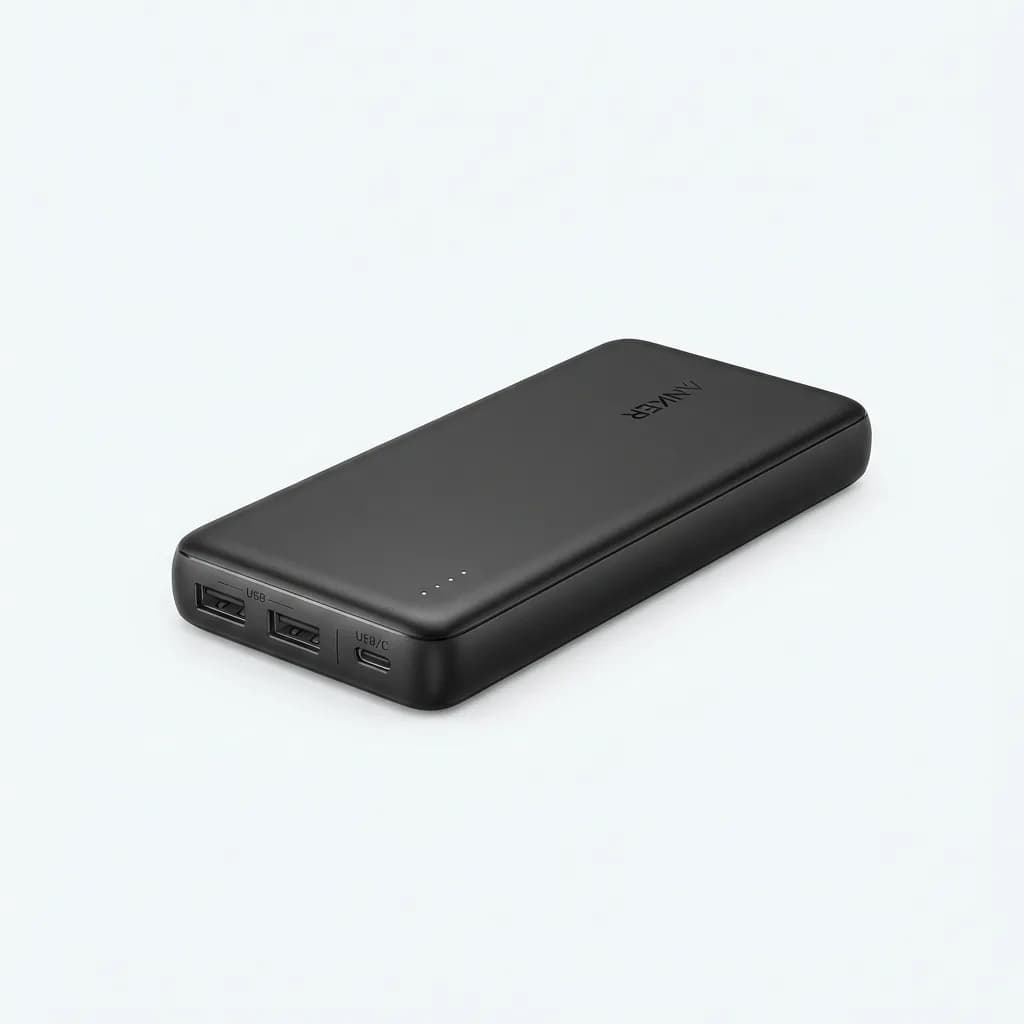
Anker 325 Power Bank (20,000mAh)
$40
High-capacity portable charger with dual USB ports and 18W fast charging. Enough power to fully charge most phones 4-5 times, with a slim profile that fits in jacket pockets.
The Phone Battery Problem (And How to Actually Solve It)
Your phone will die. Accept this. Conference Wi-Fi is terrible, so your phone burns through battery searching for signal. You're using the camera constantly for booth photos and badge scans. The conference app is a battery vampire. GPS is running because you're in an unfamiliar city.
A 10,000mAh power bank gives you one full charge, maybe two if you're conservative. That sounds like enough until you're on day two of a three-day conference. A 20,000mAh bank gives you real breathing room. We use the Anker 325 because it's actually slim enough to carry all day without feeling like you're hauling a brick.
The critical detail: bring your own charging cable. Don't assume you can borrow one, and don't rely on the charging stations scattered around the venue. Those stations are either all occupied or they're the sketchy kind that might compromise your data.
USB-C to Lightning or USB-C to USB-C, depending on your phone. Keep it wound neatly with a velcro cable tie. The Apple braided cables hold up better than cheap alternatives, but they're three times the price for the same functionality.
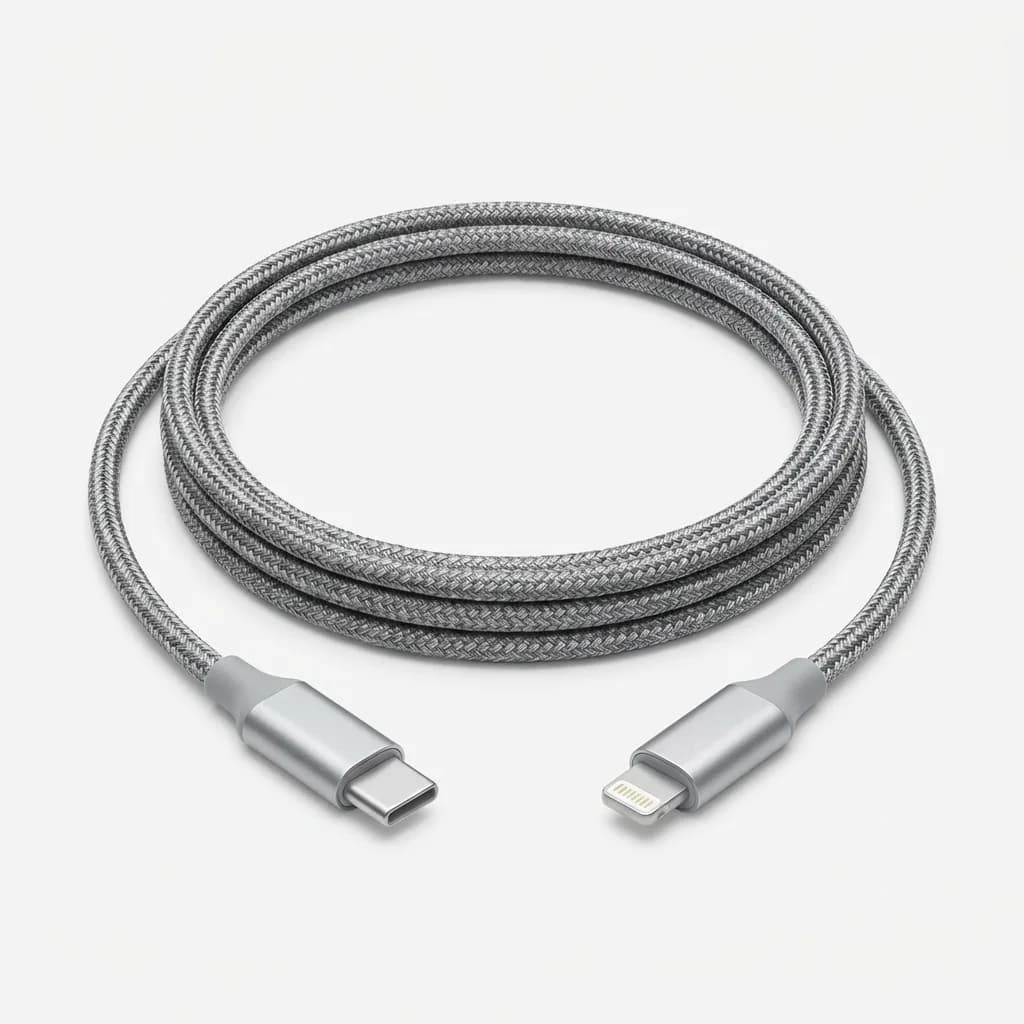
Apple USB-C to Lightning Cable (1m)
$29
Durable braided charging cable with reinforced connectors. MFi-certified for iPhone compatibility, tangle-resistant design, supports fast charging up to 20W.
Business Cards Still Matter (But Only if Done Right)
Digital contact sharing is cleaner in theory. In practice, everyone at conferences still exchanges physical cards. It's faster than fumbling with apps, it works when Wi-Fi is overloaded, and it doesn't require the other person to have the same app you do.
The cards themselves need to be simple. Name, title, email, phone number, LinkedIn QR code. That's it. No mission statements, no lists of services, no busy backgrounds. Plain white or cream card stock with black text is still the most readable option.
The card holder matters more than the cards. A metal case protects your cards from getting bent in your pocket and keeps them looking fresh even after being carried all day. It also makes pulling out a card feel more deliberate and professional than digging through a worn leather wallet.
There are plenty of metal card holders. The Secrid Cardprotector is overbuilt for this purpose but it works. The basic aluminum cases on Amazon for $12 do the same job without the RFID-blocking features you don't need for business cards.
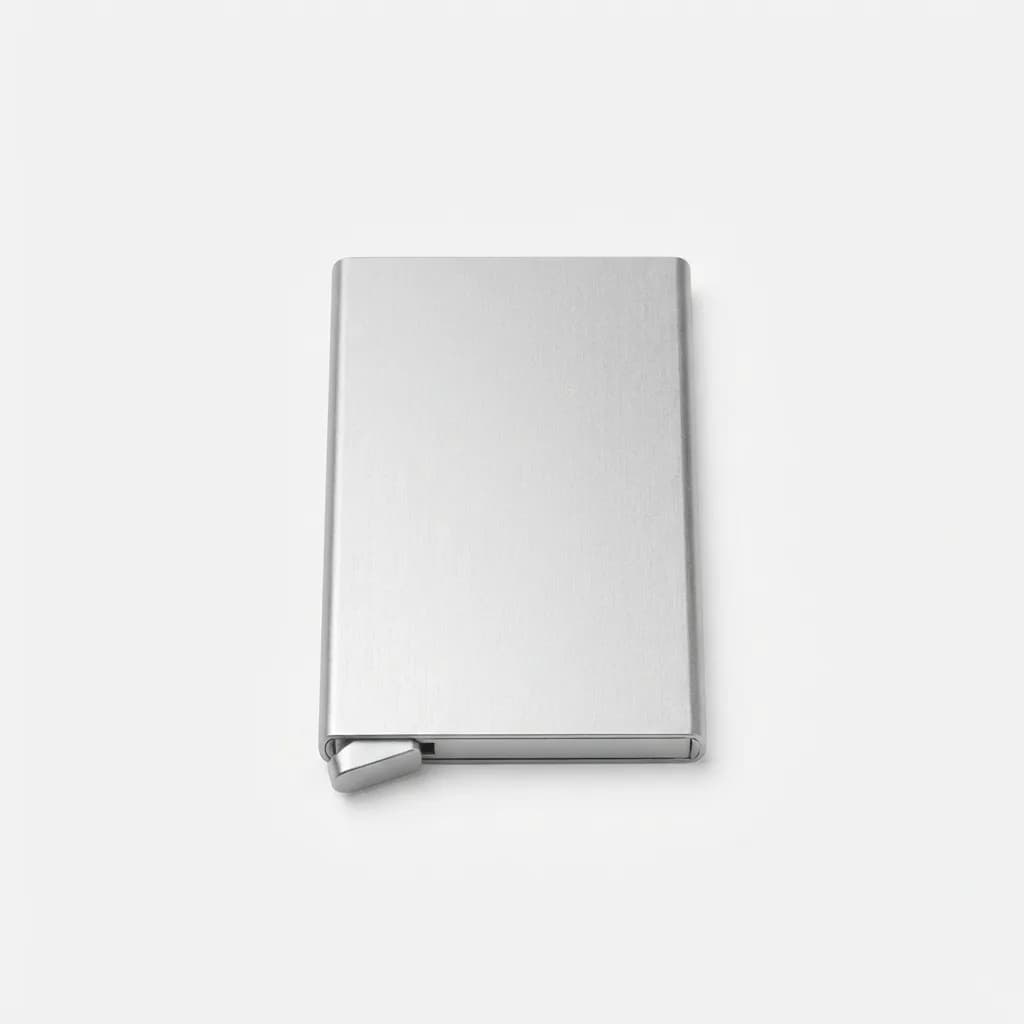
Secrid Cardprotector Aluminum
$29
Aircraft-grade aluminum card holder with RFID protection, holds 4-6 embossed business cards, scratch-resistant anodized finish, compact 2.4 x 3.9 inch footprint.
The Note-Taking Problem: Digital vs. Analog
Tablets and laptops are overkill for conference notes. They're too bulky, they need charging, and typing during a conversation makes you look distracted. Voice recording has the same problem, plus the social awkwardness of pointing your phone at someone while they talk.
A pocket notebook and pen is still the fastest way to capture information during networking conversations. You can jot down a name, a reference, or a follow-up item in three seconds without breaking eye contact. It's also less intrusive than pulling out your phone, which signals that you're either bored or about to take a call.
The Field Notes Reporter size (3.5 x 5.5 inches) fits in most pockets and holds up better than the standard memo book. The gridded pages are more versatile than lined. Buy them in three-packs because you'll burn through one per multi-day conference.
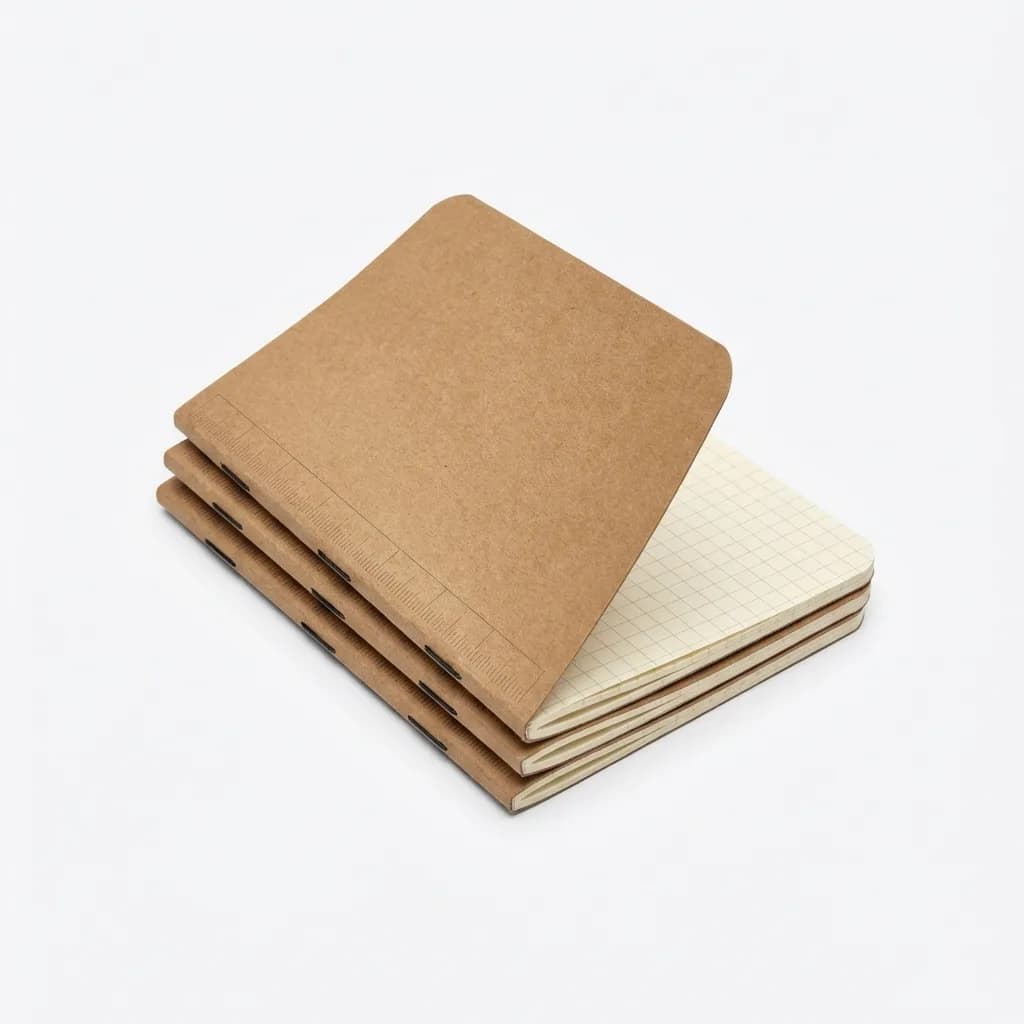
Field Notes Reporter Notebook (3-Pack)
$15
Pocket-sized reporter notebooks with grid ruling, 70-pound Finch paper, Kraft cover, 96 pages each. Durable enough for daily carry, fits in most pockets.
For the pen, skip the tactical options with glass breakers and DNA collectors. Get something that writes smoothly and doesn't look aggressive when you pull it out in a professional setting. The Uni Jetstream RT is a $7 retractable that writes better than pens three times the price. The Schmidt P8126 refill upgrade is worth it if you want to keep using a nicer pen body.
Bolt-action pens feel great but they're a $60+ solution to a problem that doesn't need solving. The clicking noise is also weirdly loud in quiet conference rooms.
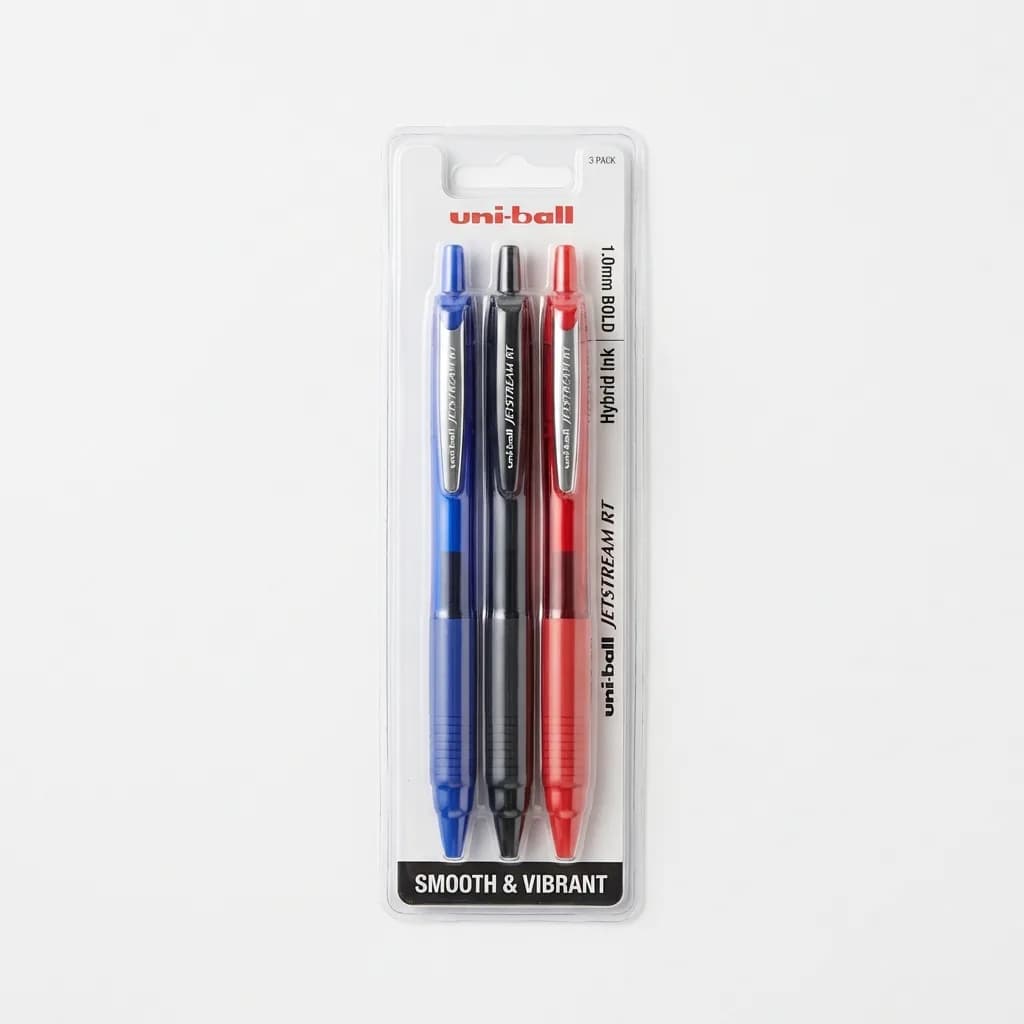
Uni-ball Jetstream RT Pen (3-Pack)
$8
Smooth-writing retractable ballpoint with low-viscosity hybrid ink, comfortable rubber grip, 1.0mm bold line, writes on glossy paper without smudging.
Comfort Items That Actually Make a Difference
By hour four, your feet hurt. By hour six, you're hunting for anywhere to sit. Convention center floors are concrete covered in thin carpet. Standing and walking on them for 8-10 hours destroys your feet and lower back if you show up in dress shoes with no support.
Insoles help more than better shoes. You can drop Dr. Scholl's Work Insoles into whatever shoes you're already wearing and cut the fatigue in half. They're thick enough to provide real cushioning but not so thick that your shoes stop fitting. The gel versions are more comfortable initially but they break down faster.
The other comfort item nobody talks about: lip balm. Conference centers have aggressively dry air from the HVAC systems. Your lips will crack by day two if you don't stay ahead of it. Burt's Bees or plain Chapstick, doesn't matter. Just have it.
Pain relievers belong in conference EDC. Advil or Tylenol in a small pill case, enough for two doses. Long days, weird sleep schedules, hotel pillows, dehydration from too much coffee - something is going to give you a headache. Having your own means you're not hunting for a hotel gift shop that charges $8 for a travel-size bottle.
What About Bags?
Pockets are ideal but they only work if you're wearing a jacket with good internal pockets. If you need a bag, get the smallest messenger or sling that holds your essentials. Backpacks mark you as either a student or a vendor hauling samples.
The Bellroy City Pouch holds a surprising amount in a package that doesn't look like you're carrying luggage. Power bank, cables, notebook, cards, pens, pills, and mints all fit with room left over. It has a wrist strap so you can carry it without looking like you're clutching a purse, and it's slim enough to fit under your arm if you need both hands free.
Timbuk2 makes a similar option that's less expensive but bulkier. The tradeoff is more pockets and more organization, which some people prefer. The extra structure can make it feel larger than it needs to be.
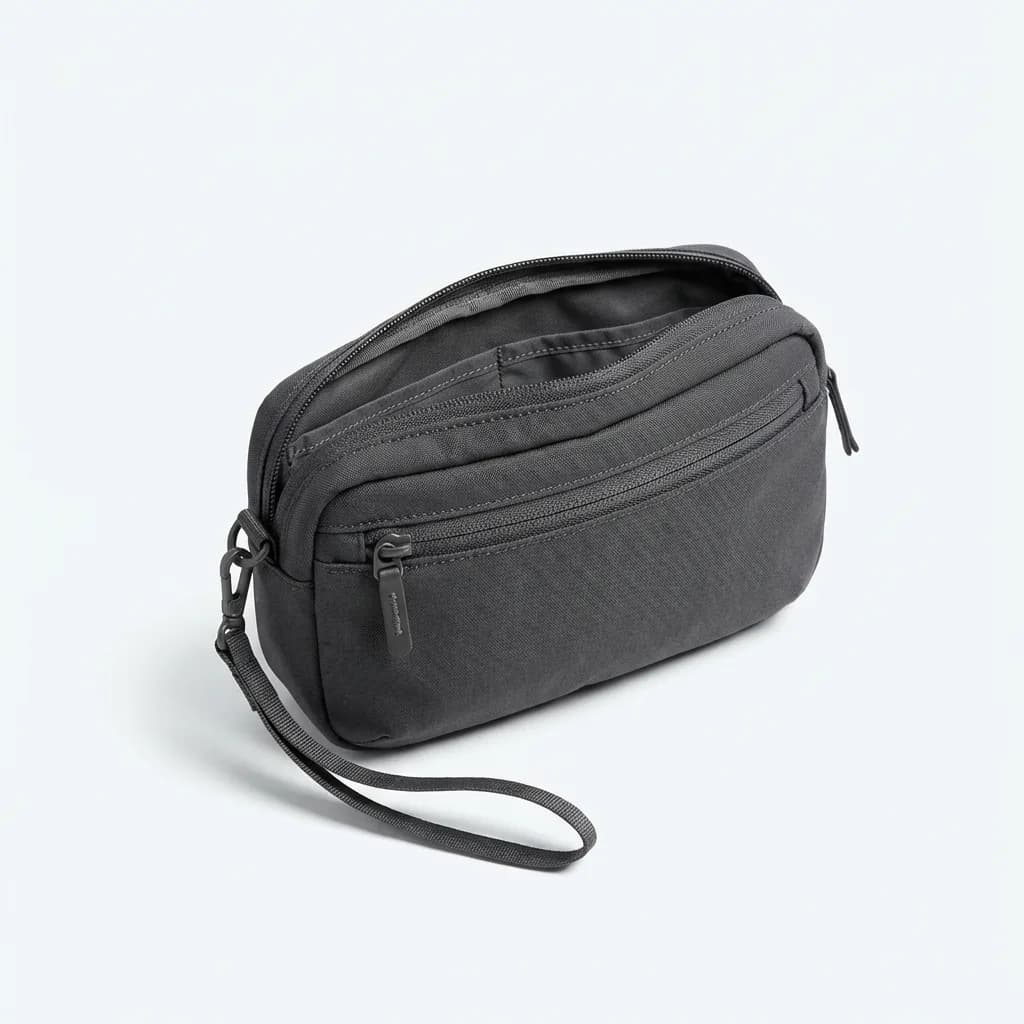
Bellroy City Pouch
$69
Compact carry pouch in water-resistant fabric, multiple internal pockets, YKK zippers, removable wrist strap, holds tech accessories and EDC essentials, 8.7 x 5.5 inches.
The Badge Situation
Conference badges come in two forms: lanyards and clip-on holders. Both are terrible. Lanyards hang awkwardly and flip backward constantly. Clip-on holders damage shirt pockets and fall off.
The fix is a retractable badge reel that clips to your belt or pocket. Your badge stays accessible for scanning without dangling in your way. The retractable cord extends when you need to scan and retracts when you don't.
Get one with a metal clip, not plastic. The plastic clips break after a few uses. The Specialist ID Heavy Duty Badge Reel holds up to repeated use and costs $6. Buy two because you'll eventually lose one.
What to Leave Behind
Multi-tools stay home for conferences. You won't need a knife, scissors, or screwdrivers. Security is a non-issue in most conference venues, but there's no reason to carry five ounces of steel tools you won't use.
Wallets can usually be trimmed down. Take one credit card, one ID, and maybe one backup card. Leave the loyalty cards and receipts at the hotel. The Trayvax Contour is excellent for normal carry but it's overkill when you only need three cards for a two-day event.
Flashlights are unnecessary unless you're attending a conference that involves outdoor activities or equipment demonstrations. Hotel rooms and convention centers have adequate lighting. Save the lumens for actual EDC.
Keys can often stay in the hotel safe. You need your room key, maybe a car key if you drove. The 12 other keys on your everyday keychain can sit this one out. Drop your room key in your wallet or badge holder so it's always accessible.
How to Pack It All
The day before the conference, lay out everything on your bed. Put each item in your pockets or bag where it will live during the event. Walk around for 10 minutes. If something feels annoying, awkward, or heavy, you'll notice it immediately. Adjust or remove items until the carry feels balanced.
Keep the power bank in a jacket pocket or bag, never in your pants pocket. It's too heavy and the hard corners dig into your leg when you sit. The cable can coil up and live in the same pocket as the power bank.
Business cards and the card holder go in a shirt pocket or jacket inside pocket. You want them accessible without digging through a bag, but not in a pants pocket where they can bend.
Pen and notebook go together in the same pocket. Left or right doesn't matter, just be consistent so you always know where they are. The notebook goes in first, then the pen clips to the notebook edge or pocket lip.
The badge reel clips to your belt on your dominant hand side. If you're right-handed, clip it on the right so you can easily extend and scan your badge without reaching across your body.
After the Conference
The follow-up matters more than the event itself. Take 20 minutes the evening after each conference day to photograph your notebook pages and organize the business cards you collected. Add the card details to your CRM or contacts list immediately while you still remember the conversations.
Most people collect cards and then never look at them again. The cards sit in a desk drawer until they move offices and throw them away. If you're not going to follow up within a week, you wasted your time networking.
The gear you brought either proved useful or it didn't. Make notes about what you actually used and what stayed in your pocket untouched. Next conference, adjust accordingly. Conference EDC isn't static - it evolves based on what works for your specific routine.
Pack light, stay charged, take notes, and follow up. Everything else is optional.
The Weekly Dispatch
Enjoying this article?
Subscribe and get our best gear picks delivered every Sunday morning.
Related Posts
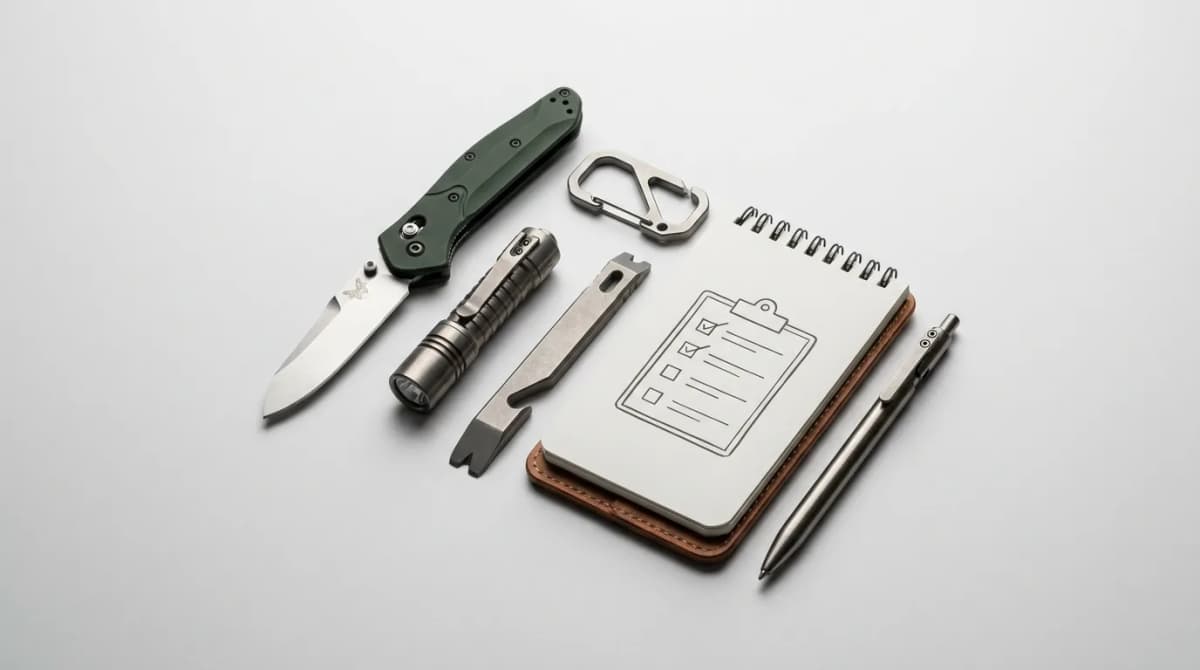
EDC Kickstarter Checklist: 10 Checks to Run First
EDC campaigns are everywhere this fall. Use this 10-point checklist, built on Kickstarter's own rules, to judge knives, lights and clips before you pledge.
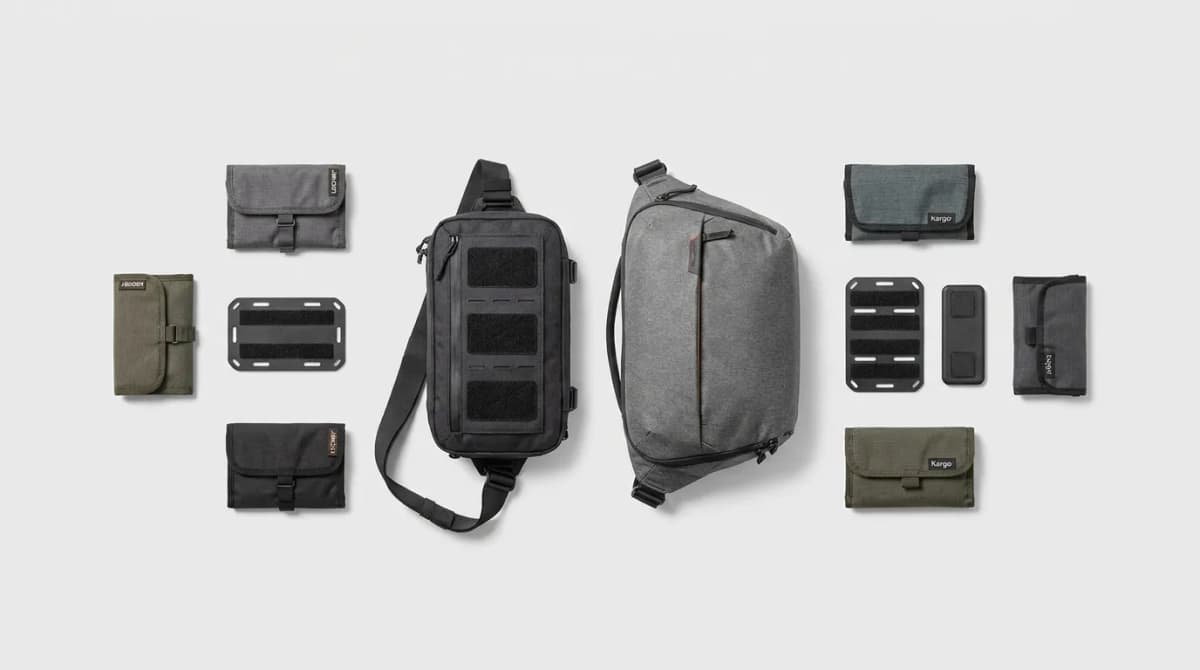
VAULT Sling vs Peak Design: Modular EDC Sling 2026
Tool-and-tech EDC slings, not camera bags. VAULT Flex Boards and 7L–9L magnetic expand vs Peak Design Everyday 6L, plus LOCHBY and Kargo.
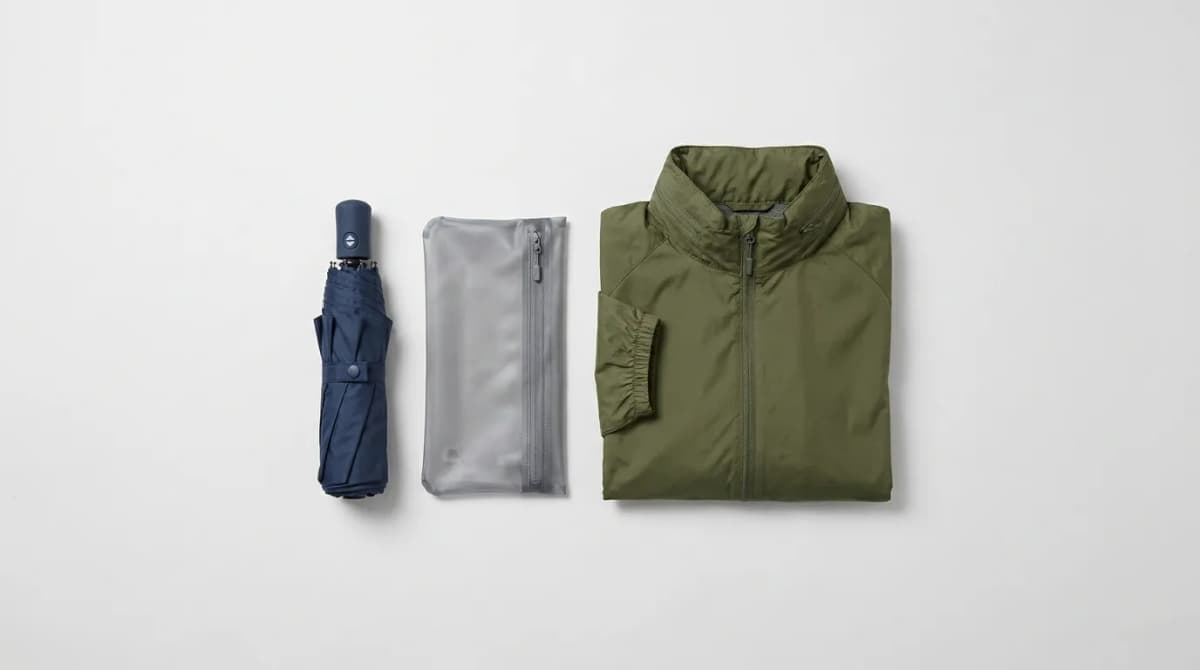
EDC for Rainy Cities: The Complete Setup
Rainy-city EDC means canopy, wet pouch, and smarter fabrics. Build a daily carry that stays dry on transit without soaking your bag or pockets.
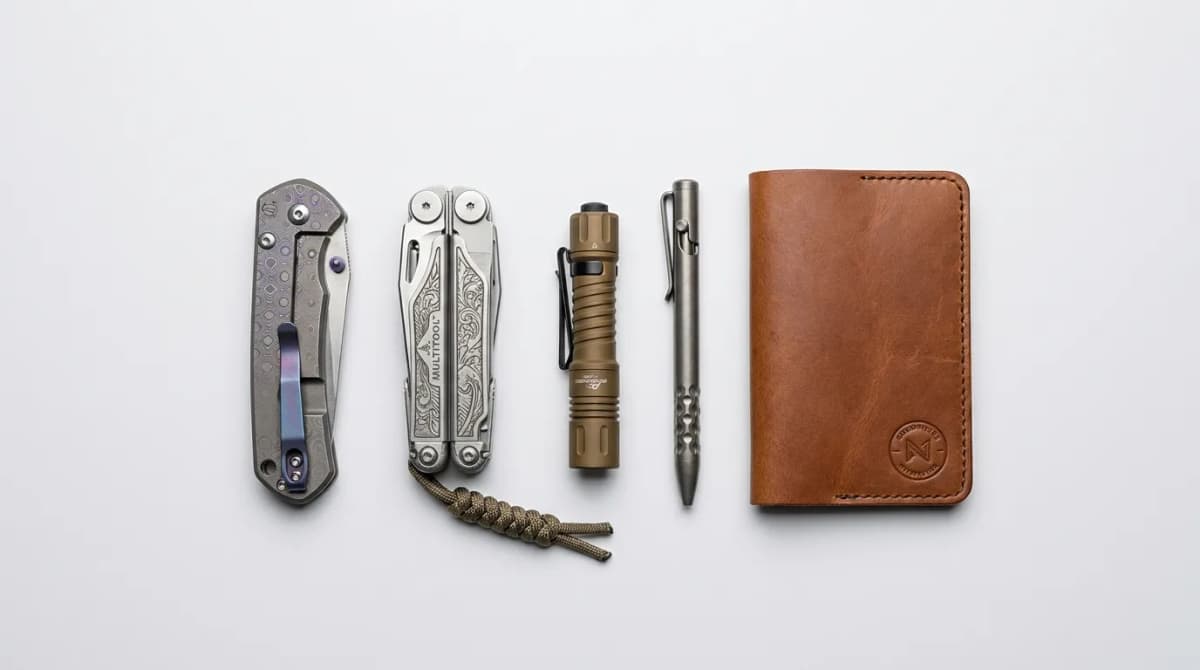
DIY EDC Mods: Personalize Your Everyday Carry Gear
Learn practical DIY modifications for your EDC gear: paracord wraps, anodizing, custom scales, and personalization techniques that improve function and style.