Budget EDC: Building a Kit Under $100
Building a capable everyday carry kit doesn't require premium prices. Here's how to assemble a complete EDC setup under $100 with smart choices.
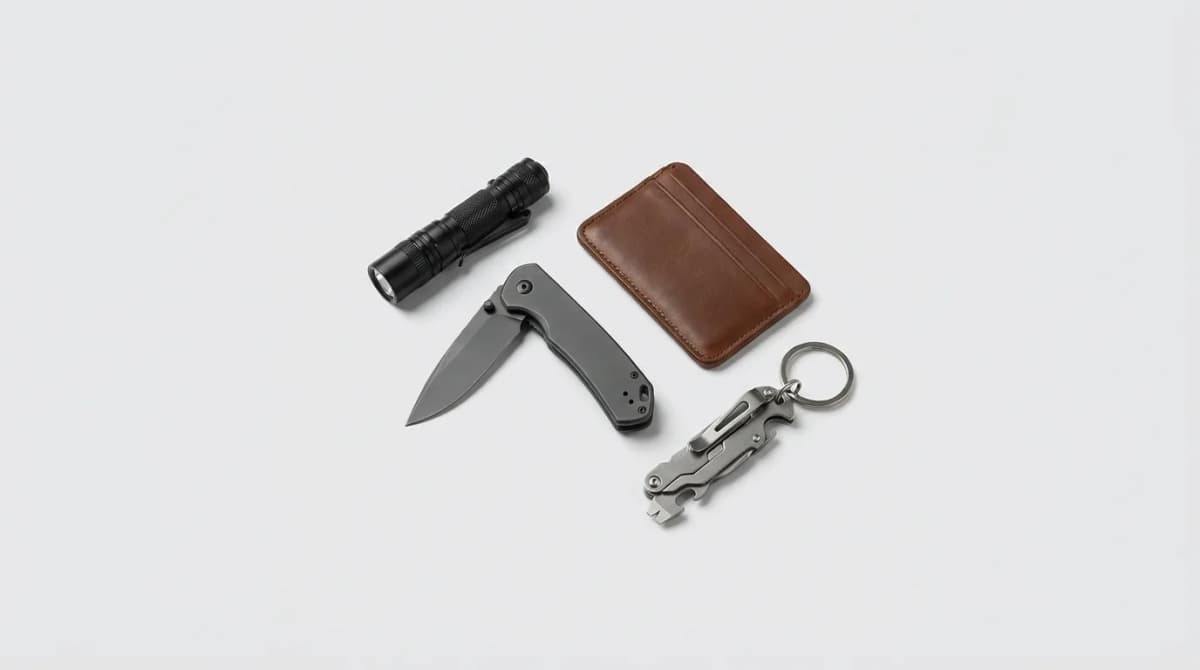
You don't need $300 to carry useful gear every day. A practical EDC kit starts at the price of a nice dinner for two, and if you pick the right pieces, nothing feels like a compromise. The trick is knowing where budget options perform just fine and where an extra $20 makes all the difference.
We've tested dozens of sub-$30 knives, $15 flashlights, and bargain-bin wallets. Some lasted weeks. Others are still in rotation three years later. The gap between cheap and affordable isn't about price alone. It's about choosing brands that understand the assignment versus brands racing to the bottom of Amazon search results.
Start with the knife: don't go cheaper than this
The folding knife is your most-used tool, and this is where most budget builds fail. A $10 gas station knife will frustrate you daily with a blade that won't hold an edge and a lock that feels sketchy. A $25-35 knife from a real manufacturer will serve you for years.
The Kershaw Blur hits the sweet spot. American brand, good steel (14C28N), SpeedSafe assisted opening that feels premium, and a frame lock you can trust. It's not trying to be a Benchmade. It's trying to be a reliable work knife, and it nails that brief.
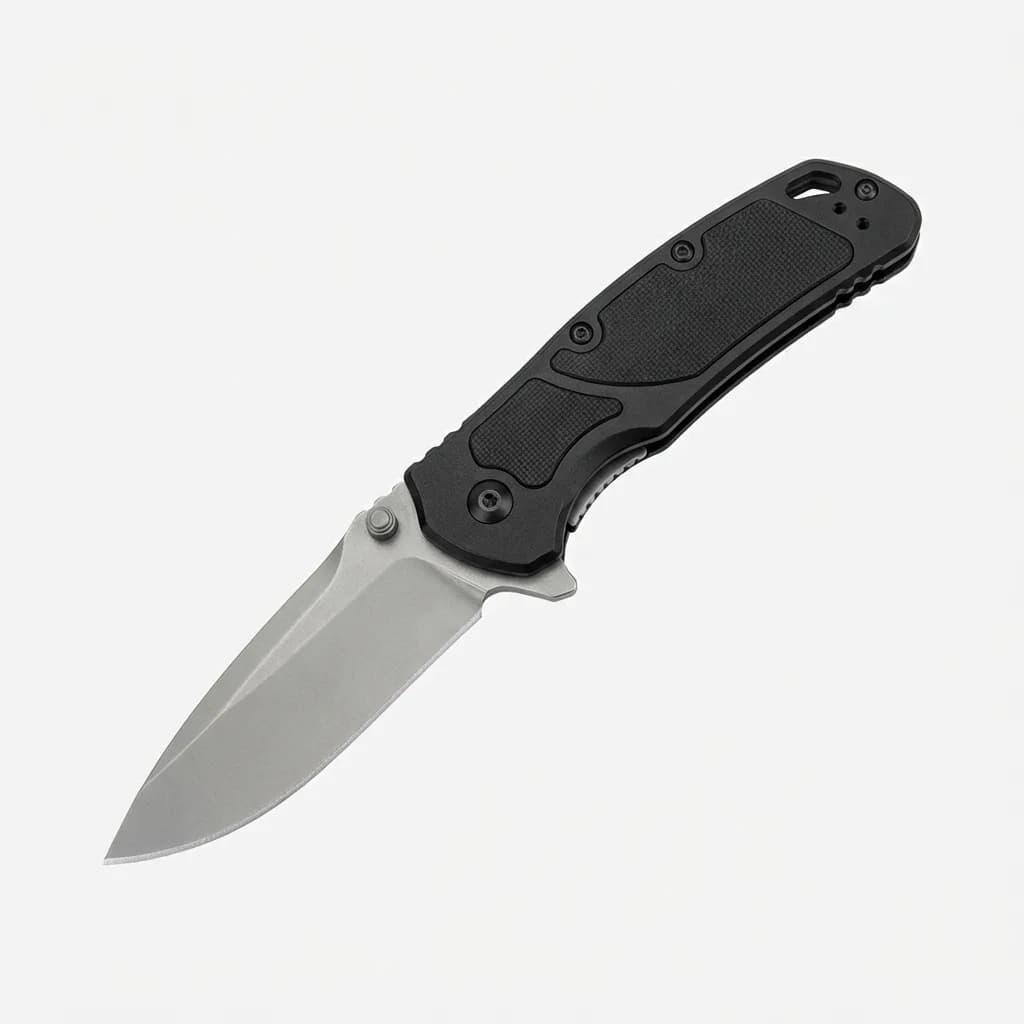
Kershaw Blur Folding Knife
$65
3.4-inch blade in 14C28N steel with SpeedSafe assisted opening. Frame lock design, reversible pocket clip, made in USA. Sharp out of box and holds an edge well for the price.
If $65 is too much, the Ontario RAT 2 is the fallback. D2 steel, liner lock, no frills. It won't turn heads, but it'll cut things for years without complaint.
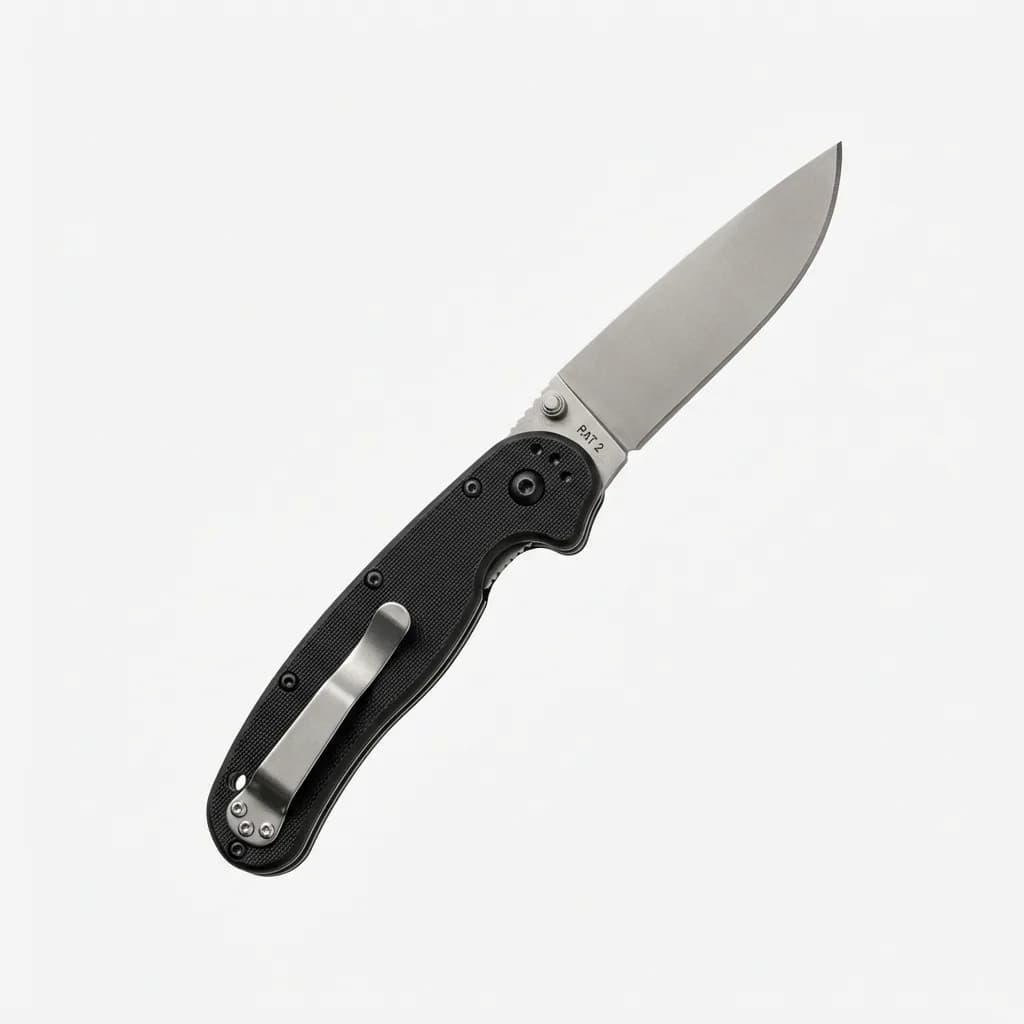
Ontario RAT 2 Folding Knife
$35
3-inch blade in D2 steel with liner lock. Nylon handle scales, reversible pocket clip. Simple, durable, and proven in heavy use. The budget knife enthusiasts actually recommend.
The flashlight: where budget wins
Flashlights are one category where you genuinely don't need to spend much. LED technology and rechargeable batteries leveled the playing field. A $20 light with a CREE or Samsung LED will out-perform vintage Maglites that cost three times as much.
The Sofirn SC21 is smaller than a tube of chapstick, outputs 1000 lumens, and recharges via USB-C. That's the same feature set as lights costing $70. The interface is simple, the build quality is solid aluminum, and it includes a magnetic tail cap. This is the flashlight to beat under $25.
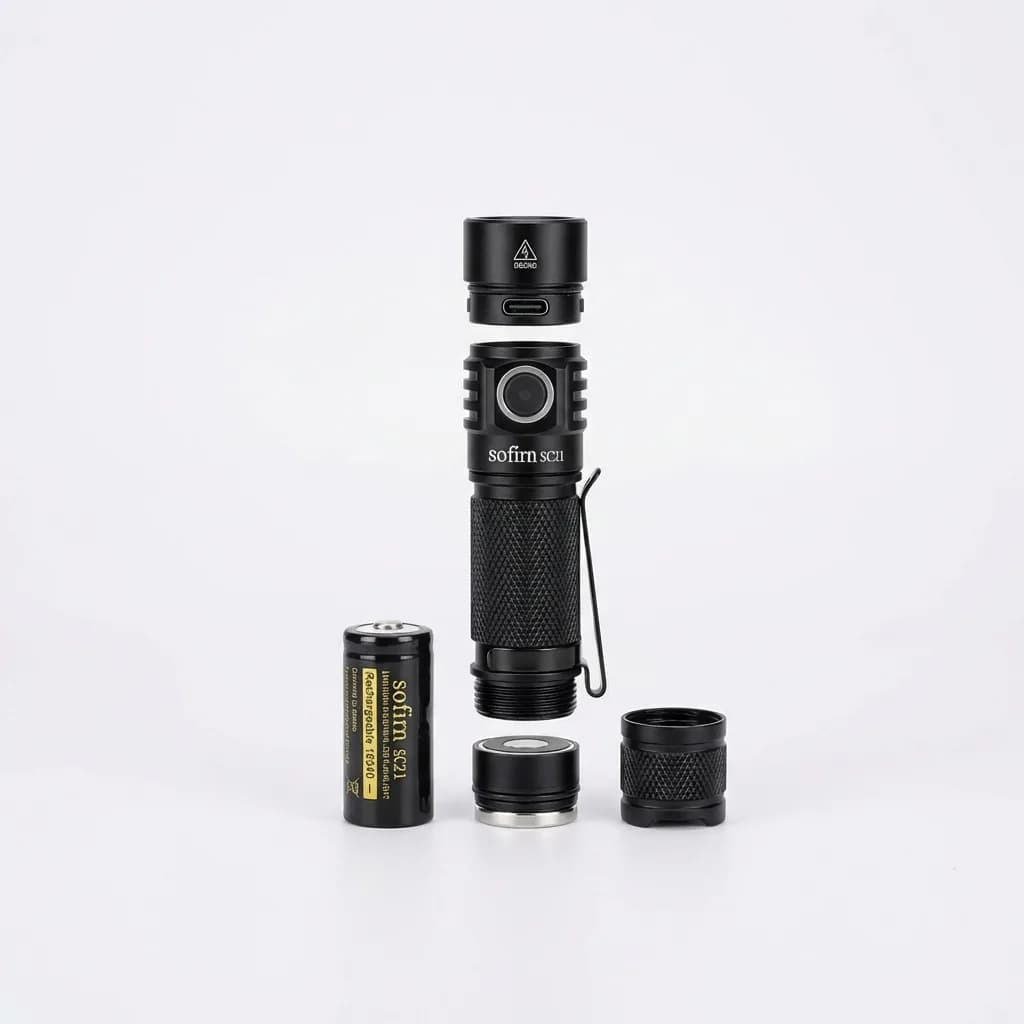
Sofirn SC21 Mini LED Flashlight
$23
1000 lumen compact EDC light with USB-C charging, magnetic tail cap, and four brightness modes. Includes rechargeable battery. Aluminum body, pocket clip, and surprisingly good heat management for the size.
Or go even smaller with the Olight i3T EOS. It's a single AAA penlight that lives on your keychain and puts out 180 lumens. Sometimes you just need a little light, and this one disappears in your pocket.
The wallet: skip the Kickstarter hype
Ridge and its clones convinced everyone they need an aluminum wallet with a cash strap. You don't. Most slim wallets use the same design and materials, but some charge $40 for the logo.
The Herschel Charlie is a simple bifold made from RFID-blocking fabric, holds 6-8 cards, and costs $15. It's not sexy. It's also not falling apart after six months like every $8 Amazon "minimalist" wallet we've tried. Herschel makes bags for a living, so the stitching and material quality is consistent.
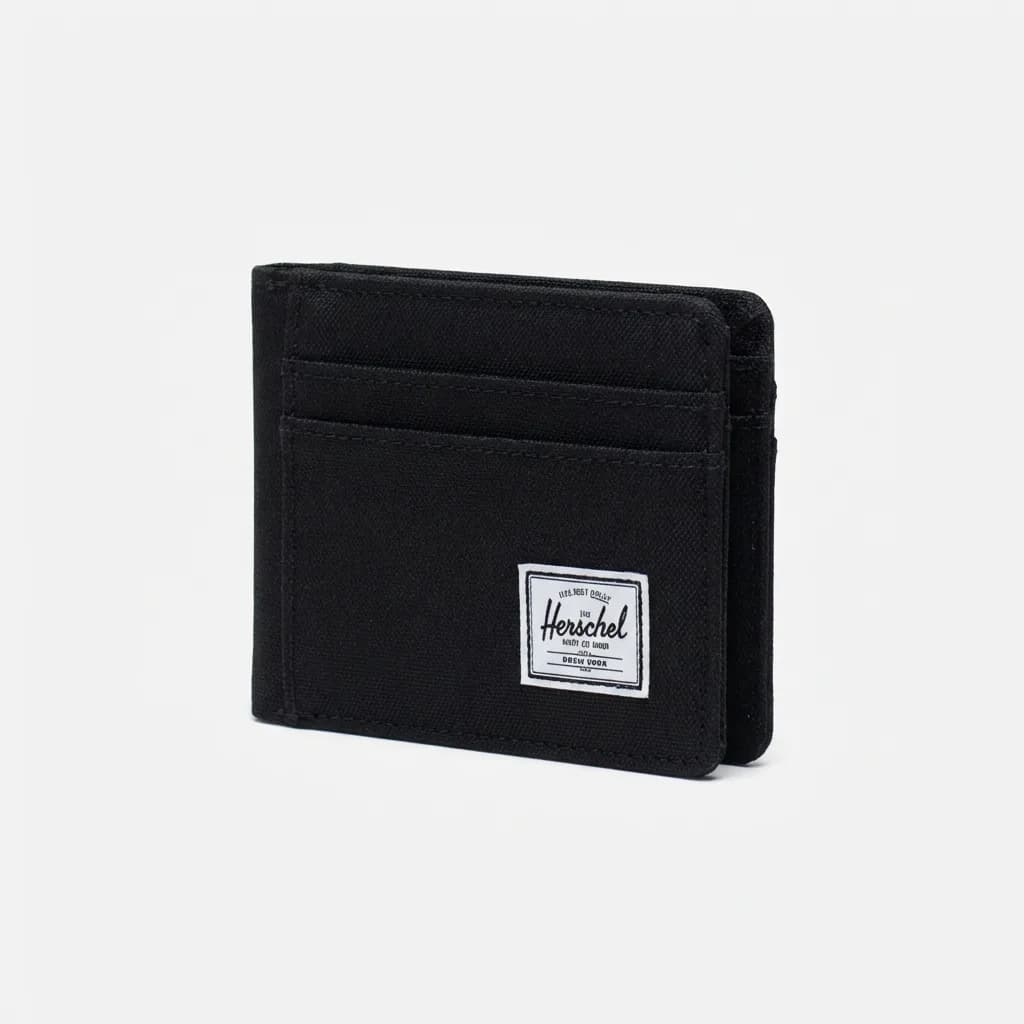
Herschel Charlie RFID Wallet
$20
Slim bifold card wallet with RFID blocking, holds 6-8 cards plus folded bills. Durable fabric construction with reinforced stitching. Available in multiple colors, low profile for front pocket carry.
If you want the metal wallet look without the metal wallet price, the Trayvax Element is $35 and uses a stainless steel frame with leather or fabric. It's engineered better than most $80 options, with a design that actually considers how you access your cards.
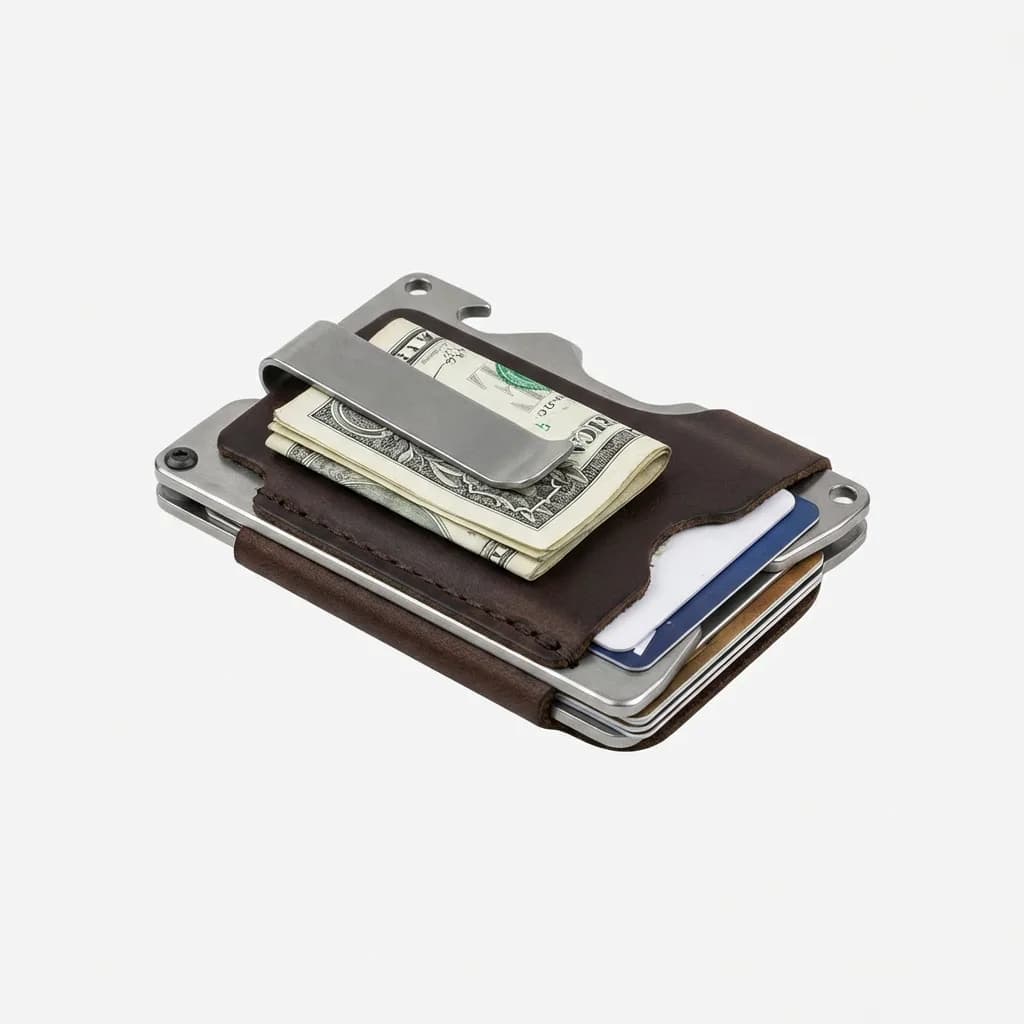
Trayvax Element Wallet
$35
Slim metal frame wallet with leather or ballistic nylon, holds 4-8 cards. Stainless steel construction, removable money clip, bottle opener integrated into frame. Built in the USA with lifetime warranty.
Where to save: the keychain tool
You probably don't need a full-size multi-tool in your pocket every day. A keychain tool handles 80% of the tasks for 10% of the weight. The remaining 20% is why you keep a Leatherman in your bag or car, not on your person.
The Gerber Shard is $7. Seven dollars. It has a pry bar, bottle opener, wire stripper, small flathead, and Phillips driver. The steel is basic, but it's fine for occasional use. This is the category where cheap actually works because you're not depending on it as a primary tool.
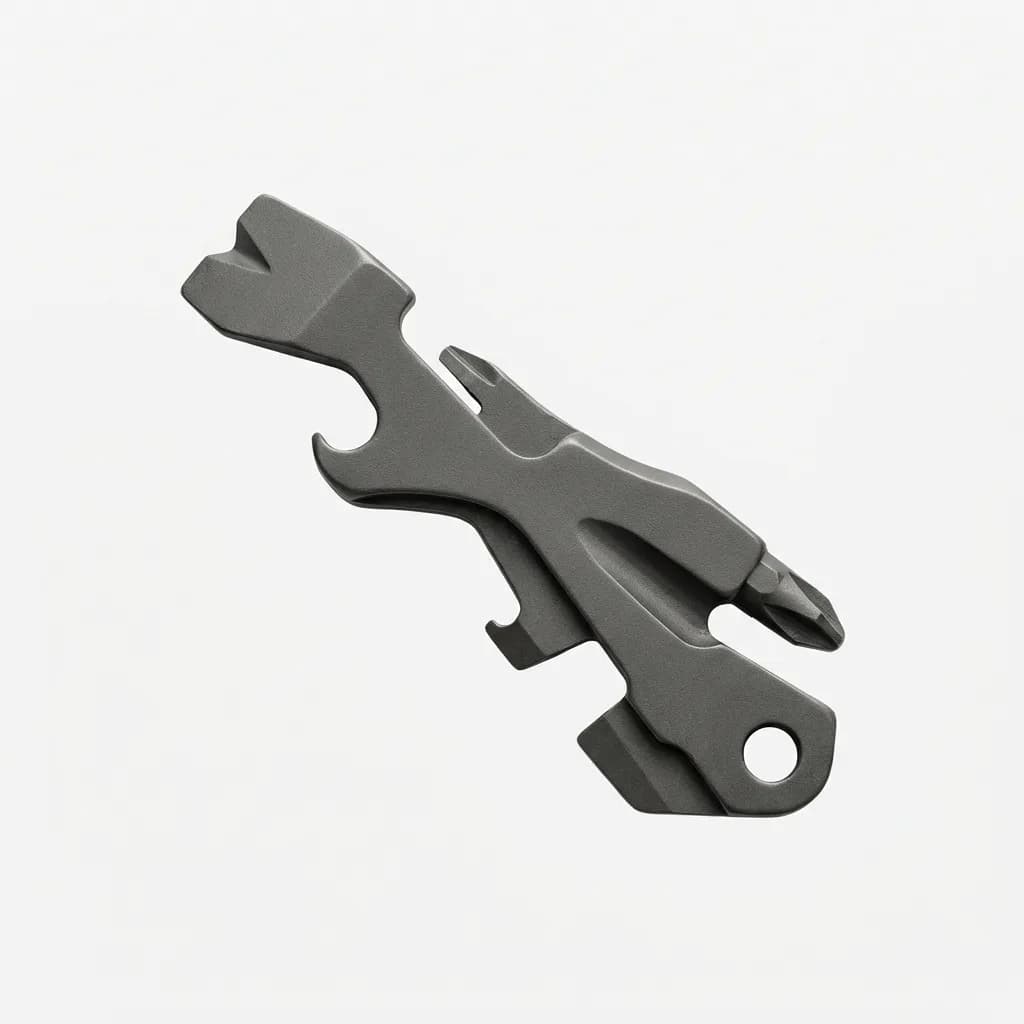
Gerber Shard Keychain Tool
$7
Ultra-compact keychain multi-tool with 7 functions including pry bar, bottle opener, and screwdrivers. Titanium coated stainless steel, TSA-compliant, lightweight. The backup tool that's always there when you need it.
What about a pen?
A decent pen costs $8. The Pilot G2 writes smoothly, refills are everywhere, and you won't panic if you lose it. If you want something that feels more substantial, the Zebra F-701 is all-metal for $12 and takes Fisher Space Pen refills if you want to upgrade the ink later. Don't spend $50 on a tactical pen for your first EDC kit.
The build: what fits in $100
Here's the actual math on a complete loadout:
- Knife: Ontario RAT 2 at $35
- Flashlight: Sofirn SC21 at $23
- Wallet: Herschel Charlie at $20
- Keychain tool: Gerber Shard at $7
- Pen: Zebra F-701 at $12
Total: $97
That's a fully functional EDC kit that will last years, not months. Each piece is from a manufacturer with a track record. Each piece performs its job without excuses. And you have $3 left for coffee.
When to upgrade vs when to skip
The knife is where you splurge first. Going from the RAT 2 to a Benchmade Mini Griptilian adds better steel, better ergonomics, and better action. You'll feel the difference daily. The flashlight? The jump from $23 to $80 gets you a nicer interface and tougher anodizing, but it doesn't light things better.
The wallet wears out fastest, but replacing a $20 Herschel every two years is cheaper than buying a $100 Ridge once. Unless you love the aesthetic enough to pay for it, the math doesn't work.
Multi-tools are the opposite. If you actually use one regularly, upgrade to a Leatherman Wave+ or Skeletool. The quality gap is massive, and the better tool makes tasks faster and less frustrating. If it mostly sits on your keychain as insurance, the Shard is fine forever.
The common mistakes that waste money
Buying cheap versions of expensive designs rarely works. Those $15 aluminum wallets aren't built like Ridge, they're built like Ridge knockoffs. The tolerances are off, the anodizing chips, the elastic wears out in weeks. You're better off buying a different design at that price point.
Matching sets sound appealing but lock you into one brand's philosophy. A "tactical" brand will give you aggressive styling and mediocre function. A "minimalist" brand will make everything too small. Build your kit from specialists.
And don't buy multiple budget options to "test" what you like. That's how you spend $200 trying to save $100. Pick one well-reviewed option per category and use it for a month. You'll know if it's working.
What this kit won't do
This isn't a go-bag. It's not survival gear. It's the stuff you carry because you use it most days. The knife opens packages and cuts loose threads. The flashlight finds keyholes and checks under furniture. The wallet holds your cards. None of it is tactical or Instagram-ready.
If you need specialized tools for your job or hobbies, this is the foundation, not the complete picture. Add what you actually use regularly. Skip what sounds cool in theory.
The upgrade path
After six months with this kit, you'll know what you reach for most. That's what you upgrade. If you're using the knife constantly, step up to something with better steel and ergonomics. If the flashlight lives in your pocket unused, downgrade to the Olight penlight and bank the difference.
EDC is personal, but it's also iterative. The budget kit gets you in the game with good enough gear to figure out your actual needs. From there, you optimize based on use, not theory.
Worth noting: secondhand market
r/EDCexchange and similar forums move a lot of gently used gear. People upgrade constantly, and their discards are often excellent. A $100 knife sells for $60 used. A $50 flashlight goes for $30. If you don't mind previous ownership, you can build a mid-tier kit for budget prices.
The risk is buying something with problems you can't easily assess online. Stick to reputable sellers with detailed photos and descriptions. And remember that "like new" means "used" in any language.
The real cost of going cheaper
We tested a full kit of $5-10 items from random Amazon brands. The knife needed sharpening out of the box and the lock felt sketchy. The flashlight had three brightness modes and a strobe you couldn't disable. The wallet started delaminating after two weeks. The multi-tool bent when we tried to pry something.
None of it was dangerous, just irritating. Death by a thousand small failures. The emotional cost of gear that makes you go "ugh" every time you use it isn't worth saving $30.
The budget kit outlined above avoids that trap. Nothing is perfect, but everything works. And working is the whole point.
The Weekly Dispatch
Enjoying this article?
Subscribe and get our best gear picks delivered every Sunday morning.
Related Stories
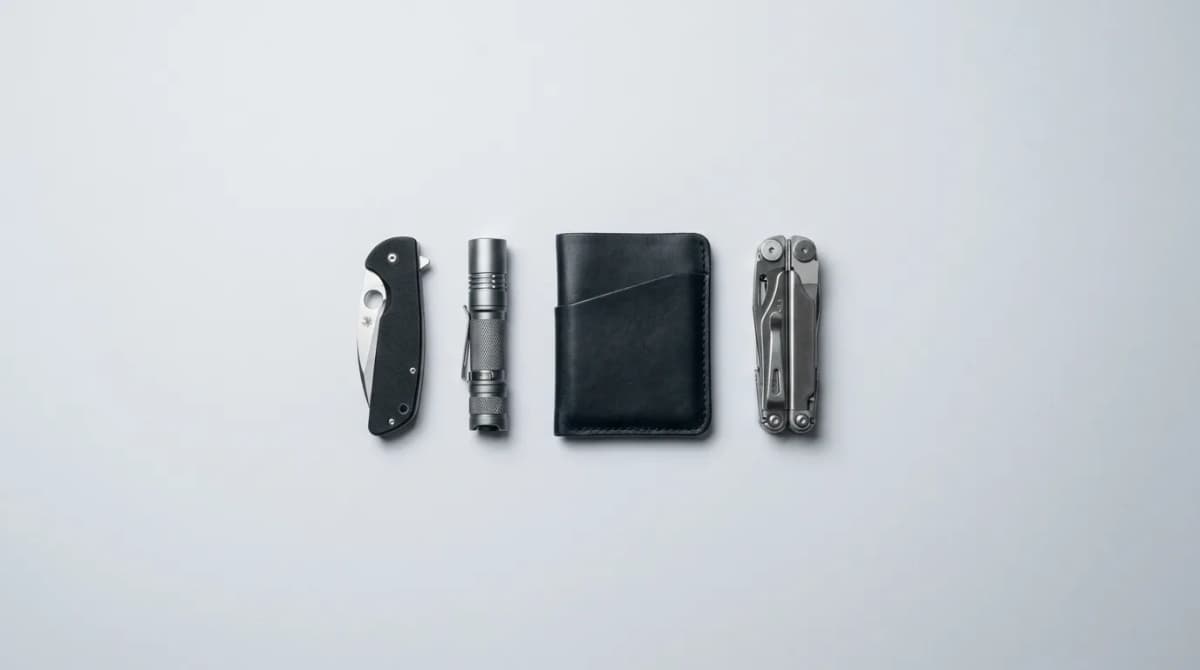
Best EDC Under $25 That Is Not Junk
Real EDC gear under $25 that actually works. We found knives, flashlights, wallets, and tools that skip the gimmicks and deliver daily utility.
Best EDC Gear Under $25: Budget Essentials
Smart everyday carry doesn't require a big budget. These seven EDC essentials under $25 deliver genuine utility without compromise.
Best EDC Gear for Beginners: Starter Kit Guide
Starting your EDC setup doesn't require a $500 budget. Here's exactly what you need in your pockets, what to skip, and why most beginners waste money on the wrong gear first.