EDC Clips: Pocket Clips Explained
Pocket clips determine how your gear rides, how fast you access it, and whether it stays put. Here's what actually matters when choosing clip styles.
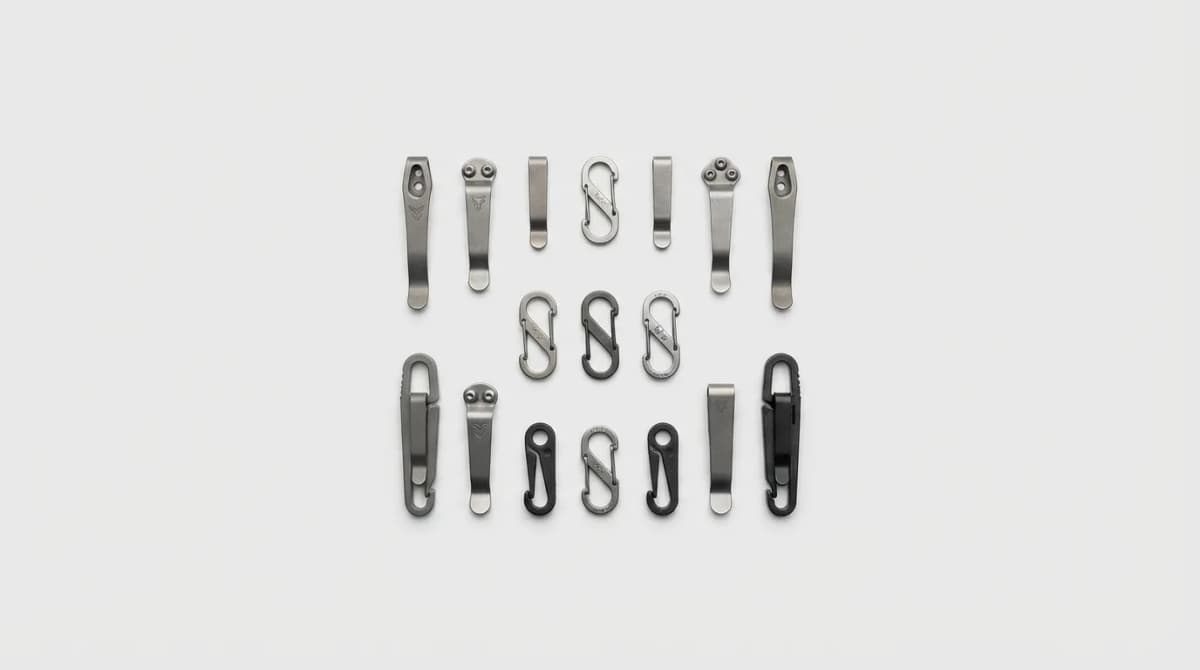
Your knife could have the best blade steel and the smoothest action, but if the clip digs into your hand or lets the tool ride too high in your pocket, you'll leave it in the drawer. The clip is your interface with the gear. It determines access speed, comfort during movement, and whether the tool stays where you put it.
Quick Picks
Our top recommendations at a glance:
- 1Benchmade 940 OsborneSee current price
- 2Olight Baton 3 ProSee current price
- 3Spyderco Para 3 LightweightSee current price
- 4Leatherman Skeletool CXSee current price
- 5Fisher Space Pen BulletSee current price
Most people ignore clips until something goes wrong. The flashlight falls out during a run. The multitool snags on a seatbelt. The knife prints through a shirt at an awkward angle. By then, you're either living with the problem or shopping for a replacement.
This guide covers clip configurations across knives, lights, multitools, and pens. Here's what separates thoughtful designs from afterthoughts.
Deep Carry vs. Standard Pocket Clips
Deep carry clips position the gear low in your pocket so only the clip itself is visible above the pocket edge. Standard clips leave 0.5 to 1.5 inches of the tool exposed.
The practical difference shows up in three scenarios. First, deep carry reduces printing through fabric, which matters if you carry a larger knife in business casual or dress pants. Second, it prevents the exposed portion from catching on door frames, car seats, and backpack straps. Third, it changes your draw mechanics because you're gripping lower on the tool during extraction.
The tradeoff is accessibility. Some people want that extra half-inch of material to grab during a rushed draw. Others find it unnecessary once muscle memory develops. If you're pulling the tool out more than five times per day, standard carry gives you a slightly faster initial grip. If comfort and concealment matter more, deep carry wins.
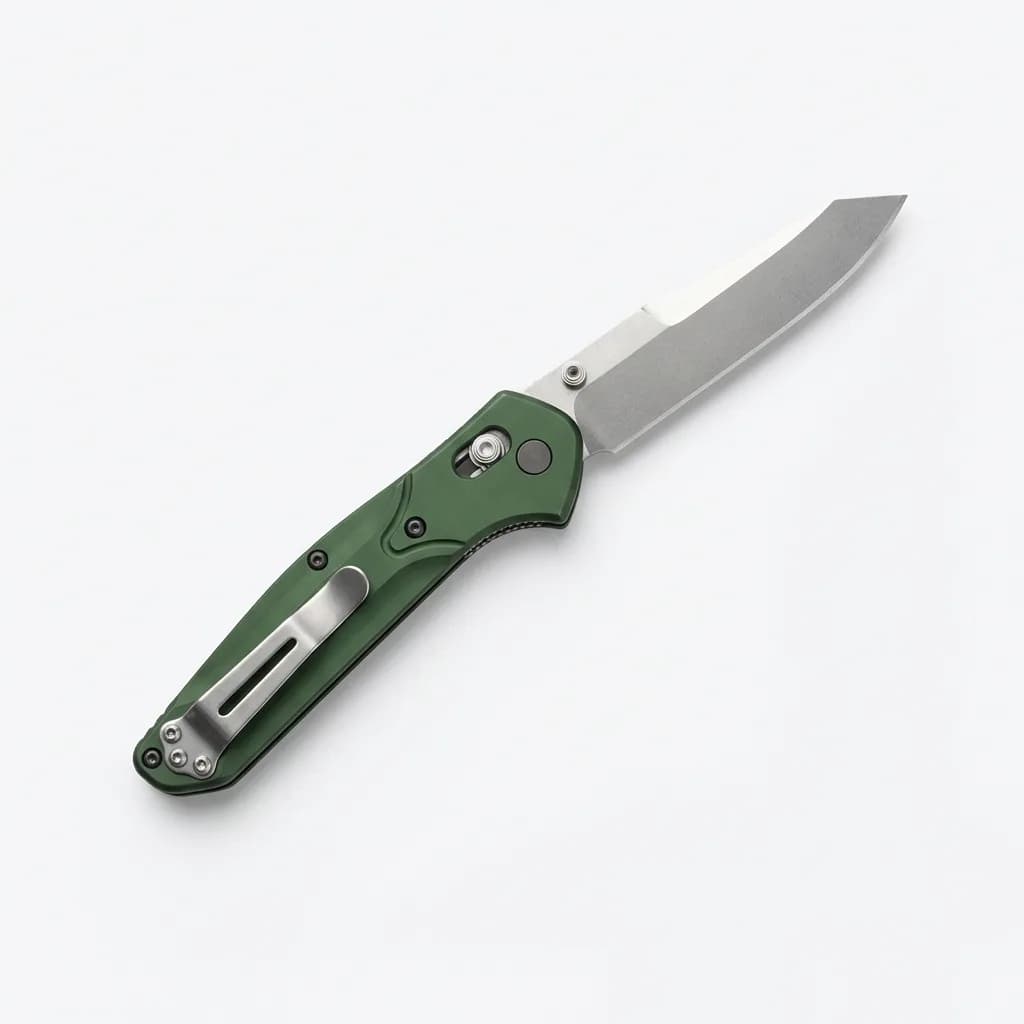
Benchmade 940 Osborne
See current price
Iconic EDC folder with reversible deep carry clip, 3.4-inch S30V blade, and sculpted aluminum handles. Rides low and deploys fast.
Most quality folding knives now ship with deep carry clips or offer them as upgrades. Benchmade's Mini Deep Carry Clip became an aftermarket standard because it fits multiple models and drops the knife nearly flush with the pocket.
Wire Clips vs. Stamped Metal Clips
Wire clips use a spring steel wire bent into shape. Stamped clips are cut from flat metal and formed. The difference affects retention force and long-term durability.
Wire clips generate tension through the bend radius of the wire itself. They tend to maintain consistent tension over thousands of cycles because the entire wire flexes. Stamped clips rely on a bend at the base, which can fatigue or loosen after repeated stress.
Wire clips on lights like the Olight Baton series tend to hold their tension well over years of daily pocket carry. Stamped clips on budget knives are more prone to loosening, requiring periodic adjustment or replacement.
The exception is thick stamped clips made from heat-treated stainless. Spyderco's standard hourglass clip is stamped but uses thick material and a wide contact patch. It holds tension well and spreads pressure across more pocket fabric, reducing wear on both the clip and your pants.
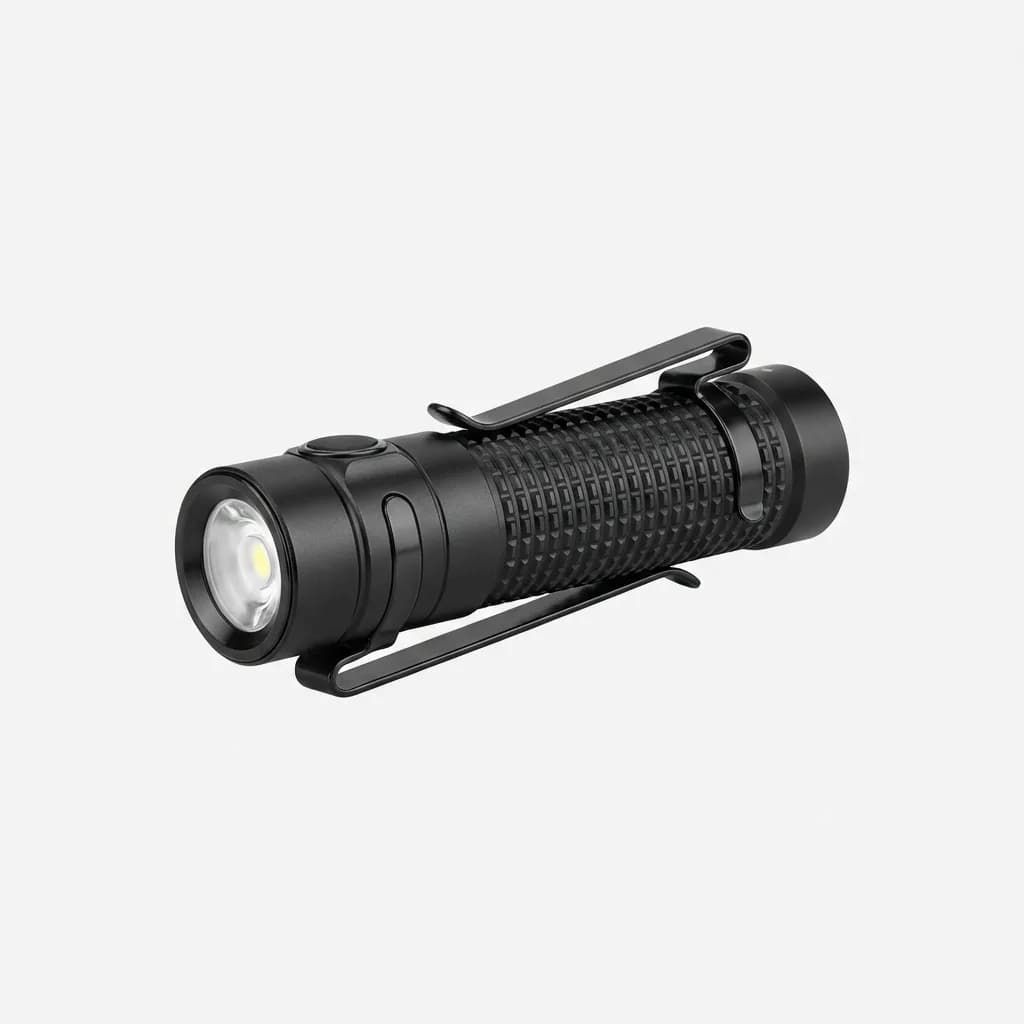
Olight Baton 3 Pro
See current price
Compact 1500-lumen EDC flashlight with bidirectional wire clip, magnetic tail, and 120-day runtime. Wire clip grips tight without damaging fabric.
Clip Position and Reversibility
Tip-up carry positions the knife with the blade tip near the pocket opening. Tip-down reverses it. Left or right hand refers to which side of the tool the clip mounts on.
Tip-up is faster for deployment because your thumb lands directly on the flipper or thumb stud as you draw. Tip-down requires a grip adjustment after extraction. Most experienced users prefer tip-up for one-handed opening knives.
But tip-up has a safety consideration. If the lock fails or the blade deploys accidentally in your pocket, the sharp edge moves toward your hand during extraction. Tip-down keeps the edge oriented away during the draw. It's a low-probability scenario, but worth considering for knives carried in high-vibration environments like motorcycles or construction sites.
Reversibility matters more than most manufacturers acknowledge. If you carry a knife in your right front pocket and a flashlight in your left front pocket, both clips should face the centerline of your body. That usually means right-side carry for the knife, left-side carry for the light. Fixed clip orientation forces you into less comfortable positions.
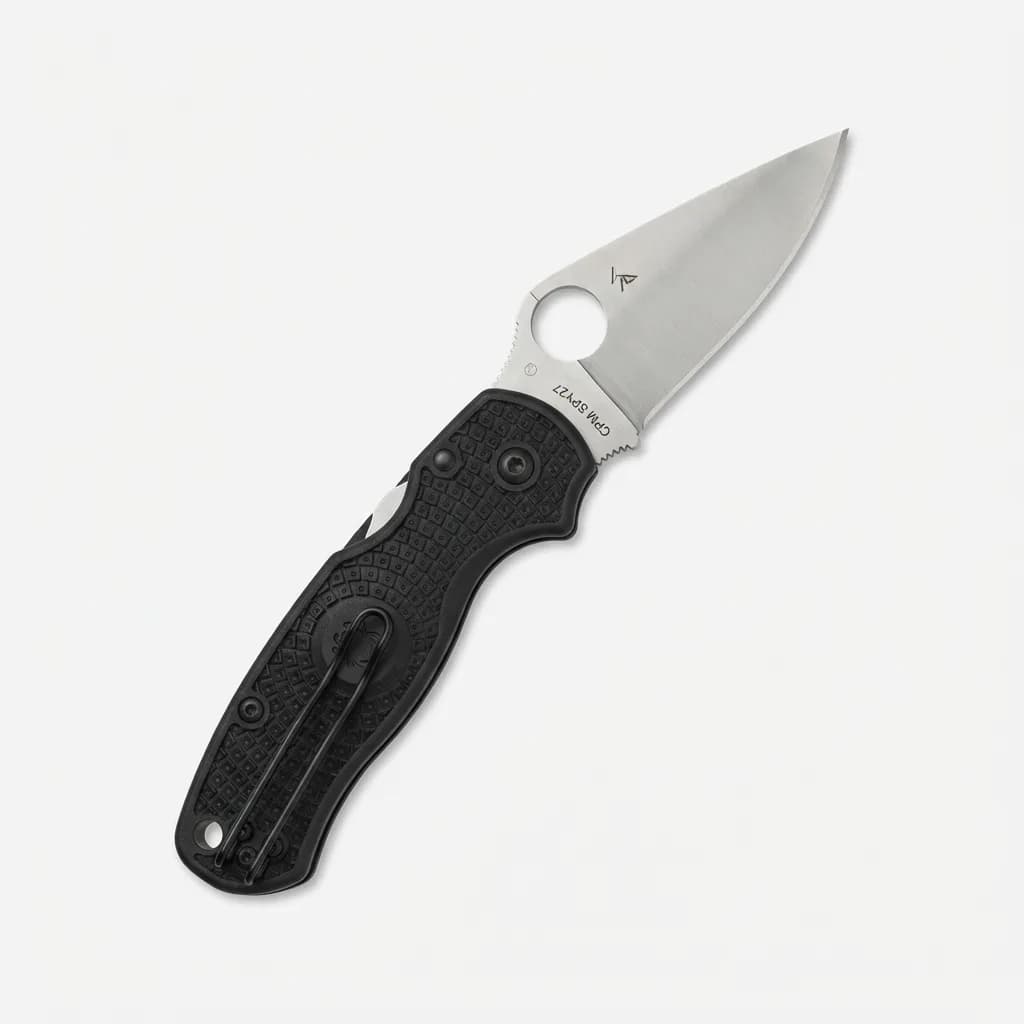
Spyderco Para 3 Lightweight
See current price
3-inch CPM SPY27 blade with four-position reversible clip, FRN handles, and Compression Lock. Adjusts for tip-up, tip-down, left, or right carry.
Spyderco builds four-position mounting into most of their knives. Benchmade typically offers two positions. Budget brands often fix the clip in one orientation, which is a deal-breaker if it doesn't match your carry preference.
Clip Tension and Pocket Fabric Damage
Too much tension shreds pocket fabric. Too little lets the tool fall out. The sweet spot is firm retention without deforming the pocket edge or requiring two hands to remove the gear.
A quick way to check clip tension: clip the tool to a pocket and shake it vigorously. If it doesn't slide, retention is sufficient. Over weeks of insertion and removal, also watch the fabric for wear.
High-tension clips with sharp edges cut into the stitching at the pocket corner. Over time, this creates holes. Rounded clip edges and moderate tension preserved the fabric. The worst offenders were ultra-tight wire clips with unfinished ends, which acted like tiny saws on the pocket lining.
Some lights and multitools include rubber O-rings or plastic sleeves on the clip to reduce fabric wear. These work but add bulk and can slide out of position. A better solution is a clip with a smooth, radiused surface and appropriate spring tension from the start.
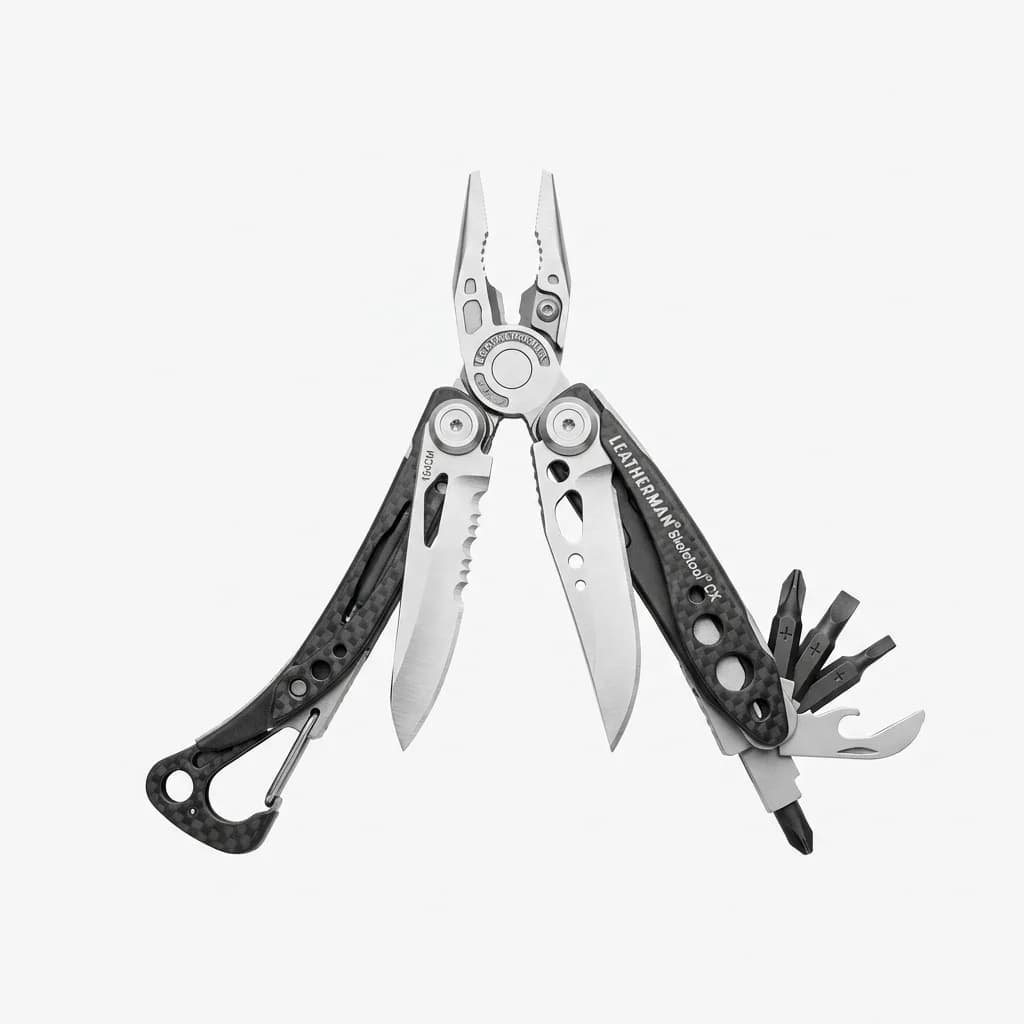
Leatherman Skeletool CX
See current price
Lightweight 5-ounce multitool with carabiner-style clip, 154CM blade, pliers, and bit driver. Clip doubles as a bottle opener and secures to belts or packs.
Belt Clips, Carabiners, and Alternative Carry
Not all clips are made for pockets. Belt clips attach to your waistband and let the tool hang outside the pocket. Carabiner clips hook onto belt loops, backpack straps, or bag D-rings.
Belt clips work well for heavier tools that would sag or tear a pocket. Multitools over 6 ounces benefit from belt carry. The downside is visibility and snag risk. The tool hangs exposed, which can look out of place in office environments and catches on furniture.
Carabiner clips like the one on Leatherman's Skeletool provide the most flexible attachment. You can hook them inside a pocket for traditional carry, clip them to a belt loop for external carry, or attach them to a backpack for travel. The tradeoff is bulk. Carabiner clips add 0.3 to 0.5 inches of width compared to flat pocket clips.
Some people prefer lanyards or bead chains instead of clips. This eliminates the clip entirely and lets you pull the tool out by the cord. It works for small lights and USB drives but creates a dangling tail that snags on objects. Fine for keychain carry, awkward for pocket carry.
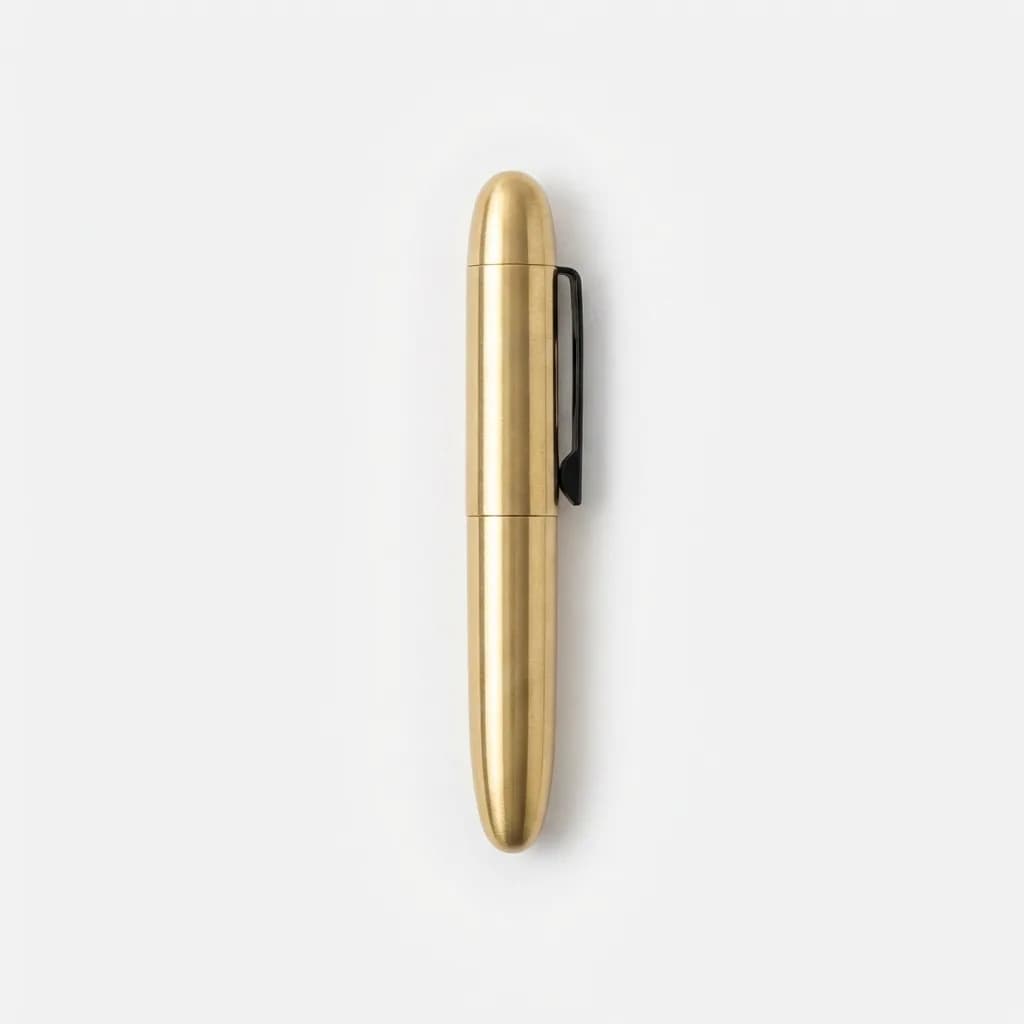
Fisher Space Pen Bullet
See current price
Compact 3.9-inch pen with removable clip, pressurized ink cartridge, and solid brass construction. Clip detaches for clipless pocket carry or keychain use.
Aftermarket Clips and Customization
If your gear came with a poor clip, you're not stuck with it. Aftermarket clips exist for most popular knives and lights.
Companies like Lynch Northwest, MXG Gear, and Casey Lynch make deep carry clips for Benchmade, Spyderco, ZT, and other major brands. These typically cost $15 to $30 and install with a Torx driver in under five minutes. The improvement in carry comfort and retention is often worth more than the price of the clip.
Some manufacturers void warranties if you swap clips. Benchmade's Lifesharp service covers blade sharpening and some hardware replacement, but they may refuse service on knives with third-party clips. Spyderco is more lenient. Check the warranty terms before modifying.
For lights, Olight and Streamlight sell replacement clips through their websites. These are usually $5 to $10 and designed to restore retention on worn-out clips. You can also bend wire clips slightly to increase tension, but over-bending fatigues the metal and risks breakage.
What to Look for When Buying Clipped Gear
Before you buy, check these five clip details.
First, confirm the clip is reversible or matches your carry preference. If you're left-handed or carry the tool in a specific pocket, fixed-position clips will frustrate you daily.
Second, examine the clip edges. Run your finger along the surface. Sharp corners or rough stamping marks will damage fabric.
Third, test the retention by clipping the tool to your pocket and moving around. Jump, sit, bend over. If the tool shifts or feels loose, the clip is under-tensioned.
Fourth, measure how much of the tool sits above the pocket line. If discretion matters, look for deep carry options.
Fifth, check if replacement clips are available. Clips wear out. Tools with proprietary clips that can't be replaced turn into paperweights once the clip fails.
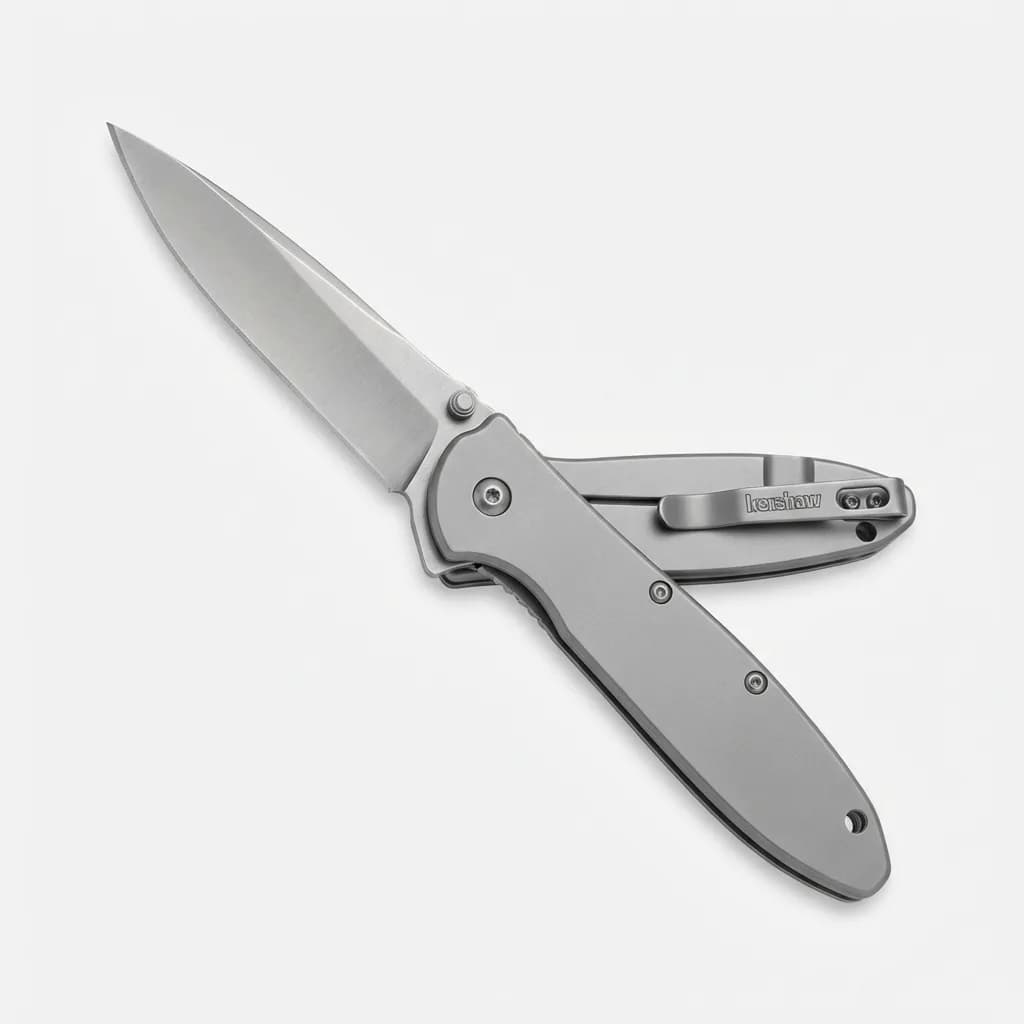
Kershaw Leek
See current price
Slim 3-inch assisted-opening knife with reversible tip-up deep carry clip, 14C28N steel, and lightweight aluminum frame. Rides nearly invisible in pocket.
The clip determines whether your gear gets carried or stays home. A good clip disappears into the background. A bad clip reminds you of its presence every time you sit down, reach into your pocket, or brush past a door frame. Pay attention to it before you buy, and you'll avoid the most common EDC frustration.
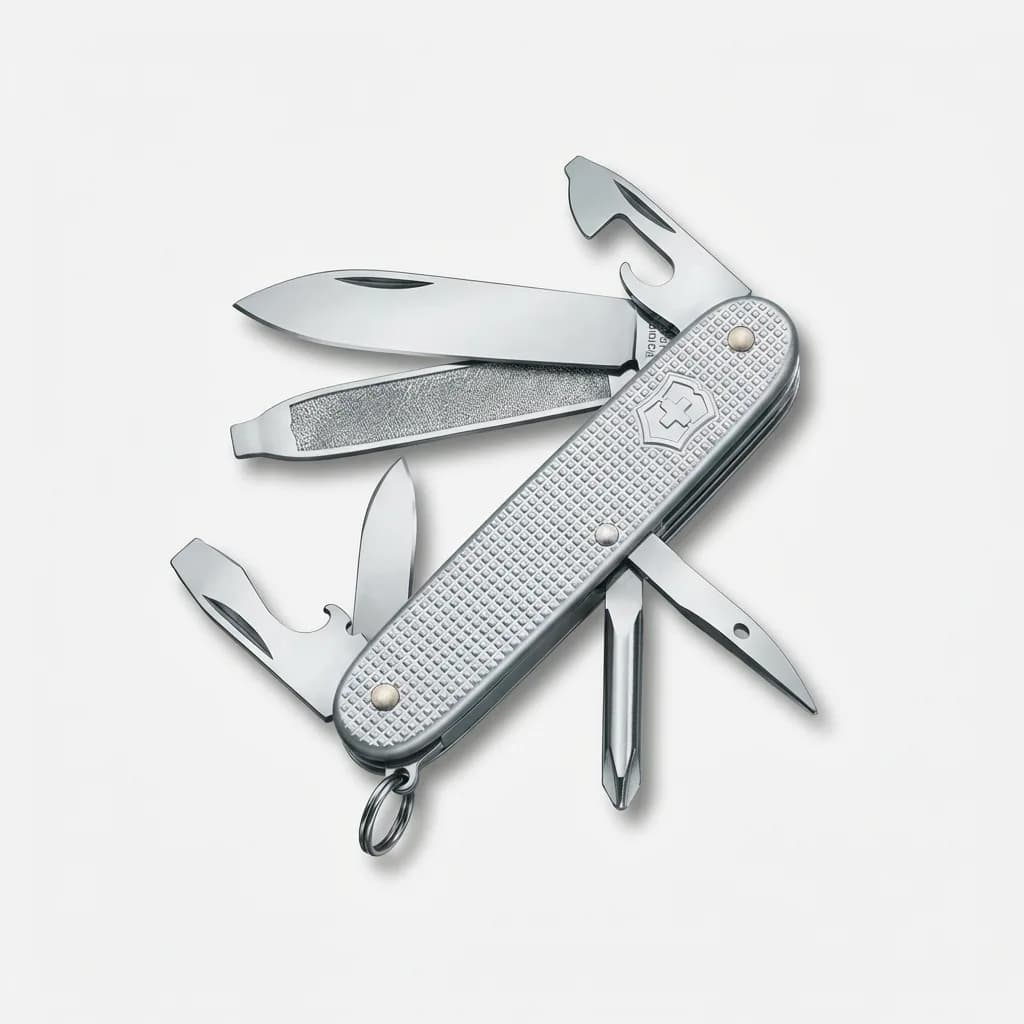
Victorinox Swiss Army Cadet
See current price
Classic 84mm Swiss Army Knife with integrated keyring attachment, no clip. Blade, file, screwdriver, bottle opener. 42 grams. Traditional slipjoint pocket carry.
The Weekly Dispatch
Enjoying this article?
Subscribe and get our best gear picks delivered every Sunday morning.
Related Posts
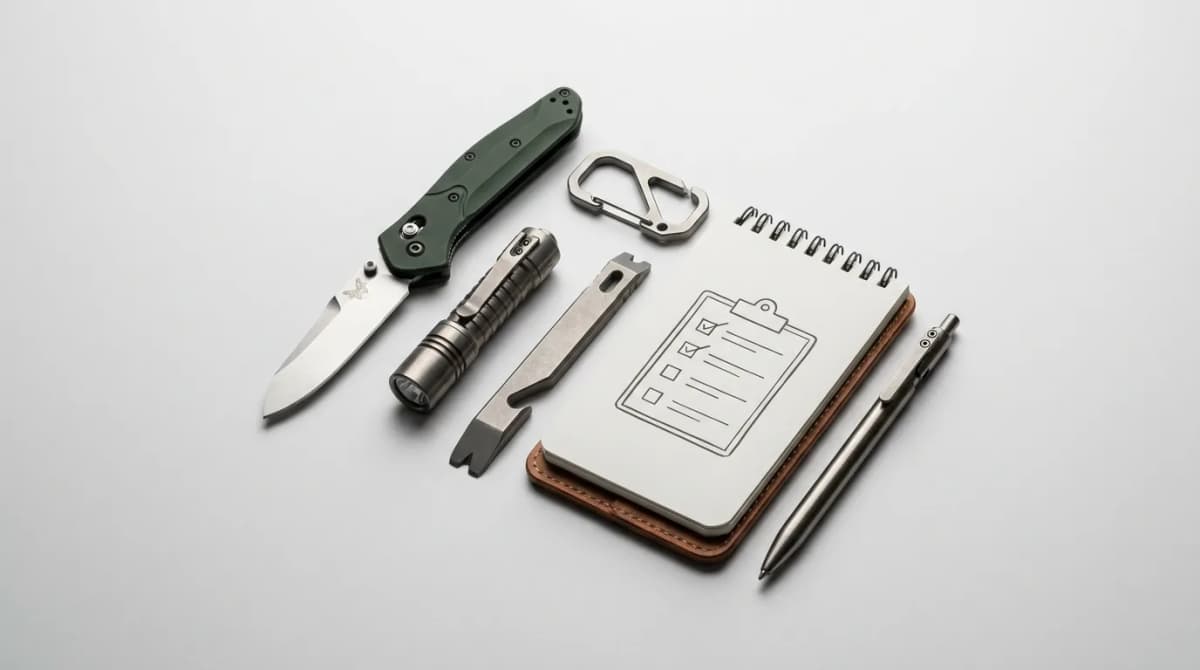
EDC Kickstarter Checklist: 10 Checks to Run First
EDC campaigns are everywhere this fall. Use this 10-point checklist, built on Kickstarter's own rules, to judge knives, lights and clips before you pledge.
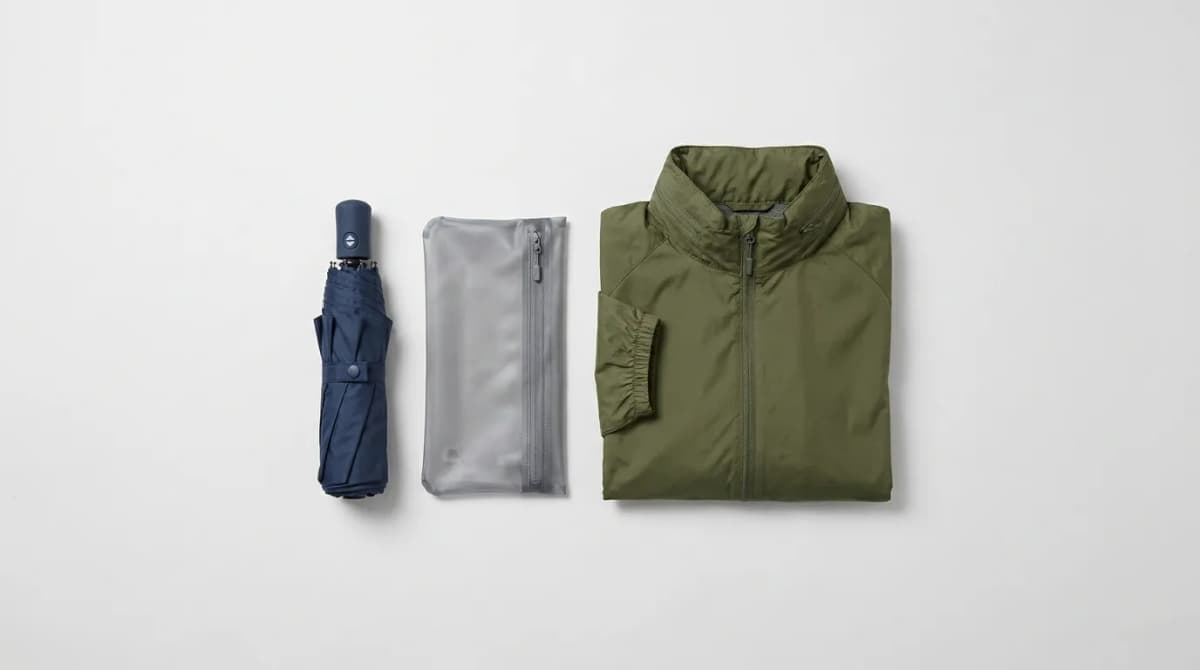
EDC for Rainy Cities: The Complete Setup
Rainy-city EDC means canopy, wet pouch, and smarter fabrics. Build a daily carry that stays dry on transit without soaking your bag or pockets.
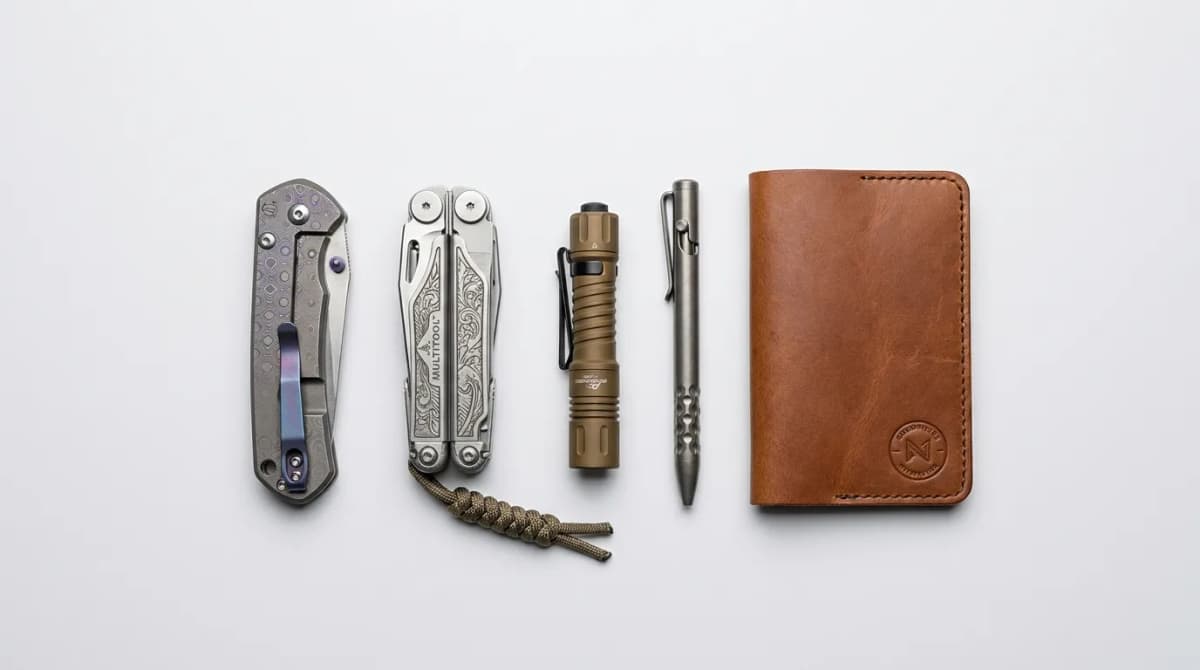
DIY EDC Mods: Personalize Your Everyday Carry Gear
Learn practical DIY modifications for your EDC gear: paracord wraps, anodizing, custom scales, and personalization techniques that improve function and style.
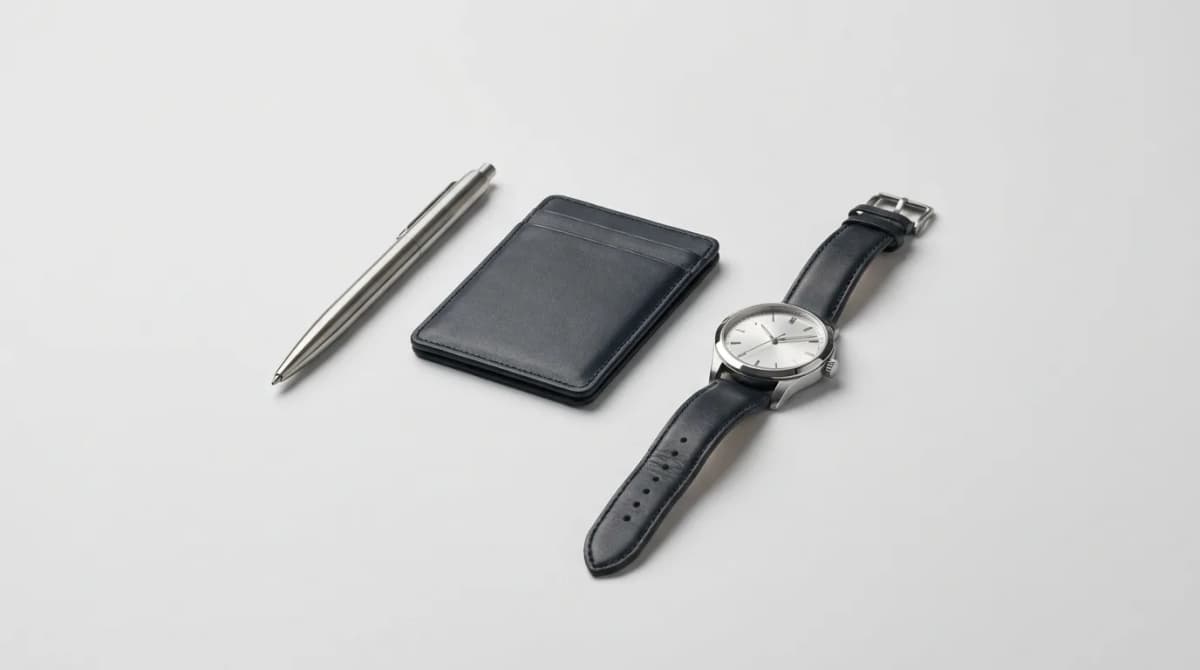
EDC for the Office and After Hours
Building an EDC that works from boardroom to bar requires smart choices, not duplicate gear. Here's how to carry less and do more.