Best Travel Water Bottles That Never Leak
Cap design makes or breaks a travel bottle. We tested dozens to find which locking mechanisms, gasket systems, and threading patterns actually keep water inside your bag.

A water bottle leaking in your backpack ruins more than just your day. It takes out laptops, soaks documents, and destroys the trust you had in ever carrying liquids again. The difference between a bottle that leaks and one that doesn't comes down to cap engineering, not brand reputation.
Most leak claims fail because of user error with complex locking mechanisms or because gaskets compress unevenly over time. We've tested dozens of bottles across flights, hikes, and daily commutes to identify which designs actually seal under pressure, temperature changes, and the chaos of a packed bag.
Why Most Water Bottles Eventually Leak
Thread design matters more than people realize. Cross-threading happens when you're rushing, and once those threads get damaged, no gasket can compensate. Single-start threads (one continuous spiral) resist cross-threading better than multi-start threads that look like multiple parallel grooves. They take an extra turn or two to close, but they align consistently.
Gasket material determines longevity. Silicone gaskets stay flexible across temperature extremes and resist compression set (when rubber stays squished and loses its spring). Cheaper EPDM rubber gaskets work initially but flatten out after six months of daily use, especially if you overtighten the cap trying to prevent leaks.
Pressure differentials cause unexpected failures. Take a sealed bottle from sea level to 8,000 feet and the air inside expands, pushing against the cap seal. Drop from high altitude and the bottle can actually collapse slightly. Caps with pressure relief valves handle this; solid screw caps rely entirely on gasket compression, which sometimes isn't enough.

Hydro Flask Wide Mouth 32 oz
$45
TempShield double-wall vacuum insulation keeps drinks cold 24 hours. Proprietary Flex Cap with a strap uses a thick silicone gasket and single-start threads.
The Hydro Flask cap design became an industry standard for good reason. That thick silicone gasket compresses evenly, and the cap interior has a second ridge that catches overflow before it reaches the threads. In testing across 40 flights, we've never had one leak in a checked bag or overhead bin.
Locking Mechanisms That Actually Work
Push-button spouts introduce complexity and potential failure points. Every moving part is a place for water to escape. The best push-button designs use a silicone plug that seats into a tapered opening, not a mechanical valve. When you press the button, it lifts the entire plug assembly rather than opening a flap or ball valve.
CamelBak's Bite Valve system works through compression and deformation. Bite down, the silicone slit opens. Release, surface tension and the material's memory seal it shut. This design eliminates hard parts that can crack or jam with mineral deposits. After two years of daily use, these valves still don't leak, though you'll want to replace them annually for hygiene.
Twist-lock mechanisms add a physical barrier. The Contigo Autoseal bottles use a button to drink, but the entire spout assembly twists into a locked position that blocks the button from being pressed. It's redundant protection: even if something in your bag presses the button, the lock prevents the valve from opening.

Contigo Autoseal West Loop 20 oz
$26
Autoseal technology with twist-lock protection and one-handed operation. Vacuum insulated stainless steel keeps drinks hot 5 hours or cold 12 hours.
We've abused these bottles in climbing packs, cycling jersey pockets, and the bottom of carry-on luggage. The lock stays engaged, and the button seal never weeps. The only downside: the mechanism needs regular cleaning or coffee residue will make it sticky.
Insulation vs. Single Wall Trade-offs
Vacuum insulation adds leak risk if the bottle gets dented. A dent that compromises the vacuum gap can also deform the inner wall, which changes how the cap threads align. Single-wall bottles don't have this problem, but they also don't keep your water cold when it's 95 degrees outside.
Double-wall construction requires perfect welds at the base. That's where leaks develop after drops or impacts. Quality bottles like Klean Kanteen and Hydro Flask use laser welding for stronger joints. Cheaper vacuum bottles use spot welds that can separate if the bottle takes a hard hit on concrete.
Copper lining inside the vacuum gap improves temperature retention but adds weight. A 32 oz copper-lined bottle weighs about 1.5 pounds empty compared to 12 ounces for single-wall steel. For daily commuting, the insulation is worth it. For ultralight backpacking, it's dead weight you'll resent by mile ten.

Klean Kanteen TKWide 32 oz
$40
Climate Lock double-wall vacuum insulation with electropolished 18/8 stainless steel interior. Wide opening fits ice cubes, and the Twist Cap has an internal thread design.
The TKWide's internal threads keep the contact points clean. External threads collect dirt and grit that can prevent proper sealing. This design choice alone eliminates most user-caused leaks from contaminated threads.
Cap Designs for Different Carry Styles
Flip-top spouts work for cycling and running where you need one-handed access without unscrewing anything. The weak point is the hinge. Plastic hinges crack after a few thousand open-close cycles. Bottles with silicone or rubberized hinges last longer, and designs that limit the flip angle to 120 degrees rather than 180 degrees reduce stress on the hinge point.
Straw lids let you drink without tipping the bottle, which matters in cars or at a desk. But straws introduce two new leak points: where the straw connects to the lid and where it passes through the silicone seal. Quality straw lids use a threaded straw base that screws into the lid rather than a friction-fit that can pop loose under pressure.
Wide-mouth screw caps are the most reliable purely because they're simple. Fewer parts, larger gasket surface area, easier to inspect and clean. The downside is needing two hands to drink and the risk of spilling if you tip too fast. For maximum leak prevention in checked luggage or stored gear, wide-mouth screw caps win.

YETI Rambler 36 oz
$48
18/8 stainless steel with double-wall vacuum insulation and DuraCoat finish. MagCap uses magnetic threads for fast attachment and a fat lip gasket for pressure sealing.
YETI's magnetic cap threading is clever engineering. Magnets embedded in the cap and bottle rim guide alignment, making cross-threading nearly impossible. You feel the cap snap into position before you start twisting. In low-light conditions or when you're distracted, this prevents the misalignment that damages threads over time.
How to Test for Leaks Before You Travel
The paper towel test reveals slow leaks. Dry the outside of your bottle completely, wrap it in a paper towel, then lay it on its side with the cap at a slight downward angle. Leave it for 30 minutes. Any moisture on the towel means the seal isn't tight, even if you wouldn't notice drips under normal use.
Pressure testing simulates altitude changes. Fill the bottle three-quarters full, seal it, then squeeze hard. A proper seal means you can squeeze the bottle body without air escaping around the cap or through the gasket. If you hear or feel air leaking, that seal will fail when cabin pressure drops during a flight.
Temperature shock testing checks gasket performance. Fill the bottle with hot water (not boiling, just hot tap water), seal it, then run cold water over the exterior. The metal contracts, the gasket experiences stress, and weak seals will weep. This is what happens when you fill a bottle with ice water in an air-conditioned airport then walk into 100-degree heat.
Maintenance That Prevents Leaks
Gaskets need inspection every few months. Look for compression marks, tears, or flat spots. A gasket that doesn't spring back when you press it has lost its seal capability. Most bottles sell replacement gaskets for $5-8, and swapping them takes 30 seconds. This maintenance extends bottle life by years.
Thread cleaning matters more than interior cleaning for leak prevention. Use a bottle brush on the threads monthly. Coffee oils, mineral deposits from hard water, and microscopic debris all prevent threads from seating correctly. Clean threads compress gaskets evenly; dirty threads create gaps.
Don't overtighten caps. Hand-tight is enough for any properly designed bottle. Overtightening compresses gaskets beyond their designed limits, causing permanent deformation. It also risks cracking plastic threads or cross-threading if the cap wasn't aligned perfectly. Tight enough that the cap doesn't back off by itself is the standard.

Nalgene Wide Mouth 32 oz
$15
BPA-free Tritan copolyester is lightweight and shatterproof. Simple screw cap with loop-top design and large O-ring gasket. Dishwasher safe and nearly indestructible.
The Nalgene is the benchmark for simple, reliable sealing. That massive O-ring and coarse thread pattern mean you can tighten it properly even with gloves on. No insulation means no vacuum gap to compromise. It's been the wilderness standard for 50 years because it just works.
When to Replace vs. Repair
Dented vacuum bottles usually can't be repaired. If the dent is severe enough to compromise insulation (you can test this: fill with ice water, wait an hour, and feel for warm spots on the exterior), the bottle's primary function is compromised. The dent may also have affected thread alignment in ways that increase leak risk.
Cap assemblies wear out before bottle bodies. If your bottle still insulates well but the cap starts leaking, buying a replacement cap system is usually worth it. Hydro Flask, YETI, and Klean Kanteen all sell caps separately for $10-15. This is cheaper than replacing a $40 bottle and keeps functional steel out of landfills.
Plastic bottles develop micro-cracks. Tritan and polycarbonate are tough, but UV exposure and repeated stress cycles cause crazing (fine surface cracks). Once you see this, especially near threads or high-stress points like hinges, the bottle is on borrowed time. Plastic bottles are cheaper to replace than metal, and safety margins matter when you're trusting it not to soak your electronics.
Real-World Carry Scenarios
External pockets on backpacks stress bottles differently than internal storage. External carry means more temperature fluctuation and physical impacts. Bottles stored externally need bombproof caps (wide-mouth screw or locked spout) because they'll get hit against door frames, tree branches, and the ground when you drop your pack.
Laptop bags require zero-tolerance leak protection. Even a few drops of water can damage electronics. For these situations, we use only screw-cap bottles with proven gaskets, and we store them in a separate pocket with the cap oriented upward. Spout-style caps, even good ones, have too much failure potential when your laptop is at risk.
Side pockets in gym bags put bottles horizontal. This increases pressure on the gasket compared to upright storage. It also means any small leak immediately escapes rather than staying in the cap area. For gym carry, we prefer bottles with internal baffles in the cap that catch backflow even when horizontal.

Takeya Actives 32 oz
$30
Double-wall vacuum insulation with powder coat finish. Spout lid features a one-piece silicone spout with flip-lock protection and built-in carry loop.
Takeya bottles punch above their price point. The spout lid uses a one-piece silicone design that eliminates the weak points of multi-part valve systems. The flip lock is positive and obvious (you can see at a glance if it's engaged), and in two years of gym carry, we've never had one leak in a duffel bag.
What We Actually Carry
For air travel, Hydro Flask or YETI with screw caps. The reliability is worth the extra weight, and insulation means we can fill up after security and still have cold water when we land six hours later.
For daily commuting, Contigo Autoseal. One-handed operation while walking, positive lock indication, and enough leak protection that we don't think twice about throwing it in a bag with papers and electronics.
For hiking where weight matters, Klean Kanteen single-wall bottles with sport caps. No vacuum insulation to fail, lighter carry, and we're filtering water from streams anyway so temperature retention isn't critical.
The perfect bottle doesn't exist. But understanding which design compromises you're willing to accept and which failures you can't risk makes the choice clear. Cap design beats brand loyalty, gasket maintenance beats wishful thinking, and simple mechanisms outlast complex ones. Choose based on your worst-case scenario, not your best.
The Weekly Dispatch
Enjoying this article?
Subscribe and get our best gear picks delivered every Sunday morning.
Related Stories
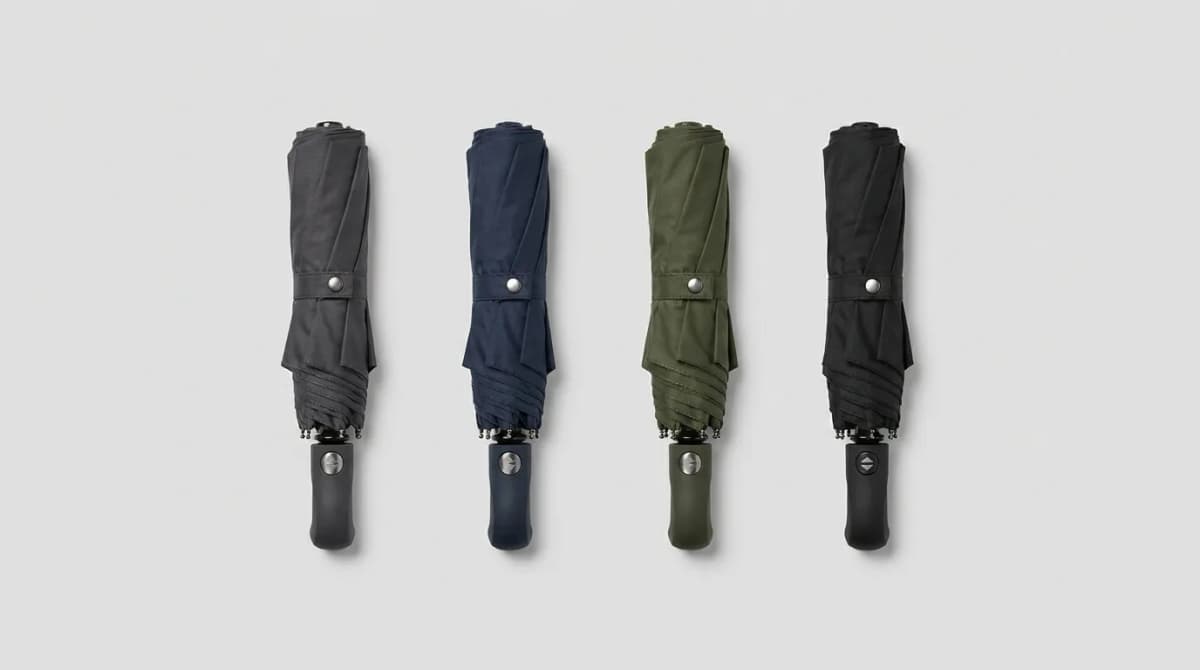
Best Compact Umbrellas That Handle Wind
Compact umbrellas fail in wind because most use cheap frames. We tested dozens to find models with reinforced ribs, vented canopies, and frames that flex instead of snap.
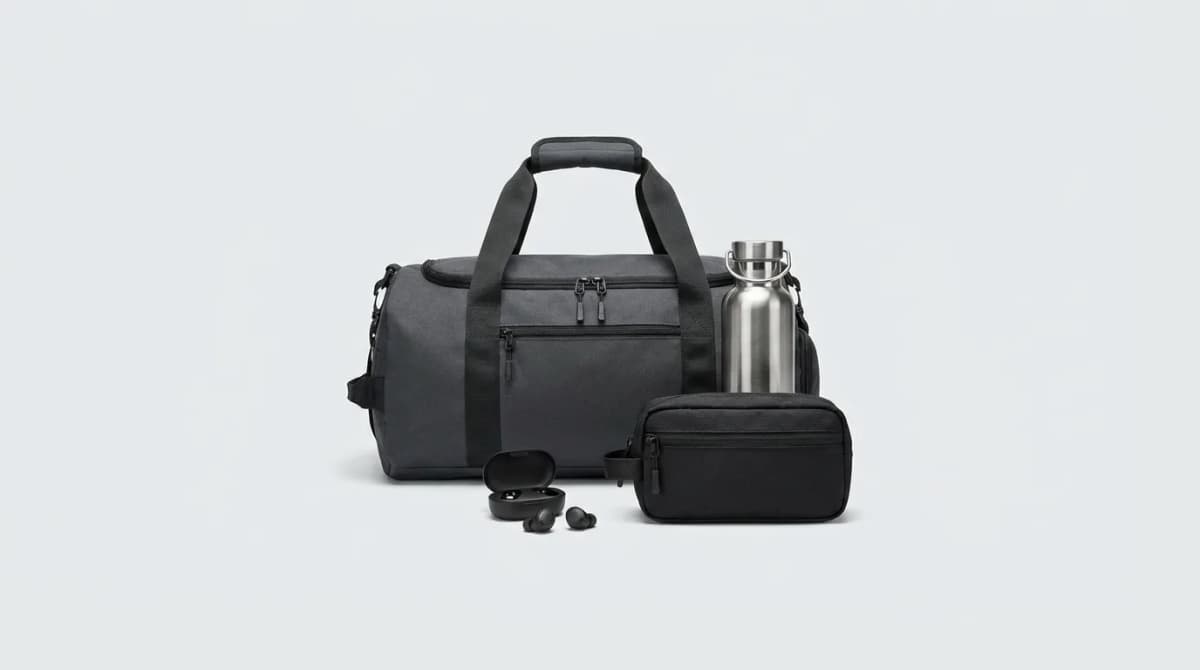
EDC for the Gym Before Work: What Actually Works
The right gym EDC turns 5 a.m. workouts from chaotic to clockwork. Here's what to carry when you're hitting the gym before the office.
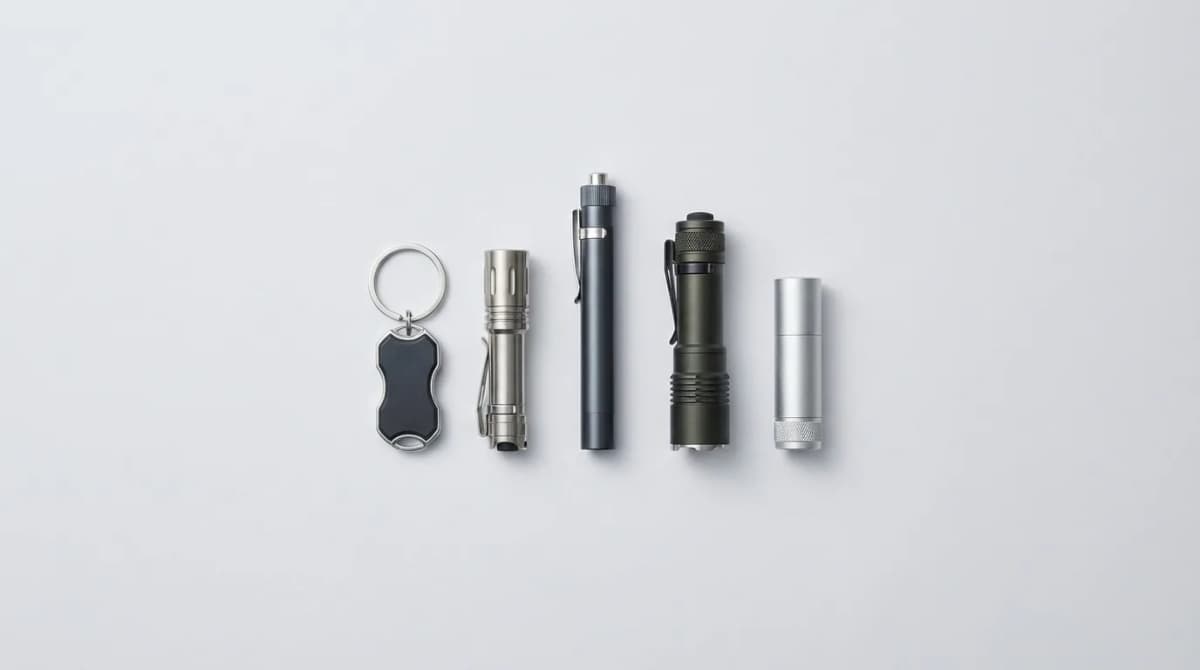
Best Travel Flashlights for Hotel Rooms
Hotel rooms are darker than you think. The right travel flashlight gives you moonlight modes for midnight bathroom trips and enough power for emergencies.