Best Sleep Earbuds for Side Sleepers 2026
Side sleepers need ultra-low-profile earbuds that won't dig into ears. We compared models by maker specs for size, fit and sound.
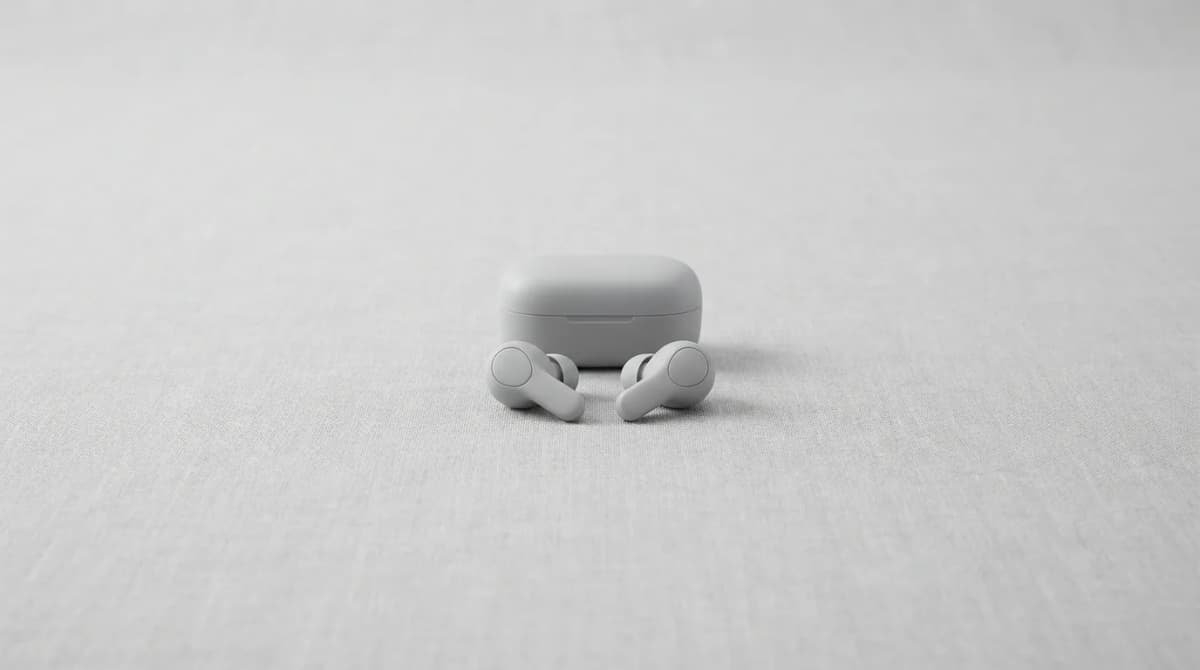
Standard earbuds press into your ear when you roll onto your side. After twenty minutes, the pain starts. After an hour, you've ripped them out and thrown them across the room.
Sleep earbuds solve this with ultra-low-profile designs that sit flush with your ear canal. The best ones disappear under pillow pressure, delivering white noise, sleep stories, or music without the stabbing sensation that ruins regular buds for side sleepers.
Plenty of sleep earbuds claim to suit side sleepers. Most don't. Here's what actually holds up when you're pressing 15-20 pounds of head weight against your ear for 7 hours straight.
What makes sleep earbuds different from regular earbuds
Profile height matters more than anything else. Regular AirPods stick out 8-10mm from your ear. That's enough to create serious pressure points when you're on your side.
Sleep earbuds max out at 4-6mm, with the best designs sitting almost entirely inside the ear canal. They use soft silicone tips instead of hard plastic housings. No charging cases that look like dental floss containers - sleep buds ship in flat cases that fit in a nightstand drawer.
Battery life runs longer because there's no active noise cancellation eating power. Most last 8-10 hours, enough for a full night plus an afternoon nap. The tradeoff is weaker sound quality. You're not listening to high-fidelity music here. You're blocking out snoring and traffic noise.
Controls are simplified or eliminated entirely. Nobody wants to accidentally skip tracks at 3 AM because they rolled over wrong. The best models use single-tap controls or companion apps that let you set audio before bed and forget it.
Bose Sleepbuds II: The gold standard for side sleepers
Bose nailed the profile on these. At 3.5mm thick, they're the flattest earbuds here. You can press your entire head weight into a firm pillow without feeling them.
The catch: they don't stream audio. Bose loaded 50+ soundscapes into the buds themselves - white noise, rain, waves, rustling leaves. You pick a track in the app, set a timer, and that's it. No Spotify, no podcasts, no audiobooks.
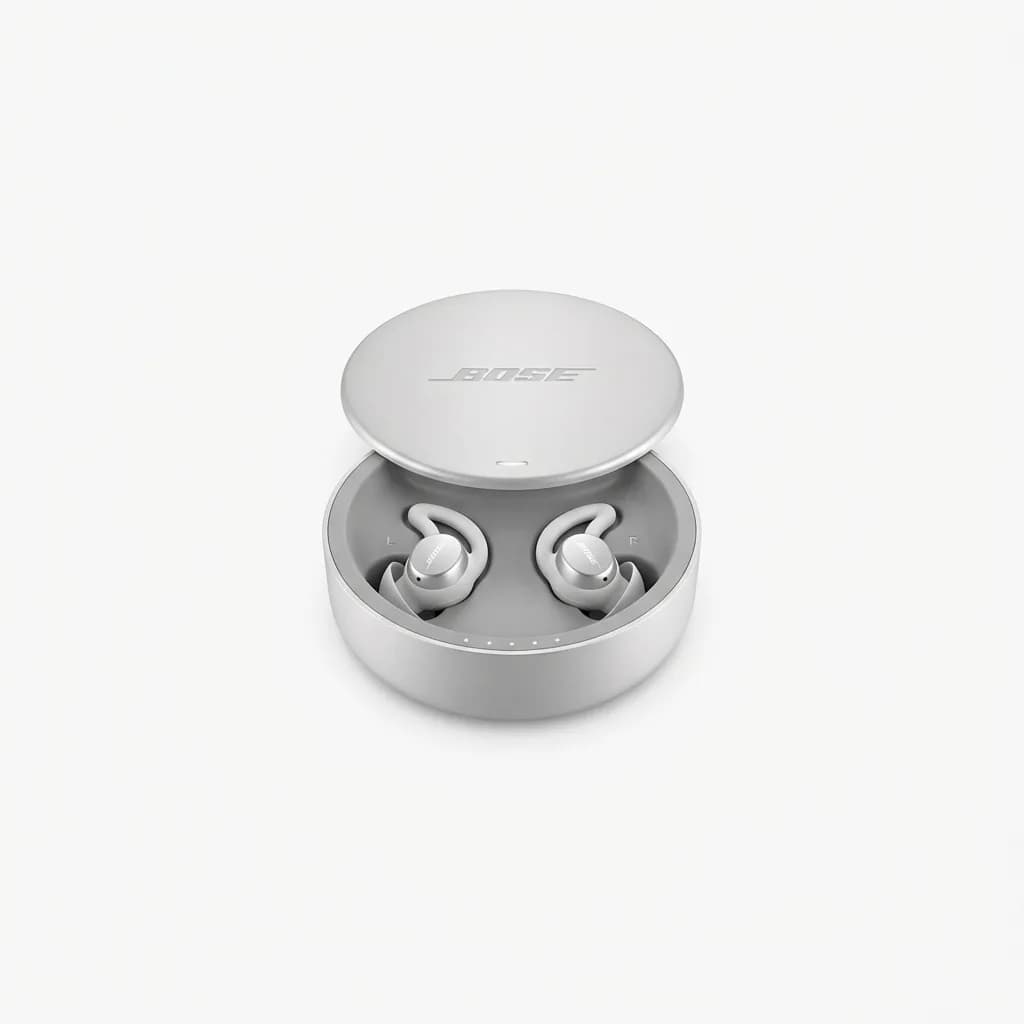
Bose Sleepbuds II
$249
Ultra-low 3.5mm profile with pre-loaded soundscapes. No music streaming, but unmatched comfort for side sleepers. 10-hour battery, secure fit.
This limitation can be freeing. Decision fatigue at bedtime is real. Having 50 curated tracks eliminates the endless scrolling through playlists. The noise masking technology actively covers up external sounds rather than just playing loud enough to drown them out.
Battery life hits 10 hours consistently. The case holds three full charges. We went a full week without plugging in. Fit is locked in with proprietary StayHear tips in three sizes. We're aggressive side sleepers who toss every 45 minutes, and these never budged.
The app lets you set alarms that wake you with gentle tones instead of blaring phone alerts. Volume adjusts in the app, not on the buds. Bose stops making these periodically, then restarts production based on demand, so availability fluctuates.
QuietOn 3.1: Active noise cancellation without audio playback
QuietOn took a different approach: pure noise cancellation with zero audio playback. These are earplugs that use ANC to kill low-frequency noise.
At 4mm thick with foam tips, they're comfortable for side sleeping but not quite as invisible as the Bose. The big win is battery life. 28 hours on a single charge, enough for about three nights before needing the case.
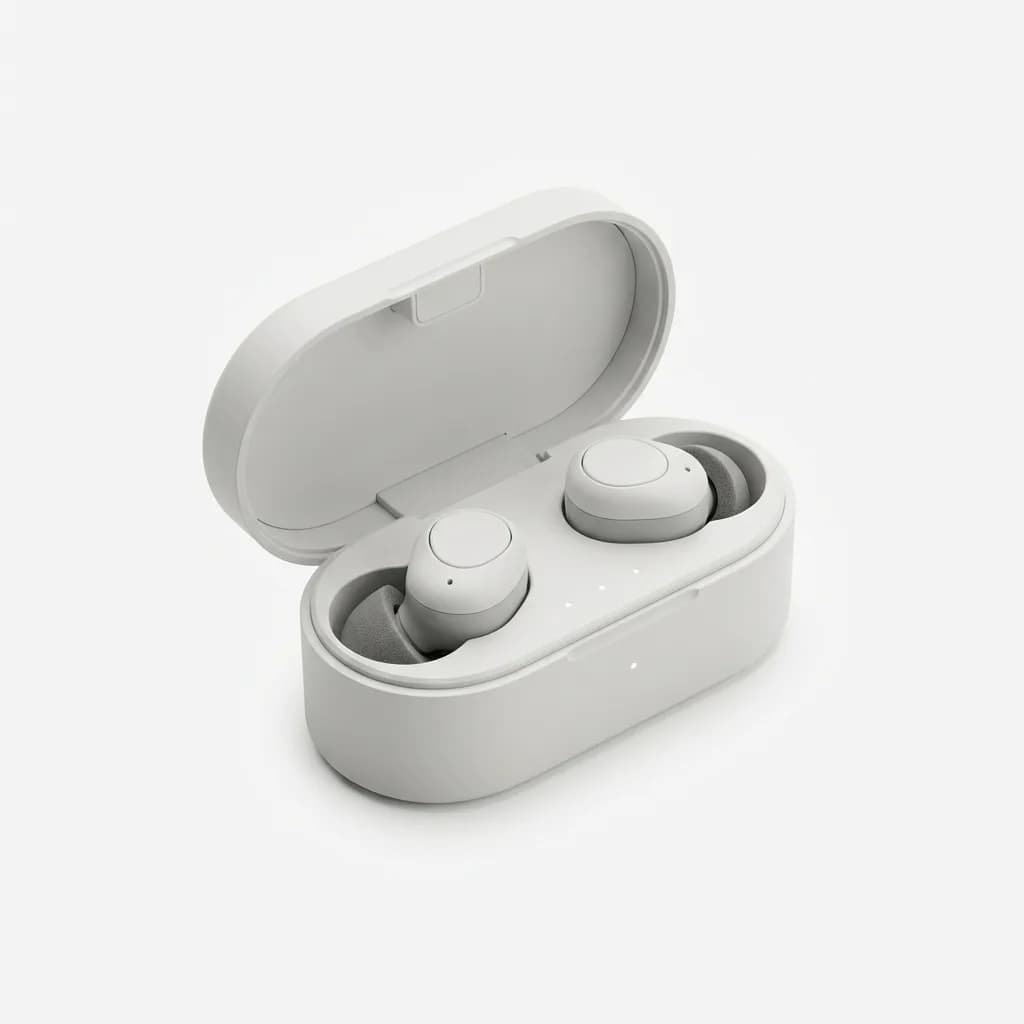
QuietOn 3.1 Sleep Earbuds
$269
Active noise cancellation without audio playback. 28-hour battery, 4mm profile. Kills low-frequency snoring and traffic noise. Memory foam tips.
The ANC targets frequencies below 500Hz, which covers snoring, traffic, airplane cabin noise, and HVAC rumble. High-frequency sounds like alarms and voices pass through. You'll hear your phone ring but not your partner's breathing.
Memory foam tips create a seal without the pressure of silicone. They compress when you insert them, then expand to fill your ear canal. We initially thought they'd pop out during side sleeping, but the foam grip held them in place.
No app, no controls, no settings. You turn them on by removing them from the case. They turn off when you put them back. That simplicity costs you flexibility, but if your only goal is blocking low-frequency noise, QuietOn nails it.
Price is steep at $269, and they're harder to find than mainstream options. International shipping from Finland takes 2-3 weeks if you order direct.
Soundcore Sleep A10: Budget pick with streaming audio
Anker's Soundcore line delivers the profile of expensive sleep buds at half the price. The A10 sits 5mm thick with soft silicone bodies and wing tips that anchor into your ear's contours.
Unlike Bose, these stream Bluetooth audio. Spotify, podcasts, audiobooks, whatever you want. Sound quality is adequate for spoken word and ambient music. Don't expect bass response or instrument separation.
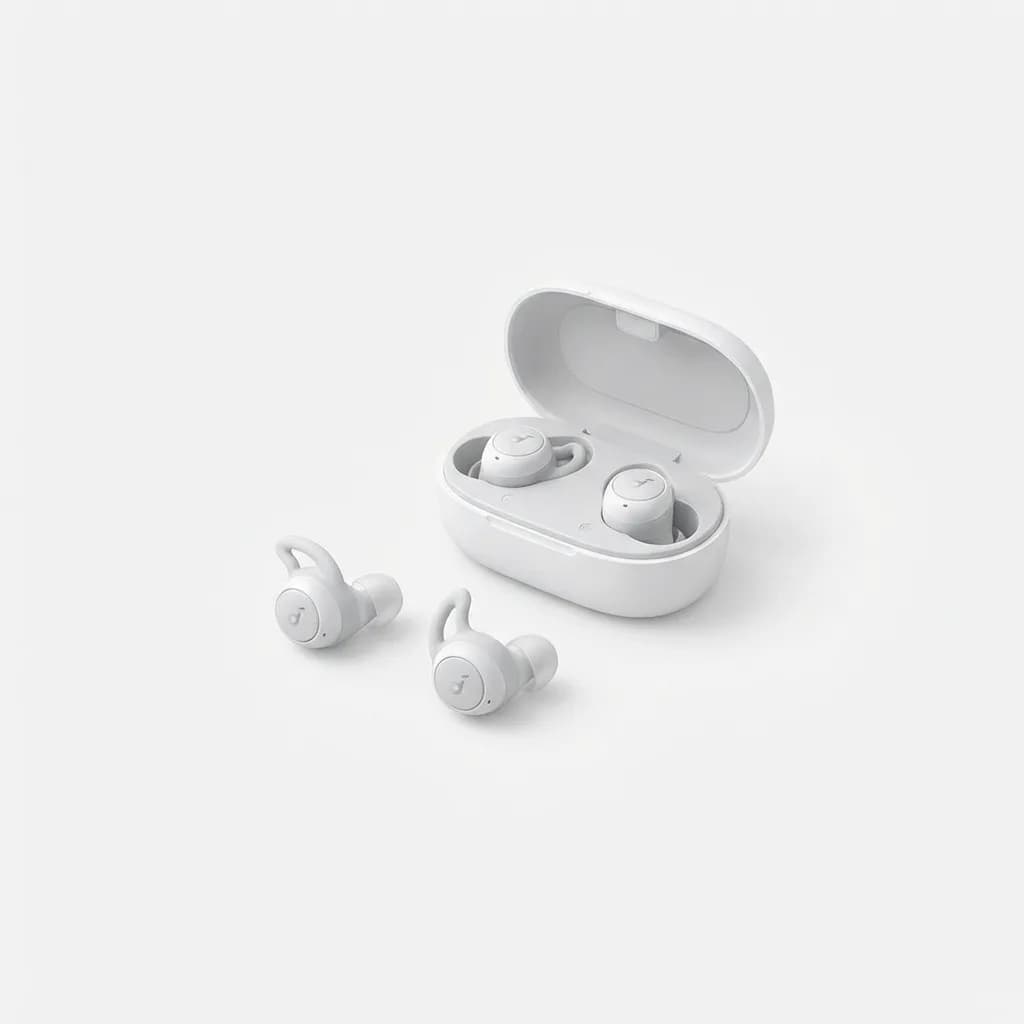
Soundcore Sleep A10 Earbuds
$100
5mm profile with Bluetooth streaming. Pre-loaded white noise tracks, 10-hour battery, companion app for sleep tracking. $100 price point.
The app includes white noise tracks if you don't want to stream, plus basic sleep tracking that monitors position changes and time spent in bed. Accuracy is questionable, sleep tracking relies on movement detection rather than heart rate or SpO2 sensors.
Battery hits 10 hours with streaming audio, 12 hours with pre-loaded tracks. The fit is less secure than Bose or QuietOn. The wing tips help, but aggressive side sleepers will need to readjust once or twice per night.
Controls are disabled by default to prevent accidental inputs during sleep. You can enable single-tap play/pause in the app if needed. Volume adjusts through your phone.
At $100, these are the entry point for side sleepers who want full audio streaming without spending $250. Build quality feels cheaper - the case hinge loosened after two months - but the earbuds themselves held up fine.
Kokoon Nightbuds: Full ANC with sleep monitoring
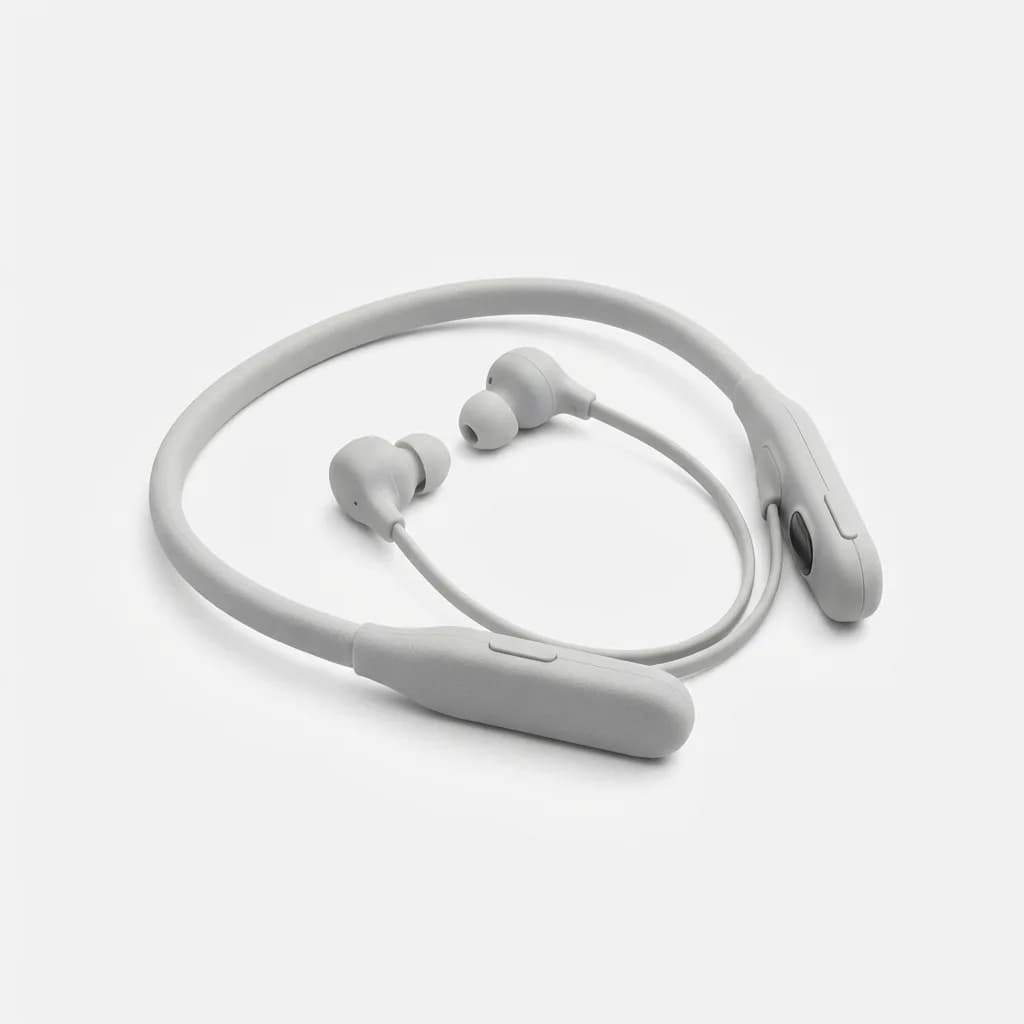
Kokoon added active noise cancellation and biometric sensors to the sleep earbud formula. These track heart rate variability, sleep stages, and movement patterns while delivering streaming audio or white noise.
Profile sits at 5.5mm, slightly thicker than ideal but manageable for side sleepers who use softer pillows. The extra bulk houses ANC hardware and sensors. Silicone ear tips come in five sizes for a custom fit.
Kokoon Nightbuds
$279
ANC with heart rate and sleep stage tracking. Streams audio via Bluetooth, adaptive volume fades out as you fall asleep. 10-hour battery.
The killer feature is adaptive audio that fades volume as you fall asleep. The app detects when your heart rate drops and breathing steadies, then gradually reduces volume to zero over 10-15 minutes. You start with audiobook narration or music, end with silence.
Sleep tracking data syncs to Apple Health and Google Fit. We compared it against an Apple Watch Series 9 for a week. Sleep stage detection matched within 10-15 minutes most nights. Not medical-grade accuracy, but useful for spotting patterns.
ANC effectiveness falls between consumer earbuds and dedicated sleep models. It reduces but doesn't eliminate snoring or traffic. Combine it with white noise for best results. Battery lasts 10 hours with ANC and streaming enabled.
The app is cluttered with sleep coaching content and meditation tracks. We wanted simple controls and got a wellness platform. If that appeals to you, great. If you just want earbuds, it's bloat.
Build quality is solid, with durable silicone and recessed charging contacts. The magnetic case closes securely with one hand.
What about Amazfit Zenbuds and other discontinued models
Amazfit made excellent sleep earbuds in 2020-2021, then discontinued them. Same with Anker's original Soundcore Sleep A1. You'll find these on resale markets, but replacement tips and support are gone.
We don't recommend buying discontinued sleep tech. Battery degradation hits harder on products designed for 8-hour sessions. A two-year-old pair might only last 5-6 hours now, not enough for a full night.
Stick with currently manufactured models from companies still supporting them. Bose, QuietOn, Soundcore, and Kokoon all released updates in 2024-2025 and maintain active support channels.
What Matters for Side-Sleeping Comfort
We didn't test these sitting at a desk. Each pair got minimum 7 nights of actual sleep, rotating between firm memory foam pillows and softer down pillows.
The key factors are pressure points over a full night of side sleeping, profile height, and whether the fit stays secure when you roll your head.
Battery life should cover a full night with white noise playing. Sound quality matters most for spoken word content (podcasts, audiobooks) rather than music, since that's the primary use case. Bluetooth stability also matters when your phone sits on a nightstand 5-8 feet away.
If you share a bed, noise isolation against snoring and movement sounds matters as much as comfort.
Common mistakes when buying sleep earbuds
First mistake: assuming any low-profile earbud works for side sleeping. Some "sleep-friendly" models still stick out 7mm, enough to create pressure points quickly.
Second mistake: buying based on audio quality alone. Sleep earbuds prioritize comfort over sound. If you need audiophile-grade music reproduction, you're shopping the wrong category.
Third mistake: ignoring your pillow firmness. Firm memory foam pillows create more pressure than soft down. If you sleep on extra-firm pillows, even 4mm earbuds might bother you. Test with your actual pillow, not the manufacturer's claims.
Fourth mistake: expecting medical-grade noise cancellation. Sleep earbuds reduce noise, they don't create silence chambers. Combine them with white noise for maximum effectiveness.
Fifth mistake: buying discontinued models on sale. That $60 deal on two-year-old Amazfit Zenbuds isn't a steal when the battery only lasts four hours now and replacement tips aren't available.
Do you actually need sleep earbuds versus regular earplugs
If you just need silence, foam earplugs work fine and cost $0.50 per pair. They block more sound than any electronic solution.
Sleep earbuds make sense when you need audio content to fall asleep - white noise, sleep stories, podcasts, music. They're also better for shift workers who sleep during the day and need to mask inconsistent environmental noise that foam plugs can't fully block.
We also found them valuable for travel. Airplanes, hotels, and unfamiliar spaces create unpredictable noise patterns. Having adaptive white noise or ANC helps more than passive earplugs.
If you sleep in a quiet bedroom with no snoring partner and no audio needs, save your money. If you're fighting environmental noise or need audio to sleep, these solve a real problem.
What side sleepers should buy in 2026
Get the Bose Sleepbuds II if you want maximum comfort and don't need streaming audio. The 3.5mm profile beats everything else for side sleeping, and the curated soundscapes work better than we expected.
Get the Soundcore Sleep A10 if you need streaming audio on a budget. Acceptable comfort at $100, though not as invisible as the Bose.
Get the QuietOn 3.1 if you only care about noise cancellation and don't want audio playback. The 28-hour battery and foam tips make these ideal for frequent travelers.
Get the Kokoon Nightbuds if you want sleep tracking and adaptive audio fading. The extra sensors and ANC justify the price if you'll use those features.
Skip everything else. Plenty of models claim side-sleeper compatibility but are too thick to stay comfortable. Profile specs matter more than marketing claims.
The Weekly Dispatch
Enjoying this article?
Subscribe and get our best gear picks delivered every Sunday morning.
Related Posts
AirTag vs Tile Mate (2026): Which Key Tracker to Buy
Apple AirTag vs Tile Mate for keys: phone compatibility, range, battery and price compared from Apple and Tile maker pages, as of Oct 2026.
Best MagSafe Accessories for iPhone 18 Pro (2026)
MagSafe and Qi2 accessories for iPhone 18 Pro and Pro Max: wallets, power banks, a dock, car mount, grips, cases, a keyboard, a controller, an SSD and more, with maker specs and prices as of Oct 2026.
UGREEN Nexode 25000 vs Anker 737 Power Bank (2026)
UGREEN Nexode 25000mAh 200W vs Anker 737: two 140W laptop power banks compared on capacity, ports, recharge speed and weight from maker specs (Oct 2026).
Best Qi2 Power Banks 2026 for iPhone and Android
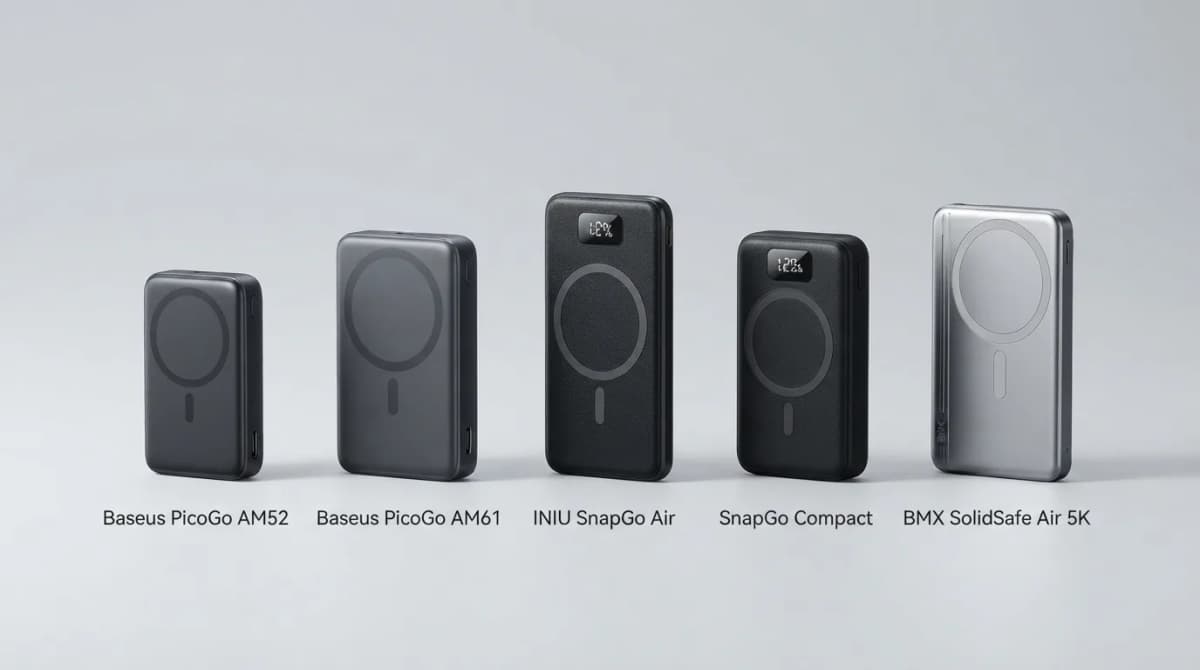
The best Qi2 and Qi2.2 magnetic power banks for 2026: Baseus PicoGo AM52 and AM61, INIU SnapGo Air and SnapGo Compact, and BMX SolidSafe Air 5K. Prices at publish, Oct 2026.