Best Compact Emergency Radios for 2026
Compact emergency radios with hand-crank and solar power keep you informed when the grid goes down. We compare reception, battery life, and features.
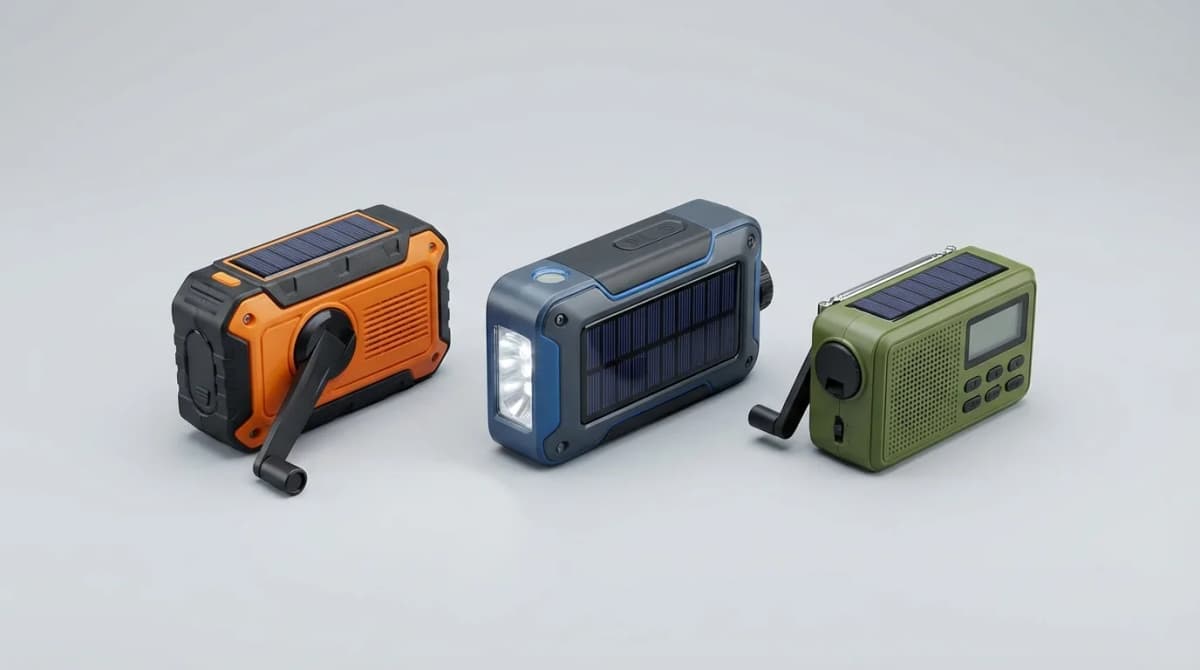
When the power goes out, your phone dies, and you need to know what's happening, a compact emergency radio becomes critical gear. These aren't your grandfather's transistor radios. Modern emergency radios pack multiple power sources, NOAA weather alerts, and often USB charging ports into palm-sized packages.
Quick Picks
Our top recommendations at a glance:
- 1Midland ER310See current price
- 2Kaito KA500See current price
- 3Sangean MMR-88See current price
- 4RunningSnail MD-090PSee current price
- 5Eton American Red Cross FRX5-BTSee current price
Many emergency radios fail at the basics: weak reception, flimsy hand cranks that break after a few uses, or solar panels that barely trickle charge. The best compact models balance real-world durability with features that actually matter when you're cut off from the grid.
The key distinction is between radios designed for occasional camping trips and those built to function after days or weeks without power. That difference shows up in antenna design, battery capacity, and whether the hand crank feels like a useful backup or a gimmick.
Power Sources That Actually Work
Every emergency radio claims multiple power options, but most prioritize one method over the others. The hand crank is usually the weakest link. Cheap radios use plastic gears that strip after a few dozen cranking sessions. Quality models use metal gearing and generate enough power for 10-15 minutes of radio time per minute of cranking.
Solar charging sounds ideal but rarely delivers in practice. Small solar panels on compact radios typically provide 100-200mW in full sun, meaning 6-8 hours to fully charge a 2000mAh battery. That's fine for supplemental power during extended outages, but you can't rely on it exclusively. Overcast conditions cut charging rates by 70-80%.
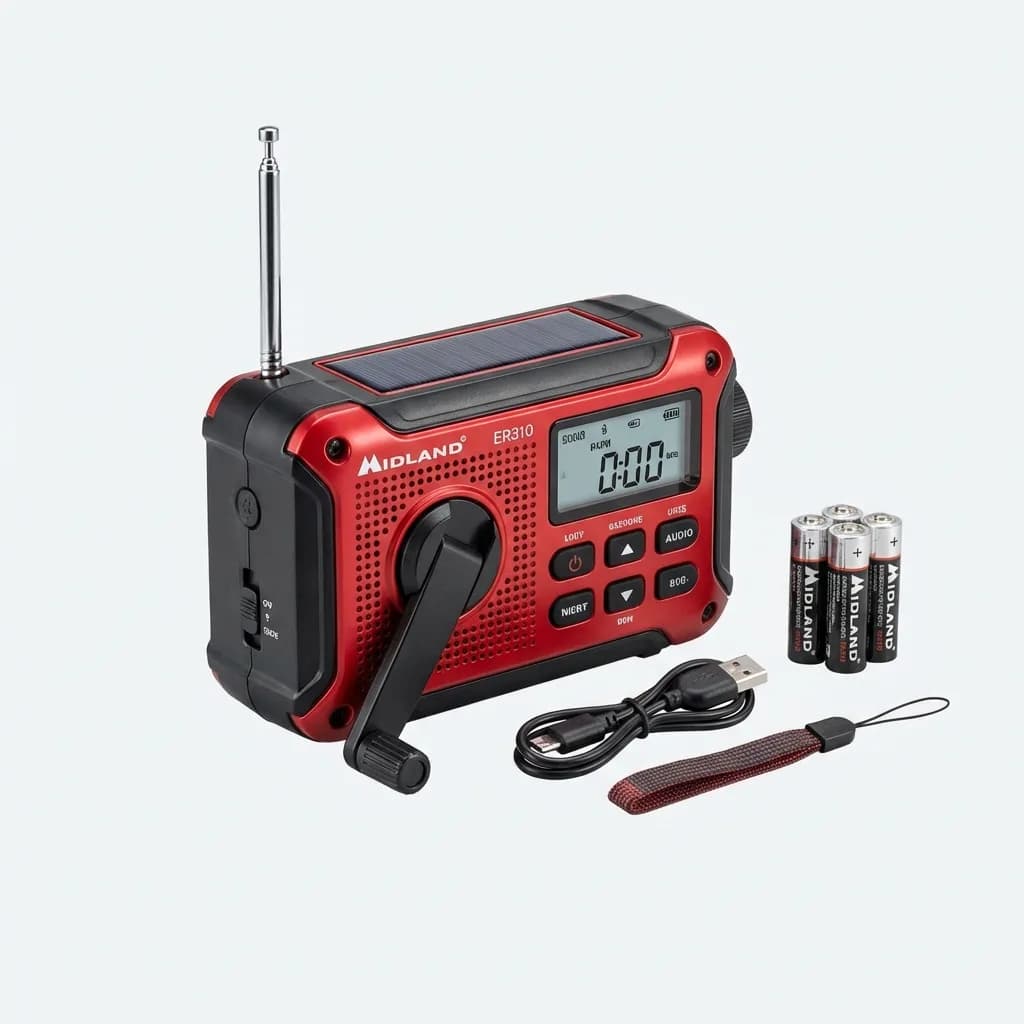
Midland ER310
See current price
Hand crank, solar, rechargeable battery, and AA backup. 2600mAh battery charges phones. NOAA weather alerts with SAME technology. Ultrasonic dog whistle and SOS beacon.
The most practical setup uses a rechargeable lithium battery as primary power, with hand crank and solar as true emergency backups. AA battery compatibility adds another layer since you can stockpile alkaline cells that hold charge for years. The Midland ER310 offers the best balance, with a 2600mAh internal battery that provides 25-32 hours of radio time at moderate volume.
USB charging from a wall adapter or power bank should be your default method. Most emergency radios charge via micro-USB or USB-C in 4-6 hours. The catch is that charging circuit quality varies wildly. Budget radios often lack overcharge protection, which degrades the battery if you leave them plugged in long-term.
Reception Makes or Breaks Emergency Communication
A radio with poor reception is useless when you need it most. The FM band is easiest, but AM and shortwave require larger antennas and better tuning circuits. Most compact emergency radios use a telescoping antenna for FM and a ferrite bar inside the case for AM. This works adequately in areas with strong signals but struggles in rural locations or during severe weather that disrupts broadcasts.
NOAA weather radio operates on seven frequencies between 162.400 and 162.550 MHz. Emergency radios must tune these precisely, and cheaper models drift off-frequency as components heat up during extended use. Reception matters most indoors, like a basement during a severe weather warning, and that's where budget units are more likely to drop out or produce static.
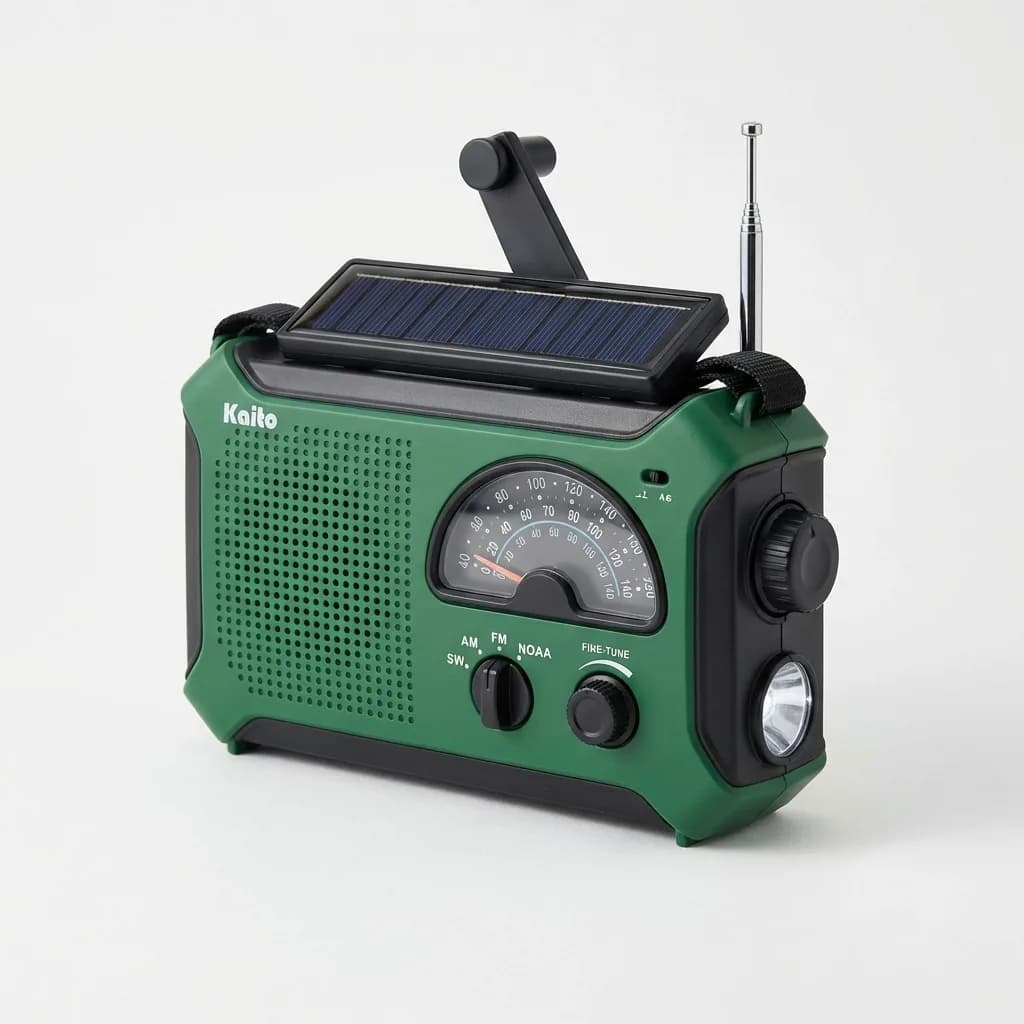
Kaito KA500
See current price
Five power sources including hand crank and solar. Receives AM/FM/SW/NOAA. Analog tuning with fine-tune control. Reading lamp and flashlight. Rugged ABS construction.
Shortwave reception expands your information sources during widespread emergencies when local stations are down. Compact radios rarely excel at shortwave due to antenna limitations, but models with external antenna jacks let you connect a wire antenna for dramatically better performance. The Kaito KA500 includes this feature and covers continuous shortwave from 5.80-10.00 MHz and 13.60-18.20 MHz.
SAME (Specific Area Message Encoding) technology filters NOAA alerts to your county, preventing alerts for areas hundreds of miles away. This matters when you're trying to conserve battery and don't want false alarms draining power overnight. Only mid-range and higher radios include SAME programming.
Essential Features vs Marketing Gimmicks
Emergency radios pack in features, but many add weight and complexity without real utility. A USB output for phone charging sounds critical until you realize most emergency radios have 2000-2600mAh batteries while a modern smartphone holds 3000-5000mAh. You'll get one partial charge at best, and that depletes the battery you need for radio reception.
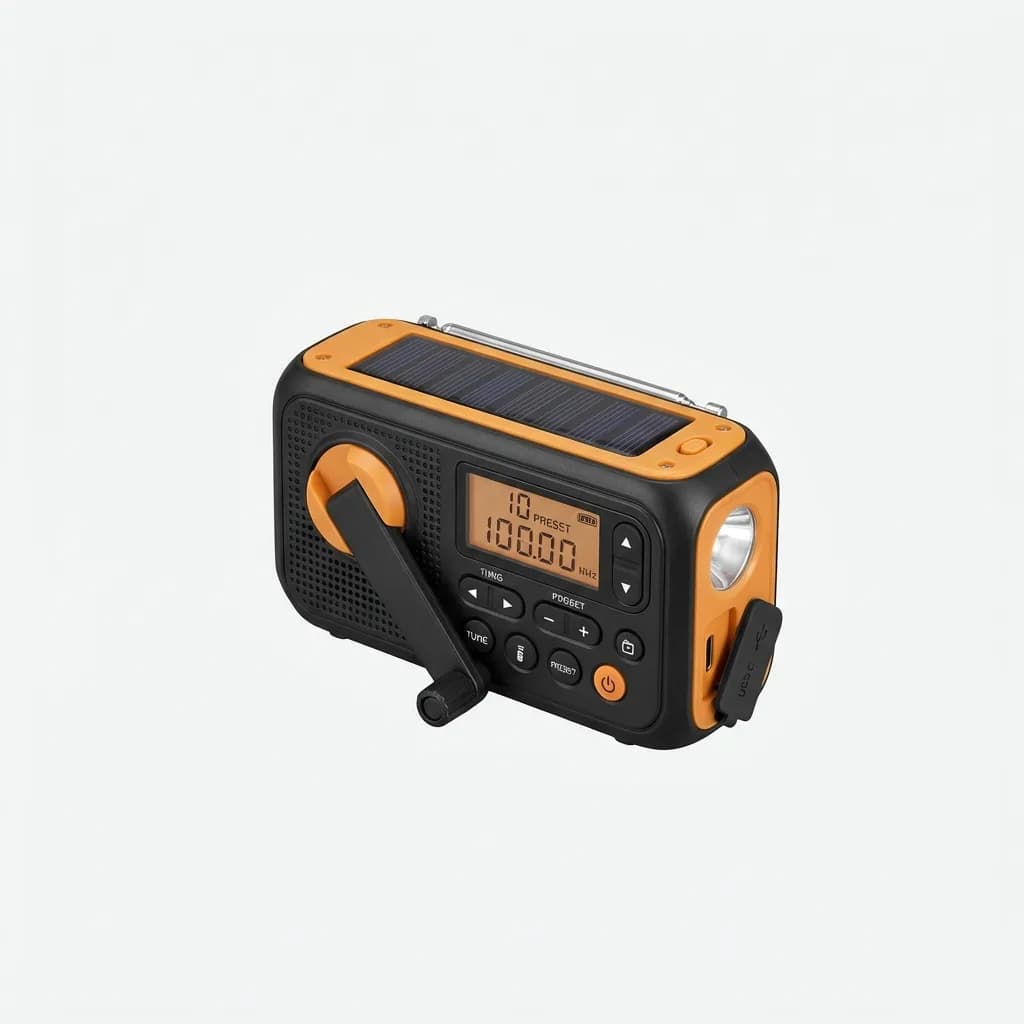
Sangean MMR-88
See current price
Compact design with hand crank and solar. Digital tuning with 19 station presets. Charges via USB-C. Built-in LED flashlight. Water-resistant construction rated IPX3.
Built-in flashlights are useful for immediate area lighting but inadequate as primary light sources. Emergency radio LEDs typically put out 50-150 lumens, enough to navigate a dark room but not much else. Reading lamps with adjustable brightness prove more practical for extended power outages. The Sangean MMR-88 includes both a white LED flashlight and a warmer reading light.
Auxiliary inputs and headphone jacks matter more than most buyers realize. During extended emergencies, playing radio through speakers drains batteries 2-3 times faster than using earbuds. A 3.5mm jack adds negligible cost but significantly extends battery life when you need it most.
SOS beacons with flashing lights and sirens appear on many emergency radios. These drain batteries quickly and won't summon help in most realistic scenarios. The ultrasonic dog whistle on the Midland ER310 is a more practical alert option for signaling rescuers without depleting power.
Best for Most People: Midland ER310
The Midland ER310 balances features, durability, and value better than any other compact emergency radio here. The 2600mAh battery provides 25-32 hours of listening time, and the hand crank feels substantial with metal gearing.
NOAA weather alerts with SAME programming mean you only get warnings for your specific area. The radio automatically switches from standby to weather band when alerts broadcast, even if you're listening to FM. This automation conserves battery compared to manually monitoring weather channels.
The USB output charges phones in a genuine emergency, though you'll sacrifice radio time to do it. More useful is the ability to run the radio while connected to a power bank or solar panel, essentially bypassing the internal battery for unlimited listening time if you have external power sources.
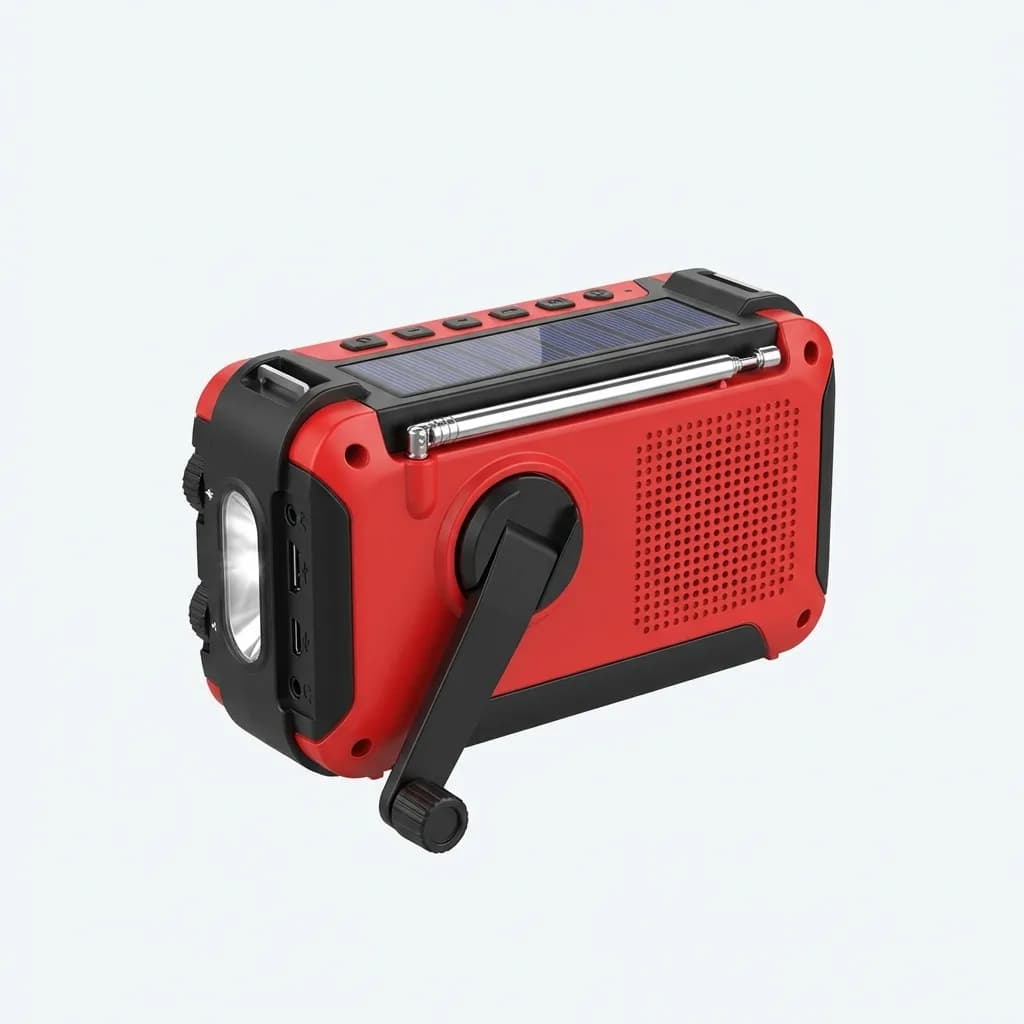
RunningSnail MD-090P
See current price
Budget option with hand crank and solar. 2000mAh battery for phone charging. AM/FM/NOAA reception. Built-in flashlight with SOS mode. Compact and lightweight at 10 ounces.
Build quality separates the ER310 from budget competitors. The case uses thick ABS plastic with rubber gaskets around the crank and charging port. We've dropped it on concrete multiple times without damage. The speaker sounds clear at moderate volumes but distorts if pushed near maximum, which is typical for radios in this size class.
Budget Pick That Doesn't Compromise Essentials
The RunningSnail MD-090P costs roughly half what the Midland ER310 does but includes the critical features you actually need. The 2000mAh battery provides 18-24 hours of radio time. Reception is adequate rather than exceptional, maintaining clear signals in suburban and urban areas but struggling with distant stations.
The hand crank feels flimsier than the Midland's and we wouldn't bet on it lasting years of regular use. For keeping in an emergency kit that you hope never to use, it's entirely adequate. The solar panel charges slowly but functions as advertised, adding about 10% battery capacity after two hours in direct sunlight.
What you lose is SAME programming, so NOAA alerts aren't filtered by location. During widespread severe weather, you'll receive alerts for your entire state or multi-state region. The tuning is analog rather than digital, meaning no station presets and more drift as the radio heats up.
Premium Choice for Serious Preparedness
The Eton American Red Cross FRX5-BT upgrades reception quality and adds Bluetooth connectivity for using the radio as a speaker. The 2600mAh battery matches the Midland ER310, but the speaker is noticeably clearer with better bass response. If you're using the radio for regular listening during extended outages, audio quality matters.
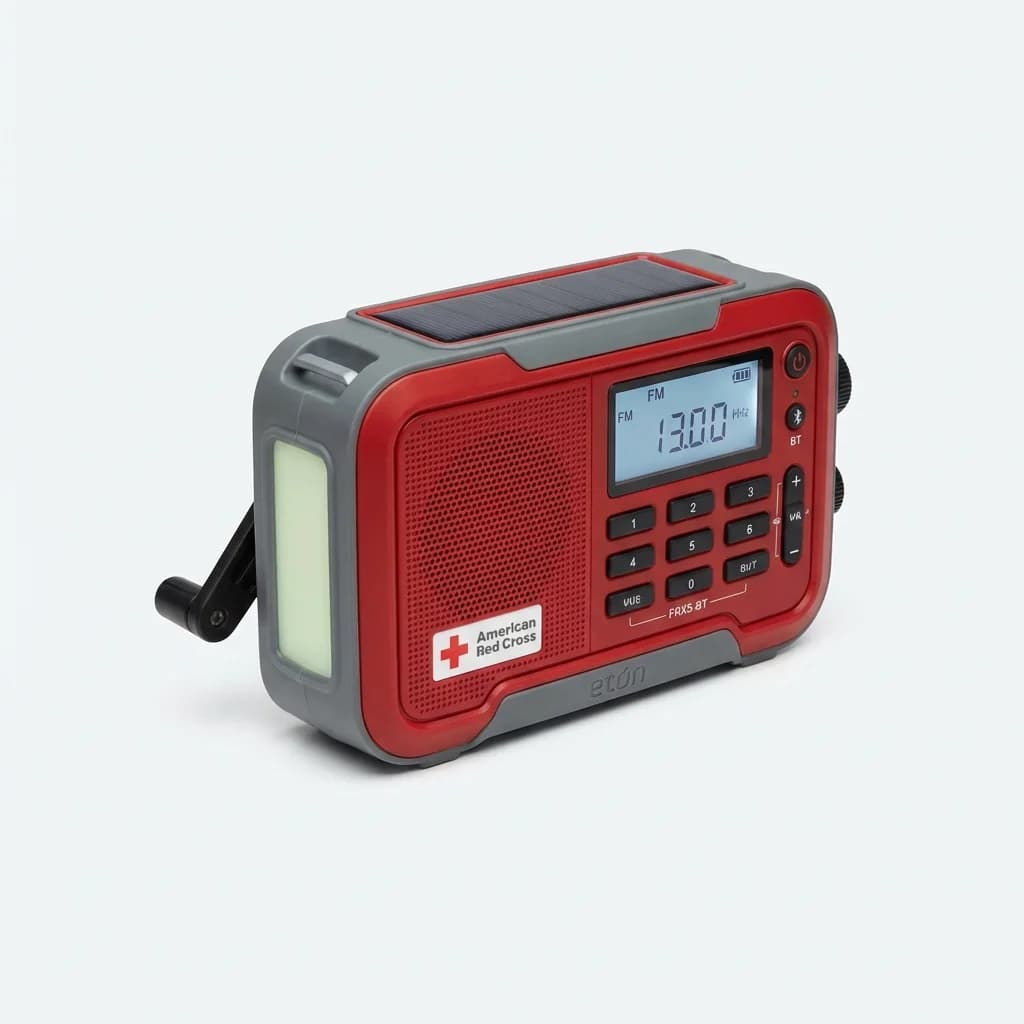
Eton American Red Cross FRX5-BT
See current price
Premium emergency radio with Bluetooth speaker. Hand crank, solar, and rechargeable battery. AM/FM/NOAA with digital tuning. USB-C charging. Glow-in-the-dark locator panel.
The Bluetooth feature seems frivolous until you consider using the radio as a speaker for saved podcasts or audiobooks on your phone during multi-day outages. Entertainment matters for mental health during stressful emergency situations, and the FRX5-BT handles this better than competitors.
A glow-in-the-dark panel helps locate the radio in complete darkness without wasting battery on a flashlight. Small detail, but appreciated during actual use. The radio also includes ambient temperature display, useful for monitoring conditions if heating or cooling is unavailable.
USB-C charging is faster and more future-proof than the micro-USB ports on most emergency radios. The charging circuit allows simultaneous charging and use, so you can run the radio continuously if you have access to solar panels or other charging sources.
What About Portable Shortwave Radios?
Dedicated shortwave radios offer better reception and wider frequency coverage than multi-function emergency radios, but they sacrifice the hand crank and solar charging that define emergency preparedness gear. If you're serious about monitoring international broadcasts during crises, consider pairing a specialized shortwave receiver with a compact emergency radio for power redundancy.
The CountyComm GP-5/SSB is the smallest quality shortwave radio with true SSB (single-sideband) capability for ham radio monitoring. It runs on AA batteries, which pairs well with an emergency radio that has a hand crank for recharging AA cells (though this is inefficient and should be a last resort).
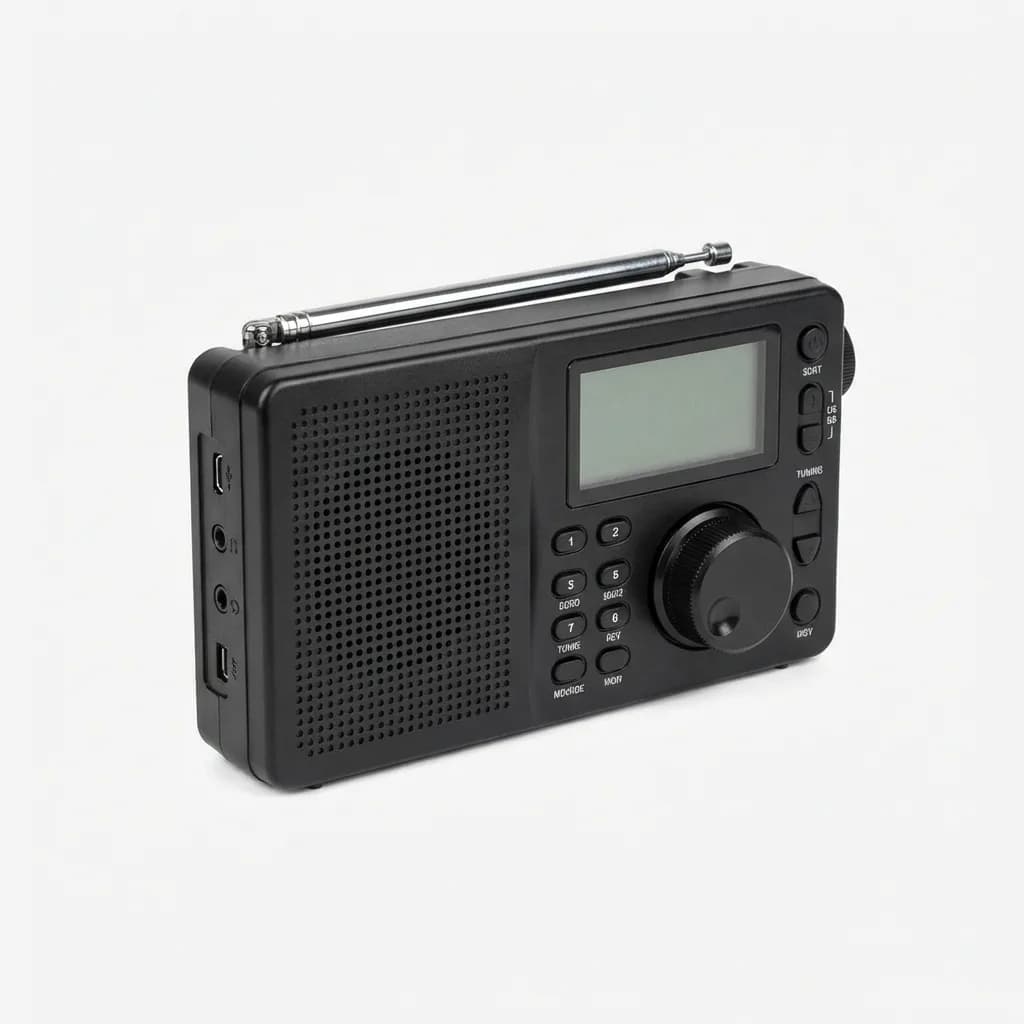
CountyComm GP-5/SSB
$60
Compact shortwave radio with SSB reception. Covers AM/FM/SW from 520kHz-29.999MHz. Digital tuning with 500 memory presets. Runs on AA batteries or USB power. Ultra-portable at 4 ounces.
Most people don't need shortwave capability for emergencies. Local FM and AM stations, combined with NOAA weather radio, provide adequate information during regional disasters. Shortwave becomes relevant for grid-down scenarios lasting weeks or when you need information from outside your local area.
Common Emergency Radio Mistakes to Avoid
Don't store emergency radios with batteries installed unless they're lithium rechargeable. Alkaline and NiMH cells leak over time, corroding contacts and destroying the radio. If your emergency radio uses AA backup power, store the cells separately and test them annually.
Avoid leaving radios in vehicles during summer. Internal temperatures exceeding 140-150 degrees Fahrenheit degrade lithium batteries and warp plastic cases. If you keep an emergency radio in your car, use a model with AA battery capability and store the radio itself at home, moving it to the vehicle only when needed.
Test your emergency radio monthly. Charge the battery, verify reception on all bands, and exercise the hand crank. Lithium batteries degrade faster when stored at full charge, so drain to 50-60% for long-term storage. Many people store emergency radios fully charged, which reduces battery capacity over 2-3 years.
Program SAME codes into NOAA-capable radios before emergencies. You'll need your county code, and programming often requires consulting the manual. Doing this during an actual emergency while stressed and possibly in the dark is difficult. Set it up when you first get the radio.
Battery Capacity Reality Check
Marketing claims about battery life rarely match real-world use. Radio manufacturers typically measure battery life at low volume levels (20-30% of maximum) with older, less demanding AM stations. Actual use at comfortable listening levels on FM or NOAA typically provides 60-70% of claimed battery life.
The 2000-2600mAh batteries in compact emergency radios compare to a single smartphone charge. If you're planning for multi-day or week-long outages, you need either supplemental power sources (solar panels, extra batteries) or disciplined use patterns. Listening for 15-20 minutes every few hours for updates, rather than continuous listening, extends battery life dramatically.
Hand crank and solar work as true emergency backups but can't sustain daily listening. Hand cranking is exhausting work for a modest amount of radio time, and solar only trickle-charges even in ideal conditions (summer, direct sun, clean panel). These are last-resort power sources, not primary methods.
What We'd Buy for Different Scenarios
For a home emergency kit that sits in a closet most of the time, the Midland ER310 offers the best combination of features and durability. The SAME-coded NOAA alerts and solid battery life justify the extra cost over budget options. You want something that will work reliably after sitting unused for months or years.
For a vehicle emergency kit, the RunningSnail MD-090P provides adequate capability at a price point where you won't stress about theft or damage. Keep AA batteries separately and test both periodically. The compact size fits easily in glove boxes or under seats.
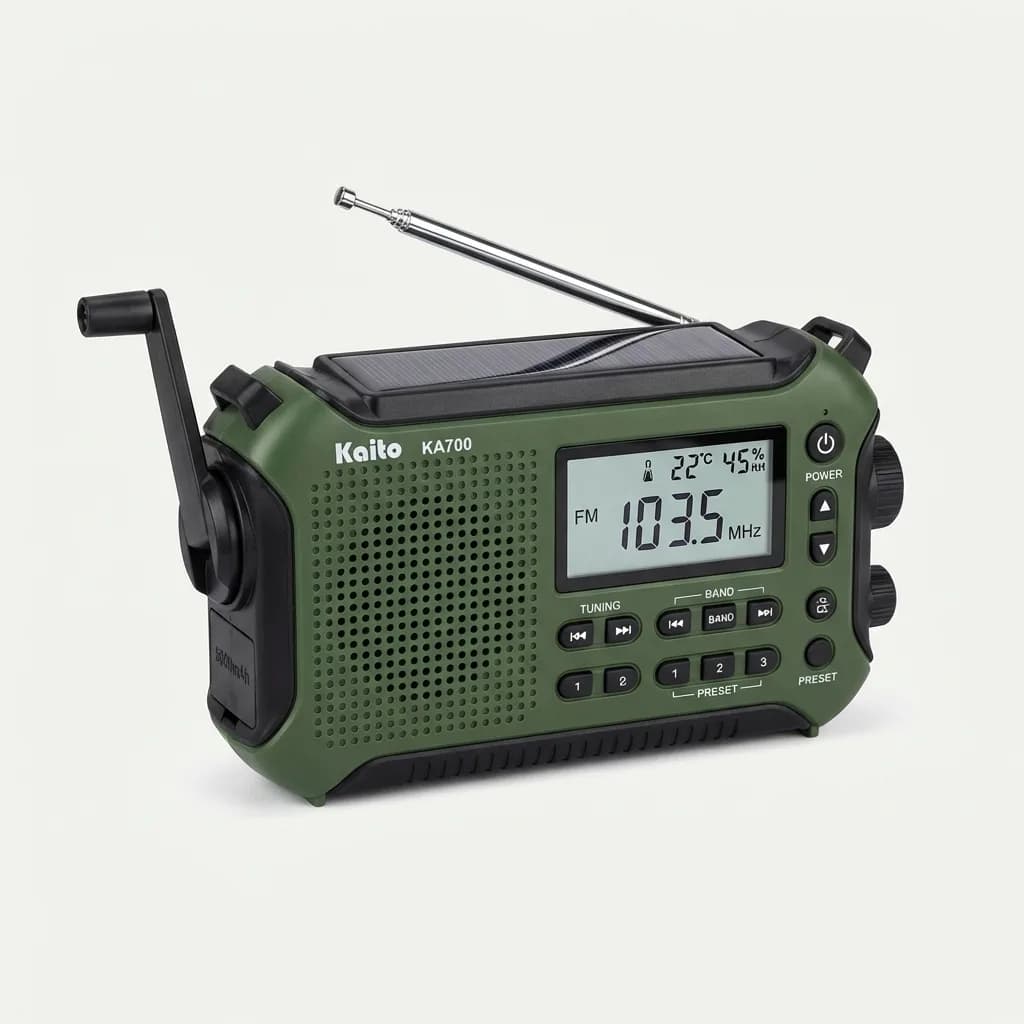
Kaito KA700
See current price
Bluetooth emergency radio with hand crank and solar. AM/FM/NOAA/SW reception. Large 5000mAh battery for extended use. Digital tuning with station presets. Built-in thermometer and humidity sensor.
For serious preparedness or off-grid living, the Kaito KA700 steps up to a 5000mAh battery and more robust construction. The larger battery provides 40-50 hours of listening time, making it viable for week-long outages with minimal hand crank or solar supplementation. Shortwave reception expands information sources during widespread emergencies.
For ultralight backpacking or minimalist EDC, the Sangean MMR-88 weighs just 8.8 ounces with battery and includes water resistance rated IPX3. It won't survive submersion but handles rain and splashing. Digital tuning with station presets is unusual in such a compact package and makes operation easier when you're cold, tired, or stressed.
Wrap-Up: Pick for Your Most Likely Scenario
Most people overestimate how much they'll use an emergency radio and underestimate how long batteries sit between uses. Buy for your realistic scenario, not worst-case collapse fantasies. For most households, that means a mid-range radio with NOAA alerts, decent battery life, and multiple power options, kept in an accessible location and tested monthly.
The Midland ER310 fits this profile better than anything else here under $80. It balances features you'll actually use with build quality that inspires confidence. If that's too expensive for a device you hope never to need, the RunningSnail MD-090P covers the basics without compromise.
Don't skip the monthly testing routine. Emergency gear that doesn't work when you need it is worse than useless. It creates false confidence that puts you at risk. Charge the battery, verify reception, and make sure you remember how to operate the controls. Ten minutes a month ensures your emergency radio will actually function when the power goes out and you need information.
The Weekly Dispatch
Enjoying this article?
Subscribe and get our best gear picks delivered every Sunday morning.
Related Posts
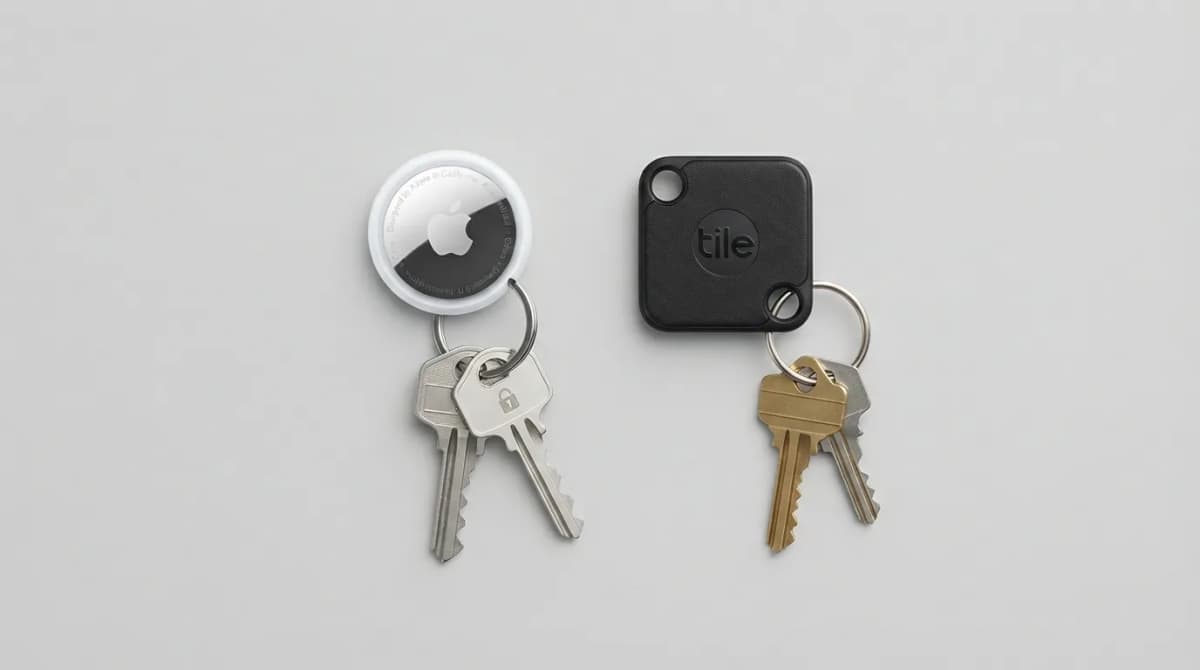
AirTag vs Tile Mate (2026): Which Key Tracker to Buy
Apple AirTag vs Tile Mate for keys: phone compatibility, range, battery and price compared from Apple and Tile maker pages, as of Oct 2026.
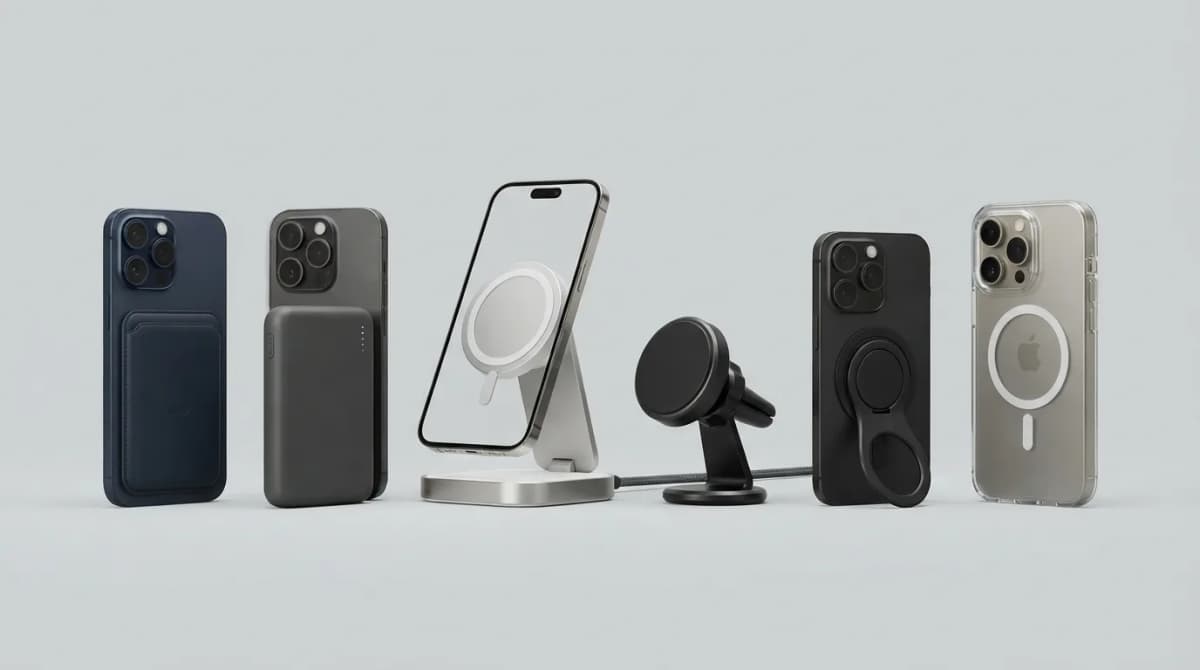
Best MagSafe Accessories for iPhone 18 Pro (2026)
MagSafe and Qi2 accessories for iPhone 18 Pro and Pro Max: wallets, power banks, a dock, car mount, grips, cases, a keyboard, a controller, an SSD and more, with maker specs and prices as of Oct 2026.
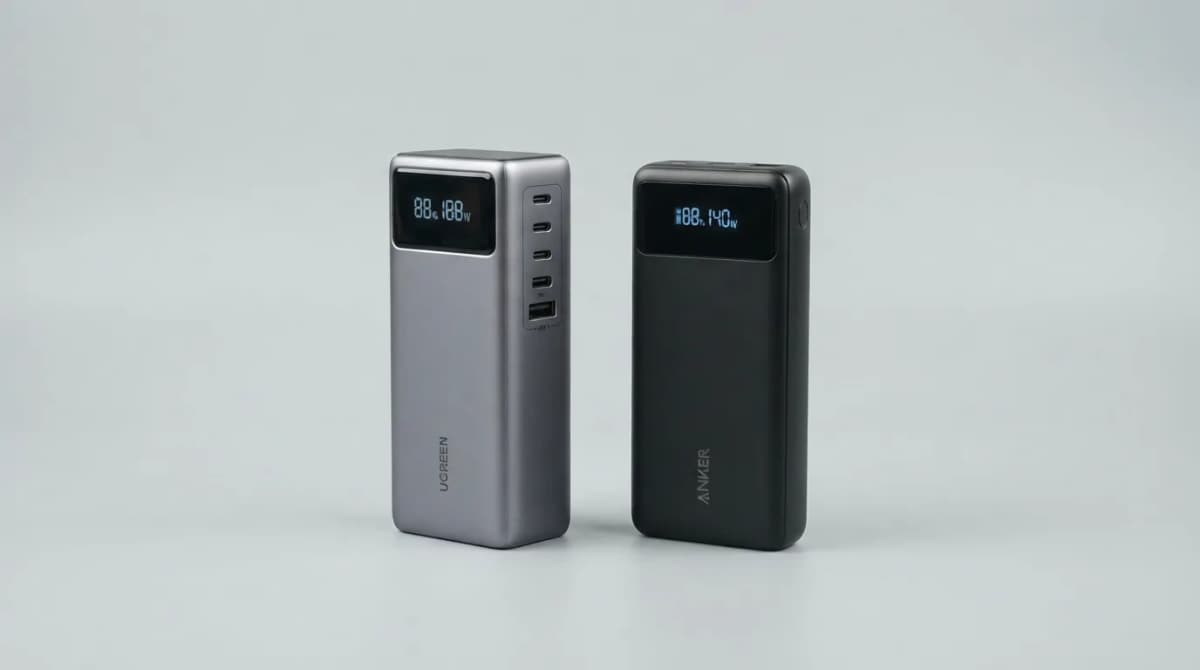
UGREEN Nexode 25000 vs Anker 737 Power Bank (2026)
UGREEN Nexode 25000mAh 200W vs Anker 737: two 140W laptop power banks compared on capacity, ports, recharge speed and weight from maker specs (Oct 2026).
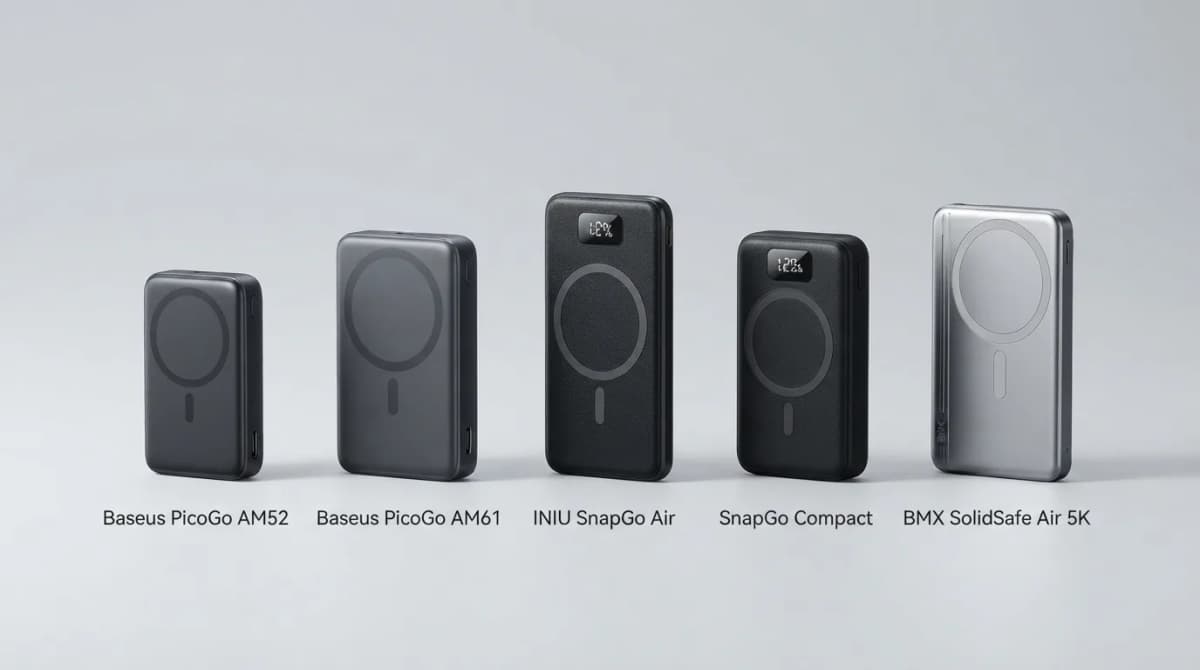
Best Qi2 Power Banks 2026 for iPhone and Android
The best Qi2 and Qi2.2 magnetic power banks for 2026: Baseus PicoGo AM52 and AM61, INIU SnapGo Air and SnapGo Compact, and BMX SolidSafe Air 5K. Prices at publish, Oct 2026.