Best Compact Camera Bags That Don't Look Like One
Discreet camera bags protect your gear without advertising it. We break down padding, access speed, and which designs actually pass as regular bags.
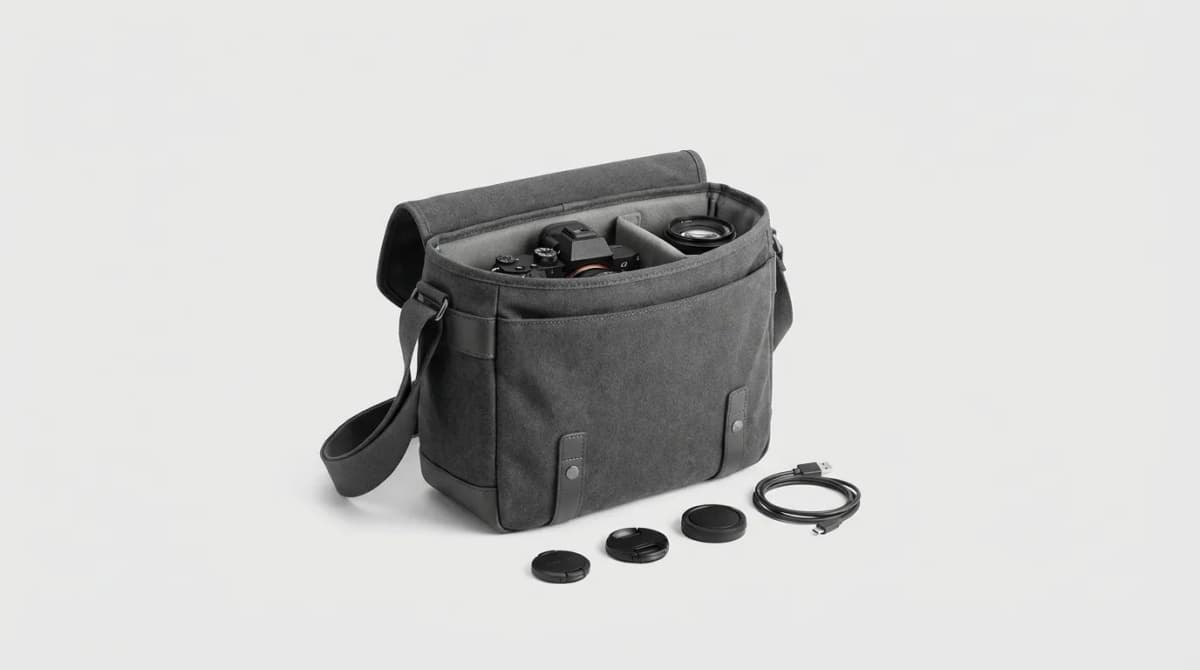
The best camera bag is the one nobody notices. When you are walking through a city or traveling internationally, a bag covered in logos and technical fabric screams "expensive gear inside." A discreet camera bag keeps your equipment safe while blending into everyday environments.
Quick Picks
Our top recommendations at a glance:
- 1
- 2
- 3
- 4
- 5
The trick is finding bags with enough padding to protect your camera without looking like a padded tech case. Most photographers carry a mirrorless body with one or two lenses, which means you don't need a massive pack. You need something that looks like a messenger bag, tote, or sling but has the internal structure to keep your gear from rattling around.
Why Discreet Camera Bags Matter for Street and Travel Photography
Camera theft happens fast. In tourist areas and crowded streets, a visible camera bag makes you a target. Thieves know what a Lowepro or Think Tank bag looks like, and they know what is inside. A bag that looks like a normal messenger or crossbody doesn't attract attention.
Discreet bags also change how people react to you. When you are shooting street photography or documenting travel, a low-profile bag makes you less conspicuous. People are more relaxed when they don't see a professional camera setup. You get more natural moments.
Beyond security, there is the simple fact that most camera bags are ugly. Black nylon with reflective strips and branding does not fit every situation. If you are going from a coffee shop to a shoot to dinner, you want something that works in all three places.
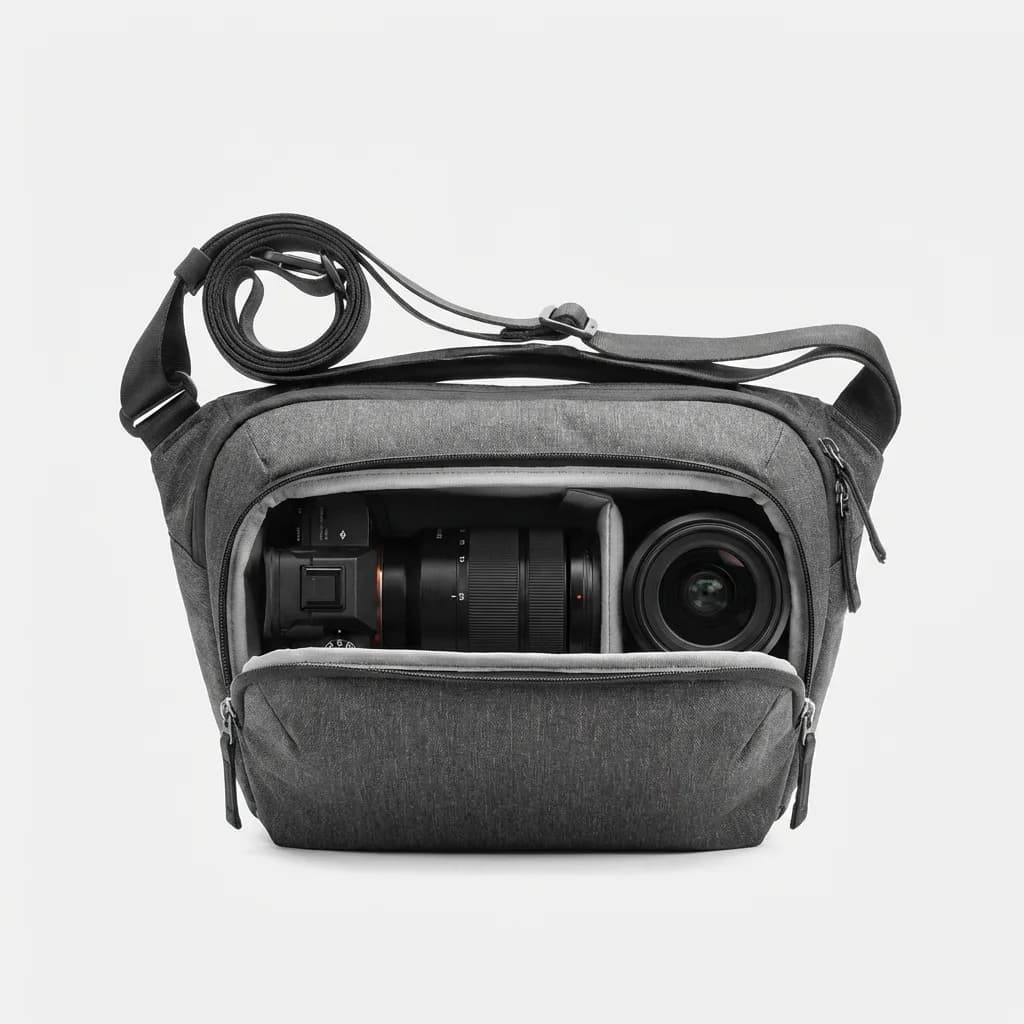
Peak Design Everyday Sling 6L
$110
Weatherproof sling with quick-access magnetic closure and adjustable internal dividers. Fits a mirrorless camera with attached lens plus one extra lens.
What to Look For in a Low-Profile Camera Bag
Padding is the first thing. Your camera needs protection from bumps and drops, but external padding ruins the low-profile look. The best discreet bags use thin foam or EVA padding inside, which gives structure without bulk. Some use removable camera inserts so you can pull the padding out when you are not carrying gear.
Access speed separates good bags from frustrating ones. If you have to dig through layers of zippers and flaps to reach your camera, you will miss shots. Look for bags with side access panels or top openings that let you grab your camera in one motion. Magnetic closures are faster than zippers but less secure in crowded areas.
Size matters more than you think. A bag that is too big looks empty and sags when you only have a camera and one lens inside. A bag that is too small forces you to leave gear behind. For a compact mirrorless setup, 5-8 liters is the sweet spot. That fits a body, two lenses, and personal items without looking oversized.
Material choice affects how the bag wears. Waxed canvas and leather look more like everyday bags than ripstop nylon. They also age better, developing a patina instead of looking worn out. The tradeoff is weight. Canvas and leather are heavier than synthetic fabrics, which matters if you are carrying the bag all day.
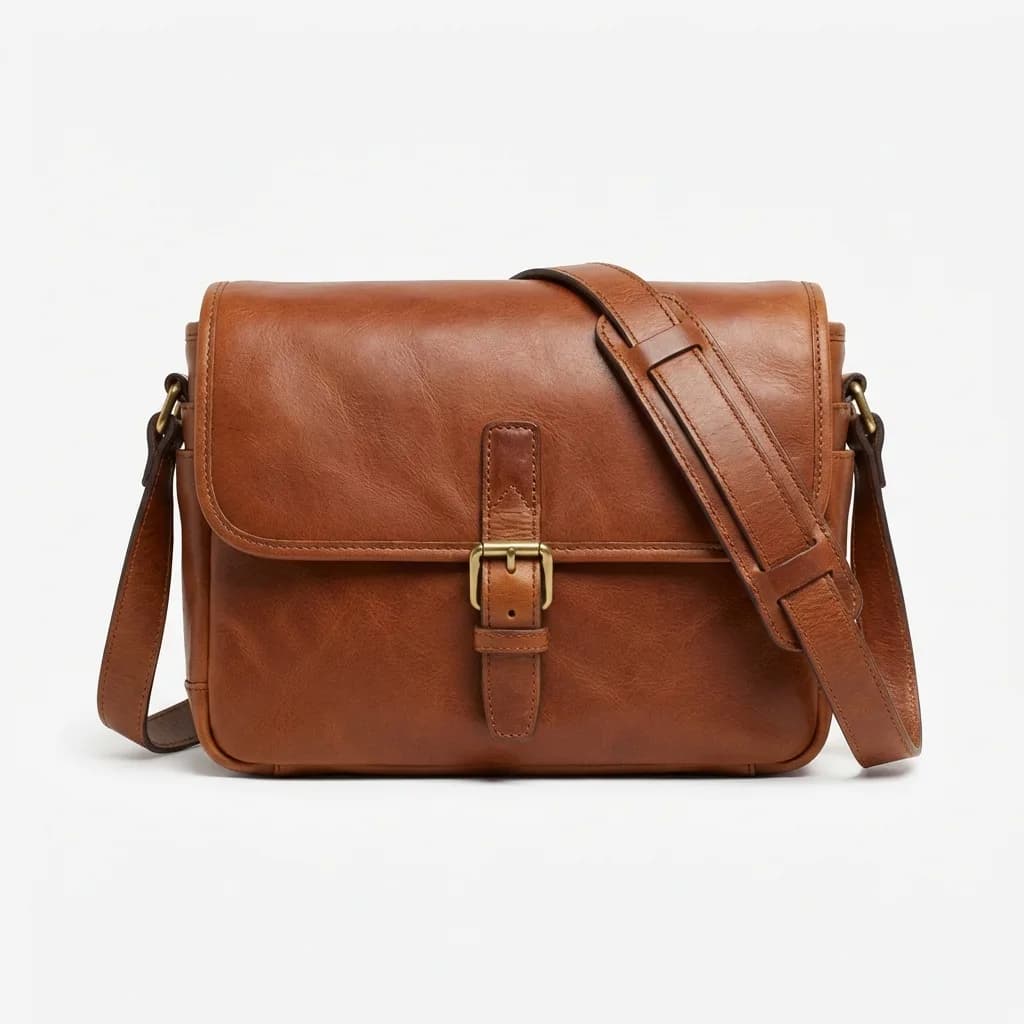
ONA Bowery Camera Bag
$279
Handcrafted leather messenger bag with removable padded insert. Holds a mirrorless camera with 2-3 lenses. Available in leather or waxed canvas.
Best Materials for Camera Bags That Pass as Regular Bags
Waxed canvas is durable and water-resistant without looking technical. It softens over time and develops character. Brands like Billingham and ONA use waxed canvas because it looks like a regular field bag or messenger. The wax coating repels light rain, but you still need a rain cover for heavy weather.
Leather is the most discreet option. A leather camera bag looks like a briefcase or satchel. Full-grain leather lasts decades if you maintain it, but it requires conditioning and is not waterproof. Some bags use leather exteriors with weatherproof liners to get the best of both.
Modern synthetics like Cordura can work if the bag has a clean design. The problem is most synthetic camera bags come in black or gray with technical details that give them away. A few brands make Cordura bags in neutral colors with minimal branding, which blend better.
Ballistic nylon is tough but looks like luggage. It works for travel bags where durability matters more than stealth. For everyday carry in urban environments, waxed canvas or leather reads more neutral.
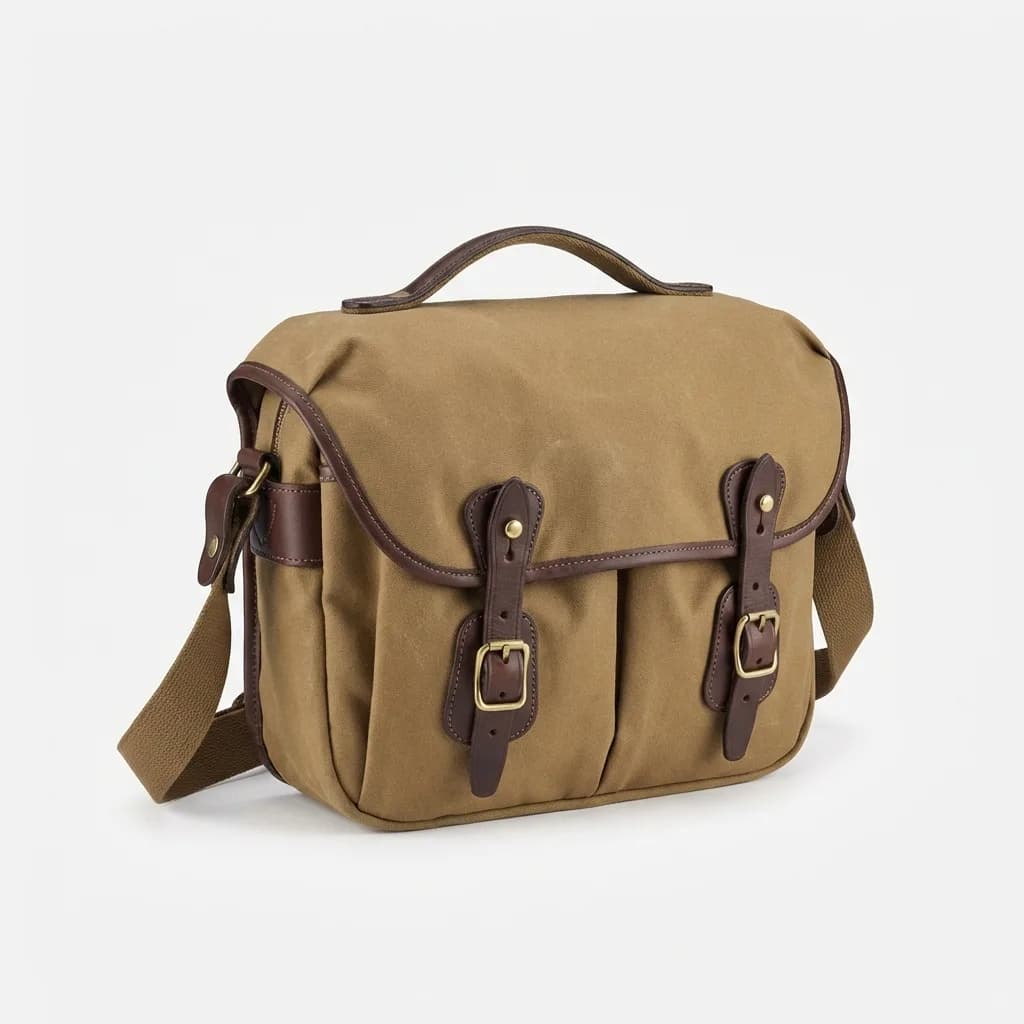
Billingham Hadley Small Pro
$329
British-made waxed canvas bag with leather trim and brass hardware. Fits a mirrorless or small DSLR with 2-3 lenses. Weatherproof and built to last decades.
Sling Bags vs Messenger Bags for Quick Camera Access
Sling bags sit across your back and swing around to the front when you need your camera. This makes them faster than backpacks but more secure than shoulder bags. The Peak Design Everyday Sling and Boundary Errant are popular because they don't scream "camera gear." They look like crossbody bags people carry for wallets and phones.
The downside of slings is weight distribution. If you are carrying a heavier setup or walking all day, the single strap digs into your shoulder. Some slings have stabilizer straps to reduce bouncing, but they still put all the weight on one side.
Messenger bags offer better weight distribution and more capacity. A small messenger can hold a camera, lenses, a tablet, and daily essentials. The tradeoff is access speed. Most messengers require you to lift the flap and reach in, which takes longer than a sling. Side-access messengers solve this by adding a zipper panel on the side facing your body.
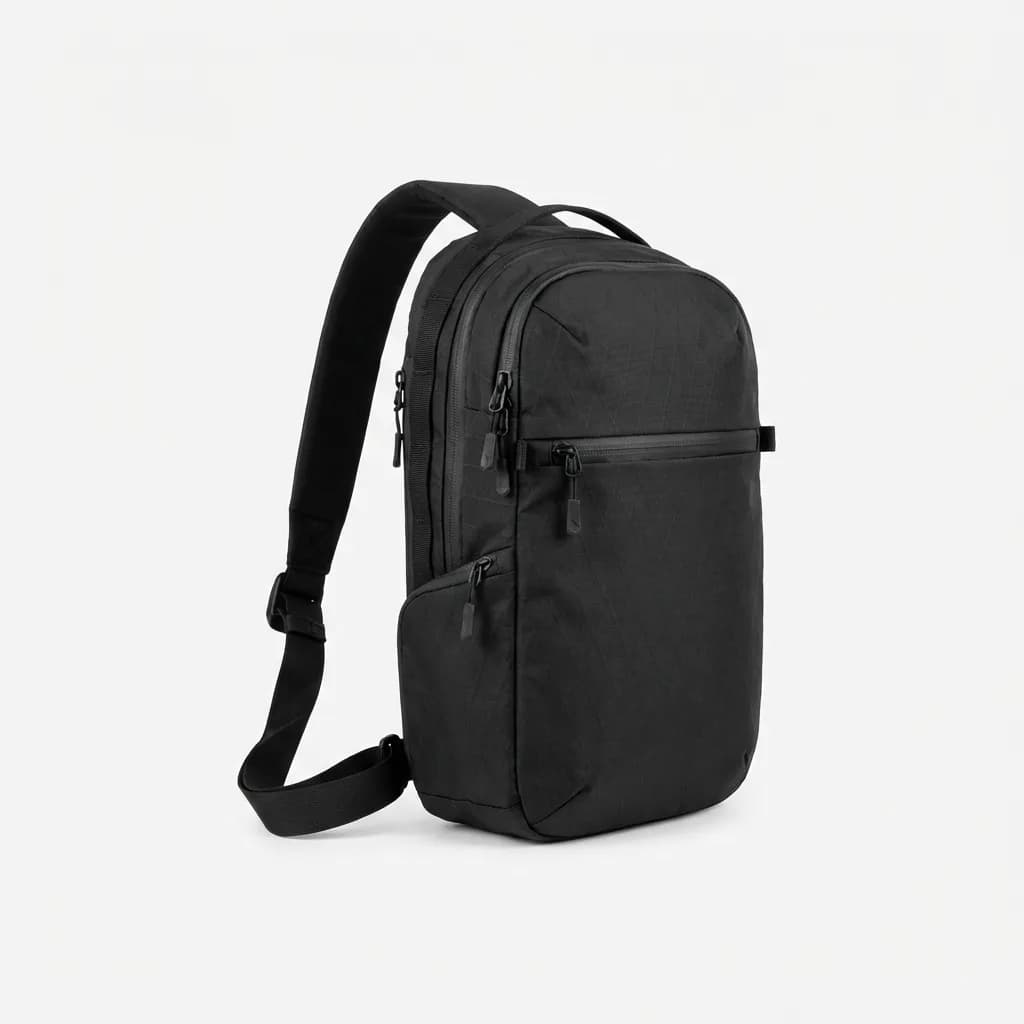
Boundary Errant Sling
$169
Minimalist X-Pac sling with hidden camera compartment and weatherproof zippers. Designed for urban carry with low-profile aesthetics.
How Much Padding Do You Actually Need?
Most photographers overestimate how much padding they need. If you are not dropping your bag off cliffs, thin foam and fabric dividers provide enough protection. Camera manufacturers design their products to handle normal impacts. The padding is there to prevent gear from banging against itself and the bag walls, not to survive a car crash.
Removable inserts are the smartest solution. Brands like Tenba and Peak Design make camera cubes that drop into regular bags. You get protection when carrying gear and can remove the insert to use the bag for other purposes. This also lets you swap the insert between different bags.
Hard-shell bags offer maximum protection but ruin the discreet look. They are better for checked luggage or transport cases. For daily carry, soft padding in a well-designed bag is enough.
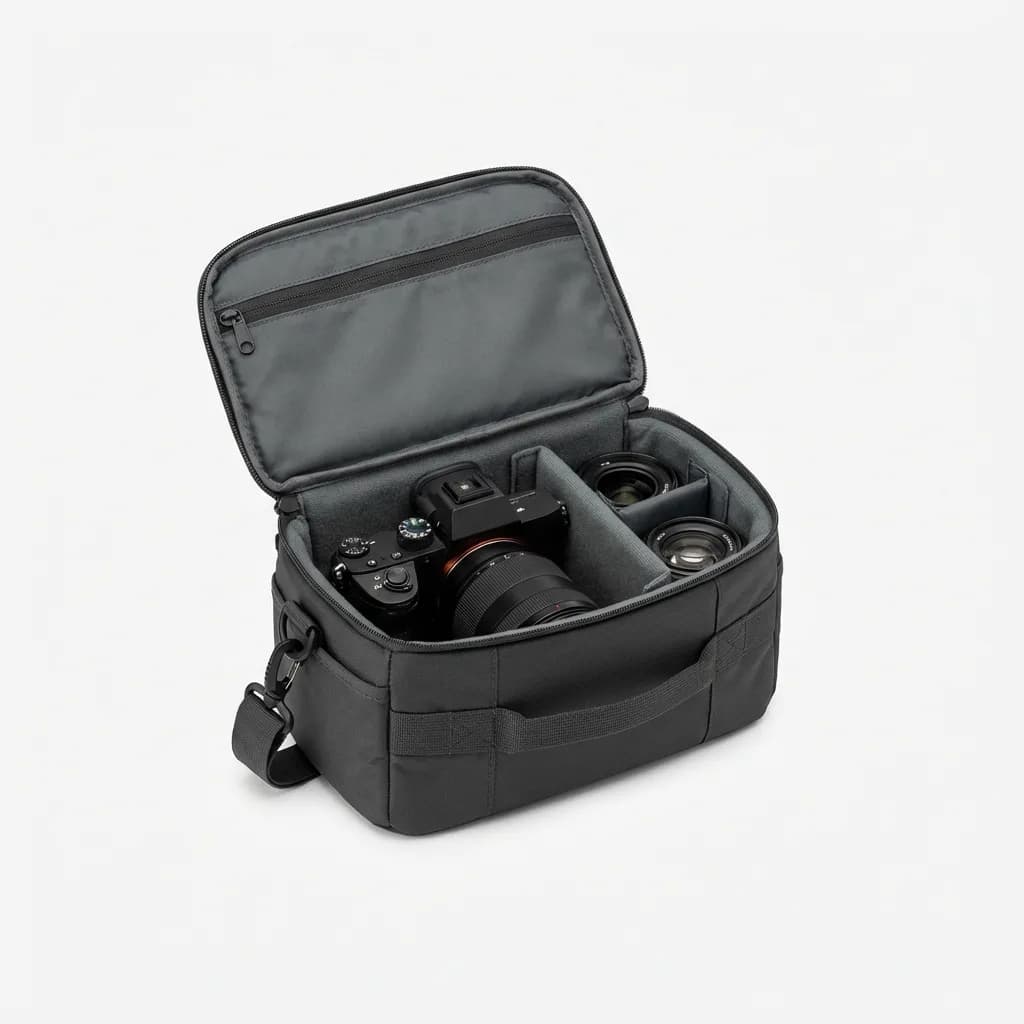
Tenba BYOB 9 Camera Insert
$40
Padded camera cube that fits inside messenger bags and backpacks. Holds a mirrorless camera with 2-3 lenses. Turns any bag into a camera bag.
Do Discreet Camera Bags Sacrifice Weather Protection?
Most discreet bags are not fully waterproof. Waxed canvas and treated synthetics handle light rain, but sustained downpours will eventually soak through. Some bags include rain covers, which work but defeat the low-profile purpose. A bright yellow rain cover makes your bag more visible, not less.
The best approach is a weatherproof liner or dry bag inside the main compartment. Keep your camera in the liner and personal items in the outer pockets. If it starts raining hard, your gear stays dry even if the bag exterior gets wet.
YKK Aquaguard zippers and sealed seams improve weather resistance without adding bulk. Bags with these features cost more but handle wet conditions better. For serious weather, a dedicated waterproof camera bag is still the right choice. Discreet bags are for everyday carry, not expeditions.
Top Picks for Different Photography Styles
Street photographers need fast access and minimal profile. A 5-6 liter sling or small messenger works best. You want something you can wear all day without thinking about it. The Peak Design Everyday Sling and Boundary Errant are built for this.
Travel photographers need more capacity. A 10-12 liter messenger or small backpack holds a camera, multiple lenses, and travel essentials. The ONA Bowery and Billingham Hadley fit this category. They look like travel bags, not camera bags, which matters at airports and tourist sites.
Event and wedding photographers often need to carry backup bodies and more lenses. Discreet bags struggle with this much gear. A 15-20 liter backpack like the Peak Design Everyday Backpack 20L offers more capacity while still looking like a regular pack.
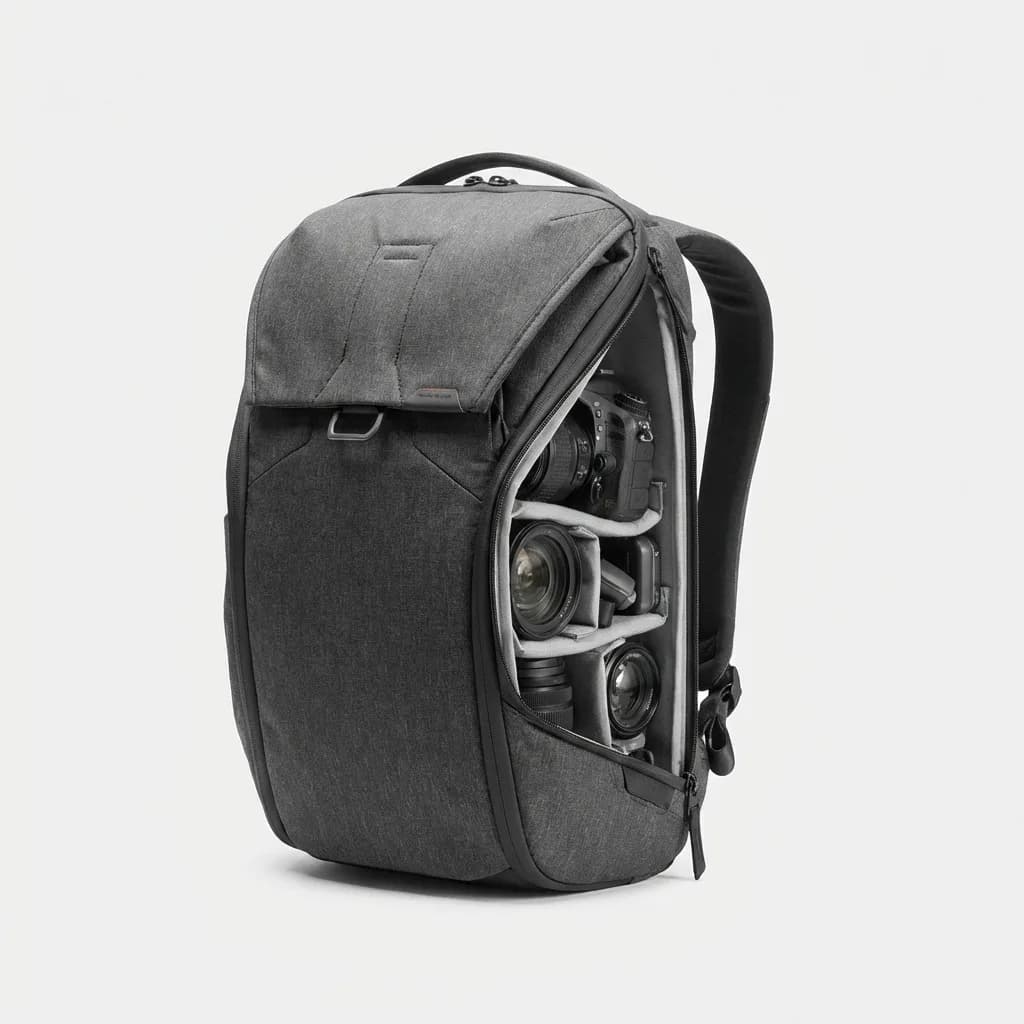
Peak Design Everyday Backpack 20L V2
$280
Modular backpack with customizable dividers and expandable design. Fits 2 camera bodies and 4-6 lenses. Weatherproof shell with laptop sleeve and side access.
Common Mistakes When Choosing a Discreet Camera Bag
Buying too much bag is the first mistake. A half-empty bag looks awkward and doesn't protect your gear as well. If your camera slides around inside, the padding is not doing its job. Size the bag to what you actually carry, not what you might carry someday.
Ignoring ergonomics is the second mistake. A beautiful leather bag that hurts your shoulder after an hour is a bad choice. Try the bag loaded with weight before committing. Check how it sits on your body and whether the straps adjust properly.
Sacrificing organization for looks is the third mistake. A bag with no internal pockets or dividers becomes a jumbled mess. You need at least one divider to separate your camera from other items and a few pockets for batteries, cards, and accessories. Too many pockets and the bag gets cluttered. Too few and nothing has a place.
Maintenance Tips for Waxed Canvas and Leather Bags
Waxed canvas needs re-waxing once or twice a year depending on use. Brands sell wax bars you rub onto the fabric and heat with a hair dryer. This restores water resistance and refreshes the appearance. Don't over-wax or the fabric gets stiff and sticky.
Leather bags need conditioning every few months. Use a leather cream or oil designed for bags, not shoes. Work it into the leather with a cloth and let it absorb overnight. This prevents cracking and keeps the leather supple.
Both materials benefit from letting them air out after wet use. Don't store a damp bag in a closet. Open it up and let it dry completely to prevent mildew. Brush off dirt with a soft brush before it sets into the fabric.
Final Thoughts on Staying Under the Radar
A discreet camera bag is not about hiding your camera. It is about not advertising what you are carrying. In crowded cities, tourist areas, and unfamiliar places, a low-profile bag reduces risk and changes how people interact with you. It also looks better in situations where a technical camera bag feels out of place.
The best discreet bags balance protection, access, and aesthetics. You should not have to choose between keeping your gear safe and looking like a normal person. Waxed canvas messengers, leather satchels, and minimal slings all work if they have proper padding and organization. Match the bag to your gear and how you shoot, not to what looks coolest online.
The Weekly Dispatch
Enjoying this article?
Subscribe and get our best gear picks delivered every Sunday morning.
Related Posts
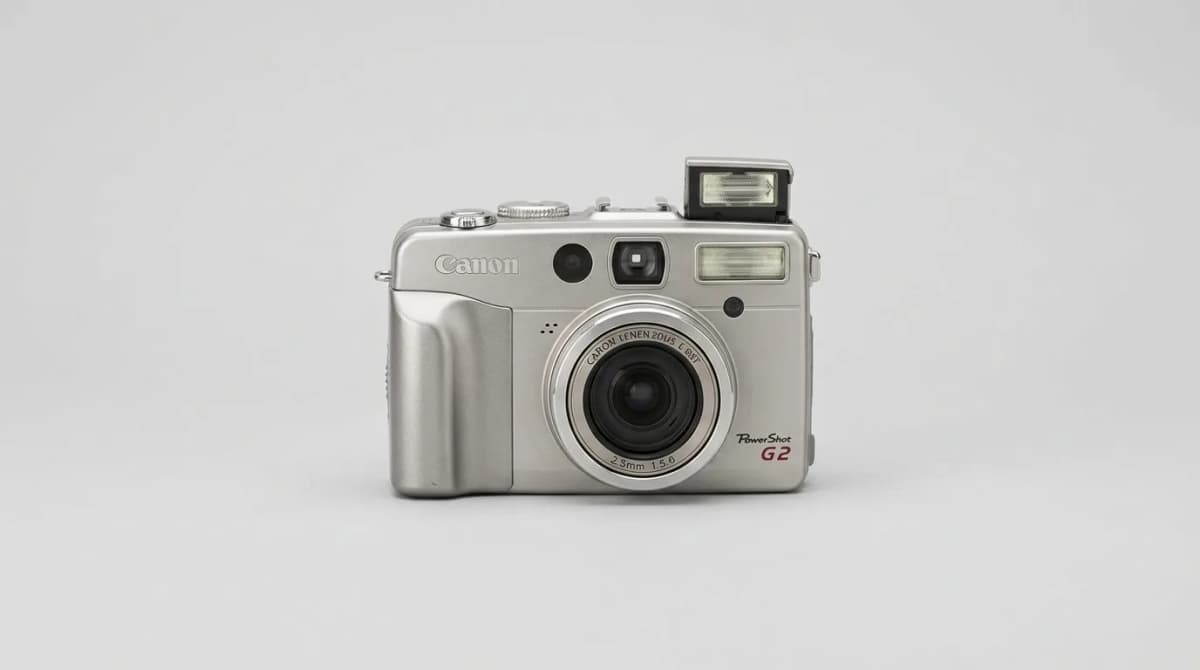
The Vintage Digicam Trend Explained
Vintage digital cameras from the early 2000s are making a comeback. Here's why photographers are ditching their smartphones for grainy, low-res digicams.
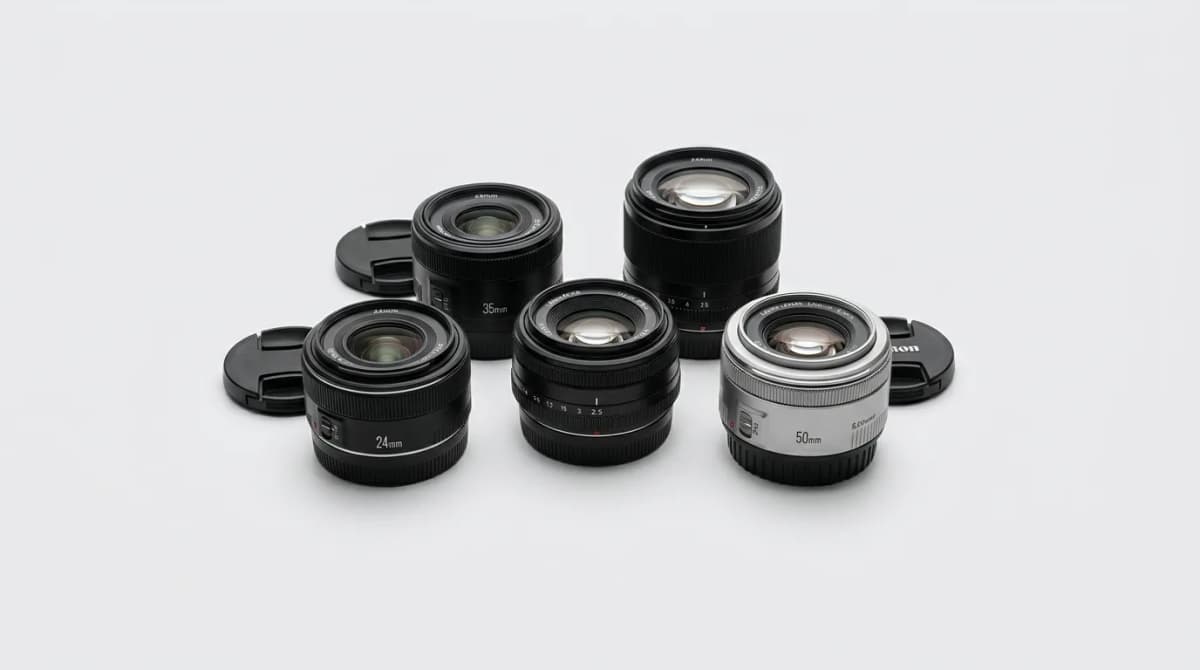
Small Prime Lenses for Travel: Why They Beat Zooms
Small prime lenses deliver sharper images and better low-light performance than zoom lenses while saving critical weight in your travel kit.
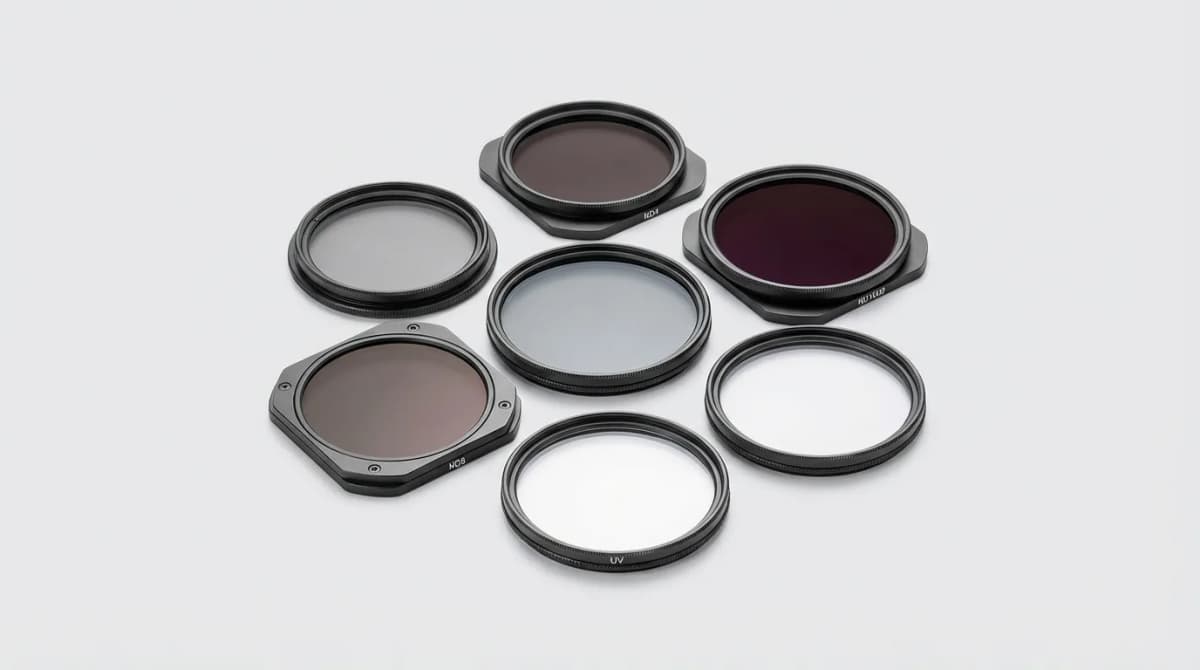
Best Lens Filters for Travel Photography
Skip the UV filter debate. These are the lens filters that actually matter for travel photography - polarizers, ND filters, and when each one earns its place in your bag.
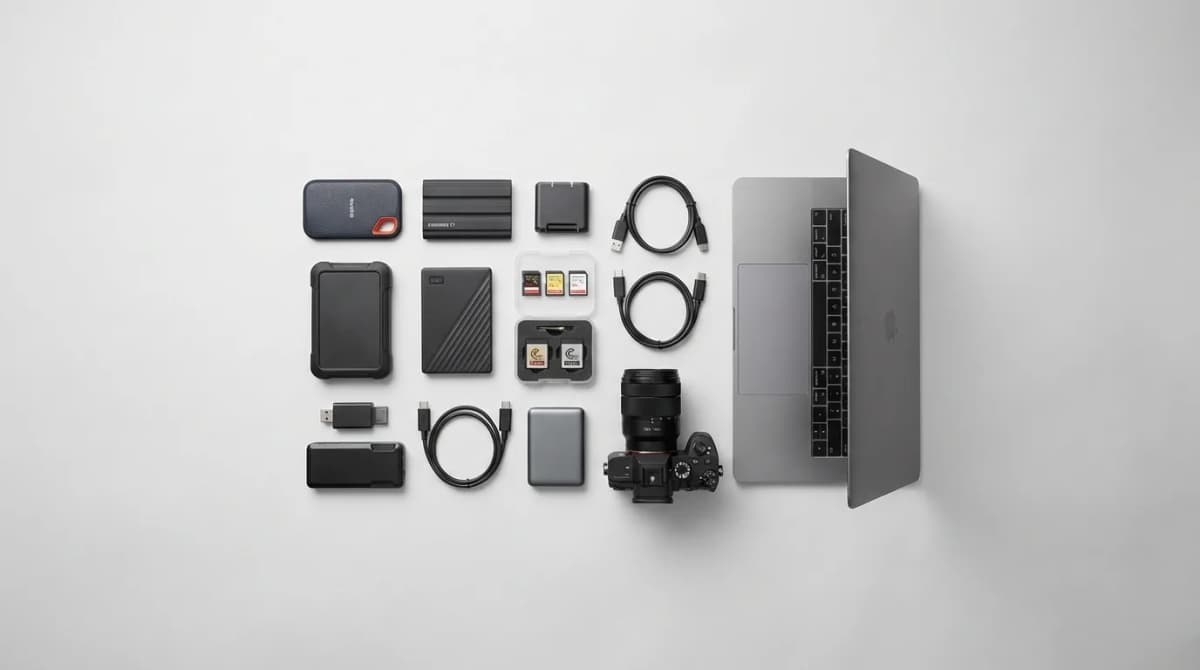
Travel Backup Workflow for Photos and Video
A practical guide to the 3-2-1 backup rule for travel creators: SSD selection, cloud sync strategies, and building a redundant workflow that survives theft and failure.