How to Pack Camera Gear Without Overpacking
Learn the lens strategy and packing techniques that let you travel light without missing shots. Real-world kit choices from working photographers.
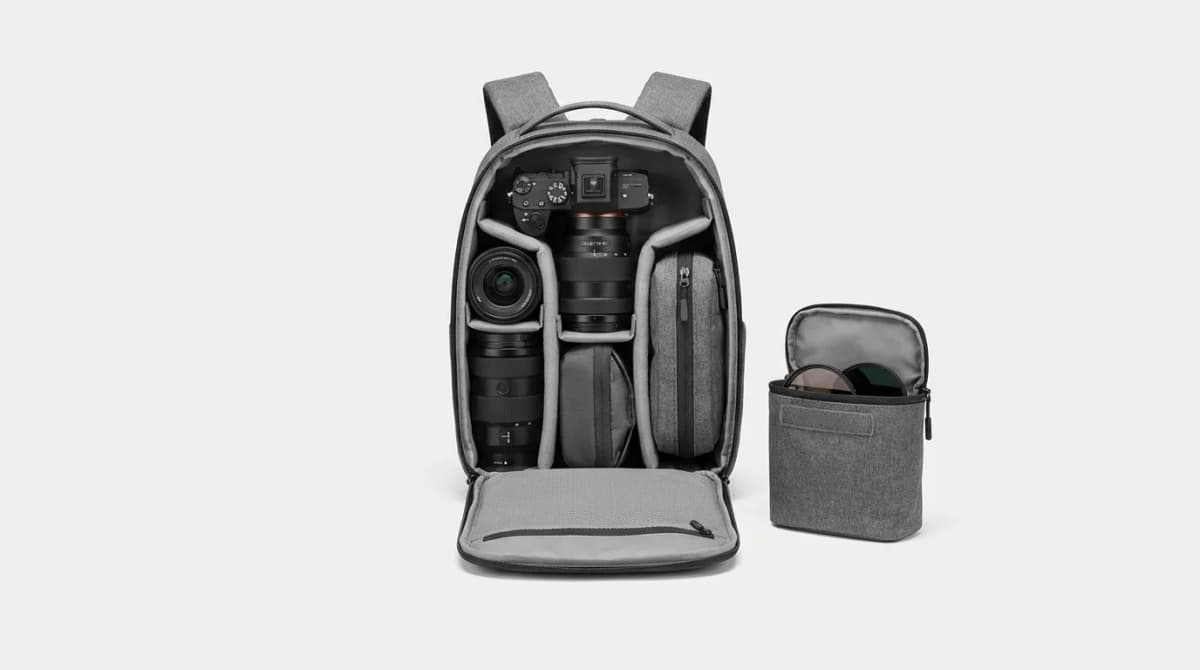
The difference between a 12-pound camera bag and a 6-pound one isn't what you bring. It's what you leave behind. Most photographers pack for scenarios that never happen, then spend a week lugging glass they never mount.
Quick Picks
Our top recommendations at a glance:
- 1
- 2
- 3
- 4
- 5
Think about how a minimal camera kit plays out on a trip - from Iceland to Tokyo to the Utah desert - counting every lens swap, every missed opportunity, and every piece of gear that rides along doing nothing. The pattern is clear. Overpacking isn't about being prepared. It's about not trusting your primary lens.
The Two-Lens Rule Actually Works
Start with this: one wide zoom, one prime. That's it for 80% of travel photography. The wide zoom covers landscapes, architecture, and environmental shots. The prime handles low light, portraits, and anything where you need shallow depth of field.
For most full-frame shooters, that means a 24-70mm f/2.8 and a 50mm f/1.8. Crop sensor users can go 16-50mm and 35mm. The specifics matter less than the discipline. Two lenses force you to see creatively instead of swapping glass every five minutes.

Sony FE 24-70mm f/2.8 GM II
$2,298
Professional-grade standard zoom with fast aperture, sharp corner-to-corner at all focal lengths, effective image stabilization, and weather sealing for demanding travel conditions.
The exception is wildlife or sports photography, where you legitimately need reach. But even then, adding a 70-200mm or 100-400mm means dropping something else. The three-lens travel kit is the practical maximum before weight becomes a problem.
Where people go wrong is packing specialty glass "just in case." The 85mm for portraits you might shoot. The macro for flowers if you see them. The fisheye for creative shots. Each lens adds 1-2 pounds and steals bag space. Each one represents a moment of indecision in the field.

Canon RF 50mm f/1.8 STM
$199
Lightweight, affordable prime lens delivering sharp images with beautiful background blur, fast autofocus, and compact form factor ideal for travel and everyday shooting.
Pack for Your Trip, Not Your Fantasy Trip
Look at your last vacation photos. What focal lengths did you actually use? If you shot 200 images and 180 were between 24mm and 70mm, you don't need the 16-35mm ultra-wide. You think you do because mountain vistas look amazing at 16mm. But you're not Ansel Adams posting up for golden hour. You're shooting between breakfast and the next hike.
This means being honest about your shooting style. Street photographers live at 35mm or 50mm and rarely need anything else. Landscape shooters want wide glass and can skip the portrait lens entirely. Family vacation photographers need versatile zooms, not fast primes.
The mistake is packing like a rental house instead of a working photographer. Working pros carry exactly what the job requires, nothing extra. They know their focal lengths cold and trust their primary lens to handle 70% of situations. For lens picks, see why small prime lenses beat zooms for travel.
Camera Bag Selection Changes Everything
The bag determines the kit, not the other way around. A 20-liter sling holds one body and two lenses comfortably. That's the physical constraint that forces smart choices. A 35-liter backpack invites overpacking because you have room for five lenses and a drone.
We prefer slings or small backpacks for travel. They're carry-on sized, force minimal kits, and keep weight manageable for all-day shooting. The Peak Design Everyday Sling 10L fits a mirrorless body with 24-70mm attached, one extra lens, batteries, cards, and a 13-inch laptop. That's a complete travel kit.

Peak Design Everyday Sling 10L
$149.95
Versatile camera sling with magnetic closure, weatherproof zippers, padded dividers, quick-access side pocket, and sleek design that works as everyday carry or photo bag.
Larger bags make sense for multi-day shoots or professional assignments where you're carrying lighting, backup bodies, and client-specific glass. For travel, they're overkill. The extra capacity becomes a liability because you'll fill it with gear you don't need.
Another consideration is bag style. Backpacks distribute weight better for long carries. Slings offer faster access for street shooting. Shoulder bags look less tactical but murder your back after four hours. Pick the carry system that matches your shooting pace, not the one that holds the most gear.

Lowepro ProTactic BP 350 AW II
$199.95
Modular camera backpack with customizable interior dividers, laptop compartment, tripod attachment, all-weather cover, and multiple access points for quick gear changes in the field.
Protection Without the Bulk
Hard cases are for shipping or extreme environments. For travel, padded dividers and a quality bag provide enough protection. The key is preventing lens-to-lens contact and cushioning the camera body from impact.
Tenba BYOB inserts work well if you're using a non-camera bag. They're padded dividers that convert any backpack or duffel into a camera bag. This lets you pack camera gear in your main travel bag instead of carrying a dedicated camera backpack. Less gear, fewer bags, more flexibility.
Another option is lens pouches. They're lighter than hard cases and protect individual lenses inside a larger bag. Think Tank Photo makes good ones with belt loops, so you can wear your telephoto while hiking instead of packing it.

Tenba BYOB 10 Camera Insert
$39.95
Padded camera insert with customizable dividers, durable ripstop nylon construction, and fold-flat design that converts any bag into a protective camera carrier.
The goal is right-sized protection. A $2,000 lens deserves padding, but it doesn't need a Pelican case unless you're dropping it off cliffs. Most damage happens from over-packing, where gear bangs around inside an overstuffed bag.
What to Leave Home Every Time
Backup bodies rarely get used on personal trips. If your primary camera fails, you're not missing a paid shoot. You're on vacation. Use your phone or buy a disposable. The odds of camera failure during a week-long trip are tiny compared to the certainty of hauling an extra two pounds.
Tripods are similar. Unless you're shooting long exposures or time-lapses, they're dead weight. Modern cameras have in-body stabilization good enough for handheld work in most conditions. If you need stability, find a wall, rock, or table.
Extra batteries beyond two spares are overkill. Modern mirrorless cameras get 300-500 shots per charge. Two spares mean 900-1500 images before you need an outlet. If you're shooting more than that daily, you're working, not traveling, and you already know what you need.
Flash units, light modifiers, and portable lighting belong in the studio. Natural light forces better composition and keeps your kit light. The exception is a small on-camera flash for fill, but even that's optional with modern dynamic range.
The Minimal Kit That Covers Everything
One mirrorless body, one 24-70mm f/2.8 zoom, one 50mm f/1.8 prime. Total weight around 4 pounds. Add batteries, cards, cleaning cloth, and a small sling bag. You're under 6 pounds and ready for 95% of travel photography scenarios.
This setup forces creative problem-solving. Can't zoom to 200mm for wildlife? Get closer or crop in post. Can't go ultra-wide for landscapes? Shoot a panorama. These aren't limitations. They're constraints that make you a better photographer.
The weight savings are real. Six pounds versus 12 pounds is the difference between comfortable all-day carry and back pain by lunch. It's the difference between bringing your camera everywhere and leaving it at the hotel because it's too heavy.

Nikon Z6 III Mirrorless Camera Body
$2,496.95
Full-frame mirrorless camera with 24.5MP sensor, 5-axis in-body stabilization, 4K video, fast autofocus, and weather-sealed construction in a compact, travel-friendly body.
Testing Your Kit Before You Go
Pack your intended kit and shoot for a weekend like you're traveling. Walk around your city for six hours with the bag. See what you reach for and what stays packed. If you never touch the third lens, leave it home.
This reveals gaps too. Maybe the 24-70mm doesn't go wide enough for the architecture shots you want. Maybe you need the 85mm because you're shooting portraits. Real-world testing beats guessing every time.
Pay attention to weight distribution and access speed. If you're constantly taking the bag off to swap lenses, your kit is too complex. If the shoulder strap digs in after an hour, the bag's too heavy or poorly designed.
The goal is a kit you trust completely. Not one with every option covered, but one where you know exactly what each piece does and when you'll use it. That confidence comes from practice, not from packing more gear.
When to Break the Rules
Some trips demand more gear. If you're shooting a wedding overseas, bring backups of everything. If you're on a dedicated wildlife safari, pack the telephoto glass and accept the weight. If you're testing gear for review, obviously bring what you're testing.
The rules are for personal travel where photography is part of the experience, not the whole point. They're for the photographer who wants great images without becoming a pack mule. They're for people who've carried too much gear too many times and learned the hard way.
Even pros scale down for personal work. They know their tools well enough to bring exactly what they need and nothing extra. That's the skill worth developing - not the ability to carry more, but the judgment to bring less.
The Weekly Dispatch
Enjoying this article?
Subscribe and get our best gear picks delivered every Sunday morning.
Related Posts
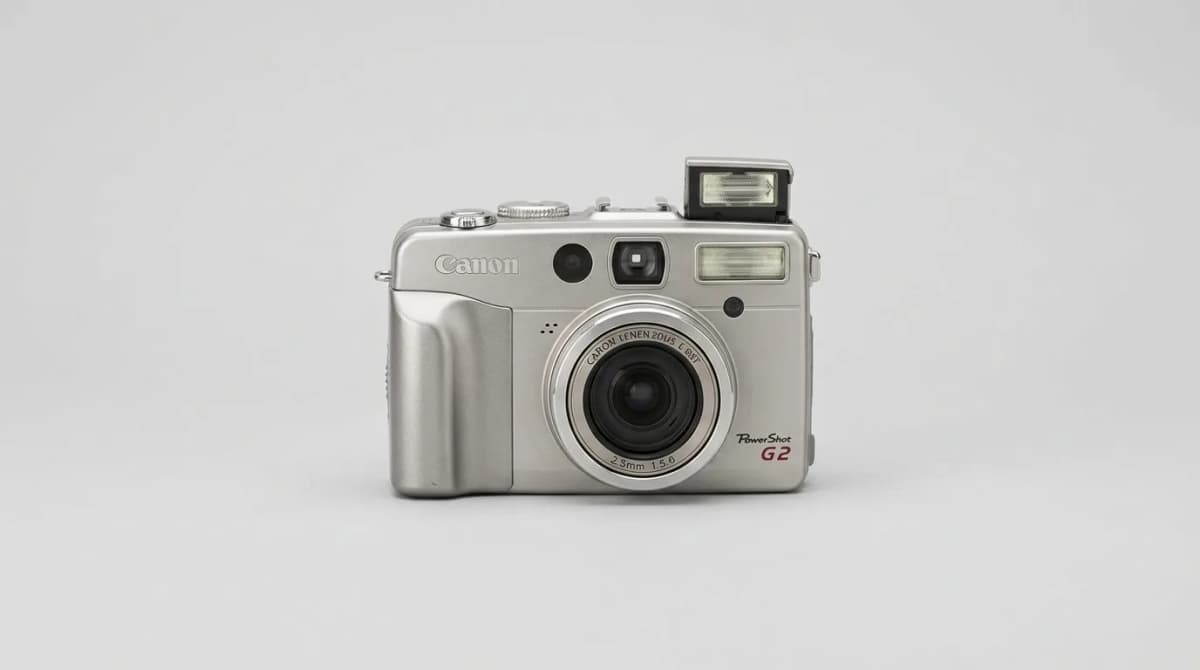
The Vintage Digicam Trend Explained
Vintage digital cameras from the early 2000s are making a comeback. Here's why photographers are ditching their smartphones for grainy, low-res digicams.
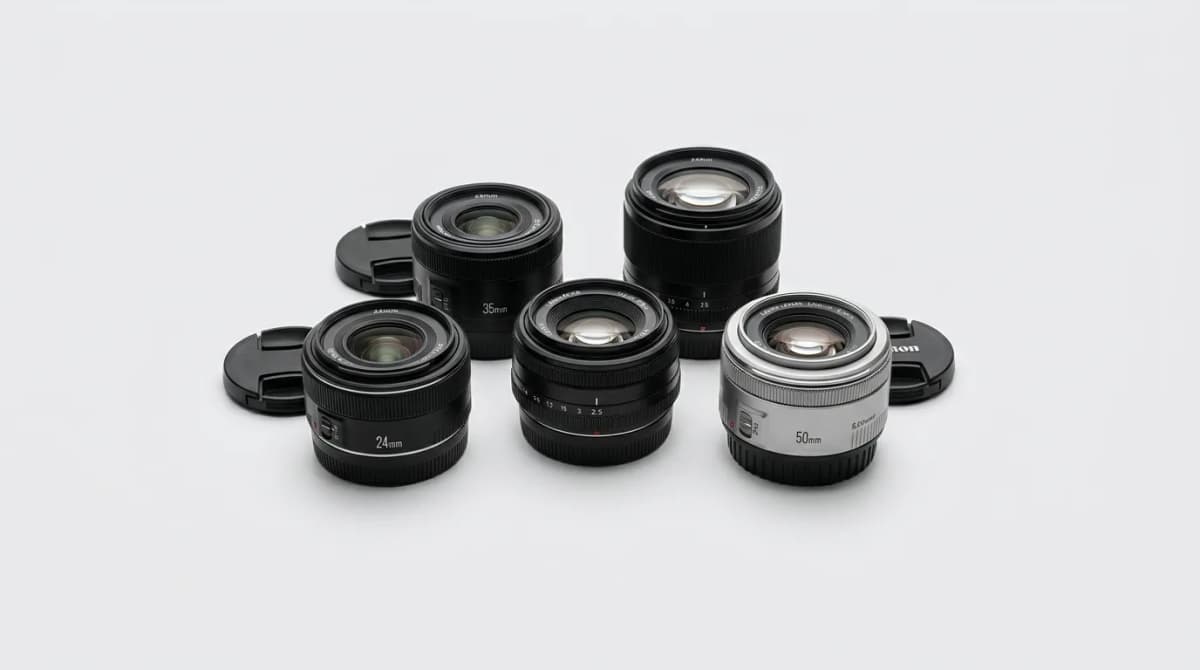
Small Prime Lenses for Travel: Why They Beat Zooms
Small prime lenses deliver sharper images and better low-light performance than zoom lenses while saving critical weight in your travel kit.
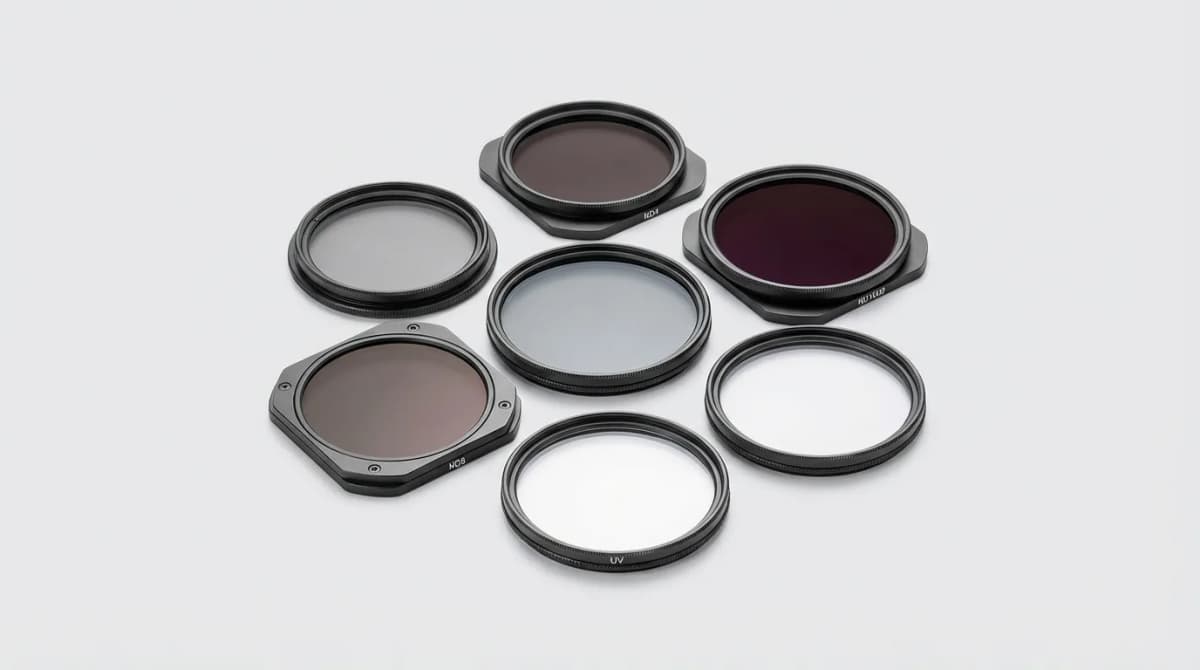
Best Lens Filters for Travel Photography
Skip the UV filter debate. These are the lens filters that actually matter for travel photography - polarizers, ND filters, and when each one earns its place in your bag.
Travel Backup Workflow for Photos and Video
A practical guide to the 3-2-1 backup rule for travel creators: SSD selection, cloud sync strategies, and building a redundant workflow that survives theft and failure.