Best Camera Slings for City Travel
Camera slings beat backpacks and shoulder bags for city travel. Quick side access, lighter weight, and better security make them the go-to choice for street shooters.
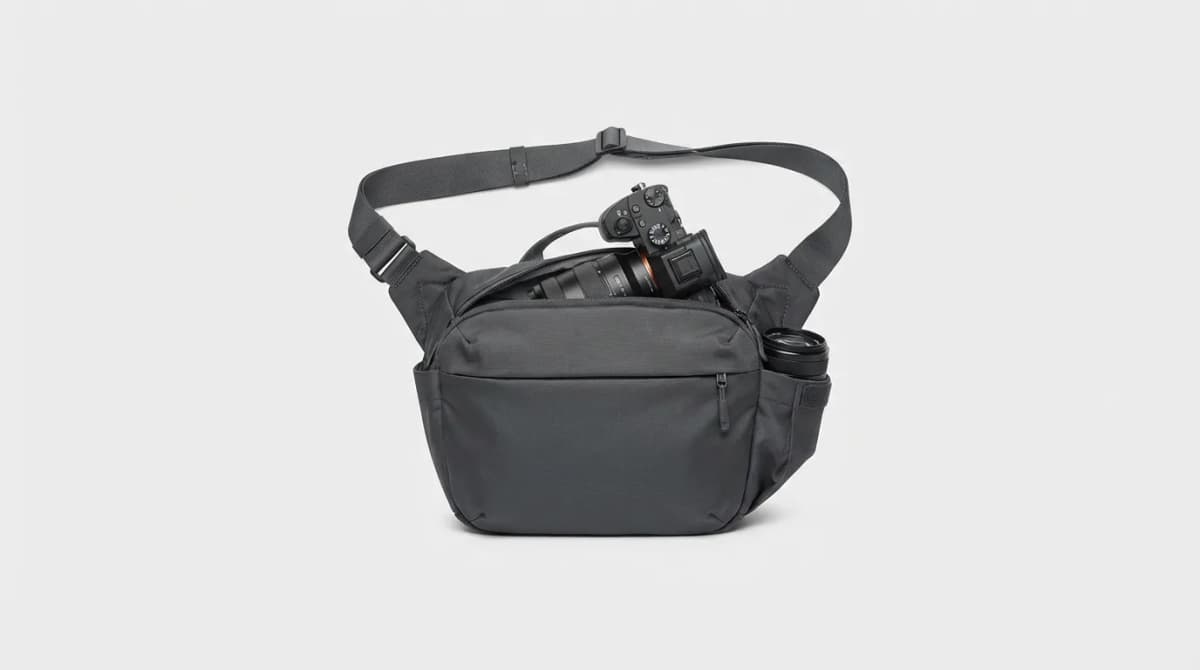
You're walking through narrow market streets, spot a scene worth capturing, and your camera is buried in a backpack. By the time you dig it out, the moment is gone. Camera slings solve this problem by keeping your gear accessible without the bulk of a shoulder bag or the hassle of swinging a backpack around every time you need to shoot.
Quick Picks
Our top recommendations at a glance:
- 1
- 2
- 3
- 4
- 5
A good camera sling sits across your body and rotates to the front in seconds. The best ones balance quick access with enough protection and organization to handle a full day of shooting. They also need to look low-key enough that you don't broadcast expensive camera gear to everyone around you.
What Makes a Camera Sling Work for City Travel
Weight distribution matters more than you'd think. A sling with a wide, padded strap spreads the load across your shoulder and back, which is critical when you are carrying a mirrorless body with a 24-70mm lens for eight hours. Narrow straps dig in and fatigue your shoulder by midday.
The rotation mechanism should be smooth and quiet. Some slings use plastic clips that rattle or catch on clothing. Better designs use stabilizer straps or magnetic buckles that let the bag swing forward without fumbling. You want to access your camera in one motion, not wrestle with multiple buckles while your subject walks away.
Security features separate city slings from hiking slings. Hidden zippers, lockable pulls, and slash-resistant panels make sense in crowded metros and tourist spots. A bag that opens toward your body instead of outward adds another layer of protection against pickpockets.
Peak Design Everyday Sling 6L vs 10L: Which Size Works Best
Peak Design offers two sizes, and the choice depends on how much gear you actually carry. The 6L version fits a mirrorless camera body, one to two lenses, and essentials like a phone, wallet, and keys. It disappears under your arm and works for minimalist shooters who stick to a single prime or zoom lens.
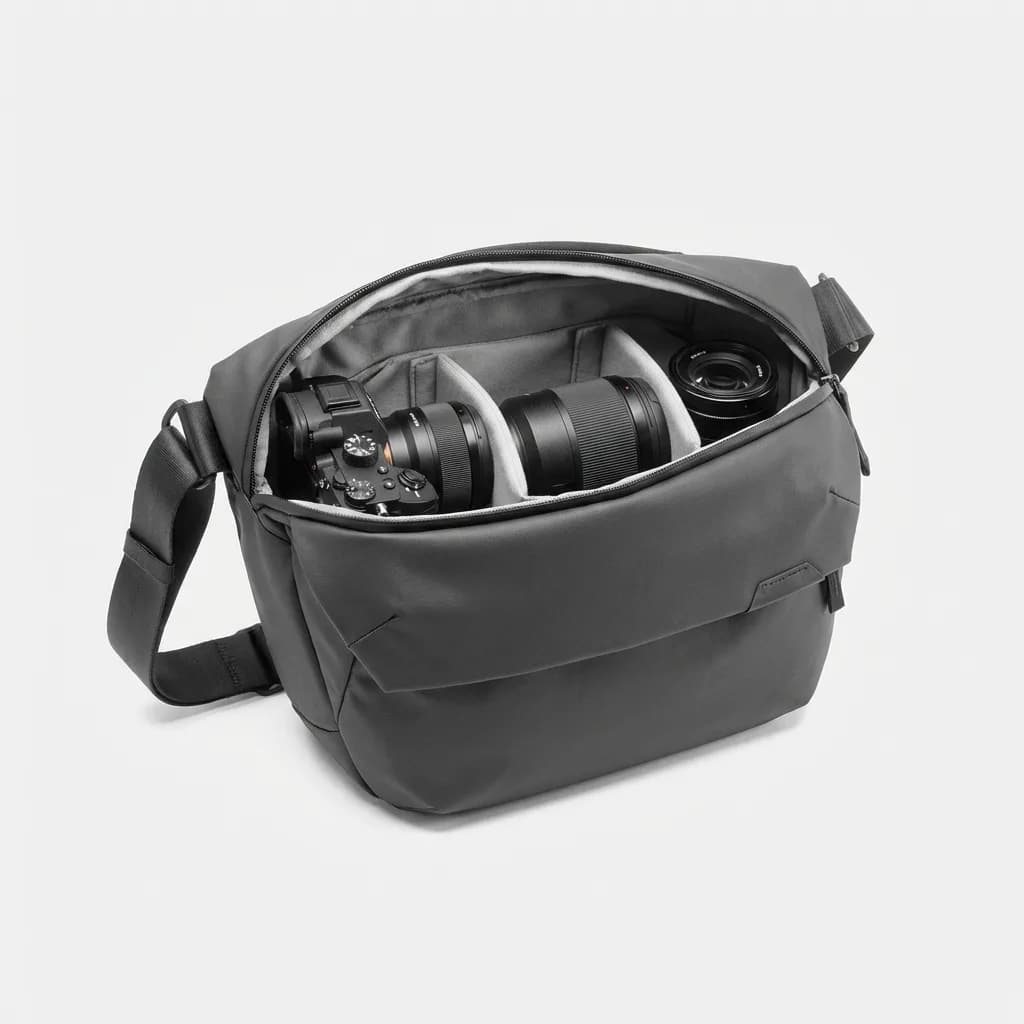
Peak Design Everyday Sling 6L
$120
Holds mirrorless body plus two lenses with weatherproof shell and magnetic closure. FlexFold dividers reorganize the interior layout in seconds.
The 10L model adds room for a third lens, a small tablet, or a light jacket. It also includes external straps for a tripod or water bottle. The tradeoff is size: the 10L feels more like a small messenger bag than a compact sling. If you switch between multiple focal lengths or need to carry a 13-inch laptop, the extra volume makes sense. For pure street photography with minimal gear swaps, the 6L keeps you faster and lighter.
Both versions use Peak Design's FlexFold dividers, which fold flat when you don't need camera protection and pop up when you do. This beats rigid foam dividers because you can reconfigure the bag without removing everything first. The magnetic closure is faster than zippers but doesn't always stay shut if you overfill the bag.
Lowepro ProTactic Utility Bag: Modular Carry for Gear Hoarders
Lowepro's ProTactic series uses a modular system that attaches to backpacks, belts, or the included shoulder strap. The Utility Bag 200 AW fits a mirrorless body with a short zoom lens attached, plus memory cards and batteries in the top pocket. It rotates easily and locks into position with a clip mechanism that feels more secure than magnetic closures.
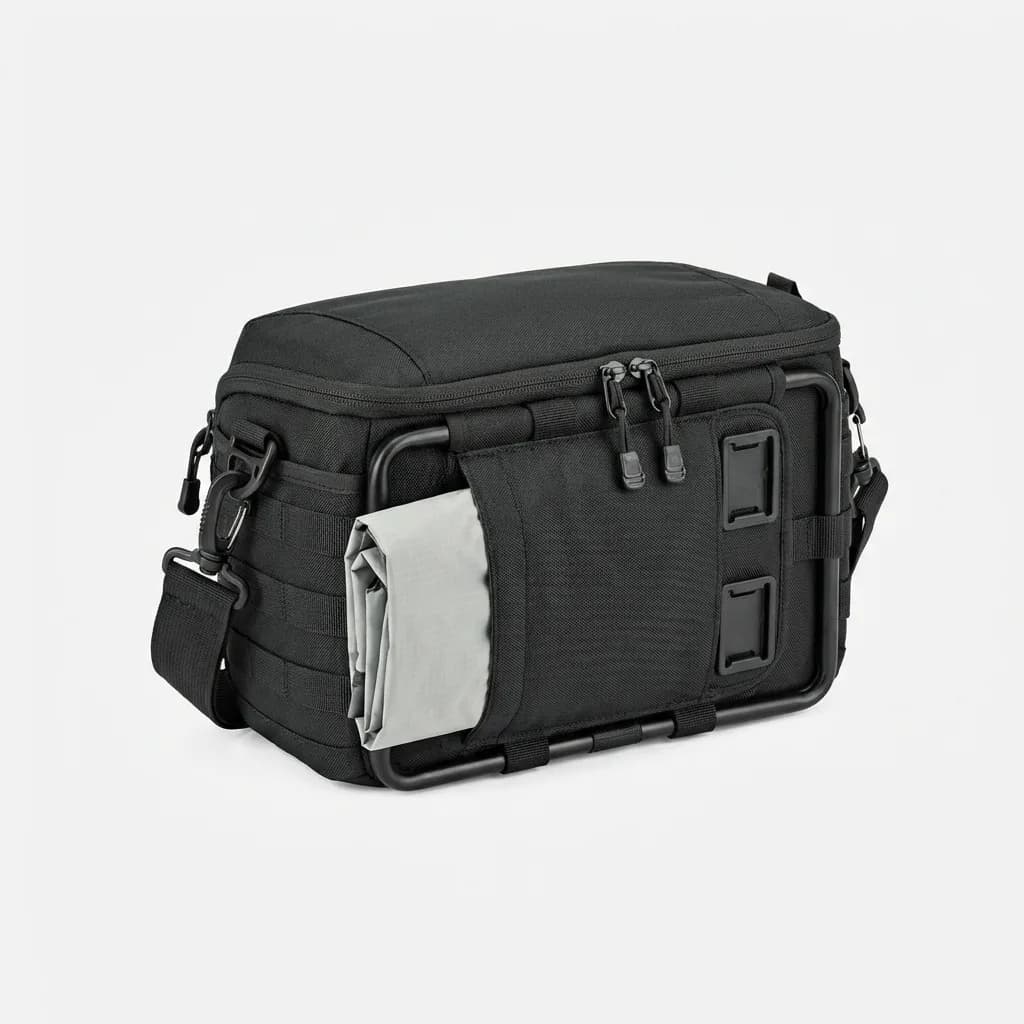
Lowepro ProTactic Utility Bag 200 AW
$55
Modular design attaches to belts or straps with SlipLock system. Includes all-weather cover and rigid frame for protection in tight spaces.
The SlipLock attachment system means you can use this as a sling for city days and attach it to a larger backpack when you need more capacity. The rigid frame protects your gear better than soft slings but adds weight and makes the bag less packable. If you already own a ProTactic backpack, the utility bag integrates seamlessly. As a standalone sling, it offers less organization than dedicated designs.
Think Tank TurnStyle 10 vs 20: Compact Slings for Tight Spaces
Think Tank's TurnStyle line prioritizes low profile and fast rotation. The 10 holds a mirrorless body with a pancake or short zoom, memory cards, and a phone. It's the smallest option here and works well for travel days when you want a camera handy without committing to a full camera bag.
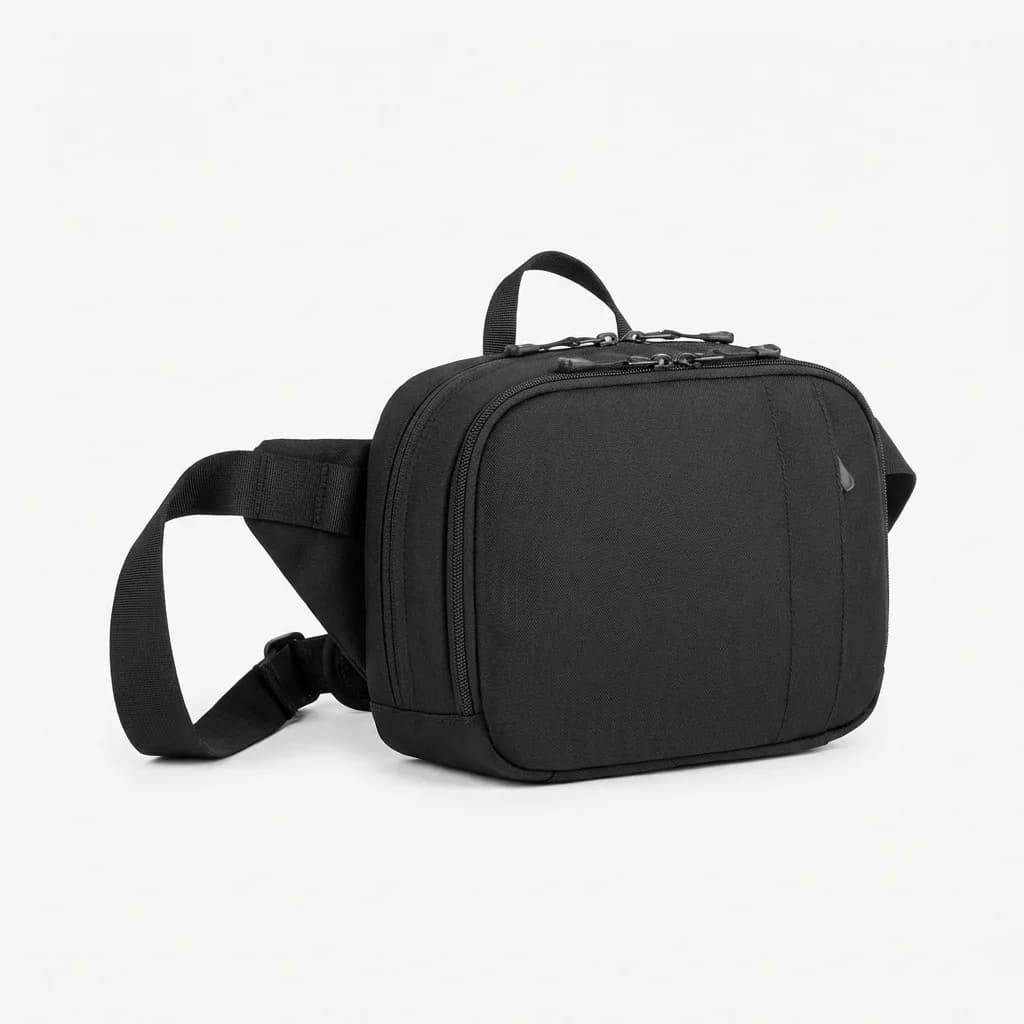
Think Tank TurnStyle 10 V2.0
$70
Ultra-compact sling for mirrorless cameras with minimal bulk. Rotates 360 degrees with stabilizer strap and rear-facing access to prevent theft.
The TurnStyle 20 doubles the capacity, fitting a small DSLR or mirrorless with a larger lens, plus a second lens or flash. Both versions open toward your body, which makes them harder to pick but slower to access than front-opening slings. The stabilizer strap prevents the bag from sliding around when you move quickly, something many lightweight slings struggle with.
Think Tank builds these with water-resistant zippers and reinforced stitching. The bag won't survive a downpour without the optional rain cover, but it handles light rain and dust better than Peak Design's fabric. The lack of external attachment points keeps the profile clean but limits versatility for carrying a jacket or tripod.
Billingham Hadley Digital vs S: Classic Look, Modern Protection
Billingham bags look like vintage canvas messenger bags but pack modern camera protection inside. The Hadley Digital fits a full-frame DSLR with a 24-70mm lens attached, plus a second lens and accessories. It uses a traditional shoulder strap instead of a cross-body sling, but many photographers add an aftermarket strap to convert it.
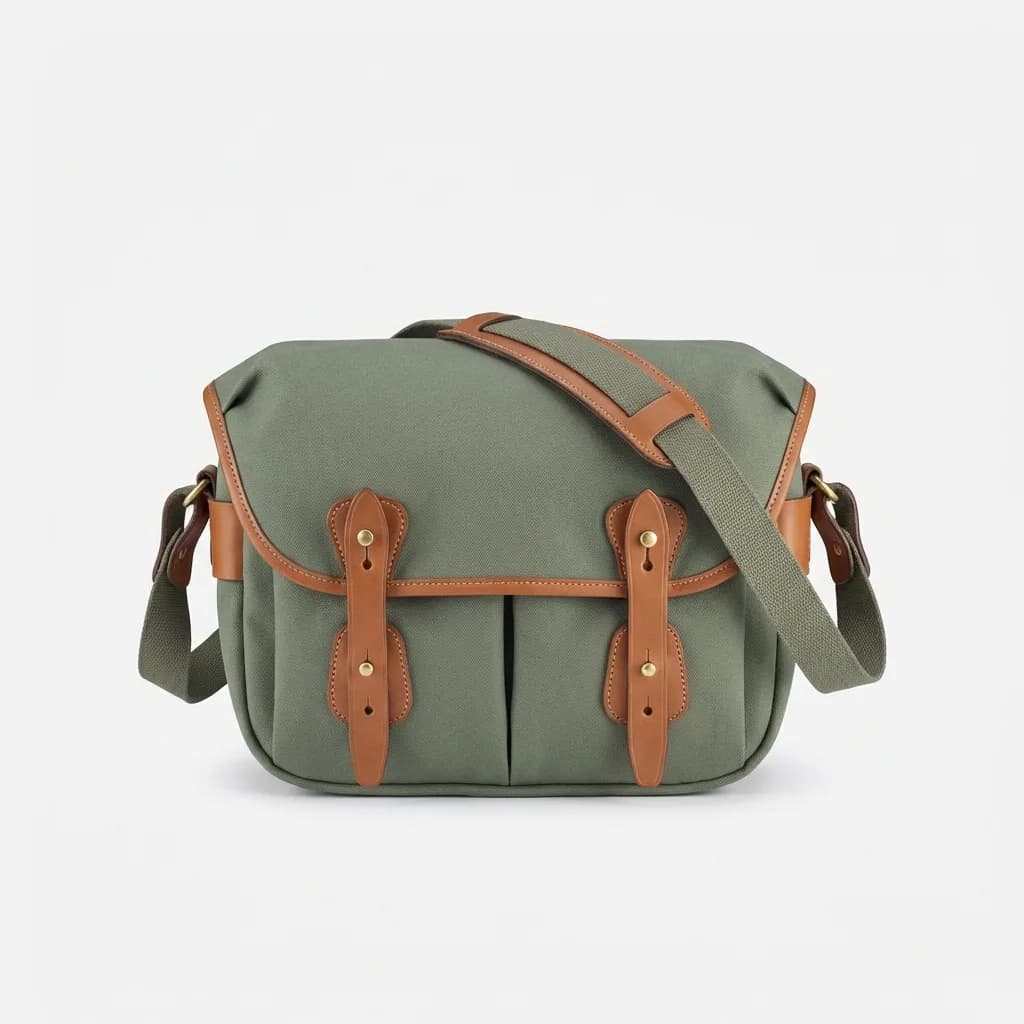
Billingham Hadley Digital
$280
Handcrafted canvas and leather bag with weatherproof lining. Fits DSLR with 24-70mm plus second lens. Classic design blends into city environments.
The FibreNyte fabric resists water better than waxed canvas and dries faster. Leather trim adds durability at stress points but requires occasional conditioning. Quick-release buckles open with one hand, though they're louder than magnetic closures and attract more attention in quiet spaces.
The Hadley S shrinks the design for mirrorless systems, cutting weight and bulk while maintaining the same construction quality. Both versions lack modern features like hidden zippers or internal organization panels. You get a padded main compartment and front pockets, which works if you prefer minimal dividers and maximum flexibility.
Billingham's aesthetic stands out in a market full of tactical black bags. If you want something that looks like a casual bag instead of a camera bag, this is the tradeoff: less security features, higher price, classic durability.
What About Weatherproofing and Padding
Weatherproofing ranges from basic water resistance to full rain protection. Most camera slings use DWR-coated fabrics that repel light rain but saturate in heavy downpours. Peak Design and Think Tank include seam-sealed construction, which improves water resistance without adding bulk. Lowepro bundles an all-weather cover that packs into a bottom pocket, useful for sudden rain but annoying to deploy mid-shoot.
Padding protects against bumps, not drops. A 10mm foam base keeps your camera safe from setting the bag down hard or pressing against walls in crowded spaces. It won't save your lens if you drop the bag off a table. For serious impact protection, you need a hard-shell case, which defeats the point of a quick-access sling.
Internal dividers should be adjustable and thick enough to prevent lens collision. Thin dividers save weight but let lenses knock together when you move fast. Velcro panels work better than fold-flat dividers for frequent reconfiguration, though they collect lint over time.
Common Mistakes When Choosing a Camera Sling
Buying based on maximum capacity instead of daily carry leads to overpacking. A 10L sling that holds three lenses sounds useful until you realize you only swap lenses twice per trip. The extra space adds weight and bulk, and an underfilled bag lets gear shift around inside. Match the bag size to your actual shooting style, not your entire lens collection.
Ignoring strap width causes shoulder fatigue. A 1-inch strap cuts into your shoulder after a few hours of wear, especially with heavier setups. A 2-inch padded strap distributes weight better but adds bulk to the overall design. If you are carrying more than 5 pounds of gear, prioritize strap comfort over compact size.
Overlooking rotation stability makes quick access frustrating. A sling that spins freely sounds convenient but slides out of position constantly when you walk or bend over. A stabilizer strap or sternum clip keeps the bag in place without restricting rotation when you need it. Test this before buying if possible - online reviews rarely mention rotation control.
Which Sling for Which Shooting Style
For street photography with one or two prime lenses, the Think Tank TurnStyle 10 or Peak Design Everyday Sling 6L keeps you light and fast. These work best when you shoot with a fixed focal length most of the day and need minimal gear swaps.
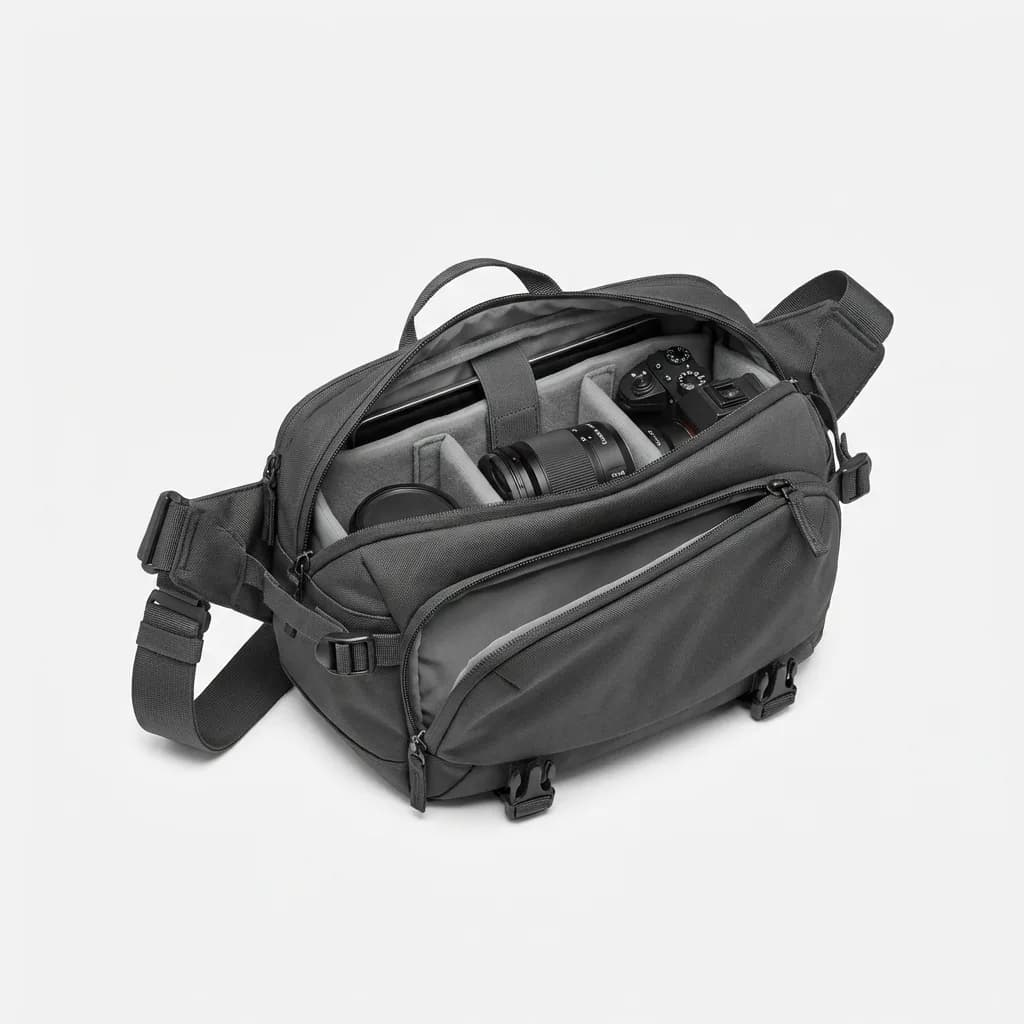
Manfrotto Street Camera Sling Bag
$65
Affordable sling with quick side access and rear-facing zippers. Fits mirrorless with short zoom plus tablet pocket. Weather-resistant fabric with adjustable dividers.
For event coverage or situations where you need multiple lenses and a flash, the Peak Design Everyday Sling 10L or Lowepro ProTactic provide better organization and external attachment points. The extra space matters when you can't predict what focal length you will need next.
For travel days where the camera is secondary to sightseeing, the Billingham Hadley or a compact TurnStyle balances casual looks with camera protection. These don't scream "photographer" and work as everyday bags when you're not shooting.
How Much Should You Spend
Entry-level slings from Manfrotto and Lowepro start around $50-$70 and cover the basics: padded compartment, adjustable strap, water-resistant fabric. They lack premium features like magnetic closures or modular systems but work fine if you prioritize function over refinement.
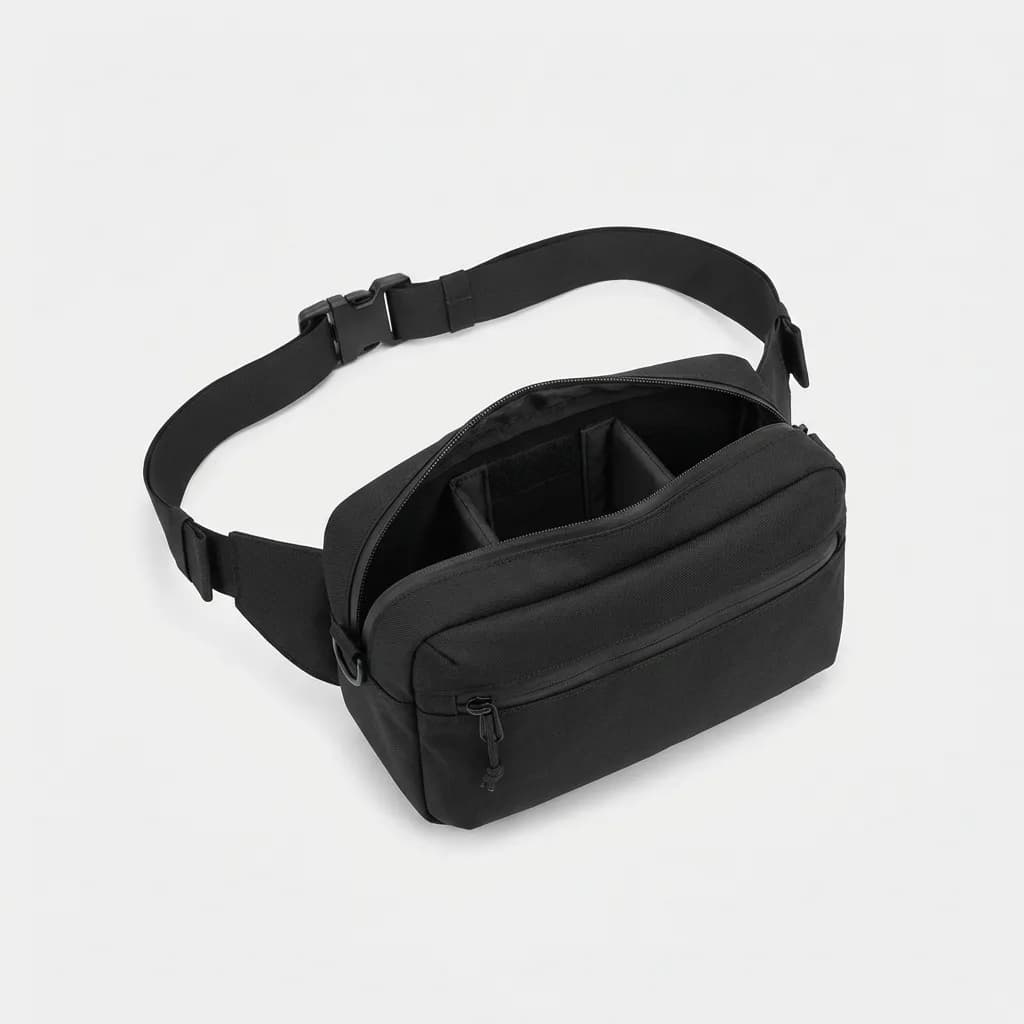
Chrome Industries Niko Camera Sling
$110
Minimalist sling with weatherproof tarp liner and adjustable camera cube. Converts to waist pack. Lifetime warranty on materials and construction.
Mid-range options like Peak Design and Think Tank ($100-$150) add better materials, smoother rotation, and thoughtful details like magnetic closures and stabilizer straps. These justify the price if you use the bag frequently and value durability.
Premium bags like Billingham ($250+) trade features for craftsmanship and aesthetics. You pay for hand-stitched construction, leather trim, and a design that lasts decades. The performance doesn't dramatically exceed mid-range bags, but the materials and look appeal to photographers who want classic gear.
Final Considerations
Camera slings work best when they match your actual gear and shooting habits. Oversized bags encourage overpacking, while undersized ones force compromises that slow you down. A well-chosen sling should feel like it disappears during the day - you access your camera naturally without thinking about the bag mechanics.
The best camera sling is the one you actually use. Peak Design offers the most versatility and modern features for most shooters. Think Tank wins on compact size and security. Lowepro integrates with existing modular systems. Billingham appeals to photographers who value aesthetics and traditional construction. All of them beat stuffing a camera in a regular backpack or trying to navigate cities with a bulky shoulder bag.
Test the rotation and access pattern before committing. A sling that works perfectly for someone else might sit at the wrong angle on your body or require awkward movements to rotate forward. The mechanics matter as much as capacity and protection.
The Weekly Dispatch
Enjoying this article?
Subscribe and get our best gear picks delivered every Sunday morning.
Related Posts
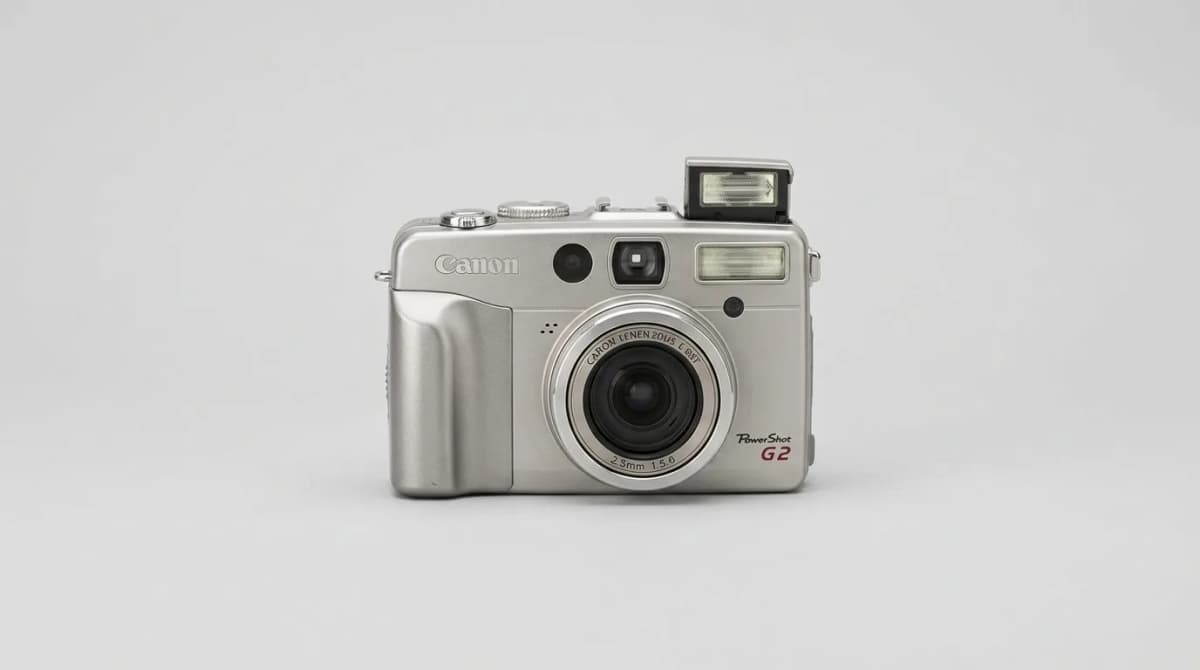
The Vintage Digicam Trend Explained
Vintage digital cameras from the early 2000s are making a comeback. Here's why photographers are ditching their smartphones for grainy, low-res digicams.
Small Prime Lenses for Travel: Why They Beat Zooms
Small prime lenses deliver sharper images and better low-light performance than zoom lenses while saving critical weight in your travel kit.
Best Lens Filters for Travel Photography
Skip the UV filter debate. These are the lens filters that actually matter for travel photography - polarizers, ND filters, and when each one earns its place in your bag.
Travel Backup Workflow for Photos and Video
A practical guide to the 3-2-1 backup rule for travel creators: SSD selection, cloud sync strategies, and building a redundant workflow that survives theft and failure.