Carry On Packing List for Cold Weather Trips
Master cold weather travel with a carry-on. This list focuses on layering strategies, compact warmth, and versatile pieces that handle freezing temps.
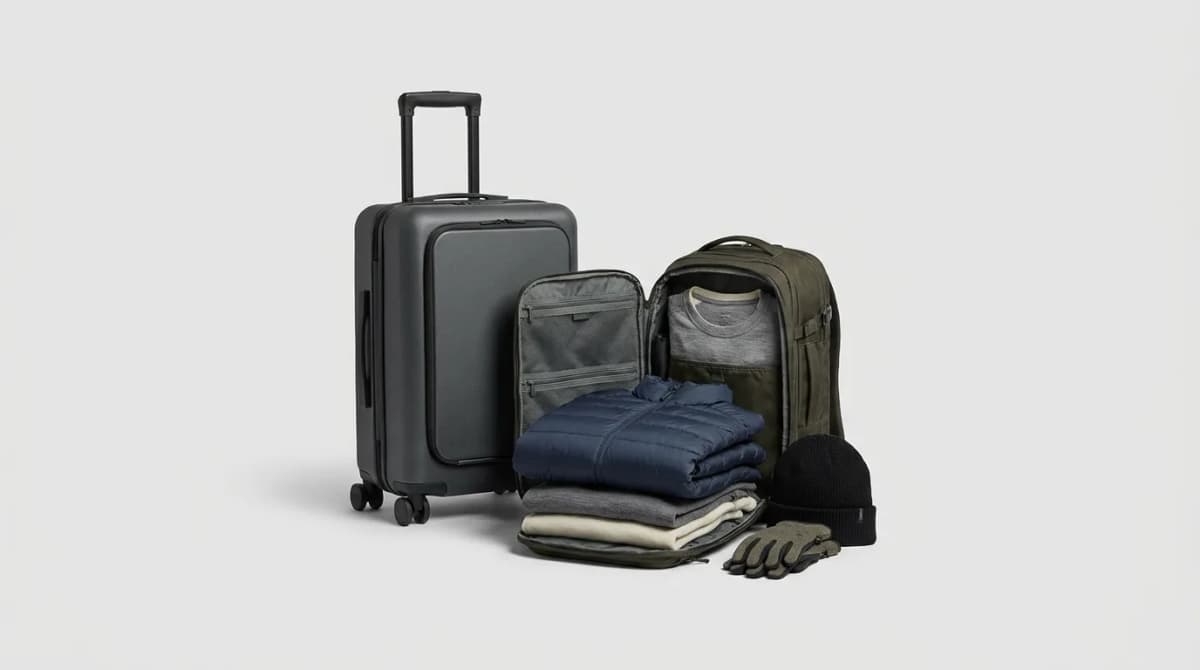
The hardest packing challenge is not hot weather minimalism. It is fitting bulky winter gear into a carry-on while still having outfit options for a week. Most travelers overpack or check a bag, but neither is necessary if you build a layering system instead of throwing in random sweaters.
Quick Picks
Our top recommendations at a glance:
- 1
- 2
- 3
- 4
- 5
The mistake most people make is packing for the coldest moment of the trip. You spend maybe 20 minutes outside in sub-zero temps, but hours indoors where buildings are heated to 70 degrees. Pack for versatility, not extremes, and you will stay warm without checking a bag.
Build Your Base Layer System
Base layers are the foundation. Skip cotton entirely. It holds moisture, dries slowly, and loses all insulating value when damp. Merino wool or synthetic fabrics regulate temperature, wick sweat, and do not smell after multiple wears.
Bring two merino wool base layer tops and one bottom. Wear one, pack one. Wash in the sink every few days and they dry overnight on a towel. Merino works from 20 to 60 degrees depending on what you layer over it. A single 200-weight top replaces three cotton shirts in your bag.
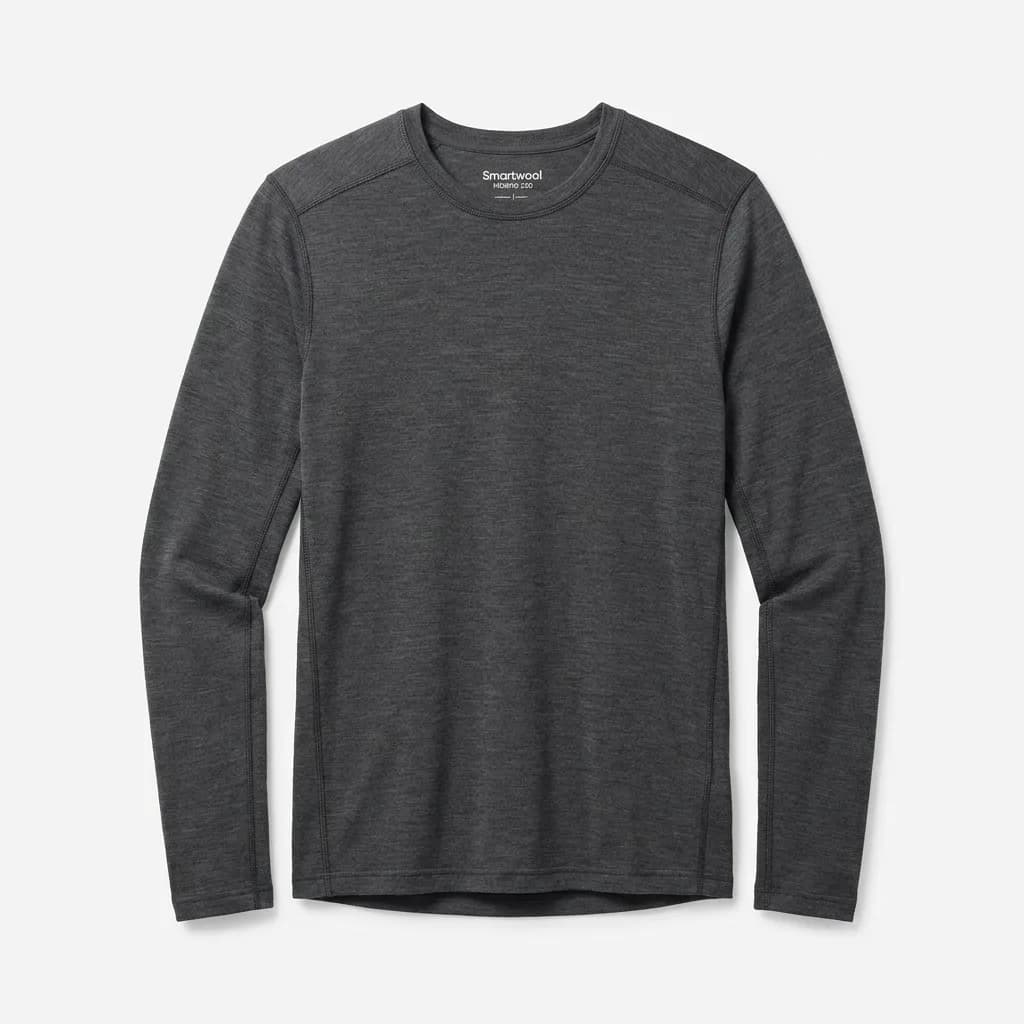
Smartwool Merino 250 Base Layer Crew
$95
200-weight merino wool base layer with flatlock seams. Naturally odor-resistant and moisture-wicking. Machine washable and quick-drying for travel.
For the bottom layer, one pair of merino leggings works under jeans or pants when it is truly cold. Most of the time you will not need them, but they compress to nearly nothing in a packing cube. Icebreaker and Smartwool both make 200-weight options that hold up to repeated washing.
The Mid-Layer Strategy That Actually Works
Mid-layers provide most of your warmth. The key is packability per warmth ratio. A thick fleece takes up a quarter of your bag and only works in a narrow temperature range. A down or synthetic puffy jacket compresses to the size of a water bottle and works from 30 to 50 degrees depending on what you wear under it.
Bring one packable down jacket and one merino wool sweater or fleece quarter-zip. The puffy is your heavy hitter for outdoor time. The sweater works indoors, on planes, and as an extra layer under the puffy when temps drop below 20. Two mid-layers give you four warmth combinations when paired with your base layers.
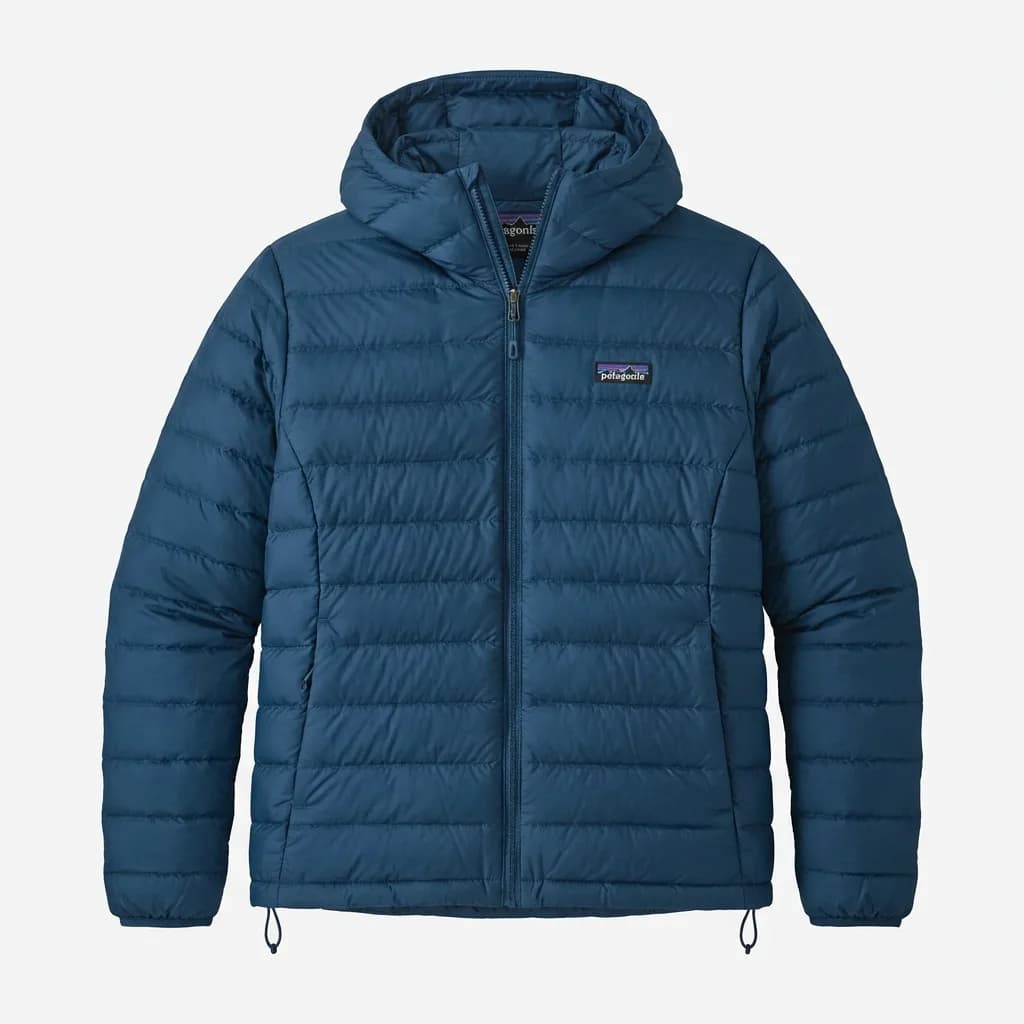
Patagonia Down Sweater Hoody
$299
800-fill down insulation in a packable design that stuffs into its own pocket. DWR finish for light weather resistance. Compresses to softball size, weighs 13 oz.
Look for down jackets with stuff sacks or self-stuffing pockets. Uniqlo and Eddie Bauer make budget versions under $100 that pack nearly as small as premium options. The main tradeoff is weight, not warmth. A cheaper jacket might weigh 16 ounces instead of 10, but if you are not hiking, the difference does not matter.
Synthetic insulation like PrimaLoft is worth considering if you expect wet conditions. Down loses loft when damp. Synthetic maintains warmth even when soaked, though it does not compress quite as well. Outdoor Research and Arc'teryx make highly packable synthetic options.
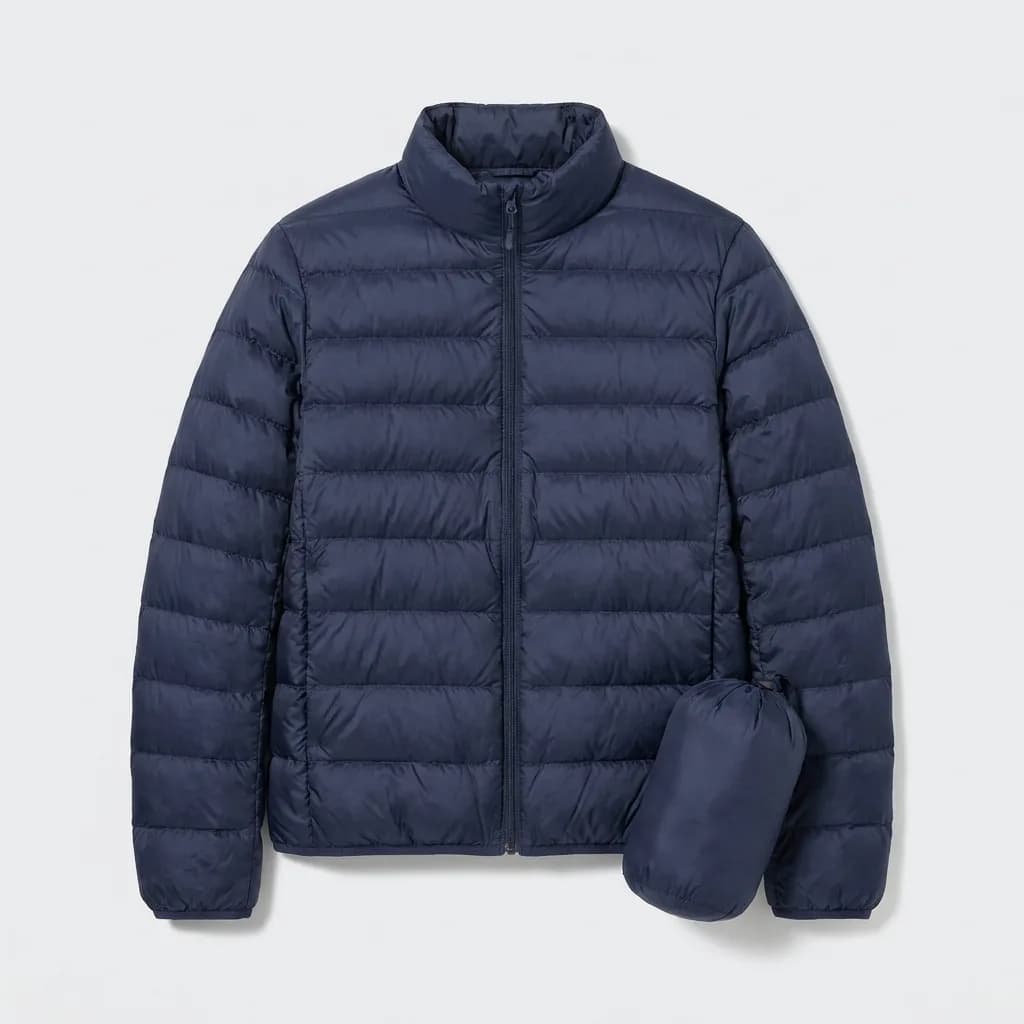
Uniqlo Ultra Light Down Jacket
$70
Affordable 640-fill down jacket with water-repellent coating. Packs into included stuff sack, weighs under 8 oz. Available in 20+ colors for $70.
One Shell Jacket Does Everything
Your outer layer blocks wind and precipitation. This is not an insulation layer. A proper shell has no insulation, just waterproof breathable fabric. You layer it over your puffy when weather turns nasty, or wear it over just a base layer when it is cold but dry.
A good travel shell weighs under a pound, packs to the size of a sandwich, and has pit zips for ventilation. Gore-Tex is the gold standard, but eVent and proprietary membranes from Outdoor Research or Marmot perform nearly as well for less money. Look for 2.5-layer or 3-layer construction. 2-layer shells are too bulky for carry-on packing.
The shell also works in non-winter contexts. Rainy spring day in Paris? Windstorm in the desert? Same jacket. This is why we prioritize shells over insulated parkas for travel. A parka only works in one climate. A shell plus layering system works in five.
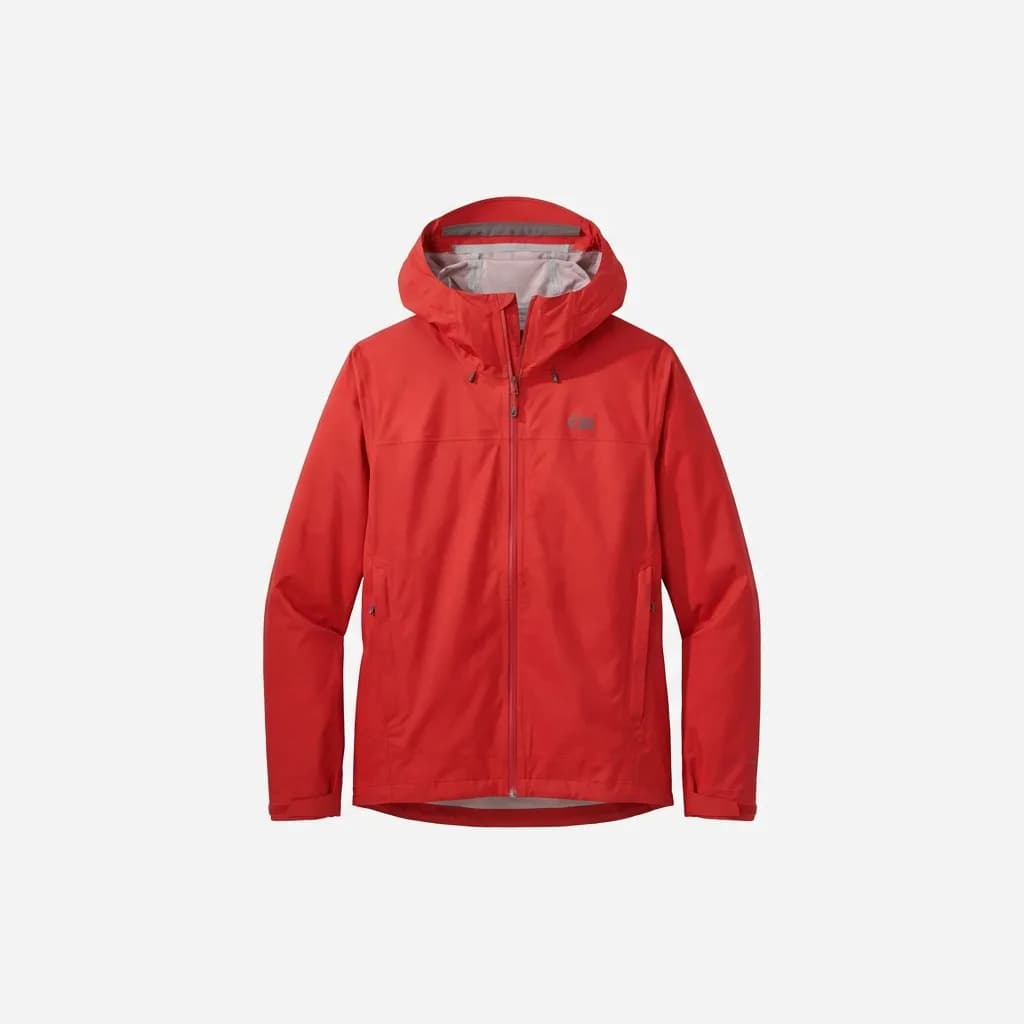
Outdoor Research Helium Rain Jacket
$179
Ultralight 2.5-layer waterproof shell with pit zips and adjustable hood. Weighs 6.4 oz, packs into its own pocket. Fully taped seams, breathable AscentShell fabric.
Pants: Two Pairs Maximum
You need one pair of jeans or casual pants and one pair of technical pants. Wear the jeans on the plane to save bag space. Pack one pair of synthetic hiking pants or travel pants with some stretch. These dry fast, resist wrinkles, and work for everything from city walking to light hiking.
Prana, Kuhl, and Outdoor Research all make travel pants that look casual enough for restaurants but have the performance of hiking gear. Look for water resistance, four-way stretch, and zippered pockets. Skip cargo pants with excessive pockets and loops. You want something that passes in an urban environment.
In extreme cold, you layer merino leggings under either pant option. Do not pack separate snow pants unless you are actually skiing. The three-layer system (base layer + pants + shell if needed) handles everything else.
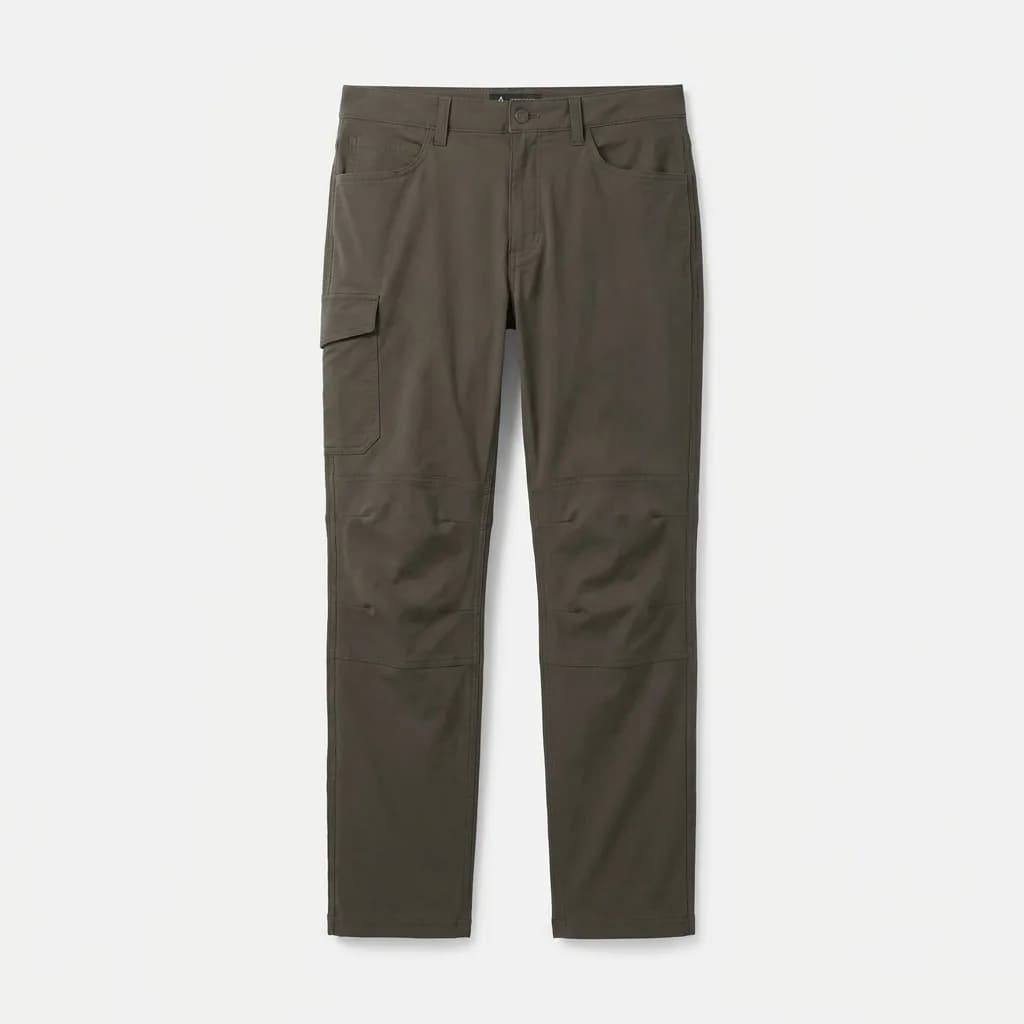
Prana Stretch Zion Pant II
$89
Durable nylon-spandex blend with DWR finish and reinforced knees. Stretchy, quick-drying, wrinkle-resistant. Five-pocket styling works for travel and hiking. 30-inch inseam options available.
Cold Weather Footwear That Fits in a Carry-On
Shoes are the bulkiest item. Wear your largest pair on the plane. Pack one lighter pair maximum. For cold weather, you want insulated waterproof boots with good traction. Blundstone, Danner, and Sorel make options that work in snow but do not look like moon boots in a coffee shop.
Your second pair should be lightweight and packable. Trail runners or minimalist sneakers work for indoor days and lighter activity. Stuff them with socks to maintain shape and fill dead space in your bag.
Skip the temptation to bring dress shoes unless you have a specific formal event. Modern boots like Blundstones or Chelsea-style options work with jeans and chinos. You are traveling, not attending a wedding every night.
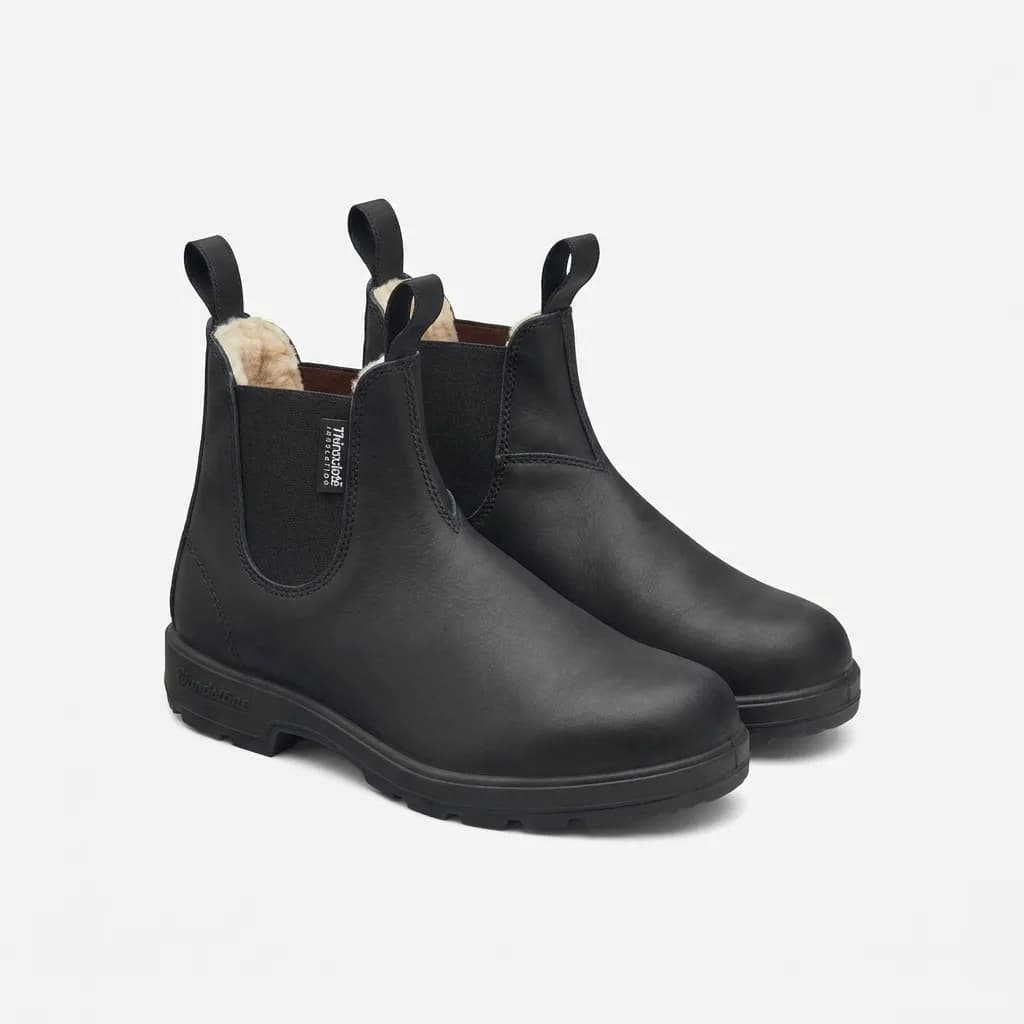
Blundstone Thermal Boot
$230
Waterproof leather Chelsea boot with Thinsulate insulation and sheepskin footbed. Slip-on design, durable rubber sole with traction. Works from city streets to light trails.
The Accessories That Actually Matter
Gloves, hat, and scarf take up minimal space but make a massive difference in comfort. Pack lightweight options that layer. A merino wool beanie and thin liner gloves work for most situations. Add a neck gaiter or lightweight scarf for wind protection.
Do not pack heavy ski gloves unless you are skiing. Liner gloves let you use your phone and zip zippers. If you need more warmth, layer mittens over the liners. REI and Outdoor Research sell shell mittens that pack flat and add 20 degrees of warmth over any glove.
A neck gaiter is more versatile than a scarf. It stays in place, works as a hat liner, and packs to the size of a pair of socks. Smartwool and Buff make merino options that do not itch.
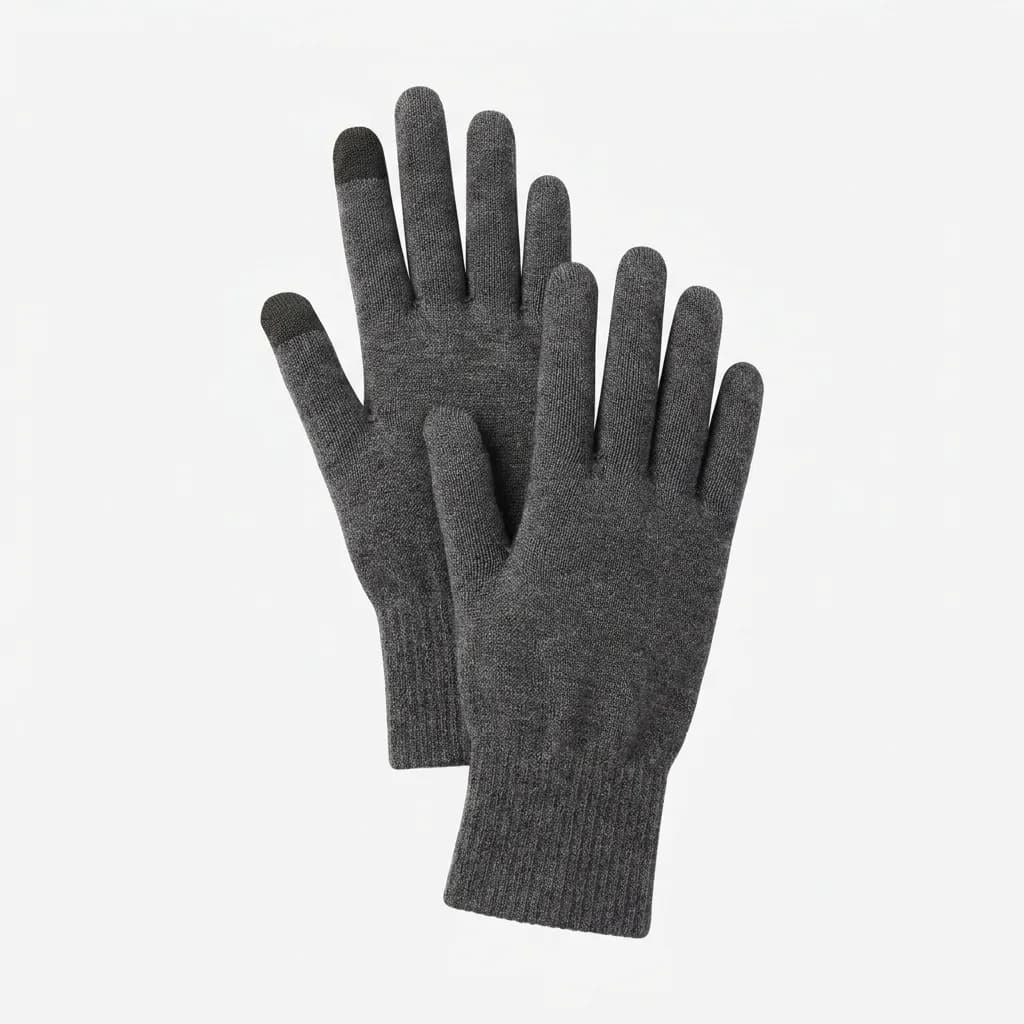
Smartwool Liner Glove
$35
Lightweight merino wool gloves with touchscreen-compatible fingertips. Seamless construction for comfort under shell gloves. Machine washable, naturally odor-resistant.
Sunglasses are easy to forget in winter but critical at altitude or around snow. Pack a microfiber case to protect them in your bag. If you wear prescription glasses, bring a backup pair. Cold weather means more time indoors in dry heated air, which makes contact lenses uncomfortable.
Packing Cubes and Compression Strategy
Organization is not optional for carry-on travel. Packing cubes separate clean from dirty and compress soft items to create space. Use one cube for base layers, one for mid-layers, one for pants and accessories.
Compression cubes with zippers can reduce volume by 30 percent, but do not over-compress down jackets. Down needs loft to insulate. Instead, pack your puffy last, loosely on top, and let it expand naturally. Store it in its stuff sack only during transit.
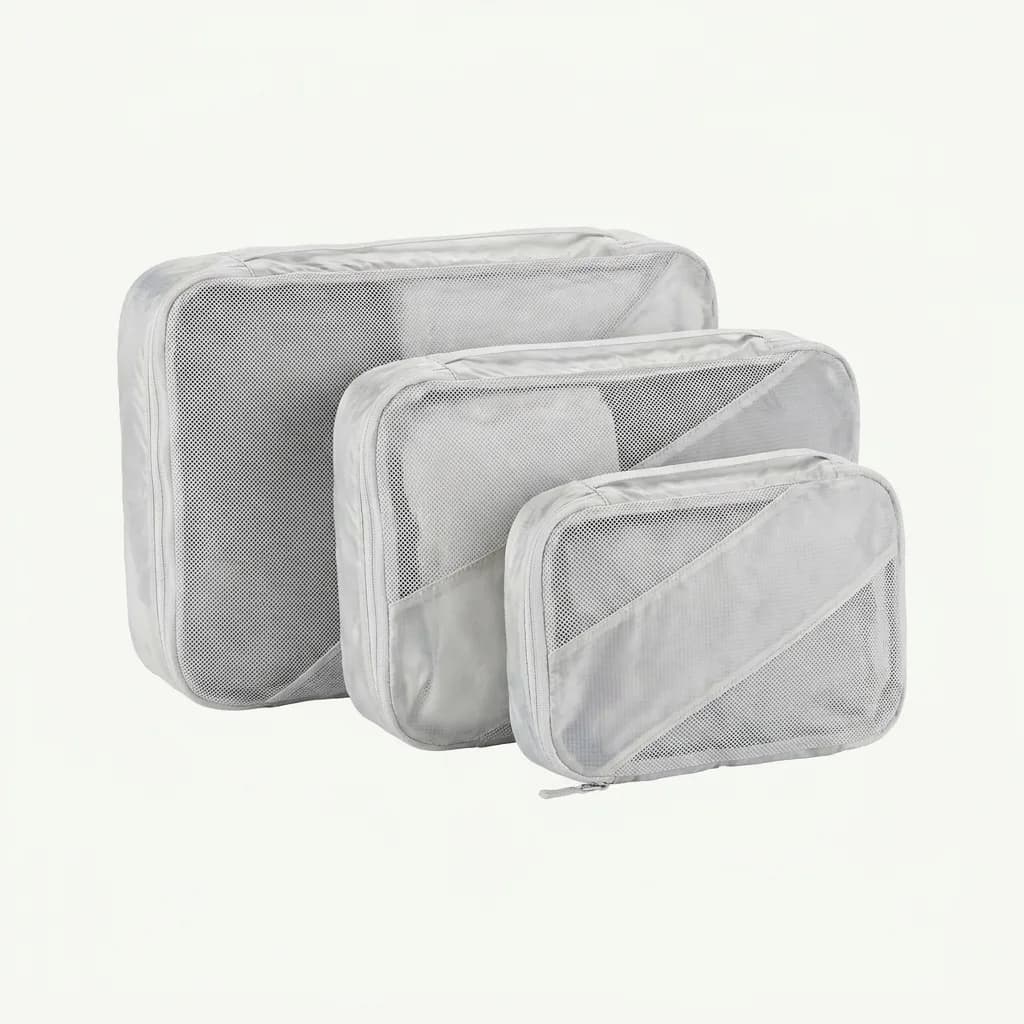
Eagle Creek Pack-It Specter Cube Set
$44
Ultra-lightweight packing cubes in three sizes with water-resistant silnylon fabric. Mesh top panels for visibility and compression. Set of three cubes weighs 3.2 oz total.
Roll heavy items like jeans and fleece. Fold light items like base layers. Fill shoes with socks, underwear, and small accessories. Every void in your bag is wasted space. Tetris-pack methodically and you will be shocked how much fits in a regulation carry-on.
A dry bag or large Ziploc works for dirty laundry separation. Keep worn base layers isolated from clean clothes. The bag also protects electronics and documents if your jacket or boots are damp from snow.
What to Leave Home
Do not pack multiple jackets. One puffy, one shell, one sweater. That is the system. Do not pack jeans in multiple colors. One pair. Do not pack five shirts. Two base layers plus your mid-layers give you weeks of outfit combinations when you embrace re-wearing clothes.
Skip toiletries in full sizes. Buy travel sizes or decant into small bottles. Cold weather does not require extra products. Lotion for dry skin, lip balm, and sunscreen are the only additions to your standard kit.
Leave the hairdryer. Hotels have them. Leave the full-size towel. Use the hotel towel or bring a microfiber camp towel if you are staying in hostels. Leave extra shoes beyond the two-pair maximum. Leave books and pack a Kindle. Every ounce counts in carry-on cold weather packing.
Testing Your System Before You Go
Pack your bag three days before departure. Wear it around the house for 20 minutes. If it is too heavy, you over-packed. Carry-on travel should be comfortable for short walks and manageable for stairs and public transit.
Do a test dress in all your layers. Make sure your shell fits over your puffy with room to move. Make sure your puffy fits over your base layer and sweater without restricting motion. If anything is tight, size up or rethink your layering choices.
Check your airline's carry-on dimensions. A bag that works for Delta might get gate-checked on a regional carrier. Most international carry-ons measure 22 x 14 x 9 inches. Budget airlines in Europe have smaller limits. Know the rules before you commit to carry-on only.
When the System Pays Off
The real test comes on day three of your trip. You are comfortable, warm, and have outfit options. Your bag is light enough to walk 15 minutes from the metro to your hotel. You did not wait at baggage claim or pay checked bag fees. You did not stress about lost luggage or gate-checking.
Cold weather carry-on packing is not about suffering through minimal gear. It is about smart gear choices. Merino wool instead of cotton. Puffy jackets instead of fleece. Shells instead of parkas. Layering instead of single-use items. Every piece serves multiple functions, and nothing goes unused.
This approach works for a long weekend in Quebec or two weeks in Norway. The core system stays the same. You just add or remove base layers and underwear based on trip length. Master this list once and winter travel becomes simpler than summer packing.
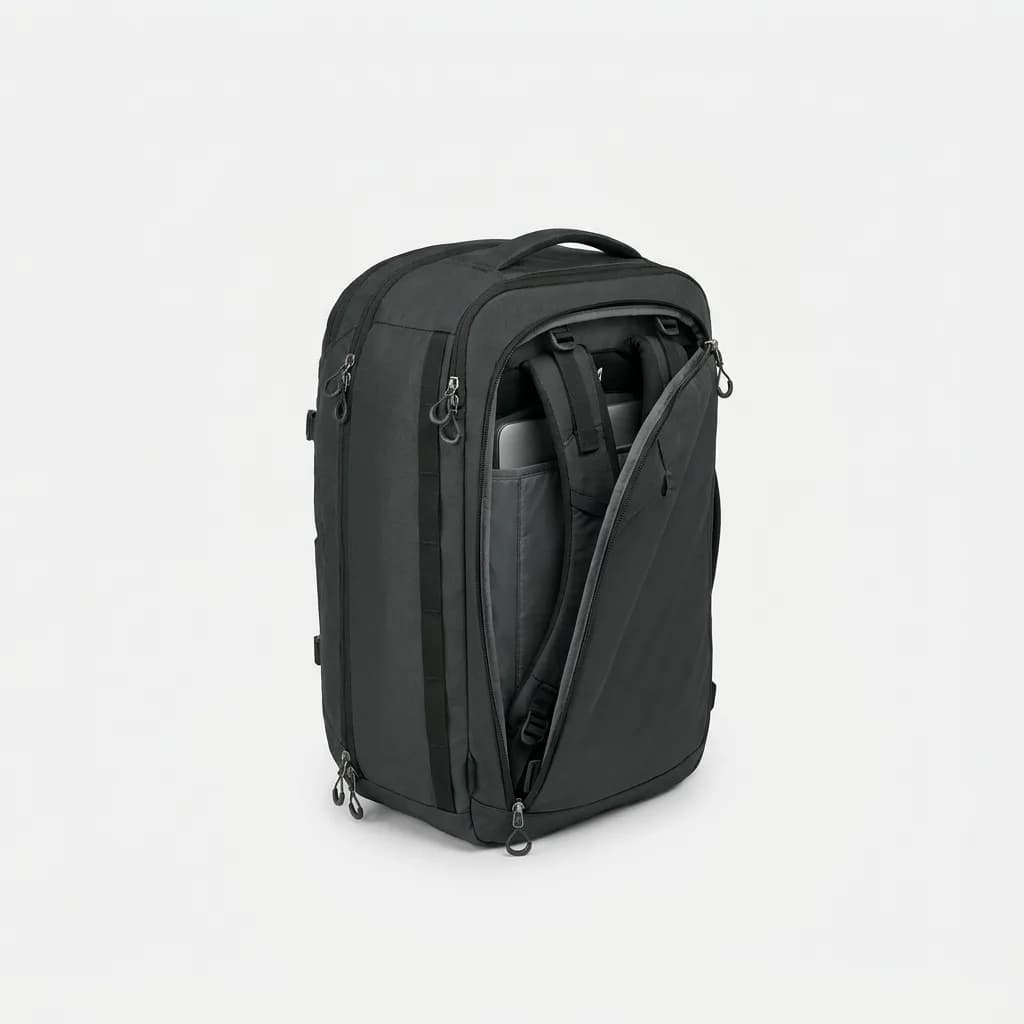
Osprey Farpoint 40 Travel Backpack
$180
Maximum-size carry-on backpack with panel-loading access and stowable straps. Lockable zippers, laptop sleeve, hip belt for comfort. 40-liter capacity, meets most airline requirements.
The difference between struggling with checked bags in the cold and breezing through the airport comes down to intentional packing. Build the layering system. Pack versatile pieces. Eliminate redundancy. The result is more freedom, less hassle, and better travel experiences in cold weather.
The Weekly Dispatch
Enjoying this article?
Subscribe and get our best gear picks delivered every Sunday morning.
Related Posts
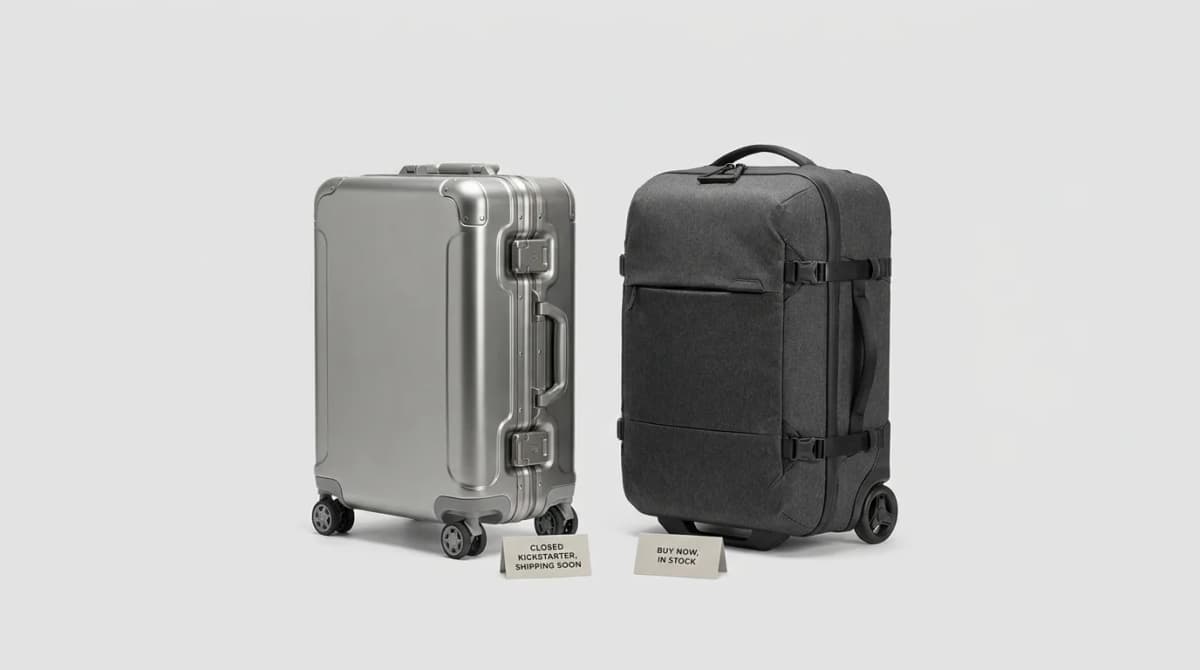
Titaner Voyager vs Peak Design: Titanium Carry-On
Peak Design owns Kickstarter travel bags. Titaner answered with a Grade 1 titanium latch spinner - not another backpack. Closed KS ship watch vs Roller Pro buy-today: who waits for Voyager, who buys Peak now.
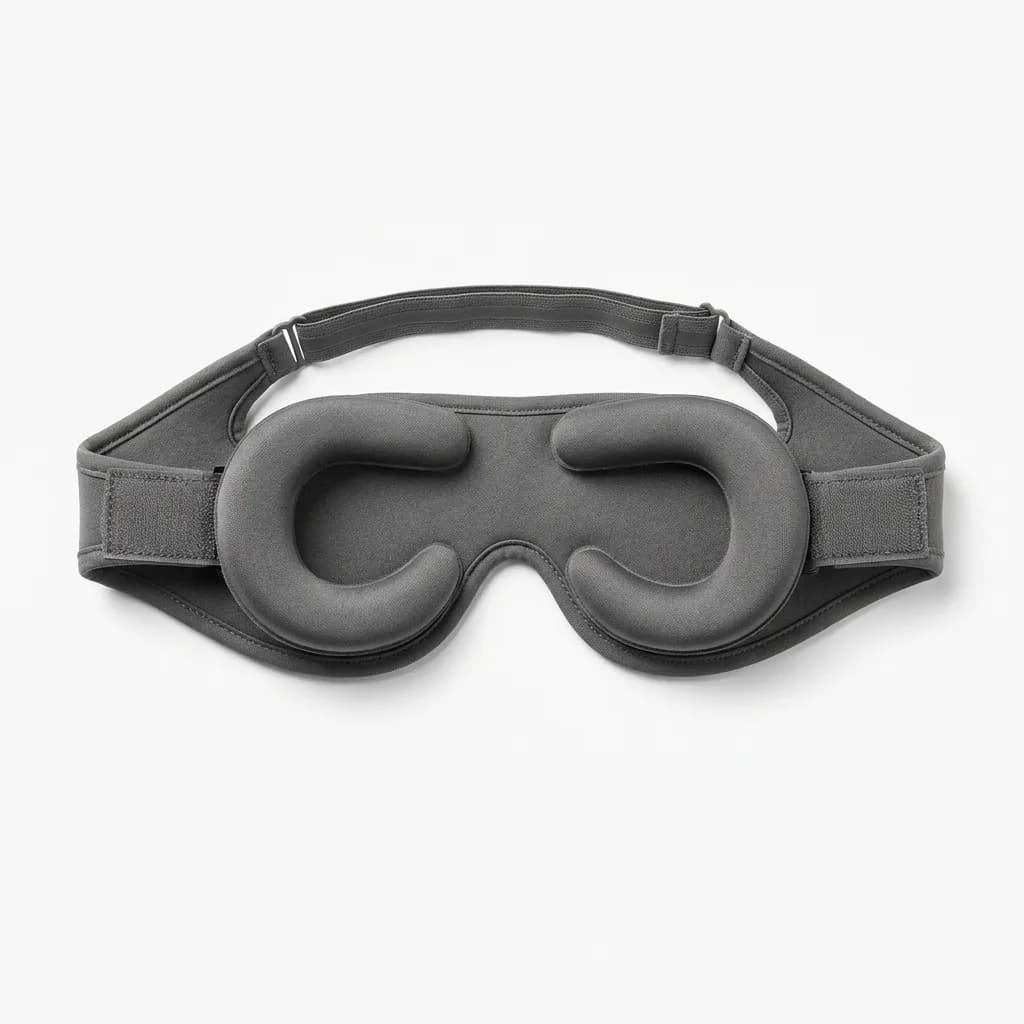
Best Sleep Masks for Flights and Hotels
Foam blocks more? Not always. We compare contoured, silk, and eye-cup sleep masks for flights and hotels so you pick blackout that still packs small.
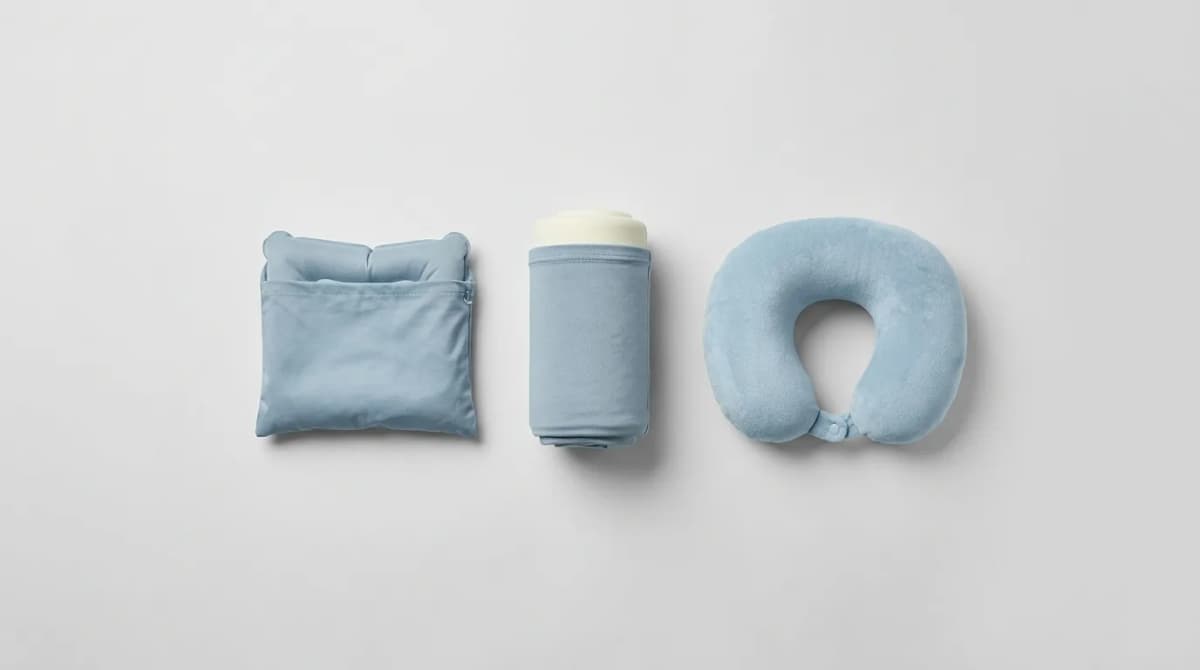
Best Travel Pillows That Pack Small
Compact travel pillows compared: inflatable vs memory foam, what actually supports your neck on flights, and which ones compress small enough to matter.
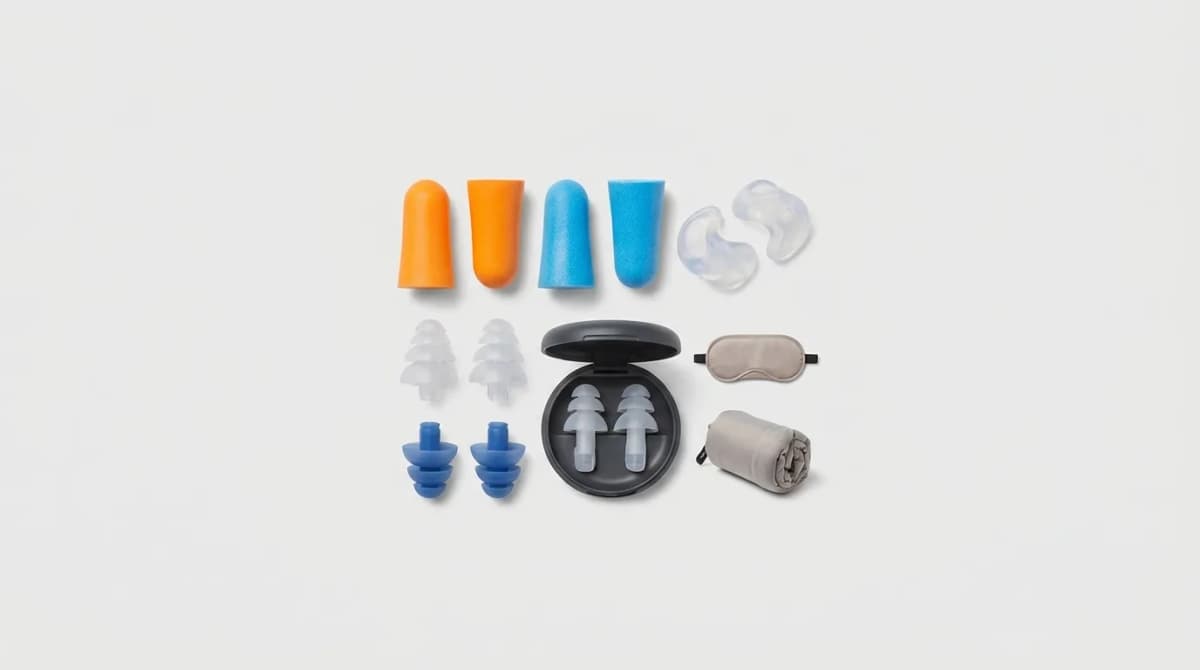
Earplugs for Travel: Which Type Works Best
Foam blocks more noise but silicone lasts longer. We compared every type by NRR ratings and materials for flights, hotels and noisy neighbors.