Best Packable Jackets for Spring Travel
Spring weather shifts fast. These packable jackets compress small, layer well, and handle rain without weighing down your bag or limiting your movement.
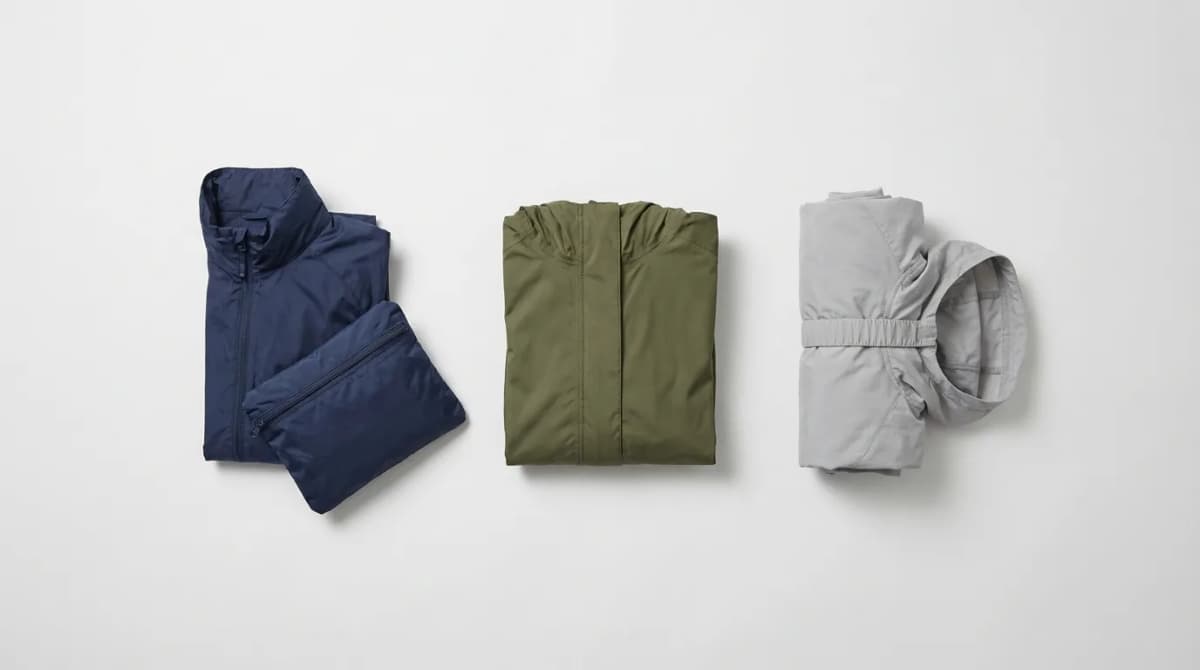
Spring travel means dealing with morning fog, midday sun, and evening wind - sometimes all in the same hour. A packable jacket solves this without eating up luggage space. The best ones compress to the size of a water bottle, weigh under a pound, and dry fast when the weather turns.
Quick Picks
Our top recommendations at a glance:
- 1
- 2
- 3
- 4
- 5
We compared jackets for different climates and packing scenarios. Some prioritize warmth, others focus on weather protection. A few do both without the bulk. The right choice depends on where you're going and how you pack.
What Makes a Jacket Actually Packable
Packability comes down to three things: weight, compressibility, and recovery. A jacket that stuffs small but comes out wrinkled and stays that way isn't practical. Look for ripstop nylon or polyester in the 20-30 denier range. These fabrics fold tight without permanent creasing.
Weight matters more than you think. The difference between 8 ounces and 14 ounces is noticeable when you're carrying it around a city all day. Under 10 ounces is ideal for spring travel. Anything heavier should justify itself with serious insulation or weather protection.
Most packable jackets come with their own stuff sack or pack into their own pocket. This keeps them contained in your bag and makes them easy to grab. We prefer the self-packing pocket design - one less thing to lose.
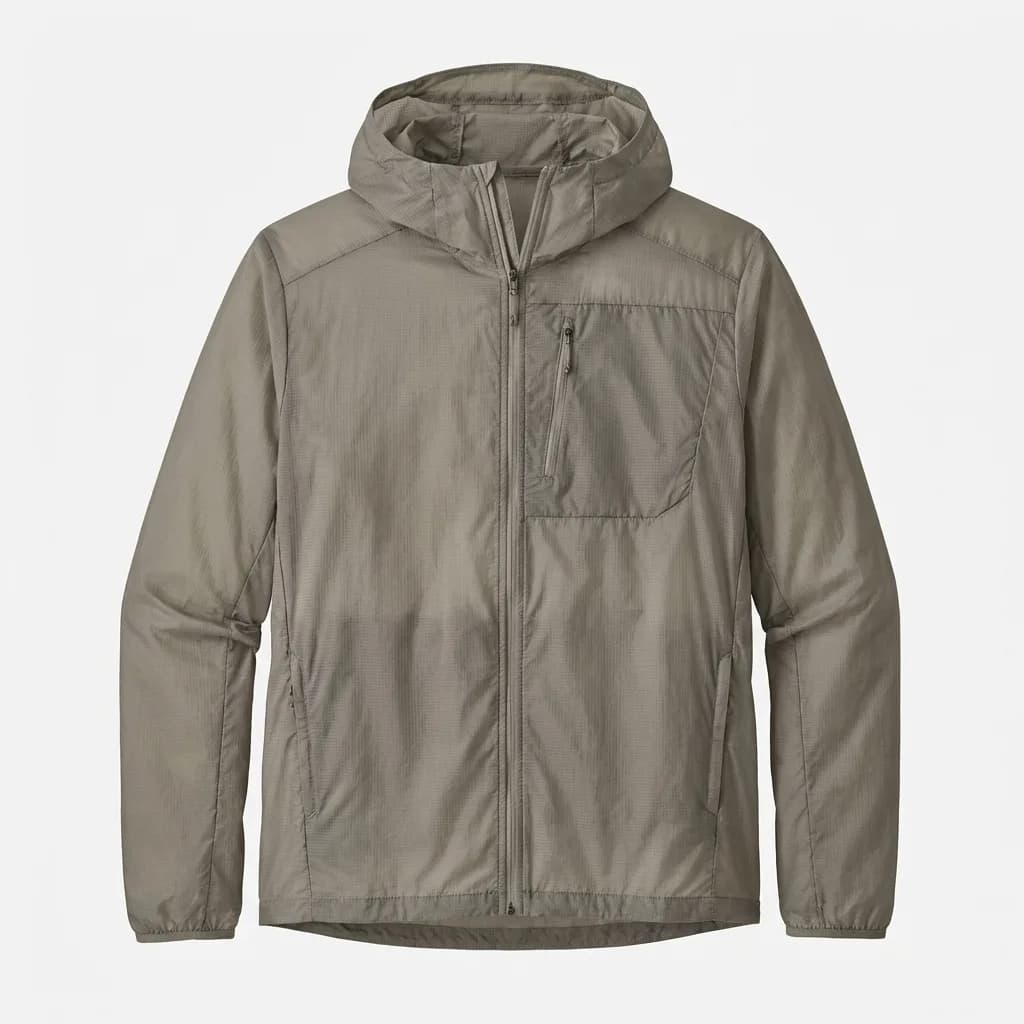
Patagonia Houdini Air Jacket
$149
Ultralight windbreaker at 3.4 oz with exceptional breathability. Ripstop nylon with DWR finish. Packs into chest pocket smaller than a Nalgene bottle.
Best for Wind and Light Rain
Wind cuts through cotton and fleece instantly. A good windbreaker creates a barrier that lets you layer underneath without overheating. Spring wind often carries moisture - light rain or heavy mist that soaks through regular jackets.
The Patagonia Houdini Air hits the sweet spot. At 3.4 ounces, it's lighter than most T-shirts. The 7-denier ripstop breathes better than older Houdini models while still blocking wind effectively. DWR coating sheds light rain for 20-30 minutes before you need to find cover.
Arc'teryx Squamish takes this concept upmarket. The Tyono 20 fabric is tougher and more water-resistant. It weighs 6 ounces - still packable but substantial enough for harder use. The hood adjusts with one hand and actually stays in place. Worth the extra cost if you're rough on gear or expect serious weather.
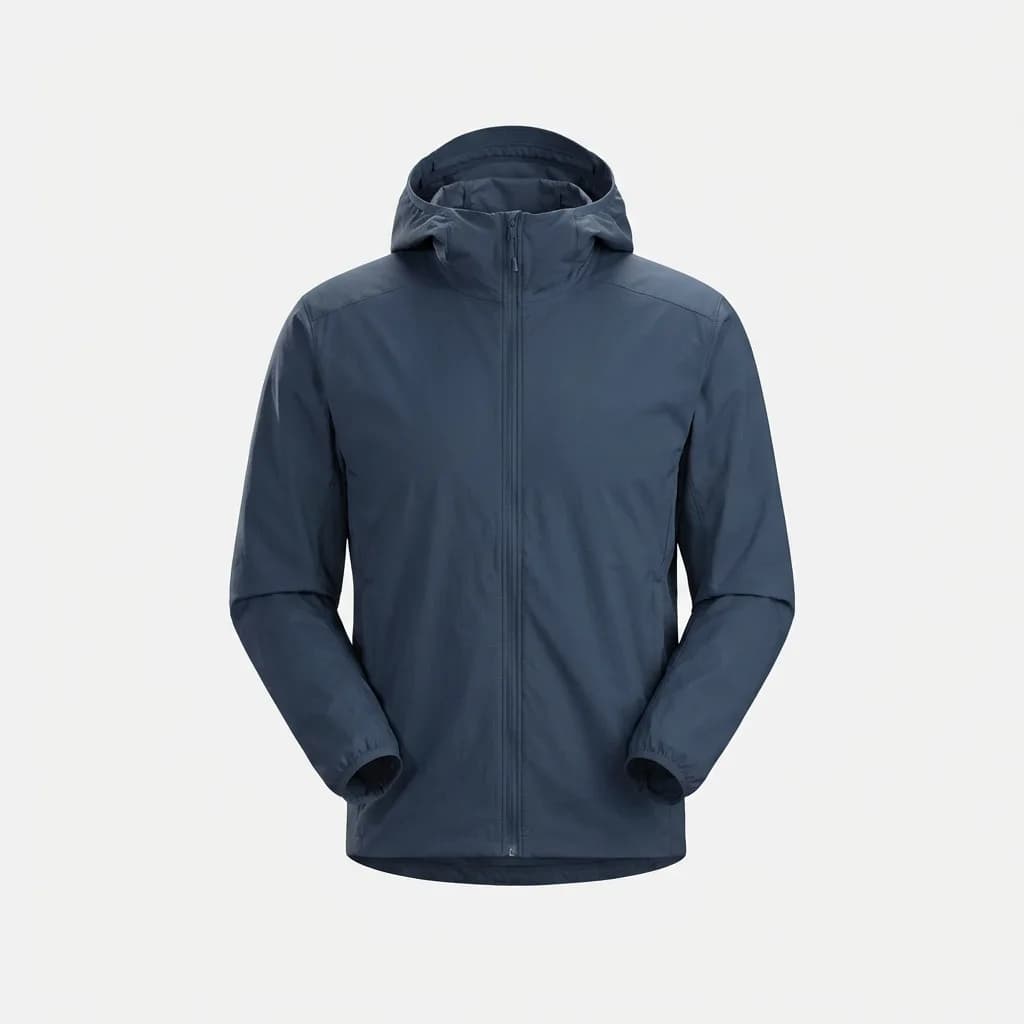
Arc'teryx Squamish Hoody
$179
Premium windbreaker in durable Tyono 20 fabric with superior DWR coating. Adjustable hood, athletic fit. Weighs 6 oz and packs small for everyday carry.
For actual rain, neither of these will keep you dry in a downpour. They'll buy you time to get indoors or pull out real rain gear. That's often enough for spring travel where heavy rain is less common.
Insulated Options That Still Pack Small
Spring mornings can be cold, especially at altitude or near water. A packable jacket with light insulation extends your temperature range without requiring a separate layer. Synthetic insulation works better than down for travel - it handles moisture better and costs less.
Outdoor Research Helium Down Hoodie pushes the limits of packability for an insulated jacket. 800-fill down in a 10-denier shell keeps you warm to about 40 degrees. The entire jacket weighs 6.4 ounces and stuffs into its own pocket. The trade-off is durability - this is delicate gear that requires careful handling. Heading somewhere cold? Use our carry-on packing list for cold-weather trips.
Synthetic insulation adds a few ounces but removes the anxiety about getting caught in rain. The Patagonia Nano Puff uses PrimaLoft Gold insulation that maintains loft when wet. It's noticeably heavier at 12 ounces and doesn't compress quite as small. More practical for mixed conditions and hard use.
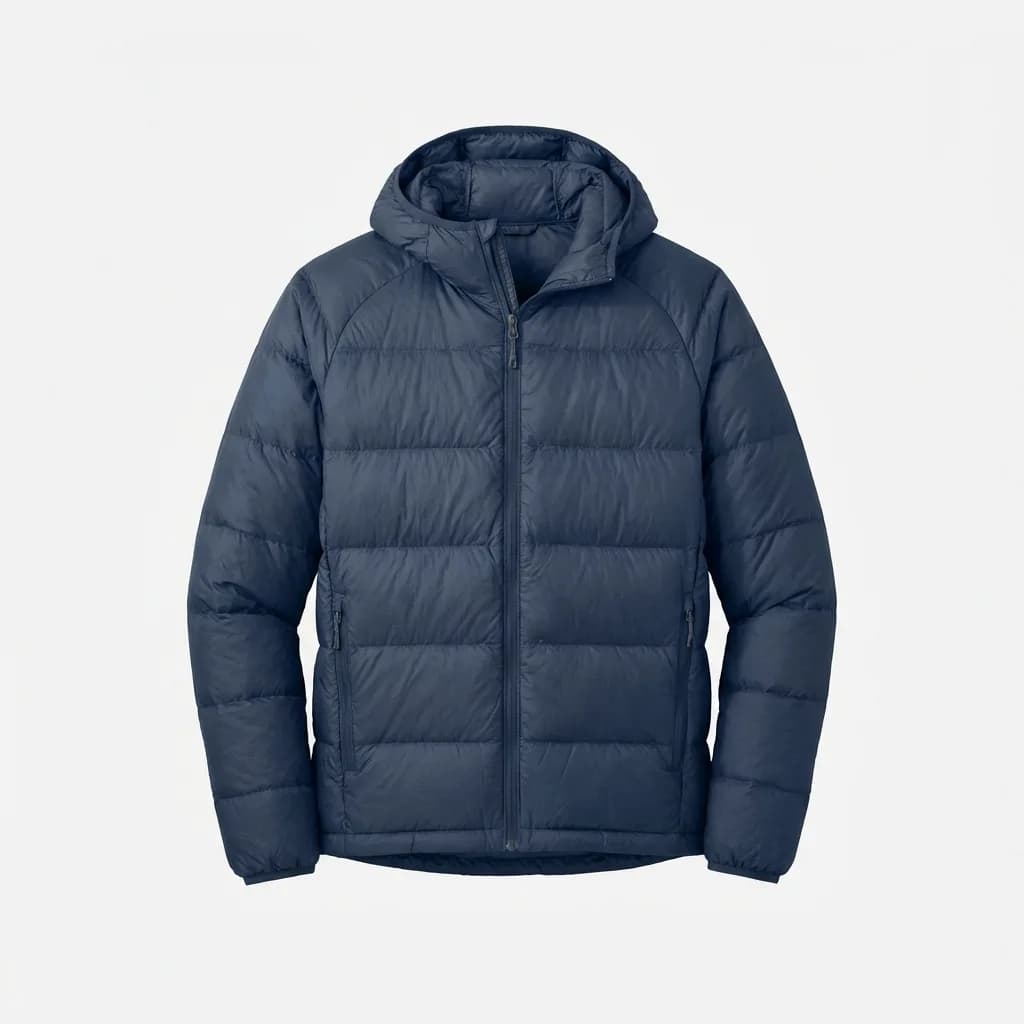
Outdoor Research Helium Down Hoodie
$229
Ultralight 800-fill down jacket at 6.4 oz. 10-denier shell with DWR coating. Effective to 40F, packs into internal pocket. Delicate but incredibly warm.
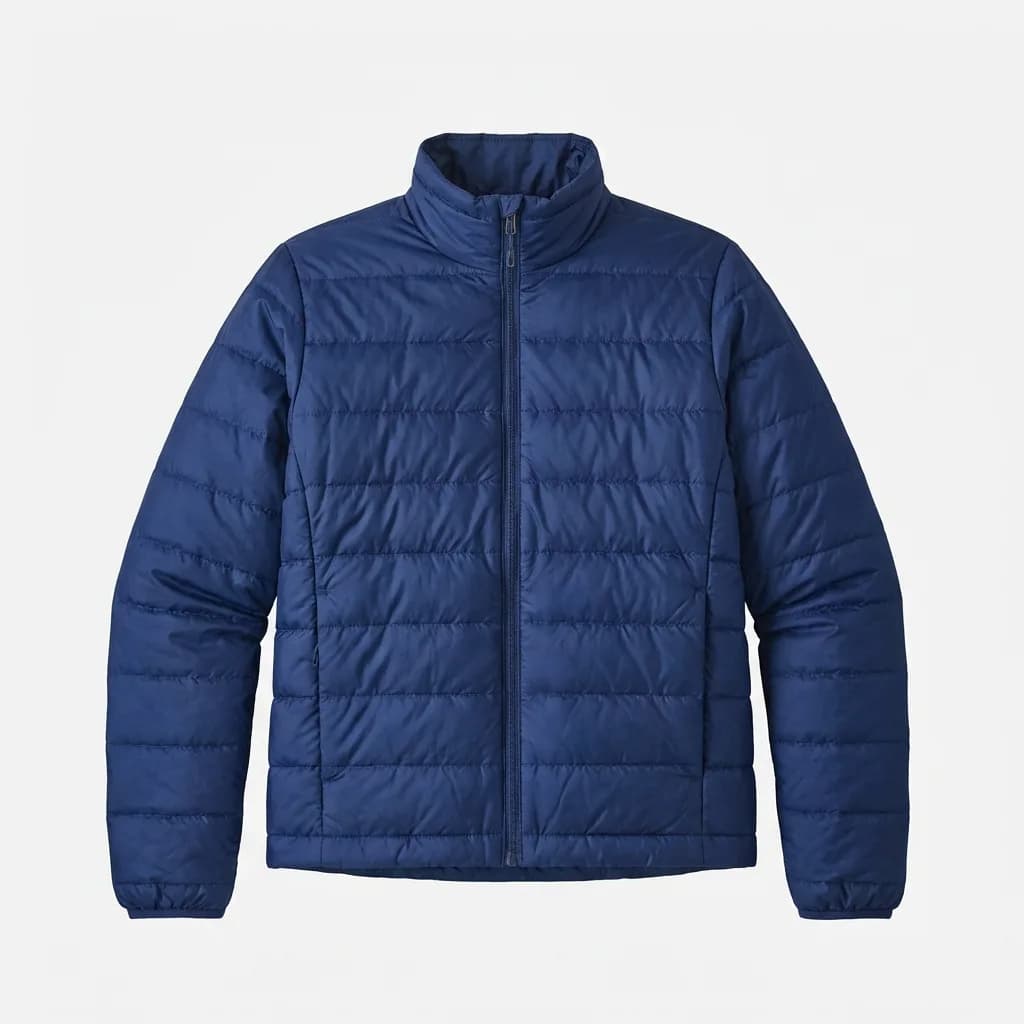
Patagonia Nano Puff Jacket
$249
Synthetic insulated jacket with PrimaLoft Gold. Weather-resistant, compressible, works when wet. 12 oz weight trades packability for durability and versatility.
What About Waterproof Shells?
True waterproof jackets use membranes like Gore-Tex or proprietary alternatives. They're heavier, bulkier, and usually unnecessary for spring travel unless you're hiking or spending long periods outdoors. For walking between museums and restaurants, water resistance is enough.
If you need real rain protection, the Marmot PreCip Eco is hard to beat for the price. NanoPro membrane keeps you dry in sustained rain. It weighs 10.5 ounces and packs reasonably small. The fabric is stiff compared to wind shells - you'll notice it in your bag. But when it pours, you'll be glad you brought it.
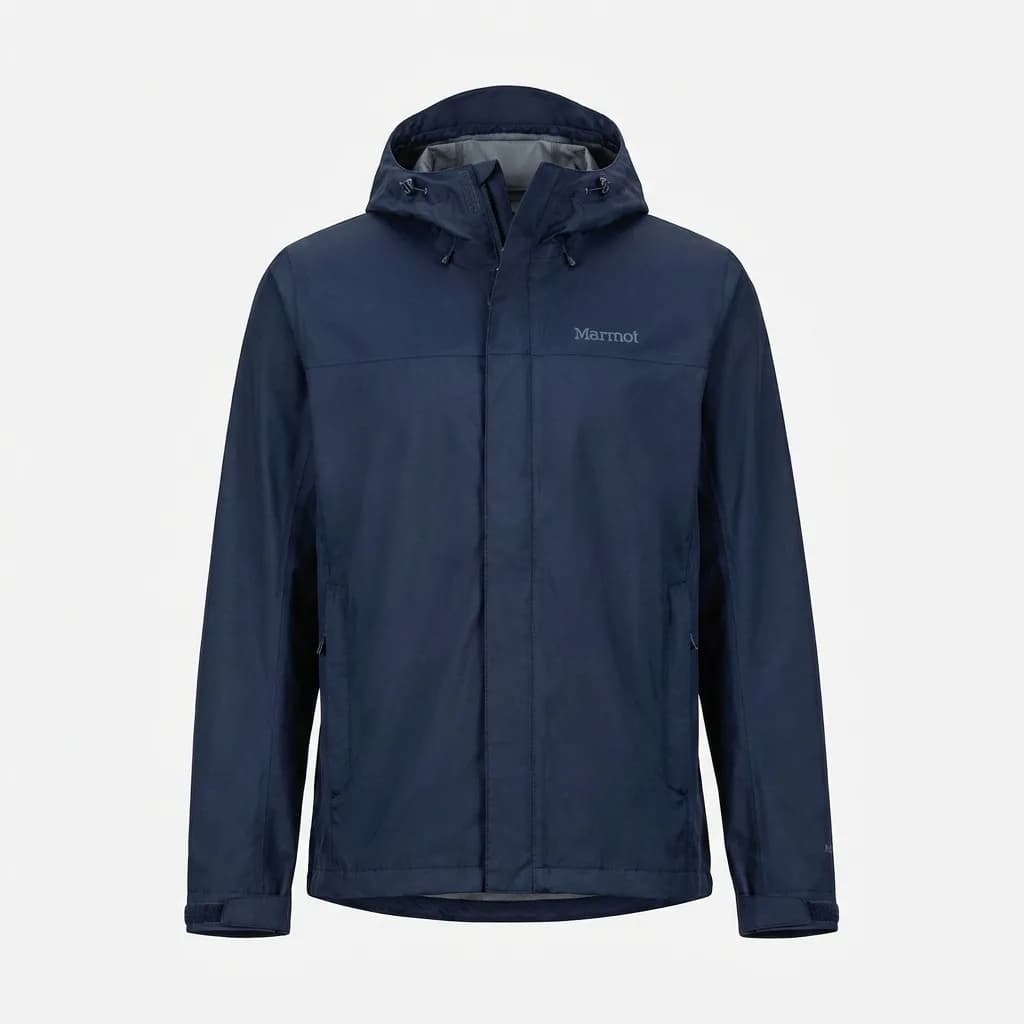
Marmot PreCip Eco Jacket
$100
Waterproof rain jacket with NanoPro membrane and PFC-free DWR. Packable design at 10.5 oz. Budget-friendly protection for sustained rain.
The challenge with waterproof jackets is breathability. Membranes trap heat and moisture from your body. Walking uphill or moving fast makes you sweat, then you're wet from the inside. Pit zips help but don't solve the problem. This is why we reach for wind shells more often - they regulate temperature better.
Fit and Features That Matter
Athletic fit works better than regular cut for packable jackets. Less fabric means better packability and less flapping in wind. The jacket should be snug across the shoulders and chest with room to layer a fleece or light sweater underneath. If it's loose when you're wearing just a T-shirt, size down.
Hoods add weight and bulk but earn their keep in spring weather. An adjustable hood that cinches at the back and brim stays put in wind. Cheap hoods flop around or slide off your head - useless and annoying. Test the adjustment system before buying. It should work with gloves on.
Pockets matter more than you'd think. Handwarmer pockets with zippers keep your phone and wallet secure. Chest pockets work for quick access items but can dig into you when wearing a backpack. The self-packing pocket usually doubles as storage when you're wearing the jacket.
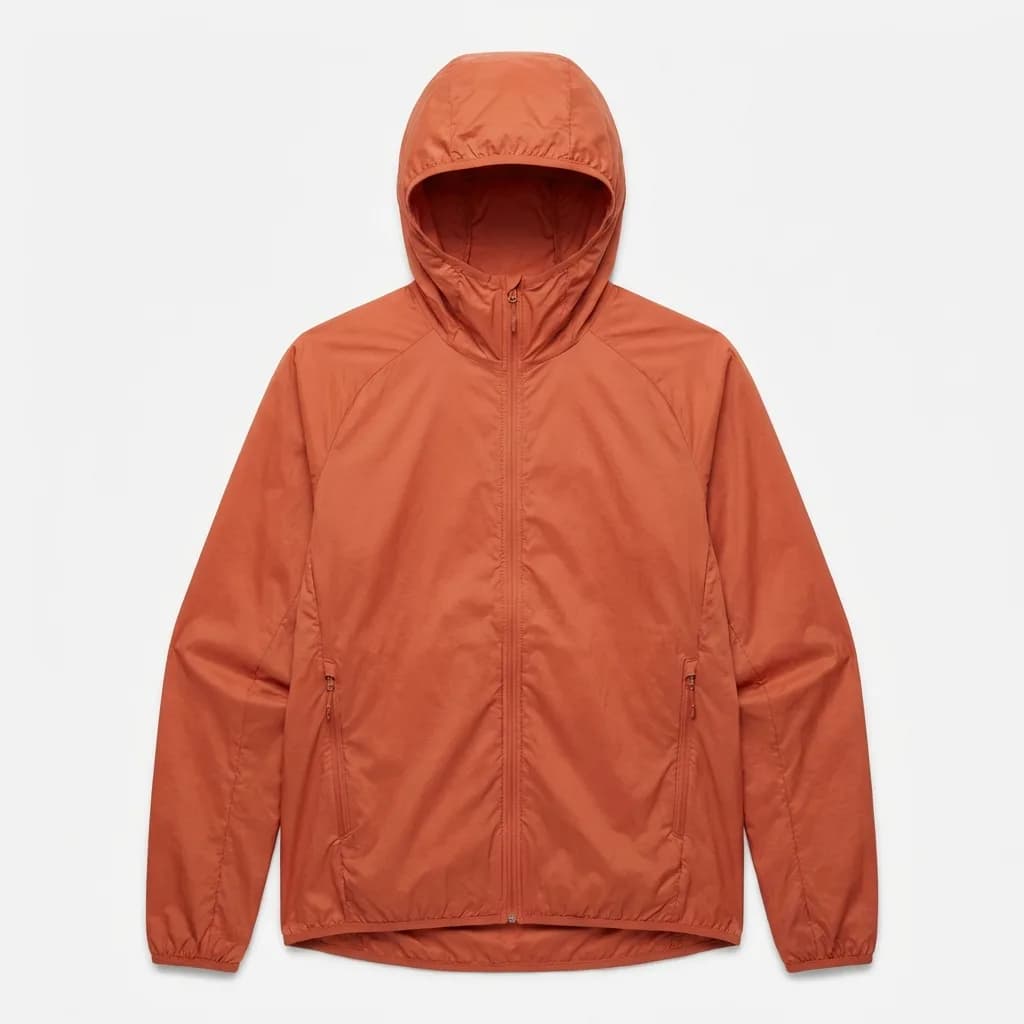
Mountain Hardwear Kor Preshell Hoody
$150
Ultra-breathable wind shell at 5.7 oz using Pertex Quantum Air. Exceptional comfort and airflow. Athletic fit with adjustable hood and secure pockets.
Cuffs should be elastic or have low-profile hook-and-loop closures. Bulky cuff adjustments don't pack well and catch on things. The hem needs some way to cinch down - either an elastic drawcord or shockcord with a toggle. This keeps the jacket from riding up and lets you seal out drafts.
How to Pack and Care for These Jackets
Don't leave your packable jacket stuffed in its sack for weeks. The constant compression breaks down DWR coatings and creates permanent creases. Pack it when you're traveling, then hang it or fold it loosely at home.
Wash packable jackets more often than you think. Body oils and dirt clog the fabric and reduce breathability. Use technical wash like Nikwax Tech Wash - regular detergent leaves residue. Tumble dry on low to reactivate the DWR coating. When water stops beading on the surface, it's time to retreat with spray-on DWR.
Small tears and holes are inevitable with lightweight fabrics. Keep Tenacious Tape or Gear Aid patches in your kit. A quick patch prevents a small hole from tearing larger. Most packable jackets will last several years of regular travel with basic care and occasional repairs.
Picking the Right Jacket for Your Trip
Start with your destination and activities. European cities in spring need different gear than Pacific Northwest hiking. If you're mostly urban with occasional outdoor time, prioritize packability and comfort over technical performance. A 4-ounce wind shell beats a 12-ounce waterproof jacket you leave at the hotel.
Cold-sensitive travelers should lean toward insulated options even if they pack larger. Being comfortable matters more than saving three inches in your luggage. The Nano Puff or similar synthetic jacket works almost everywhere spring happens.
Budget plays a role but shouldn't be the deciding factor. A $150 jacket that fits your needs beats a $250 jacket that doesn't. That said, quality construction and fabrics do last longer. Plan to keep a good packable jacket for 5-7 years of regular use. That's $30-40 per year for gear you'll use dozens of times.
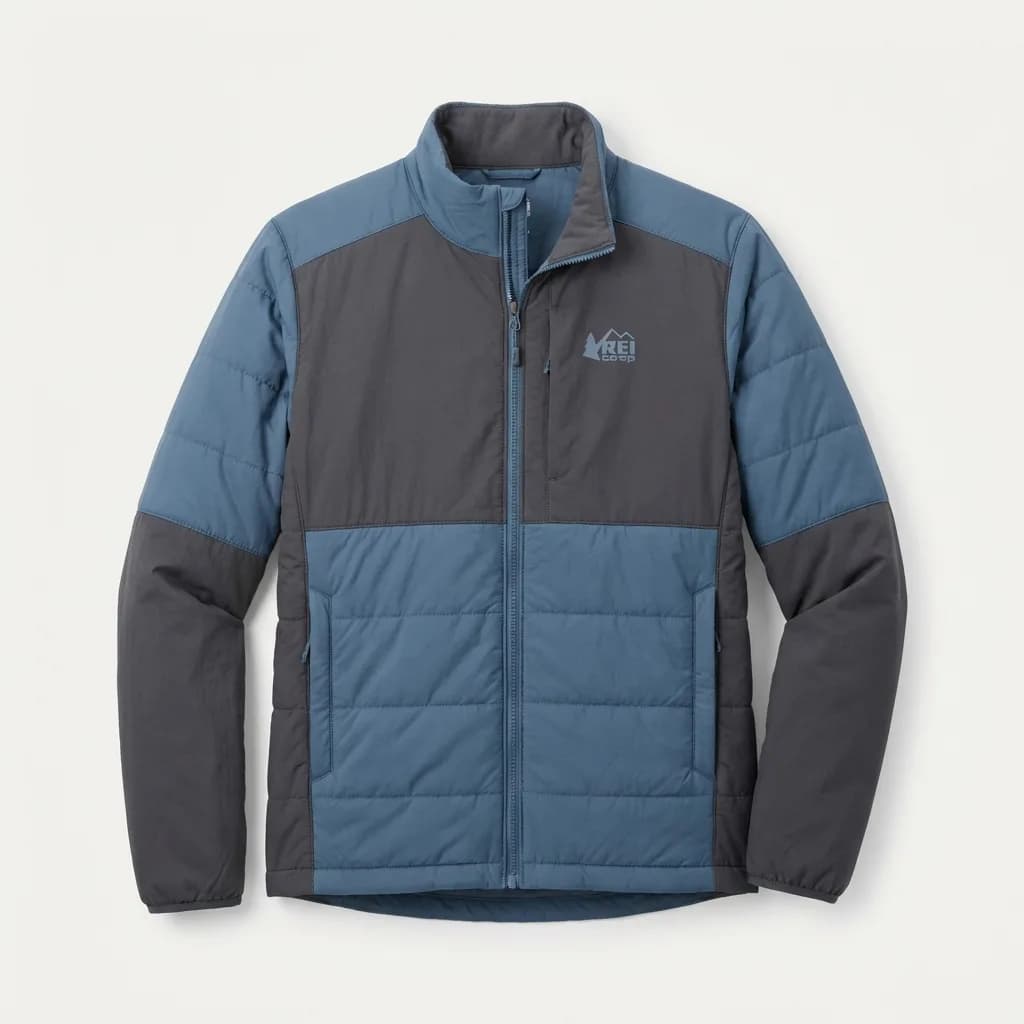
REI Co-op Flash Hybrid Jacket
$90
Budget-friendly hybrid design combining wind protection and light insulation. 9.5 oz weight balances packability with warmth. Solid all-around performer under $100.
The best packable jacket is the one you actually bring and wear. Too many people buy the lightest, most compressible option, then leave it behind because it doesn't feel substantial enough. Find the balance between packability and confidence in the gear. Spring weather is unpredictable - your jacket shouldn't be.
The Weekly Dispatch
Enjoying this article?
Subscribe and get our best gear picks delivered every Sunday morning.
Related Posts
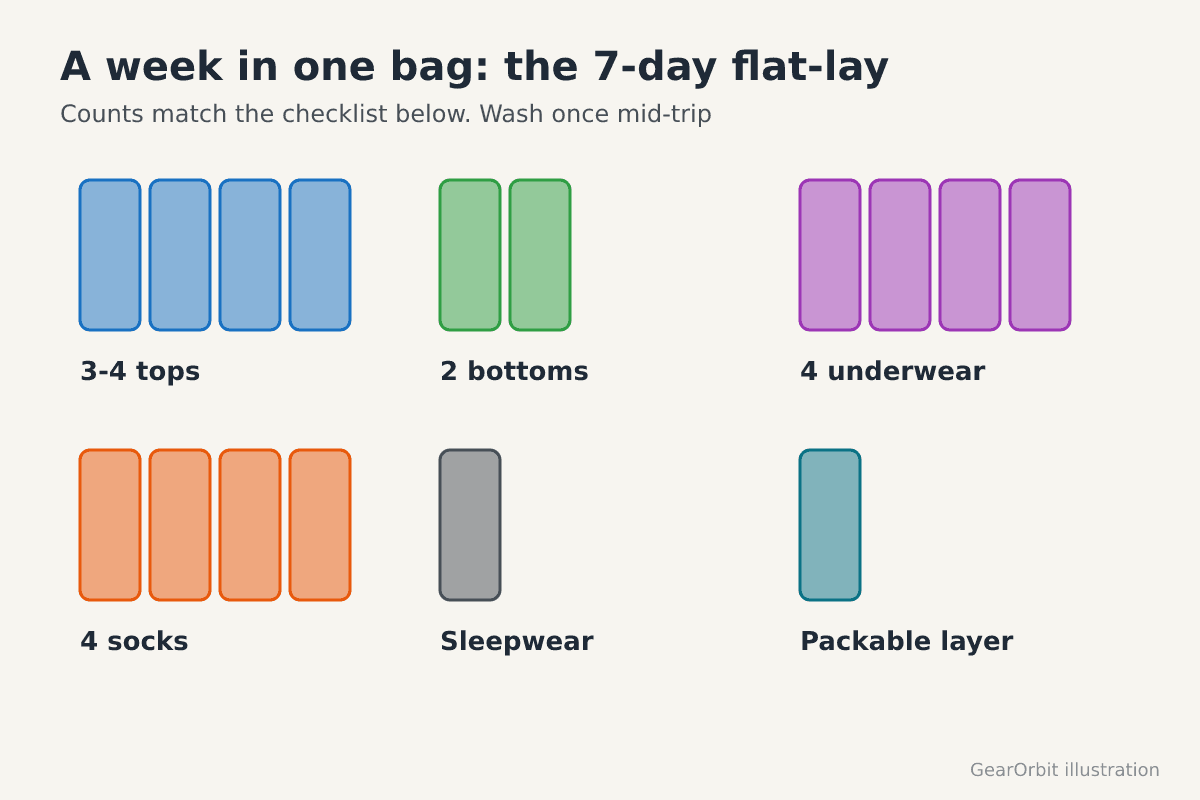
Pack a Personal Item for 7 Days: 2026 Size Table
Pack a week into one under-seat bag: a 7-day item list, a zone diagram and official 2026 personal-item sizes for Frontier, Ryanair, easyJet and more.
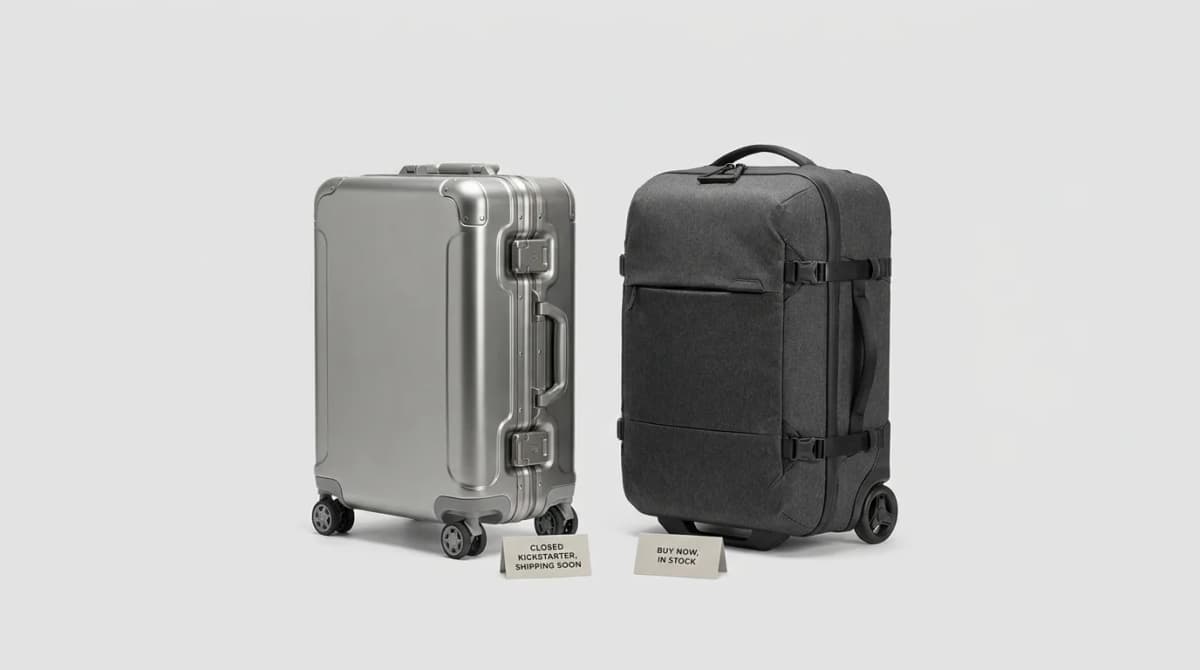
Titaner Voyager vs Peak Design: Titanium Carry-On
Peak Design owns Kickstarter travel bags. Titaner answered with a Grade 1 titanium latch spinner - not another backpack. Closed KS ship watch vs Roller Pro buy-today: who waits for Voyager, who buys Peak now.
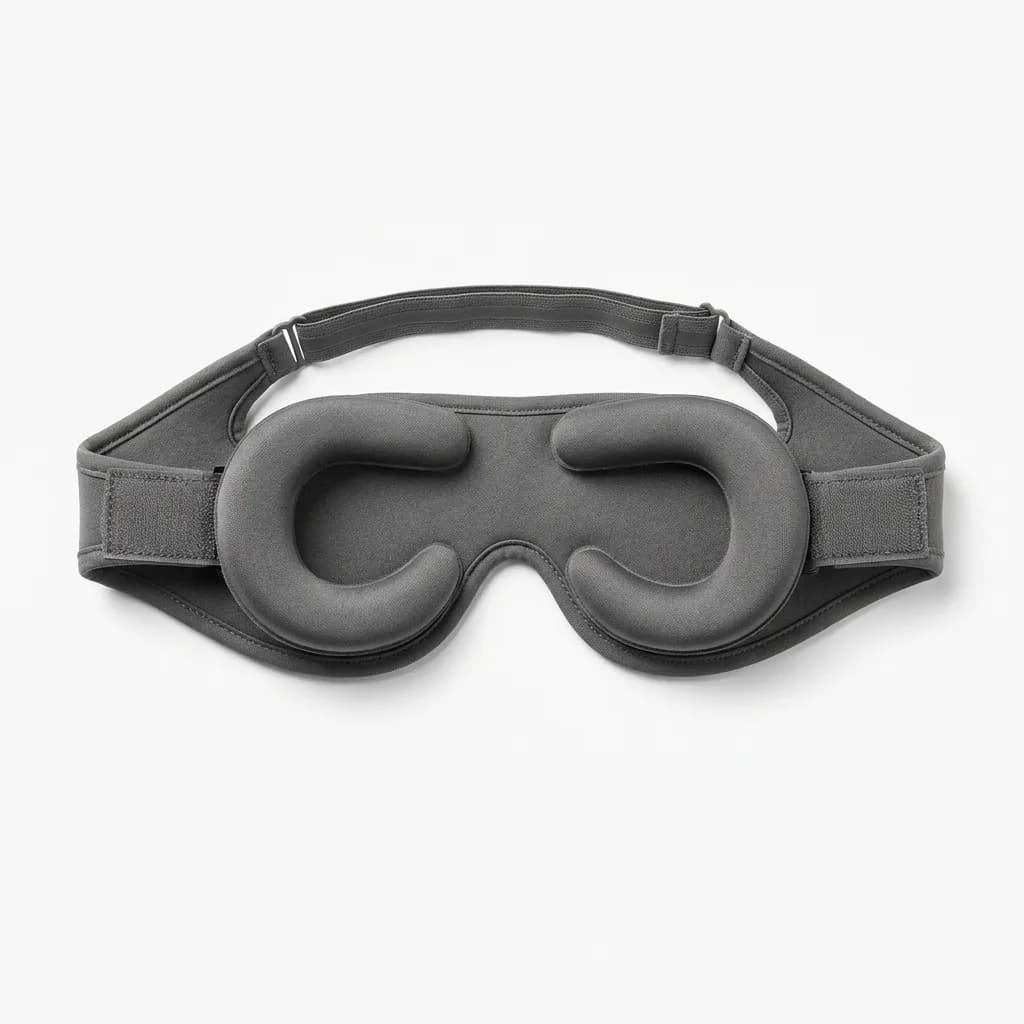
Best Sleep Masks for Flights and Hotels
Foam blocks more? Not always. We compare contoured, silk, and eye-cup sleep masks for flights and hotels so you pick blackout that still packs small.
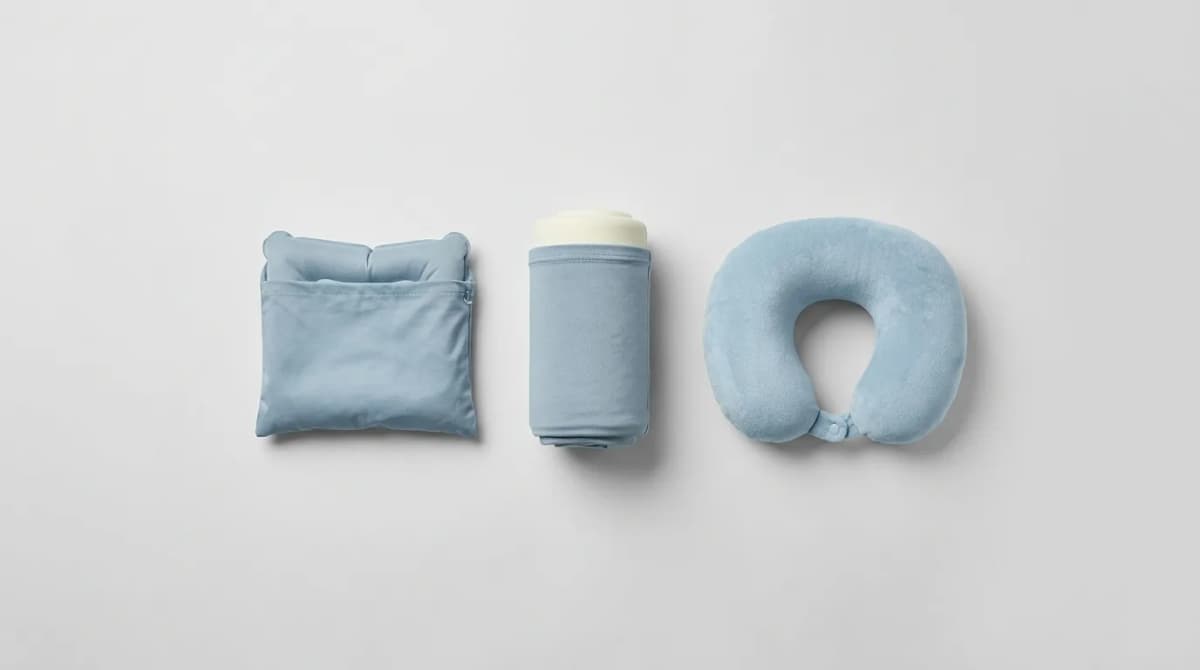
Best Travel Pillows That Pack Small
Compact travel pillows compared: inflatable vs memory foam, what actually supports your neck on flights, and which ones compress small enough to matter.