Travel Rain Gear Without the Umbrella Hassle
Umbrellas break, blow inside out, and hog your hand. These rain gear alternatives pack smaller, work better in wind, and leave your hands free for maps and coffee.
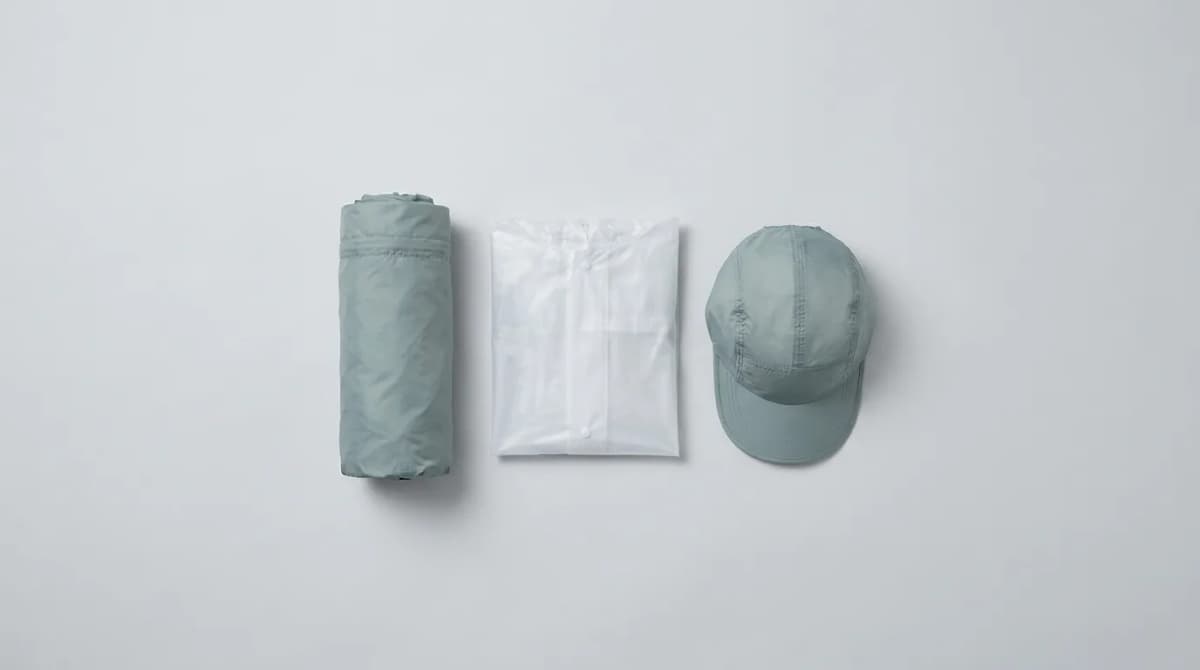
Umbrellas fail precisely when you need them most. A gust turns them inside out. Airport security flags the metal frame. Your hand stays occupied while you're juggling luggage, phone, and coffee. For travelers who actually move through cities rather than dash from car to door, there are better options.
Quick Picks
Our top recommendations at a glance:
- 1Outdoor Research Helium Rain JacketSee current price
- 2Patagonia Torrentshell 3L JacketSee current price
- 3Sea to Summit Ultra-Sil Nano Tarp PonchoSee current price
- 4Outdoor Research Seattle SombreroSee current price
- 5Marmot PreCip Eco Full-Zip Rain PantsSee current price
The best rain gear for travel keeps you dry without the bulk, the breakage, or the one-handed inconvenience of traditional umbrellas.
Packable rain jackets for versatile coverage
A quality rain jacket folds smaller than a water bottle and deploys in seconds. Unlike umbrellas, jackets work in wind. Your hands stay free. The coverage extends over your backpack.
The key specs: pit zips for ventilation, adjustable hood with a brim, sealed seams, and a stuff sack built into the pocket. Weight matters - anything over 12 ounces starts feeling like a burden.
We've found 7 to 9 ounces hits the sweet spot between durability and packability. Lighter jackets (4 to 6 ounces) tear more easily. Heavier ones (12+ ounces) stay in your bag instead of coming with you.
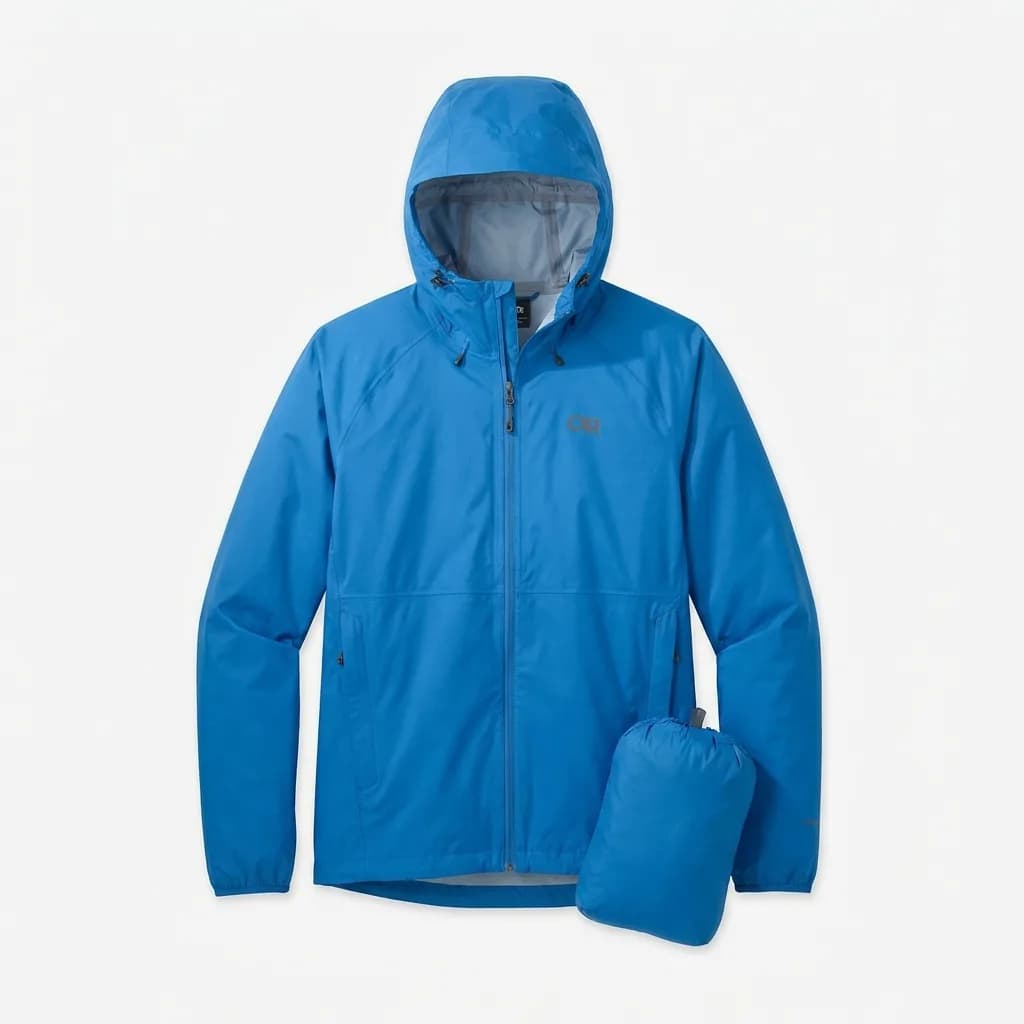
Outdoor Research Helium Rain Jacket
See current price
Weighs just 6.4 ounces, packs into its own pocket. Pertex Shield 2.5-layer fabric, fully taped seams, adjustable hood. Proven across thousands of travel days.
The Outdoor Research Helium is our default recommendation for travelers who prioritize pack space. It compresses to fist-size but still offers a full-coverage hood and reasonable breathability. The trade-off: it's not burly enough for bushwhacking, but that's not what travel demands.
For warmer climates or high-output activities, pit zips become non-negotiable. A sealed jacket without ventilation turns into a portable sauna within minutes.
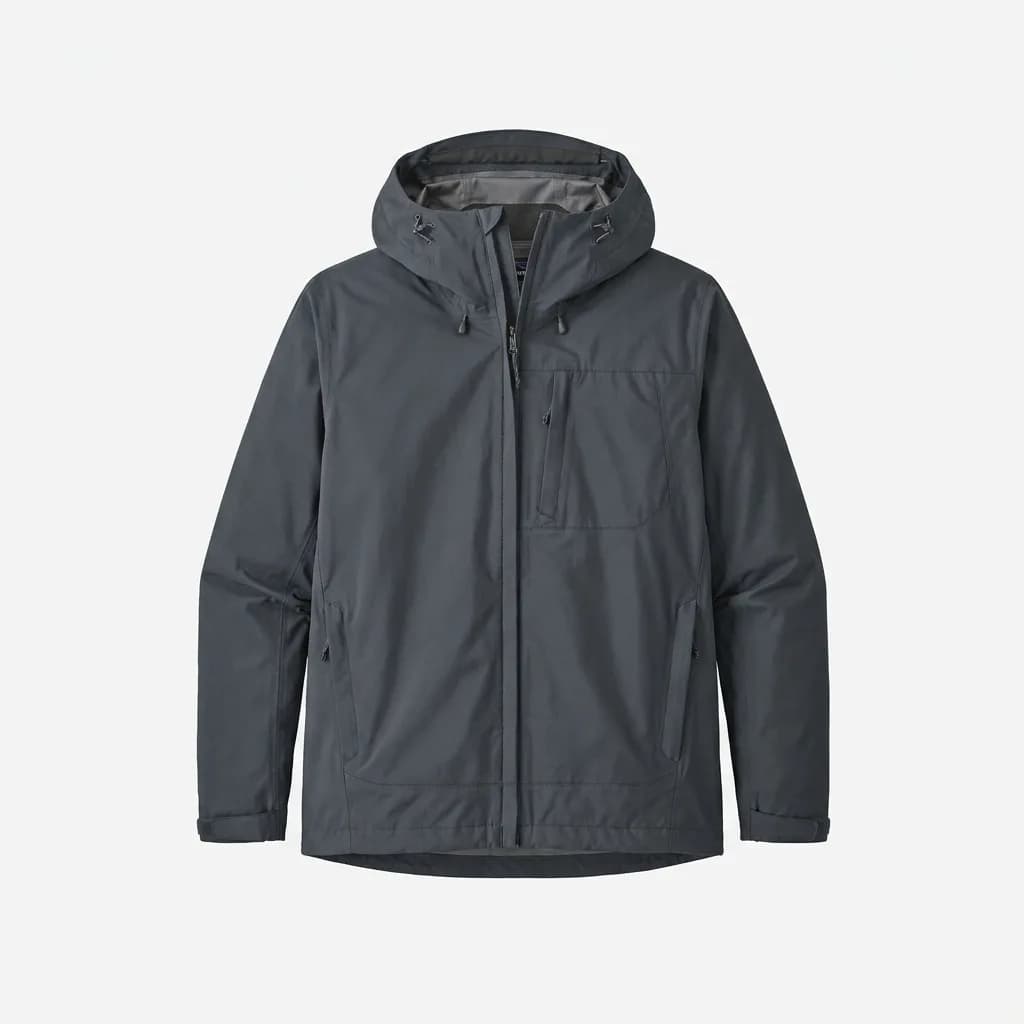
Patagonia Torrentshell 3L Jacket
See current price
Three-layer H2No Performance Standard shell, pit zips for ventilation, adjustable hood. 12.7 ounces. More durable than ultralight options while remaining packable.
Ponchos when you need maximum coverage
Ponchos cover you and your pack in one move. They're faster to deploy than jackets, cooler in humid heat, and ridiculously packable. The downside: wind turns them into sails, and they look dorky. We're okay with both trade-offs.
Modern ponchos aren't the flimsy disposable things from theme parks. Military-grade ripstop nylon, taped seams, and reinforced grommets mean they last years instead of hours.
The best travel ponchos include snap closures or elastic cuffs to prevent flapping, a longer back panel for pack coverage, and a stuff sack small enough to stash in a jacket pocket. Weight runs 6 to 10 ounces.
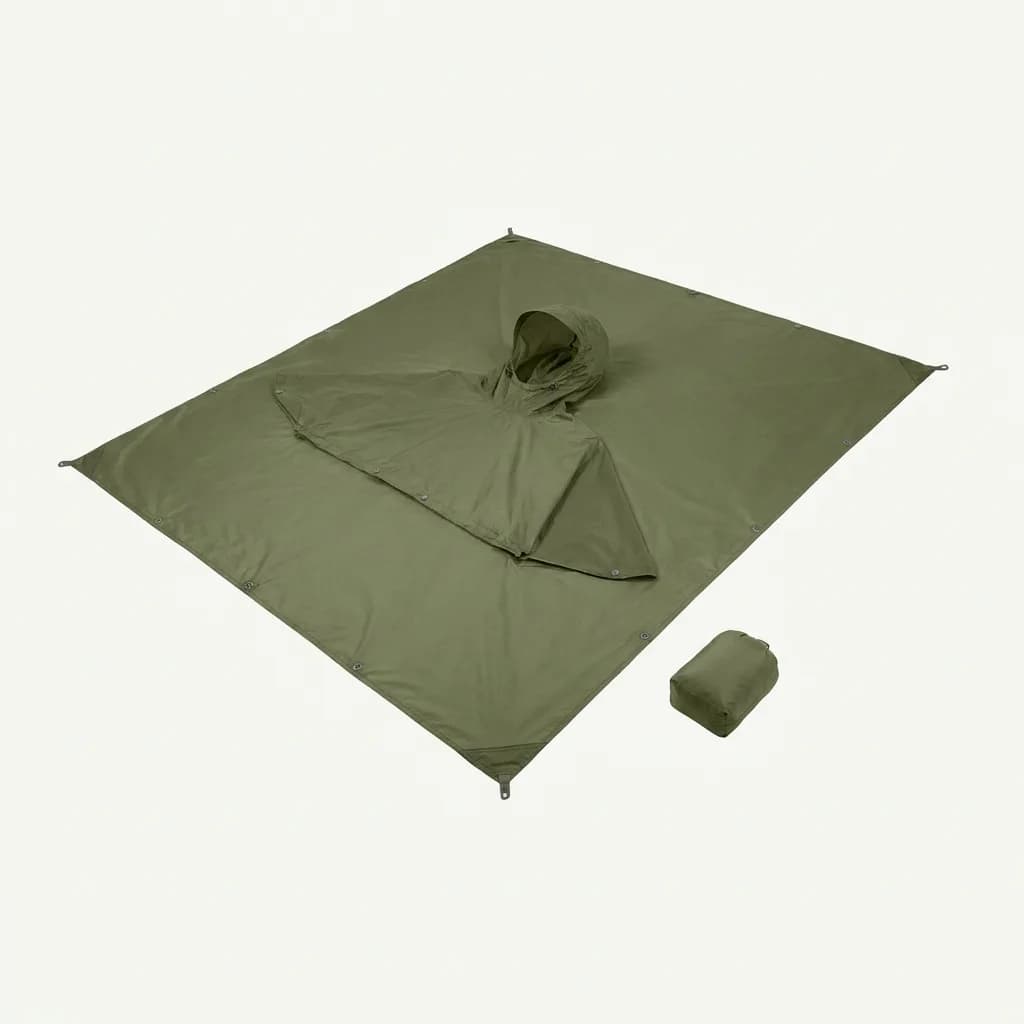
Sea to Summit Ultra-Sil Nano Tarp Poncho
See current price
6.7 ounces, packs to tennis ball size. Doubles as ground tarp or emergency shelter. Snaps convert it from poncho to flat tarp configuration.
We use ponchos most in tropical climates where rain comes in short, heavy bursts. Pull it on, wait out the downpour, stuff it away. The ventilation advantage over jackets becomes obvious when temperatures hit 85°F with 90% humidity.
One caution: ponchos don't work well on bikes or scooters. Wind catches the fabric and limits visibility. Save them for walking.
Why a waterproof cap beats a hood
Hoods muffle hearing, block peripheral vision, and require constant readjustment. A waterproof cap with a jacket solves all three problems while adding almost no weight or bulk.
Look for a stiff brim (3 inches minimum) to keep rain off glasses, a water-resistant or waterproof crown, and an adjustable back closure. Some caps include a fold-flat design for packing. For a full wet-weather loadout, see our EDC setup for rainy cities.
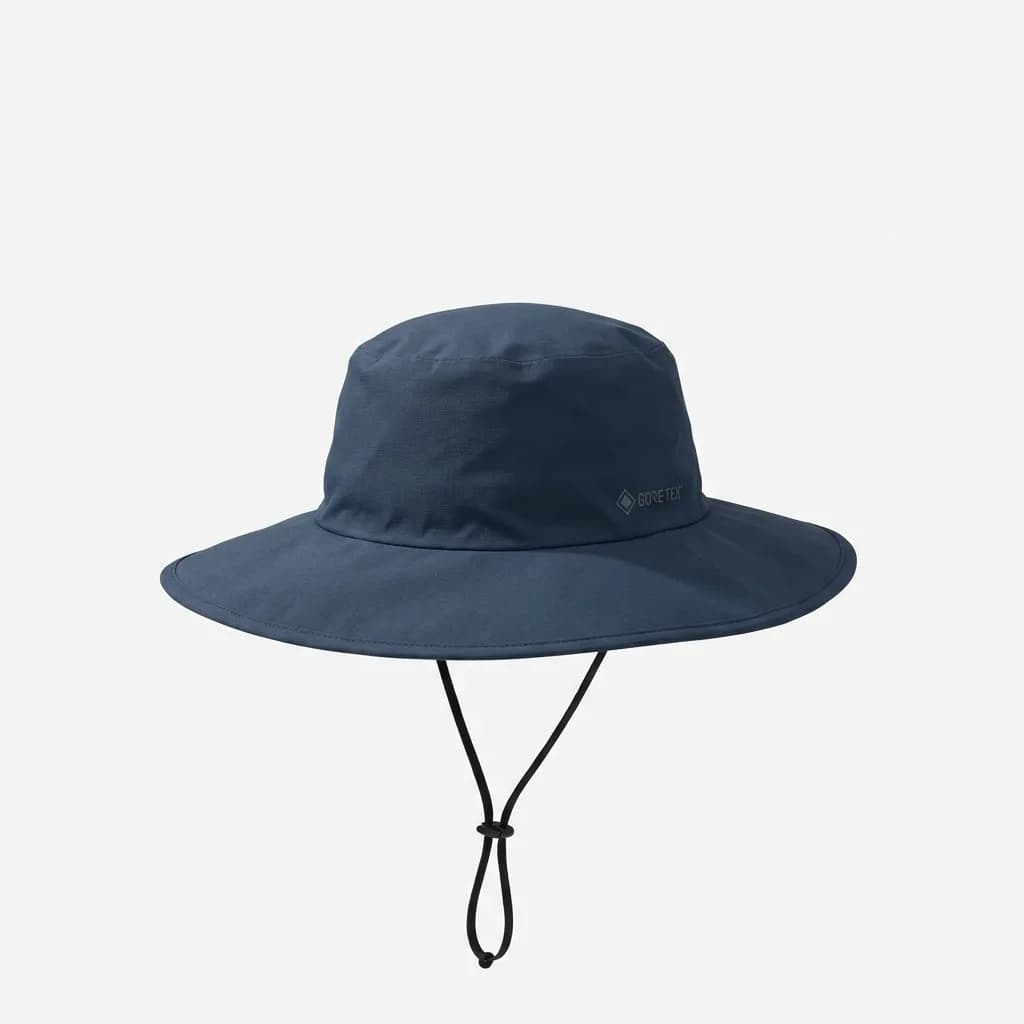
Outdoor Research Seattle Sombrero
See current price
Gore-Tex crown, 3-inch waterproof brim, wicks sweat while shedding rain. Crushable without losing shape. Adjustable chin strap for wind.
We pack a waterproof cap on every trip, even when carrying a rain jacket. It's faster than deploying a hood for light drizzle, and it works under poncho coverage for face protection.
The cap-plus-jacket combination offers better situational awareness than a hood alone. You hear traffic, conversations, and approaching bikes without constantly swiveling your head.
Waterproof pants you'll actually carry
Most travelers skip rain pants. They're bulky, slow to put on, and overheat quickly. But full-leg coverage matters in sustained rain, especially when you're hiking or spending hours outdoors.
The secret is choosing pants that pack small enough to justify their space. Look for full-length side zippers (so you can pull them on over shoes), elastic waist with a drawcord, and articulated knees for mobility.
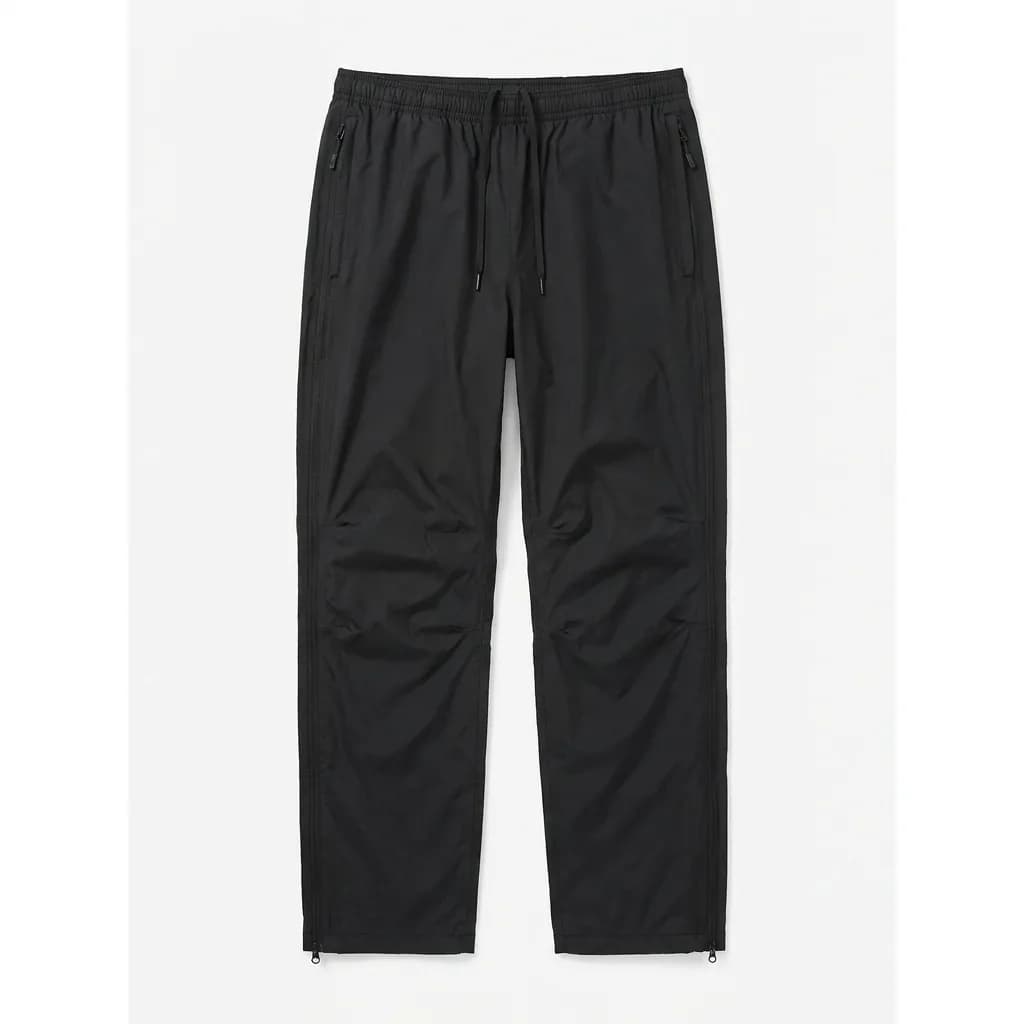
Marmot PreCip Eco Full-Zip Rain Pants
See current price
Full side zips, elastic waist, 8.8 ounces. Pack to water bottle size. Recycled nylon with PFC-free waterproofing. Breathable enough for hiking.
We carry rain pants on trips involving serious hiking or multi-day outdoor exposure. For city travel, they stay home. The compromise: a pair of quick-dry pants that tolerate getting wet without rain-specific coverage.
The hybrid approach that covers most scenarios
Many travelers settle on a two-item system: a packable rain jacket plus a waterproof cap. This combination handles 90% of travel rain while occupying minimal pack space.
The jacket provides core coverage and wind protection. The cap offers quick deployment for drizzle and better visibility than a hood. Total weight: 10 to 12 ounces. Total packed volume: slightly larger than a Nalgene bottle.
Add a poncho if you're heading to tropical or monsoon climates. Add rain pants if your itinerary includes multi-day hikes or serious backcountry exposure.
What about waterproof backpack covers?
Backpack rain covers seem smart until you use them. They blow off in wind, snag on branches, and add bulk without solving the core problem: your torso still gets wet.
A poncho covers both you and your pack. A rain jacket paired with a pack liner (a simple dry bag inside your pack) keeps gear dry without external bulk. We stopped carrying dedicated pack covers years ago.
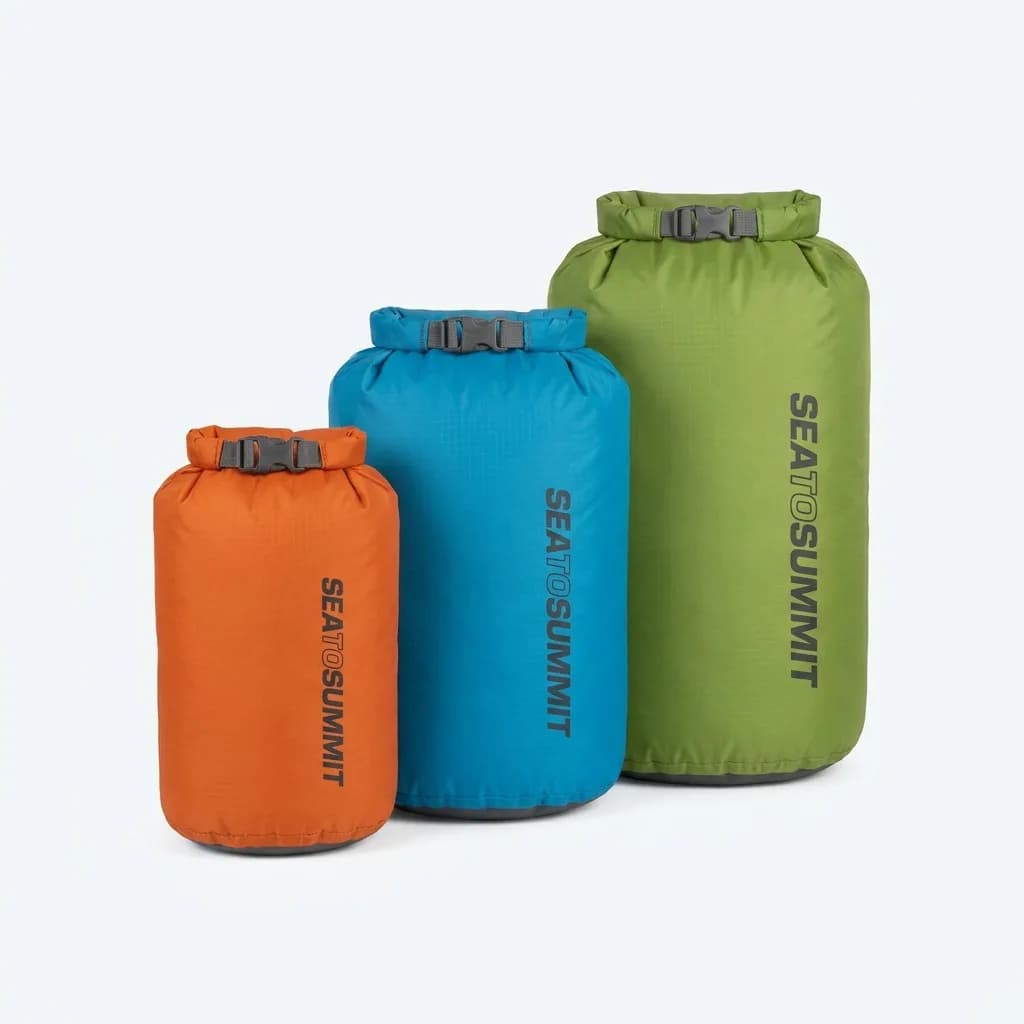
Sea to Summit Ultra-Sil Dry Sack
See current price
Waterproof pack liner in multiple sizes. Roll-top closure, 1.1-ounce silicone-impregnated Cordura. Protects gear inside your pack better than external covers.
When umbrellas still make sense
Umbrellas aren't useless. They work well for short distances in light rain, especially in cities with smooth sidewalks and minimal wind. Golf umbrellas provide coverage for two people. Compact umbrellas fit in briefcases and day bags.
But for travel that involves airports, public transit, hiking, biking, or windy conditions, jackets and ponchos win. The hands-free advantage alone justifies the switch.
If you insist on an umbrella, choose one with a reinforced frame, automatic open-close mechanism, and a compact profile. Expect to replace it every year or two.
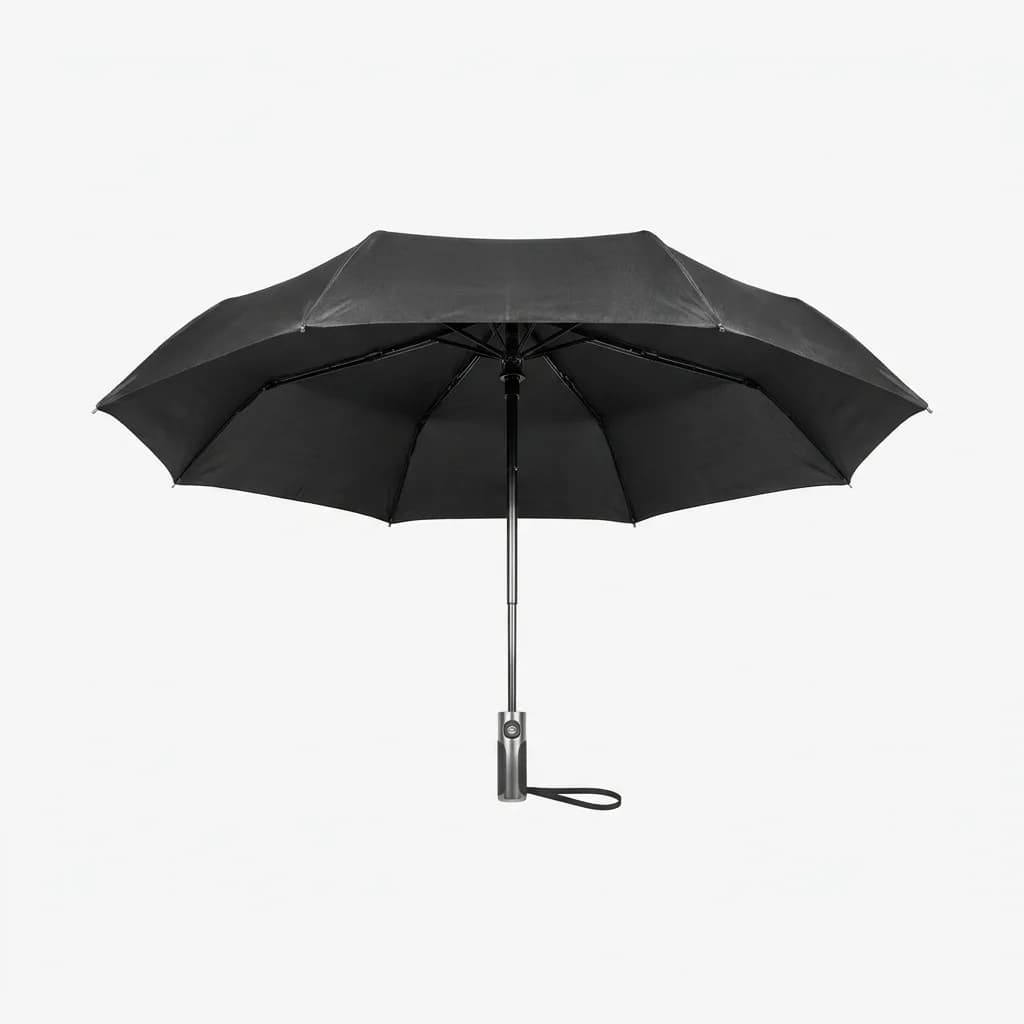
Repel Windproof Travel Umbrella
See current price
9-rib reinforced frame, Teflon-coated canopy, automatic open-close. 11.5 inches collapsed, weighs 1 pound. Better wind resistance than standard compact umbrellas.
The gear that actually gets used
Travel rain gear earns its space when it's light enough to carry without regret and fast enough to deploy without hesitation. Umbrellas fail the second test. They stay in bags until it's too late, then break in the first real storm.
A 6-ounce rain jacket and a waterproof cap live in the top pocket of our packs. They come out dozens of times per trip. That's the difference between theoretical protection and gear that actually keeps you dry.
The Weekly Dispatch
Enjoying this article?
Subscribe and get our best gear picks delivered every Sunday morning.
Related Posts
Best Sleep Masks for Flights and Hotels
Foam blocks more? Not always. We compare contoured, silk, and eye-cup sleep masks for flights and hotels so you pick blackout that still packs small.
Best Travel Pillows That Pack Small
Compact travel pillows compared: inflatable vs memory foam, what actually supports your neck on flights, and which ones compress small enough to matter.
Earplugs for Travel: Which Type Works Best
Foam blocks more noise but silicone lasts longer. We compared every type by NRR ratings and materials for flights, hotels and noisy neighbors.
Travel Coin Solutions for Europe That Actually Work
European coins pile up fast. These pouches, wallets, and daily carry strategies keep change organized without bulk during weeks of travel across the continent.