Carbon Fiber EDC Gear: Worth the Premium?
Carbon fiber EDC gear costs 2-3x more than aluminum or steel equivalents. We break down the real performance benefits versus marketing hype.

Carbon fiber wallets sell for $80-150 while leather runs $30-60. Carbon fiber knife scales add $50-100 to a blade's price. The material shows up everywhere in EDC now, but most buyers don't understand what they're actually paying for.
Quick Picks
Our top recommendations at a glance:
- 1
- 2
- 3
- 4
- 5
The premium makes sense in specific contexts. It doesn't in others. Here's what separates legitimate engineering advantages from overpriced marketing.
How Carbon Fiber Actually Works
Carbon fiber isn't a single material. It's thousands of carbon filament strands woven together, then set in an epoxy resin matrix. The weave pattern and resin quality determine everything about performance and cost.
3K weave (3,000 filaments per strand) is the standard for EDC products. It balances strength with a visible texture pattern. 12K weave uses thicker bundles for pure strength but looks less refined. Twill weave creates the classic checkerboard pattern. Plain weave prioritizes stiffness over impact resistance.
Cheaper carbon fiber products use a thin decorative layer over plastic or metal. Real structural carbon fiber costs 10-20x more per square inch. You can tell the difference: structural carbon fiber has depth to the weave, visible layering at edges, and sounds dead when tapped. The fake stuff sounds hollow and shows uniform thickness with no visible layers.
The resin matters as much as the carbon. High-grade epoxy maintains strength across temperature extremes and resists UV degradation. Budget resin yellows, cracks under stress, and fails in cold weather. This explains why some carbon fiber products last decades while others delaminate in two years.
Strength-to-Weight Performance Reality
Carbon fiber's signature advantage is its strength-to-weight ratio. A carbon fiber wallet weighs 15-25 grams versus 80-120 grams for leather or 60-90 grams for aluminum. That sounds trivial until you carry it daily for years.
The weight savings compound across your entire EDC loadout. Swap an aluminum pen (30g) for carbon fiber (12g), replace steel knife scales (85g) with carbon fiber (28g), and switch to a carbon fiber flashlight body (45g vs. 95g). You've cut 150 grams total, about the weight of a smartphone. Your pockets feel noticeably different.
But strength claims get exaggerated. Carbon fiber has exceptional tensile strength - it resists being pulled apart. It's also extremely rigid. What it's not is impact-resistant. Drop a carbon fiber wallet on concrete and it might crack. Drop an aluminum wallet and it dents but stays functional. Carbon fiber doesn't bend, it breaks.
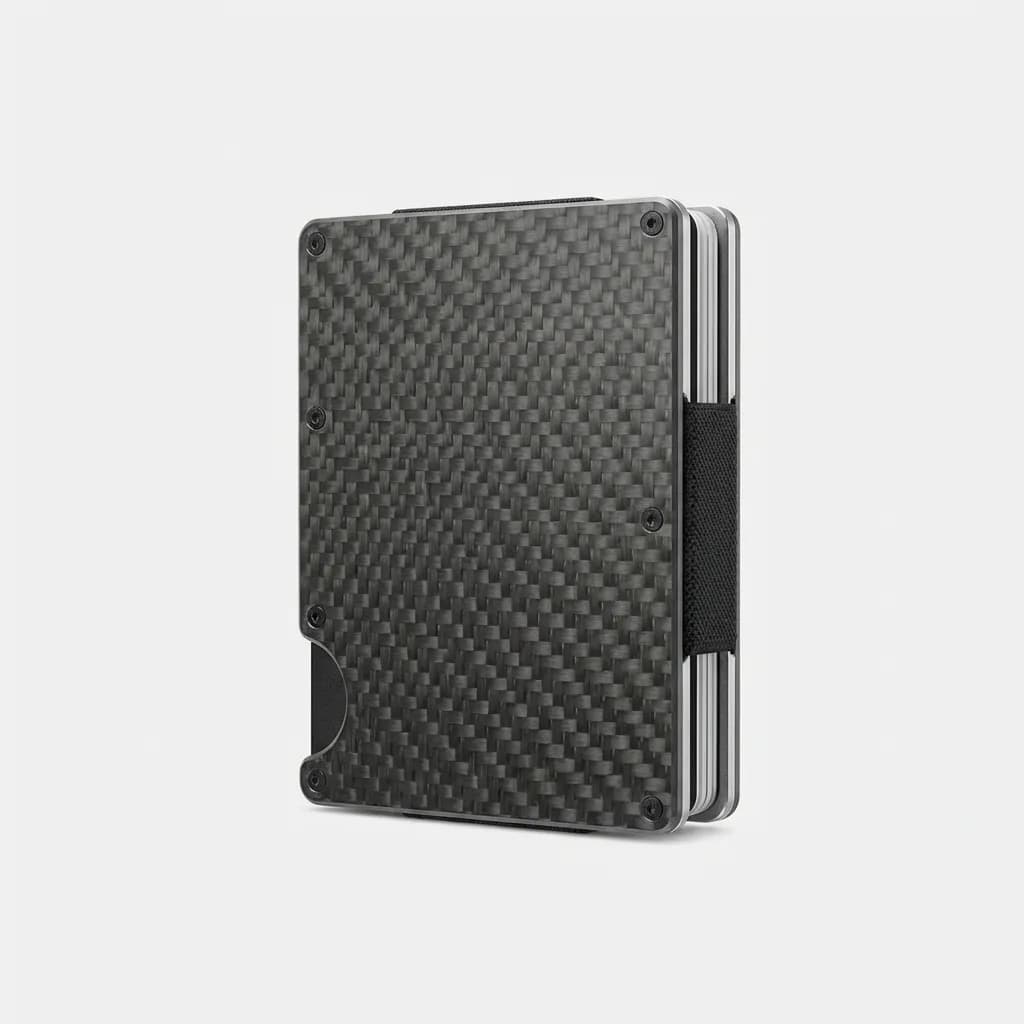
Ridge Carbon Fiber Wallet
$125
RFID-blocking minimalist wallet with 3K carbon fiber plates, elastic band holds 1-12 cards, aluminum frame provides structure without adding weight.
This is why carbon fiber works brilliantly for knife scales but poorly for pry bars. A knife handle experiences compression and moderate impacts. A pry bar takes shock loads that carbon fiber can't absorb. Steel flexes and returns. Carbon fiber shatters.
Temperature performance is another mixed story. Carbon fiber maintains dimensional stability from -40F to 250F. It won't warp like plastic or expand like aluminum. But the epoxy resin can soften in extreme heat or become brittle in severe cold. A carbon fiber item left in a car dashboard in Arizona summer might delaminate. The same item performs flawlessly in normal daily carry conditions.
Where Carbon Fiber Makes Sense in EDC
Wallets represent carbon fiber's best EDC application. They need rigidity to protect cards, benefit enormously from weight reduction, and rarely face impacts that cause catastrophic failure. The material's RFID-blocking properties are a legitimate bonus, though aluminum offers this too.
Knife scales are the second-best use case. Carbon fiber provides excellent grip texture, stays cool to touch unlike metal, and significantly reduces carry weight on larger folders. The scales are protective layers, not structural, so brittleness matters less. High-end custom knives use carbon fiber scales because the performance benefits actually justify the cost.
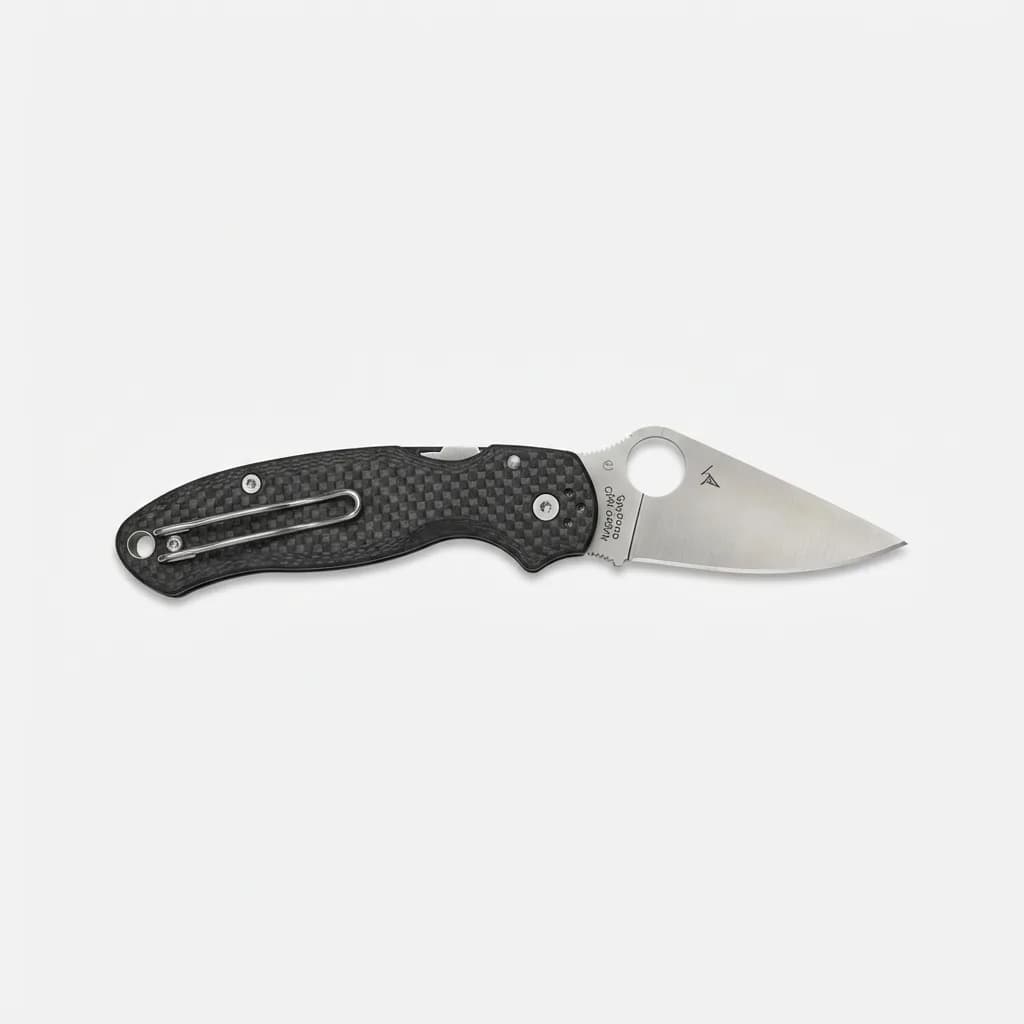
Spyderco Para 3 Lightweight Carbon Fiber
$219
CPM S45VN steel blade with nested carbon fiber handle scales, compression lock, weighs just 2.6 oz versus 3.8 oz for G10 version.
Pens and flashlight bodies occupy a gray area. Carbon fiber pens look striking and reduce fatigue during extended writing sessions. But aluminum or titanium pens cost less, handle drops better, and offer similar weight profiles. The carbon fiber premium here is mostly aesthetic.
Flashlight bodies gain more from carbon fiber. Heat dissipation matters for high-lumen lights, and carbon fiber's low thermal conductivity keeps the body cooler during extended use. It's not that you can't make an aluminum flashlight work, it's that carbon fiber solves a specific thermal problem.
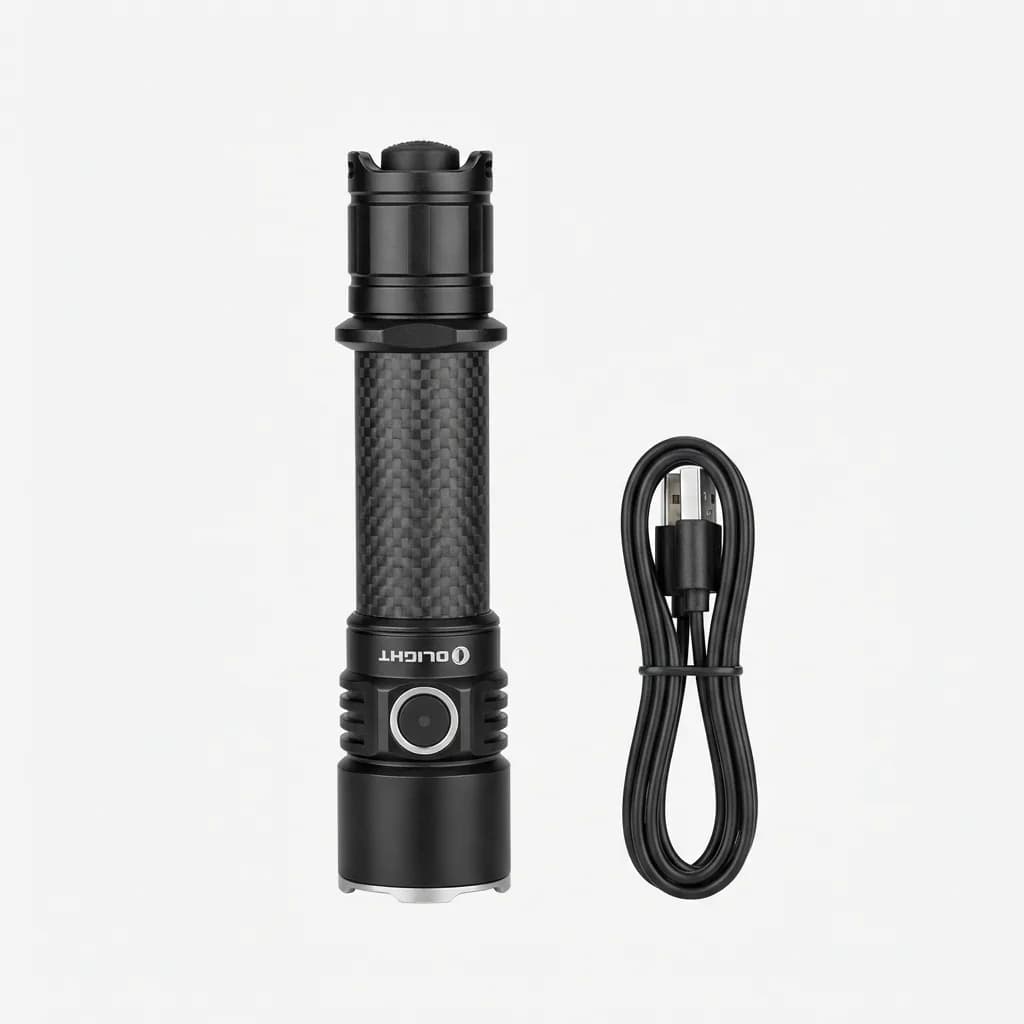
Olight Warrior X Pro Carbon Fiber
$149
2,250 lumen tactical flashlight with carbon fiber body tube, reduces weight to 6.3 oz, tail switch operation, includes magnetic charger.
Key organizers and pocket tools make limited sense in carbon fiber. These items already weigh almost nothing in aluminum or titanium. Shaving 8 grams off a key organizer doesn't improve your daily experience. You're paying for aesthetics, which is fine if that's what you want, but call it what it is.
Carbon Fiber vs. Titanium and Aluminum
Titanium and carbon fiber occupy similar price tiers but serve different needs. Titanium handles impacts that would shatter carbon fiber. It's corrosion-proof, biocompatible, and can be anodized in colors. Carbon fiber is lighter and stiffer but more fragile.
For wallets, carbon fiber wins. Titanium wallets (40-55g) weigh nearly double carbon fiber (15-25g) without offering meaningful advantages. For knives, it depends on use. Hard-use folders need titanium frame locks and liners. Gentleman's folders benefit from carbon fiber's light weight and refined appearance.
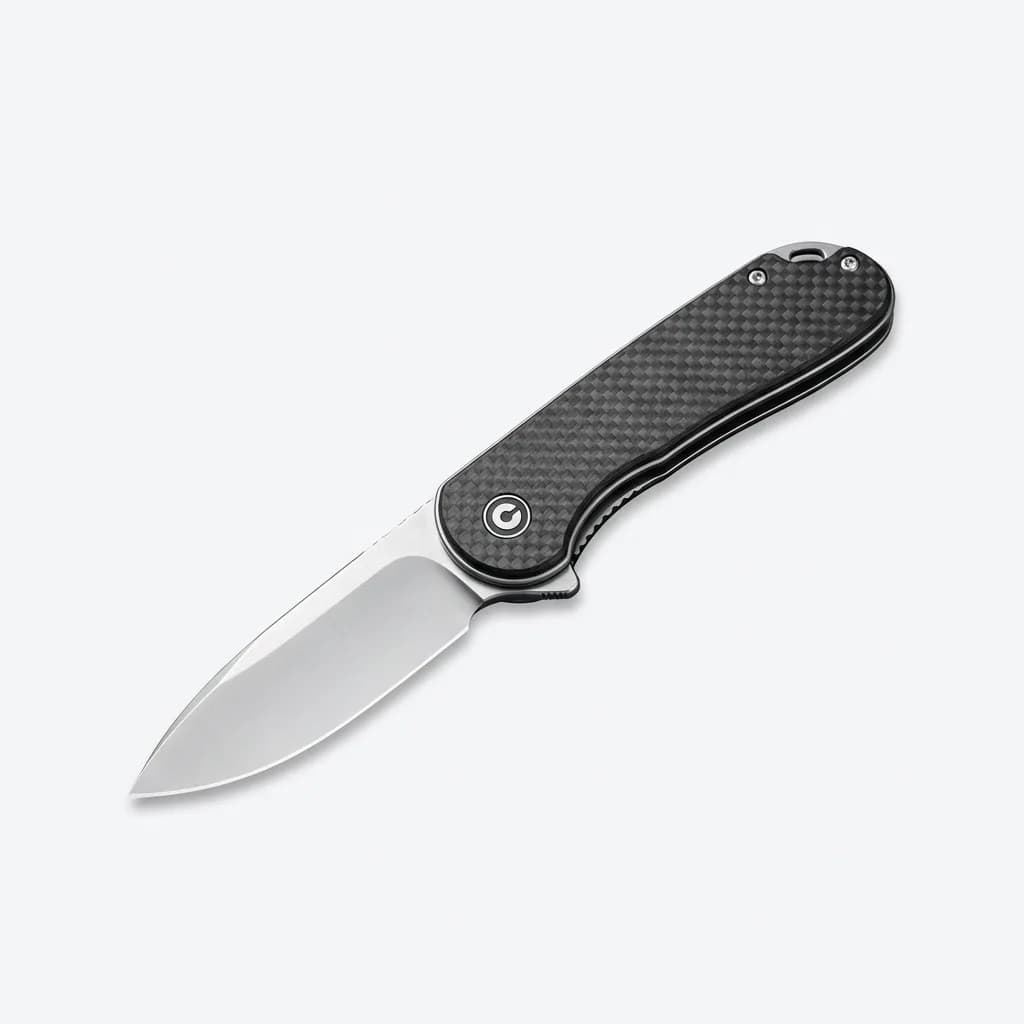
Civivi Elementum Carbon Fiber
$68
D2 steel blade with contoured carbon fiber scales, liner lock, ceramic ball bearings, weighs 2.3 oz, affordable entry to quality carbon fiber knives.
Aluminum costs less than both and offers the best impact resistance. Aluminum wallets dent instead of cracking. Aluminum knife scales handle hard use. The weight penalty is modest - typically 20-40 grams more than carbon fiber for the same item.
The smart approach is material-specific selection. Use carbon fiber where weight savings matter most and impacts are unlikely: wallets, knife scales on non-hard-use folders, larger flashlights. Use titanium for high-stress components: knife frame locks, pocket clips, tools that see prying. Use aluminum for budget builds and items that might get dropped frequently.
Common Carbon Fiber Myths
Myth one: carbon fiber is indestructible. It's strong in specific ways and fragile in others. Dropping a carbon fiber item on a hard surface can cause internal delamination even if no visible crack appears. The item loses structural integrity invisibly.
Myth two: all carbon fiber is equal. Quality ranges from decorative film over plastic to aerospace-grade prepreg. Most EDC carbon fiber falls in the middle - real structural carbon fiber but not the premium grades used in racing or aviation. Check for layering at edges and depth in the weave pattern.
Myth three: carbon fiber doesn't wear. The outer resin layer can scratch, scuff, and eventually dull. The carbon fiber itself stays intact but loses its polished appearance. This is purely cosmetic but surprises buyers expecting permanent new-item looks.
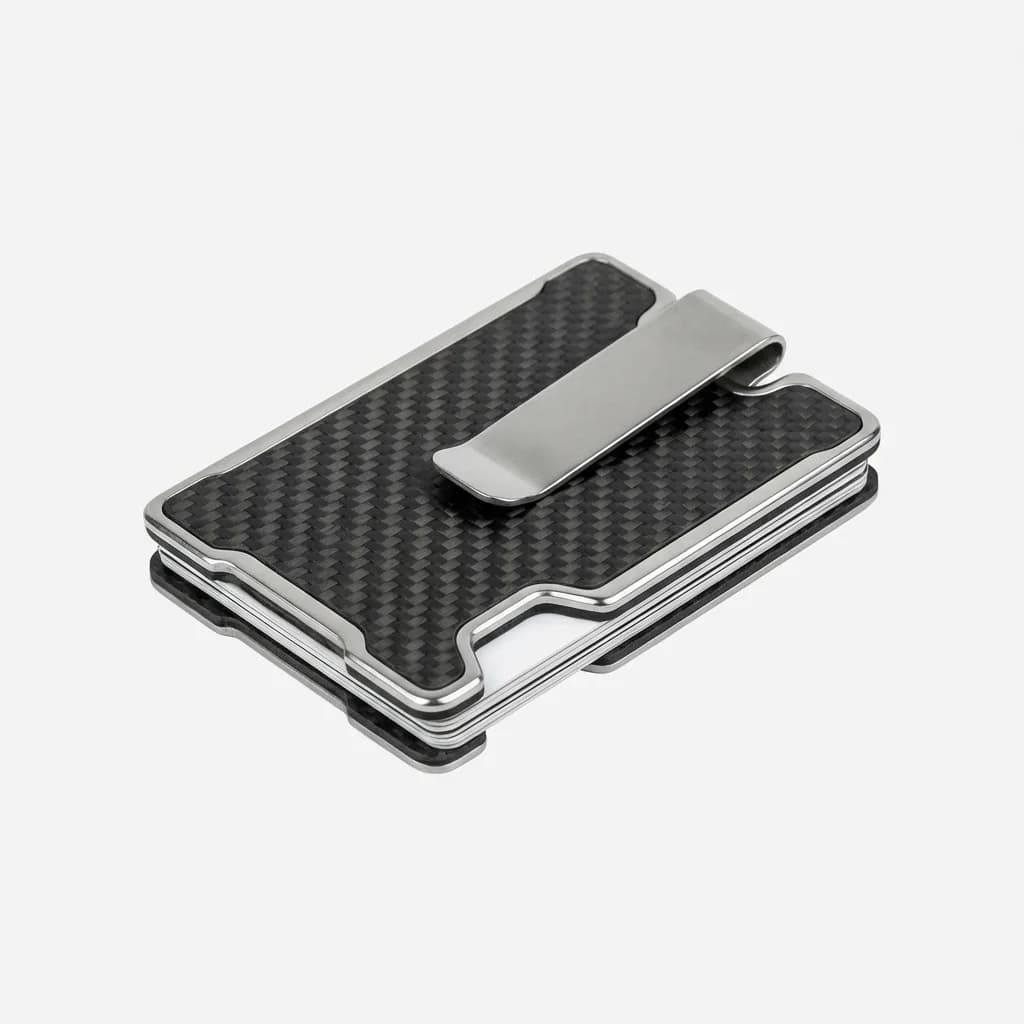
Trayvax Element Carbon Fiber Wallet
$95
Carbon fiber plates with stainless steel frame, removable money clip, holds 8-10 cards, weighs 21g, backed by lifetime warranty against structural failure.
Myth four: carbon fiber offers better grip than other materials. The resin surface is actually quite smooth. Textured G10 or aluminum knurling provides superior grip. Carbon fiber's advantage is weight and rigidity, not friction.
Is the Premium Worth It?
For wallets, yes. The weight reduction is immediate and noticeable. A quality carbon fiber wallet lasts 5-10 years with normal use. At $100-150, that's reasonable for something you handle 10-20 times daily.
For knife scales on folders you actually carry, yes. Cutting 1-2 ounces from a 3-4 ounce knife significantly improves pocket carry comfort. The material looks distinctive and ages well if you avoid drops.
For pens, flashlights, and accessories, it depends on your priorities. If you value weight savings above all else and want the aesthetic, carbon fiber delivers. If you want maximum durability per dollar, aluminum or titanium makes more sense.
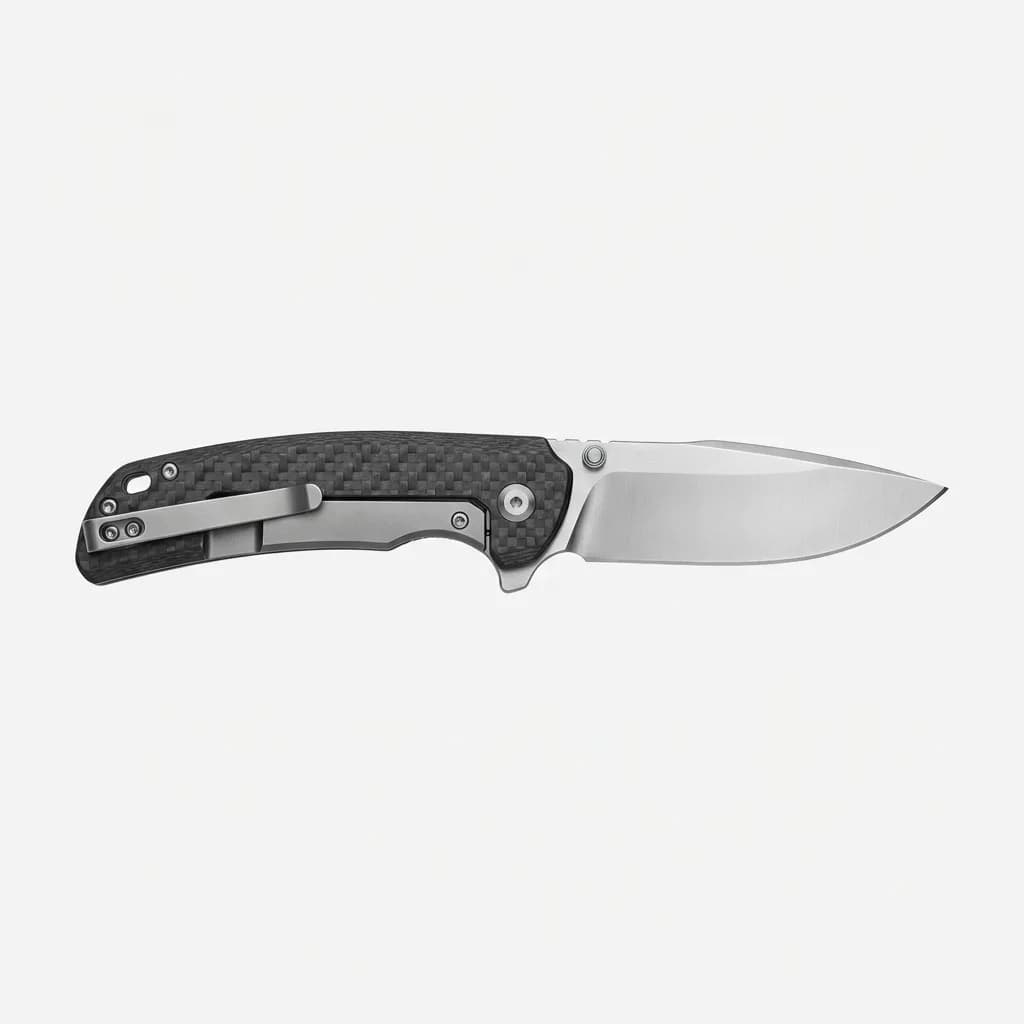
Real Steel Luna Carbon Fiber Frame Lock
$89
14C28N steel blade with milled carbon fiber show scale, titanium frame lock side, drop point blade, ball bearing pivot, weighs 2.9 oz.
Never buy carbon fiber for multi-tools, pry bars, or hard-use tactical gear. These applications need impact resistance and flex tolerance that carbon fiber fundamentally cannot provide. You're paying premium prices for inferior performance.
The material's reputation exceeds its practical advantages in EDC. It's not magic - it's an engineered composite with specific strengths and weaknesses. Buy it where those strengths align with your actual needs, not because the marketing copy sounds impressive.
When you handle a quality carbon fiber wallet or knife for the first time, the weight difference is obvious. Whether that difference justifies the price is personal, but at least now you know what you're actually buying.
The Weekly Dispatch
Enjoying this article?
Subscribe and get our best gear picks delivered every Sunday morning.
Related Posts
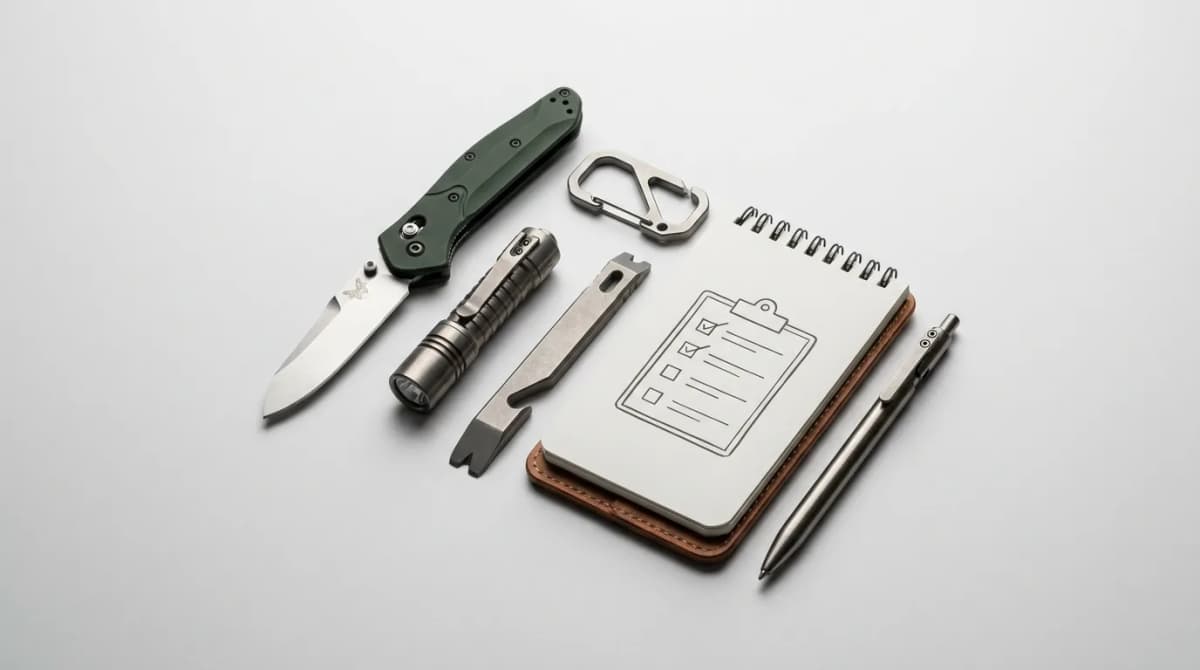
EDC Kickstarter Checklist: 10 Checks to Run First
EDC campaigns are everywhere this fall. Use this 10-point checklist, built on Kickstarter's own rules, to judge knives, lights and clips before you pledge.
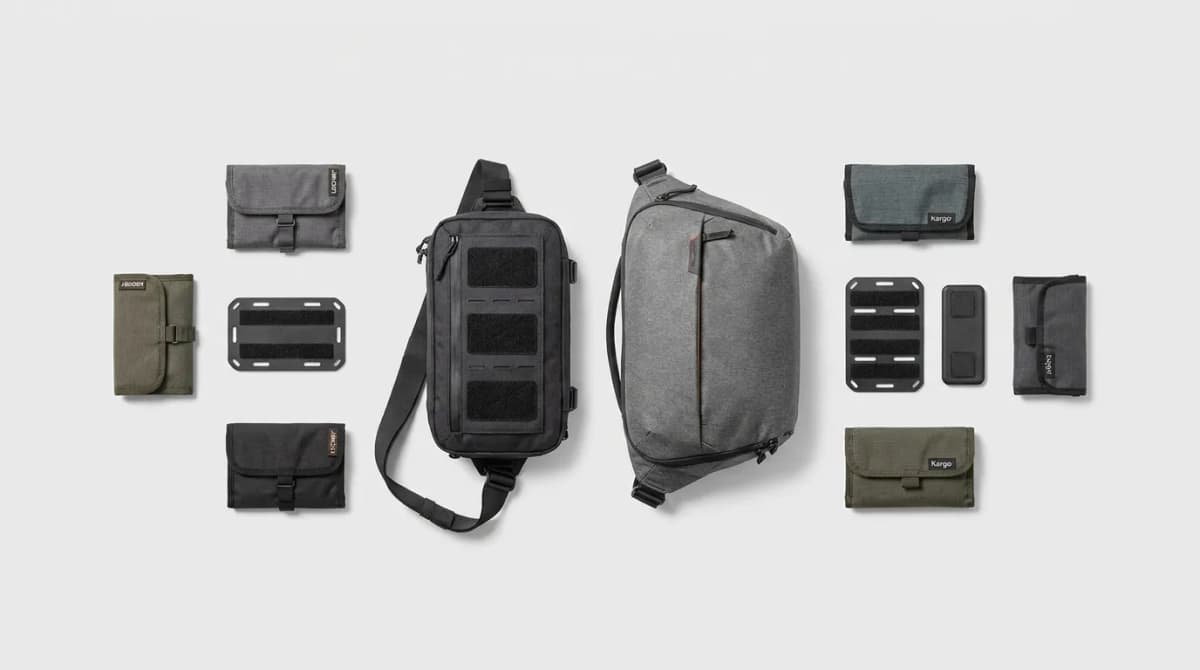
VAULT Sling vs Peak Design: Modular EDC Sling 2026
Tool-and-tech EDC slings, not camera bags. VAULT Flex Boards and 7L–9L magnetic expand vs Peak Design Everyday 6L, plus LOCHBY and Kargo.
EDC for Rainy Cities: The Complete Setup
Rainy-city EDC means canopy, wet pouch, and smarter fabrics. Build a daily carry that stays dry on transit without soaking your bag or pockets.
DIY EDC Mods: Personalize Your Everyday Carry Gear
Learn practical DIY modifications for your EDC gear: paracord wraps, anodizing, custom scales, and personalization techniques that improve function and style.