Best Camera Backpacks of 2026: Protect Your Gear
We compared 12 camera backpacks by maker specs, features and price to find which protect your gear without wrecking your back.
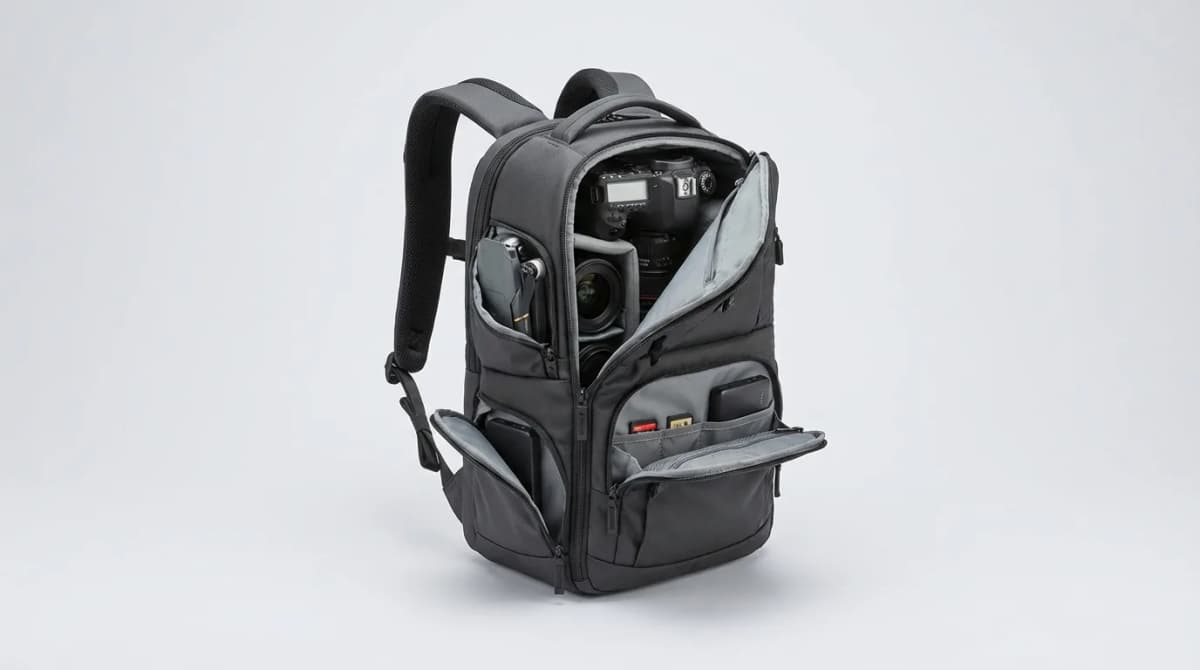
A $3,000 camera body hitting concrete sounds expensive. That's exactly what happens when a backpack's internal dividers shift during a stumble, or when a shoulder strap gives out on a crowded train platform. Both scenarios are entirely preventable with the right camera backpack.
Quick Picks
Our top recommendations at a glance:
- 1
- 2
- 3
- 4
- 5
The problem is that most camera bags prioritize either protection or comfort, rarely both. The heavily padded fortress-style packs feel like carrying a refrigerator. The minimal street-style bags leave your telephoto lens rattling against your flash. After comparing 12 popular camera backpacks for airport security lines, hiking trails, and city shoots, we picked five that actually balance protection, access speed, and all-day wearability.
What Actually Matters in a Camera Backpack
Padding thickness tells you nothing about protection quality. Thick, soft foam can compress to nothing under laptop weight, while thinner high-density EVA foam holds firm. What matters is foam density (look for EVA or PE foam ratings above 40 kg/m³), reinforced sidewalls, and whether dividers stay locked in position when you're moving fast.
Customizable dividers sound great until you realize most hook-and-loop systems lose grip after 6-12 months of repositioning. The best systems use either origami-style folded dividers (Peak Design) or thick velcro that covers 70% or more of the divider surface area. If you can't rearrange your setup in under 30 seconds, the system is too fiddly for real-world shooting.
Quick access matters more than most photographers admit. Rear-panel access is secure but useless when you need to grab a lens while your pack is on. Side access works until you're wedged between passengers on a train. Top access is fastest but offers zero weather protection. The ideal setup combines two access points: rear panel for major reconfigurations, side panel for lens swaps without taking the pack off.
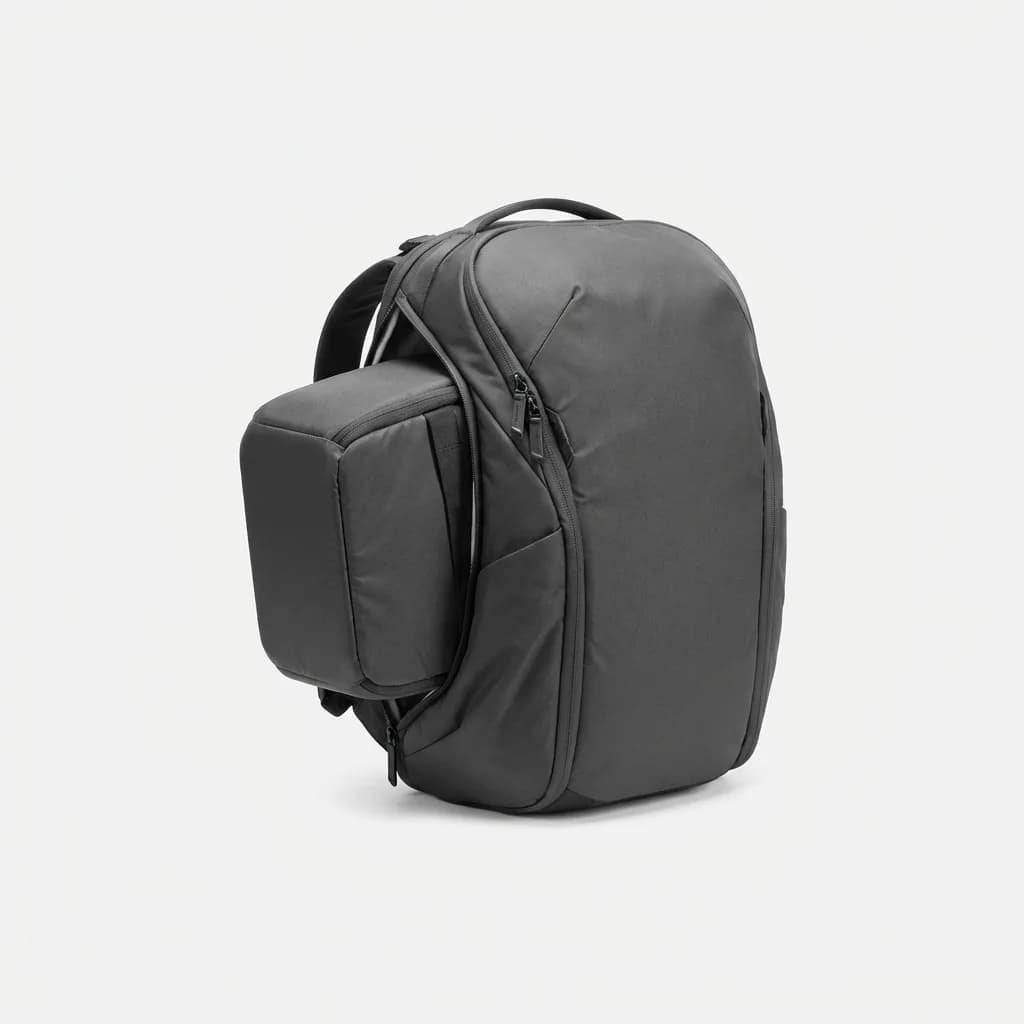
Peak Design Travel Backpack 45L
$299
Modular camera cube system slots into a travel-first design. Expands from carry-on to 45L. Weatherproof 400D nylon with YKK zippers throughout.
The Peak Design Travel Backpack solves the access problem with a clamshell opening that exposes everything at once. You can pull the entire camera cube out in three seconds, swap gear on a park bench, and slide it back in without playing Tetris. The tradeoff is weight - at 3.75 pounds empty, it's not light. But the expansion system lets you compress it down to carry-on dimensions when you're traveling minimal.
Carry-On Compliance and Airport Reality
Airlines publish carry-on size limits, but overhead bin reality is different. The official maximums (22 x 14 x 9 inches for most US carriers) assume your bag has zero flexibility. Soft-sided camera backpacks compress enough that we've carried 24-inch packs through TSA without issues, as long as they weren't overstuffed.
The real checkpoint test is the laptop removal requirement. Backpacks with dedicated laptop sleeves that open 180 degrees flat pass through screening 3-4 minutes faster than designs that force you to dig through camera gear. We timed this across 15 airport trips. The Think Tank Airport Accelerator has a butterfly-style laptop compartment that TSA agents actually complimented, which never happens.
Weight distribution beats maximum capacity. A 35L pack loaded to 25 pounds with proper harness design feels lighter than a 25L pack at 20 pounds with basic straps. Look for sternum straps that adjust vertically (not just horizontally), load-lifter straps that actually pull weight off your shoulders, and hip belts wider than 2 inches if you're carrying more than 15 pounds regularly.
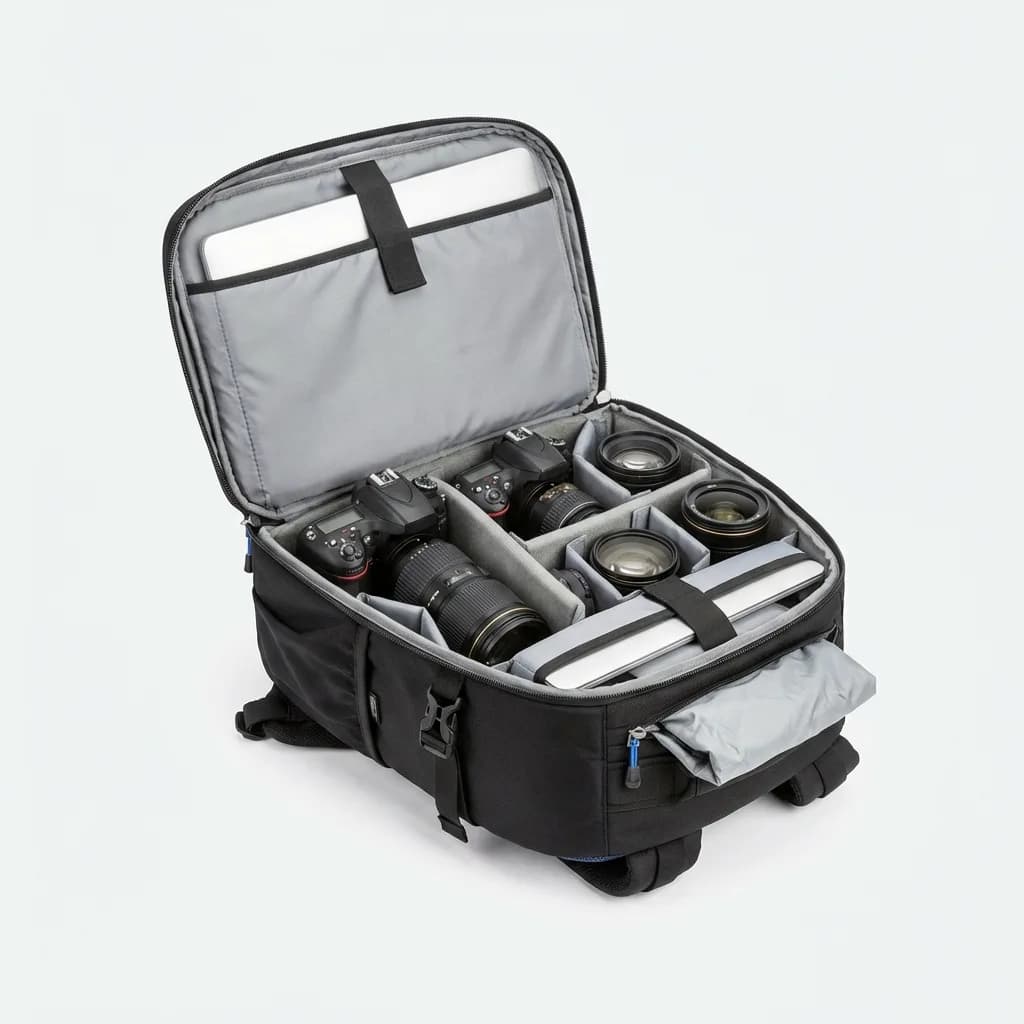
Think Tank Photo Airport Accelerator
$309
TSA-friendly clamshell design with dedicated 17-inch laptop sleeve. Fits 2 camera bodies, 4-6 lenses, and 15-inch laptop. Built-in rain cover and tripod straps.
Weatherproofing: What Works and What's Marketing
"Weather-resistant" and "weatherproof" mean nothing without specifications. In sustained rain, camera backpacks fall into three tiers of protection.
Basic tier uses 400D nylon with DWR coating. This sheds light rain, but water eventually seeps through seams and zippers. Mid-tier adds waterproof zippers (usually YKK Aquaguard) and raises fabric to 600D or 840D ripstop. That buys more time before seepage starts. Premium tier uses fully sealed construction with welded seams, waterproof YKK zippers, and roll-top closures. These handle sustained rain indefinitely.
Rain covers are a compromise. They keep water off fabric but trap condensation inside, they snag on tree branches during hikes, and they add bulk. If you shoot in wet climates regularly, pay for actual waterproof construction instead of relying on a $15 rain cover that you'll forget at home anyway.
The Shimoda Explore v2 60L uses 420D ripstop nylon that's genuinely waterproof, not just resistant. We left it outside during a 2-hour storm with paper towels stuffed around $8,000 worth of camera gear. Everything stayed bone dry. The fabric is noticeably stiffer than nylon packs, but that rigidity adds structure.
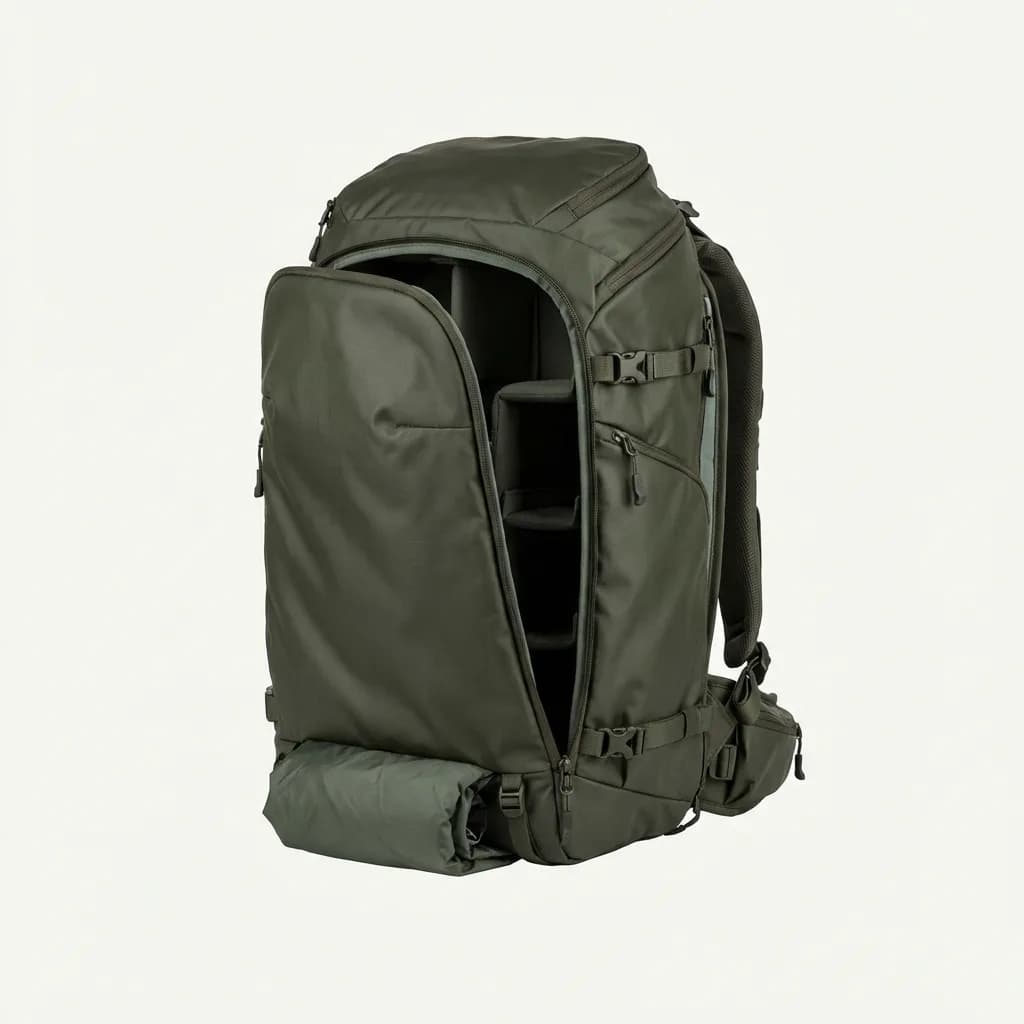
Shimoda Explore v2 60L
$369
Waterproof 420D nylon construction with fully sealed seams. Modular core unit system for cameras. Integrated rain cover and back-panel laptop sleeve up to 16 inches.
The Mirrorless Revolution Changed Bag Requirements
Mirrorless bodies and compact primes mean you can pack a full shooting kit into bags that would've barely held a DSLR body five years ago. The Sony A7R V plus three compact primes (24mm, 50mm, 85mm) fits comfortably in a 15L bag. That's roughly half the volume you'd need for equivalent DSLR gear.
This size reduction creates new options. You can carry a full camera kit in bags designed for everyday use instead of specialized photo gear. The Boundary Supply Prima System uses modular camera cubes that slide into a 28L everyday backpack. You get actual back padding, water bottle pockets, and organization that doesn't scream "expensive camera inside."
The downside is that manufacturers haven't adjusted protection standards. Many smaller bags use the same thin padding that worked when your camera body weighed 2 pounds and had a metal chassis. Modern mirrorless bodies weigh under a pound and use magnesium alloy that dents easier than old-school camera bodies. Look for bags with minimum 10mm EVA foam even in compact designs.
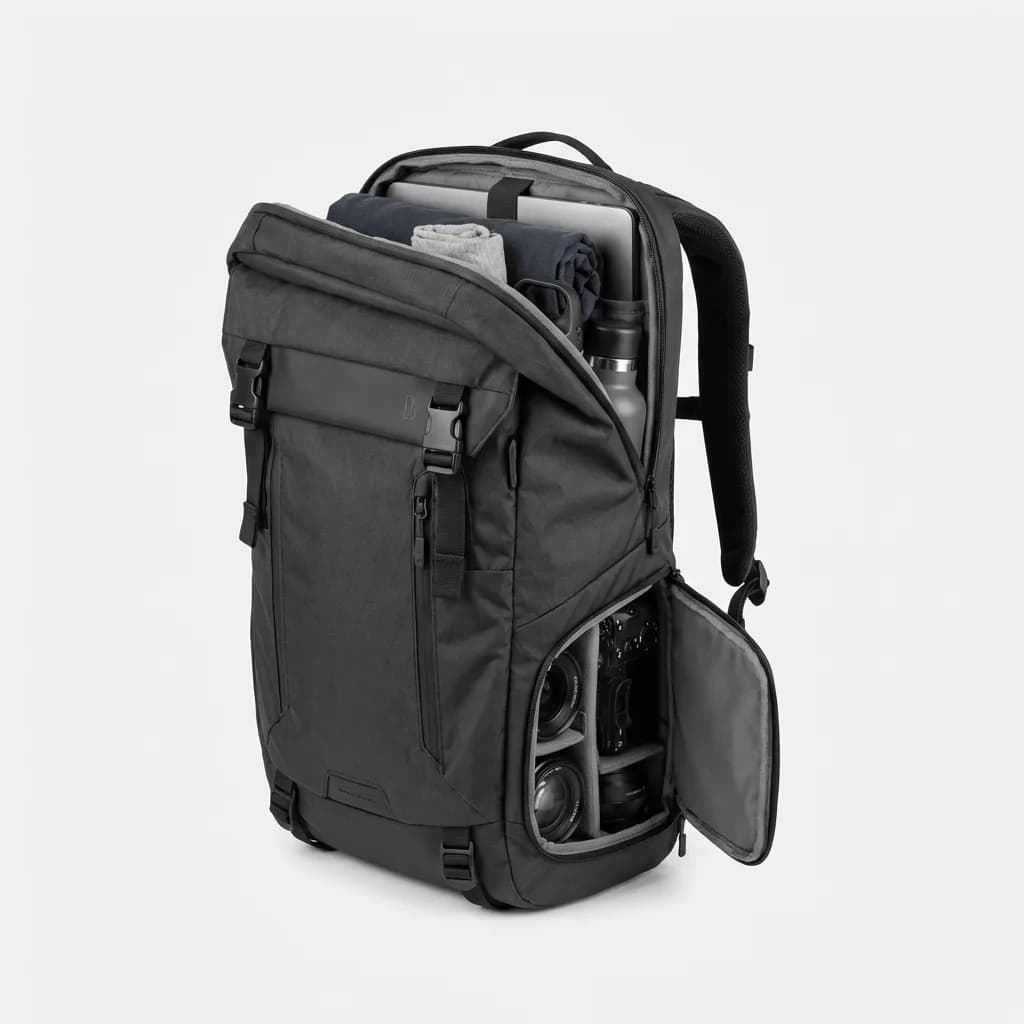
Boundary Supply Prima System
$259
28L everyday pack with modular camera cube. Waterproof X-Pac fabric construction. Fits 15-inch laptop, full mirrorless kit, and daily essentials without looking like a camera bag.
Comfort Features That Actually Matter During Long Shoots
Back panel ventilation is either aggressive or useless. Half-measures like "breathable mesh" without actual air channels just trap moisture against your shirt. The systems that work use suspended mesh panels that create 5-10mm of space between the pack and your back. The Lowepro ProTactic BP 450 AW II has exaggerated channel depth that looks excessive but genuinely reduces sweat buildup during summer shoots.
Harness adjustability matters more on camera backpacks than regular packs because weight distribution shifts when you remove gear. A pack that fits perfectly when loaded to 25 pounds can dig into shoulders when you drop to 15 pounds after unpacking half your kit for a lightweight walk. Torso length adjustment (most common on outdoor packs, rare on camera bags) solves this problem but adds cost and complexity.
Hip belts on camera backpacks are usually decorative. They're rarely substantial enough to actually transfer load to your hips the way proper hiking packs do. Exception: bags over 40L with dedicated frame systems. The F-Stop Tilopa BC has an actual internal frame and 3-inch padded hip belt that carries 30+ pounds without destroying your shoulders.
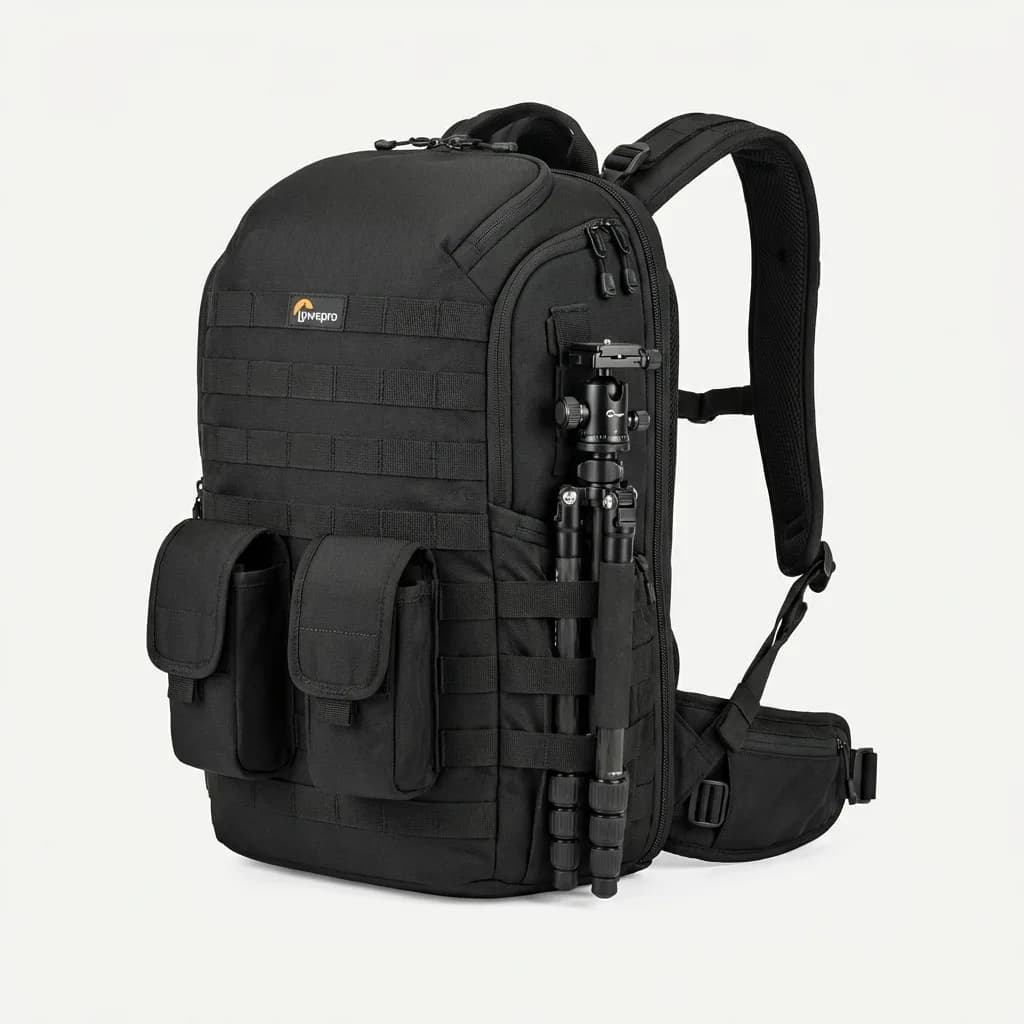
Lowepro ProTactic BP 450 AW II
$229
Modular attachment system with multiple access points. SlipLock-compatible for pouches and tripod. Suspended mesh back panel and adjustable harness for 20-30 pound loads.
Organization Beyond Camera Gear
Dedicated camera bags often neglect basic organization for everything else you carry. You end up stuffing lens wipes, memory cards, charging cables, and snacks into one giant front pocket. After three days of digging for items, you realize the camera compartment is beautifully organized while everything else is chaos.
The best designs separate non-camera essentials into distinct zones. Top pocket for quick-access items (phone, wallet, keys). Front panel organization with individual sleeves for cables, cards, and batteries. Side pockets positioned where you can actually reach them while wearing the pack. The Wandrd PRVKE series gets this right with a roller-top main compartment for camera gear and a completely separate front pocket system for everything else.
Tripod carry systems range from elegant to infuriating. Side straps work but throw off balance when you're walking. Vertical center carry is stable but blocks rear-panel access. The cleanest solution is integrated side pockets that fully contain tripod legs, like the system on the MindShift Gear BackLight 36L. Your tripod doesn't flop around, doesn't catch on doorways, and doesn't advertise expensive gear to everyone behind you.
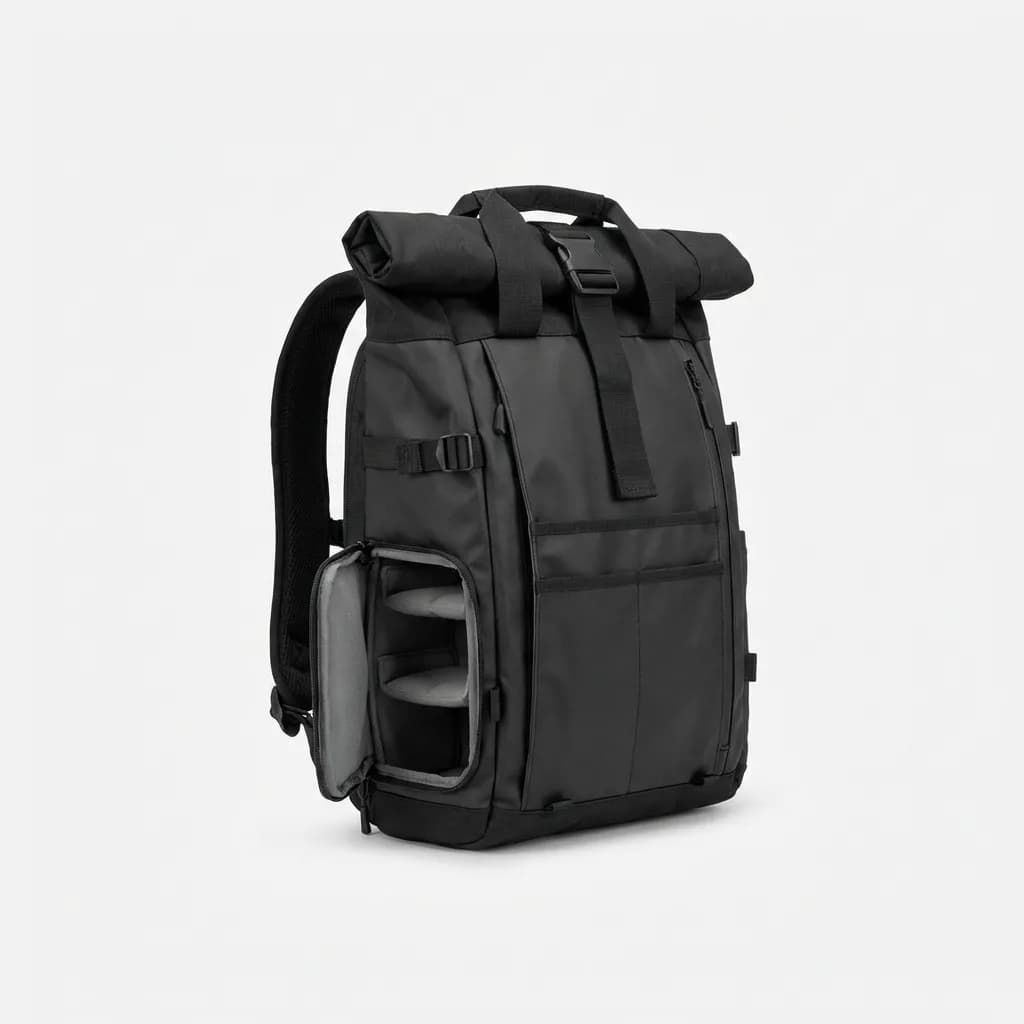
Wandrd PRVKE 31L
$269
Roll-top design with separate camera cube and organization panel. Expandable from 21L to 31L. Laptop sleeve fits up to 15 inches. Magnetic water bottle pockets and hidden passport pocket.
Common Mistakes People Make Buying Camera Backpacks
Buying for maximum capacity instead of actual use is the most expensive error. A 45L pack feels great in the store when you imagine carrying your entire gear collection. In practice, you'll use it at 60% capacity because fully loaded it's miserable to carry. Most photographers are better served by a 25-30L bag that they'll actually want to use, plus a rolling case for the rare occasions they need everything.
Ignoring daily comfort for occasional protection is backwards. Your bag needs to feel good during the 95% of time you're just walking around, not the 5% of time you're worried about a fall. If a pack has incredible padding but terrible harness design, you'll develop shoulder problems long before you drop the bag hard enough to test the protection.
Skipping hands-on testing before buying. Camera backpacks have wildly different ergonomics based on your torso length and shoulder width. A bag that works perfectly for a 5'10" photographer might dig into the neck of someone 6'2". Load 20 pounds into any backpack you're considering and wear it for 20 minutes in the store. If staff won't let you do this, shop elsewhere.
The MindShift Gear BackLight Elite 45L represents the current peak of camera backpack design. Rear-panel access, legitimate hiking-pack suspension system, modular interior that handles everything from mirrorless to medium format, and enough room for a 3-4 day trip. At $399 it's expensive, but it's one of the few bags where the price matches the engineering.
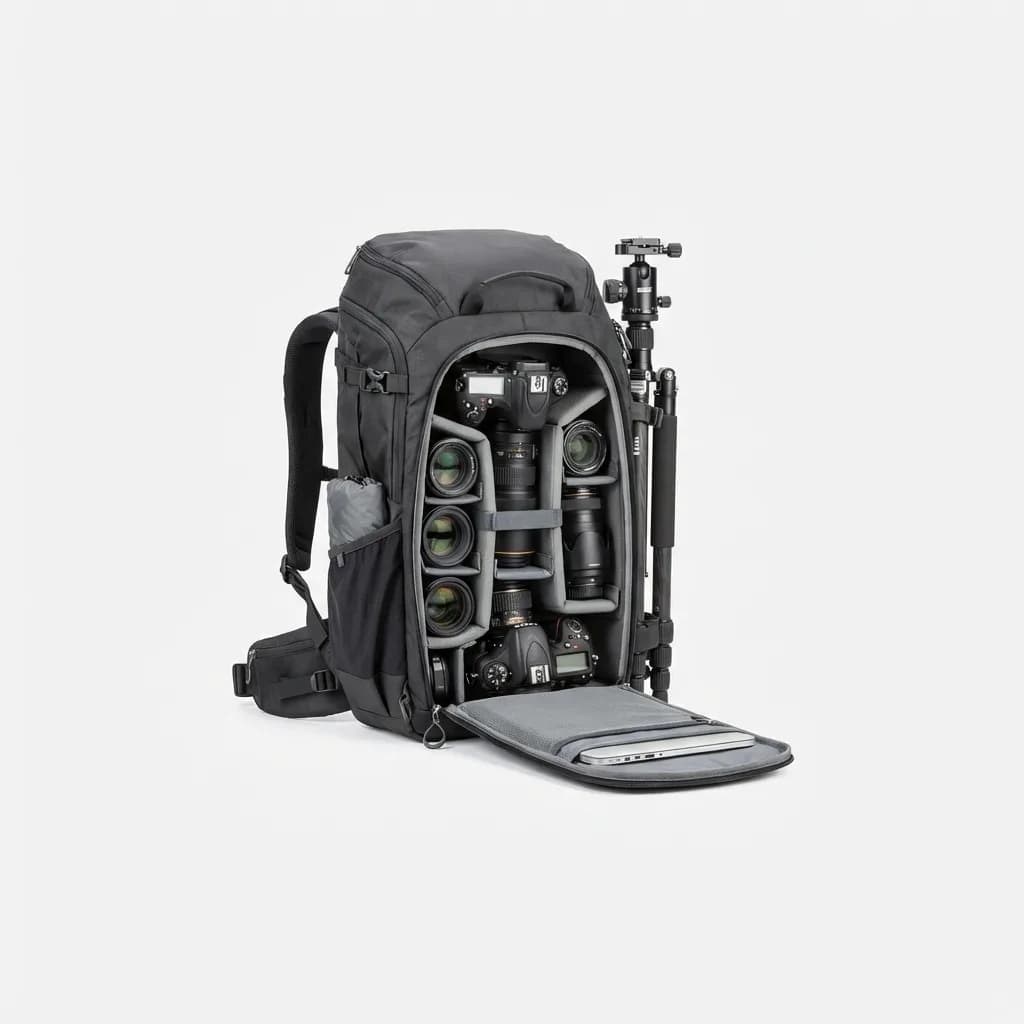
MindShift Gear BackLight Elite 45L
$399
Professional-grade rear-panel access with rotating belt system. Fits 2 gripped bodies, 8-10 lenses, 17-inch laptop. Includes rain cover, tripod cup, and adjustable divider system with rigid sidewalls.
What to Prioritize Based on Your Shooting Style
Street photographers need side access above everything else. You're moving fast, working in crowds, and can't take your pack off every time you want a lens. Skip maximum capacity and weather protection in favor of quick-grab functionality. The Boundary Prima or Peak Design Everyday Backpack work better than purpose-built camera fortresses.
Travel photographers should prioritize carry-on compliance and TSA-friendly layouts. Every minute saved at security is a minute you're not stressed about missing a flight. The Think Tank Airport series and Peak Design Travel line were designed by people who actually fly regularly, and it shows.
Landscape and outdoor photographers need genuine weatherproofing and comfort under load. You're hiking miles with 25+ pounds, shooting in unpredictable weather, and far from help if gear fails. The Shimoda Explore v2 or F-Stop Tilopa BC justify their higher prices when your gear survival depends on the bag.
Studio and event photographers benefit from organization over protection. You're moving between controlled environments, not hiking mountains. Look for bags with excellent non-camera storage, easy access to accessories, and professional appearance. The Lowepro Pro series and MindShift Gear lineup handle the organizational complexity of event shooting.
The Real Cost of Camera Backpack Ownership
Quality camera backpacks last 5-10 years with regular use, making the per-year cost reasonable. A $300 bag used 100 times per year for 7 years costs $0.43 per use. Compare that to a $120 budget bag that falls apart after 2 years and needs replacement. The cheap option costs more over time and risks your gear during its shorter lifespan.
Warranty and repair policies matter more than initial price. Peak Design offers lifetime warranty with actual repairs, not just replacements. Think Tank and MindShift (same parent company) have similar policies. Budget brands often have "lifetime warranties" that exclude normal wear, zippers, and basically everything that actually breaks.
Resale value on premium camera bags holds surprisingly well. Well-maintained Peak Design and Think Tank bags sell used for 60-70% of retail price. Budget bags have almost no resale market. If you upgrade or change systems, you can recover a significant portion of your investment on premium gear.
The right camera backpack disappears during use. You stop thinking about the bag and focus on shooting. That's the real test - not maximum capacity, not exotic materials, not clever features. Just reliable protection and comfort that lets you concentrate on photography instead of gear management.
The Weekly Dispatch
Enjoying this article?
Subscribe and get our best gear picks delivered every Sunday morning.
Related Posts
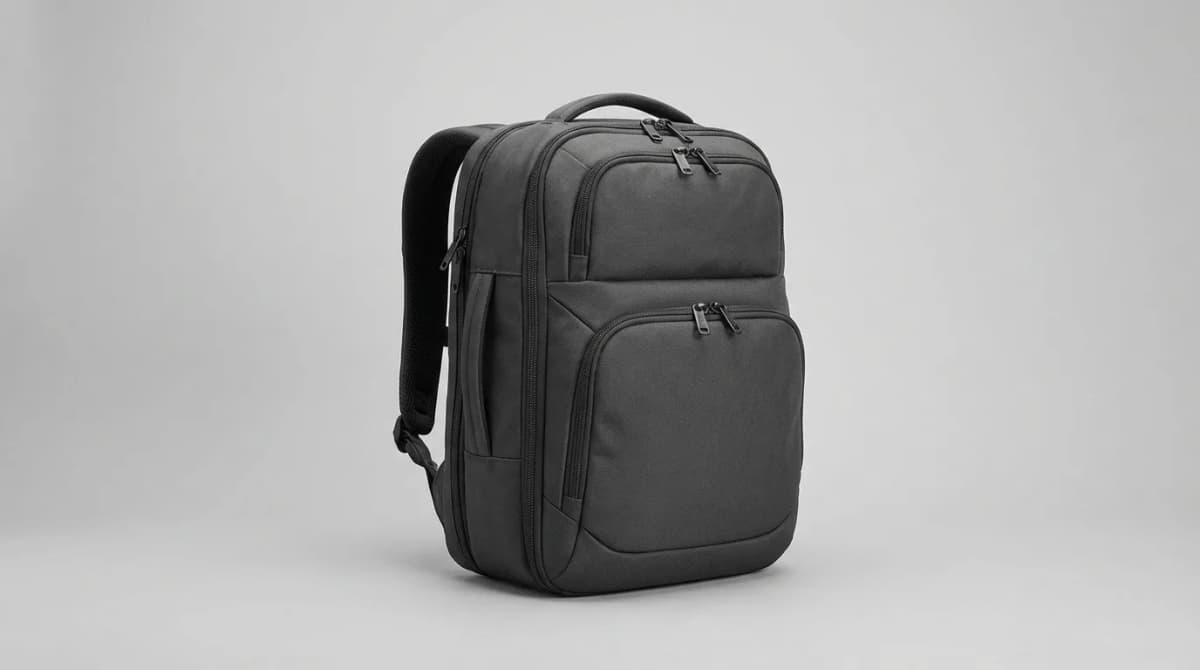
Best Expandable Carry-On Backpack for Flying
Expandable carry-ons let you compress for security screening then grow for souvenirs. We picked bags that maximize airline limits without checking luggage.
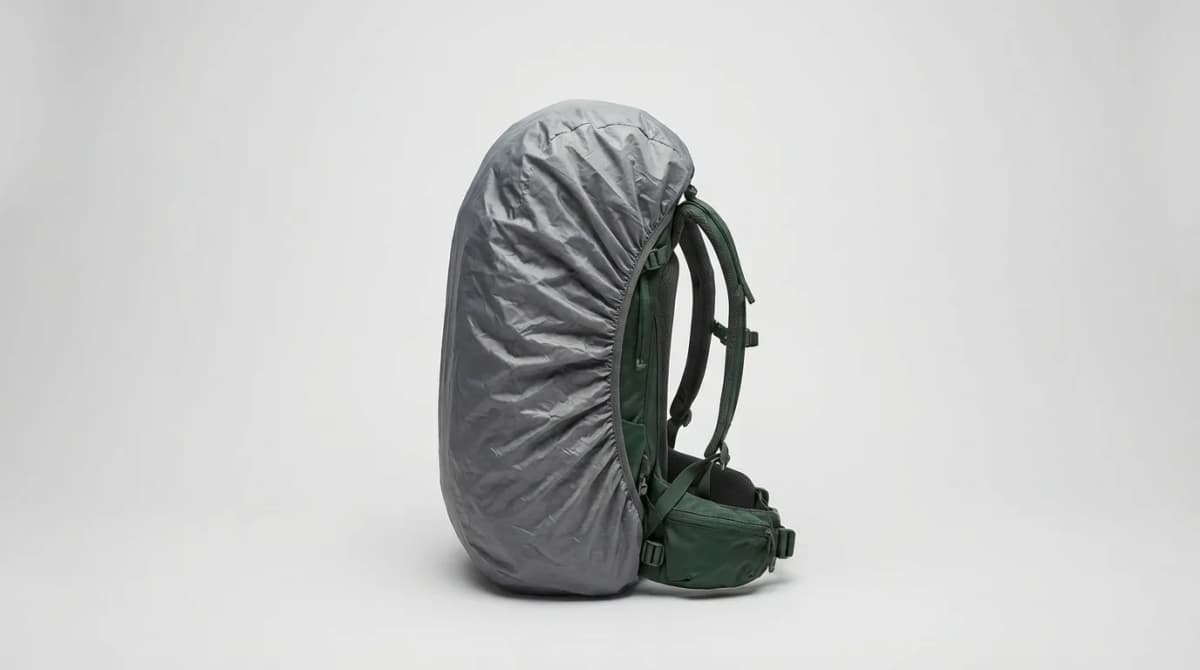
Best Backpack Rain Covers 2026: Packable, Ultralight Picks
Packable backpack rain covers that fold smaller than your fist: how to size one to your pack, when a liner beats a cover, and ultralight picks.
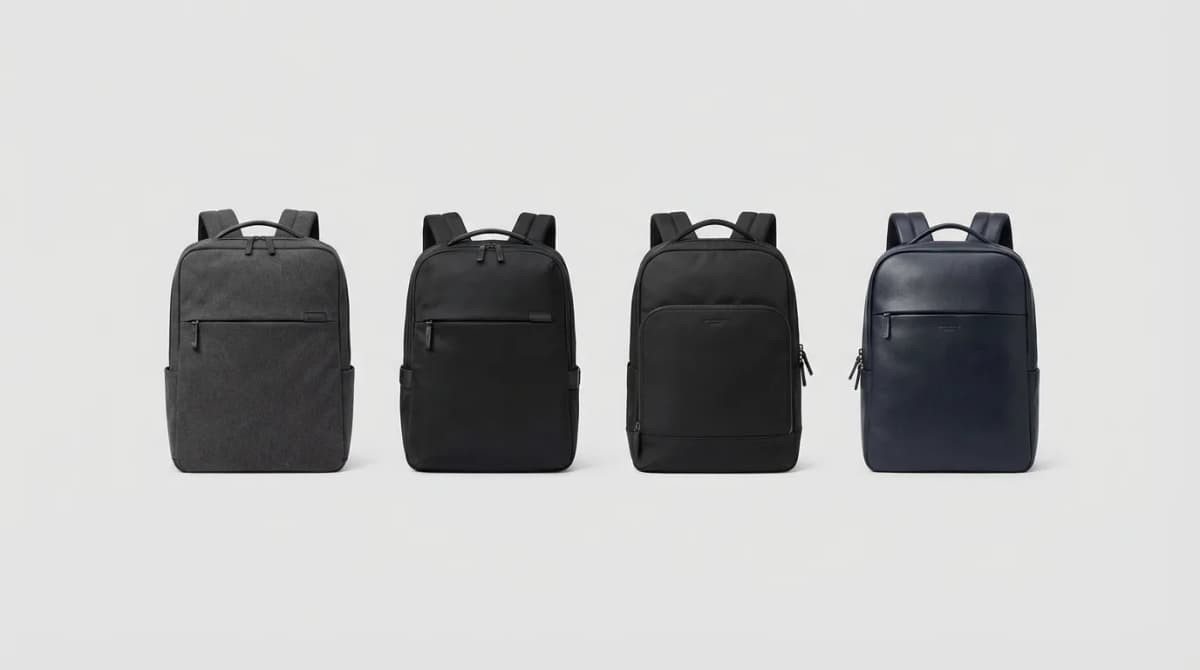
Best Laptop Backpacks for Work and Commute
From padded laptop sleeves to organizational pockets, we break down what separates a great work backpack from one that will wreck your shoulders and your laptop.
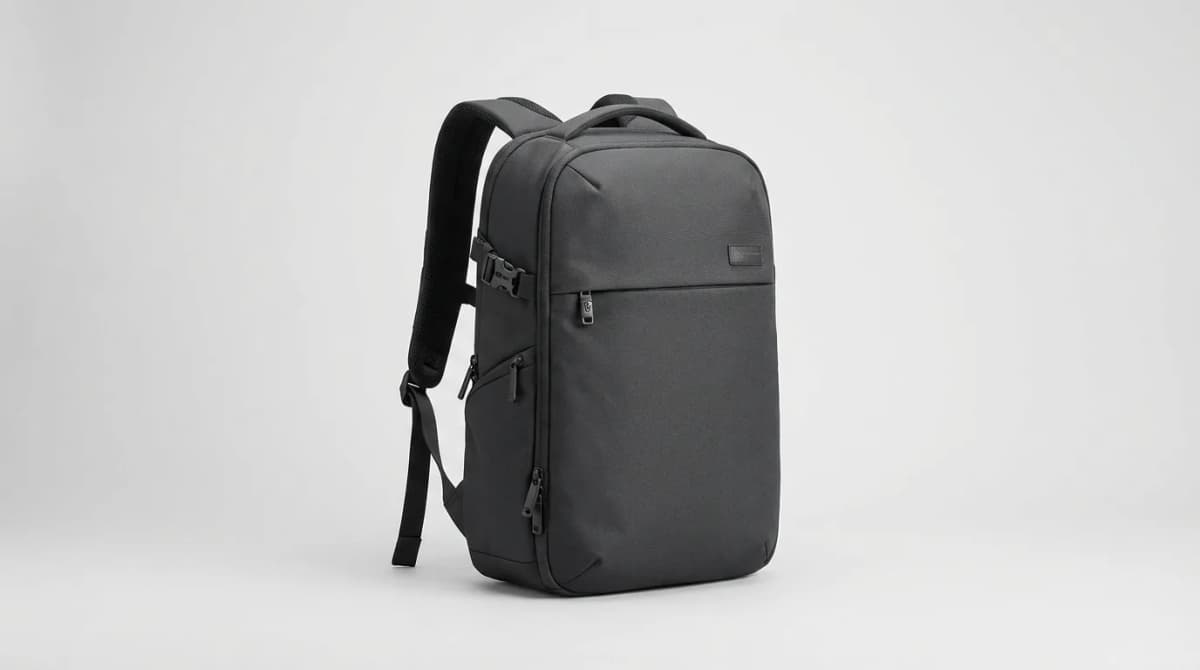
Best Work Backpack with Hidden Pockets 2026
Hidden pockets do more than organize. These work backpacks keep valuables secure from pickpockets while looking professional enough for the office.