Weatherproof Photography Gear for Any Conditions
Shooting in rain, snow, or dust demands more than weather sealing. Here's how to protect your camera gear in harsh conditions without limiting your shots.

Your $3,000 camera body won't survive a surprise downpour without protection, even if it's "weather sealed." We learned this the hard way shooting coastal landscapes in Oregon. Weather sealing helps, but it's not waterproof. The real solution is layering protection and knowing which gear can handle what conditions.
Quick Picks
Our top recommendations at a glance:
- 1Canon EOS R5$3,899
- 2Nikon Z8$3,996
- 3Peak Design Shell$79.95
- 4
- 5LensCoat Lens Cover for Nikon 70-200mm f/2.8Check Price
Most photographers either over-protect their gear and miss shots, or under-protect it and risk damage. The sweet spot is building a kit that lets you shoot confidently in rain, snow, sand, and humidity without constant worry.
Weather-sealed camera bodies worth the investment
Weather sealing starts with the body. Canon's EOS R5 and Nikon's Z8 both feature extensive gasket sealing around buttons, dials, and ports. We've shot with both in steady rain for hours without issues. The key difference: the R5 has 76 sealing points, while the Z8 claims "the same level as the Z9" which is exceptional.

Canon EOS R5
$3,899
45MP full-frame mirrorless with extensive weather sealing, 76 gasket points, and proven durability in wet conditions. Handles rain and snow confidently.

Nikon Z8
$3,996
45.7MP full-frame mirrorless with professional-grade weather sealing inherited from Z9. Magnesium alloy body with comprehensive gasket protection for harsh environments.
But here's what manufacturers don't tell you: weather sealing degrades over time. Gaskets compress, adhesives weaken, and mechanical wear creates gaps. A three-year-old body isn't as sealed as a new one. That's why rain covers matter even with sealed bodies.
Rain covers that don't interfere with shooting
Peak Design's Shell is our top rain cover pick because it doesn't force you into a plastic bubble. It's a fitted sleeve that stays on while you shoot, with a clear backing so you can see your LCD. Most covers are emergency-only designs that make camera operation awkward. The Shell becomes part of your regular kit.

Peak Design Shell
$79.95
Form-fitting rain cover for medium to large DSLR and mirrorless setups. Stays on while shooting, clear back panel, and packs smaller than traditional covers.
For long lenses, Think Tank's Hydrophobia series creates a sealed workspace. The 70-200 V3 fits most telephoto zooms and includes a clear eyepiece for viewfinder shooting. It's bulky but necessary for wildlife or sports in sustained rain. The fabric is stiffer than Peak Design's approach, which helps when you need structural support for big glass.

Think Tank Hydrophobia 70-200 V3
$219
Professional rain cover for 70-200mm f/2.8 lenses and similar. Seam-sealed construction, clear eyepiece, and quick-access hand openings for controls.
The mistake we see constantly: photographers bring rain covers but never practice with them. Your first time using one shouldn't be in a critical shooting moment. Spend 20 minutes at home learning how to access controls, change settings, and swap batteries with the cover on.
Protecting gear from sand and dust
Dust is more destructive than rain. A single beach shoot can contaminate every crevice in your camera, and dust inside the sensor chamber means expensive cleaning. Even sealed cameras can collect fine dust around mount contacts and card slots in places like Utah's red rock country.
The solution isn't avoiding dusty locations - it's minimizing exposure. Change lenses inside a bag or vehicle. Use a blower before removing a lens. Keep a microfiber cloth dedicated to wiping down exteriors before gear goes back in your bag. These habits matter more than the camera's IP rating.
For extreme dust environments, LensCoat makes neoprene covers for popular lenses. They're not waterproof, but they block particulate matter while providing modest impact protection. The Nikon 70-200mm f/2.8 cover fits snugly enough that dust can't infiltrate the zoom mechanism during active shooting.

LensCoat Lens Cover for Nikon 70-200mm f/2.8
Check Price
Neoprene lens cover providing dust protection and minor impact resistance. Custom fit with precise cutouts for controls and lens functions.
Never use compressed air on cameras in the field. It can force dust deeper into mechanisms. A Giottos Rocket Blower provides enough force to dislodge surface particles without the pressure that damages seals. We carry two - one for camera bodies, one for lenses, to avoid cross-contamination.
Waterproof bags and cases that actually work
A weather-sealed camera needs a weather-sealed bag. Lowepro's Whistler BP series uses a welded waterproof shell with roll-top closure. We've had the 350 AW II in sustained downpours with zero interior moisture. The internal dividers are modular, and there's room for a 70-200mm attached to a body plus two additional lenses.

Lowepro Whistler BP 350 AW II
$199.95
Waterproof camera backpack with welded seams and roll-top closure. Holds pro DSLR with 70-200mm attached plus additional lenses. Built-in all-weather cover.
The built-in rain cover is redundant - the bag itself is waterproof. But that cover adds abrasion resistance when you're scrambling over rocks or setting the bag on wet ground. The suspension system keeps the pack off your back, which matters when you're sweating in humid environments.
For ultralight setups, F-Stop's Shallow Small combines weatherproofing with minimal weight. It's not fully submersible like the Whistler, but the coated fabric and weather-resistant zippers handle rain and snow. The ICU (Internal Camera Unit) is removable, so this bag transitions from camera use to general outdoor use.
Hard cases provide maximum protection but kill spontaneity. Pelican cases are overkill unless you're shipping gear or working in truly brutal conditions. For most outdoor photography, a good weatherproof backpack and rain covers handle 95% of situations.
Post-shoot maintenance that prevents damage
Moisture damage happens slowly. After shooting in rain or humidity, let gear dry before sealing it in a bag. We use a gear closet with a small dehumidifier running continuously. Silica gel packs in camera bags help, but they saturate quickly and need regeneration.
Check lens mount contacts after dusty or wet shoots. A pencil eraser (unused, clean) gently removes corrosion from gold contacts. Wipe with isopropyl alcohol on a cotton swab, then dry completely. Do this every few months even without visible contamination.
Sensor cleaning should be professional unless you're trained. A $15,000 camera can be ruined by amateur sensor swabs. But external cleaning matters more than most photographers realize. Salt spray, in particular, corrodes metal and degrades rubber seals. After coastal shoots, wipe down everything with a barely damp cloth, then dry thoroughly.
Weather sealing doesn't mean weather immunity. It buys you time and peace of mind, but it's not a replacement for smart habits and proper protection. The photographers who consistently shoot in harsh conditions aren't the ones with the toughest gear - they're the ones who layer protection and maintain their equipment religiously.
Should you buy weather-sealed lenses?
Lenses matter as much as bodies. An unsealed lens on a sealed body creates a vulnerability at the mount. Canon's L-series and Nikon's Z-mount S-line lenses include weather sealing, but the quality varies. The Canon RF 70-200mm f/2.8L IS USM has a fluorine coating on front and rear elements that repels water and makes cleaning easier.

Canon RF 70-200mm f/2.8L IS USM
$2,699
Professional telephoto zoom with comprehensive weather sealing and fluorine coating on lens elements. Internal zoom design prevents dust and moisture infiltration during use.
The tradeoff is cost. Weather-sealed lenses are professional-grade, which means professional prices. If you shoot outdoors frequently, it's worth it. If you're mostly indoors or fair-weather shooting, invest in good rain covers instead and save $1,000 per lens.
Internal zoom and focus designs (where the lens doesn't extend) are inherently better for weather protection. They don't pump air in and out like extending zoom designs. The Canon RF 24-70mm f/2.8L IS USM and Nikon Z 24-70mm f/2.8 S both use internal mechanisms and extensive sealing.
Building a weather-ready kit on a budget
You don't need to replace everything. Start with covers and bags. A $80 rain cover and $200 weatherproof bag protect any camera system. Add weather sealing priority to your next body or lens upgrade, but don't force it prematurely.
Budget alternatives exist. OP/TECH Rainsleeve is a disposable rain cover that costs under $10 for a two-pack. It's a plastic bag with a drawstring, not elegant, but it works. For occasional rain shooting, it's plenty. Save the Peak Design or Think Tank investment for when you're shooting in weather regularly.
The most overlooked weatherproofing tool is a simple microfiber towel. Keep one accessible in an exterior pocket. Wiping down your camera every 15 minutes in misty conditions prevents water accumulation. It's low-tech, costs $5, and genuinely works.
Weather protection is about layers, not single solutions. Sealed body plus rain cover plus weatherproof bag plus good habits creates a system that lets you shoot confidently. Miss any layer and you're vulnerable. Get all layers right and weather becomes an advantage - fewer photographers are willing to shoot in it, which means you get images others don't.
The Weekly Dispatch
Enjoying this article?
Subscribe and get our best gear picks delivered every Sunday morning.
Related Posts
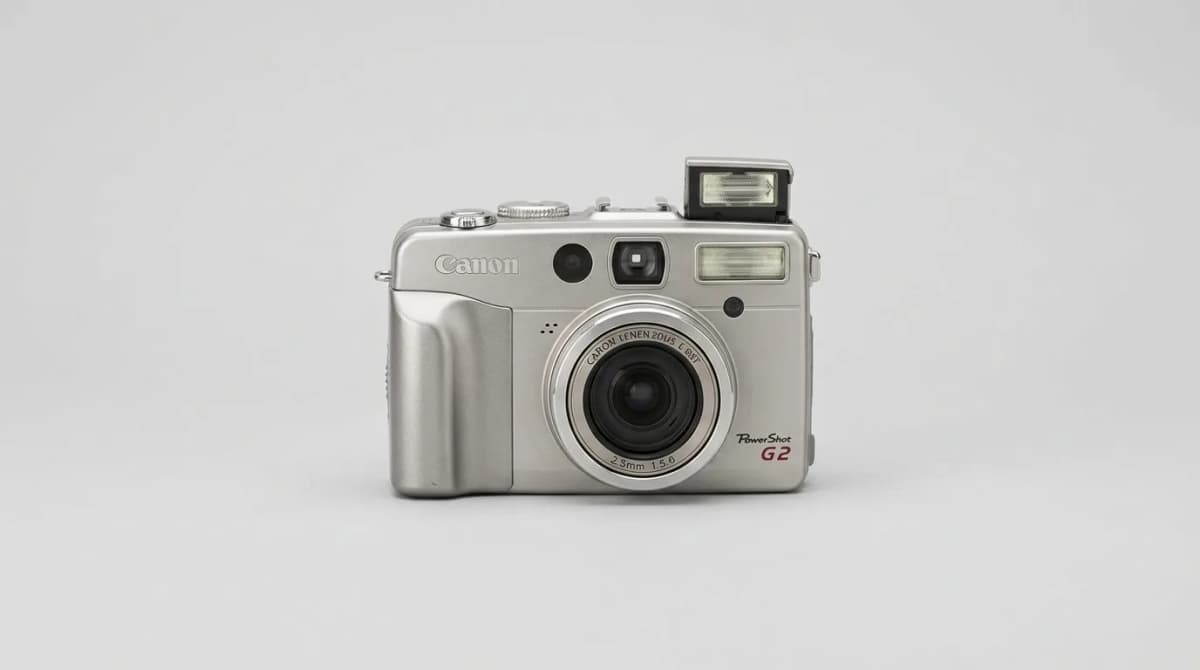
The Vintage Digicam Trend Explained
Vintage digital cameras from the early 2000s are making a comeback. Here's why photographers are ditching their smartphones for grainy, low-res digicams.
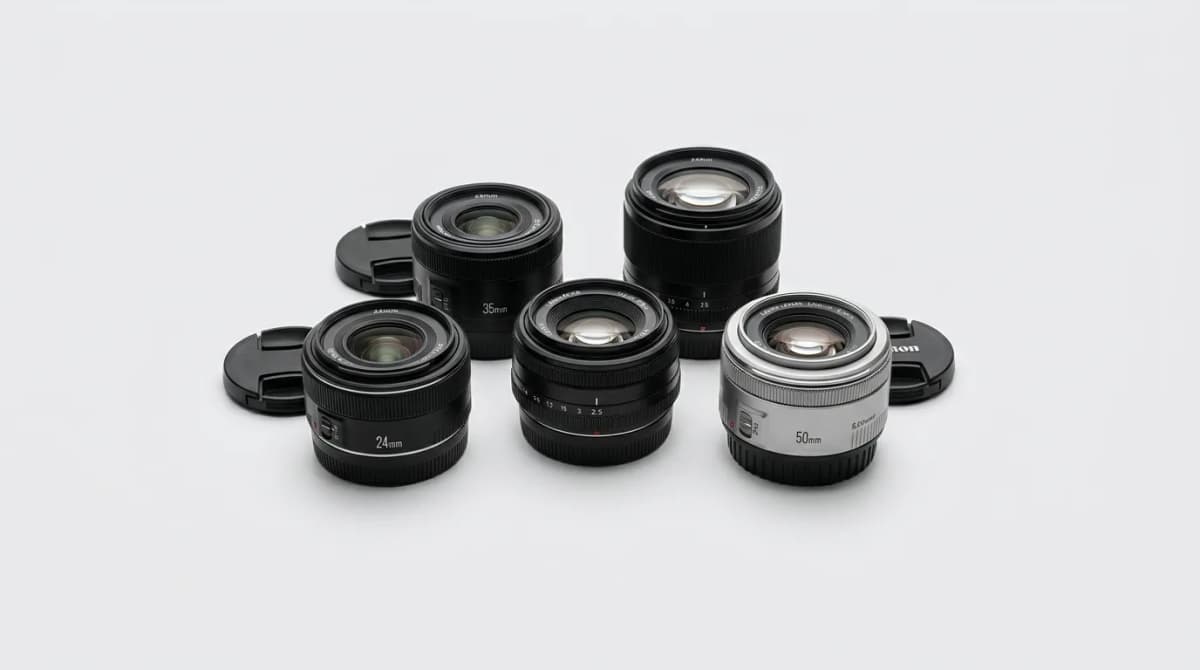
Small Prime Lenses for Travel: Why They Beat Zooms
Small prime lenses deliver sharper images and better low-light performance than zoom lenses while saving critical weight in your travel kit.
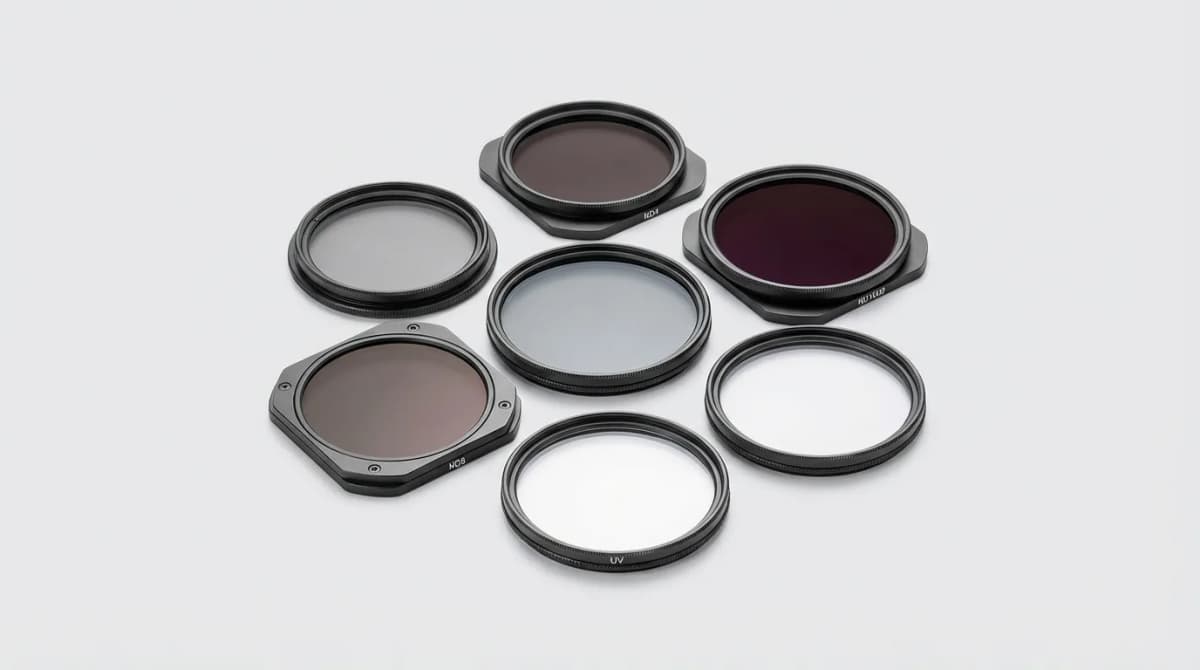
Best Lens Filters for Travel Photography
Skip the UV filter debate. These are the lens filters that actually matter for travel photography - polarizers, ND filters, and when each one earns its place in your bag.
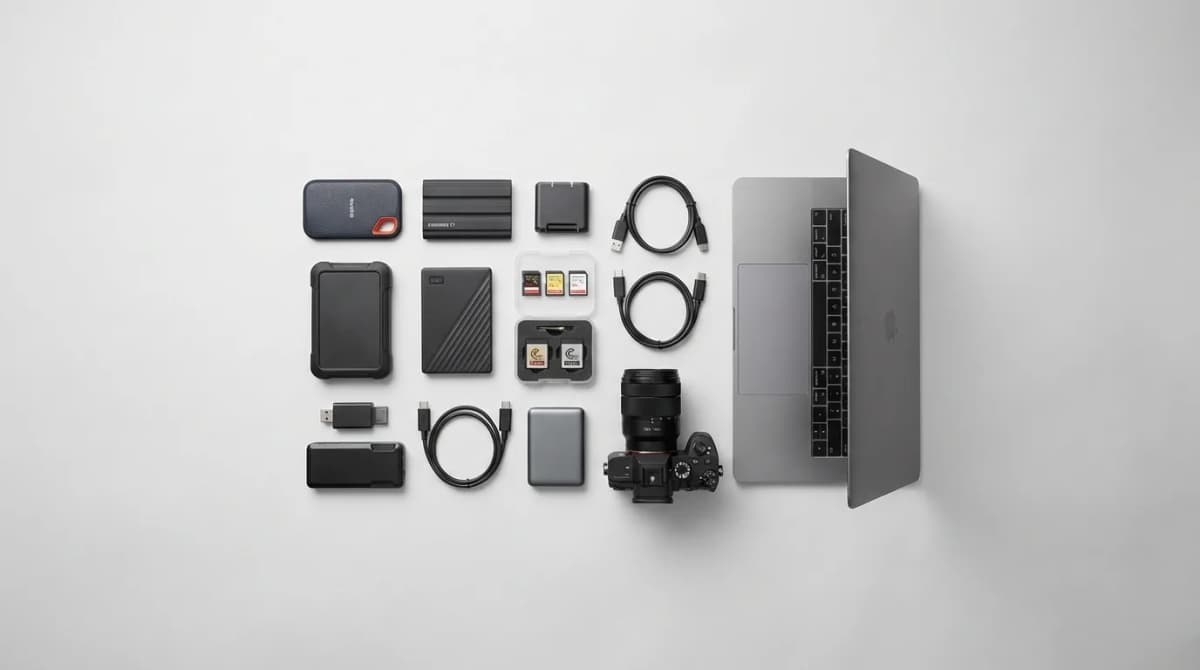
Travel Backup Workflow for Photos and Video
A practical guide to the 3-2-1 backup rule for travel creators: SSD selection, cloud sync strategies, and building a redundant workflow that survives theft and failure.