Best Compact Tripods Under $200 for Travel
We compared a dozen compact tripods under $200 by maker specs, weight and price to find which offer real stability on the trail.

You don't need a $600 tripod to get sharp images. Most photographers overspend on supports they'll never push to the limit. A $150 travel tripod can handle a mirrorless camera and telephoto lens in light wind without drama. The trick is knowing which compromises matter and which don't.
Quick Picks
Our top recommendations at a glance:
- 1
- 2
- 3
- 4
- 5
We compared compact tripods that fold under 16 inches, weigh less than 4 pounds, and cost under $200, with long exposures in surf zones, uneven trails, and airport travel in mind. Here's what actually holds up.
What Makes a Travel Tripod Worth Carrying
Pack weight matters more than max load rating. A tripod rated for 20 pounds sounds impressive until you realize your mirrorless kit weighs 3 pounds and you're carrying the tripod for six miles. Every ounce you save on support is an ounce you can spend on lenses or batteries.
Folded length determines whether it fits inside a backpack or has to strap to the outside. Sixteen inches fits in most camera bags. Eighteen inches sticks out the top. That two-inch difference turns your bag from carry-on legal to gate-checked.
Leg locks fail before anything else. Twist locks are faster but wear out if you're constantly changing height. Flip locks are slower but more reliable over thousands of setups. Sand, cold weather, and months of use all expose the difference.

Manfrotto Element Traveller Small
$90
Aluminum build with twist locks, extends to 51 inches, folds to 13.4 inches. Ball head included. Weighs 2.4 pounds. Supports up to 8.8 pounds.
The Manfrotto Element gets picked first because it folds shorter than anything else in this weight class. The included ball head works fine for landscapes and timelapses. The twist locks feel cheap but haven't failed yet. At 2.4 pounds, it's light enough for day hikes without being so light it blows over in wind.
Carbon Fiber vs Aluminum: The Real Difference
Carbon fiber saves about a pound compared to aluminum at the same price point. That's the whole story. Carbon doesn't dampen vibrations better at this budget level. It doesn't resist corrosion better. It just weighs less.
If you hike a lot, spend the extra $30 for carbon. If you drive to shooting locations and set up once, aluminum is fine. Don't buy carbon because you think it's "better" in some magical way. It's lighter. That's it.

Neewer Carbon Fiber Travel Tripod
$130
26mm carbon fiber legs, 5-section design folds to 15.7 inches, extends to 62 inches. Weighs 3.3 pounds. Includes ball head and carrying case.
The Neewer carbon model hits the sweet spot between price and weight. Five leg sections fold tight but take longer to deploy than three-section designs. The included ball head has enough friction for a full-frame camera with a 24-70mm lens. The quick-release plate uses the Arca-Swiss standard, so it works with most ball heads if you upgrade later.
Stability: What Actually Matters
Stability matters most at maximum height in wind with a heavier camera and lens, especially on long exposures. Cheaper tripods are more prone to visible shake in those conditions.
Center column height matters more than leg length for stability. A tripod extended to 60 inches using only the legs will be steadier than one at 55 inches with the center column raised. Use the column for fine adjustments, not primary height.
Low-angle capability separates good tripods from great ones. Look for legs that splay completely flat or a reversible center column. Ground-level shooting opens up macro work and reflection shots that are impossible at knee height.

Sirui T-025X Carbon Fiber Tripod
$180
8-layer carbon fiber construction, independent leg spread, folds to 11 inches, extends to 59 inches. Weighs 2 pounds. Supports 8.8 pounds. No head included.
The Sirui T-025X is the most expensive option here but the only one that feels like professional gear. The leg locks have zero play. The carbon tubes are thicker than budget brands. You'll need to buy a separate ball head, which adds $40-80, but that lets you choose exactly the head you want. This is the tripod you upgrade to when you're tired of replacing $100 models every two years.
Ball Heads vs Pan-Tilt Heads
Ball heads adjust faster and pack smaller. Pan-tilt heads offer precise control for video and panoramas. For travel photography, ball heads win. The best ball heads in this price range use a single locking knob and separate pan control. Avoid designs with multiple adjustment knobs, they're slower and more prone to slip.
Look for Arca-Swiss compatible quick-release plates. This is the standard used by peak design capture clips, many camera straps, and professional ball heads. Proprietary plates mean you're locked into one system forever.

MeFOTO RoadTrip Classic Tripod
$180
Aluminum alloy construction with twist locks, converts to 63-inch monopod, folds to 15.4 inches. Weighs 3.6 pounds. Q2 ball head included. Available in 8 colors.
The MeFOTO RoadTrip doubles as a monopod when you unscrew one leg. This matters more than you'd think. Monopods work better for wildlife and sports because you can reposition faster. The included ball head is smooth enough for video panning. The foam leg grips stay comfortable in cold weather when bare aluminum would freeze your hands.
Common Mistakes When Buying a Travel Tripod
Don't buy the tallest tripod available. Maximum height specs assume the center column is fully extended, which ruins stability. Look at leg-only height instead. For most people, 50-55 inches is plenty without the column.
Don't trust maximum load ratings. Manufacturers measure these in ideal conditions with no wind and perfectly level ground. Cut the rating in half for real-world use. If you have a 4-pound camera setup, get a tripod rated for 8-10 pounds, not one barely rated for 5.
Don't forget about the head. Tripods sold without heads seem like bargains until you add a quality ball head. Budget $60-100 for a decent head if it's not included. Cheap heads slip during long exposures and strip threads when you try to tighten them.

Peak Design Travel Tripod Aluminum
$200
Inverted leg fold design, ultra-compact 15.4-inch folded length, extends to 60 inches. Weighs 3.44 pounds. Supports 20 pounds. Integrated ball head with quick-release system.
The Peak Design tripod sits right at the $200 mark and represents the absolute best design in this category. The legs fold inward around the center column, creating the smallest packed footprint possible. The integrated ball head uses a magnetic quick-release system that's faster than any screw plate. The leg locks are cam-style rather than twist or flip, and they're the smoothest design here. If you can stretch to $200, this is the one.
Which Tripod Should You Actually Buy?
Get the Manfrotto Element if you're starting out or shoot occasionally. It's cheap enough that you won't cry if it breaks, light enough for day trips, and stable enough for sharp images. The short folded length fits in any camera bag.
Choose the Neewer carbon model if you hike regularly. That one-pound weight difference matters on mile five when your shoulders are burning. The extra height helps when shooting over crowds or obstacles.
Buy the Sirui if you shoot professionally or know you'll use this tripod for years. The build quality justifies the price. Add a good ball head and you'll have a setup that rivals $500 kits.
Consider the Peak Design if packed size is your priority. It's the only tripod here that genuinely feels innovative rather than iterative. The integrated head saves weight and setup time.
Skip the ultra-cheap options under $60. They all use the same offshore manufacturer with minimal quality control. Leg locks fail, ball heads slip, and quick-release plates strip threads. Spending $90 instead of $50 doubles your usable lifespan.
The right compact tripod disappears into your workflow. You stop thinking about it because it just works. These five options all reach that point. Pick based on weight if you hike, size if you fly often, or build quality if you shoot in rough conditions. Any of them will give you sharper images than handholding, and that's the whole point.
The Weekly Dispatch
Enjoying this article?
Subscribe and get our best gear picks delivered every Sunday morning.
Related Posts
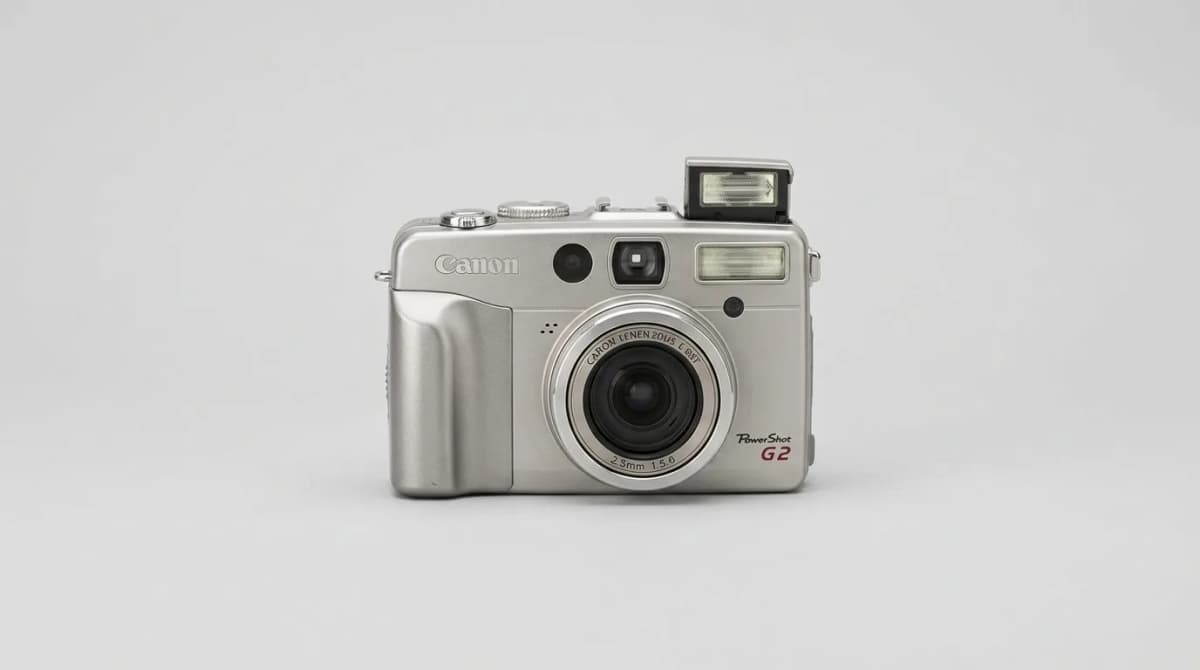
The Vintage Digicam Trend Explained
Vintage digital cameras from the early 2000s are making a comeback. Here's why photographers are ditching their smartphones for grainy, low-res digicams.
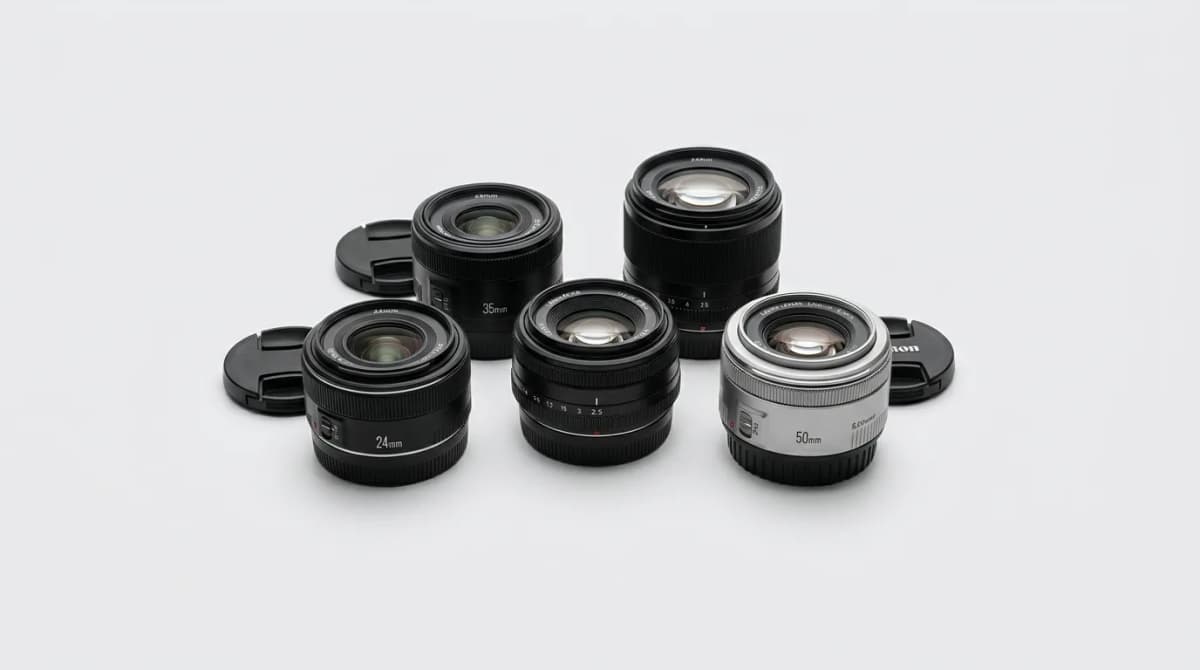
Small Prime Lenses for Travel: Why They Beat Zooms
Small prime lenses deliver sharper images and better low-light performance than zoom lenses while saving critical weight in your travel kit.
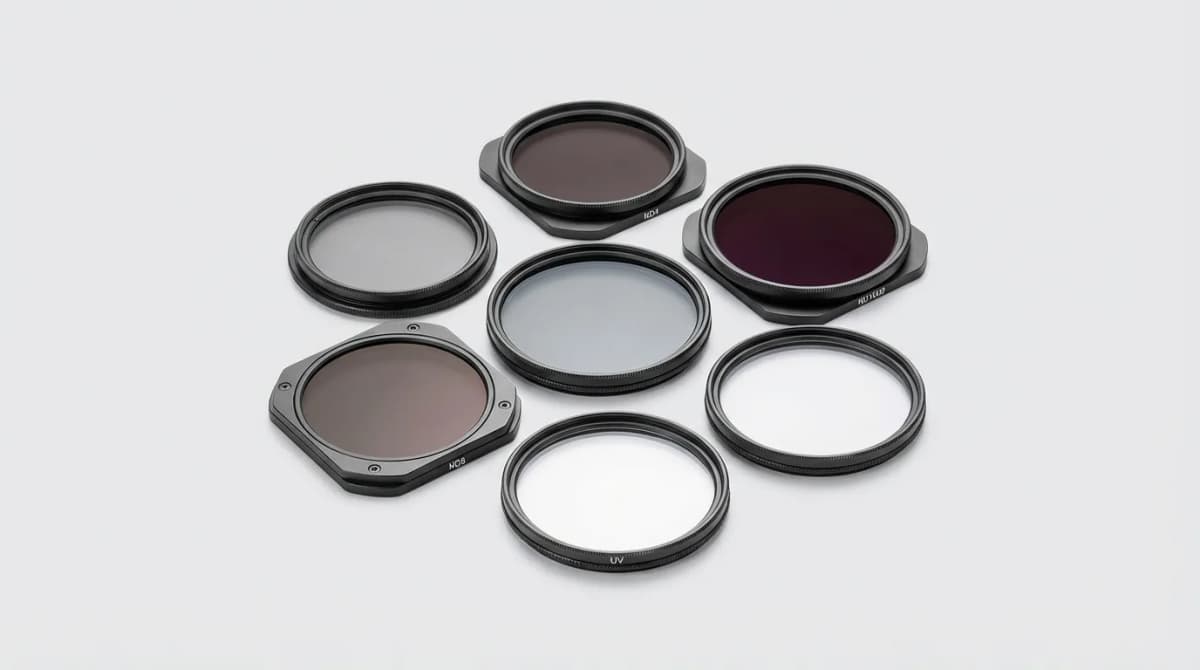
Best Lens Filters for Travel Photography
Skip the UV filter debate. These are the lens filters that actually matter for travel photography - polarizers, ND filters, and when each one earns its place in your bag.
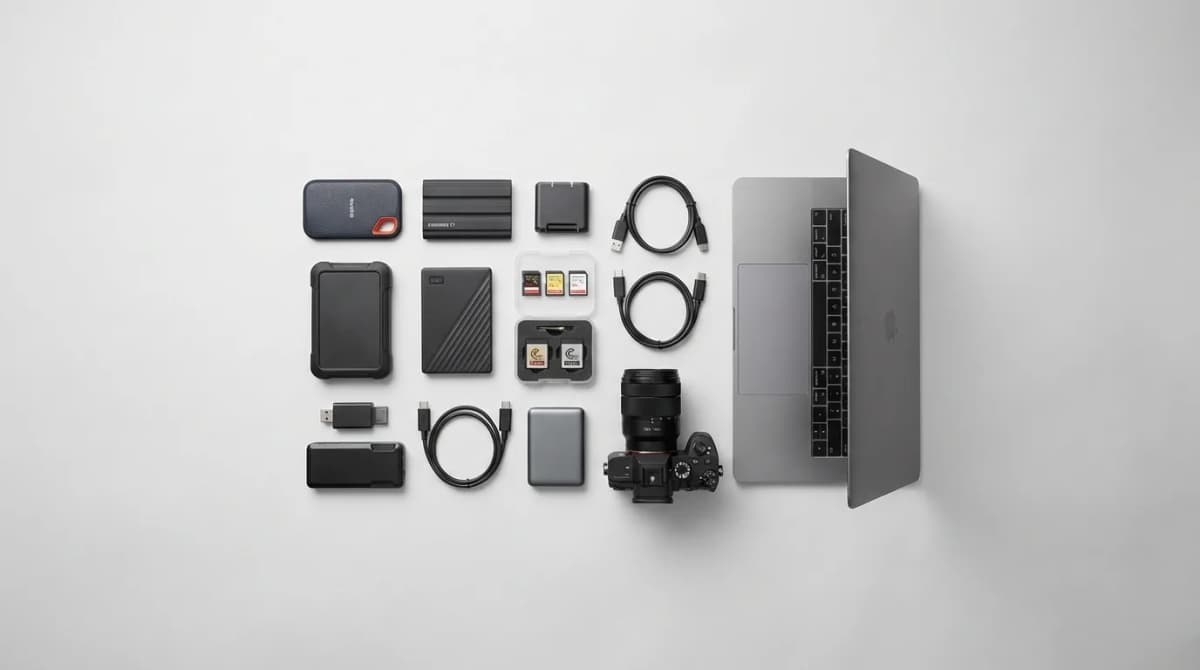
Travel Backup Workflow for Photos and Video
A practical guide to the 3-2-1 backup rule for travel creators: SSD selection, cloud sync strategies, and building a redundant workflow that survives theft and failure.