The Vintage Digicam Trend Explained
Vintage digital cameras from the early 2000s are making a comeback. Here's why photographers are ditching their smartphones for grainy, low-res digicams.
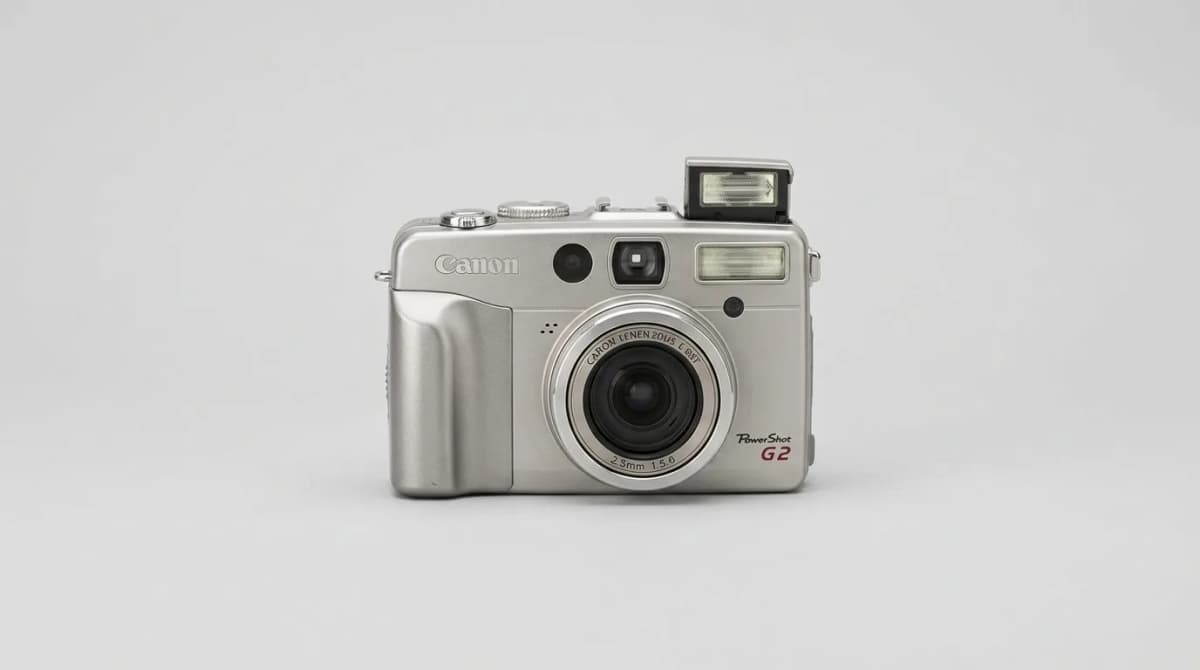
Walk into any thrift store in 2026 and you'll see shelves of digital cameras from 2005 collecting dust. Walk onto Instagram and TikTok, and you'll see those same cameras fetching $200-$400 on resale markets. The vintage digicam trend has transformed forgotten electronics into coveted gear, and it's not just nostalgia driving the movement.
Quick Picks
Our top recommendations at a glance:
- 1Canon PowerShot SD1000 Digital ELPHSee current price
- 2Sony Cyber-shot DSC-W120See current price
- 3Fujifilm FinePix Z20fdSee current price
- 4
- 5Nikon Coolpix L22See current price
These cameras produce images that smartphones physically can't replicate. The small sensors, primitive processing, and optical quirks create a look that feels both dated and refreshingly authentic. Gen Z photographers who grew up with computational photography are discovering what images look like without AI enhancement, HDR stacking, or beauty filters. The result is raw, grainy, and often unflattering - exactly the point.
Why Vintage Digicams Beat Your Smartphone
Modern smartphone cameras are engineering marvels. They merge multiple exposures, sharpen edges algorithmically, boost shadows, and smooth skin tones before you even see the image. That processing creates technically perfect photos that all look suspiciously similar.
Vintage digicams do none of that. A Canon PowerShot from 2004 captures exactly what the sensor sees: harsh lighting, visible grain at ISO 400, blown highlights, crushed shadows. Colors shift toward unnatural tones. White balance struggles indoors. The 3-megapixel sensor can't resolve fine details.
These "flaws" are features. They force you to think about lighting, composition, and exposure instead of relying on computational rescue. The images have character and variation. A party shot on a Sony Cyber-shot looks nothing like the same scene on an iPhone 15 Pro - it looks like a memory from 2006, slightly degraded and imperfect.
The physical experience matters too. Digicams have tactile controls, optical zoom lenses, and actual viewfinders (on some models). You frame shots deliberately instead of scrolling through filters. The lag between pressing the shutter and capturing the image makes you pause. Photography becomes intentional again.
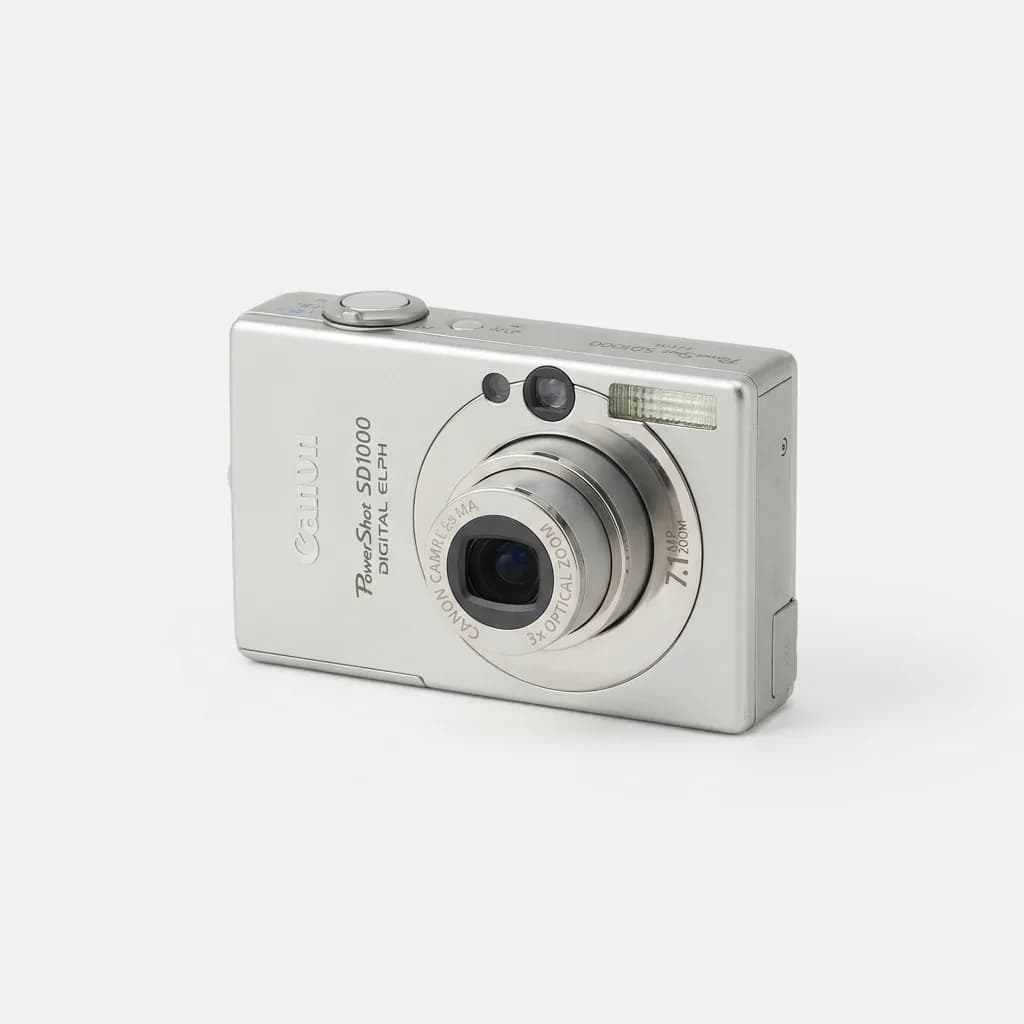
Canon PowerShot SD1000 Digital ELPH
See current price
7.1MP compact with 3x optical zoom, 2.5-inch LCD, and excellent JPEG processing. One of the most sought-after models for the vintage aesthetic.
The Best Digicams for the Retro Aesthetic
Not all vintage cameras are created equal. Some models deliver the specific look that defines the trend, while others just produce mediocre images without the charm.
Canon PowerShot SD series (ELPH in some markets) dominates the scene. The SD1000, SD1100, SD750, and SD600 all deliver warm color tones, moderate sharpness, and that distinctive early-2000s glow. They're compact, reliable, and still common in thrift stores. Prices range from $30-$150 depending on condition.
Sony Cyber-shot DSC-W series brings cooler tones and slightly more grain. The W55, W80, and W120 are popular choices. Sony's processing tends toward punchier colors and higher contrast. These cameras feel more solid than comparable Canons, with better build quality and more intuitive menus.
Nikon Coolpix L series offers an alternative aesthetic. The L18, L20, and L22 have larger bodies, longer zoom ranges, and softer image rendering. They're less "cool" in collector circles but produce dreamy, slightly hazy photos that work for portraits and lifestyle shots.
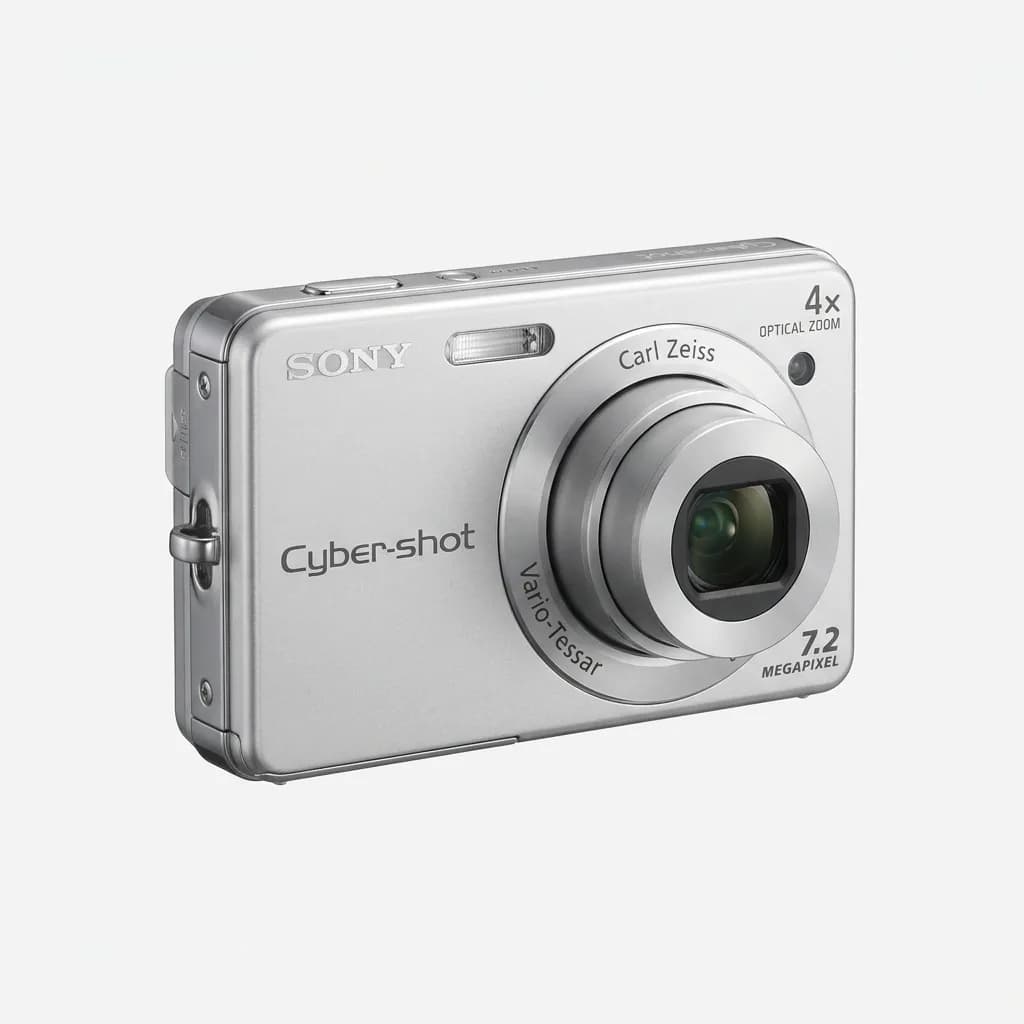
Sony Cyber-shot DSC-W120
See current price
7.2MP point-and-shoot with 4x optical zoom and Carl Zeiss lens. Known for punchy colors and excellent low-light performance for the era.
Fujifilm FinePix cameras occupy a weird middle ground. The FinePix Z and J series models are tiny, colorful, and incredibly fun. Image quality is mediocre even by digicam standards - exactly what some shooters want. The Z20fd became an icon because it's absurdly small and produces aggressively processed JPEGs with blown-out highlights and oversaturated colors.
Avoid anything marketed as "professional" or "advanced" from this era. Cameras like the Canon PowerShot G9 or Nikon Coolpix P5100 produce cleaner, sharper images that defeat the purpose. You want consumer-grade sensors and processing from 2003-2008, not semi-pro models that tried to compete with DSLRs.
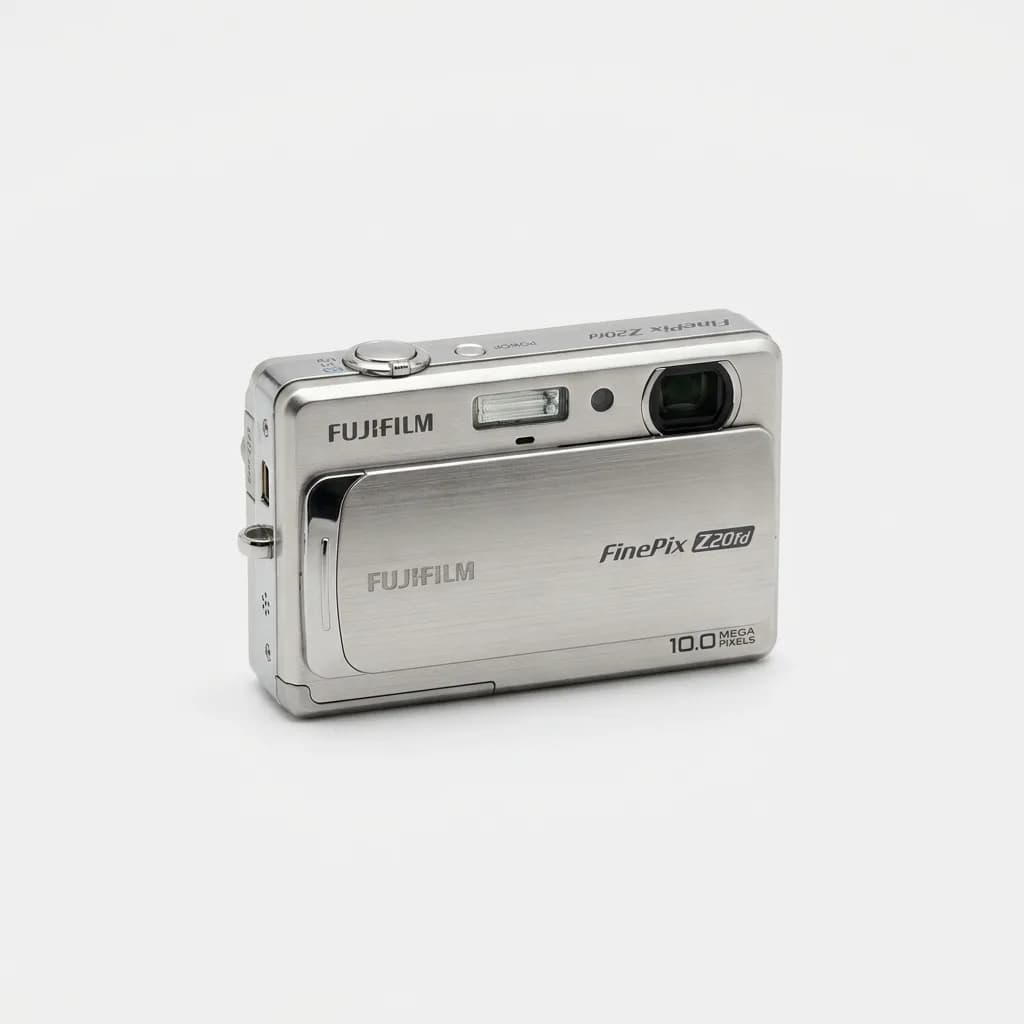
Fujifilm FinePix Z20fd
See current price
10MP ultra-compact with 3x optical zoom, 2.5-inch LCD, and signature Fujifilm color science. Cult favorite for its pocketable size and unique rendering.
What to Look for When Buying Used
Battery availability kills more vintage camera purchases than anything else. Before buying any model, search for replacement batteries on Amazon or eBay. Many proprietary battery formats are extinct or prohibitively expensive. Some cameras use standard AA or AAA batteries - those are ideal for long-term reliability.
Memory card format matters. SD card cameras are straightforward. Memory Stick (Sony), xD-Picture Card (Olympus/Fujifilm), and SmartMedia cards still exist but cost more and have limited capacity. Factor that into your budget.
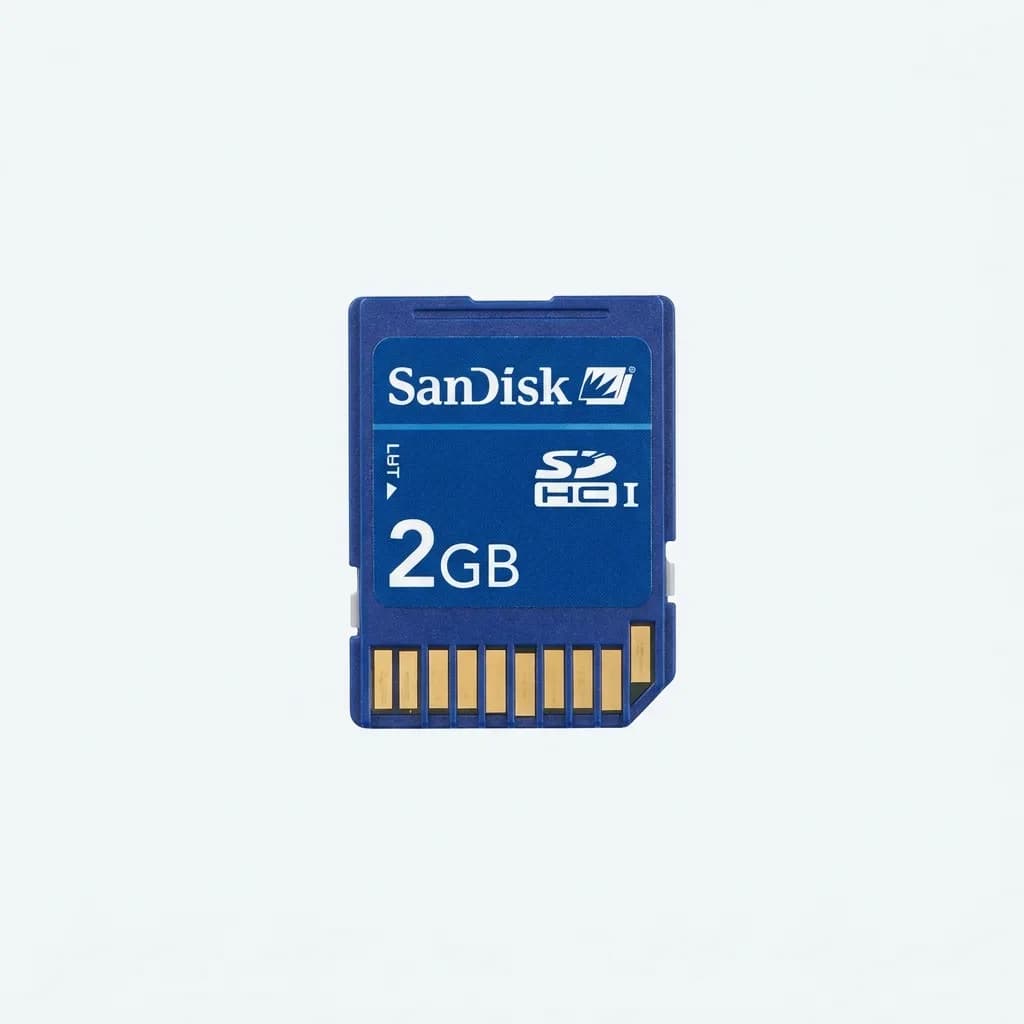
SanDisk 2GB SD Memory Card
$12
Standard SD card compatible with most vintage digicams. 2GB is the sweet spot for compatibility with older cameras that can't read SDHC cards.
Physical condition varies wildly. Check for lens scratches, cracked LCD screens, and sticky buttons. Test the zoom mechanism - it should move smoothly without grinding noises. Verify the flash fires. Dead pixels on the LCD are common and don't affect image quality, but dead pixels on the sensor show up in every photo.
Image quality from a working digicam remains consistent. Unlike film cameras where condition affects performance, a 20-year-old Canon that powers on produces the same images it did in 2005. Sensor degradation is rare. The main failure points are mechanical: zoom motors, shutter mechanisms, and battery contacts.
Where to buy depends on budget and patience. Thrift stores offer the best prices ($5-$30) but require hunting. Online marketplaces like eBay, Mercari, and Facebook Marketplace charge more ($50-$200) but offer specific models and tested functionality. Camera stores occasionally stock vintage digicams, usually overpriced for the trend.
Shooting Tips for Maximum Retro Vibes
Embrace the limitations instead of fighting them. Shoot in Auto mode - the primitive auto-exposure and white balance algorithms create unpredictable results that define the aesthetic. Manual modes on consumer digicams are clunky and defeat the spontaneous capture style.
Lighting matters more than with smartphones. Digicams have tiny sensors and limited dynamic range. Harsh midday sun creates blown highlights and deep shadows. Overcast days produce flat, muddy images. Golden hour works beautifully. Indoor lighting without flash looks terrible, which is part of the charm for party and event photography.
Use the flash liberally. The built-in flash on these cameras is harsh, direct, and unflattering - perfect for that authentic Y2K party photo look. It freezes motion, eliminates ambient light, and creates red-eye. Modern photographers trained to avoid flash are missing the signature element of digicam photography.
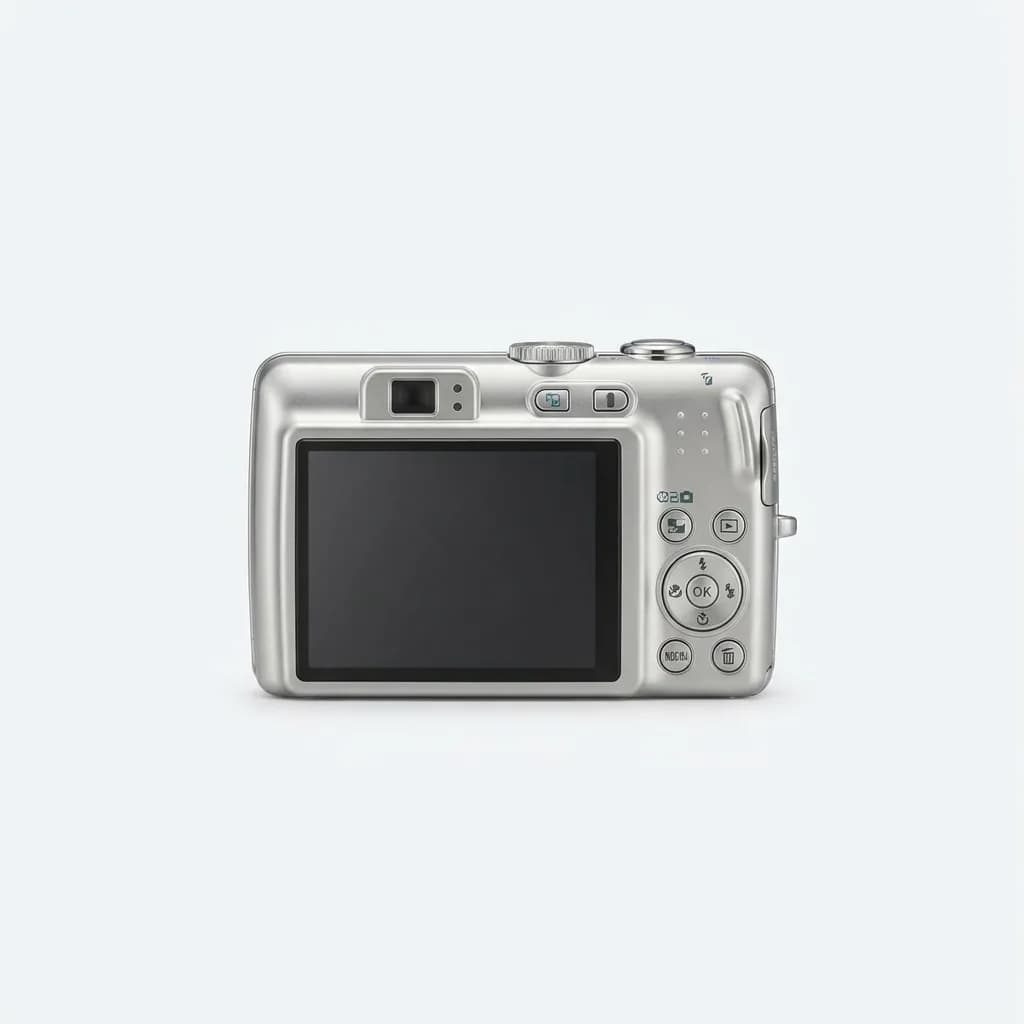
Nikon Coolpix L22
See current price
12.1MP point-and-shoot with 3.6x optical zoom and AA battery power. Budget-friendly option with soft, dreamy rendering and simple controls.
Composition becomes critical when you can't fix images in post. These cameras produce small JPEGs with limited resolution. Cropping destroys image quality. Frame carefully. Get close to subjects. Use the optical zoom instead of digital zoom (which is pure garbage on every model).
Resist the urge to edit heavily. The whole point is accepting the camera's output as final. Light adjustments to exposure or contrast are fine, but don't denoise, sharpen, or color-grade these images to look "better." They're supposed to look like digicam photos, not rescued files.
The Economics of the Trend
Prices fluctuate based on social media hype. A random TikTok featuring a specific Canon model can triple its resale value overnight. The Sony DSC-W80 sold for $20-$40 until mid-2024, when influencer coverage pushed prices to $150-$200. Market dynamics are irrational.
Some sellers exploit the trend by listing garbage cameras as "vintage aesthetic Y2K" for absurd prices. A broken Kodak EasyShare is still a broken camera, regardless of marketing. Do your research on specific models before buying.
Long-term value is uncertain. This could be a temporary trend that collapses when the next aesthetic movement emerges, flooding the market with worthless cameras again. Or these models could become genuinely collectible as functional examples become scarce. If you're buying to flip, you're gambling. If you're buying to shoot, the current price is the price.
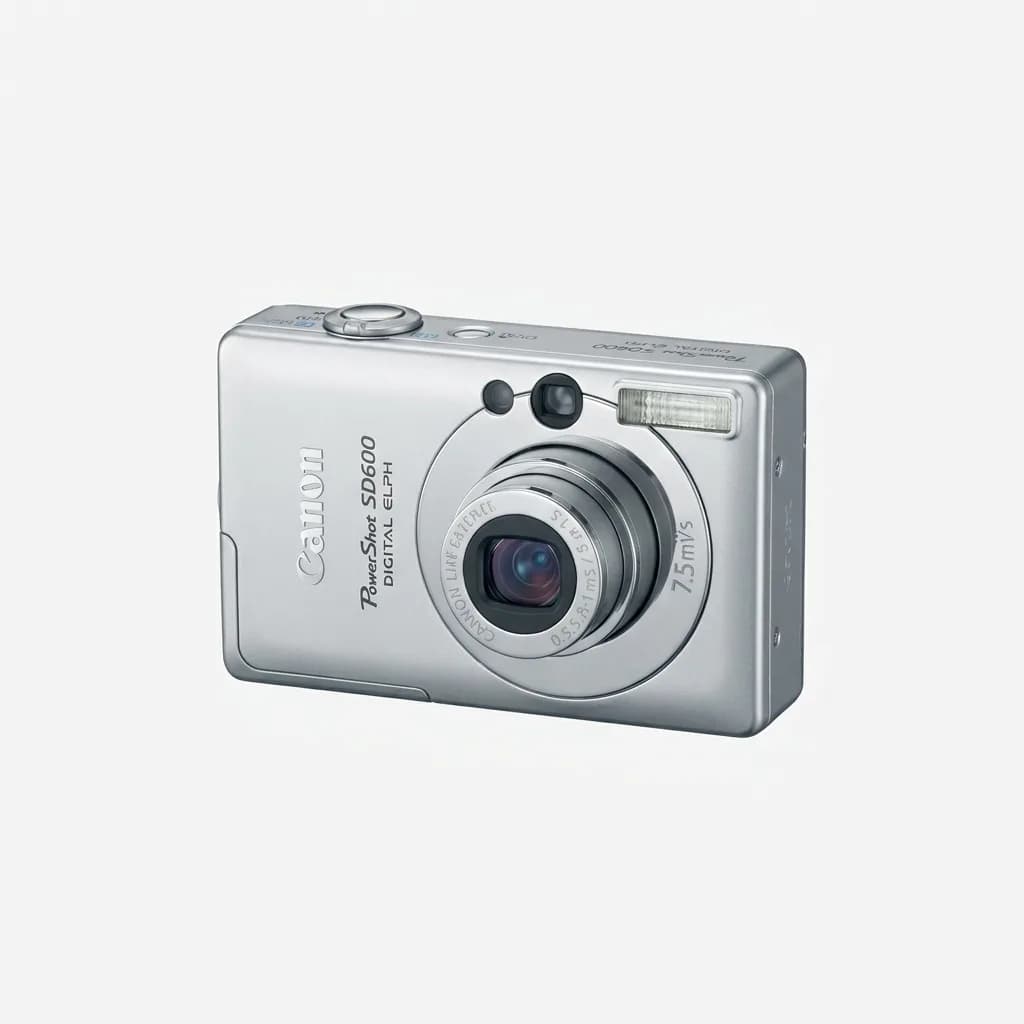
Canon PowerShot SD600 Digital ELPH
See current price
6MP ultra-compact with 3x optical zoom, metal body, and excellent color rendering. Cult classic with strong collector demand and reliability.
The real competition is modern digital cameras with "retro" modes. Some newer compacts and mirrorless cameras include filters that simulate film or vintage digital looks. These are computational approximations. They nail the color and grain but miss the authentic rendering flaws - the weird edge artifacts, the exposure quirks, the unpredictable white balance shifts. Close, but not identical.
Why This Trend Actually Matters
Beyond aesthetics, the digicam revival represents pushback against algorithmic image processing. Every smartphone photo passes through AI-powered enhancement that makes editorial decisions without user input. Skin smoothing, sky replacement, subject isolation - these happen automatically and invisibly.
Vintage digicams are pre-AI photography. The camera captures light, converts it to data, and saves a file. No machine learning, no computational tricks, no content-aware anything. What you shot is what you get. For photographers tired of software making creative choices, that's liberating.
The trend also rescues functional technology from landfills. Millions of working digital cameras became e-waste when smartphones replaced them. Reusing these devices extends their life, reduces demand for new manufacturing, and challenges the upgrade cycle. Not everyone needs a $1,200 phone camera when a $40 Canon produces images they prefer.
It's teaching a generation raised on infinite digital storage about constraints. Vintage digicams have small memory cards and limited battery life. You can't shoot 500 photos at an event. You take 30-40 deliberate shots, review them on the tiny LCD, and that's your coverage. Constraints force intention.
Whether the trend lasts another year or becomes a permanent subculture, vintage digicams have proven that "obsolete" is subjective. These cameras deliver a specific creative output that newer technology can't replicate. They're fun, affordable, and genuinely different from everything else in photography right now. That's enough.
The Weekly Dispatch
Enjoying this article?
Subscribe and get our best gear picks delivered every Sunday morning.
Related Posts
Small Prime Lenses for Travel: Why They Beat Zooms
Small prime lenses deliver sharper images and better low-light performance than zoom lenses while saving critical weight in your travel kit.
Best Lens Filters for Travel Photography
Skip the UV filter debate. These are the lens filters that actually matter for travel photography - polarizers, ND filters, and when each one earns its place in your bag.
Travel Backup Workflow for Photos and Video
A practical guide to the 3-2-1 backup rule for travel creators: SSD selection, cloud sync strategies, and building a redundant workflow that survives theft and failure.
Vintage Lenses on Modern Cameras: A Beginner's Guide
Vintage lenses offer unique image character and serious cost savings on modern mirrorless cameras. Here's how to choose adapters, master manual focus, and avoid common pitfalls.