Small Prime Lenses for Travel: Why They Beat Zooms
Small prime lenses deliver sharper images and better low-light performance than zoom lenses while saving critical weight in your travel kit.
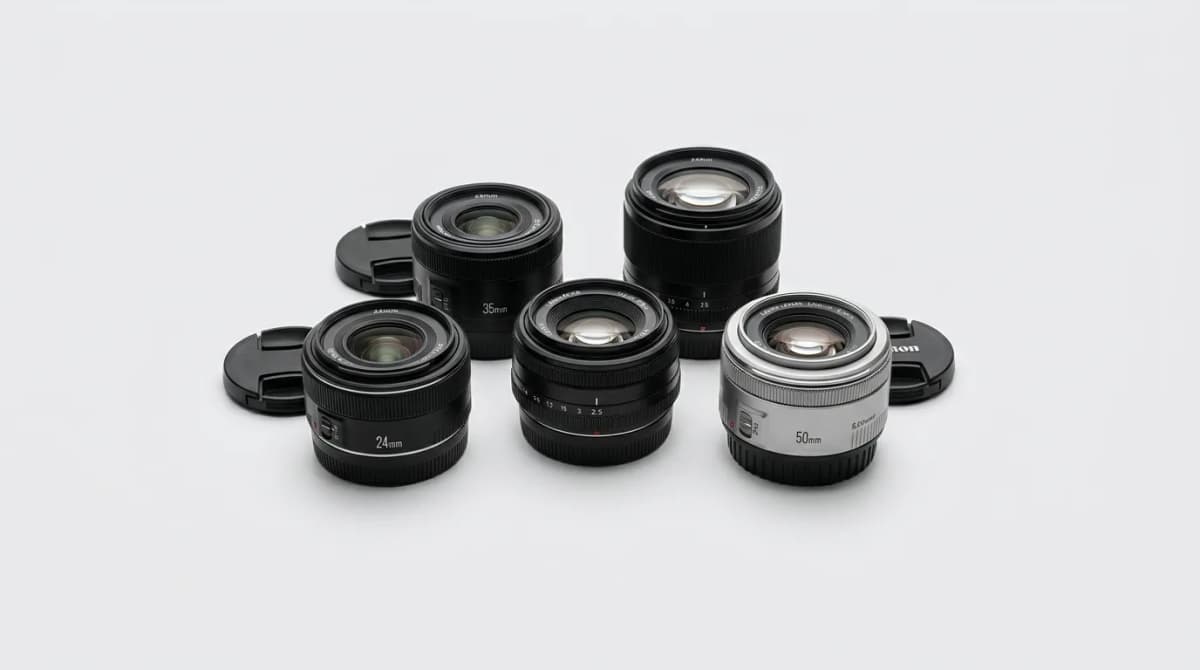
Travel photographers pack too much glass. A single versatile zoom sounds practical until you carry it through three flights and realize your bag weighs twelve pounds. Small prime lenses force creative framing while giving you better optical quality, wider apertures, and half the weight.
Quick Picks
Our top recommendations at a glance:
- 1
- 2
- 3
- 4
- 5
The tradeoff is real. Primes lock you into one focal length, which means moving your feet instead of twisting a ring. But that limitation becomes an advantage once you commit to it. You'll shoot faster, think more deliberately, and end up with cleaner files that don't need as much correction in post.
Why Prime Lenses Matter for Travel Photography
Zoom lenses compromise sharpness to cover a range of focal lengths. Prime lenses optimize for one distance, which means simpler optical designs with fewer elements and less distortion. You'll see the difference in corner sharpness, chromatic aberration control, and contrast.
Weight savings add up fast. A 24-70mm f/2.8 zoom weighs around 800 grams. Three compact primes covering the same range weigh 450 grams combined. That's an extra 350 grams for a battery, memory cards, or just less strain on your shoulder.
Wider maximum apertures give you two advantages. First, you can shoot in darker environments without cranking ISO into noisy territory. Second, shallow depth of field isolates subjects cleanly, which matters for portraits and detail shots where you want separation from busy backgrounds.
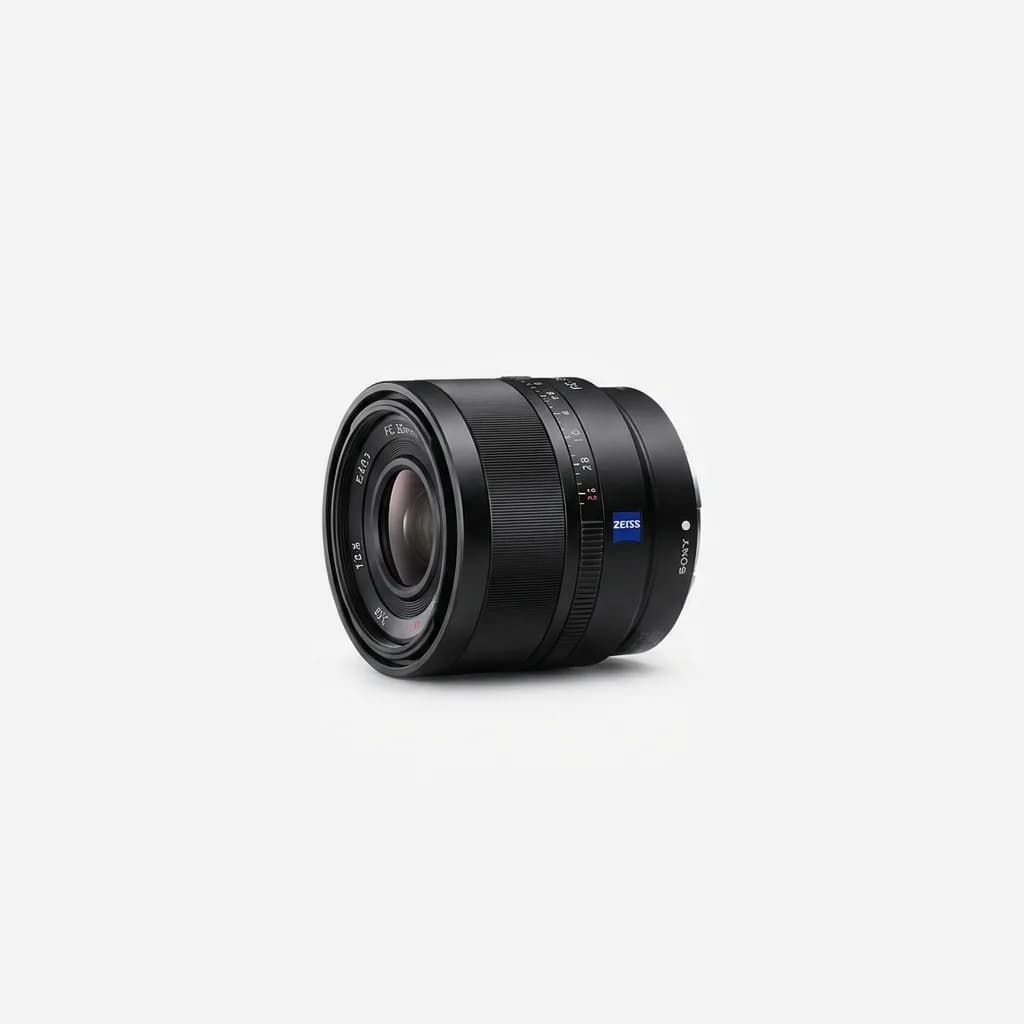
Sony FE 35mm f/2.8 ZA
$798
Zeiss-designed ultra-compact prime with excellent sharpness across the frame. Weather-sealed construction, 120g weight, perfect walk-around focal length for full-frame Sony cameras.
Best Focal Lengths for Different Travel Situations
35mm equivalents work for most travel scenarios. It's wide enough for architecture and environmental shots but tight enough for food, markets, and candid portraits without excessive distortion. If you only pack one lens, this is it.
50mm equivalents suit portrait work and detail photography. You'll need more space to back up for full scenes, but you get natural perspective and flattering compression for faces. Street photographers prefer this focal length because it matches how we naturally see the world without wide-angle exaggeration.
24mm or 28mm equivalents handle landscapes, interiors, and tight spaces where you can't back up. Hotels, narrow streets, and crowded markets all demand wider coverage. Just watch for distortion at the edges when shooting architecture.
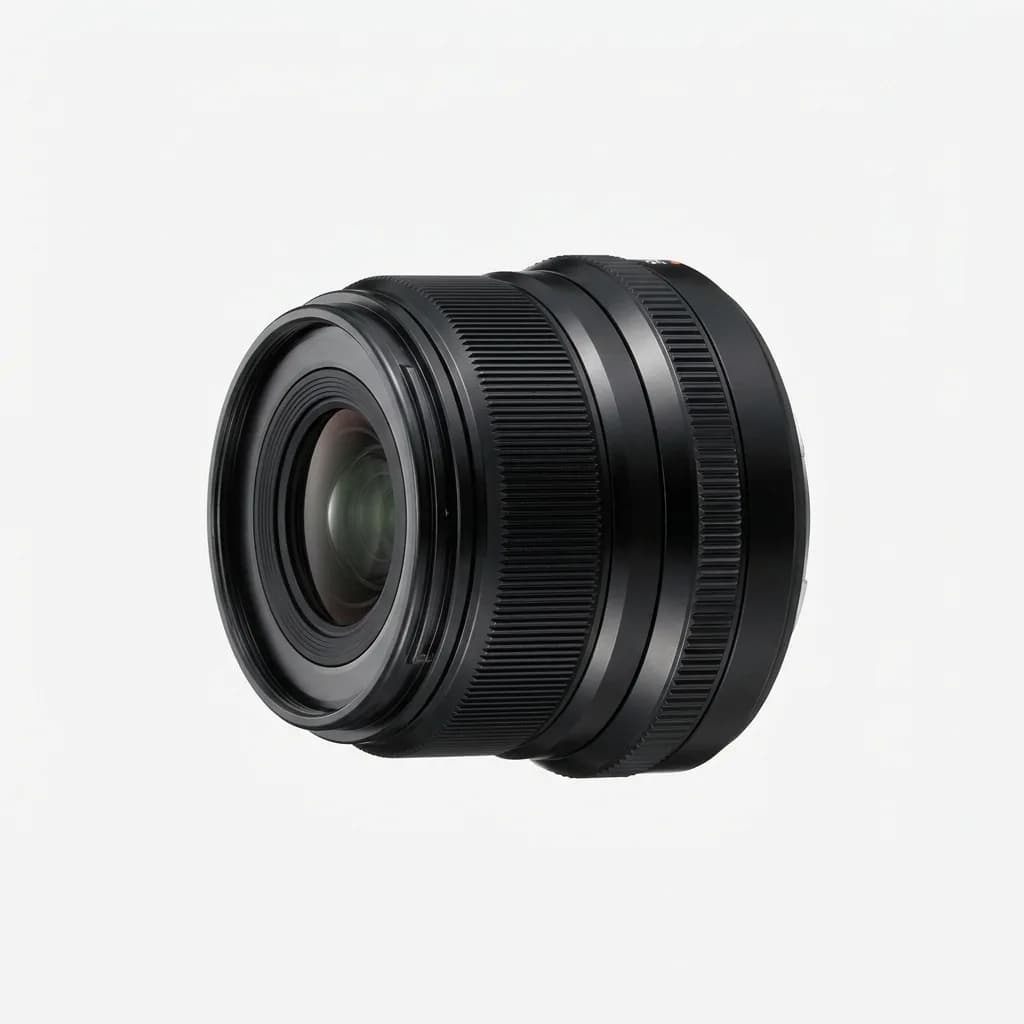
Fujifilm XF 23mm f/2 R WR
$449
Compact weather-resistant prime (35mm equivalent) with fast autofocus and excellent build quality. 180g weight, metal construction, minimal focus breathing for video work.
The 85mm-100mm range fills a specific role. Tight portraits with beautiful bokeh, architectural details, and isolating small subjects in busy environments all benefit from longer focal lengths. These aren't everyday walkaround lenses, but if portraiture matters to your trip, they're essential.
Pancake Lenses: Maximum Portability with Compromises
Pancake lenses prioritize size above everything else. They extend less than an inch from the camera body, which means you can fit a camera with a mounted lens into a jacket pocket or small sling bag. The Canon RF 28mm f/2.8 STM weighs just 120 grams and disappears on a camera body.
Optical compromises are minimal with modern designs. Early pancake lenses sacrificed sharpness and suffered from noticeable distortion, but current options from Sony, Canon, and Fujifilm deliver excellent center and corner performance. You're mostly giving up maximum aperture since most pancakes top out at f/2.8 instead of f/1.8 or f/1.4.
Autofocus speed varies significantly. Some pancake designs use linear motors that snap to focus instantly, while budget options rely on slower stepping motors that hunt in low light. If you shoot moving subjects or need fast reactions, check reviews for autofocus performance before buying.
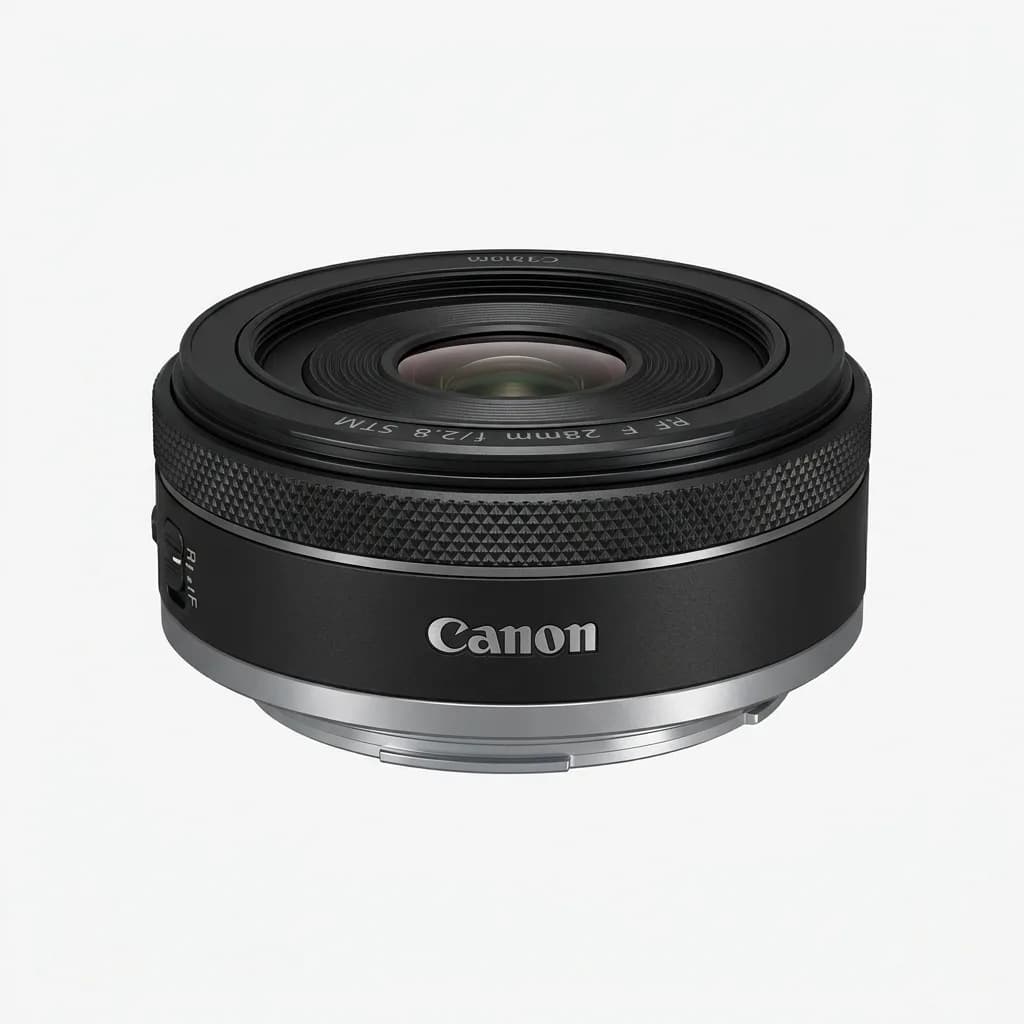
Canon RF 28mm f/2.8 STM
$299
Ultra-compact pancake lens for Canon RF mount. 120g weight, weather-sealed, discrete profile for street photography. Excellent corner sharpness despite minimal size.
Fast Aperture Primes vs. Compact Primes
Fast aperture primes (f/1.4 or f/1.8) excel in low light and create dramatic background separation. You can shoot handheld in museums, restaurants, and evening streets without flash. The Sony 35mm f/1.4 GM gathers twice as much light as an f/2 lens, which translates to cleaner files at lower ISO settings.
Size and weight increase with wider apertures. Larger glass elements require bigger lens barrels and more robust focusing mechanisms. A 50mm f/1.4 typically weighs 250-350 grams, while a 50mm f/2.8 pancake weighs 120-180 grams. That difference matters when you're carrying a bag for eight hours.
Compact primes sacrifice one or two stops of maximum aperture but deliver 70-80% of the image quality at half the weight. Modern sensors handle ISO 3200 cleanly, which offsets the smaller aperture in most situations. Unless you regularly shoot in near darkness or need paper-thin depth of field, compact primes offer better value for travel.
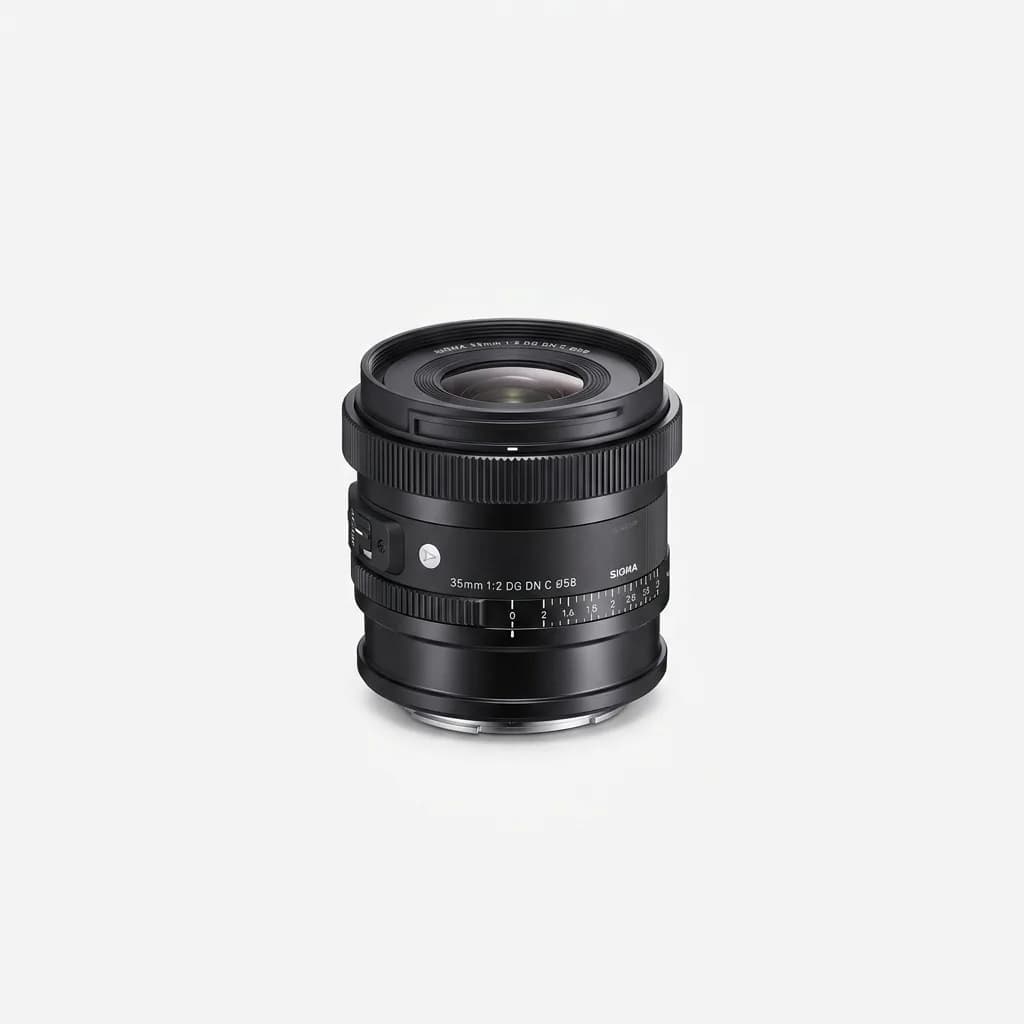
Sigma 35mm f/2 DG DN Contemporary
$639
Compact full-frame prime for Sony E and Leica L mounts. 325g weight, excellent optical performance, weather-sealed construction. Superior value for image quality per dollar.
What About Manual Focus Options?
Manual focus primes strip away autofocus motors, electronics, and complex mechanisms. The result is smaller, lighter lenses with smooth focus rings and often superior build quality. The Voigtlander 35mm f/1.4 Classic weighs just 200 grams despite its fast aperture.
Modern mirrorless cameras make manual focus practical. Focus peaking highlights in-focus areas in real time, while focus magnification lets you zoom into the frame to nail critical sharpness. These assist features work better than optical focusing through a DSLR viewfinder ever did.
The learning curve exists but isn't steep. You'll miss some shots initially while adjusting, but muscle memory develops quickly. Manual focus forces you to slow down and compose more deliberately, which often leads to stronger images than rapid-fire autofocus shooting.
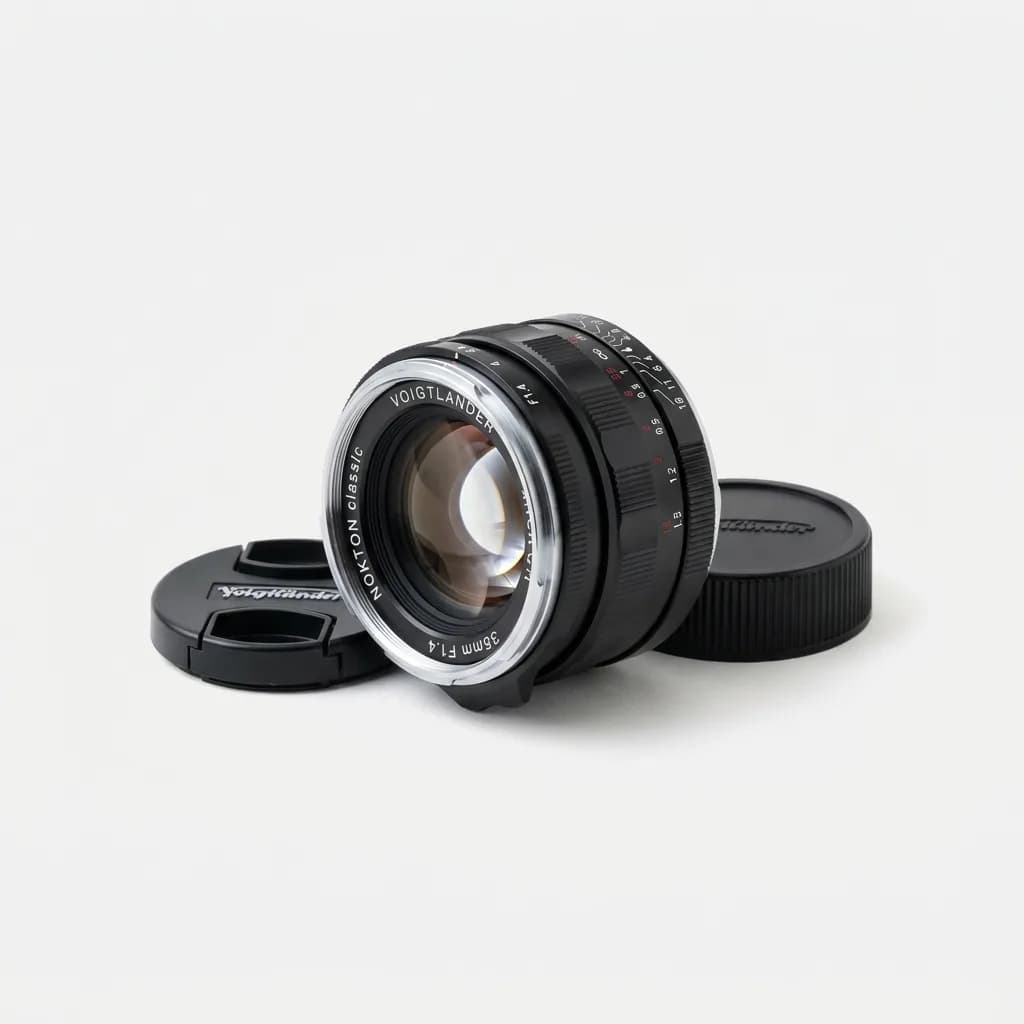
Voigtlander 35mm f/1.4 Nokton Classic
$699
Premium manual-focus prime with classic rendering and compact all-metal construction. 200g weight, smooth focus ring, excellent close focus performance. Available for multiple mounts.
Building a Three-Lens Travel Kit
Start with a 35mm equivalent as your primary lens. This focal length handles most situations competently and forces you to work within productive constraints. Shoot with only this lens for a week before adding others.
Add a 50mm or 23mm depending on your shooting style. Portrait photographers benefit from 50mm compression and subject isolation. Landscape and street photographers gain flexibility from 23mm's wider coverage. Don't buy both unless you have specific use cases that demand each focal length.
The third lens covers edge cases. An 85mm portrait lens, 16mm ultra-wide, or 90mm macro fills gaps in your primary kit. This shouldn't be a lens you use daily, it's insurance for situations where your main lenses won't work.
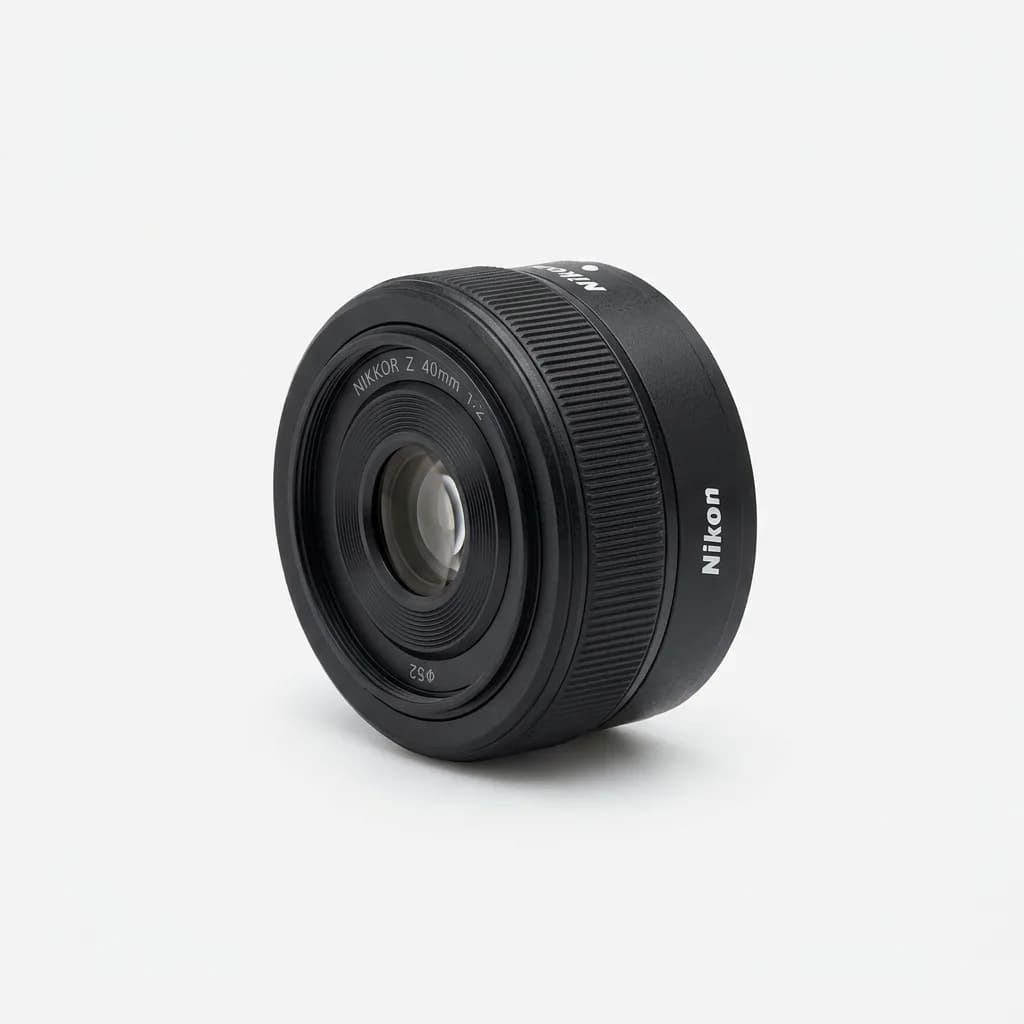
Nikon Z 40mm f/2
$277
Affordable compact prime for Nikon Z mount. 170g weight, weather-sealed, snappy autofocus. Versatile focal length between standard and portrait ranges.
Common Mistakes When Choosing Travel Primes
Buying too many focal lengths defeats the purpose of traveling light. Each additional lens adds decision fatigue. You'll waste time swapping glass instead of shooting. Limit yourself to two lenses for trips under a week.
Prioritizing speed over size undermines the compact advantage. An f/1.4 prime that weighs 500 grams offers no benefit over a zoom if weight matters. Be honest about how often you actually need f/1.4 versus f/2 or f/2.8.
Ignoring weather sealing creates anxiety in unpredictable conditions. Sealed lenses let you shoot in light rain, dusty environments, and humid climates without worry. The peace of mind justifies the modest price premium.
How These Lenses Change Your Shooting Style
Fixed focal lengths eliminate zoom creep, where you default to zooming instead of moving. You'll compose more intentionally because changing perspective requires physical repositioning. This constraint produces stronger images with better use of foreground and background elements.
Lighter bags mean more willingness to bring your camera everywhere. A compact prime on a small mirrorless body fits in a daily carry bag without dominating the space. You'll capture more spontaneous moments because the camera isn't a burden.
Faster maximum apertures open creative possibilities that zooms can't match. Environmental portraits with creamy bokeh, low-light interiors without flash, and selective focus for storytelling all become easier with f/1.8 or f/2 glass.
Prime lenses force commitment to a focal length, which builds visual instincts faster than working with zooms. After shooting 35mm exclusively for a month, you'll pre-visualize compositions before raising the camera. That skill translates to better work with any lens.
Most photographers overthink their travel kit. Three compact primes weigh less than one professional zoom, deliver better image quality, and force you to engage with scenes instead of standing in one spot twisting a zoom ring. The constraint becomes the advantage.
The Weekly Dispatch
Enjoying this article?
Subscribe and get our best gear picks delivered every Sunday morning.
Related Posts
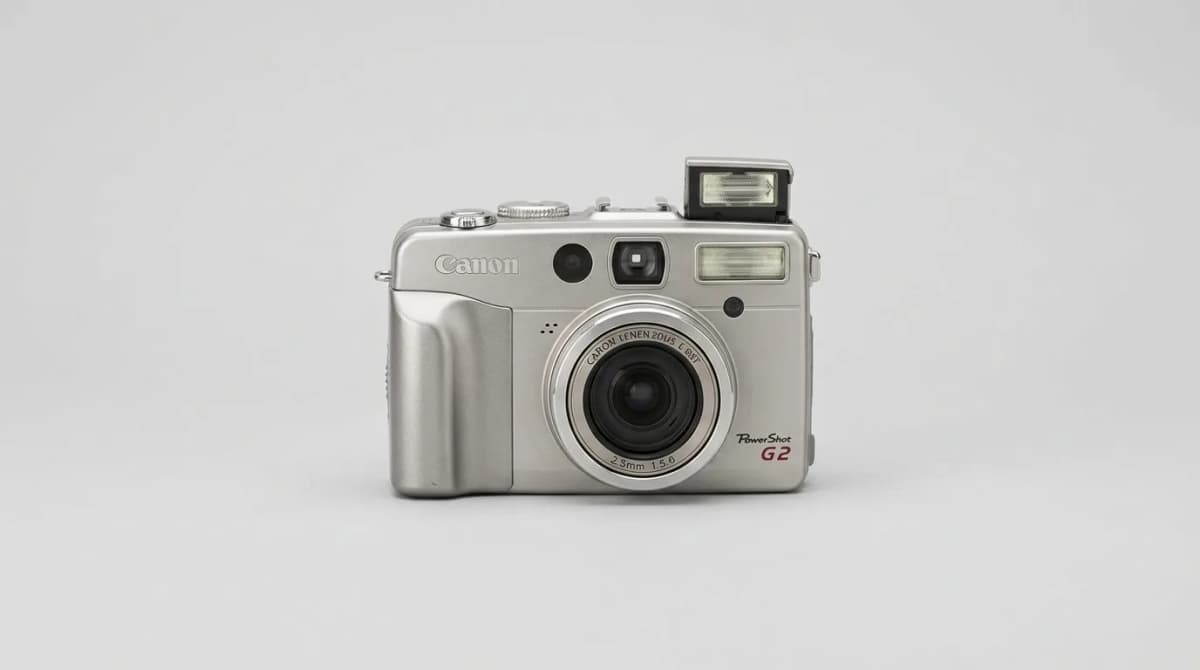
The Vintage Digicam Trend Explained
Vintage digital cameras from the early 2000s are making a comeback. Here's why photographers are ditching their smartphones for grainy, low-res digicams.
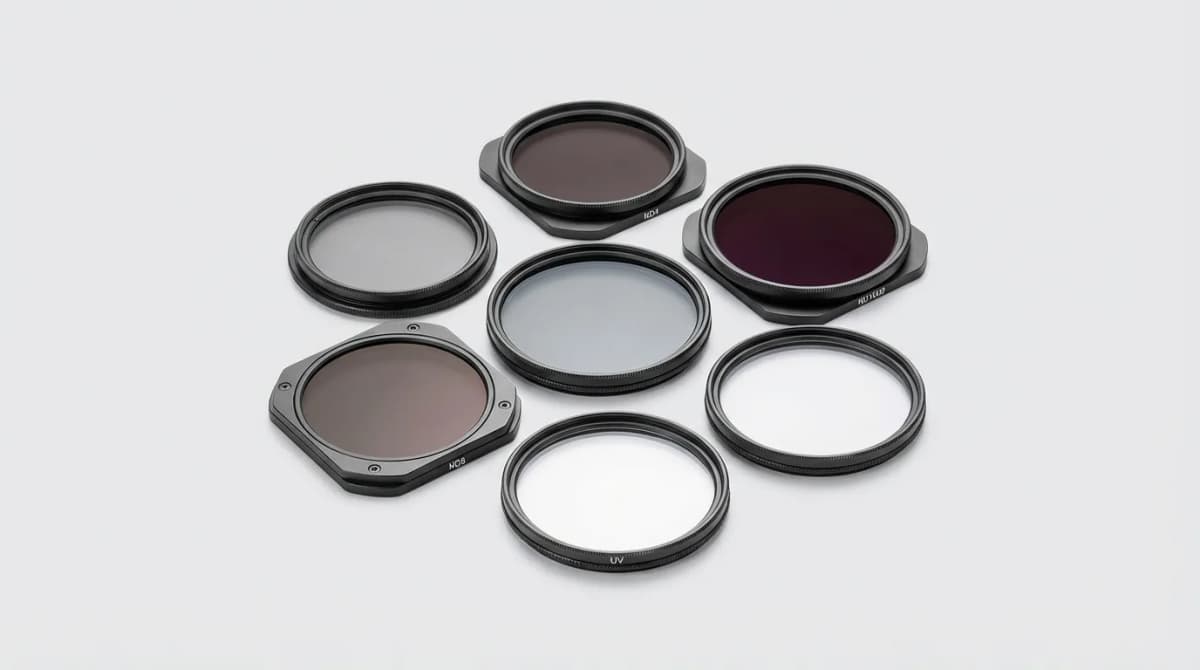
Best Lens Filters for Travel Photography
Skip the UV filter debate. These are the lens filters that actually matter for travel photography - polarizers, ND filters, and when each one earns its place in your bag.
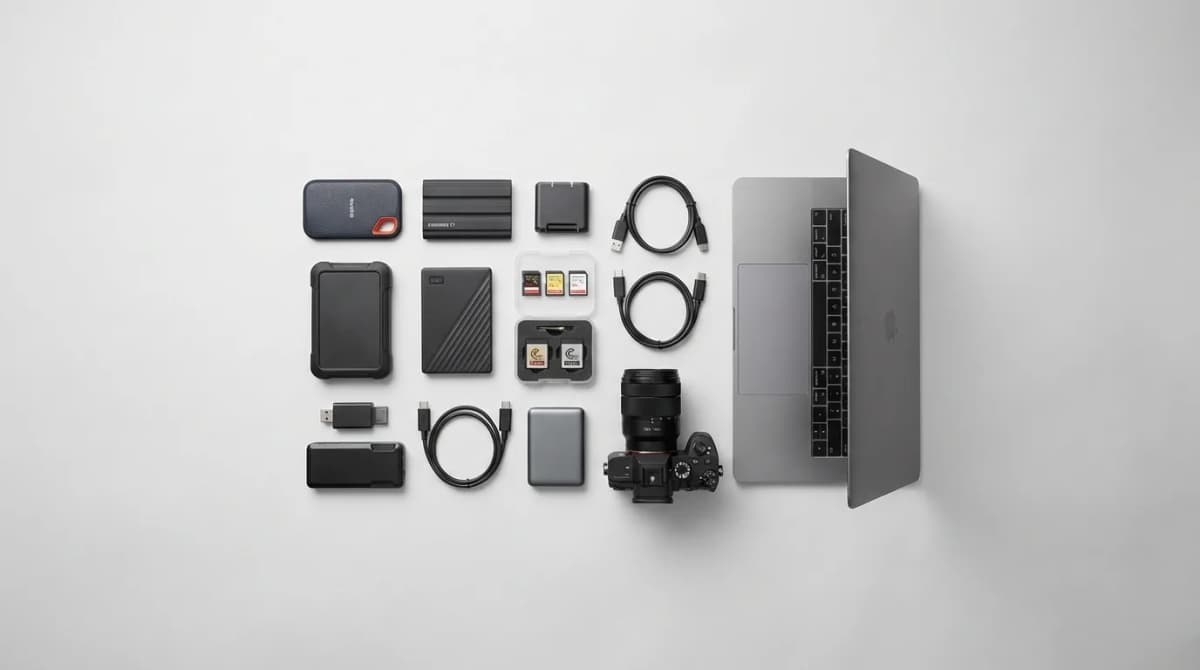
Travel Backup Workflow for Photos and Video
A practical guide to the 3-2-1 backup rule for travel creators: SSD selection, cloud sync strategies, and building a redundant workflow that survives theft and failure.
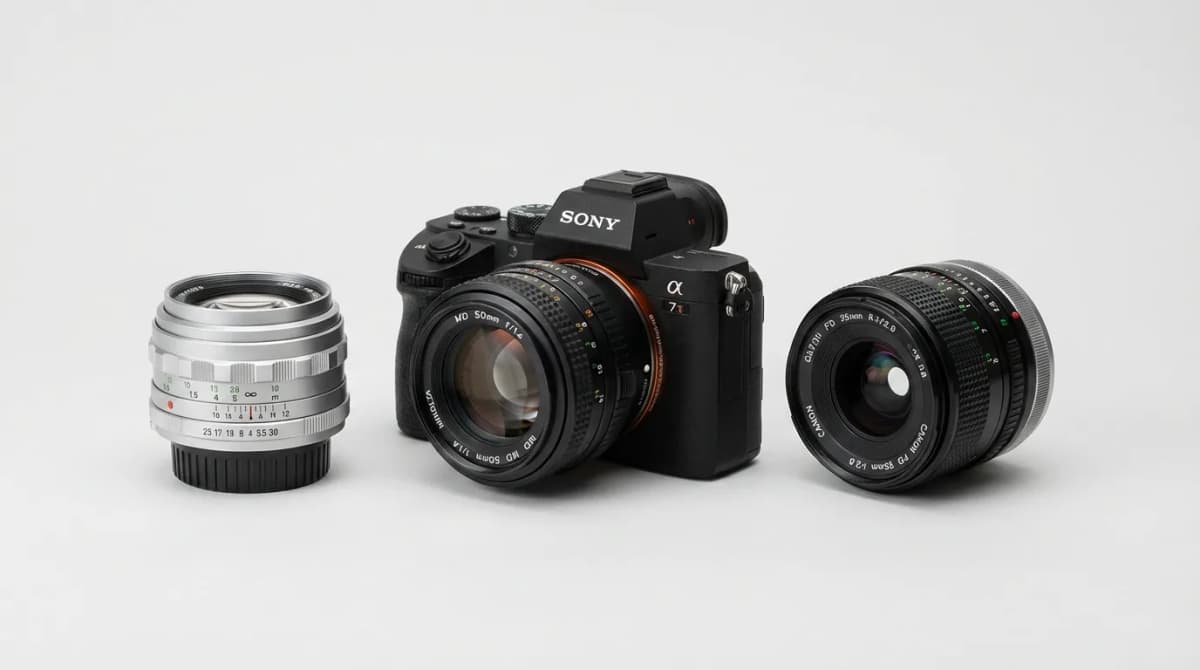
Vintage Lenses on Modern Cameras: A Beginner's Guide
Vintage lenses offer unique image character and serious cost savings on modern mirrorless cameras. Here's how to choose adapters, master manual focus, and avoid common pitfalls.