Best Pocket-Friendly Sunglasses Cases
Hard shells can crack and soft pouches can scratch lenses. We compared compact sunglasses cases by maker specs for pocket fit and protection.
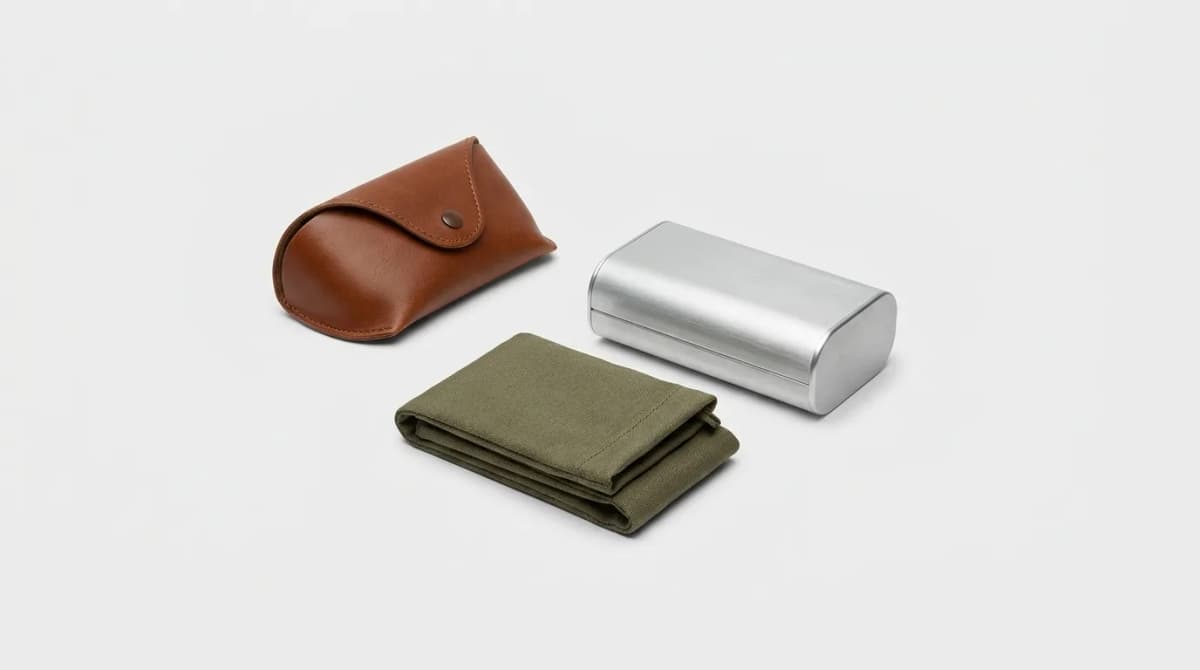
You fold your sunglasses, stuff them in your jacket pocket, and pull them out later with a fresh scratch across the lens. Or you carry the bulky clamshell case that came with them, which takes up half your bag and still cracks when you sit on it wrong. Most sunglasses cases fail at their one job: protecting your eyewear without adding bulk you'll resent carrying.
Quick Picks
Our top recommendations at a glance:
- 1
- 2
- 3
- 4
- 5
The ideal pocket case disappears until you need it. It should slide into a front jeans pocket, protect against drops and pressure, and open smoothly with one hand. Across hard shells, soft pouches, and hybrid designs, these are the cases that deliver on that promise.
Why Hard Shell Cases Win for Daily Carry
Hard cases take hits that would destroy your sunglasses. Drop your keys on a soft pouch in your bag and you'll feel the frames flex through the fabric. Hard shells distribute impact force across the entire case structure instead of transmitting it directly to your lenses.
The tradeoff is bulk. A rigid case occupies the same space whether it's full or empty, so size discipline matters. Look for cases that match your frame dimensions closely. An oversized hard shell lets sunglasses rattle around inside, which defeats the protection benefit and makes the whole package unnecessarily large.
EVA foam hard shells hit the sweet spot for pocket carry. They're lighter than aluminum, more dent-resistant than plastic, and flexible enough to squeeze into tight spaces without cracking. The foam compression gives you about 5-10% size flexibility that rigid materials don't offer.
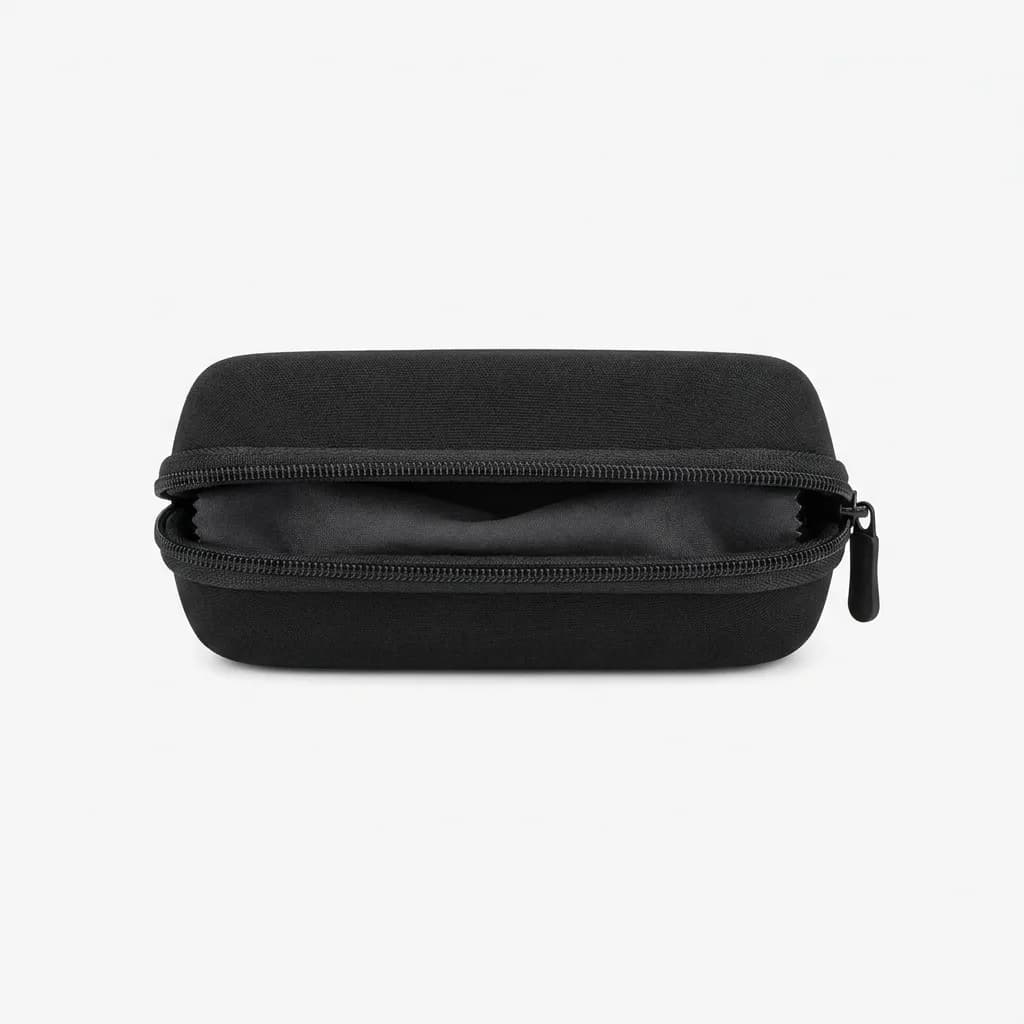
Shady Rays Protective Hard Case
$15
EVA foam construction with semi-rigid shell. Fits standard wayfarers and aviators. Compact 6.5 x 3 x 2.5 inch profile slides into jacket pockets. Zipper closure with microfiber interior.
Weight matters more than you expect. A 6-ounce aluminum case feels fine in your hand but becomes annoying in your pocket after an hour. Keep the total weight under 4 ounces for all-day comfort. Most quality EVA cases land between 2.5-3.5 ounces, which is light enough to forget about.
Soft Cases Work If You Understand Their Limits
Soft pouches protect against scratches but nothing else. They're excellent secondary protection when your sunglasses live in a dedicated bag pocket, terrible as standalone pocket carry. We've cracked frames inside soft cases just from the pressure of sitting down with a phone in the same pocket.
The best soft cases use thick neoprene (3-4mm minimum) or padded microfiber with reinforced stitching at stress points. Thin synthetic pouches that come free with gas station sunglasses are basically lens-scratch factories. If the material feels floppy or you can easily press your fingers together through both sides, it won't protect anything.
Soft cases excel at minimizing bulk. A good pouch adds less than 0.25 inches of material around your frames and compresses to nearly nothing when empty. This makes them ideal for backup sunglasses in travel bags or glove compartments where space is tight but the environment is controlled.
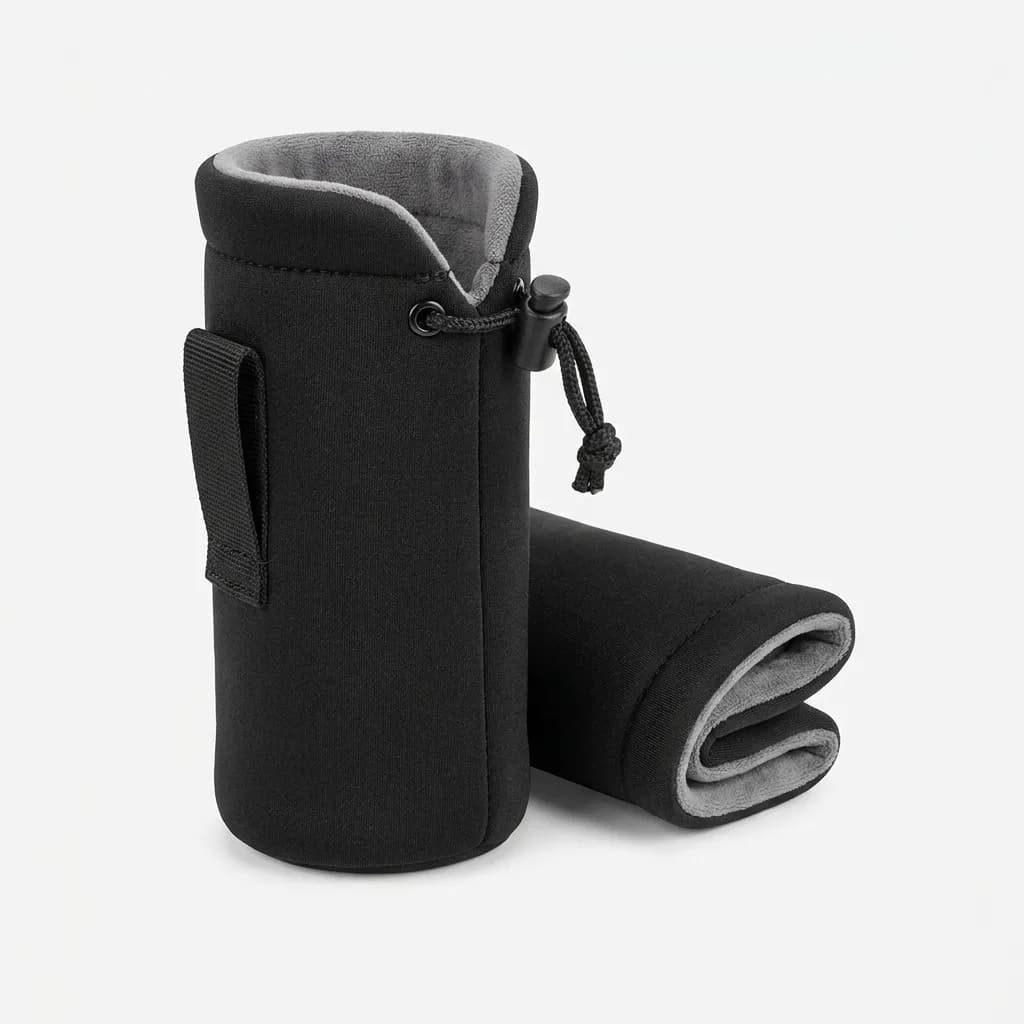
MoKo Neoprene Sunglasses Pouch
$8
4mm neoprene with soft microfiber lining. Drawstring closure and belt loop. Fits most standard frame sizes. Machine washable exterior. Compact collapsed size.
Look for magnetic or zipper closures instead of drawstrings. Drawstrings loosen in your pocket and dump your sunglasses into the void where pocket lint lives. Magnetic closures snap shut automatically and open with a quick pinch. Zippers are more secure but slower to access.
Aluminum Cases Handle Abuse But Add Weight
Aircraft aluminum cases survive the kind of abuse that destroys everything else. They can shrug off direct impacts from dropped tools or a desk chair rolling over them. If you work in construction, industrial environments, or just tend to destroy things, aluminum justifies the weight penalty.
The catch is thermal conductivity. Metal cases get hot in the sun and cold in winter, which can stress frame materials and coatings. Cheap aluminum cases also develop sharp edges at seams and hinges that will eventually shred your pocket lining. Look for rounded edges and anodized finishes that resist scratching.
Quality aluminum cases include foam or felt interiors that secure frames in place. Without interior padding, metal-on-plastic contact can scratch frame coatings during transport. Some cases use elastic straps, but these loosen over time and let frames slide around.
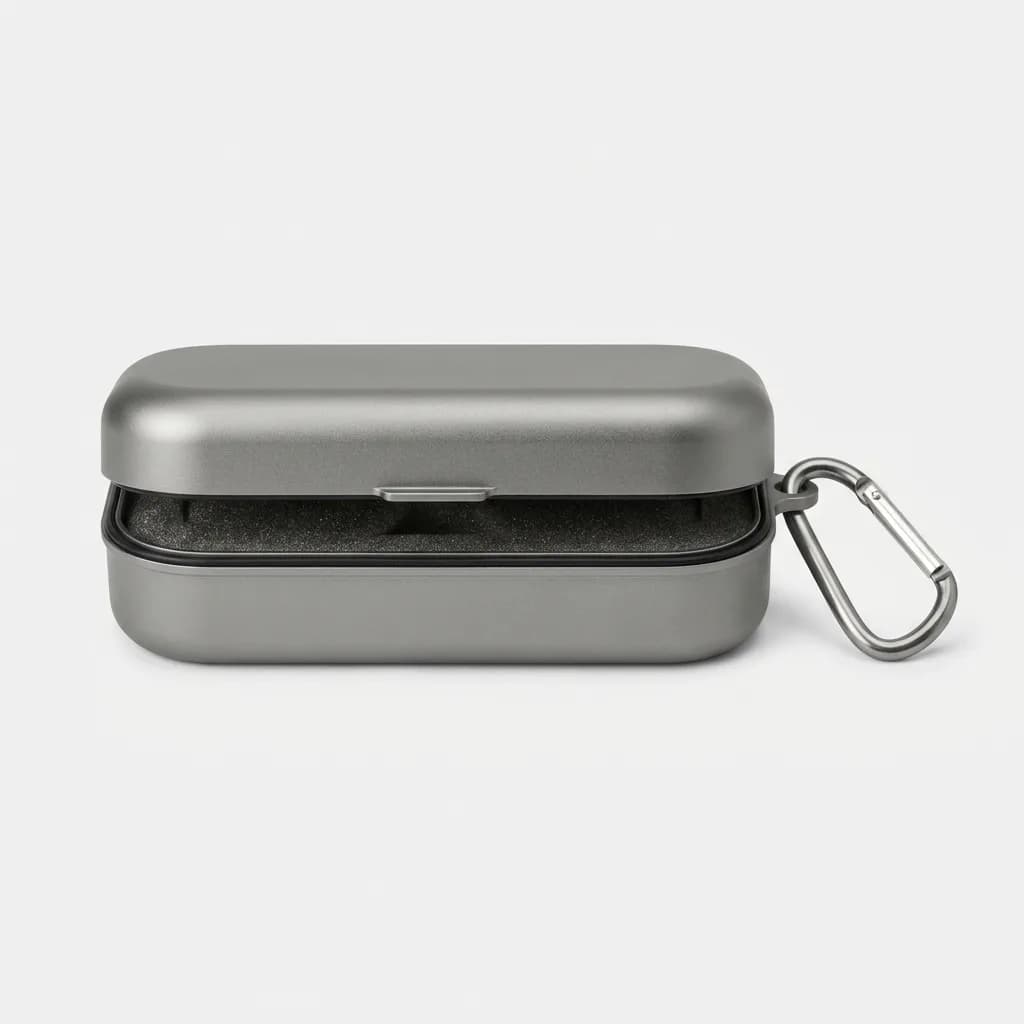
Kasai EDC Aluminum Sunglasses Case
$22
Anodized 6061 aluminum with foam insert and carabiner clip. Water-resistant gasket seal. Compact 6.25 x 2.75 x 2 inches. Fits standard and slightly oversized frames.
Weight ranges from 4-7 ounces for pocket-sized aluminum cases. That's 2-3x heavier than EVA alternatives with similar protection. The extra weight only makes sense if you need waterproof seals or maximum crush resistance.
Size and Fit: The Most Overlooked Factor
A case that's 0.5 inches too wide won't fit in your front pocket. Seems obvious, but most people buy cases that match their frame style without checking actual dimensions. Standard wayfarer frames need about 5.75-6.25 inches of interior length. Oversized or wraparound styles need 6.5-7 inches. Aviators are usually narrower but taller.
Measure your folded sunglasses before buying any case. Add 0.25 inches to each dimension for padding and closure hardware. If the resulting numbers exceed 6.5 x 3.5 x 2.5 inches, the case won't comfortably pocket carry in jeans or chinos. It might work in jacket pockets or bags, but it's not truly pocket-friendly.
Oval and rounded cases waste space with poor packing efficiency but distribute pressure better than rectangular designs. Rectangular cases maximize interior space and stack cleanly in bags but concentrate pressure at corners. For pocket carry specifically, slight space waste is worth the improved comfort of rounded corners.
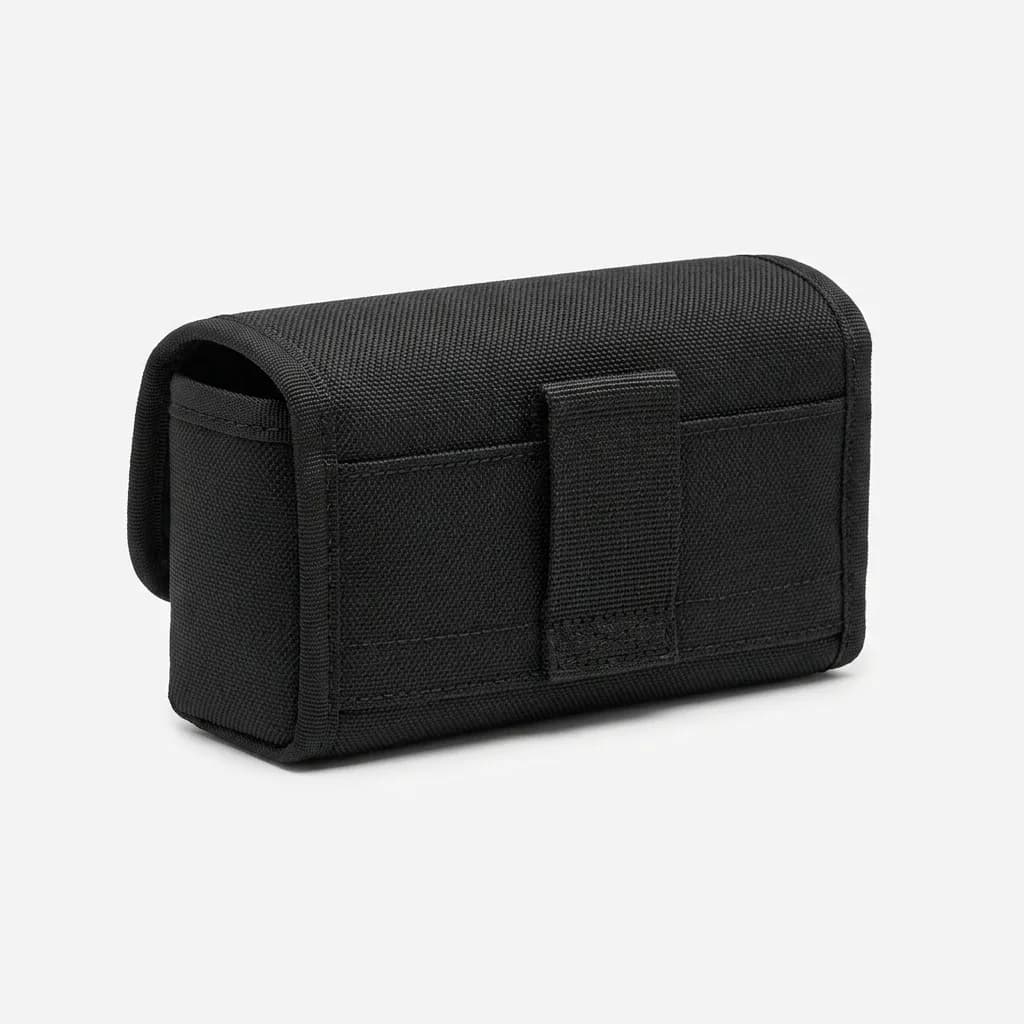
Tough Traveler Sunglasses Case
$18
Ballistic nylon with closed-cell foam padding. Velcro closure and belt loop attachment. Compact 6 x 3.25 x 2.5 inch footprint. Made in USA with lifetime guarantee.
Test pocket carry before committing. A case that feels fine in your hand might create a weird bulge in your pocket or press uncomfortably when you sit. Front pockets are typically 6-7 inches deep and 3-4 inches wide at the opening, which constrains your options more than you'd expect.
What About Microfiber Cleaning Cloths
Every case should include or accommodate a microfiber cloth, but don't trust the tiny 3x3 inch cloths that come attached to cheap cases. They get dirty fast and spread oils around instead of removing them. A proper 6x6 inch cloth folds into the case alongside your sunglasses and actually cleans lenses.
Some cases dedicate a separate zippered pocket for cloths and lens spray. This is better in theory than practice. Separate pockets add bulk and you'll never remember to restock the spray. A simple flat pocket that holds a folded cloth between the case lining and your frames works better.
Skip cases with built-in cloth attached by a tether. The tether gets in the way when you're trying to access your sunglasses quickly, and attached cloths are always in the wrong position when you need them. A loose cloth that lives in the case stays cleaner and works better.
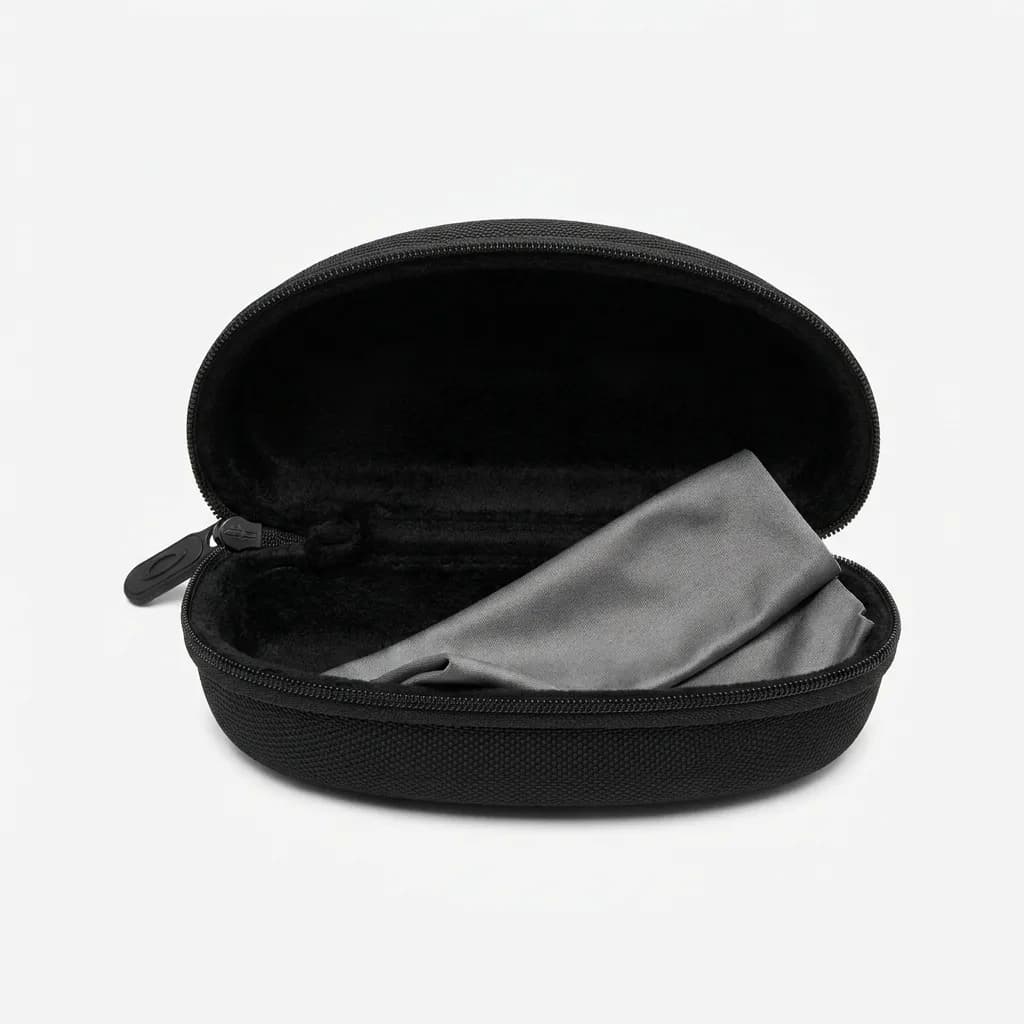
Oakley Large Soft Vault Sunglasses Case
$25
Semi-rigid construction with plush interior. Fits larger frames and includes premium microfiber cleaning cloth. Zipper closure with embossed logo. 7 x 3.5 x 3 inches.
The Hybrid Approach: Semi-Rigid Cases
Semi-rigid cases combine thick molded foam exteriors with soft interiors. They're more protective than soft pouches, lighter than hard shells, and compress slightly under pressure instead of cracking. This makes them unusually versatile for mixed use scenarios.
The best semi-rigid designs use 5-8mm EVA or EPE foam formed into a shell shape. This is thick enough to absorb impacts but flexible enough to squeeze into packed bags without creating pressure points. Cheaper versions use thin craft foam that collapses under minimal pressure and provides almost no protection.
Semi-rigid cases shine for travel and bag carry where you want protection without the weight and bulk of full hard shells. They're less ideal for pocket carry because the thick foam still occupies significant space, usually 20-30% more than necessary for the frames inside.
Features That Actually Matter vs. Marketing Fluff
Carabiner clips seem useful until you realize they add weight and catch on everything in your pocket. Unless you're specifically clipping the case to your belt or bag exterior, skip the carabiner. A simple belt loop serves the same purpose without the bulk.
Water resistance matters if you're near water or in heavy weather. For everyday pocket carry, it's unnecessary. Most hard cases are splash-resistant by default due to tight-fitting closures. Gasket-sealed cases add cost and bulk for protection most people never need.
Interior organization (elastic straps, molded compartments) keeps frames secure during transport but slows access. This is fine for bag storage, annoying for frequent use. Simpler cases with flat interiors and friction-fit sizing are faster to use daily.
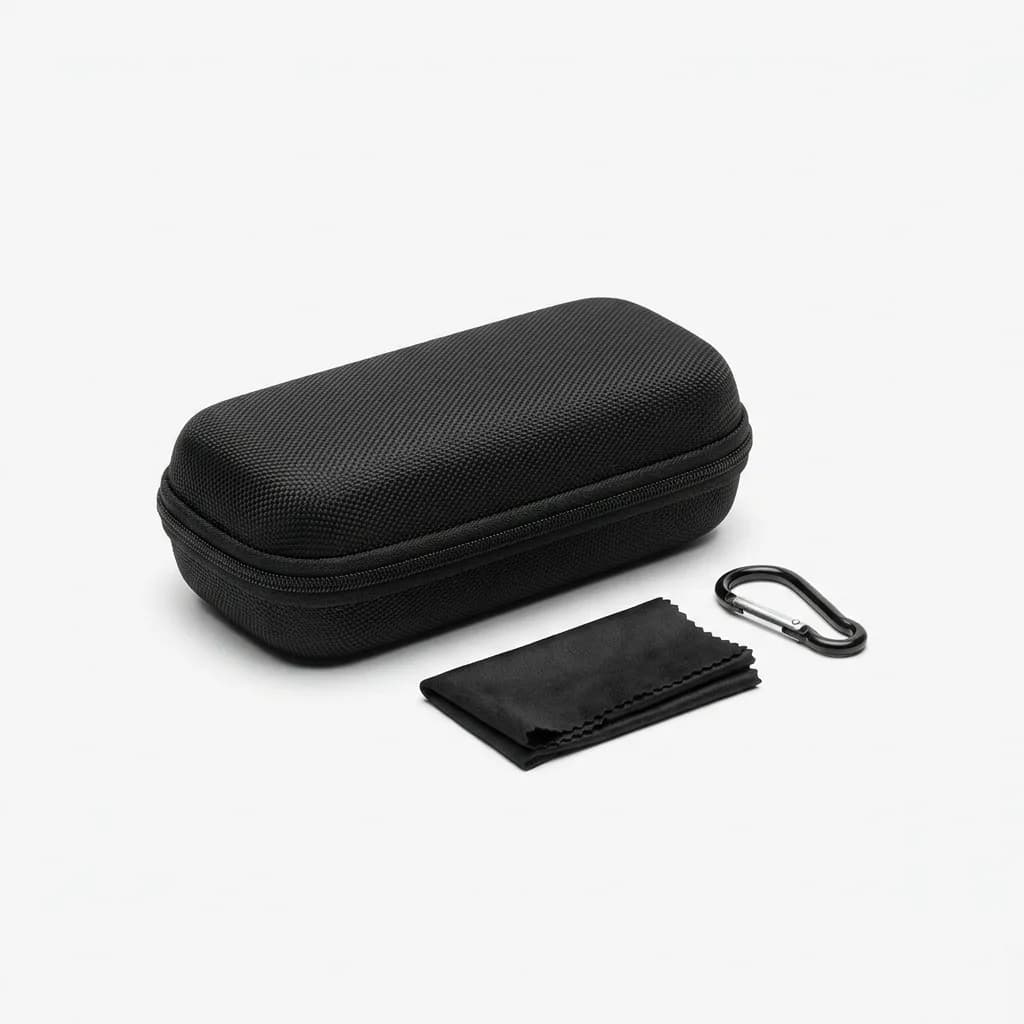
Ryders Eyewear Hard Shell Case
$16
Molded EVA construction with scratch-resistant exterior. Interior elastic strap secures frames. Compact 6.5 x 3 x 2.25 inches. Includes microfiber cloth and carabiner loop.
Crush ratings and drop test claims are mostly meaningless without standardized testing. "Protects against 200 lbs of pressure" sounds impressive but doesn't specify whether that's point loading or distributed weight, static or dynamic pressure, or how protection was measured. Focus on material thickness, construction quality, and closure security instead of marketing claims.
Making the Choice Based on Your Actual Use
If your sunglasses live in your front pocket and come out 10+ times per day, prioritize access speed and compact size over maximum protection. A slim EVA hard shell or quality semi-rigid case works better than overbuilt aluminum. The sunglasses you actually wear beat the ones that stay in your bag because the case is too annoying to carry.
For bag carry or occasional use, maximize protection. Harder shells, thicker padding, and more secure closures make sense when the case isn't competing for pocket space. Weight matters less when the case rides in a backpack or messenger bag.
Multiple-case strategies work surprisingly well. Keep a slim soft pouch in your car's glove box for backup sunglasses, a compact EVA hard shell for daily pocket carry, and a larger protective case in your travel bag. Cases cost less than replacing scratched lenses, so matching case to context makes more sense than finding one case that compromises for everything.
The best pocket-friendly case is the one you'll actually use consistently. That usually means the smallest case that provides adequate protection for your frames and use environment, with fast access and minimal bulk. Everything else is features you'll tolerate or ignore, not benefits you'll actively appreciate.
The Weekly Dispatch
Enjoying this article?
Subscribe and get our best gear picks delivered every Sunday morning.
Related Posts
Best Lightweight Scarves for Travel in 2026
Discover the best lightweight travel scarves that pack small, provide warmth, and serve multiple purposes. From merino wool to silk blends, here's what works.
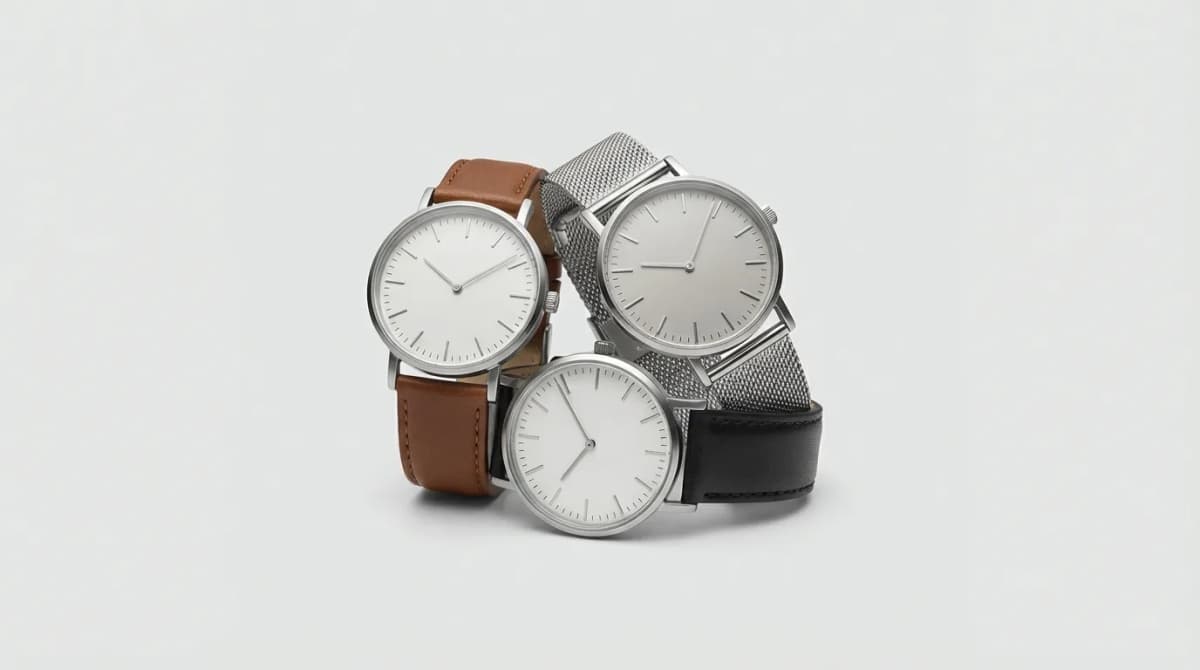
Best Minimal Watches for Everyday Wear
Clean dials, versatile straps, and no-nonsense cases make minimal watches work with everything. Here's what actually matters when choosing one.
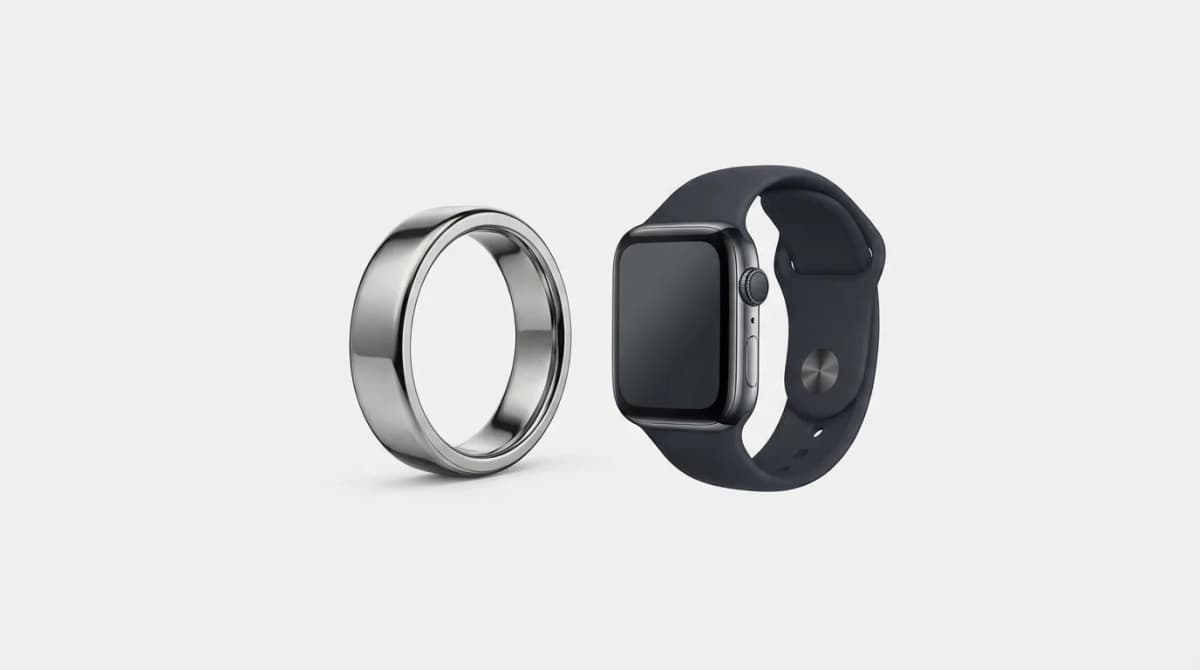
Sleep Tracker Ring vs Smartwatch: Which Works Better?
Smart rings track sleep without the bulk, but smartwatches offer more data. We break down accuracy, comfort, battery life, and cost to help you choose.
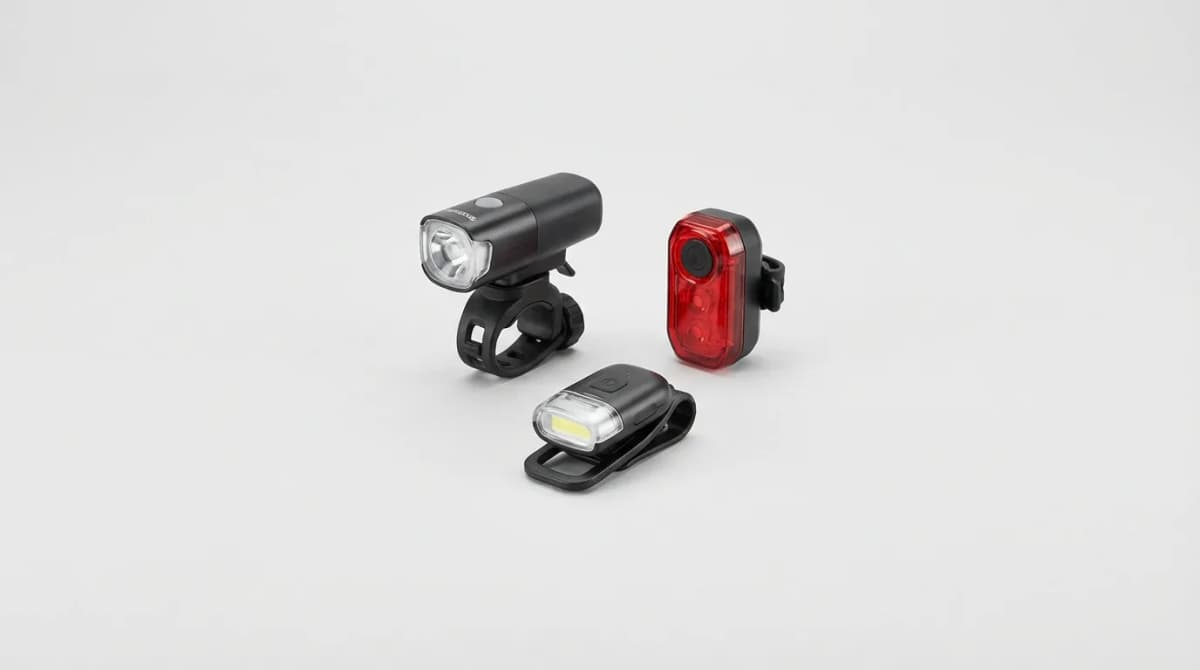
Best Compact Bike Lights for Daily Commuting
The right bike light makes you visible to cars and keeps you legal. We break down lumens, mount styles, battery life, and our top compact picks for daily rides.