EDC Belt Guide: Nylon vs Leather for Daily Carry
Nylon belts handle weight better but leather looks sharper. We break down comfort, durability, buckle systems, and the best picks for everyday carry.

Your belt does more work than you think. It holds your pants up, sure, but it also supports your phone, keys, multi-tool, flashlight, and maybe a concealed carry piece. The wrong belt sags under that load. The right one disappears.
Quick Picks
Our top recommendations at a glance:
- 1
- 2
- 3
- 4
- 5
The choice between nylon and leather isn't about style alone. Each material handles stress differently, ages differently, and works with different buckle systems. Most people buy based on looks and regret it six months later when the belt stretches or the buckle fails.
Here's what matters beyond the marketing when you load either type with actual EDC weight.
Why Your Current Belt Probably Isn't Working
Standard dress belts use thin leather (2-3 oz weight) and weak stitching. They're designed to look good with a tucked shirt, not to carry 2-4 pounds of gear. Add a phone, multi-tool, and flashlight, and that belt starts sagging by noon.
The leather stretches at the holes. The buckle tilts forward. Your pants ride lower on one side. You tighten it one notch, then it's too tight. This isn't a fit problem, it's a structural one.
Nylon tactical belts and heavy leather gun belts both solve this, but in different ways. Nylon uses a stiffer weave and doesn't stretch. Thick leather (10-14 oz) stays rigid through its entire width. Both cost more than department store belts, but both actually support weight.
The real difference shows up in how they wear, how they adjust, and what situations they handle best.
Nylon Belts: Adjustability and All-Weather Performance
Nylon belts use either webbing with a buckle or a single layer of woven material. The better ones have a cobra buckle or similar quick-release system. No holes, no tongue, just a friction lock or cam mechanism.
This means infinite adjustment. You're not stuck between holes that are too tight or too loose. After a big meal, you loosen it slightly without anyone noticing. During exercise or changes in weight, you adjust in millimeter increments.
Nylon doesn't absorb water. It dries fast if you get caught in rain. It doesn't crack, split, or need conditioning. You can wash it in a sink if it gets dirty. For outdoor use, hiking, or anywhere moisture is a factor, nylon wins outright.

5.11 Tactical Maverick Assaulters Belt
$50
1.5-inch nylon webbing with cobra buckle. Rated for 4,000+ pounds tensile strength. Available in multiple colors and cuts down to size.
The downside is appearance. Nylon looks tactical or casual, not formal. It works fine under an untucked shirt or with jeans, but it doesn't belong with dress pants or at a formal event. The buckle is often bulkier than a standard buckle, which can print through thinner shirts.
Some nylon belts also use velcro for an inner belt system, designed for concealed carry rigs. That adds thickness and isn't necessary for basic EDC unless you're carrying a holster.

Blue Alpha Gear Hybrid EDC Belt
$60
Two-layer nylon with polymer buckle. Low-profile design balances rigidity and comfort. No-stretch performance for heavy EDC loads up to 2.5 pounds.
Leather Belts: Classic Look with Modern Reinforcement
Thick leather belts, usually 10-14 oz, handle EDC weight without stretching. They look normal. They work with dress pants, jeans, chinos, anything. No one looks twice at a leather belt.
Quality leather belts use a single piece of full-grain hide, not bonded scraps. The thickness comes from the hide itself, not from layering thin pieces. Stitching reinforces the edges but isn't load-bearing. The leather does the work.
These belts break in over time. They conform to your body shape, soften slightly at the bend points, but maintain their structure. A good one lasts 5-10 years with basic care (occasional conditioning, avoiding prolonged water exposure).

Hanks Gunner Leather Belt
$65
14 oz full-grain leather with heavy-duty stitching. 1.5-inch width for EDC and concealed carry. Made in USA with 100-year warranty.
The weakness is moisture. Leather absorbs sweat, rain, and humidity. It can develop mold if stored damp. It cracks if it dries out too fast after getting wet. Regular conditioning (twice a year minimum) keeps it supple, but it's maintenance nylon doesn't require.
Leather also uses traditional holes and a tongue buckle in most cases. You're locked into 1-inch adjustment increments. Some newer leather belts use ratchet buckles with tracks cut into the back of the belt, giving you more adjustment steps, but that changes the aesthetic.
Weight matters too. A 14 oz leather belt in 1.5-inch width is noticeably heavier than nylon. You feel it when you first put it on, though most people stop noticing after an hour.
Buckle Systems: What Actually Matters
The buckle determines how fast you adjust, how secure the hold is, and how much bulk you're adding at your waist.
Traditional buckles (prong and hole) work fine if the belt has enough holes spaced close together. The problem is most belts space holes 1 inch apart, which is too much. Half-inch spacing is better but rare on leather belts.
Cobra buckles lock with a cam mechanism. They hold weight reliably and release with a pull tab. They're bulky and very obviously tactical. If you're carrying a gun or other heavy gear and need to remove the belt quickly (airport security, end of day), they're ideal. For light EDC, they're overkill.

Kore Essentials Tactical Gun Belt
$70
Full-grain leather with nylon core. Ratchet buckle with 40+ adjustment positions. No holes, 1/4-inch micro-adjustments. Reinforced for carry weight.
Ratchet buckles use a track system on the back of the belt and a small lever buckle. You get adjustment in 1/4-inch increments, which solves the hole spacing problem. The buckle stays low-profile. The downside is the track wears over time, and once it's damaged, the belt is done.
Friction buckles (common on cheaper nylon belts) use the belt material passing through a frame and folding back on itself. They slip under load. Avoid them.
Comfort Through a Full Day
Stiff belts dig into your hips when you sit. Too-soft belts sag and shift position. The balance point is a belt stiff enough to support weight but flexible enough to bend when you sit or bend over.
Nylon achieves this through weave density and thickness. Most EDC nylon belts are 1.5 or 1.75 inches wide and about 3-4mm thick. They flex slightly but don't collapse. When you sit, they bend at your hips but maintain tension.
Leather needs break-in time. A new 14 oz belt is rigid everywhere. After two weeks of daily wear, it softens at the natural bend points (where it curves around your hips and at the buckle). The rest stays stiff. This takes patience, and the first few days can be uncomfortable.
Width affects comfort too. 1.25-inch belts work with smaller belt loops but offer less load distribution. 1.5-inch is the standard for EDC. 1.75-inch spreads weight better but doesn't fit all pants. Check your belt loops before buying.

Magpul Tejas Gun Belt
$85
Polymer-reinforced leather with removable buckle. 1.5-inch width, 8-9 oz leather. Balances EDC performance with dress-casual appearance. El Paso Saddlery construction.
Durability Over Years of Use
Nylon belts fail at the buckle or stitching, not the material. The webbing itself can handle decades of use. The buckle mechanism wears out first, usually the release lever or the cam teeth. Stitching at stress points (where the buckle attaches) can fray after 3-5 years of heavy use.
Quality nylon belts use bar-tack stitching at these points, which holds longer. Cheaper ones use straight stitching that pulls apart under repeated stress.
Leather belts fail from cracking (if under-conditioned), stretching at the holes, or buckle tear-out. The leather at the buckle attachment point is a weak spot. Look for belts with rivets or screws backing up the stitching here.
Stretching happens over time even with thick leather if you consistently overload the belt or wear it too tight. The fibers compress and elongate. This is subtle, usually 1/4 to 1/2 inch over several years, but it means eventually moving to a tighter hole.
Edge wear shows on both materials but matters more on leather. The edges of a cut leather belt can fray or crack if not finished properly. Burnished edges (heat-polished) last longer than raw cut edges. Nylon edges are heat-sealed and don't fray.
Which One for Your Situation
Use nylon if you need infinite adjustment, all-weather reliability, or minimal maintenance. It's the practical choice for outdoor activities, variable climates, or if you want one belt that works in any condition. The trade-off is appearance. It reads as tactical or utilitarian.

Grip6 Classic Belt
$40
Nylon webbing with low-profile aluminum buckle. Completely adjustable, cuts to size. 40-inch length. Minimalist design works for casual EDC without tactical look.
Use leather if you need a belt that looks normal in any context, from office to dinner. The thicker the leather, the better it supports weight, but also the longer the break-in. For light EDC (phone, keys, wallet, small multi-tool), even 8-10 oz leather works. For heavier loads or concealed carry, go 12-14 oz.
Some hybrid belts use a leather exterior with a nylon or polymer core. These give you the look of leather with the rigidity and no-stretch properties of synthetic materials. They're a middle ground that works well if you want one belt for multiple contexts.
The buckle system you choose matters as much as the material. Traditional buckles keep the belt looking normal but limit adjustment. Ratchet systems give better fit but add cost. Cobra buckles are secure but bulky.
For most people carrying 1-3 pounds of EDC gear, either a reinforced leather belt or a quality nylon belt works. The decision comes down to where you wear it and how much you care about appearance versus performance.
Getting the Right Fit and Break-In
Buy belts sized 2-4 inches larger than your pant waist size. If you wear 34-inch pants, order a 36 or 38 belt. This accounts for the thickness of your pants, any gear you're carrying, and seasonal weight changes.
Most nylon belts let you cut them to length. Leather belts come in specific sizes (32, 34, 36, etc.). Some leather belt companies let you specify exact length when ordering.
When you first wear a thick leather belt, expect discomfort. Wear it around the house for a few hours before committing to a full day. The belt will soften at your hip bones and at the buckle bend. This takes 1-2 weeks of regular wear.
Nylon belts need no break-in, but you do need to find your preferred adjustment point. Since there are no holes, you're setting the exact tension every time. This takes a few days to dial in consistently.
Don't over-tighten. Your belt should sit snug enough that your pants don't shift, but not so tight that it digs in when you sit. If you see red marks on your skin after taking the belt off, you're wearing it too tight.
Long-Term Care and Maintenance
Leather belts need conditioning 2-3 times per year. Use a leather conditioner (not mink oil, which over-softens). Apply a thin layer, let it absorb for 30 minutes, buff off the excess. This prevents cracking and keeps the leather supple.
If your leather belt gets wet, let it air dry slowly. Don't use heat or direct sunlight. Once dry, condition it. Wet leather is vulnerable to cracking as it dries if not reconditioned.
Nylon belts need almost nothing. If they get dirty, wash them in a sink with mild soap, rinse, and hang dry. The buckle mechanism can collect lint or dirt over time. Blow it out with compressed air or rinse it under running water.
Check stitching on both types every few months. If you see loose threads at the buckle attachment or along the edges, have it repaired before it fails. Most leather shops can re-stitch a belt for $10-20.
Rotate your belts if possible. Wearing the same belt every day accelerates wear. Two belts alternating will each last longer than one worn daily.
The Verdict
Nylon wins for function, leather wins for form. If you work outdoors, travel frequently, or live in a humid climate, nylon's durability and weather resistance matter. If you need one belt that works for the office and weekend without looking out of place, thick leather is the move.
The best EDC setup might be both: nylon for weekends and outdoor use, leather for work and social situations. Neither is expensive enough to prevent owning both.
What doesn't work is compromising on thickness or construction. A thin fashion belt won't support EDC weight no matter what it's made from. A cheap nylon belt with a weak buckle will fail in six months. Buy once, buy quality, and your belt becomes one less thing to think about.
The Weekly Dispatch
Enjoying this article?
Subscribe and get our best gear picks delivered every Sunday morning.
Related Posts
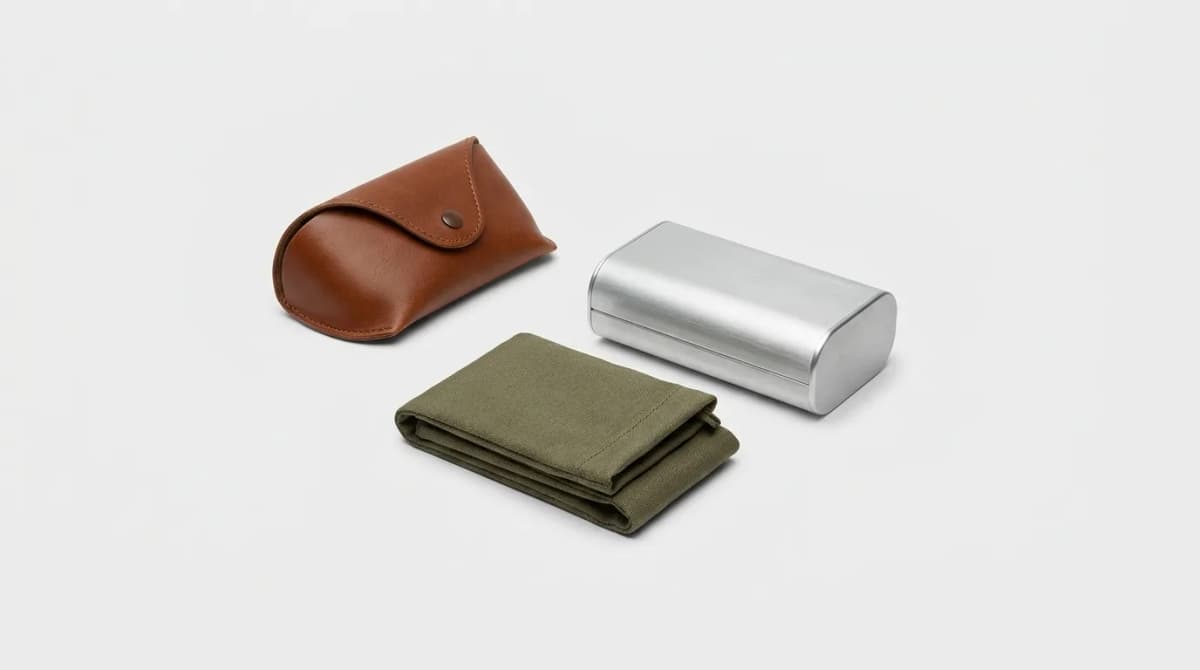
Best Pocket-Friendly Sunglasses Cases
Hard shells can crack and soft pouches can scratch lenses. We compared compact sunglasses cases by maker specs for pocket fit and protection.
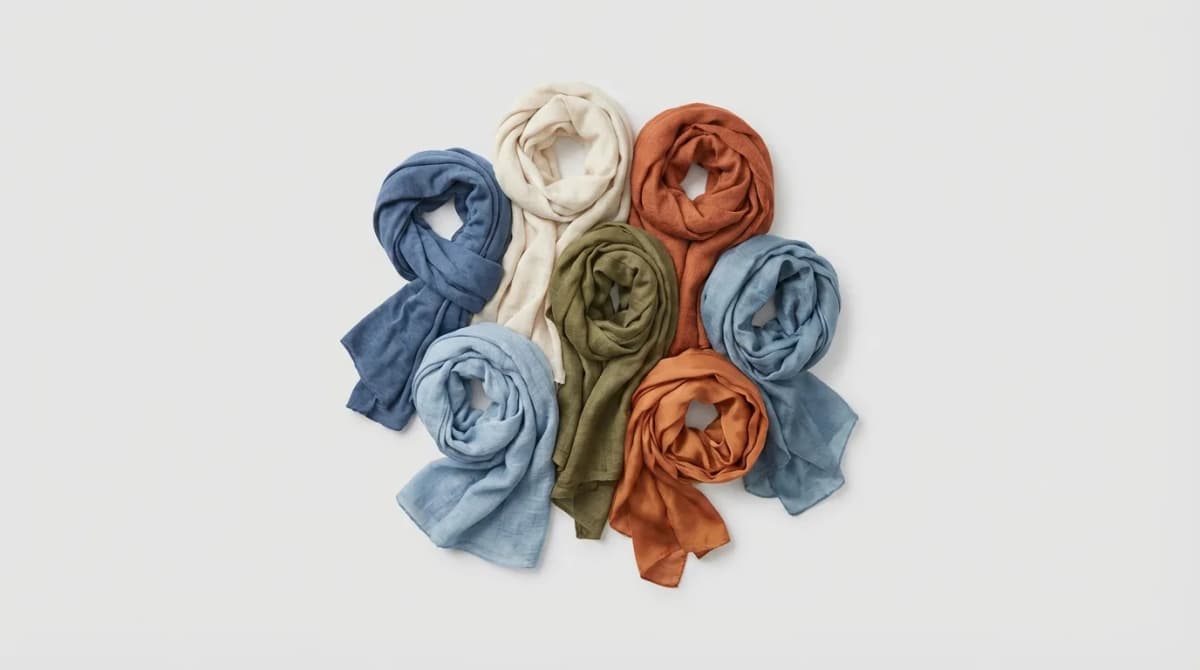
Best Lightweight Scarves for Travel in 2026
Discover the best lightweight travel scarves that pack small, provide warmth, and serve multiple purposes. From merino wool to silk blends, here's what works.
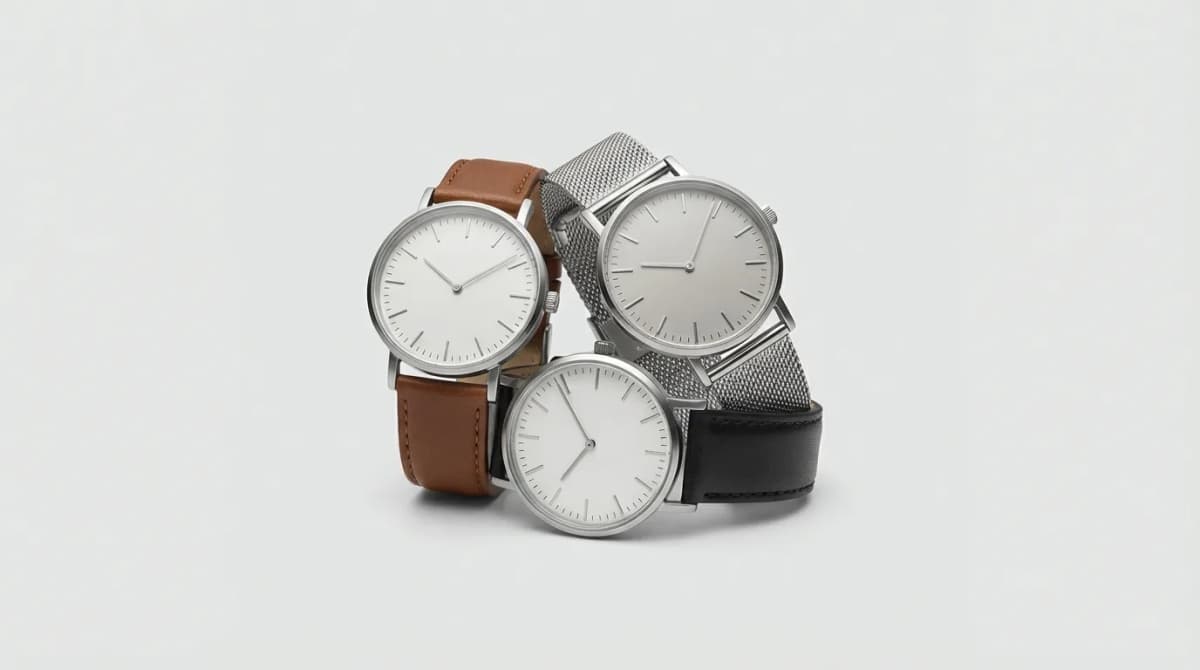
Best Minimal Watches for Everyday Wear
Clean dials, versatile straps, and no-nonsense cases make minimal watches work with everything. Here's what actually matters when choosing one.
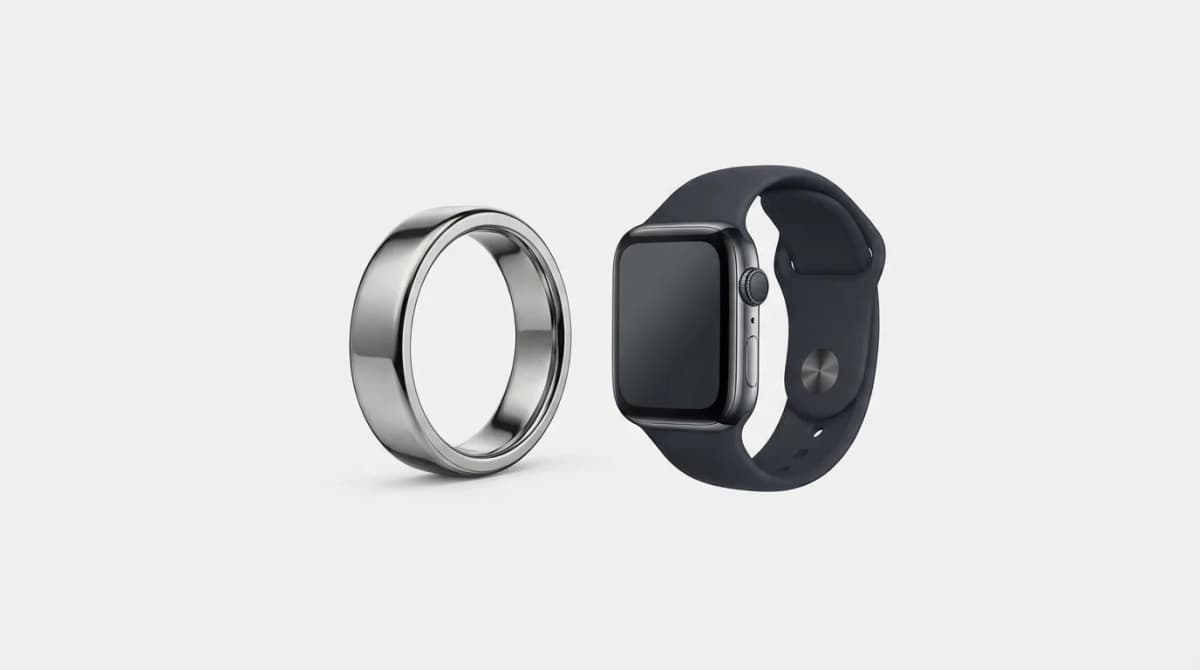
Sleep Tracker Ring vs Smartwatch: Which Works Better?
Smart rings track sleep without the bulk, but smartwatches offer more data. We break down accuracy, comfort, battery life, and cost to help you choose.