Survival Kit 101: Building a Bug-Out Bag
Building a bug-out bag isn't about prepping for doomsday. It's about having essentials ready when disasters strike. Here's what actually matters.
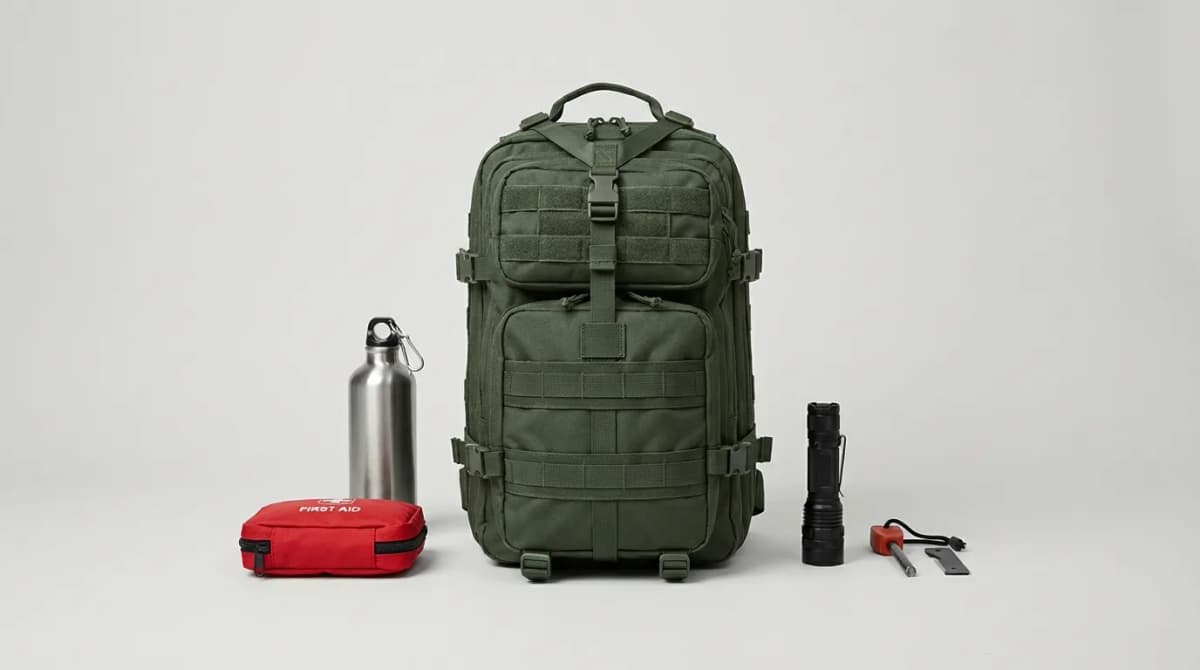
Most people wait until the evacuation order comes to start packing. By then, stores are cleared out, roads are jammed, and you're throwing random stuff into garbage bags. A proper bug-out bag sits ready in your closet, holding everything you need to survive 72 hours away from home.
Quick Picks
Our top recommendations at a glance:
- 1
- 2
- 3
- 4
- 5
That three-day window isn't arbitrary. It's the average time it takes for emergency services to stabilize a crisis zone and establish relief operations. Your bag needs to keep you alive, relatively comfortable, and mobile during that critical period.
Survival setups range from ultralight backpacker kits to full-blown prepper loadouts. The sweet spot sits around 15-20 pounds for most adults. Any heavier and you'll ditch gear when fatigue sets in. Any lighter and you're probably missing something important.
Water Storage and Purification Come First
You'll die from dehydration long before starvation becomes an issue. Pack at least two liters of water in durable bottles, but more importantly, bring multiple ways to purify more water when those run dry.
We carry both a Sawyer Mini filter and water purification tablets. The filter handles clear water sources like streams and lakes, removing 99.99% of bacteria and protozoa. The tablets work on cloudy or stagnant water where particulates would clog a filter. This redundancy matters because a single point of failure in your water system can end badly.
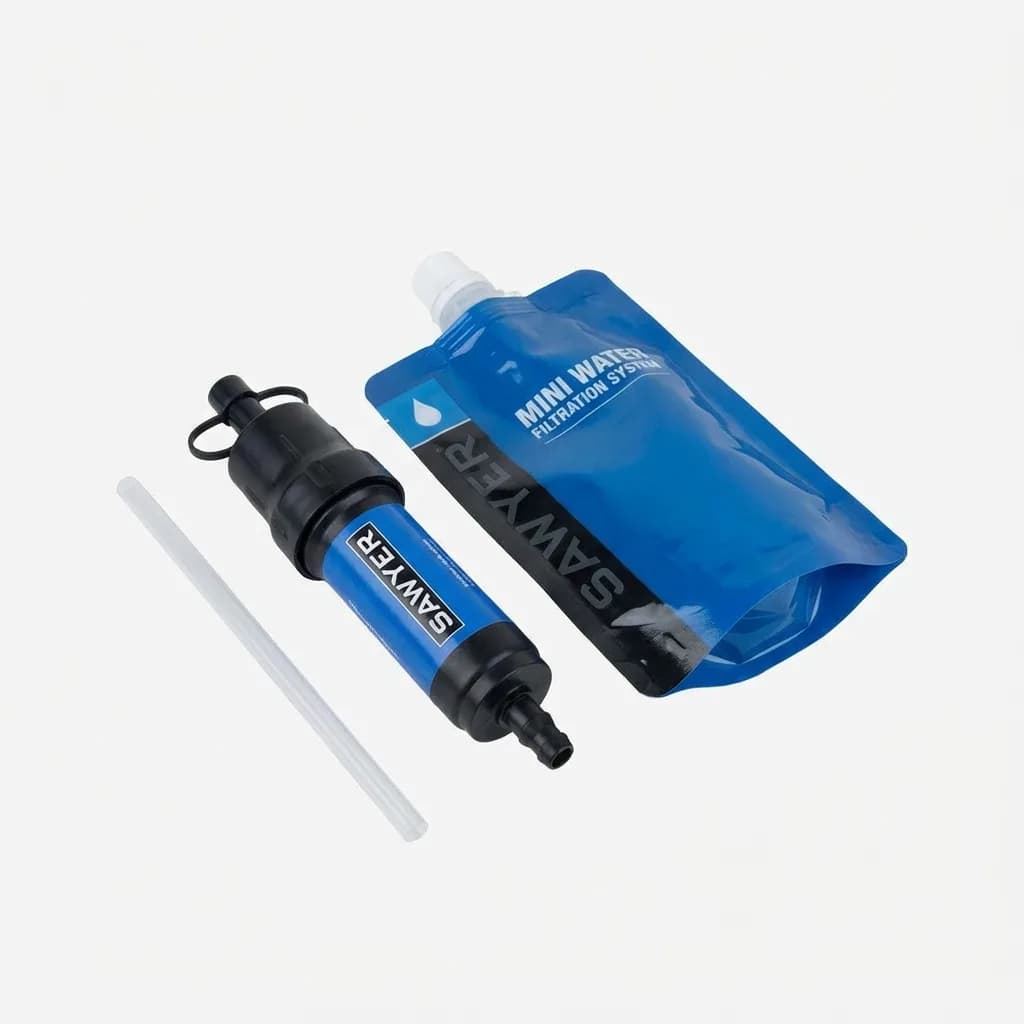
Sawyer Mini Water Filtration System
$25
0.1 micron filter removes bacteria and protozoa from 100,000 gallons. Weighs 2 ounces, includes squeeze pouch and straw.
A stainless steel water bottle serves double duty for boiling water when you can't filter it. Avoid insulated bottles in your bug-out bag, they're heavier and you can't use them over fire. A simple single-wall bottle like the Klean Kanteen Classic gives you the boiling option while keeping weight down.
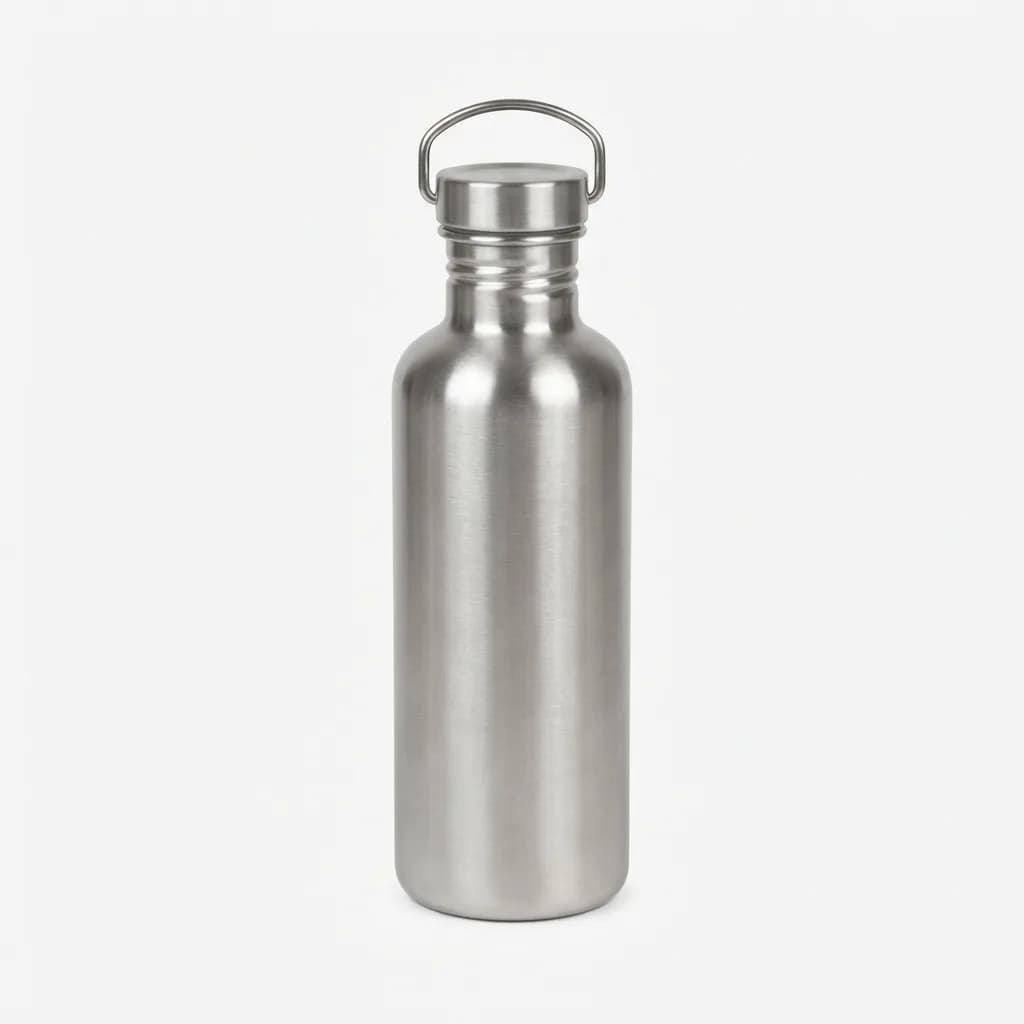
Klean Kanteen Classic 40oz Stainless Steel Bottle
$30
Single-wall stainless steel allows boiling over fire. Wide mouth for easy filling and cleaning. Leakproof and durable.
Shelter and Warmth Beat Fancy Gear
Exposure kills faster than people expect. Three hours in severe weather without proper shelter can lead to hypothermia, even in moderate climates when you're wet.
A quality emergency bivy or space blanket forms your first line of defense. We prefer the SOL Emergency Bivvy over standard mylar blankets because it's actually reusable and won't shred after one use. It reflects 90% of body heat and includes a survival whistle in the stuff sack.
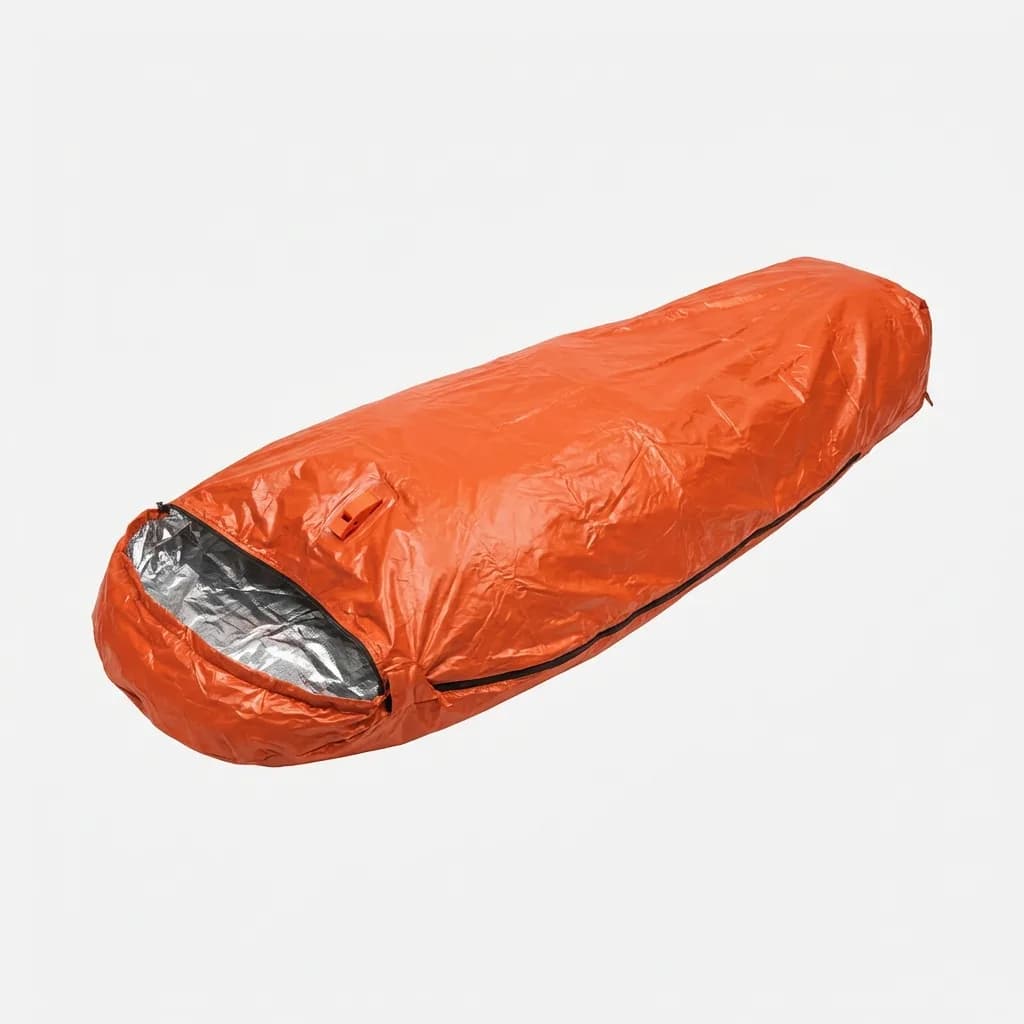
SOL Emergency Bivvy
$20
Waterproof and windproof emergency sleeping bag reflects 90% of body heat. Reusable, includes rescue whistle. Weighs 3.8 ounces.
Pair the bivy with a compact tarp for overhead protection from rain and sun. An 8x10 foot tarp weighs under a pound but provides enough coverage to create a proper shelter. Learn at least two tarp configurations before you need them. The lean-to setup takes two minutes and works in most situations.
Pack 50 feet of 550 paracord for securing your shelter. Real paracord has seven inner strands you can strip out for fishing line, sutures, or lashing smaller items. Don't buy the cheap stuff from hardware stores, it's not rated for 550 pounds and will snap when you need it most.
Food Should Be Dense and Ready to Eat
You're not packing gourmet meals. You need calories that require minimal preparation and won't spoil in varying temperatures.
Energy bars and trail mix provide the best calorie-to-weight ratio. We pack a mix of Cliff Bars, nuts, dried fruit, and beef jerky. Aim for 2,000-2,500 calories per day across all three days. That's roughly 7,500 total calories in your bag.
Mountain House freeze-dried meals work if you have reliable access to hot water, but they're useless if you can't boil water safely. We treat them as a luxury item, not a core component.
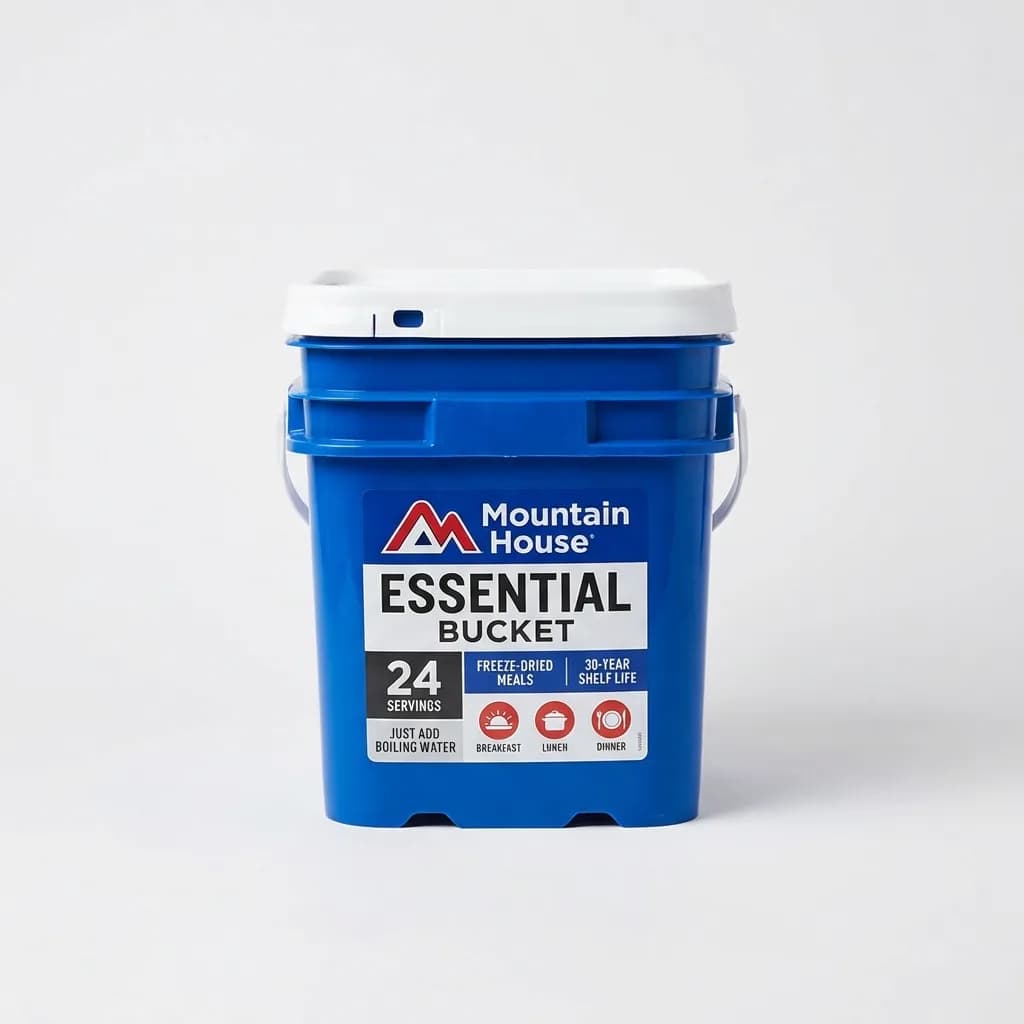
Mountain House Essential Bucket
$100
24 servings of freeze-dried meals with 30-year shelf life. Just add boiling water. Includes breakfast, lunch, and dinner options.
First Aid Kits Need Customization
Pre-made first aid kits include too many bandaids and not enough practical trauma supplies. Start with a decent base kit, then upgrade it.
Add Israeli bandages for serious bleeding control, a tourniquet, hemostatic gauze, blister treatment, and any prescription medications you rely on. Include a week's worth of meds, not just three days. Plans change when disasters unfold.
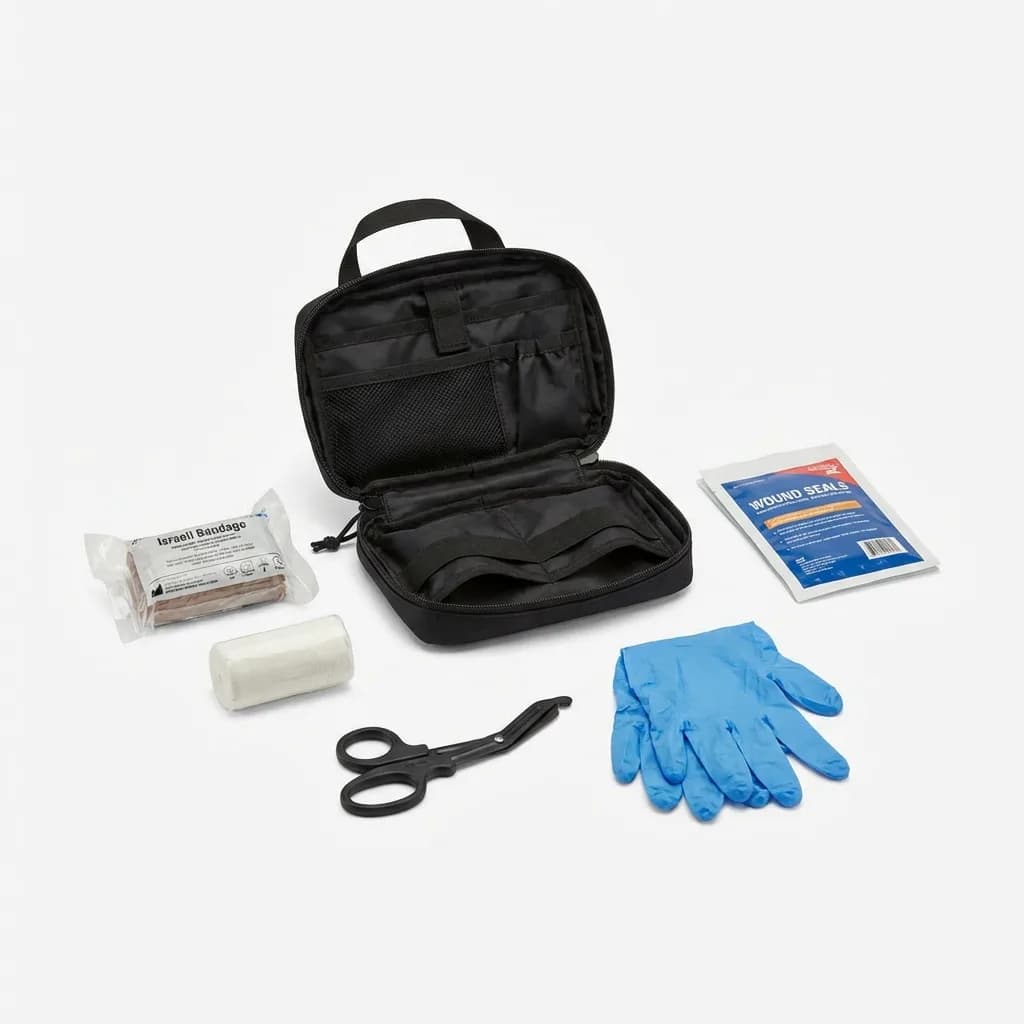
Adventure Medical Kits Trauma Pak Pro
$35
IFAK-style trauma kit with Israeli bandage, compressed gauze, trauma shears, gloves, and wound seals. Weighs 9 ounces.
Pack basic medications like ibuprofen, antihistamines, anti-diarrheal pills, and antibiotic ointment. Diarrhea in a survival situation accelerates dehydration dangerously fast. The pills weigh nothing and could save your life.
Fire Starting Demands Redundancy
Bring three independent fire-starting methods. Not three lighters, three different types of fire starters.
We carry a basic Bic lighter, waterproof matches, and a ferrocerium rod. The lighter works first try in normal conditions. The waterproof matches work when wet. The ferro rod works indefinitely even after full immersion in water.
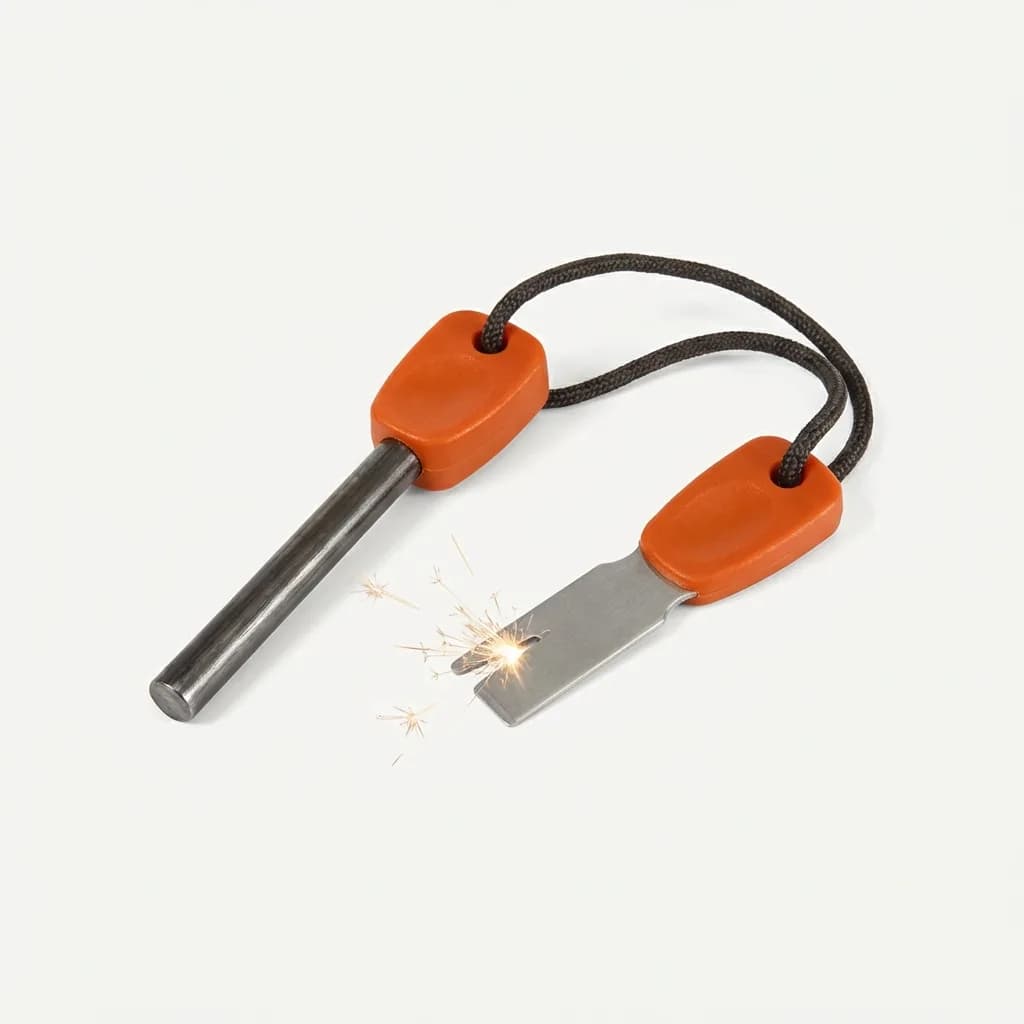
Light My Fire Swedish FireSteel Scout
$15
12,000 strike ferrocerium rod creates 3,000-degree sparks in any weather. Works when wet, at altitude, or in extreme cold.
Add cotton balls soaked in petroleum jelly as tinder. They catch sparks easily and burn hot for several minutes, giving you time to build up your fire. Store them in a waterproof container or pill bottle.
Multitools and Knives Handle Most Tasks
A quality multitool eliminates the need for a dozen separate items. The Leatherman Wave Plus remains our top choice for bug-out bags because it includes pliers, wire cutters, multiple knife blades, saws, and screwdrivers in one package.
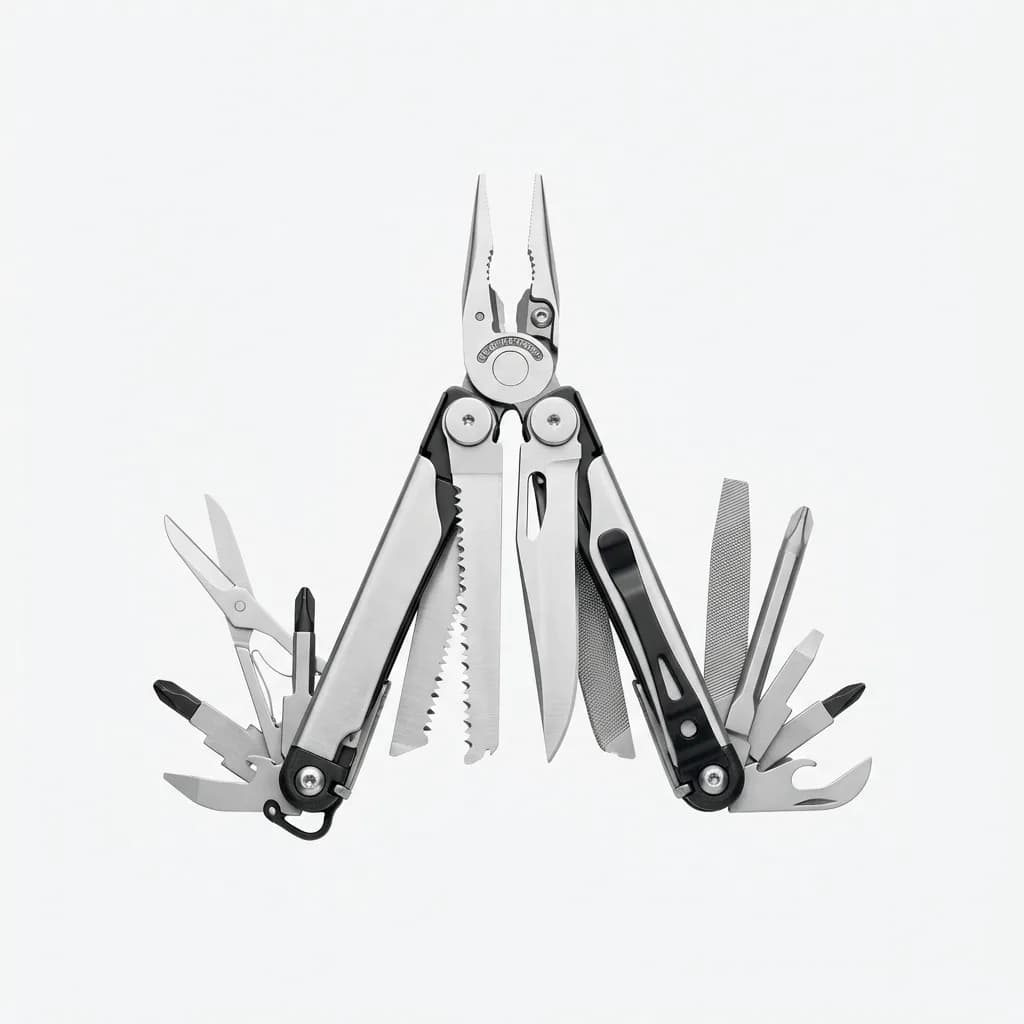
Leatherman Wave Plus Multi-Tool
$120
18 tools including needlenose pliers, wire cutters, saw, multiple blades, and screwdrivers. All tools accessible without opening. 25-year warranty.
Add a fixed-blade knife for tasks requiring more force. Folders can fail under heavy use. A 4-5 inch blade handles most survival cutting without adding significant weight. We like the Morakniv Companion for its high-carbon steel and grip security.
What About Communication and Power?
Your phone will be your most useful tool if networks stay up. Pack a 20,000mAh power bank to keep it charged for several days. Look for rugged models with waterproof ratings.
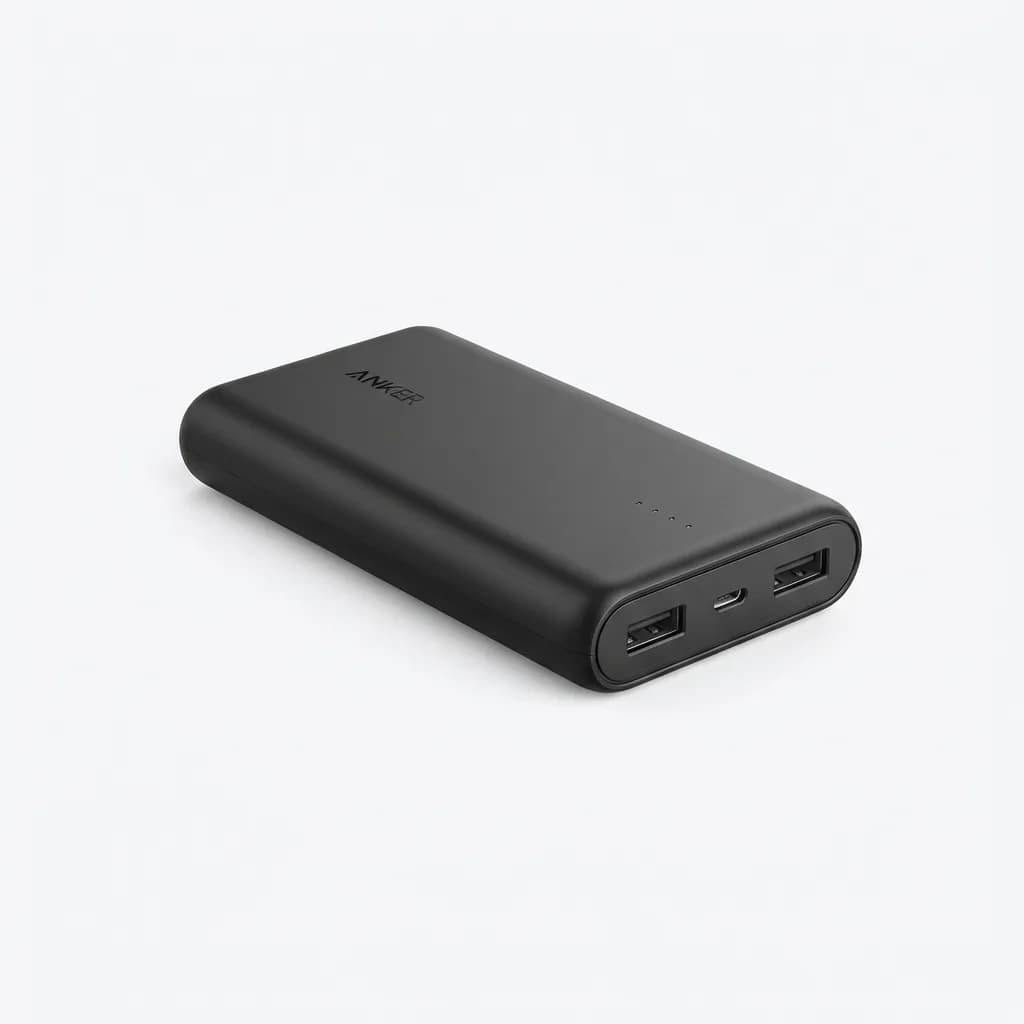
Anker PowerCore 20100mAh Portable Charger
$50
20,100mAh capacity charges most phones 4-5 times. Dual USB ports, PowerIQ technology, surge protection. Weighs 12.5 ounces.
A hand-crank emergency radio provides weather updates and emergency broadcasts when cell towers fail. The Midland ER310 includes NOAA weather alerts, AM/FM radio, flashlight, and can charge your phone via hand crank or solar panel.
Keep a printed map of your region in a waterproof bag. GPS fails when satellites go offline or batteries die. Know at least two evacuation routes from your home and mark them on the map.
Light Sources Need Backup
A quality headlamp keeps your hands free while you work. Look for models with red light modes to preserve night vision and extend battery life.
Pack extra batteries in waterproof storage. We use lithium batteries because they last longer in extreme temperatures and have better shelf life than alkaline.
Add a small flashlight as backup. A single AA flashlight like the Streamlight ProTac 1L-1AA gives you another light source that shares battery compatibility with your headlamp if you choose an AA headlamp.
Clothing Layers Matter More Than You Think
Pack one complete change of clothes plus extra socks and underwear. Wet clothing leads to hypothermia and blisters.
Choose merino wool or synthetic materials that dry quickly and retain warmth when wet. Cotton kills in survival situations because it stays wet and saps body heat.
Include a waterproof rain jacket and pants. Staying dry is critical for maintaining core temperature. A packable down jacket provides warmth without bulk when temperatures drop at night.
Documents and Cash Can't Be Forgotten
Photocopy essential documents and store them in waterproof bags. Include ID, insurance cards, medical records, prescriptions, bank information, and emergency contacts.
Keep $200-300 in small bills. ATMs and card readers fail during power outages. Cash still works.
Testing Your Bug-Out Bag Reveals Weaknesses
Pack everything, then walk three miles with your bag. You'll immediately identify weight problems, uncomfortable straps, and items you don't actually need.
Do a practice setup in your backyard. Time yourself building shelter, purifying water, and starting a fire. If you can't do these tasks efficiently at home, you certainly can't do them under stress during an emergency.
Check your bag every six months. Replace expired food, medications, and batteries. Update clothing for seasonal changes. A winter bug-out bag needs more insulation than a summer version.
The best bug-out bag sits ready but never gets used because you evacuated early, stayed safe, and returned home when the crisis passed. But if you ever need it, you'll have everything required to keep yourself alive, dry, fed, and moving toward safety while others are still figuring out what to pack.
Build your bag now. Test it thoroughly. Then forget about it until you need it. That's the entire point of preparation.
The Weekly Dispatch
Enjoying this article?
Subscribe and get our best gear picks delivered every Sunday morning.
Related Posts
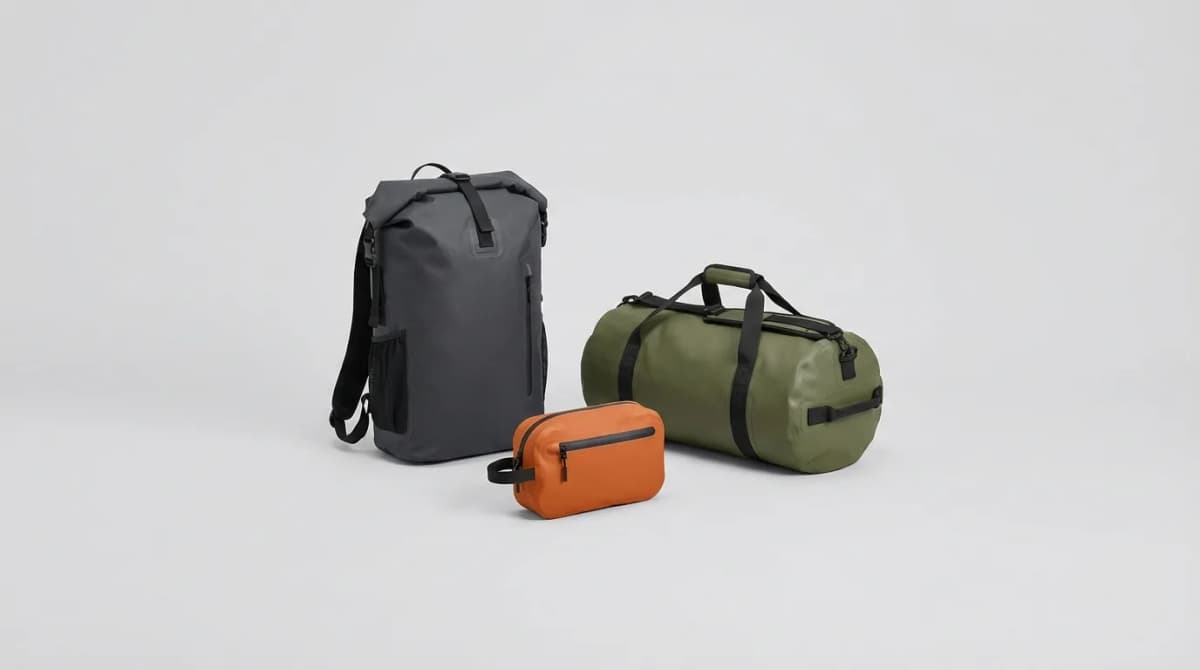
Best Dry Bags for City and Travel Use
Dry bags aren't just for kayakers anymore. Here's how to pick the right waterproof roll-top bag for urban carry, travel, and everyday protection.
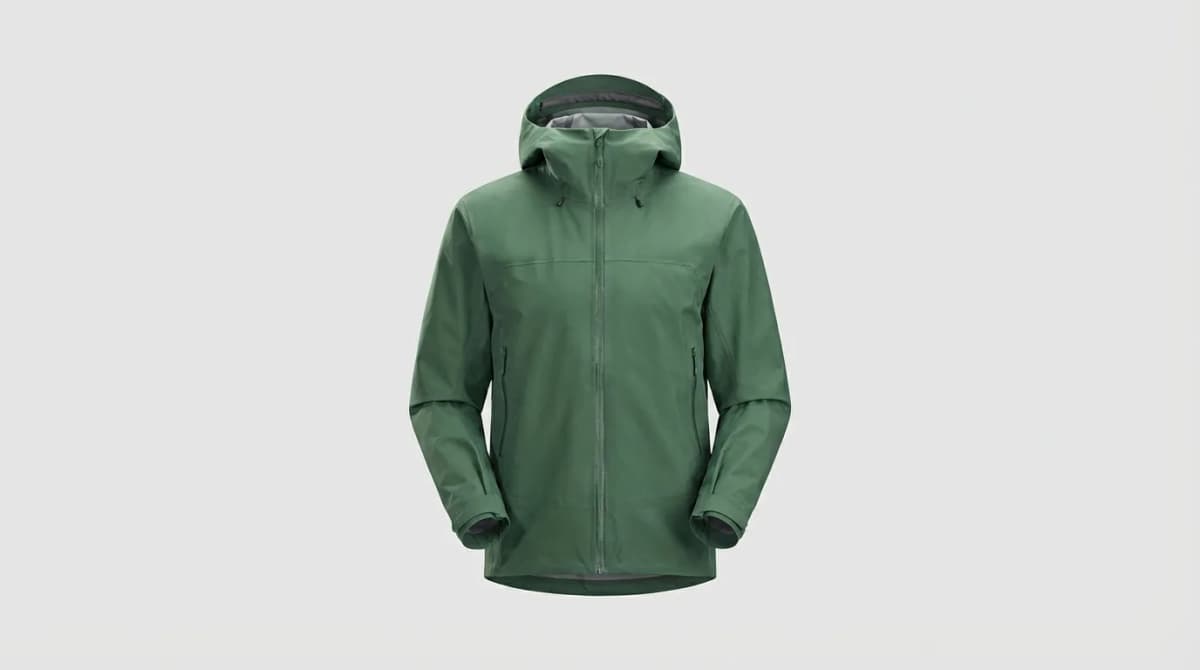
Best Rain Jacket for Hiking Under $150 2026
We compared 12 rain jackets under $150 by maker specs, materials and price. Here's what matters when budget meets weather protection.
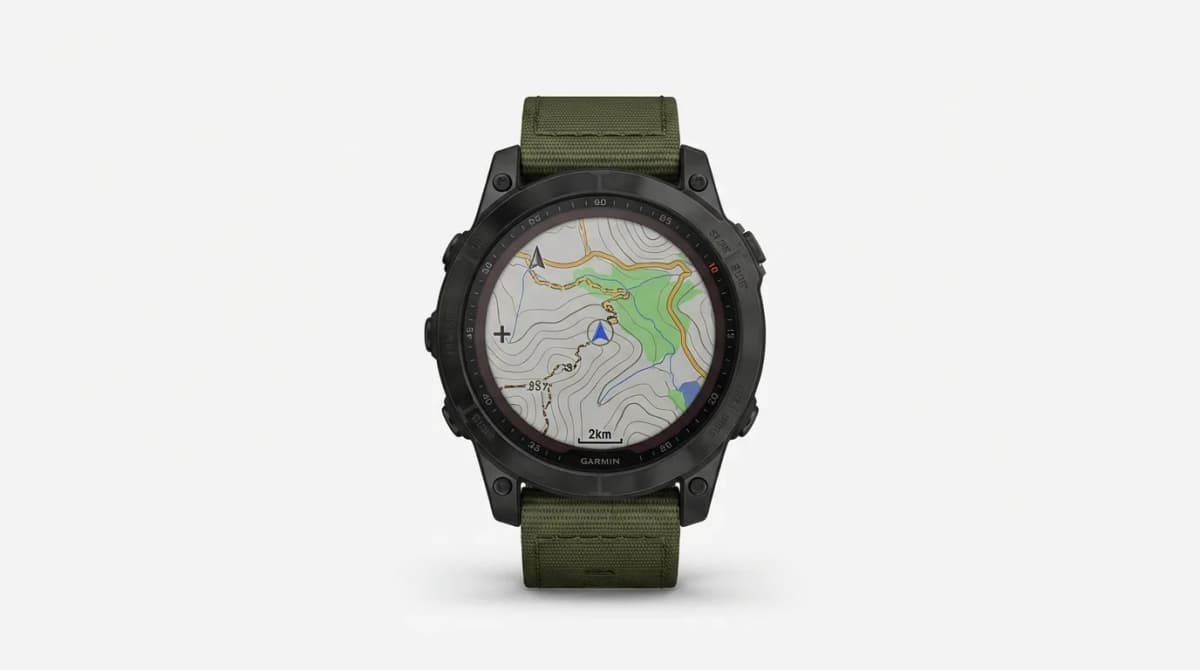
Best Outdoor GPS Watch for Hiking Under $400
Finding a capable GPS hiking watch under $400 means understanding what specs matter on the trail and which premium features you can skip.
Adventure Travel Gear for Backpacking Abroad
From multi-climate packs to portable water purifiers, the gear choices that separate smooth backpacking trips from uncomfortable disasters abroad.