MagMod MagStand Pro Review: Fast-Setup Light Stand
MagMod's MagStand Pro replaces fiddly twist-locks with a one-handed squeeze button system. Here's why it matters for location shoots and studio work.
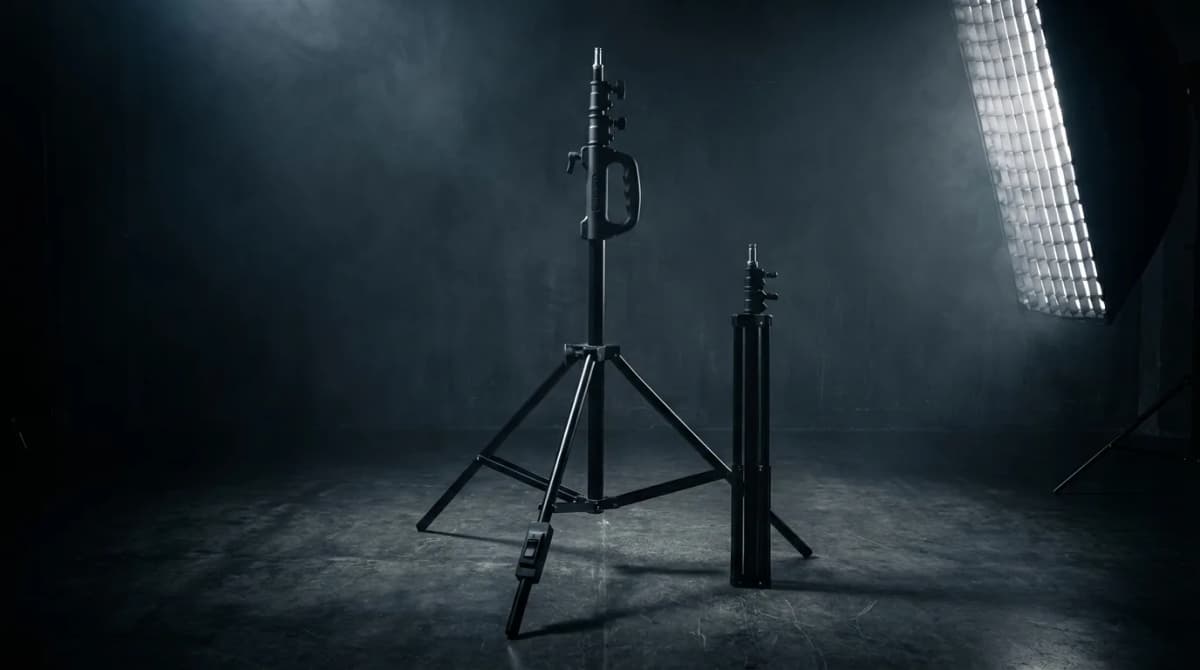
You've set up a light stand in the field. Wind picks up, the leg locks slip, and your $600 strobe hits the ground. Or you're racing against sunset, fumbling with those tiny twist collars while your subject loses patience. Every photographer who works on location knows these moments.
Quick Picks
Our top recommendations at a glance:
- 1
- 2
- 3
- 4
MagMod's MagStand Pro eliminates the twist-lock entirely. Instead of rotating each leg section individually, you squeeze a single button, extend to height, and lock. One hand, three seconds, done. The system arrives through Kickstarter at $145 for early backers (regular price $184.95), with 9-foot and 11-foot versions available for July 2026 delivery.
The squeeze-button mechanism explained
Traditional light stands use friction-based twist locks or lever clamps on each leg section. You're adjusting three to five separate locks per stand, and if one loosens, the whole thing collapses. MagStand replaces this with a single squeeze-activated button system that locks all sections simultaneously.
Press the button, slide the stand to your desired height, release. Internal mechanisms engage across all leg sections at once. No individual adjustments, no sequential tightening, no checking each joint before you mount your light. The entire setup process compresses from 20-30 seconds down to under 5 seconds.
This matters most when you're working fast. Event photography, outdoor portraits against changing light, run-and-gun commercial work where you're repositioning constantly. Every setup cycle you save compounds across a day's work.
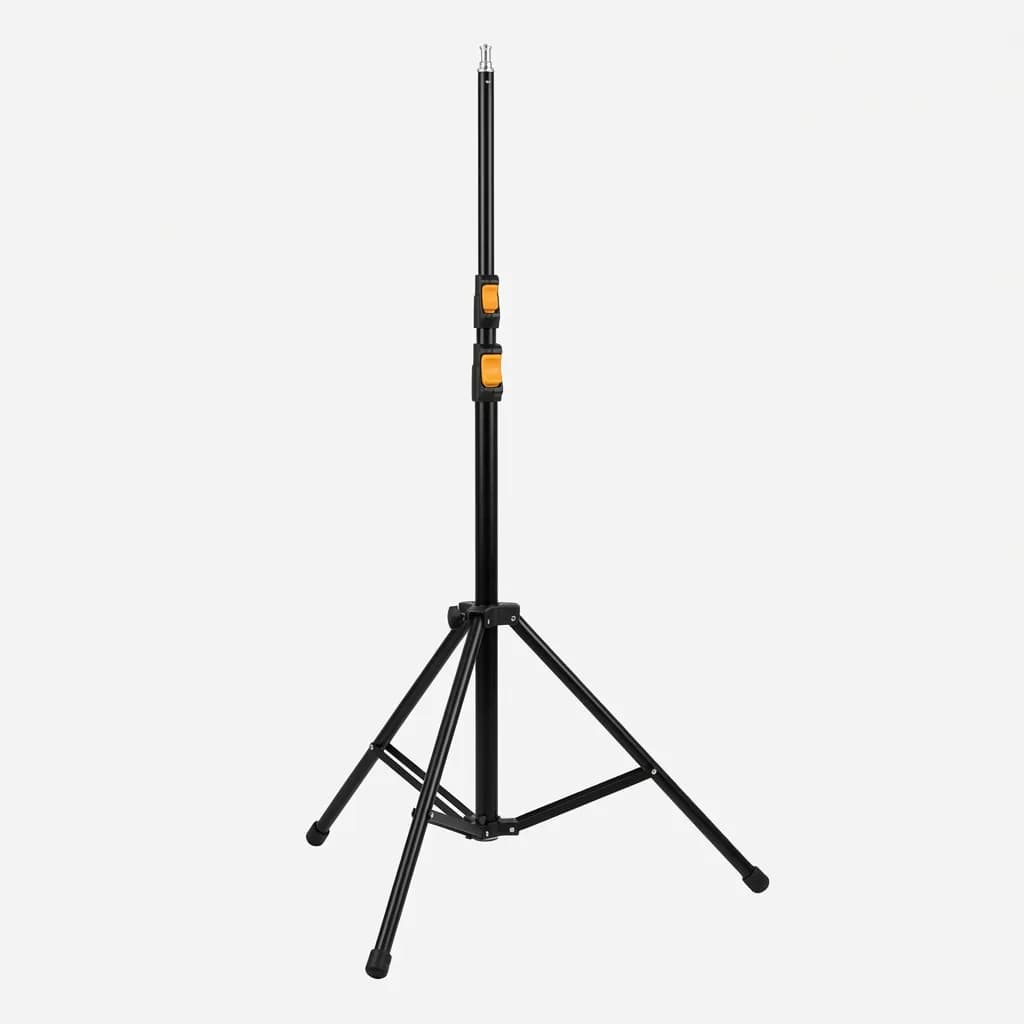
MagMod MagStand Pro 9
$145
9-foot professional light stand with one-handed squeeze-button setup, switchable wide/narrow base, and detachable monopole for travel. Ships July 2026.
Dual-mode base: wide for stability, narrow for tight spaces
The MagStand base switches between two configurations. Wide mode spreads the legs for maximum stability when you're outdoors or using heavy modifiers. Narrow mode brings the legs closer together so you can position multiple stands side-by-side in small studios or squeeze into corners.
Most stands lock you into one footprint. You either buy a low-profile stand that compromises stability, or a wide-stance stand that won't fit in tight spaces. MagStand lets you choose based on your current shoot requirements, not your original purchase decision.
Wide mode matters when you're using large softboxes or working outdoors. A 48-inch octabox catches wind like a sail. You need footprint to counter that leverage. Narrow mode matters in home studios, small commercial spaces, or anywhere you're working around furniture and need to minimize floor space.
The transition between modes takes seconds and doesn't require tools. You're not committed to one configuration for the entire shoot.
Detachable monopole design for travel
The stand separates into two pieces: the leg assembly and the center column. Break it down, and you're carrying two shorter segments instead of one long pole. This fits into standard hard-shell luggage or smaller travel cases without paying oversized baggage fees.
Standard light stands range from 30 to 45 inches when collapsed. That length forces you into specialty cases or soft bags that don't protect well. MagStand's separated sections come in under 24 inches each, fitting into carry-on compatible cases with your camera gear.
For photographers who fly to assignments regularly, this changes your packing strategy. You can protect your stands properly without checking bags or paying extra fees. Location shooters, wedding photographers who travel to venues, commercial photographers on distant assignments all benefit from reduced size.
The monopole reattaches in seconds using a secure locking collar. You're not sacrificing setup speed for portability.
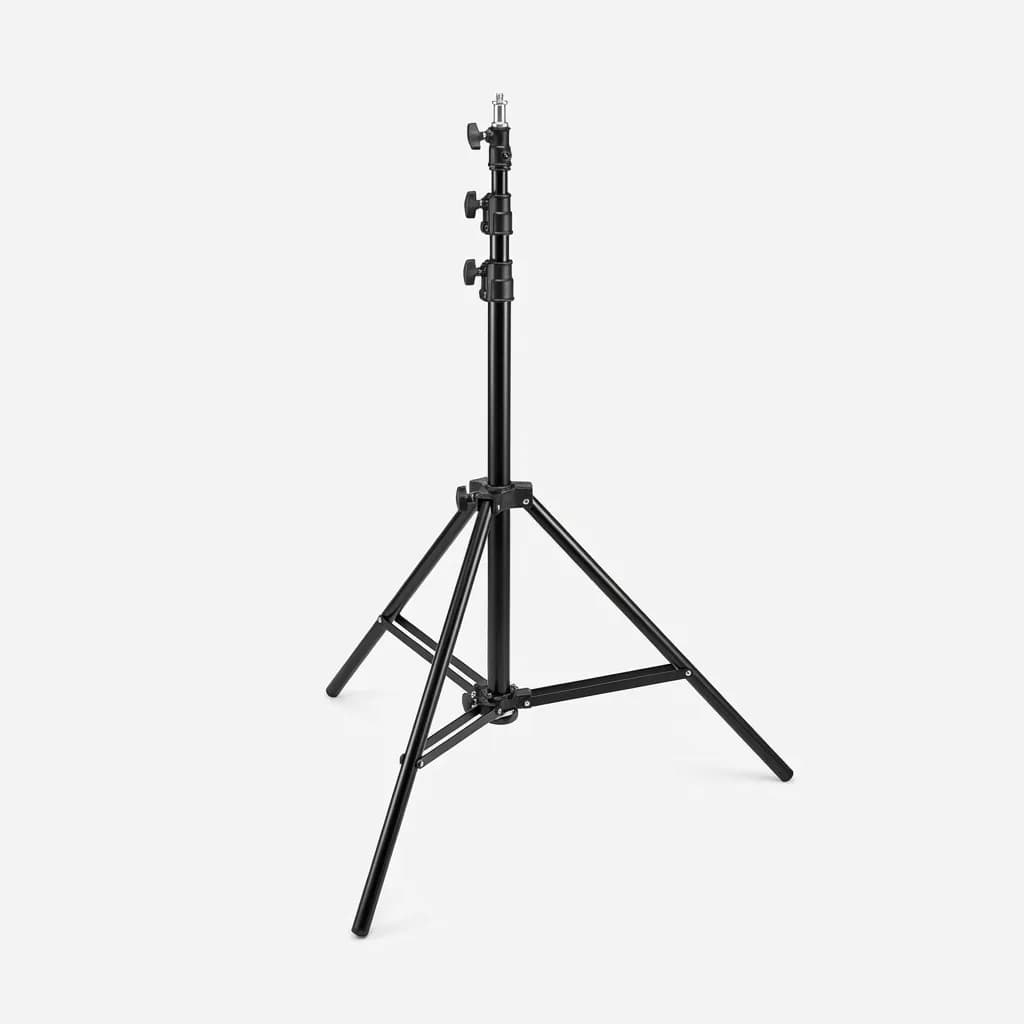
Manfrotto 1004BAC Master Air-Cushioned Stand
$200
13-foot aluminum stand with air cushioning and 26.4-pound load capacity. Industry standard for studio work with large modifiers.
What you give up versus traditional stands
Air cushioning doesn't exist on the MagStand system yet. Air-cushioned stands use pneumatic damping to slow descent when you release the locks, preventing your light from dropping suddenly. This protects expensive strobes and modifiers from impact damage.
Without air cushioning, you're controlling descent manually. Hold the stand as you release the squeeze button, then lower it deliberately. This adds a step back into the process and requires more attention during breakdown.
Maximum load capacity appears lower than heavy-duty C-stands or master stands rated for 30-plus pounds. The MagStand targets speedlights, small strobes, and medium-sized modifiers. If you're regularly mounting large octaboxes on powerful studio strobes, you're working at the upper limits of what this stand handles comfortably.
The system also costs more than basic aluminum stands. Entry-level stands start around $40-50. You're paying a premium for the squeeze-button mechanism and dual-mode base. Whether that premium pays off depends on how often you're setting up and breaking down, and whether that speed translates to more shots or fewer missed moments.
How it compares to C-stands and boom arms
C-stands offer different advantages. Their offset leg design lets you nest multiple stands together, crucial when you're working in tight quarters with several lights. They handle heavier loads and work better with boom arms for overhead lighting. But they're slower to adjust, heavier to transport, and require more deliberate setup.
MagStand prioritizes speed and portability over maximum load capacity. You're choosing between a tool optimized for quick repositioning versus a tool optimized for heavy-duty stability. Most photographers working with speedlights or compact strobes favor the former. Studio photographers with large modifiers and boom-mounted lights favor the latter.
For hybrid shooters who work both in studio and on location, the answer might be both. Use C-stands for static setups with heavy gear, use MagStand for mobile lights and quick adjustments.
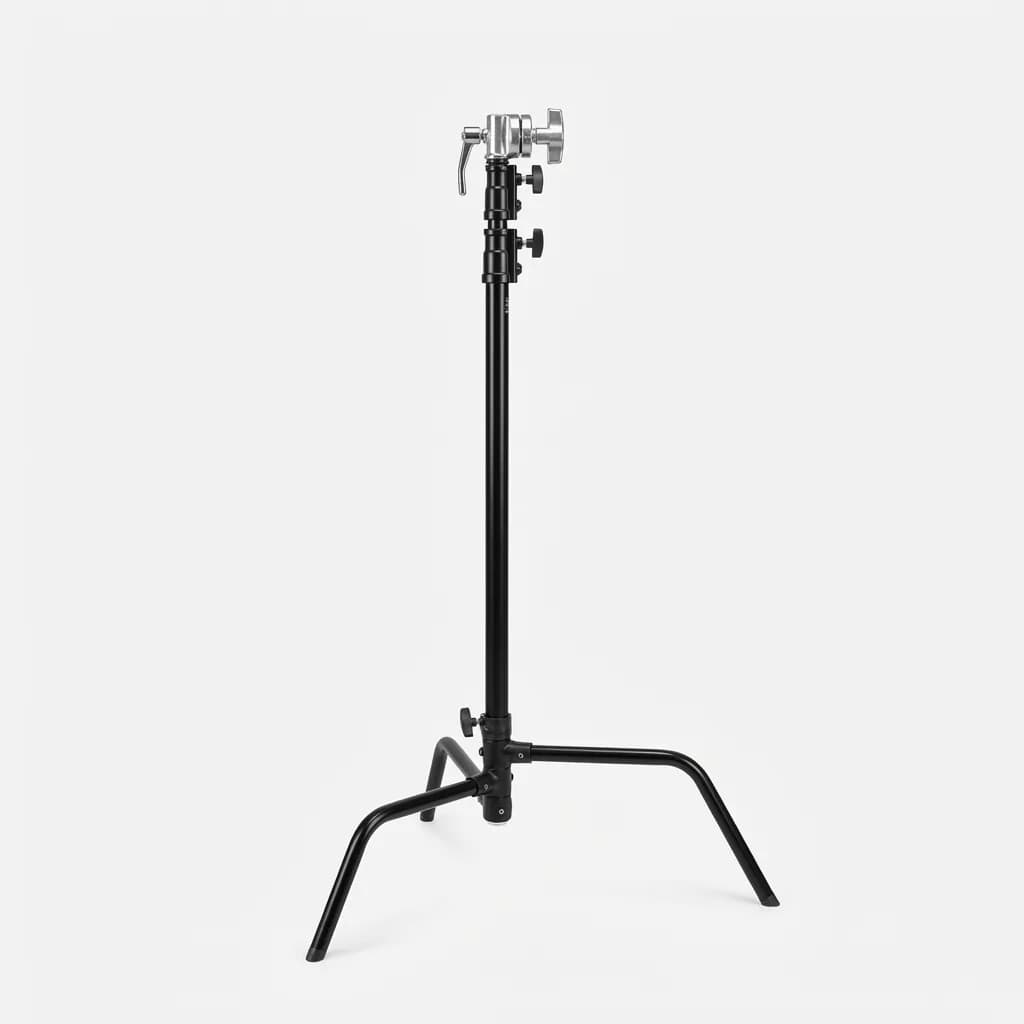
Impact Turtle Base C-Stand with Grip Head
$165
10.75-foot C-stand with 22-pound capacity, removable grip head, and compact turtle base. Professional standard for studio and film work.
The Kickstarter timeline and risk assessment
MagMod projects delivery for July 2026, six months from campaign close. The company has manufacturing experience with their existing magnetic modifier system, which reduces execution risk versus first-time hardware creators. They're not prototyping a new category, they're applying their manufacturing capabilities to a related product.
The Kickstarter price ($145) saves $40 versus the planned retail price ($184.95). That 22% discount compensates for the wait and for taking on the inherent risks of crowdfunding. You're betting the project delivers on schedule and meets performance expectations.
MagMod has an established reputation in the photography community for their MagGrip and modifier systems. They're not an unknown quantity. That track record suggests higher likelihood of successful execution, though it doesn't guarantee on-time delivery or perfect execution of a new product category.
If you need stands immediately, buy existing inventory. If you can wait until summer and want to save on a potentially superior system, the Kickstarter makes sense. Don't back this if you have shoots scheduled that depend on this equipment arriving by a specific date.
Who should buy the MagStand Pro
Event photographers who set up and break down multiple times per event benefit most. Wedding shooters repositioning between ceremony, cocktail hour, and reception. Corporate event photographers moving between breakouts and general sessions. Any situation where you're racing the clock and setup time directly subtracts from shooting time.
Location portrait photographers working outdoors also gain efficiency. You're moving stands frequently to follow light, avoid backgrounds, or adjust ratios. Faster setup means more time directing your subject and nailing expressions.
Studio photographers working alone benefit from the one-handed operation. When you're both photographer and assistant, anything you can do with one hand while holding a light with the other speeds workflow.
The MagStand makes less sense for photographers who set up once and shoot all day, or for studio shooters with dedicated assistants handling gear. If your stands stay in fixed positions for hours, the squeeze-button system saves you 15 seconds once per shoot. That's not enough time savings to justify the premium.
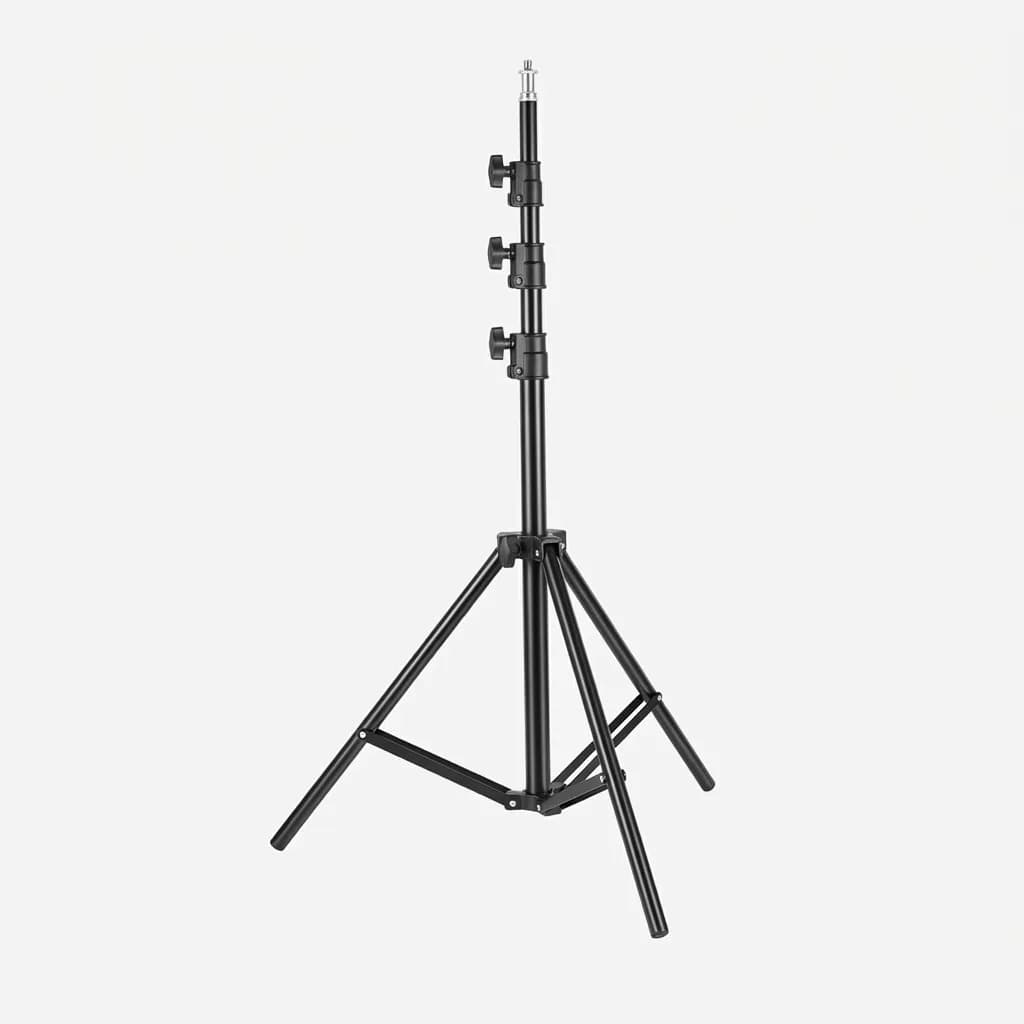
Neewer 9.8-Foot Photography Light Stand
$22
Budget aluminum stand with 8.8-pound capacity and standard twist locks. Solid entry-level option for speedlights and small strobes.
The bigger picture on light stand innovation
Light stands haven't changed fundamentally in decades. You're still working with the same basic telescoping pole and twist-lock system that existed in the film era. MagMod's approach suggests that photographers will pay for meaningful improvements in setup speed and portability, even in categories that seem commodified.
The photography industry has focused innovation on cameras, lenses, and lighting modifiers while treating support gear as solved problems. But support gear failures cause missed shots just as surely as equipment failures do. A light stand that falls over costs you the same shot as a misfiring strobe.
By redesigning basic support equipment with the same attention to user experience that camera manufacturers apply to interfaces and menus, MagMod opens space for premium-priced commodity categories. Whether other manufacturers follow with competing quick-setup systems depends on whether photographers vote with their wallets.
The MagStand's success or failure will signal whether the professional photography market values convenience features enough to pay 3-4x more than basic alternatives.
Making the decision
Consider your actual usage patterns. Track how often you reposition stands during a typical shoot, how much time you spend on setup versus shooting, and whether you're regularly flying with equipment. If you're adjusting stands more than five times per shoot, traveling monthly, or working solo frequently, the efficiency gains compound quickly.
If you set up once and leave stands in place, or if you're working with assistants who handle gear, the traditional options serve fine. The money saved on basic stands can go toward better modifiers or additional lights.
The dual-mode base and travel-friendly design add value beyond just the squeeze-button mechanism. Evaluate the complete package against how you actually work, not against idealized scenarios. Most photographers overestimate how often they'll use premium features and underestimate how much basic reliability matters.
MagStand Pro attacks real friction points in location and event photography. Whether those improvements justify the price depends entirely on your specific workflow, not on abstract comparisons to C-stands or budget alternatives.
The Weekly Dispatch
Enjoying this article?
Subscribe and get our best gear picks delivered every Sunday morning.
Related Posts
The Vintage Digicam Trend Explained
Vintage digital cameras from the early 2000s are making a comeback. Here's why photographers are ditching their smartphones for grainy, low-res digicams.
Small Prime Lenses for Travel: Why They Beat Zooms
Small prime lenses deliver sharper images and better low-light performance than zoom lenses while saving critical weight in your travel kit.
Best Lens Filters for Travel Photography
Skip the UV filter debate. These are the lens filters that actually matter for travel photography - polarizers, ND filters, and when each one earns its place in your bag.
Travel Backup Workflow for Photos and Video
A practical guide to the 3-2-1 backup rule for travel creators: SSD selection, cloud sync strategies, and building a redundant workflow that survives theft and failure.