Best Travel Photography Kit Under $500
Build a complete travel photography kit for under $500. Real-world camera body, lens, and accessory recommendations that prioritize portability without sacrificing image quality.

You can build a legitimate travel photography kit for under $500. Not a smartphone with pretensions, not a disposable point-and-shoot, but a real kit with interchangeable lenses, manual controls, and enough image quality to print large or crop heavily in post.
The catch is prioritization. You can't have everything at this price point, so you need to decide what matters most. A fast lens or a zoom range? Weather sealing or a flip screen? Brand new or refurbished? Across three budget tiers, the sweet spot sits around $450-$480 with a used mirrorless body, a single versatile lens, and a handful of essential accessories.
Why Mirrorless Beats DSLR for Travel
Mirrorless cameras weigh 30-40% less than equivalent DSLRs. The Sony a6000 weighs 344g with battery. The comparable Canon Rebel T7 weighs 475g. Add a lens and the gap widens - a mirrorless kit with a pancake lens fits in a jacket pocket, while a DSLR kit demands a dedicated bag.
The electronic viewfinder shows you the exact exposure before you shoot. No chimping, no guessing, no blown highlights you didn't see coming. For travel where lighting changes fast and you can't always review every frame, this is huge.
Battery life is the trade-off. DSLRs get 600-800 shots per charge. Mirrorless bodies get 300-400. Carry two spare batteries and you're fine. They weigh 45g each and cost $15-$20 for third-party versions.
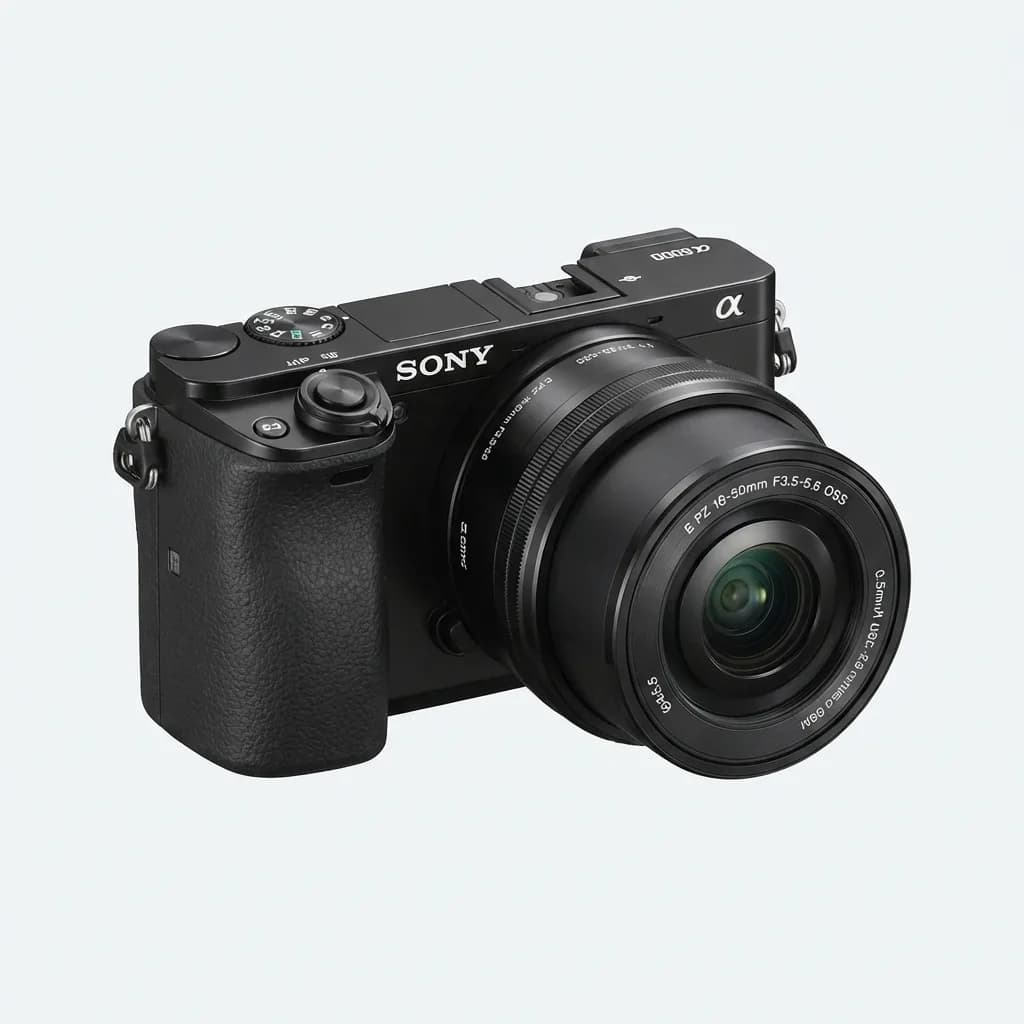
Sony Alpha a6000
$448
24.3MP APS-C sensor, 179-point autofocus, 11fps burst mode. Fast, compact, and proven for five years of travel shooting.
The Camera Body: Sony a6000 or Fujifilm X-T20
The Sony a6000 from 2014 remains the best value in mirrorless travel cameras. Used bodies sell for $300-$350 with under 10,000 shutter actuations. The 24.3MP APS-C sensor delivers excellent dynamic range, the 179-point hybrid autofocus locks focus faster than cameras twice the price, and the 11fps burst mode captures action you'd miss with slower bodies.
The kit lens (16-50mm f/3.5-5.6) is mediocre but functional. It produces sharp images in good light. It collapses to 30mm thick, which matters when you're packing light. If you find the a6000 body-only for under $280, grab it and budget for a better lens.
The Fujifilm X-T20 costs $400-$450 used and offers better color science, a more tactile control layout, and Fujifilm's film simulation modes that reduce post-processing time. The 24.3MP X-Trans sensor is slightly noisier at high ISO than the Sony but delivers more pleasing skin tones. Choose this if you value aesthetics and color over autofocus speed.
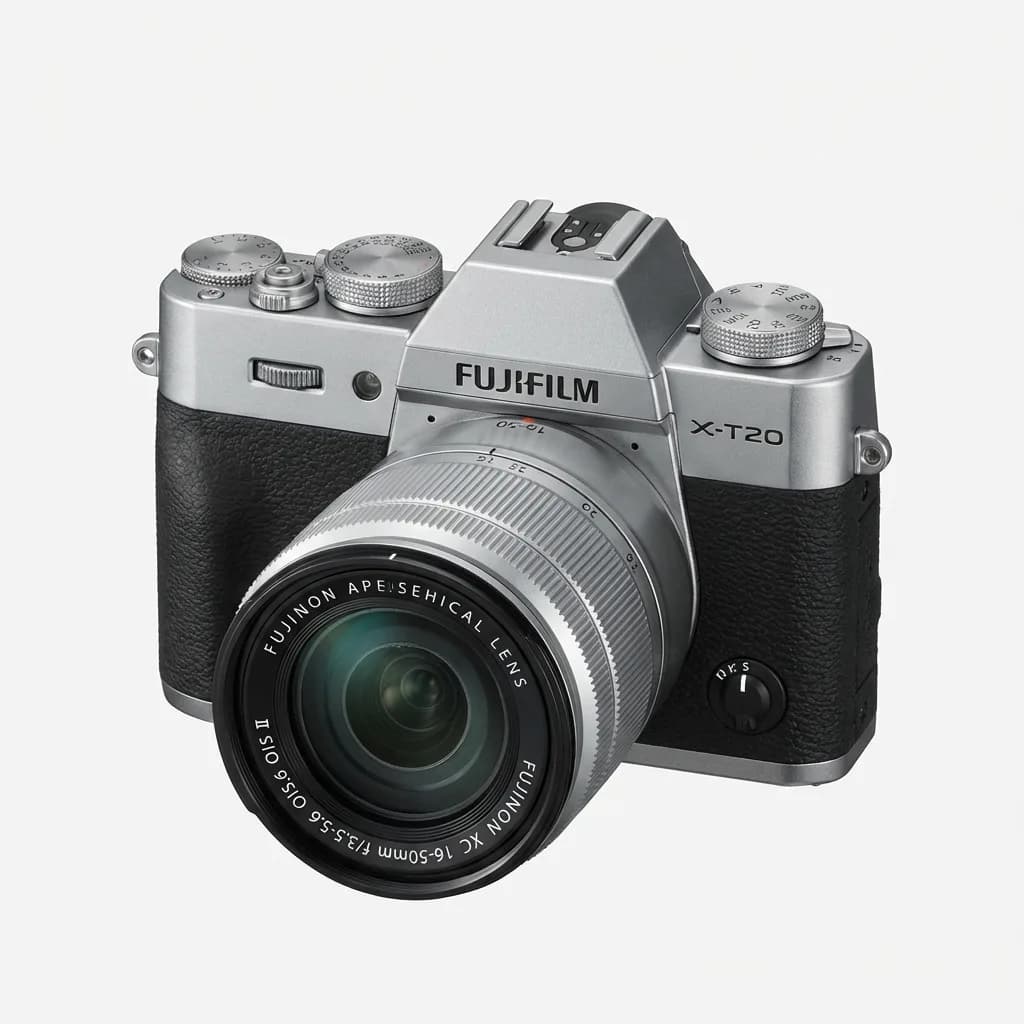
Fujifilm X-T20
$429
24.3MP X-Trans sensor, film simulations, retro controls. Gorgeous color rendering and intuitive manual controls for intentional shooting.
The Lens: One Versatile Prime or a Compromised Zoom?
A 35mm f/1.8 prime lens covers 70% of travel situations. It's wide enough for street scenes and environmental portraits, tight enough for food and detail shots, and fast enough for low light. On an APS-C sensor, 35mm gives you a 50mm equivalent field of view, the most natural perspective for handheld shooting.
The Sony 35mm f/1.8 OSS costs $350 new, $250 used. It's sharp wide open, focuses silently, and the optical stabilization adds two stops of handheld capability. That makes slow handheld shutter speeds in dim interiors like temples workable. For low-light travel, this lens is non-negotiable.
If you need zoom range more than low-light performance, the Sony 18-105mm f/4 G OSS covers wide angle to short telephoto for $450 used. Constant f/4 aperture, power zoom for video, and excellent edge-to-edge sharpness. It's larger (427g vs 154g for the prime) and slower in dim conditions, but eliminates lens changes on the road.
For Fujifilm, the XF 23mm f/2 (35mm equivalent) costs $400 new, $280 used. Weather-resistant, metal construction, and razor sharp. Fujifilm's lens lineup skews expensive, so buying used matters more here.
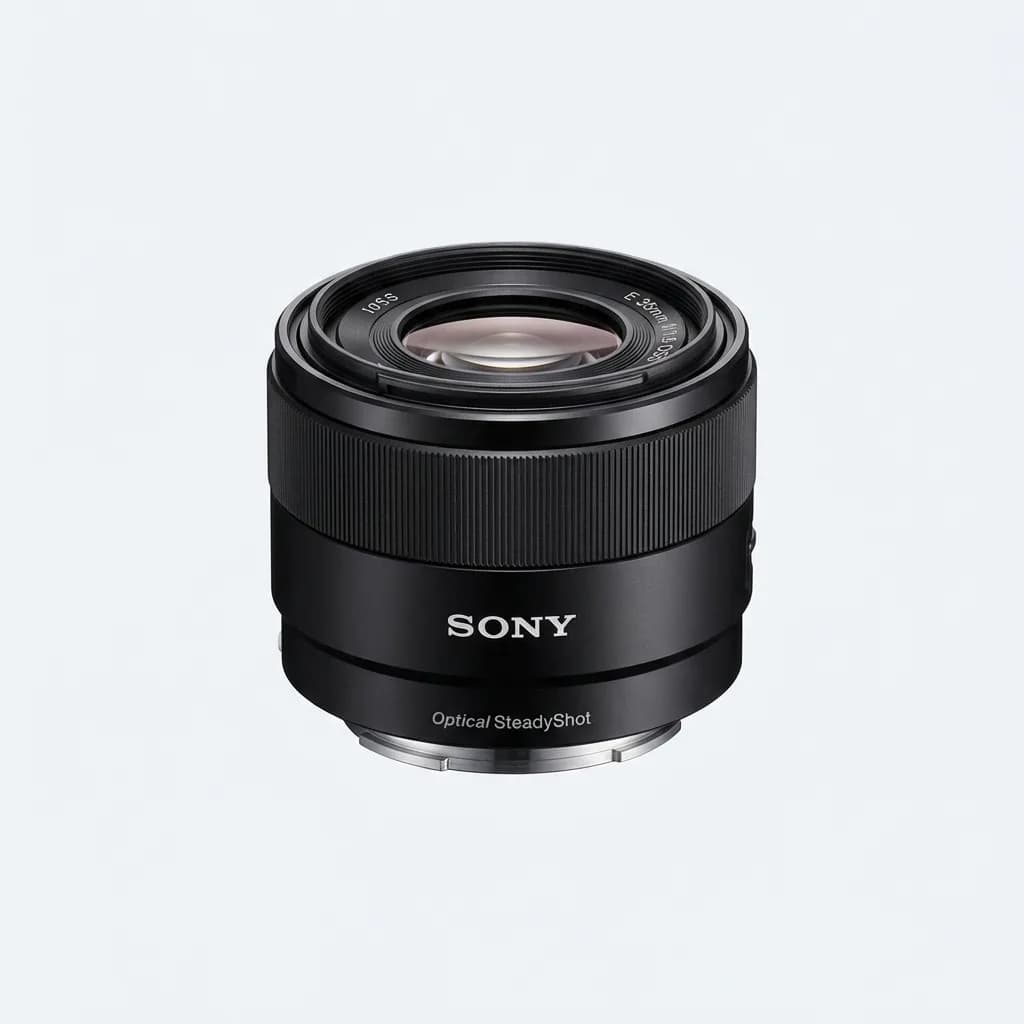
Sony E 35mm f/1.8 OSS
$248
154g, f/1.8 maximum aperture, optical stabilization. The ideal travel prime for APS-C: compact, fast, sharp, and versatile.
Memory Cards: Speed vs. Capacity
A 64GB UHS-I card holds 2,000-2,500 RAW files on a 24MP camera. For a two-week trip shooting 100-150 frames per day, one card is enough. For longer trips or heavy shooting days, carry two 64GB cards instead of one 128GB. If a card fails, you lose less work.
Write speed matters for burst mode and 4K video. UHS-I cards max out at 104MB/s, fast enough for 11fps stills and 4K at 30fps. UHS-II cards cost twice as much and only help if your camera supports UHS-II (the a6000 doesn't, the X-T20 does).
SanDisk Extreme 64GB cards cost $12-$15 and deliver 150MB/s read, 70MB/s write. We've run these for three years across five cameras with zero failures. Buy two. For lens picks, see why small prime lenses beat zooms for travel.
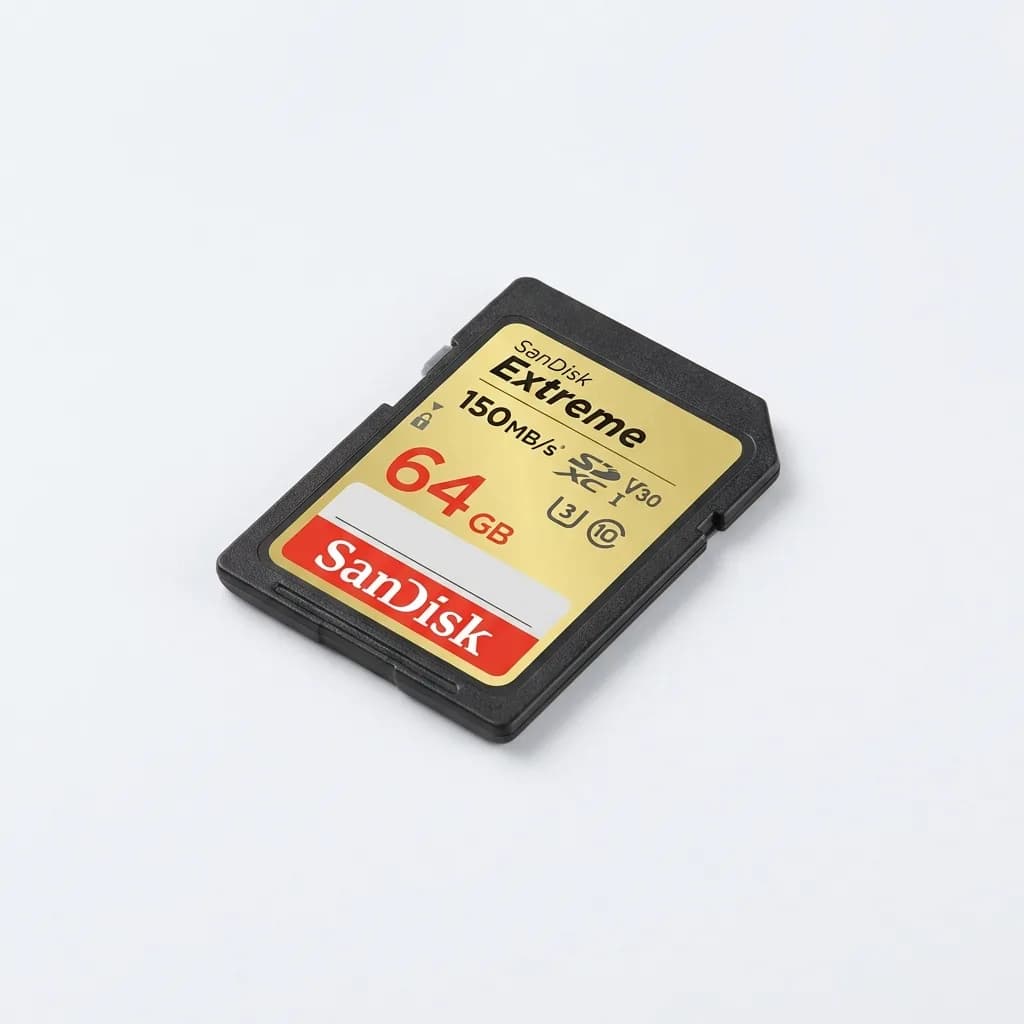
SanDisk Extreme 64GB SDXC
$13
UHS-I U3 V30, 150MB/s read, 70MB/s write. Fast, reliable, affordable. Buy two and rotate them.
Essential Accessories: Peak Design Capture Clip and Spare Batteries
The Peak Design Capture Clip mounts your camera to any backpack strap or belt. It holds the camera secure during hikes, frees your hands instantly, and lets you access the camera in under two seconds. It's comfortable enough to wear all day.
The quick-release plate is Arca-Swiss compatible, so it works with most tripods. The V3 version holds cameras up to 200 pounds and costs $65. Skip the knockoffs - the locking mechanism on cheap versions fails under load.
Spare batteries are mandatory. Third-party NP-FW50 batteries (for Sony) cost $15 for a two-pack and deliver 90% of OEM runtime. Charge one in your hotel room while shooting on the other two. Label them with a marker so you know which ones are charged.
A circular polarizer reduces glare on water, darkens skies, and cuts through haze. The Breakthrough Photography X4 CPL costs $89 for 52mm (Sony 35mm filter thread size) and delivers zero color cast. Cheaper polarizers add a blue or magenta tint you'll spend hours correcting in post.
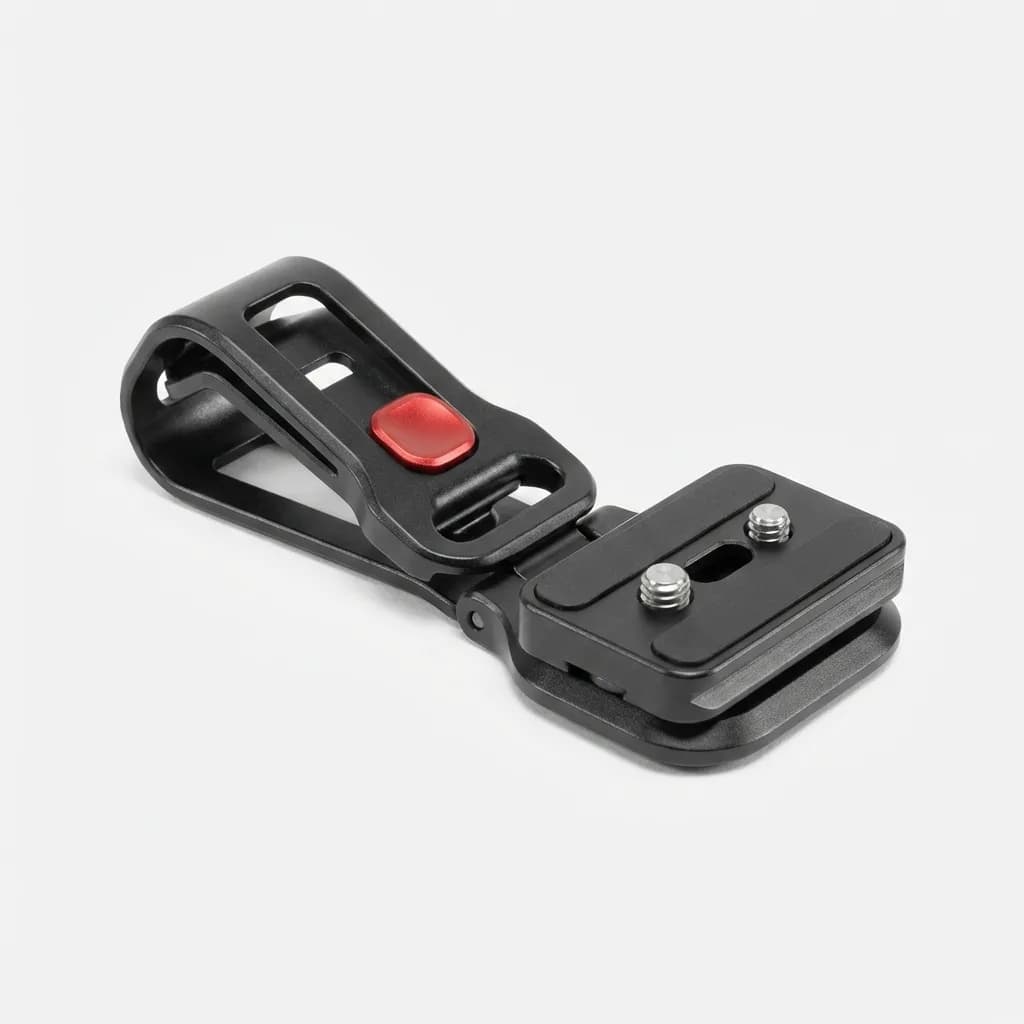
Peak Design Capture Camera Clip V3
$65
Mounts to any backpack strap or belt. Arca-Swiss compatible, holds up to 200 lbs, instant camera access. Essential for active travel.
What to Skip: Tripods, Flash, and Lens Filters You Don't Need
Skip the tripod unless you're shooting long exposures or astrophotography. Modern image stabilization and high ISO performance handle most low-light situations. If you need a tripod, rent one at your destination or buy a $20 Manfrotto PIXI mini tripod that doubles as a grip.
Skip the external flash. The built-in flash on the a6000 and X-T20 is enough for fill light. Carrying a separate flash adds bulk and forces you into situations where flash photography looks terrible anyway. Learn to use available light and bounce flash instead.
Skip UV filters. They degrade image quality, cause flare in backlit situations, and protect against damage that almost never happens. If you're worried about the front element, use a lens hood. It blocks more impact than a filter and improves contrast.
Skip lens cleaning kits with multiple solutions and cloths. Carry a microfiber cloth and pre-moistened lens wipes. Clean your lens twice per trip, not twice per day.
Sample Budget Breakdown: $480 Total
Here's the exact configuration we recommend:
- Sony a6000 body (used, excellent condition): $330
- Sony 35mm f/1.8 OSS (used): $250
- Two SanDisk Extreme 64GB cards: $26
- Two third-party NP-FW50 batteries: $15
- Peak Design Capture Clip V3: $65
- Microfiber cloth and lens wipes: $8
Total: $694
Wait, that's over $500. Here's how to cut $200:
Option 1: Buy the a6000 with kit lens for $380 and skip the 35mm prime for now. Add the prime later when budget allows.
Option 2: Skip the Capture Clip and spare batteries initially. Use the neck strap and shoot conservatively. Add these after the first trip when you understand your shooting style.
Option 3: Buy a Canon M50 Mark II with kit lens (new) for $550, skip all accessories, and call it a day. You'll wish you had the prime lens and spare batteries within a week.
We prefer Option 1. The kit lens is limiting but usable. You'll upgrade to the prime within three months and keep both lenses for different situations.
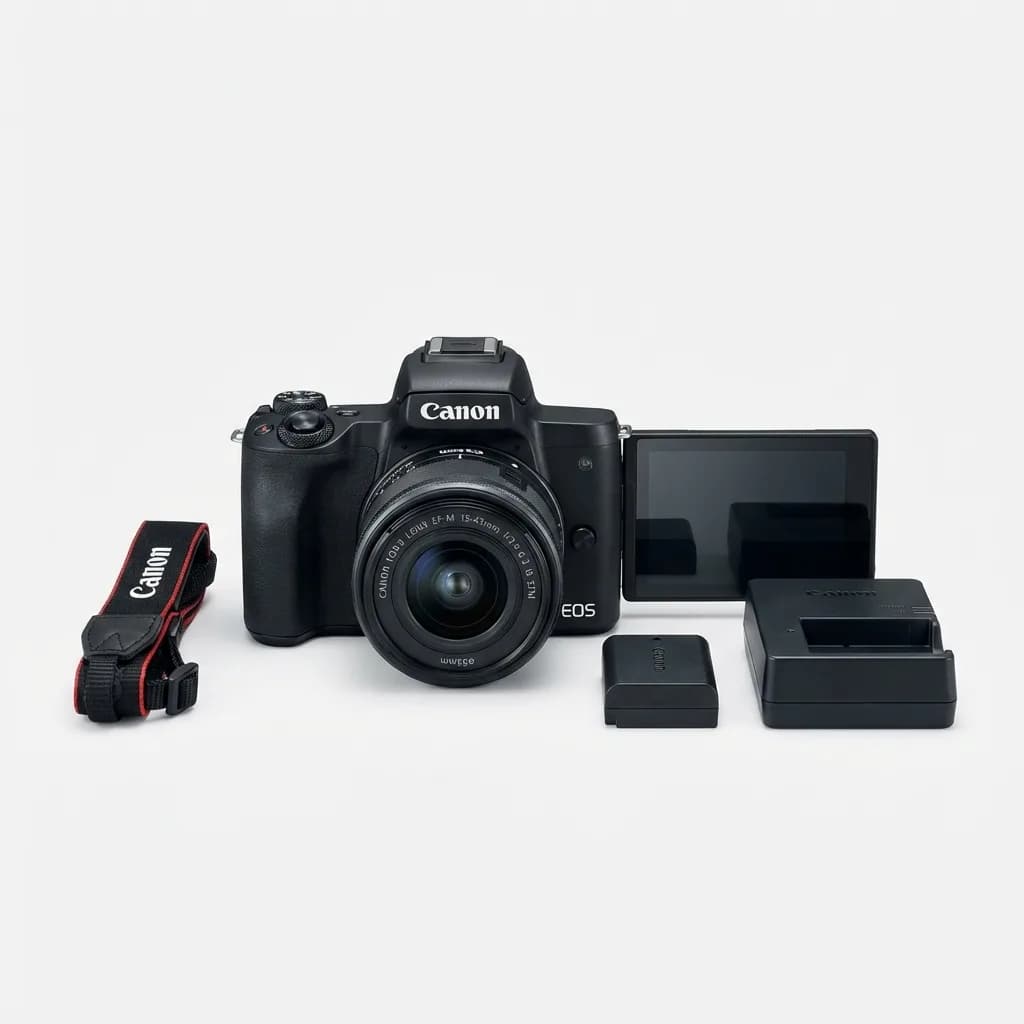
Canon EOS M50 Mark II
$579
24.1MP APS-C sensor, 4K video, vari-angle touchscreen. Great kit lens bundle for beginners, intuitive menu system, excellent video autofocus.
How to Buy Used: MPB, KEH, and Local Camera Shops
MPB and KEH grade used gear accurately and offer six-month warranties. "Excellent" condition means light cosmetic wear with full functionality. "Good" means heavier wear but no performance issues. We've bought 15 cameras and lenses from both sites with zero problems.
Local camera shops offer hands-on inspection before purchase. You can test autofocus, check for sensor dust, and verify the shutter count. Negotiate - used prices are flexible, especially if you're buying multiple items.
Avoid Craigslist and Facebook Marketplace unless you can meet in person and test thoroughly. Scams are common. Gray market sellers offer steep discounts on "new" bodies that lack manufacturer warranties and may have been imported from regions with different voltage standards.
Check shutter count before buying any used body. Cameras are rated for 100,000-200,000 actuations. A body with 50,000 clicks is half-worn. A body with 5,000 clicks is barely broken in. Free apps like ShutterCount (Mac) or EOSMSG (Windows) read this from your image metadata.
Common Mistakes: Over-Buying Lenses and Under-Buying Storage
The biggest mistake is buying three mediocre lenses instead of one excellent lens. A 16-50mm kit lens, a 55-210mm telephoto, and a 30mm macro sounds versatile but locks you into slow apertures and constant lens changes. One fast prime covers more situations better.
The second mistake is skipping spare batteries. You'll miss shots, stress about charge levels, and hunt for outlets mid-day. Batteries cost $15. The photos you'll miss cost more.
The third mistake is buying new when used delivers identical performance. A three-year-old a6000 with 8,000 shutter actuations takes the same photos as a new one. Save $200 and put it toward a better lens or a second trip.
The fourth mistake is ignoring color science. Sony's colors require more post-processing than Fujifilm's. If you hate editing, choose Fujifilm. If you shoot RAW and enjoy editing, choose Sony. Test both in a camera store before deciding.
The Six-Month Upgrade Path
Start with the a6000 and kit lens. Shoot for three months. You'll quickly learn whether you need wide angle, telephoto, or low-light capability more urgently.
If you're shooting mostly indoors and at night, add the 35mm f/1.8 prime ($250 used). If you're shooting landscapes and architecture, add the Rokinon 12mm f/2.0 wide-angle ($230 new). If you're shooting wildlife and sports, add the Sony 55-210mm telephoto ($180 used).
After six months, sell the kit lens for $50-$80 and put that toward your second lens. The kit lens holds value poorly but sells quickly on local marketplaces.
After a year, consider upgrading the body to an a6400 ($650 used) for improved autofocus and 4K video without crop, or stick with the a6000 and invest in better lenses. Lenses matter more than bodies for image quality.
Weather Sealing: Worth $200 Extra?
The a6000 and X-T20 lack weather sealing. Light rain and dust are manageable if you're cautious. Heavy rain and beach environments demand weather-sealed bodies and lenses.
The Sony a6400 ($650 used) adds weather sealing and better autofocus. The Fujifilm X-T3 ($750 used) adds weather sealing, better build quality, and professional video features. Both push you $150-$200 over budget.
If you're planning trips to humid, dusty, or wet environments, save another month and buy weather-sealed gear. If you're shooting in cities and controlled environments, pocket the $200 and buy insurance instead.
Building Long-Term: The $500 Kit That Grows
This budget prioritizes a solid foundation over immediate completeness. You're buying a camera body that will serve you for five years, a lens ecosystem with affordable upgrade paths, and accessories that transfer to future bodies.
The a6000 accepts every Sony E-mount lens, from $200 primes to $2,500 professional zooms. Start cheap, upgrade selectively, and sell lenses you outgrow. The used market is liquid - good lenses hold 70-80% of their value.
The mistake is buying a complete kit at this price point. Complete kits include compromised lenses, gimmicky accessories, and low-quality bags you'll replace immediately. Build piece by piece, prioritize image quality over convenience, and shoot more than you shop.
A $500 travel photography kit is possible. A $500 travel photography kit that includes everything you might ever want is not. Choose the former, shoot for six months, then upgrade based on real-world needs rather than theoretical capabilities.
The Weekly Dispatch
Enjoying this article?
Subscribe and get our best gear picks delivered every Sunday morning.
Related Posts
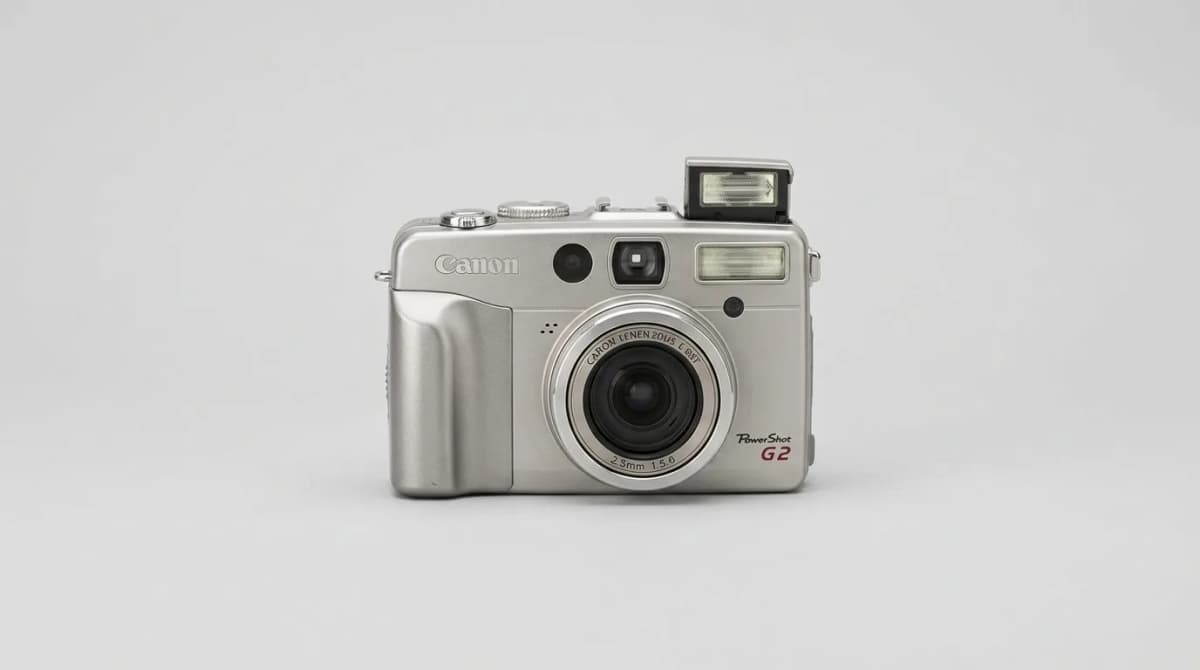
The Vintage Digicam Trend Explained
Vintage digital cameras from the early 2000s are making a comeback. Here's why photographers are ditching their smartphones for grainy, low-res digicams.
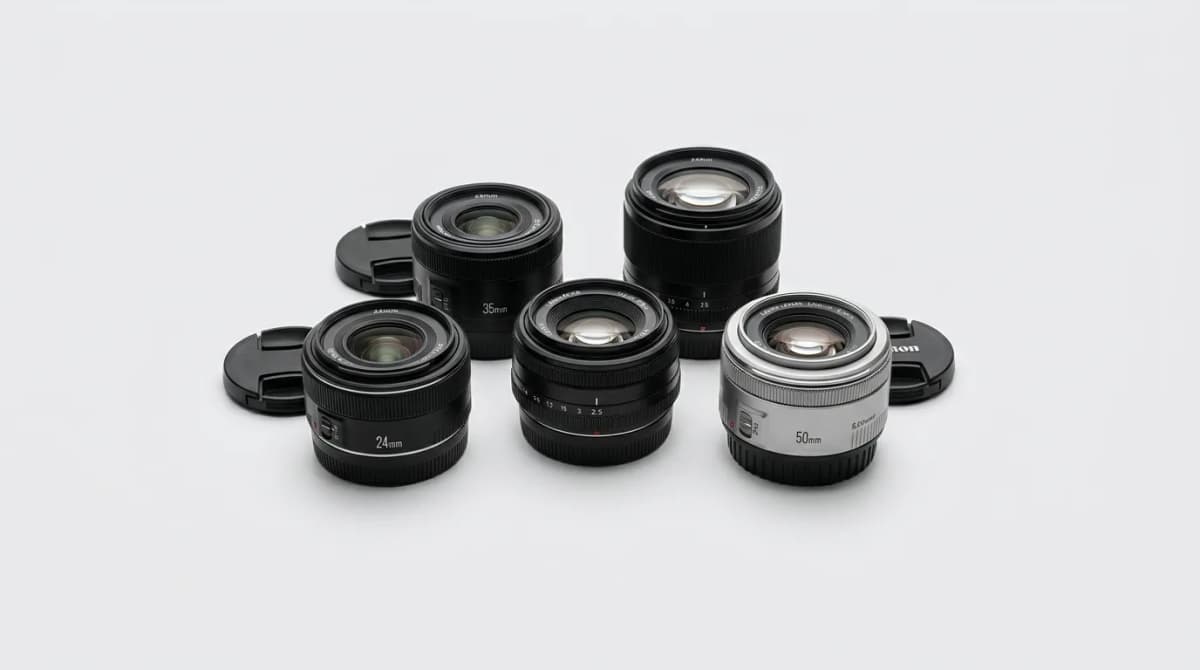
Small Prime Lenses for Travel: Why They Beat Zooms
Small prime lenses deliver sharper images and better low-light performance than zoom lenses while saving critical weight in your travel kit.
Best Lens Filters for Travel Photography
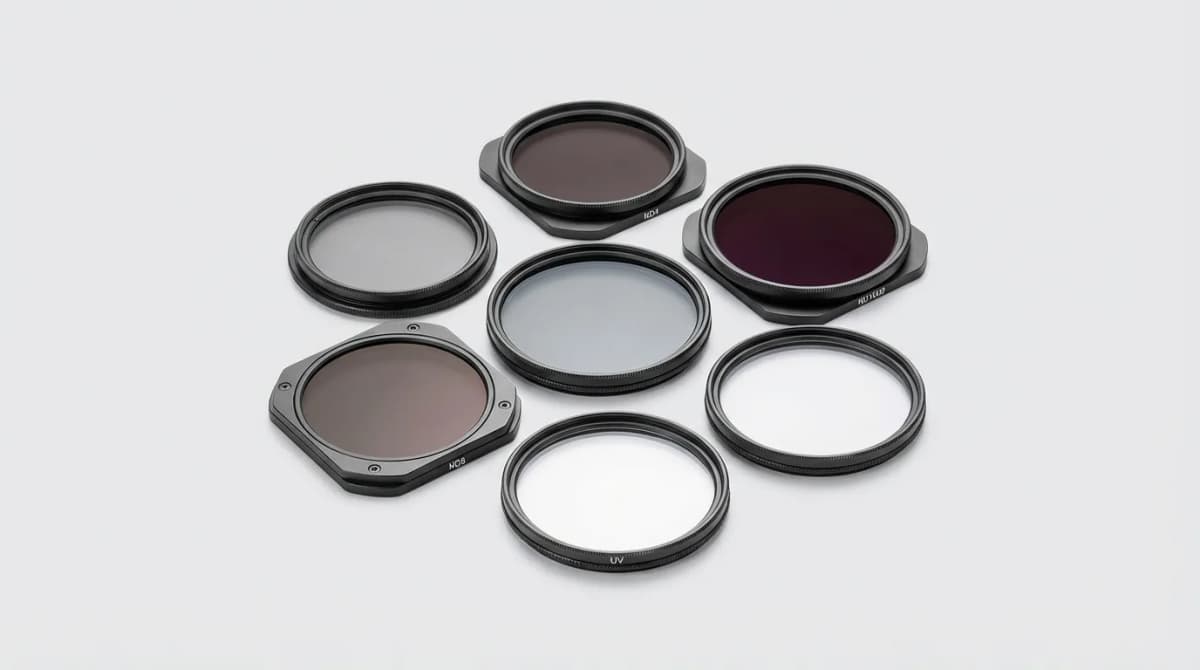
Skip the UV filter debate. These are the lens filters that actually matter for travel photography - polarizers, ND filters, and when each one earns its place in your bag.
Travel Backup Workflow for Photos and Video
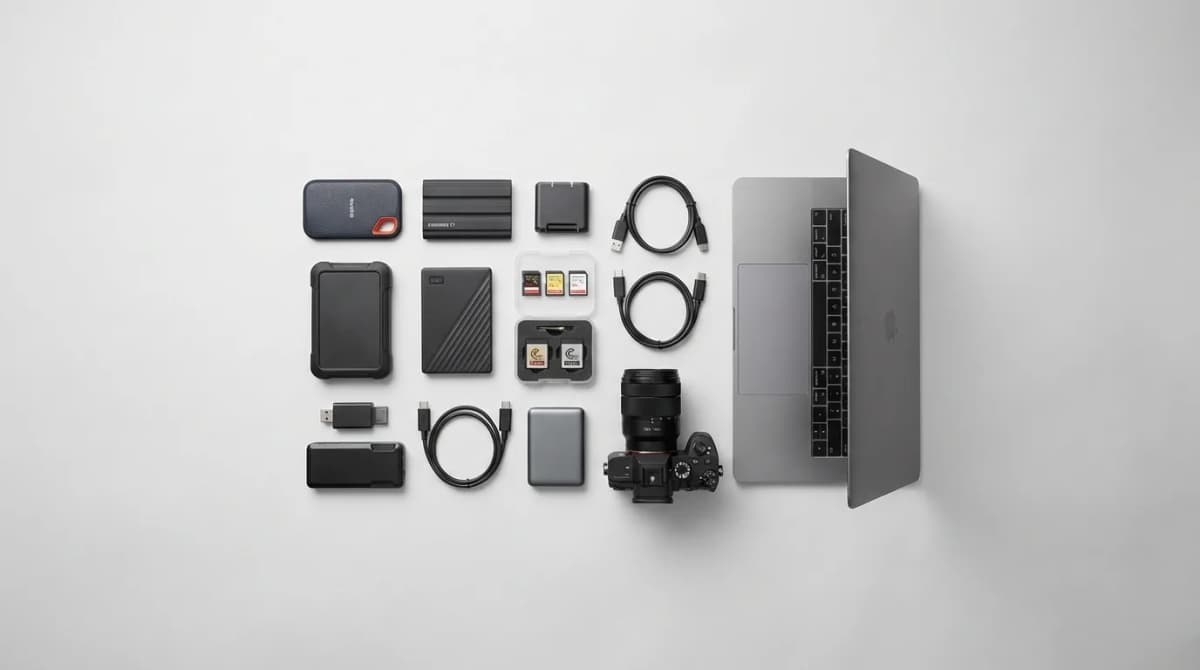
A practical guide to the 3-2-1 backup rule for travel creators: SSD selection, cloud sync strategies, and building a redundant workflow that survives theft and failure.