EDC Sling Bag Loadouts by Liter Size
Match your sling bag size to what you actually carry. From ultralight 2L pouches to full-featured 8L bags, here's what fits and what works.
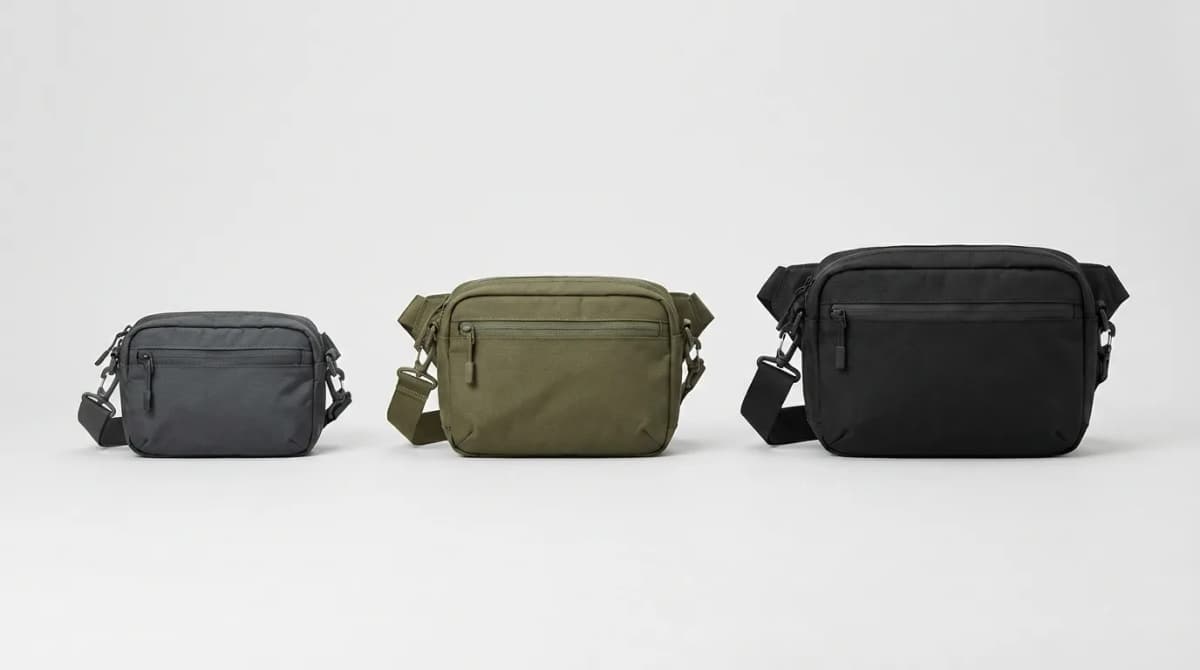
The difference between a 2-liter sling and an 8-liter sling is the difference between a front pocket and a small backpack. Most people either overpack a small bag or underuse a large one because they're guessing at capacity instead of matching liters to loadout.
Quick Picks
Our top recommendations at a glance:
- 1Bellroy Venture Sling 7LSee current price
- 2Aer City Sling 2See current price
- 3Patagonia Atom Sling 8LSee current price
- 4Peak Design Everyday Sling 10LSee current price
- 5Osprey Daylite SlingSee current price
Sling bags are sized by volume in liters, but that number means nothing until you know what actually fits. A 2L bag holds your phone, wallet, keys, and maybe a water bottle. A 5L bag adds layers, snacks, and small tech. An 8L bag can carry a 13-inch laptop, a jacket, and a full day's worth of gear. The key is building your loadout first, then choosing the bag that fits it without dead space or forced compromises.
We compared bags from 2L to 10L for urban commutes, day hikes, and travel days to see where each size works and where it breaks down. Here's what fits, what doesn't, and how to avoid the most common mistakes.
What Actually Fits in a 2L Sling Bag
Two liters is barely larger than a Nalgene bottle. It's a minimalist setup for short trips where you need hands-free access to essentials but nothing more.
A 2L sling fits a phone (even a Pro Max), a slim wallet, keys, earbuds case, a small power bank (10,000mAh or less), lip balm, hand sanitizer, and a packable tote bag. Some models squeeze in a 16 oz water bottle if the exterior pocket is designed for it. That's the limit.
This size works for errands, concerts, theme parks, and quick urban outings where you'd otherwise carry everything in your pockets. It does not work for commutes that require a laptop, days that involve weather changes, or trips where you need snacks, layers, or anything beyond immediate-access items.
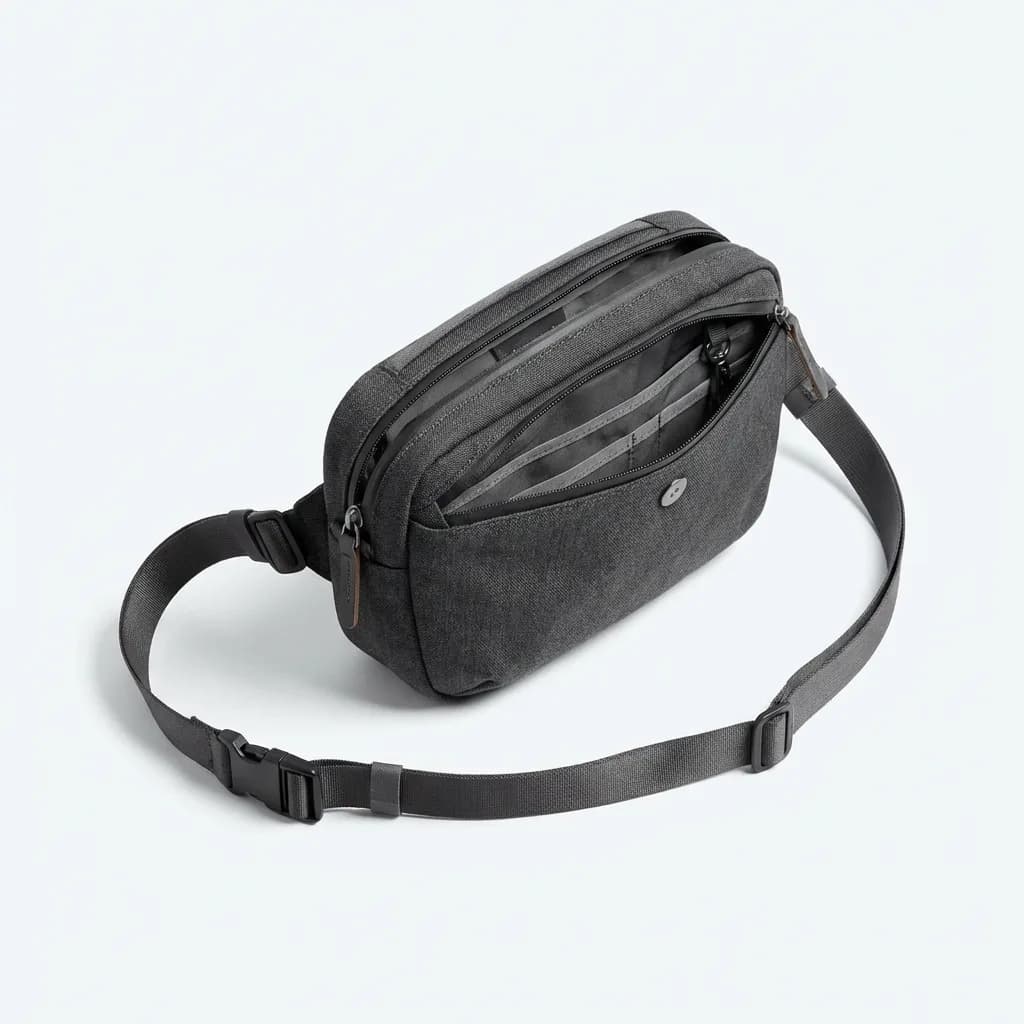
Bellroy Venture Sling 7L
See current price
Premium woven fabric with quick-access phone pocket, water-resistant zippers, and adjustable cross-body strap. Slim profile with internal organization.
The most common mistake at this size is trying to force a full EDC into it. If you carry a multitool, flashlight, notebook, and full-size headphones, you need a bigger bag. A 2L sling is for people who've already cut their carry down to absolute essentials.
The 5L Sweet Spot for Daily Urban Carry
Five liters is the most versatile sling size. It handles a full EDC without feeling overbuilt, and it scales up for half-day trips without looking like you're gearing up for a week in the backcountry.
A 5L sling fits everything from the 2L list, plus a packable rain jacket or lightweight hoodie, a 500ml to 750ml water bottle, a small toiletry pouch, a paperback or e-reader, sunglasses in a case, a full-size multitool, a compact flashlight, a small first-aid kit, charging cables, and snacks. You can also fit a tablet up to 10 inches if you skip the jacket.
This is the size we reach for most often. It works for commutes, coffee shop sessions, half-day hikes, museum visits, and cross-city errands. The bag sits comfortably on your chest or back, and it doesn't swing around when you move quickly. If you are choosing between modular slings, our VAULT Sling vs Peak Design comparison breaks down the differences.
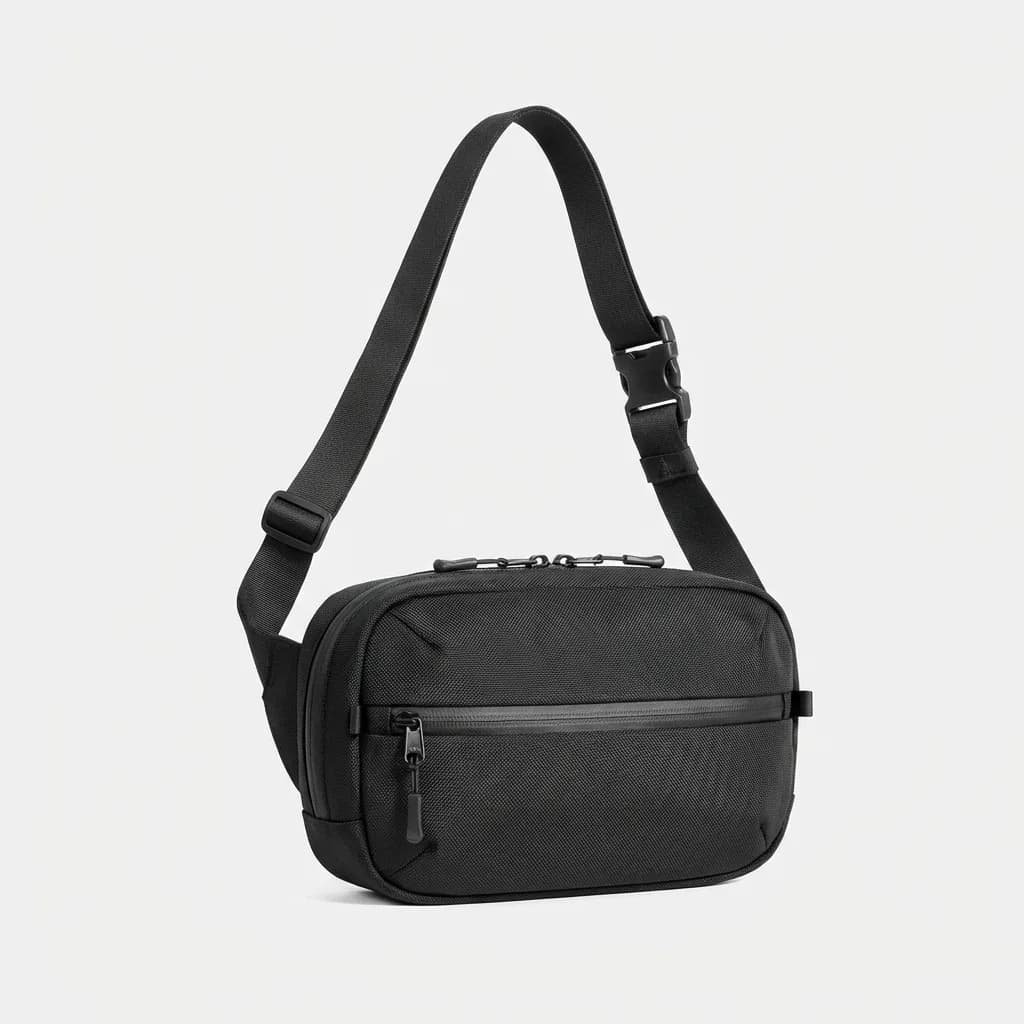
Aer City Sling 2
See current price
Ballistic nylon construction with dedicated front pocket for quick access, internal organization panel, and YKK zippers. Fits 10-inch tablet.
The main limitation at 5L is laptop carry. A thin 11-inch laptop or iPad Pro might fit if the bag has a padded sleeve, but most 5L slings are not designed for serious device protection. If your day revolves around a laptop, you need more space and better padding.
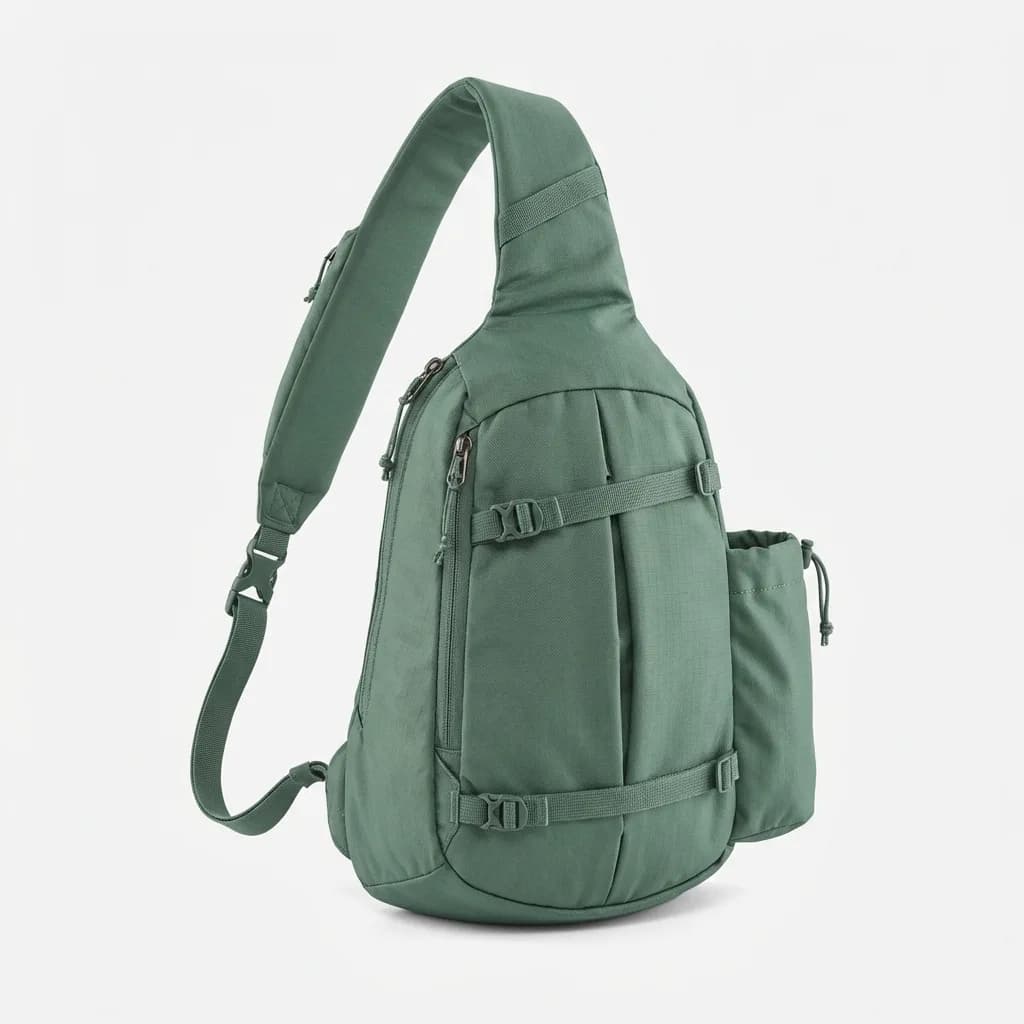
Patagonia Atom Sling 8L
See current price
Recycled ripstop polyester with cross-body strap that converts to waist carry. Multiple pockets and water bottle holder. Lightweight at 7 oz.
A 5L bag also struggles with bulky layers. A lightweight down jacket compresses enough to fit, but a fleece or puffy mid-layer takes up too much room and forces you to drop other items. Plan your layers around packability if you're sticking with this size.
When You Need an 8L Sling Bag
Eight liters pushes the upper limit of what still feels like a sling. At this size, you're approaching small backpack territory, and the bag shifts from minimalist accessory to functional gear hauler. To keep a backpack dry in a downpour, see our best minimal rain covers for backpacks.
An 8L sling fits a 13-inch laptop in a padded sleeve, a full change of clothes (shirt, underwear, socks), a toiletry kit, a 1L water bottle, a packable jacket, a hat, sunscreen, a notebook, a full charging setup (cables, adapters, power bank), snacks for the day, and a camera (mirrorless or compact DSLR with one lens). Some bags at this size also fit a small packable backpack as a backup.
This is the size for long commutes, full-day adventures, overnight trips, and situations where you need to be prepared for multiple scenarios without carrying a full backpack. It works well for digital nomads who bounce between coffee shops, travelers who want a personal item that holds everything, and outdoor enthusiasts who need more than a hip pack but less than a daypack.
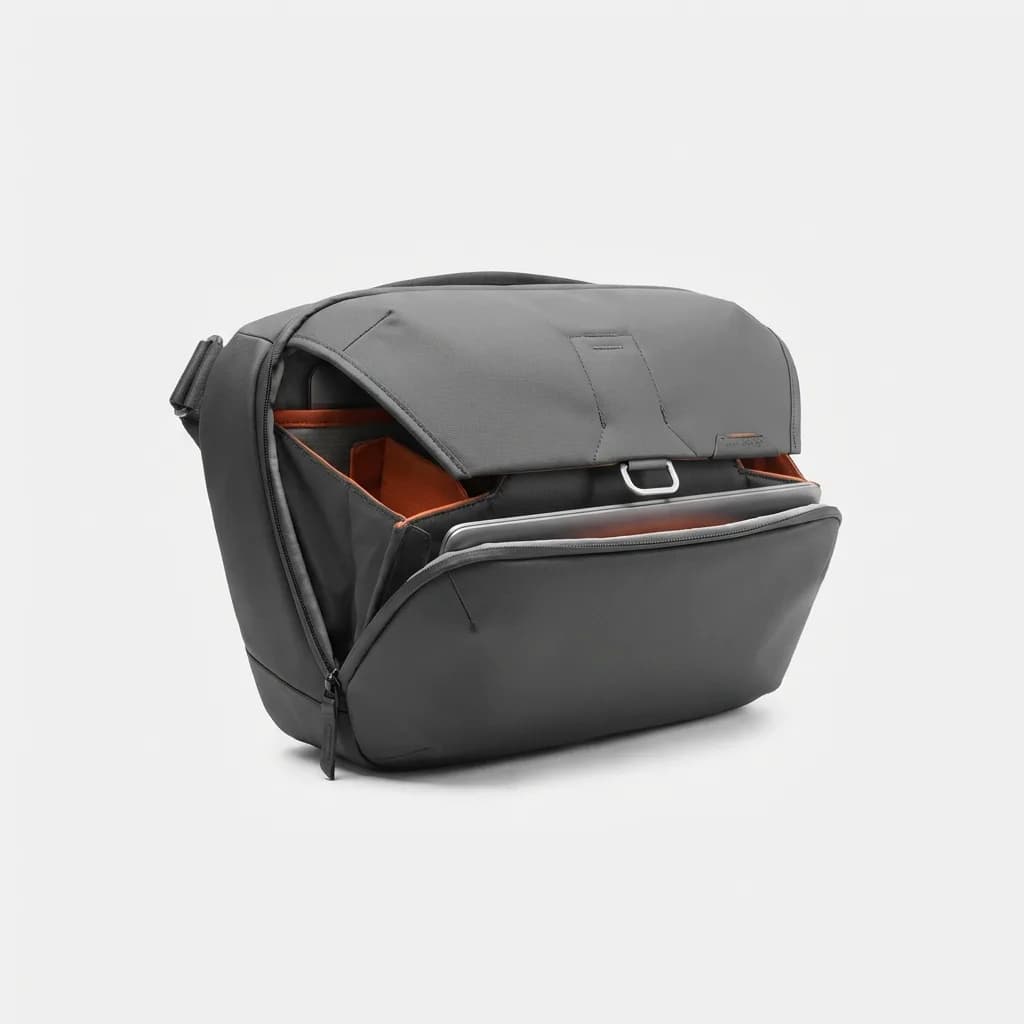
Peak Design Everyday Sling 10L
See current price
Weatherproof shell with expandable main compartment, FlexFold dividers for camera gear, and magnetic latch closure. Fits 13-inch laptop and mirrorless camera.
The tradeoff at 8L is bulk. The bag sits larger on your body, and it's less comfortable to wear for extended periods compared to a 5L sling. It also tends to sag when fully loaded unless it has a structured frame or compression straps. If you're walking or biking all day, the weight distribution becomes noticeable.
Another issue is access. Larger slings often have deeper main compartments, which means digging for items at the bottom. Good internal organization (pouches, panels, or packing cubes) is critical at this size, or everything turns into a jumbled mess.
How to Choose the Right Size for Your Loadout
Start by laying out everything you carry on a typical day. Not what you think you might need, but what you actually use.
If your pile fits in two cupped hands, you need a 2L bag. If it fills a shoe box, you need 5L. If it takes up a grocery bag, you need 8L or larger. Most people overestimate how much they carry and end up with a bag that has 30 percent dead space, which leads to items shifting around and poor organization.
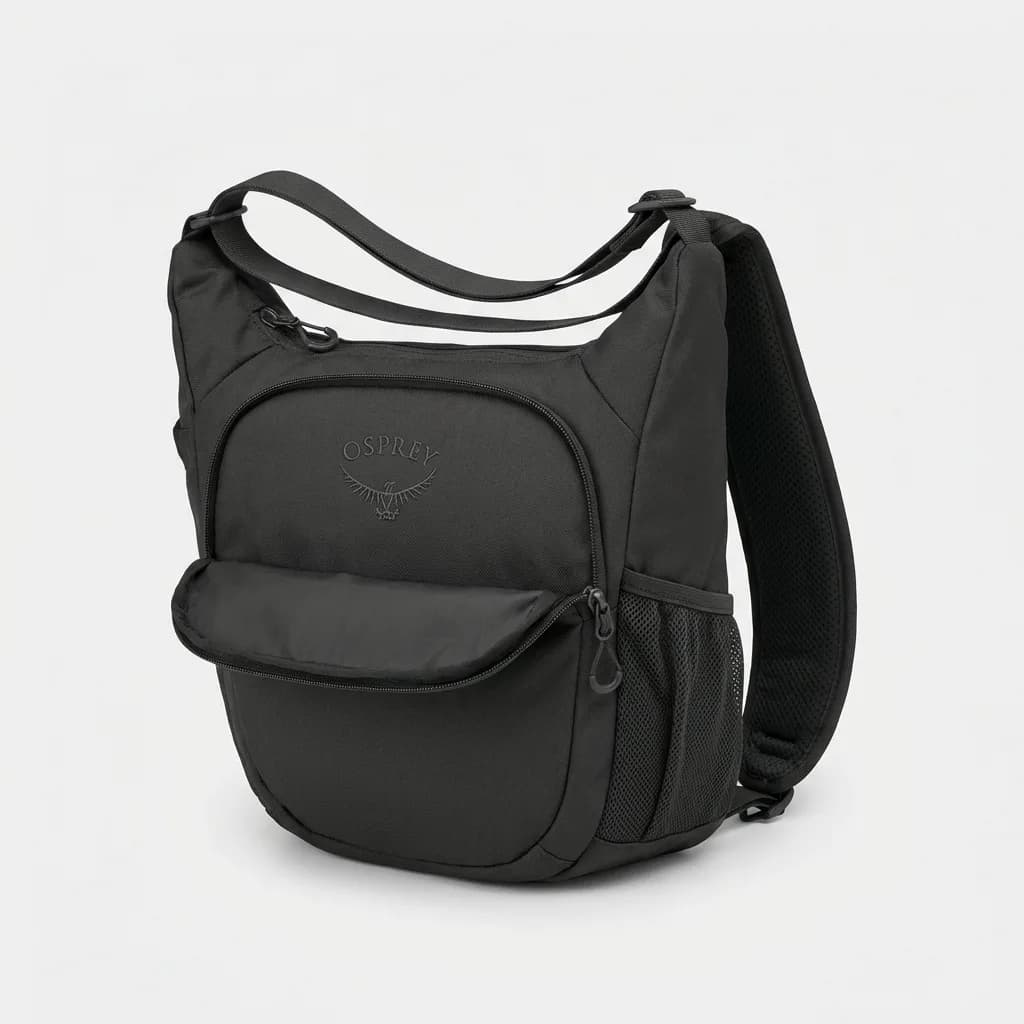
Osprey Daylite Sling
See current price
Lightweight sling with stretch mesh side pocket, front shove-it pocket, and padded back panel. Durable recycled materials. Fits 10-inch tablet.
Consider your activity type. Urban commutes and coffee shop work favor smaller bags (2L to 5L) because you're rarely away from resources for long periods. Day hikes, travel, and variable-weather outings favor larger bags (5L to 8L) because you need redundancy and layering options.
Weather is a major factor. If you live somewhere with unpredictable rain or temperature swings, size up to make room for a packable shell and an extra layer. If you're in a stable climate, you can size down and skip the bulk.
Common Mistakes and How to Avoid Them
The biggest mistake is buying a sling based on looks instead of capacity. A sleek, minimalist bag that fits nothing useful is worse than a slightly bulkier bag that carries what you need.
Another mistake is ignoring organization. A single large compartment in a 5L or 8L bag turns into a black hole. Look for bags with internal dividers, zippered pockets, or gear loops. If the bag doesn't have enough organization, add small pouches or packing cubes.
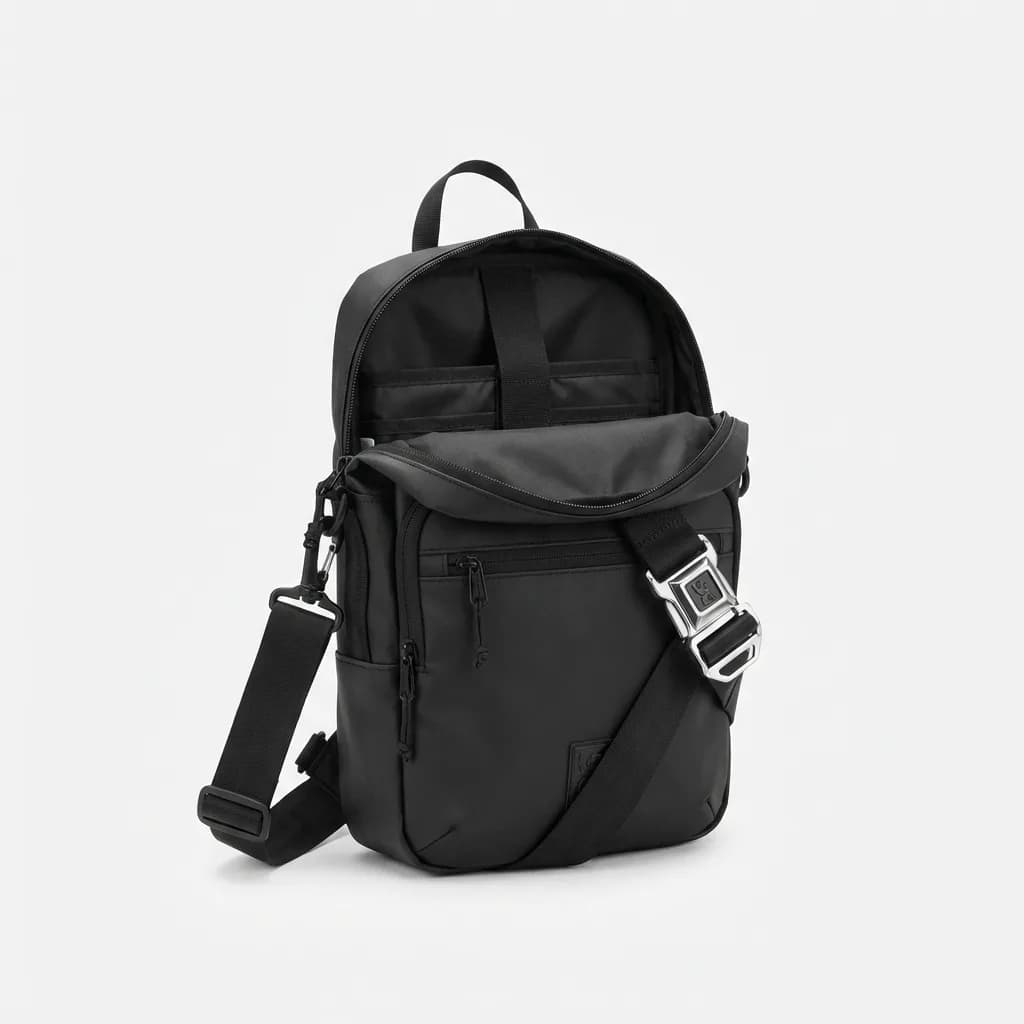
Chrome Industries Kadet Sling
See current price
Waterproof tarpaulin shell with seatbelt buckle closure, internal laptop sleeve, and multiple quick-access pockets. Built for urban commuting and weather resistance.
People also underestimate how much a water bottle affects capacity. A 1L Nalgene takes up a quarter of a 5L bag's volume. If hydration is a priority, choose a bag with an external bottle pocket or switch to a collapsible bottle that packs flat when empty.
Finally, don't assume bigger is better. An 8L sling loaded with 3L of gear feels unbalanced and sloppy. The bag shifts around, zippers gap open, and items slide to the bottom. Match your bag size to your actual loadout, and use compression straps or packing cubes to eliminate dead space.
Building a Loadout That Actually Works
Start with your non-negotiables. Phone, wallet, keys, and water are constants. Everything else is situational.
For a 2L minimalist setup, add only what you'd otherwise keep in your pockets. For a 5L daily carry, add one layer, snacks, and small tools. For an 8L full-day setup, add a laptop, extra clothes, and a toiletry kit.
Test your loadout for a week before committing to a bag. If you never use the jacket, leave it out. If you always wish you had more water, size up. Your ideal sling is the one that fits what you actually carry, not what you think you should carry.
Most people find their sweet spot at 5L. It's enough space for a full day without feeling like you're hauling a backpack, and it's small enough to stay nimble in crowds or tight spaces. But if your needs skew minimalist or heavy-duty, don't force yourself into the middle. Match the bag to the lifestyle, and you'll actually use it.
The Weekly Dispatch
Enjoying this article?
Subscribe and get our best gear picks delivered every Sunday morning.
Related Posts
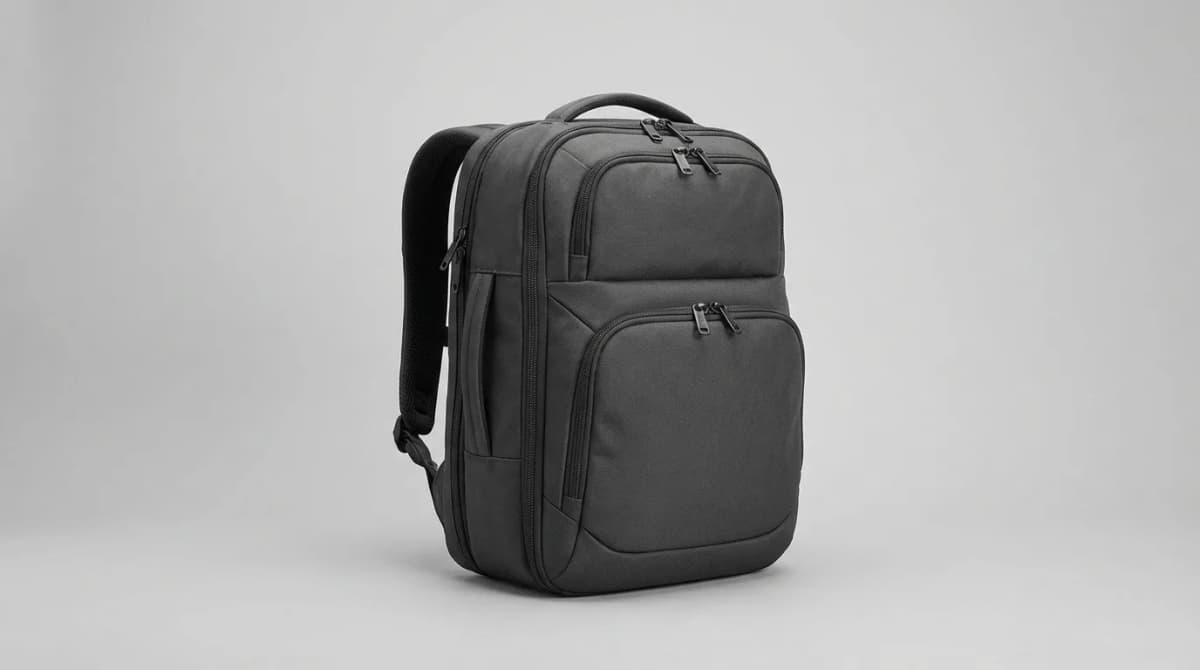
Best Expandable Carry-On Backpack for Flying
Expandable carry-ons let you compress for security screening then grow for souvenirs. We picked bags that maximize airline limits without checking luggage.
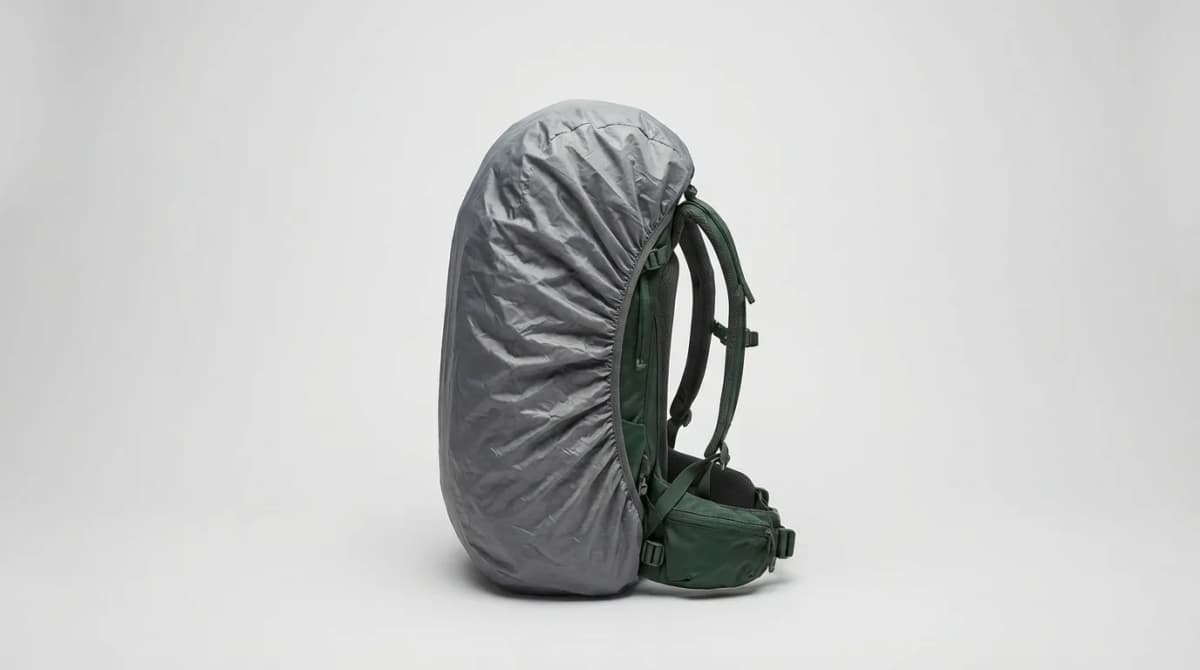
Best Backpack Rain Covers 2026: Packable, Ultralight Picks
Packable backpack rain covers that fold smaller than your fist: how to size one to your pack, when a liner beats a cover, and ultralight picks.
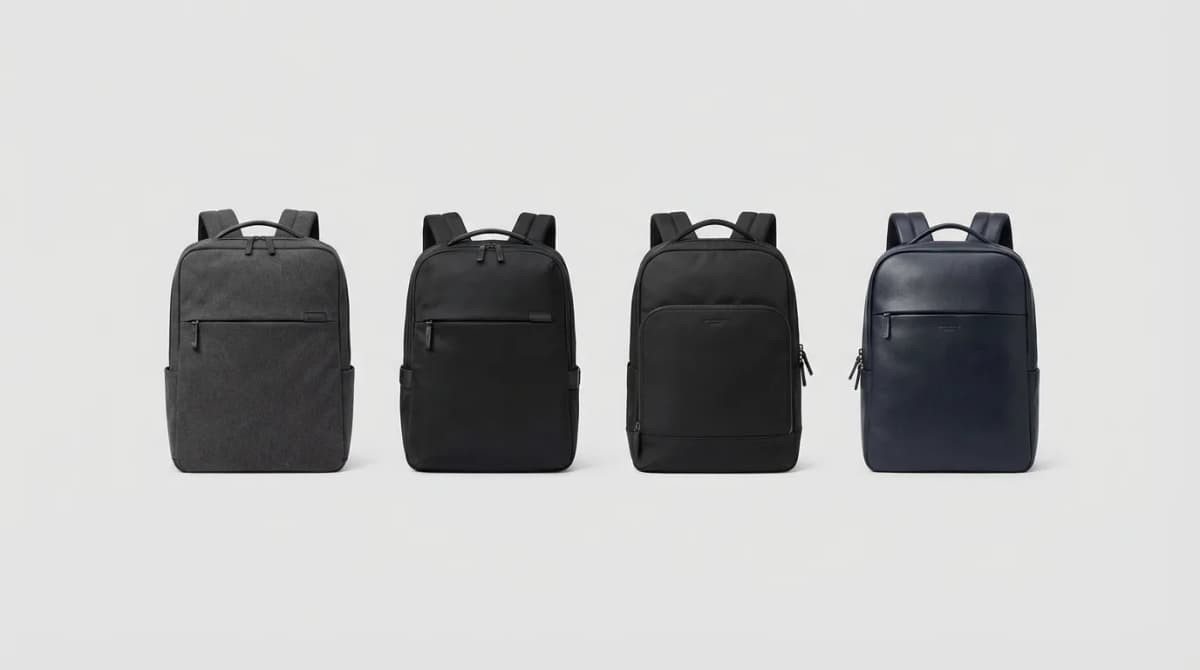
Best Laptop Backpacks for Work and Commute
From padded laptop sleeves to organizational pockets, we break down what separates a great work backpack from one that will wreck your shoulders and your laptop.
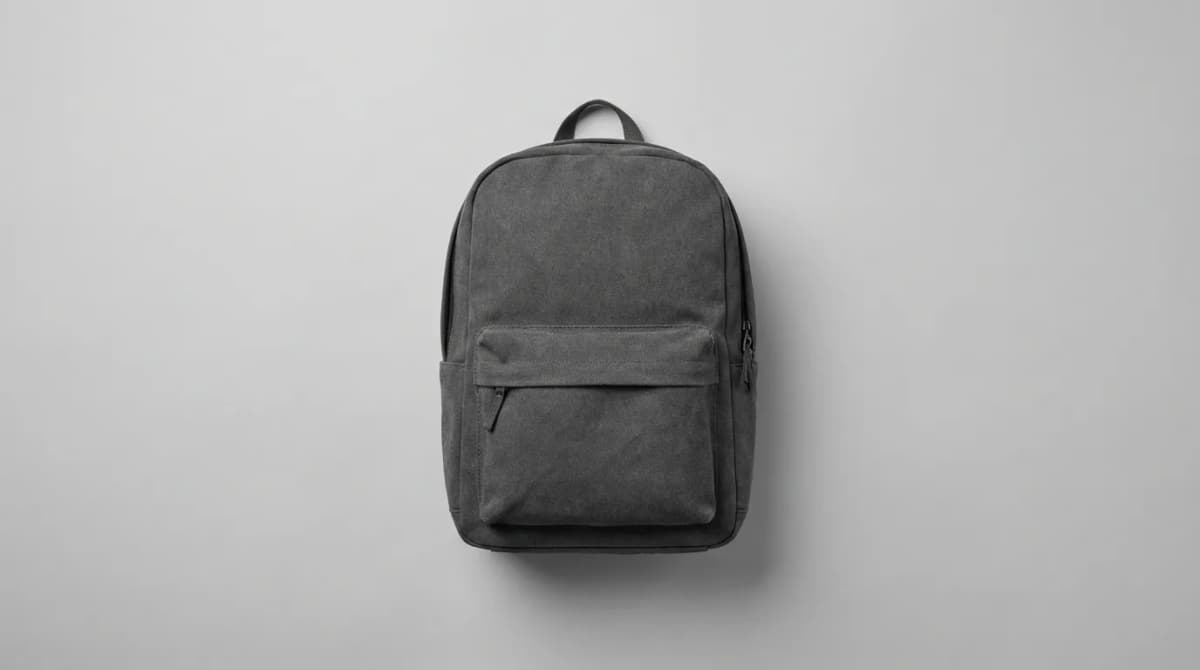
Best Teacher Backpack with Laptop Compartment
Teachers need backpacks that protect laptops, organize supplies and handle daily use. These options balance durability, organization and comfort.