Best Personal Item Backpacks for Budget Airlines
Budget airlines enforce strict personal item limits. These backpacks max out allowed dimensions while keeping essentials organized and accessible.
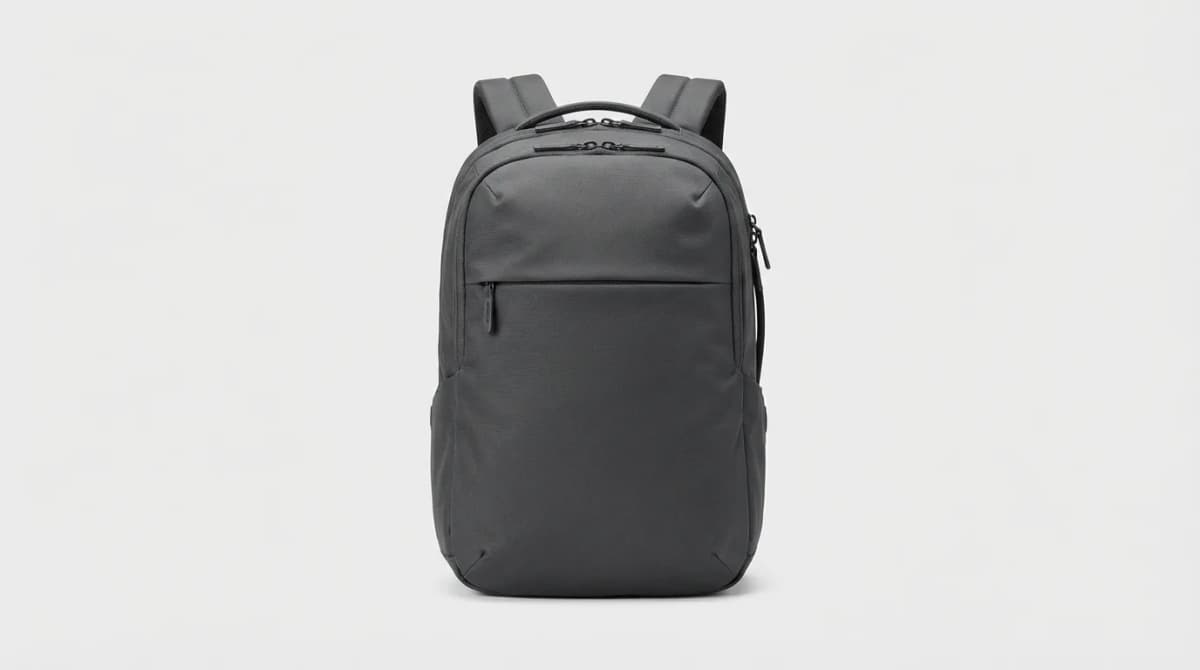
Budget airlines like Spirit, Frontier, and Allegiant let you bring one personal item without extra fees. That item has to fit under the seat in front of you, which means 18 x 14 x 8 inches or similar. Go even slightly over and you'll pay $35 to $100 at the gate.
Quick Picks
Our top recommendations at a glance:
- 1
- 2
- 3
- 4
- 5
The right backpack turns that limitation into an advantage. You can fit three to five days of gear in a well-designed personal item bag and skip baggage fees entirely. We compared dozens of underseat backpacks to find which ones maximize capacity without triggering size checks.
What Airlines Actually Measure
Most budget carriers list personal item limits around 18 x 14 x 8 inches. Spirit and Frontier use metal sizers at the gate. Allegiant checks less frequently but enforces the same rules. The sizers have rigid frames, so a backpack that's even half an inch over on one dimension won't fit.
Soft-sided bags have an edge here. A backpack rated at 17 x 13 x 8 inches can often compress to fit the sizer even when packed full. Hard-shell bags and overstuffed packs get flagged immediately.
The other variable is weight distribution. Gate agents look for bags that appear oversized. A sleek, evenly packed backpack draws less attention than a lumpy duffel bulging at the seams. We've never had a properly sized backpack pulled for secondary inspection when it was packed neatly.
Maximizing Usable Space
Volume matters more than external dimensions. A 20-liter backpack designed for airline compliance will hold more than a 25-liter pack with poor organization. Look for bags that use the full depth allowed and minimize dead space in corners.
Clamshell openings beat top-loading designs for personal item bags. You need to access everything quickly during boarding and at your seat. Digging through a vertical pack while blocking the aisle frustrates everyone.
Compression straps are critical. They cinch the bag down when it's partially full and help it fit the sizer more reliably. External straps also let you attach a jacket or small item without increasing the bag's footprint.
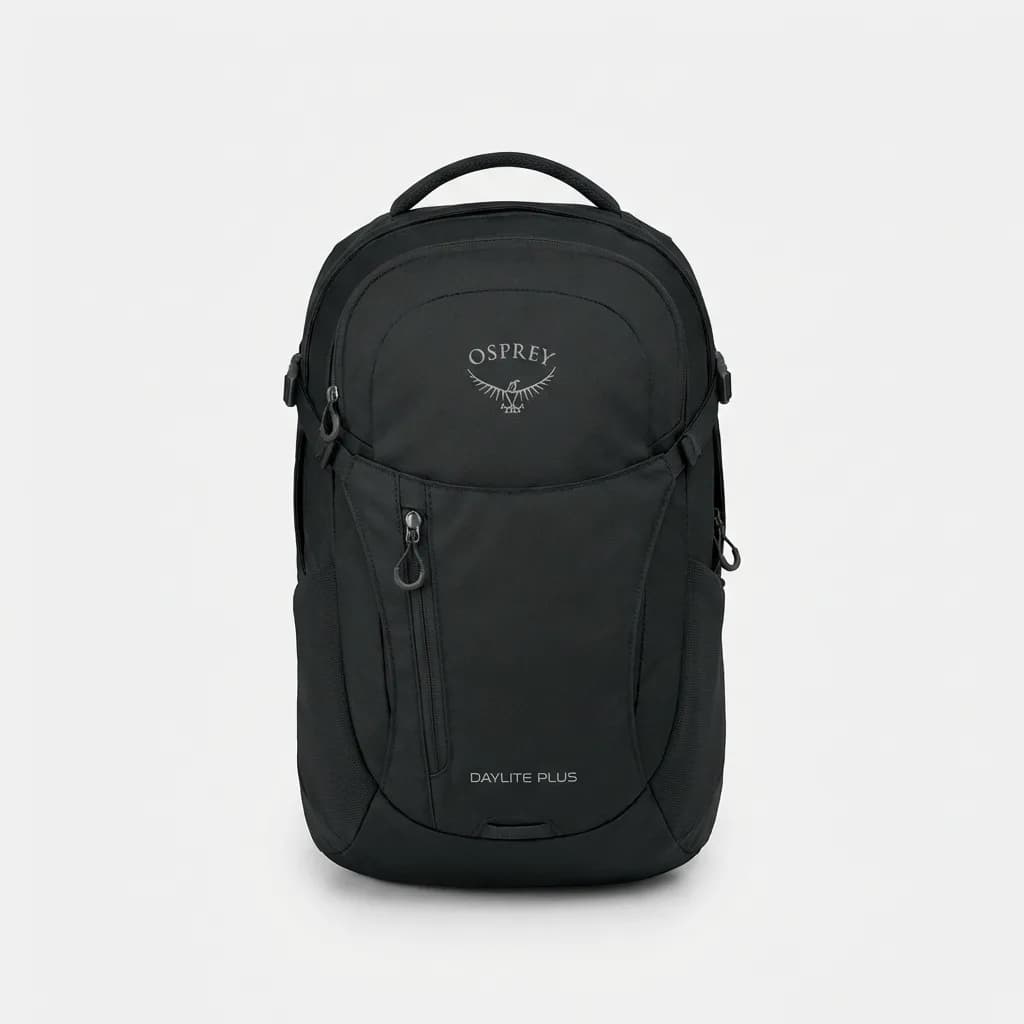
Osprey Daylite Plus
$65
20-liter daypack with front panel organization, 13.5 x 10.5 x 7.5 inches unstuffed. Compresses flat when needed and includes laptop sleeve. Reliable budget option.
Organization Features That Matter
Budget airline seats have minimal legroom. Once you shove your bag under the seat, you can't easily pull it out until landing. Front panel pockets and side access points let you grab essentials without removing the entire pack.
We prioritize bags with at least three main compartments: one for clothes, one for electronics, and one quick-access pocket for documents and snacks. Internal organization panels with elastic loops keep chargers and small items from migrating to the bottom.
Water bottle pockets need to be accessible from the outside. Stretchy mesh works better than rigid pockets because you can jam in oversized bottles or use the space for other items when empty.
Laptop sleeves should fit 13 to 15-inch devices and sit against your back for weight distribution. Avoid bags where the laptop compartment is on the front face, it makes the pack feel unbalanced when walking through terminals.
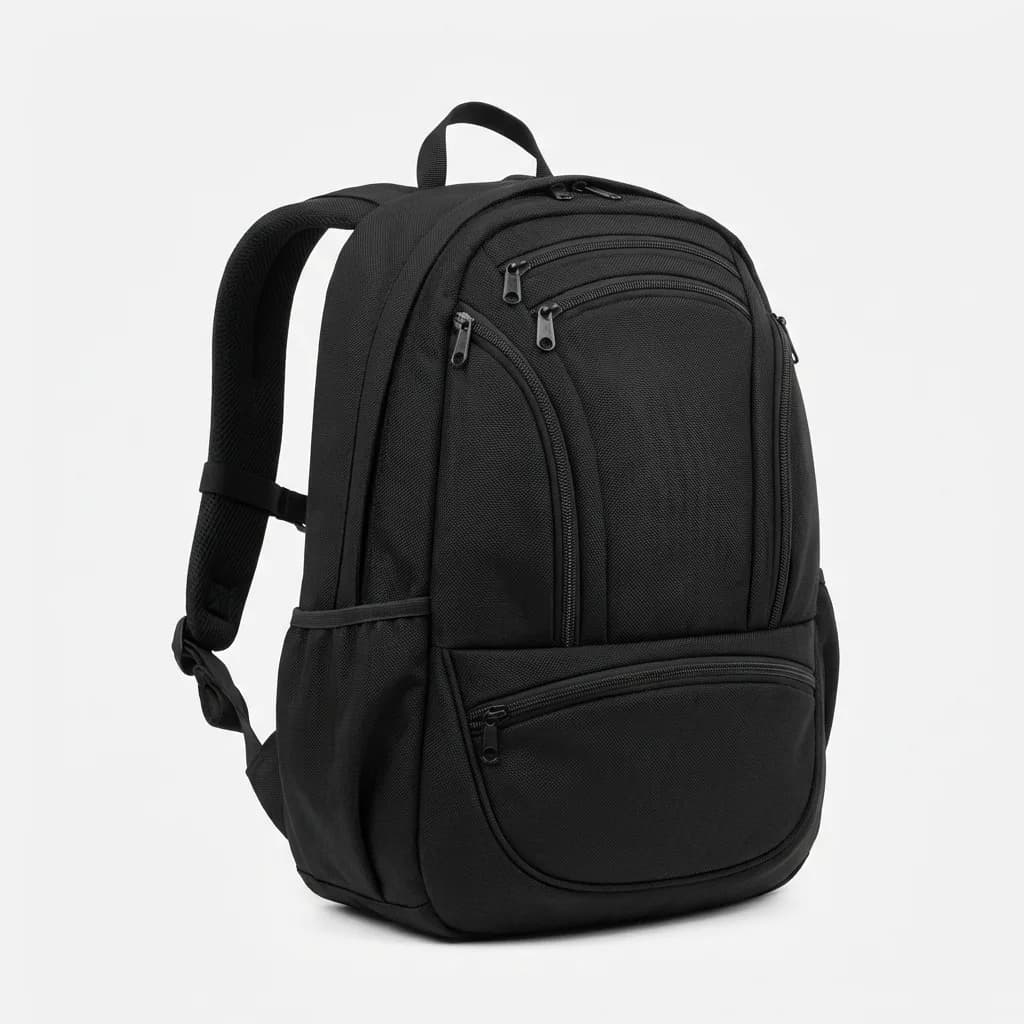
Tom Bihn Synapse 19
$180
19-liter technical daypack with modular organization pockets, 17 x 11 x 4 inches (expands to 7 inches). Bombproof 1050-denier Ballistic nylon. Made in USA.
Top Picks for Different Travel Styles
The best personal item backpack depends on trip length and packing style. For weekend trips with minimal clothing, a slim 15 to 18-liter pack works. Longer trips or cold-weather travel needs the full 20 to 22 liters most airlines allow.
Minimalist travelers do well with single-compartment bags that maximize volume. If you use packing cubes, you don't need built-in organization. These bags compress better and adapt to different load sizes.
Frequent flyers benefit from bags designed specifically for airline compliance. They're cut to exact dimensions and include features like luggage pass-throughs and TSA-friendly laptop compartments. The premium is worth it if you fly monthly.
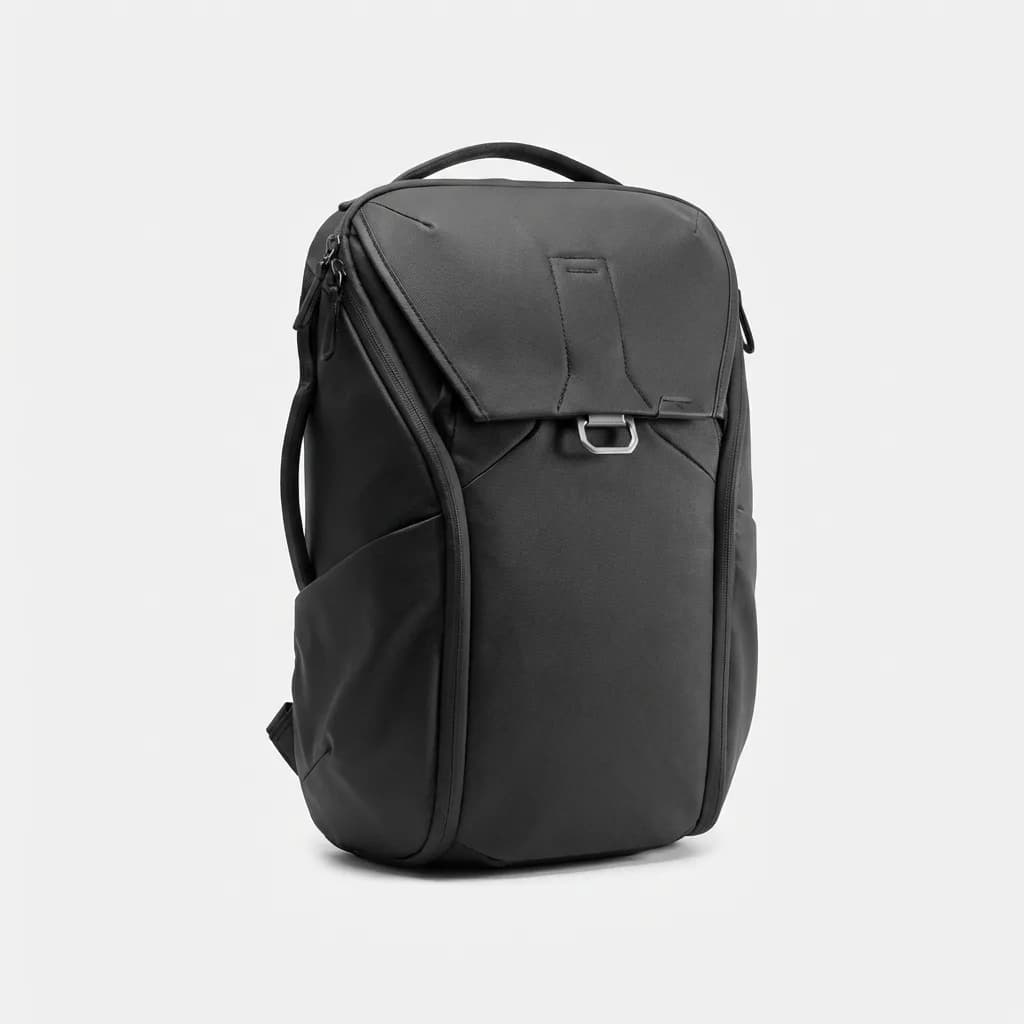
Peak Design Travel Backpack 30L
$300
Expandable travel pack with airline personal item mode (contracted to 17 x 11.5 x 7.5 inches). Weather-resistant shell, magnetic latch closures, and full clamshell opening.
The Tom Bihn Synapse 19 remains our top choice for build quality and organization. It's expensive but survives years of hard use. The modular internal pockets adapt to different gear loads, and the bag compresses completely flat when empty.
For budget-conscious travelers, the Osprey Daylite Plus offers 90 percent of the functionality at a third of the price. The organization isn't as refined, but it fits airline sizers reliably and includes a laptop sleeve.
Peak Design's Travel Backpack bridges the gap between personal item and full carry-on. In contracted mode, it fits underseat requirements. Expand it and you have a 30-liter travel pack. That flexibility justifies the high price if you switch between budget and legacy carriers.
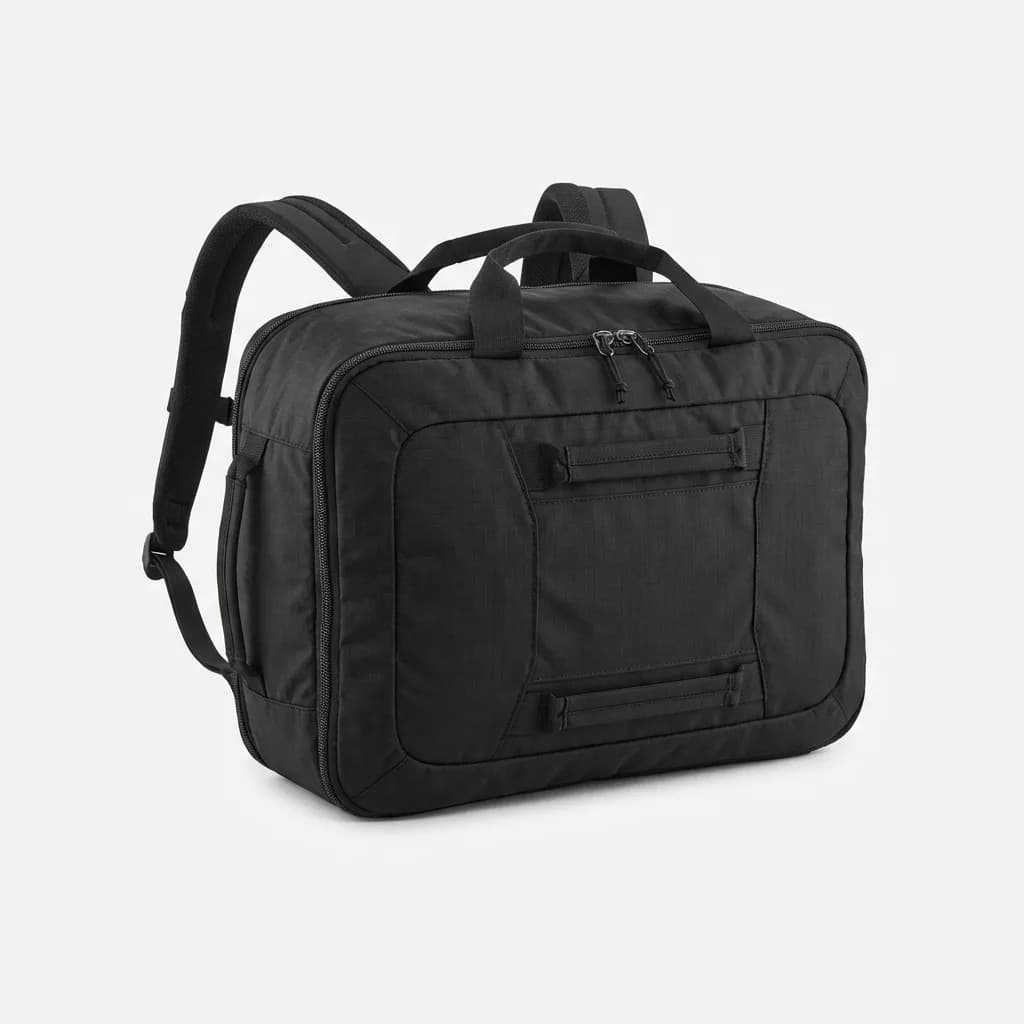
Patagonia Black Hole Mini MLC 26L
$149
Convertible briefcase-backpack in weatherproof recycled ripstop, 14 x 12 x 6 inches (expands slightly). Clamshell opening, padded laptop sleeve, luggage pass-through handles.
Comfort for Long Airport Days
Budget airlines often mean long layovers and distant gates. Shoulder strap padding and back panel ventilation matter more than you'd expect for a small pack.
S-curved shoulder straps distribute weight better than flat straps. Even a 15-pound pack feels heavy after an hour if the straps dig into your shoulders. Look for at least 0.5 inches of foam padding that extends the full length of the strap.
Sternum straps and hip belts are overkill for personal item bags. They add weight and bulk without meaningful benefit at this size. The exception is if you're also using the bag for hiking or day trips at your destination.
Back panels should have some airflow channels or mesh. Budget airline terminals can be hot, and a solid foam back panel against your shirt gets uncomfortable quickly. Even minimal ventilation makes a noticeable difference.
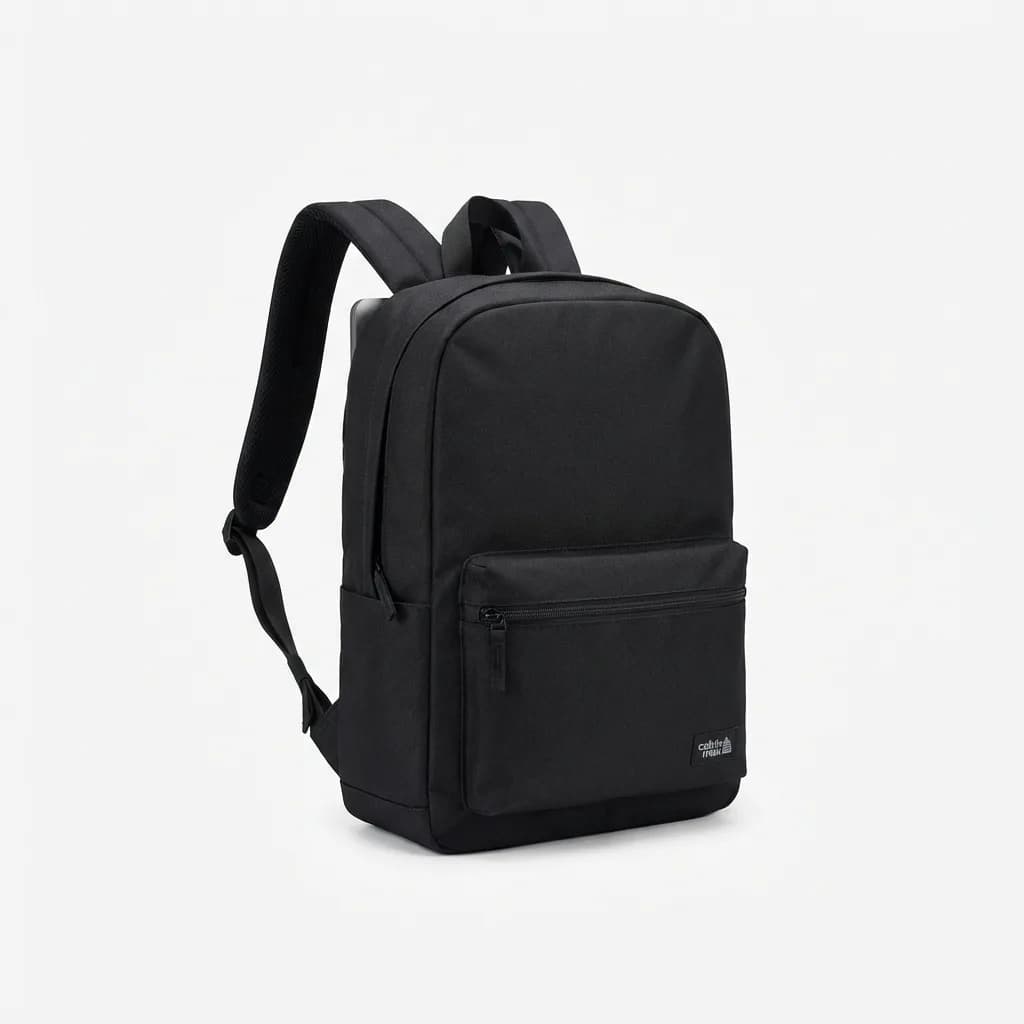
Cabin Max Metz Underseat Backpack
$40
18-liter budget airline specialist sized at 16 x 12 x 8 inches. Front organizer pocket, padded laptop section, and lightweight at 1.2 pounds. Designed for Ryanair and Spirit.
Avoiding Common Mistakes
The biggest error is overpacking. A backpack stuffed to bursting won't compress into the sizer even if the empty bag measures correctly. Leave 10 to 15 percent of the volume unused or pack compressible items like clothing that can be squeezed down.
External attachment points tempt you to strap on extra gear. Gate agents will measure your bag with everything attached. If you clip a water bottle or jacket to the outside and it increases the dimensions, you'll pay the oversized bag fee.
Rigid internal frames or laptop sleeves with stiff plastic sheets reduce compressibility. Some bags designed for hiking or photography include these features for protection. They're counterproductive for airline use where you need maximum flexibility.
Check the airline's website before every trip. Personal item dimensions vary slightly between carriers, and policies change. Frontier allows 18 x 14 x 8 inches, while some international budget carriers use metric measurements that convert to different limits.
Don't assume your bag will fit just because it's marketed as a personal item backpack. Some bags labeled as airline-compliant measure 19 or 20 inches tall. Bring a tape measure and verify dimensions yourself before buying.
When to Size Up
If you regularly fly legacy carriers like Delta or United alongside budget airlines, consider a bag that works as both a personal item and underseat carry-on. These are typically 20 to 22 liters and measure around 18 x 14 x 9 inches.
The extra inch in depth makes a surprising difference in capacity. You can fit a week's worth of clothes if you pack strategically. On budget airlines, these bags still fit under most seats, though they're tighter fits on smaller aircraft.
The tradeoff is less flexibility. A maxed-out 22-liter pack won't compress as effectively as an 18-liter bag. If the gate agent is strict about dimensions, you have less margin for error.
For travelers who mostly book budget carriers, we recommend staying at 18 to 20 liters. The size discipline forces efficient packing and eliminates any stress about airline compliance. You'll walk past the gate check counter every time without a second glance.
Making It Work Long-Term
Personal item travel requires different packing habits. You can't bring multiple pairs of shoes or bulky toiletries. Plan outfits around layering and wear your heaviest items on the plane.
Packing cubes compress clothing and keep the bag organized. We use one cube for tops, one for bottoms, and keep underwear and socks loose in gaps. Roll clothes instead of folding to maximize space and minimize wrinkles.
Digital decluttering helps too. Download entertainment before the flight instead of packing books or magazines. Use phone apps for boarding passes and travel documents instead of printing them. Every bit of saved space adds up.
The goal isn't to bring everything you might need. It's to bring exactly what you will use and nothing more. After a few trips, you'll identify your essential items and streamline your pack list. Most travelers find they can handle a week comfortably with a well-organized personal item bag and strategic laundry options.
The Weekly Dispatch
Enjoying this article?
Subscribe and get our best gear picks delivered every Sunday morning.
Related Posts
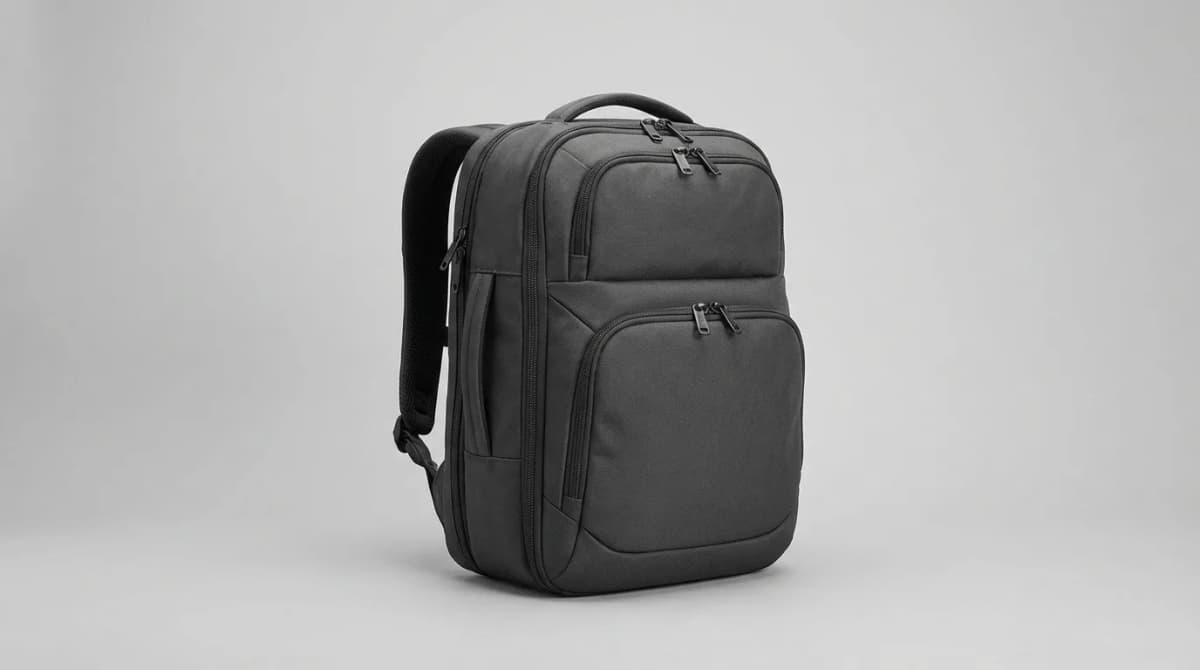
Best Expandable Carry-On Backpack for Flying
Expandable carry-ons let you compress for security screening then grow for souvenirs. We picked bags that maximize airline limits without checking luggage.
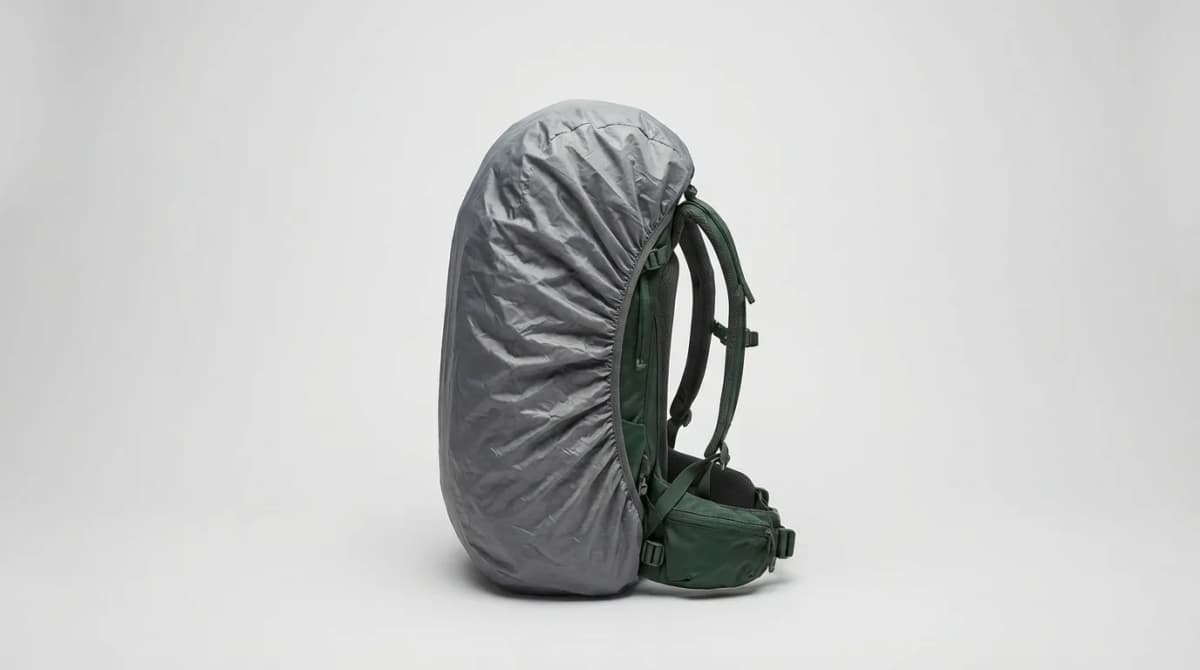
Best Backpack Rain Covers 2026: Packable, Ultralight Picks
Packable backpack rain covers that fold smaller than your fist: how to size one to your pack, when a liner beats a cover, and ultralight picks.
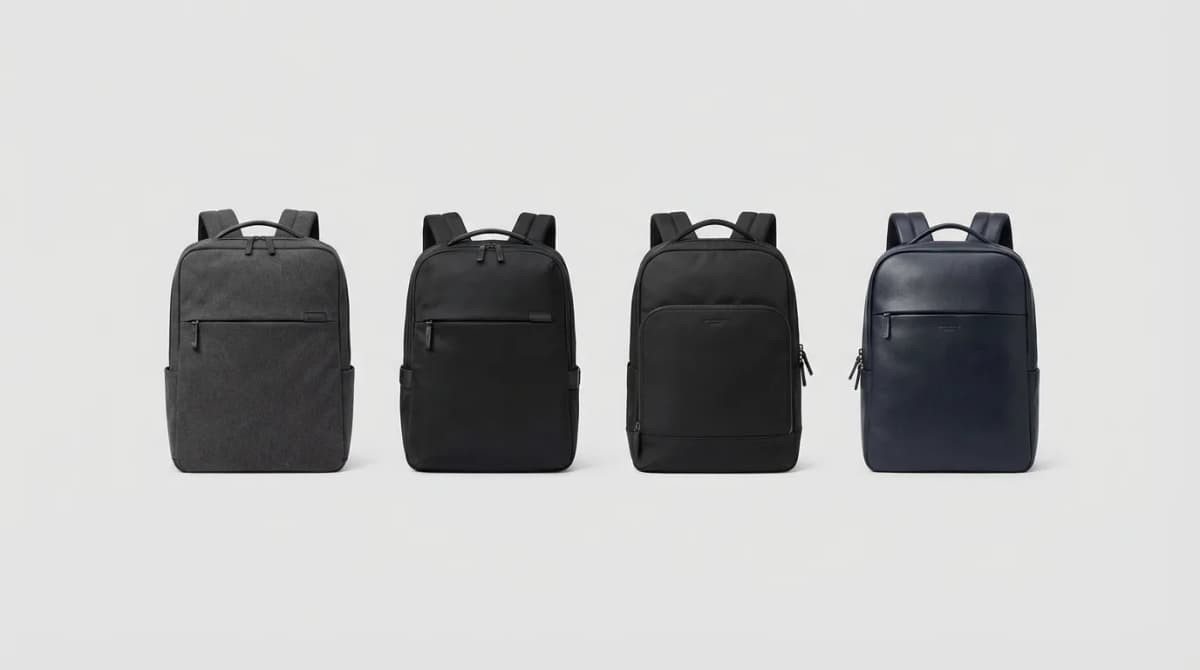
Best Laptop Backpacks for Work and Commute
From padded laptop sleeves to organizational pockets, we break down what separates a great work backpack from one that will wreck your shoulders and your laptop.
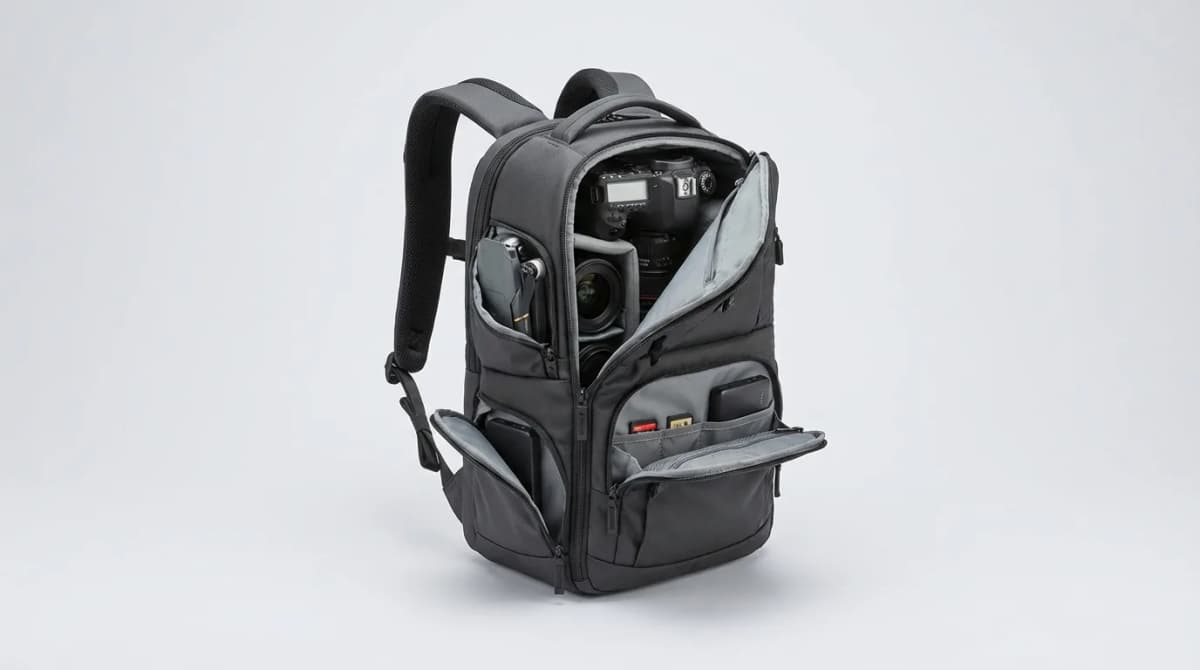
Best Camera Backpacks of 2026: Protect Your Gear
We compared 12 camera backpacks by maker specs, features and price to find which protect your gear without wrecking your back.