The Best Garment Bags That Do Not Suck
Most garment bags are either too flimsy or too bulky. We found options that actually protect your clothes, pack efficiently, and survive real travel.
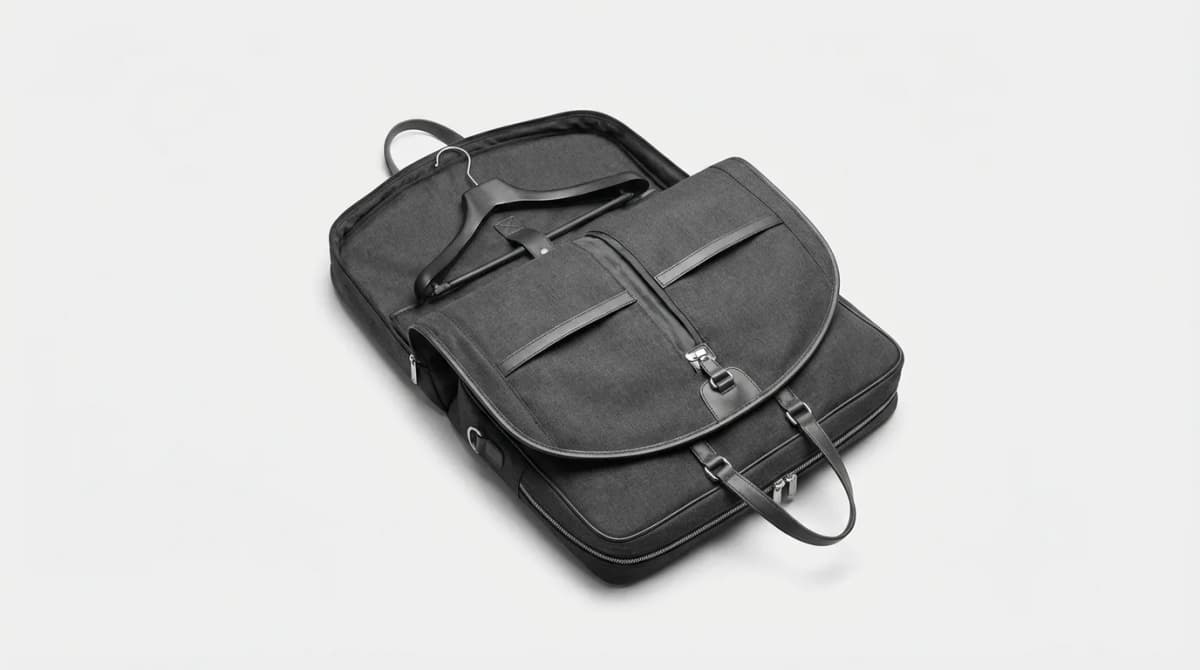
Most garment bags fail at the one job they have: getting your dress clothes from point A to point B without looking like you slept in them. The cheap ones are glorified plastic sheets. The expensive ones are rigid contraptions that eat up overhead bin space and still deliver wrinkled suits.
Quick Picks
Our top recommendations at a glance:
- 1Briggs & Riley Deluxe Garment BagSee current price
- 2Samsonite Tri-Fold Carry-On Garment BagSee current price
- 3ZEGUR Suit Carry On Garment BagSee current price
- 4Wallybags 45-Inch Garment BagSee current price
- 5Tumi Alpha 3 Garment CoverSee current price
The problem is design, not price. A good garment bag needs enough structure to prevent folding and compression, but it also needs to collapse down when you are not using it. It should fit a full suit, two dress shirts, and a pair of slacks without becoming a wrestling match. And it needs to survive baggage handlers, overhead bins, and the trunk of a rental car.
The garment bags worth keeping share a few qualities: they use semi-rigid materials that hold shape without adding bulk, they have smart folding systems that minimize creases, and they pack flat enough to slide into a suitcase or hang in a closet without taking over.
What separates a good garment bag from a bad one
Material matters more than you would think. Ballistic nylon and 600D polyester hold up to abrasion and keep their shape under pressure. Thin vinyl and cheap polyester sag, which defeats the purpose. You want something stiff enough to resist compression but not so rigid that it cracks or becomes awkward to carry.
The hanger system is the second critical piece. Good bags use wide, padded hangers that distribute weight across the shoulders of your jacket. Cheap wire hangers create pressure points that leave marks. Some bags let you remove the hanger entirely, which is useful if you are packing the bag inside luggage.
Folding method determines how wrinkled your clothes arrive. Tri-fold bags are compact but create two horizontal creases across your suit jacket. Bi-fold designs are gentler but take up more space. The best compromise is a bi-fold with an internal compression system that keeps everything snug without crushing fabric.
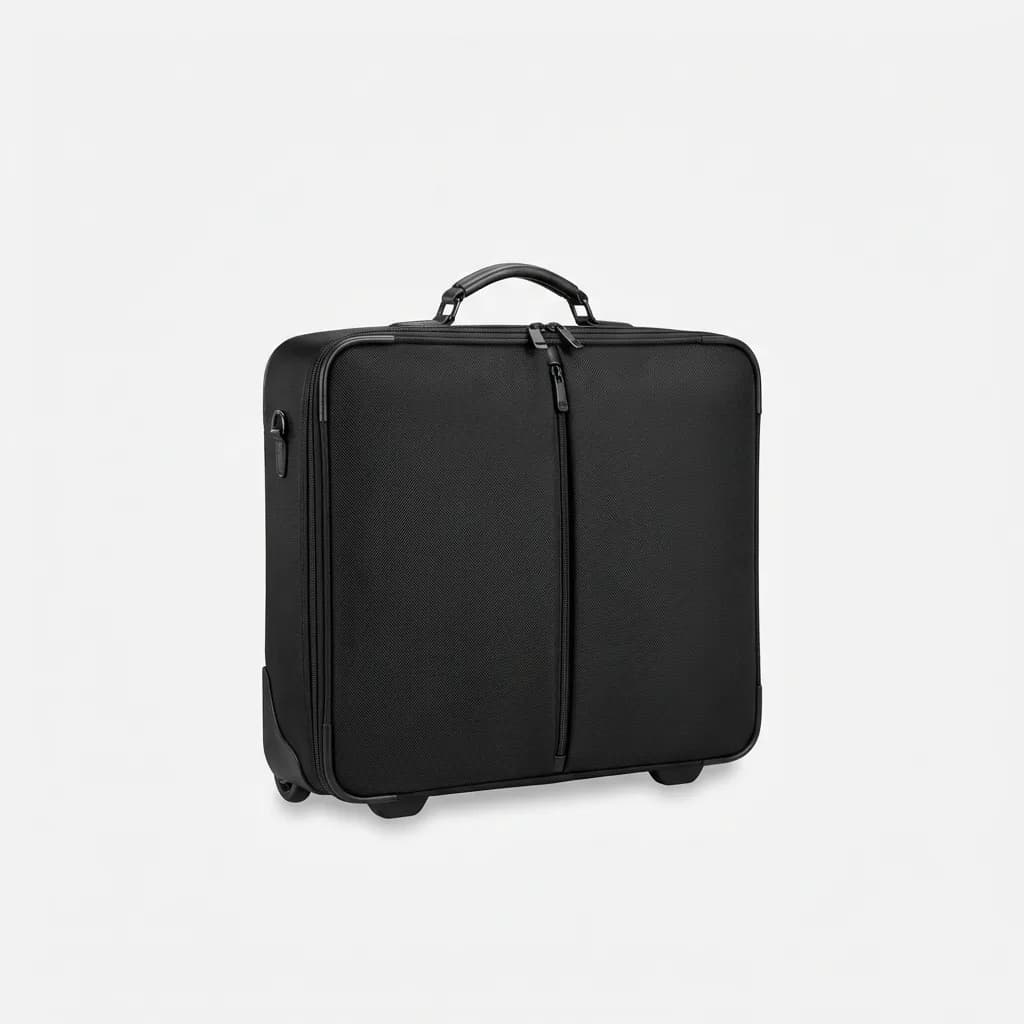
Briggs & Riley Deluxe Garment Bag
See current price
Bi-fold design with removable hanger bar, ballistic nylon construction, fits two suits and multiple shirts. Includes zippered accessory pockets and lifetime warranty.
Dimensions are non-negotiable if you fly frequently. Most airlines allow garment bags as carry-ons, but only if they fold to fit standard overhead bins or under the seat. That means 22 inches long maximum when folded, with some flexibility on width. Anything longer gets gate-checked, which ruins the point.
Handles and straps make or break the carrying experience. A single top handle is fine for short walks, but you will want a shoulder strap for longer hauls through airports. Bags with both a shoulder strap and backpack straps are the most versatile, letting you switch based on how much other luggage you are juggling.
The tri-fold versus bi-fold debate
Tri-fold bags fold your suit jacket twice, creating a compact rectangle that fits easily in overhead bins or slides into a suitcase. They are the go-to for frequent travelers who need maximum packability. The downside is two horizontal creases across your jacket. Most wrinkle-resistant fabrics handle this fine, but delicate wools show the folds.
Bi-fold bags fold once at the waist, creating a longer but narrower profile. Your jacket gets one crease, which is easier to smooth out. The tradeoff is length. A bi-fold for a full suit can stretch 40 inches or more, which is awkward in tight spaces. These work better if you are driving or checking luggage.
We prefer bi-fold for trips where the suit matters, like weddings or big presentations. Tri-fold makes sense for weekly business travel where a quick steam or iron is part of the routine anyway.
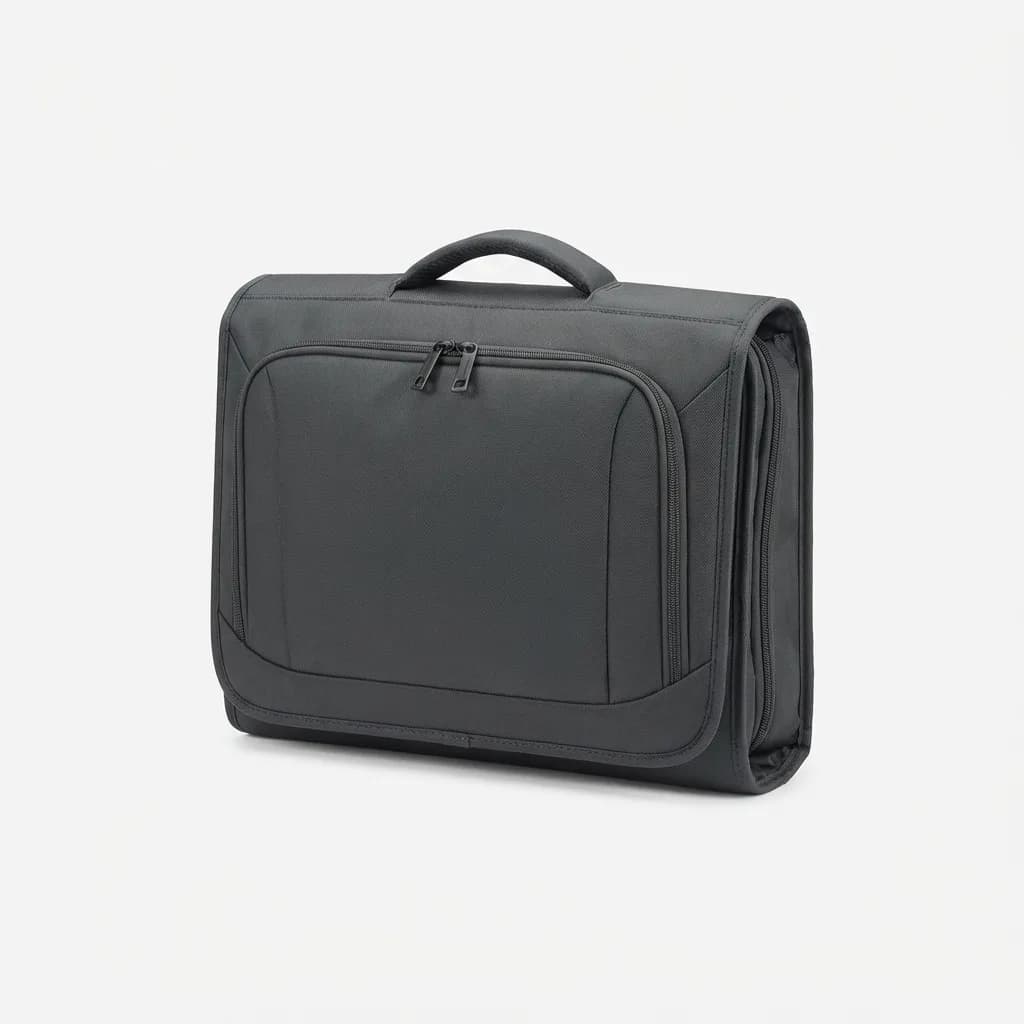
Samsonite Tri-Fold Carry-On Garment Bag
See current price
Compact tri-fold design fits standard carry-on dimensions. Water-resistant polyester with multiple interior pockets. Budget-friendly option for occasional travelers.
One feature that changes everything: removable hangers. If you can pull the hanger out, you can pack the bag flat in checked luggage or hang it empty in your closet. This turns a garment bag from a single-purpose item into something you can use on every trip, even when you are not bringing dress clothes.
Bags that work for carry-on and checked luggage
The best garment bags pull double duty. They hang in your closet at home, protect your suit in the overhead bin, and fold flat enough to slide into a suitcase when you are not using them. This versatility justifies the investment.
Look for bags with convertible carry systems. A top handle plus a detachable shoulder strap covers most situations. Add backpack straps and you can walk longer distances without the bag bouncing against your leg. Some bags hide the extra straps in a zippered compartment, which keeps things clean when you do not need them.
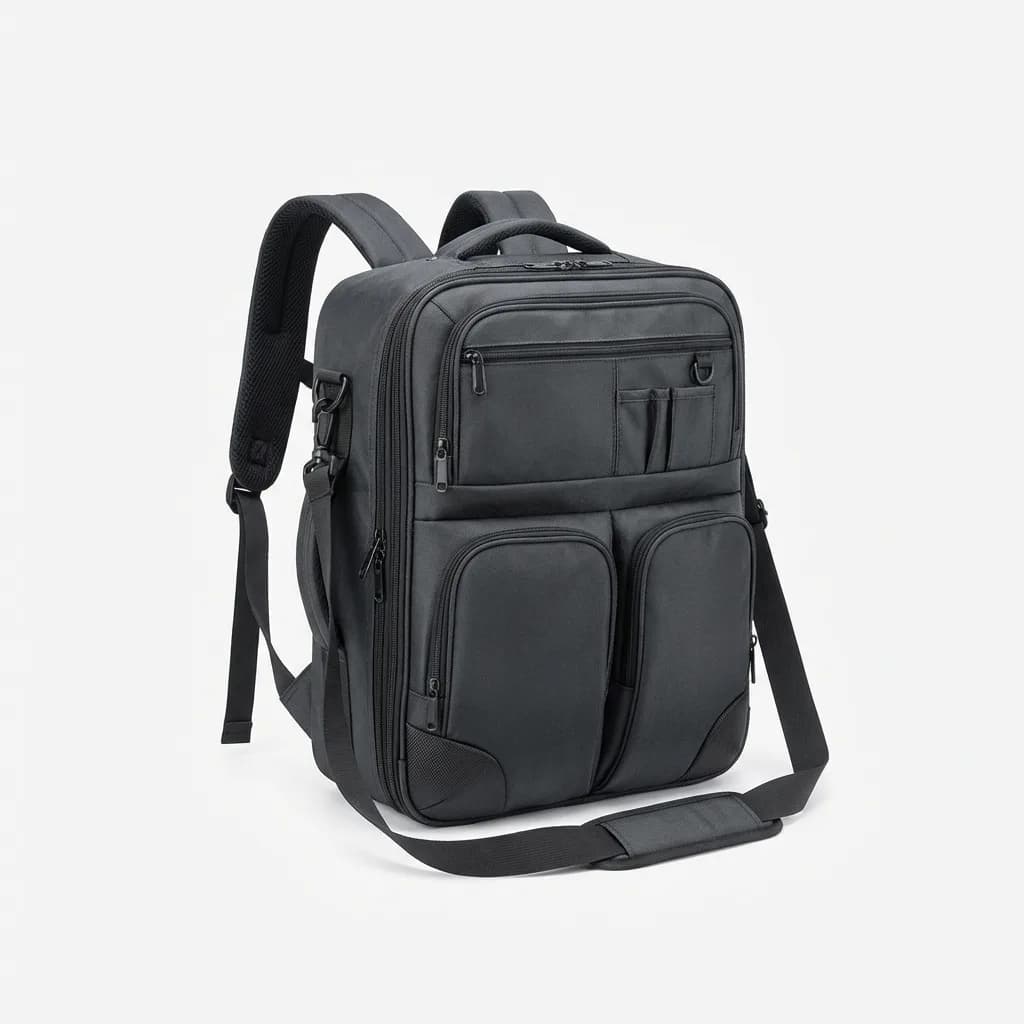
ZEGUR Suit Carry On Garment Bag
See current price
Convertible design with backpack straps and shoulder strap. Fits two suits, multiple compartments for shoes and accessories. Water-resistant 600D polyester with reinforced corners.
Shoe compartments are underrated. A separate zippered pocket for dress shoes keeps dirt away from your suit and uses space efficiently. The best ones are ventilated to prevent odor buildup. If the bag does not have a dedicated shoe pocket, bring a separate shoe bag or you will regret it.
External pockets for ties, belts, and accessories keep small items organized. We have found that bags with multiple small pockets work better than one large compartment. You can grab what you need without unpacking everything.
Budget picks that still protect your clothes
You do not need to spend $300 to keep a suit wrinkle-free. The difference between a $50 bag and a $200 bag is durability and features, not wrinkle protection. If you travel occasionally, a budget option makes sense.
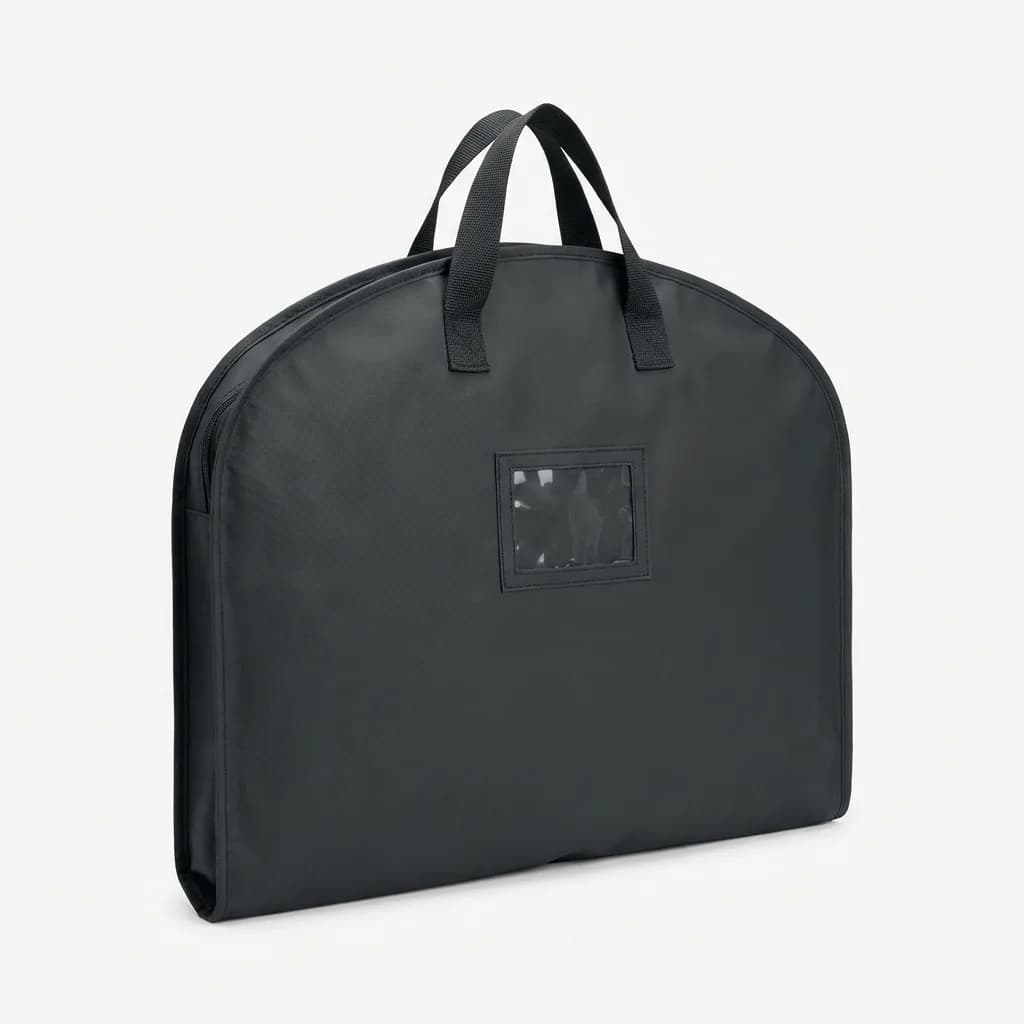
Wallybags 45-Inch Garment Bag
See current price
Simple bi-fold design with reinforced vinyl construction. Fits one full suit with extra room for shirts. Affordable option with carry handles and ID window.
Cheaper bags usually skimp on materials and zippers. The fabric is thinner, which means less protection from impacts and compression. Zippers are lighter gauge and more likely to snag or separate. But if you are careful and do not travel every week, they hold up fine for years.
One place not to compromise: length. A bag that is too short forces you to fold your suit jacket awkwardly, which creates permanent creases. Measure your longest jacket from collar to hem and add 6 inches for the hanger. That is your minimum bag length.
Premium options for frequent travelers
If you fly twice a month or more, the upgrade to a premium garment bag pays off. Better materials mean the bag keeps its shape longer. Reinforced stitching and heavy-duty zippers survive years of overhead bin battles. And thoughtful design details like compression straps and expandable compartments make packing faster.
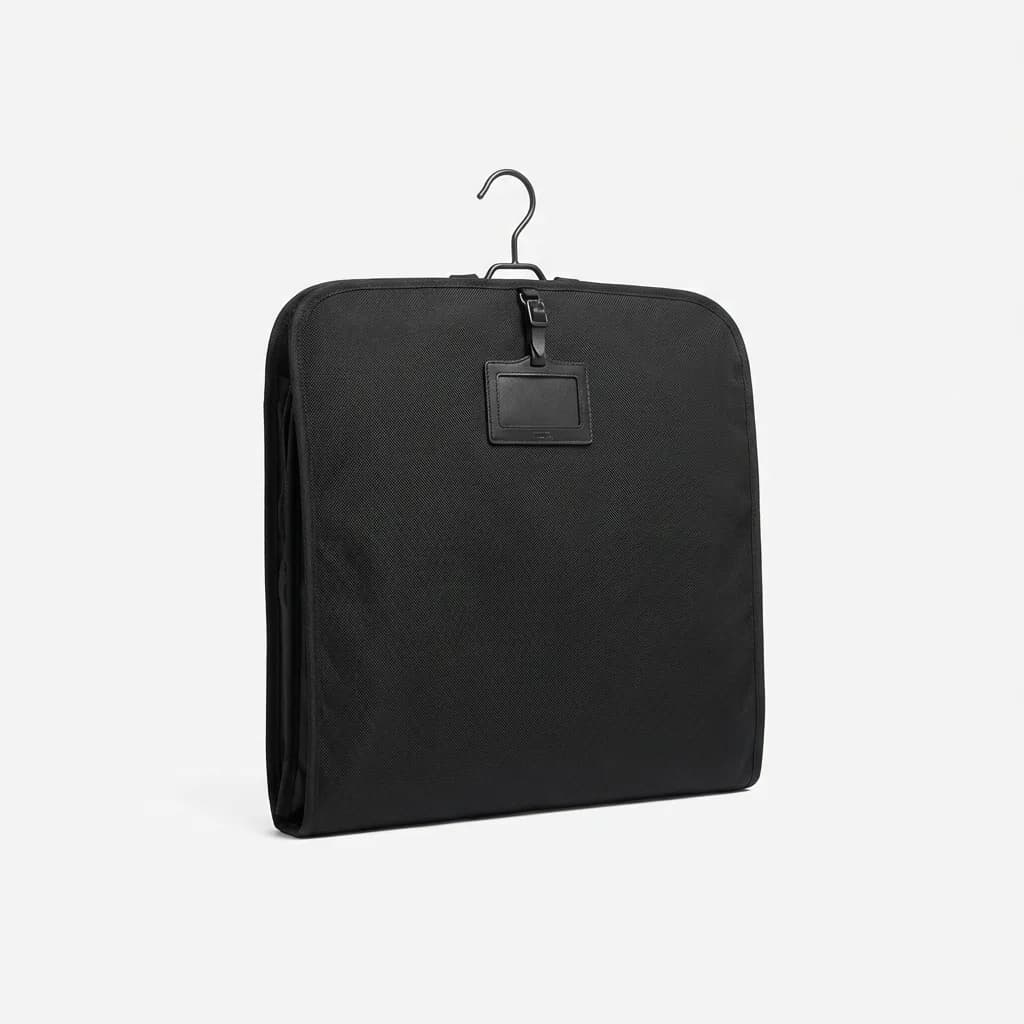
Tumi Alpha 3 Garment Cover
See current price
Ballistic nylon with Tumi's patented Add-A-Bag sleeve. Tri-fold design, removable hanger, fits two suits. Integrated ID tag and lifetime warranty on materials and workmanship.
The Add-A-Bag sleeve on Tumi bags is one of those features you do not know you need until you try it. It slides over the handle of your rolling suitcase, turning two bags into one unit. This is huge in airports when you are moving fast and do not want to juggle separate pieces.
Lifetime warranties matter at this price point. Briggs & Riley will repair or replace their bags for life, no questions asked. We have seen them fix zipper failures, torn seams, and broken handles years after purchase. That kind of support turns a $250 bag into a 10-year investment.
Packing tips that prevent wrinkles
The bag is only half the equation. How you pack determines how your clothes look when you arrive. Start with the jacket. Button the top button and fold the shoulders in so the jacket curves naturally. Lay it flat in the bag with the front facing up.
Dress shirts go on top of the jacket, buttoned and folded once at the waist. Use the cardboard inserts from the dry cleaner if you have them. They add structure and prevent collar creases. If you do not have cardboard, stuff the shoulders with socks or underwear to maintain shape.
Slacks fold once at the knee and drape over the hanger bar. Avoid folding them multiple times, which creates hard creases that do not shake out. If the bag has clips for the waistband, use them. Otherwise, lay the slacks flat on top of your shirts.
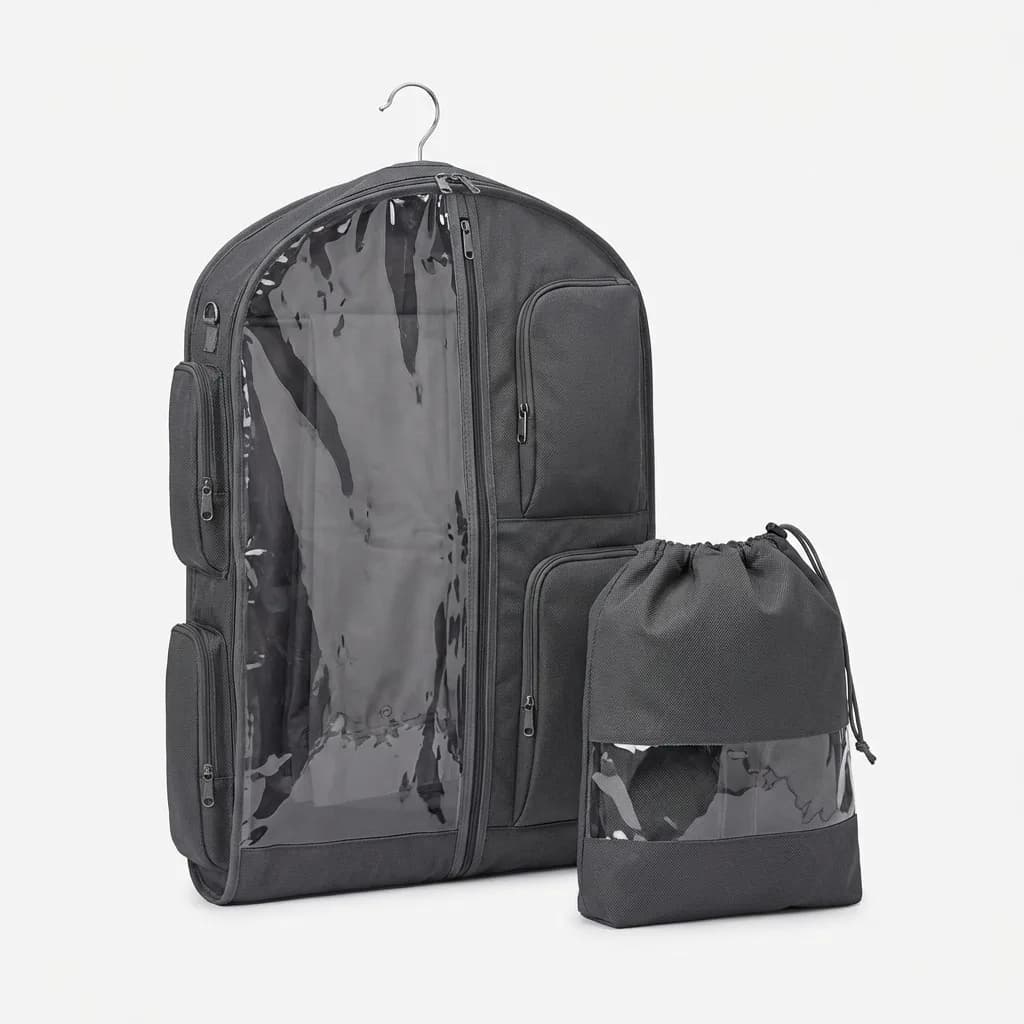
Hangerworld Suit Carrier with Shoe Bag
See current price
Budget-friendly bi-fold with breathable fabric and clear front panel. Includes separate shoe bag and multiple accessory pockets. Good for storage and occasional travel.
Compression straps keep everything in place during transit. Tighten them just enough to prevent sliding, not so much that you crush the fabric. Over-compression defeats the purpose of the bag. If the straps leave visible marks on your jacket, you have gone too far.
When you arrive, hang the bag immediately. Even a few hours on a hanger will let gravity smooth out minor wrinkles. Hang it in the bathroom during your shower for steam treatment, which works better than you would expect. For stubborn creases, a handheld steamer is more effective than ironing and less likely to damage fabric.
What to skip
Leather garment bags look sharp but weigh twice as much as nylon and offer no performance advantage. They age well, but so do good ballistic nylon bags. Unless aesthetics matter more than function, skip leather.
Wheeled garment bags sound convenient but add weight and bulk. The wheels and handle mechanism take up space that could hold clothes. They also make the bag too large for most overhead bins. Stick with traditional carry styles unless you have mobility issues.
Ultra-cheap plastic garment bags from discount stores tear after one trip. They zip poorly, the hangers break, and they offer zero wrinkle protection. Spending $30 on a basic nylon bag beats replacing a $10 plastic one three times a year.
Our top pick for most people
If you fly a few times a year for work and need one reliable garment bag, get the Briggs & Riley. It is expensive upfront but built to last decades. The bi-fold design is gentle on suits, the materials survive rough handling, and the lifetime warranty means you will never buy another one.
For budget-conscious travelers or people who fly less frequently, the Samsonite tri-fold delivers solid performance at a fraction of the cost. You will sacrifice some durability and a few convenience features, but it protects clothes just as well for occasional use.
Frequent flyers who need maximum versatility should look at the ZEGUR with backpack straps. The ability to switch carrying modes makes airport navigation easier, and the extra compartments keep everything organized across long trips.
The reality is that any of these bags will keep your suit looking presentable if you pack carefully and handle it with reasonable care. The difference between good and great comes down to durability, convenience features, and how often you travel. Pick based on your frequency and budget, not marketing hype.
The Weekly Dispatch
Enjoying this article?
Subscribe and get our best gear picks delivered every Sunday morning.
Related Posts
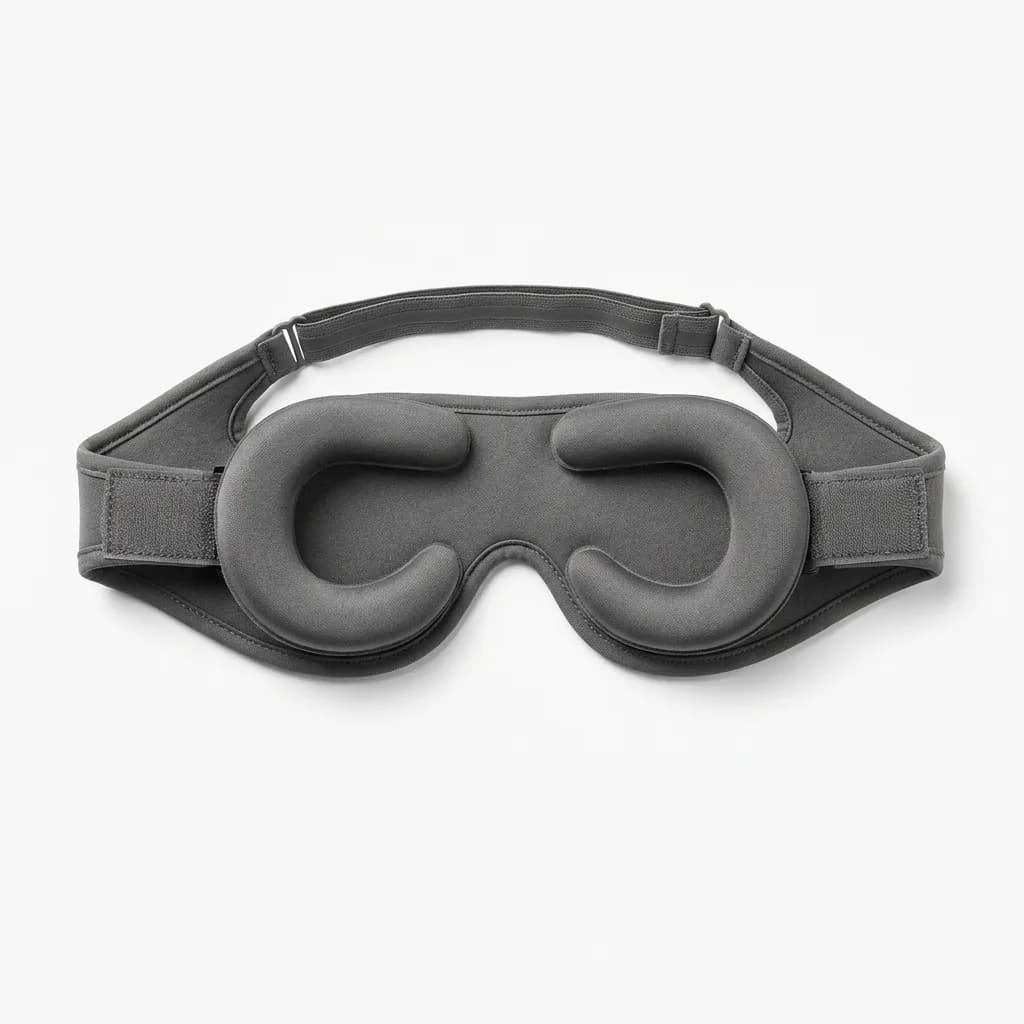
Best Sleep Masks for Flights and Hotels
Foam blocks more? Not always. We compare contoured, silk, and eye-cup sleep masks for flights and hotels so you pick blackout that still packs small.
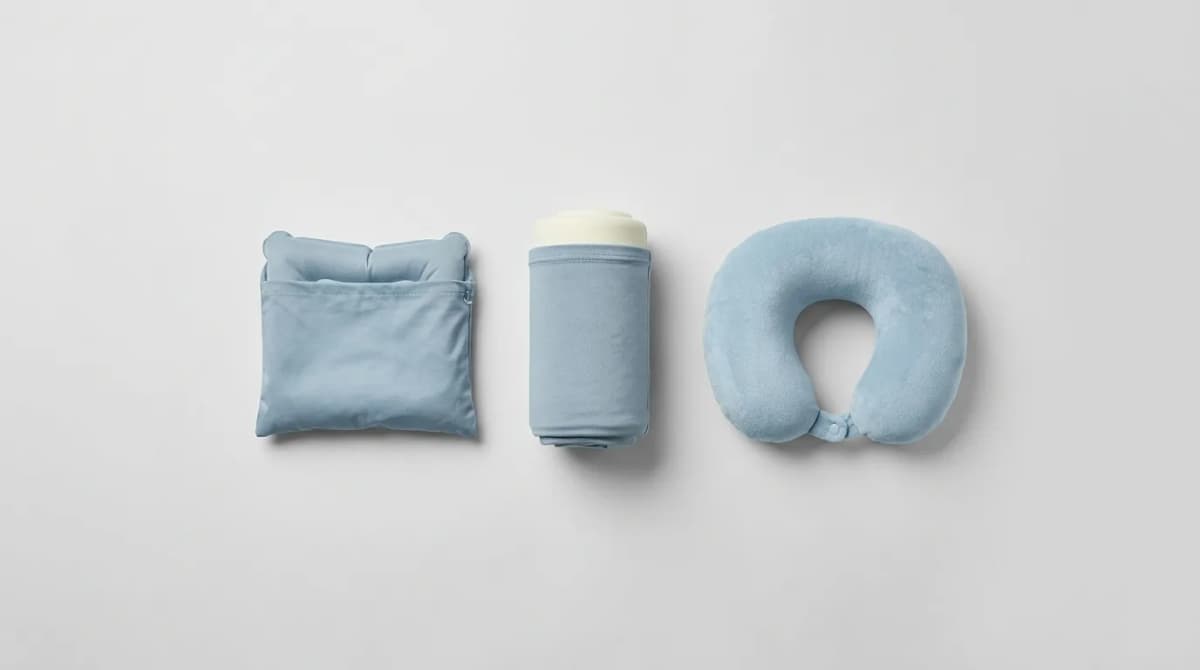
Best Travel Pillows That Pack Small
Compact travel pillows compared: inflatable vs memory foam, what actually supports your neck on flights, and which ones compress small enough to matter.
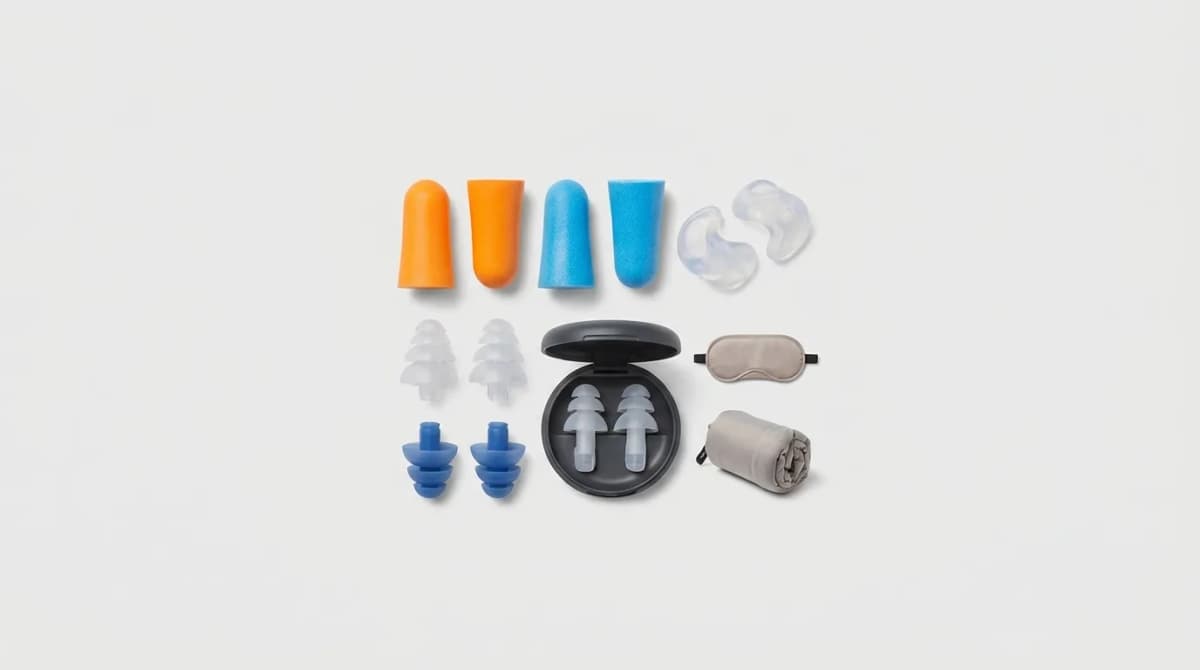
Earplugs for Travel: Which Type Works Best
Foam blocks more noise but silicone lasts longer. We compared every type by NRR ratings and materials for flights, hotels and noisy neighbors.
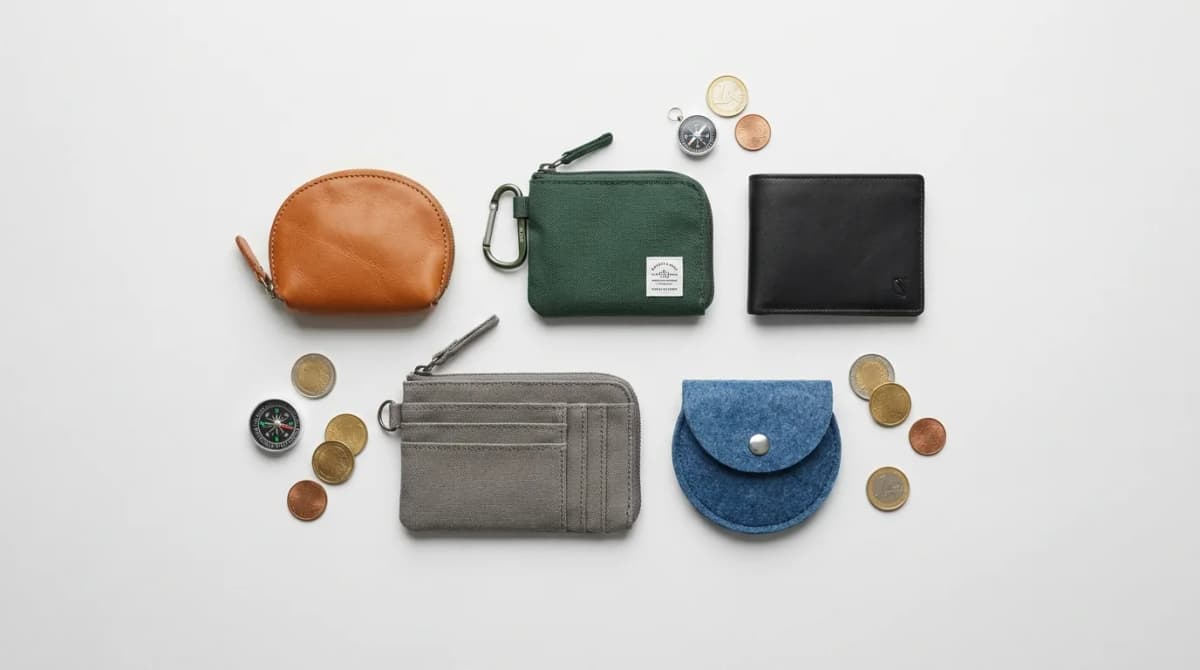
Travel Coin Solutions for Europe That Actually Work
European coins pile up fast. These pouches, wallets, and daily carry strategies keep change organized without bulk during weeks of travel across the continent.