Self-Defense EDC: Non-Lethal Personal Safety Tools
Non-lethal self-defense gear lets you carry protection without legal complications. Here's what actually works for everyday safety.
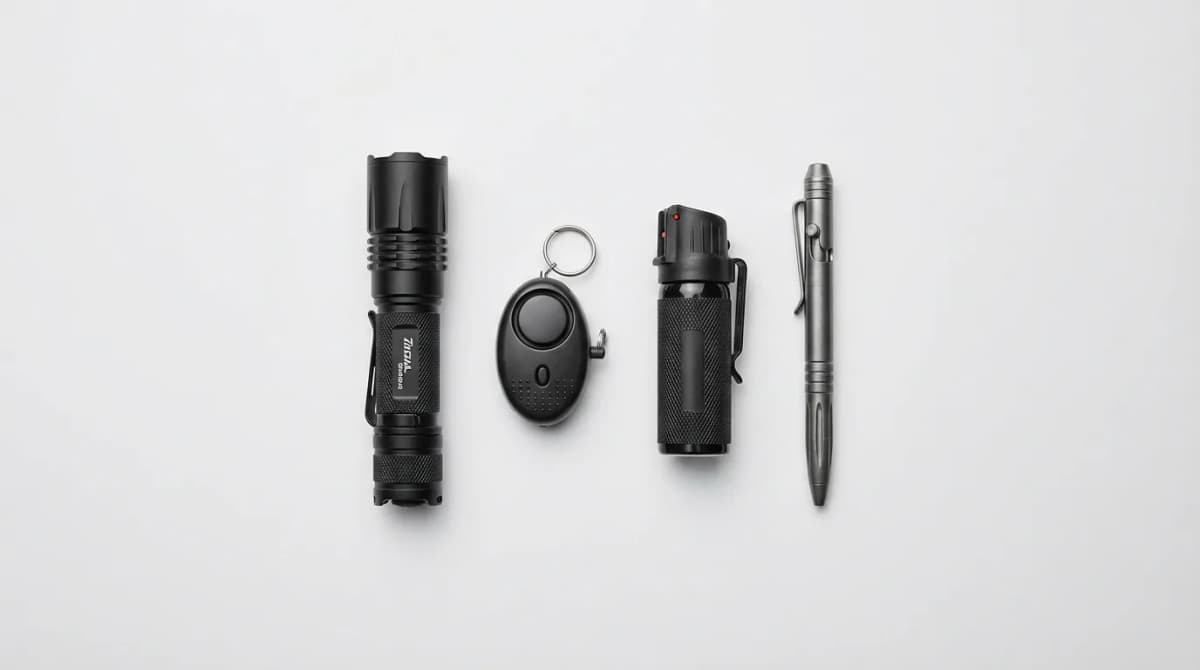
Most people overthink self-defense EDC. They either go straight to weapons that create legal headaches, or they skip protection entirely because those options feel too extreme. The middle ground is non-lethal gear that gives you options without turning every commute into a compliance nightmare.
Quick Picks
Our top recommendations at a glance:
- 1
- 2
- 3
- 4
- 5
The self-defense gear worth carrying shares one trait: it's useful beyond emergencies. A tactical flashlight lights your path home. A kubotan doubles as a keychain. The best safety gear earns its carry space daily, not just in worst-case scenarios.
Why Non-Lethal Tools Make Sense for EDC
Weapons escalate situations and complicate travel. Pepper spray works in most states, but check local laws before carrying across state lines. Tactical pens pass TSA screening. Personal alarms draw attention without putting your hands on an attacker. These tools give you defensive options that don't require split-second lethal force decisions.
The legal question matters more than most gear reviews admit. Non-lethal tools rarely trigger weapons charges, even in restrictive jurisdictions. A tactical flashlight is just a flashlight until you need the strobe function. A kubotan is a keychain. You're carrying useful items that happen to have defensive applications, not purpose-built weapons that require permits or create liability issues.
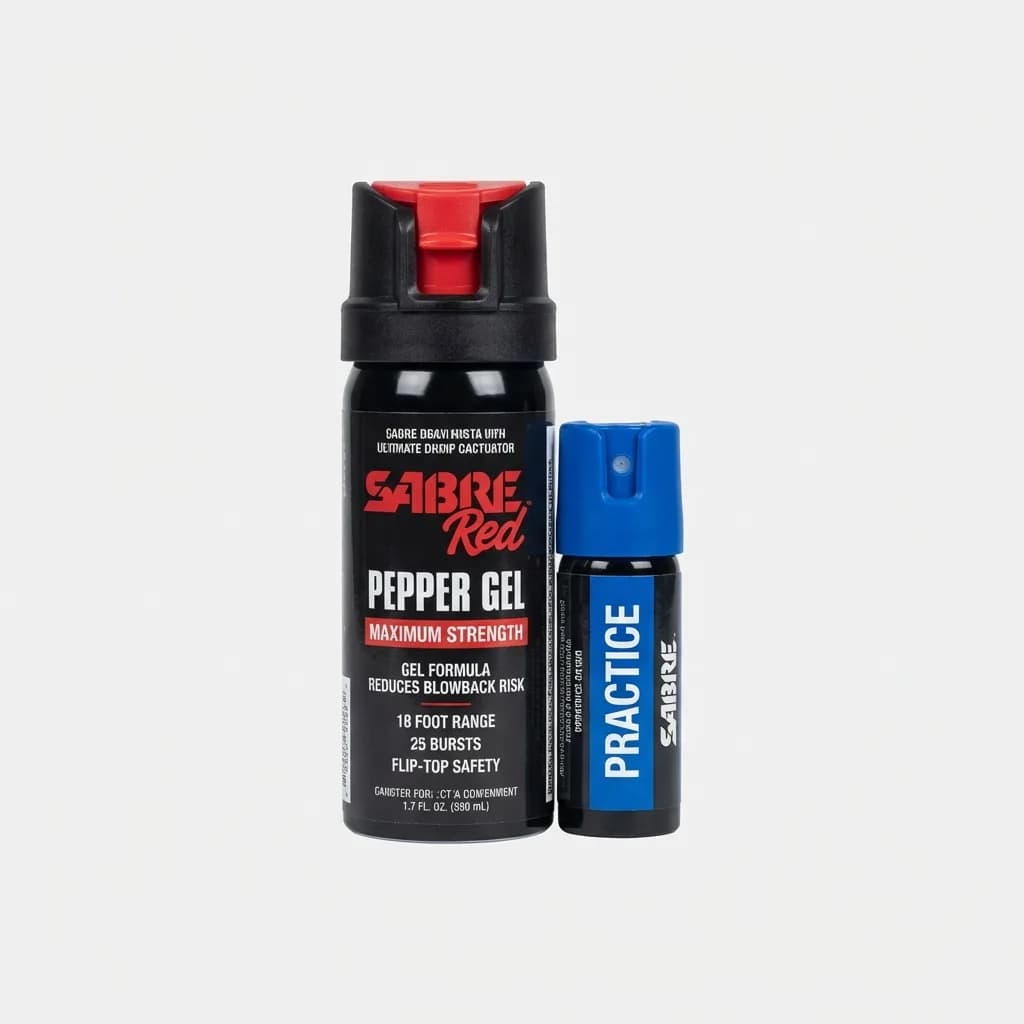
Sabre Red Pepper Gel
$15
Gel formula reduces blowback risk compared to spray. 18-foot range, flip-top safety, 25 bursts per canister. Includes practice canister.
Effective range separates serious tools from security theater. Pepper spray needs 10-foot minimum reach. Closer than that, you're already in grappling distance. Gel formulas like Sabre Red hit 18 feet and stick to faces instead of creating clouds that affect everyone nearby. Spray canisters can leak in bags and coat everything in capsaicin. Gel stays contained until deployed.
Tactical Flashlights: Light and Defense Combined
A 1,000-lumen flashlight does two jobs. It illuminates dark parking garages and temporarily blinds threats with a strobe mode. Streamlight and Fenix build lights that survive pocket carry abuse while delivering enough output to disorient someone long enough to create distance.
The strobe function is the defensive feature that matters. Constant bright light annoys people. A rapidly pulsing 1,000-lumen strobe disrupts vision and balance. It's disorienting enough to buy you seconds to run or assess the situation. That's the realistic goal - creating opportunities to escape, not fighting.
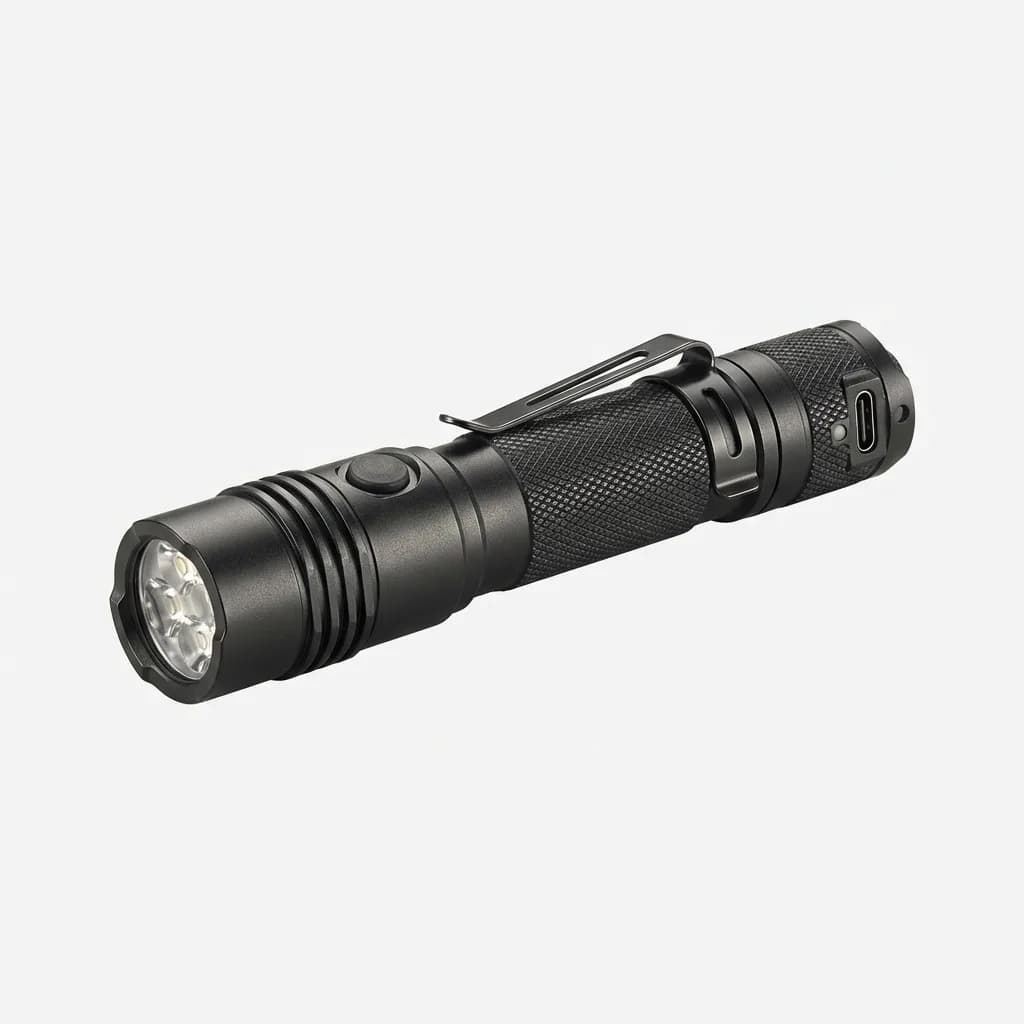
Streamlight ProTac 2L-X
$55
500 lumens high, 40 lumens low, strobe mode. USB rechargeable with battery indicator. IPX7 waterproof, 5-inch length, pocket clip.
Battery life determines whether your light works when you need it. Rechargeable 18650 cells deliver consistent output but require charging discipline. CR123A primaries last years in storage but cost more per use. The Streamlight ProTac line uses both formats - daily carriers appreciate the USB charging, while lights that live in bags for emergencies benefit from primary cells that stay fresh.
Tactical bezels (those aggressive serrated edges) are mostly marketing. Yes, you can strike with them. Realistically, if you're close enough to use a bezel as a weapon, you're in a hand-to-hand fight where proper training matters more than gear. The smooth bezel version sits more comfortably in pockets and doesn't snag fabric.
Personal Alarms: Drawing Attention When You Need It
A 130-decibel alarm does one thing exceptionally well - it makes everyone within 100 feet turn and look. Attackers want anonymity. Alarms destroy that. They're effective in populated areas where witnesses and help exist nearby. In isolated locations, they're less useful but still create psychological pressure.
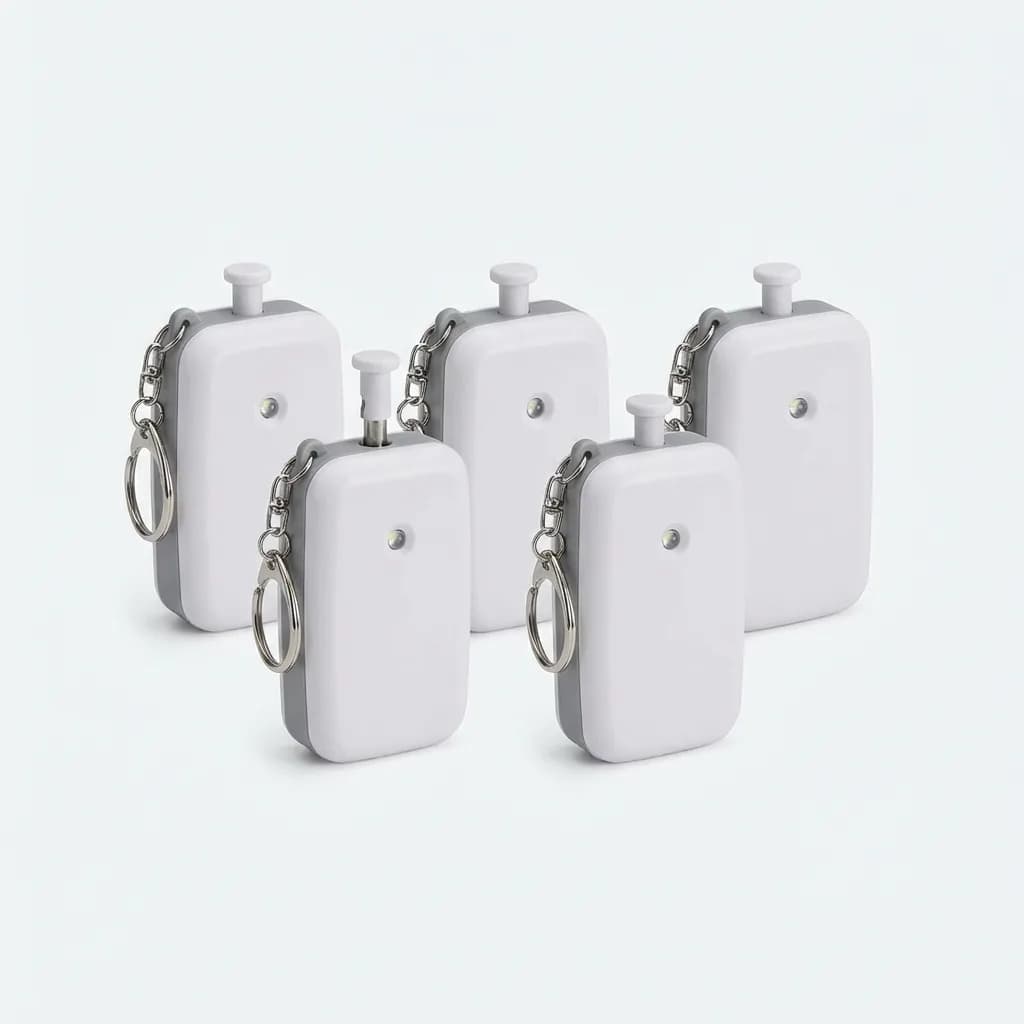
Vigilant Personal Alarm 5-Pack
$18
130dB siren, pull-pin activation, LED light, keychain attachment. Replaceable LR44 batteries. Measures 2.5 x 1.5 x 0.7 inches.
In parking structures, office buildings, and residential streets, the difference between 120 and 130 decibels is significant - the louder models cut through traffic noise and closed doors. Cheaper alarms hit maybe 100 decibels, which sounds loud close-up but doesn't carry far enough to attract help from a distance.
Activation method matters more than size. Pull-pin designs like the Vigilant model activate with one motion and keep sounding until you replace the pin. Button-activated alarms require continuous pressure, which is harder to maintain if you're running or struggling. Pull-pin models also prevent accidental shutoffs.
Tactical Pens: Discrete Defense Tools
Tactical pens live in a gray area between tool and weapon. They're pens first - functioning writing instruments that pass security screening. The defensive application comes from hardened aluminum or titanium construction and blunt striking surfaces. You're carrying a pen that happens to be strong enough to use as an impact tool.
The Impromptu from Benchmade uses 6061 aluminum and writes with Fisher Space Pen refills. It's a legitimately good pen that survives daily pocket abuse. The slightly tapered body gives you a striking surface if needed, but mainly it's just a durable pen that won't fall apart.
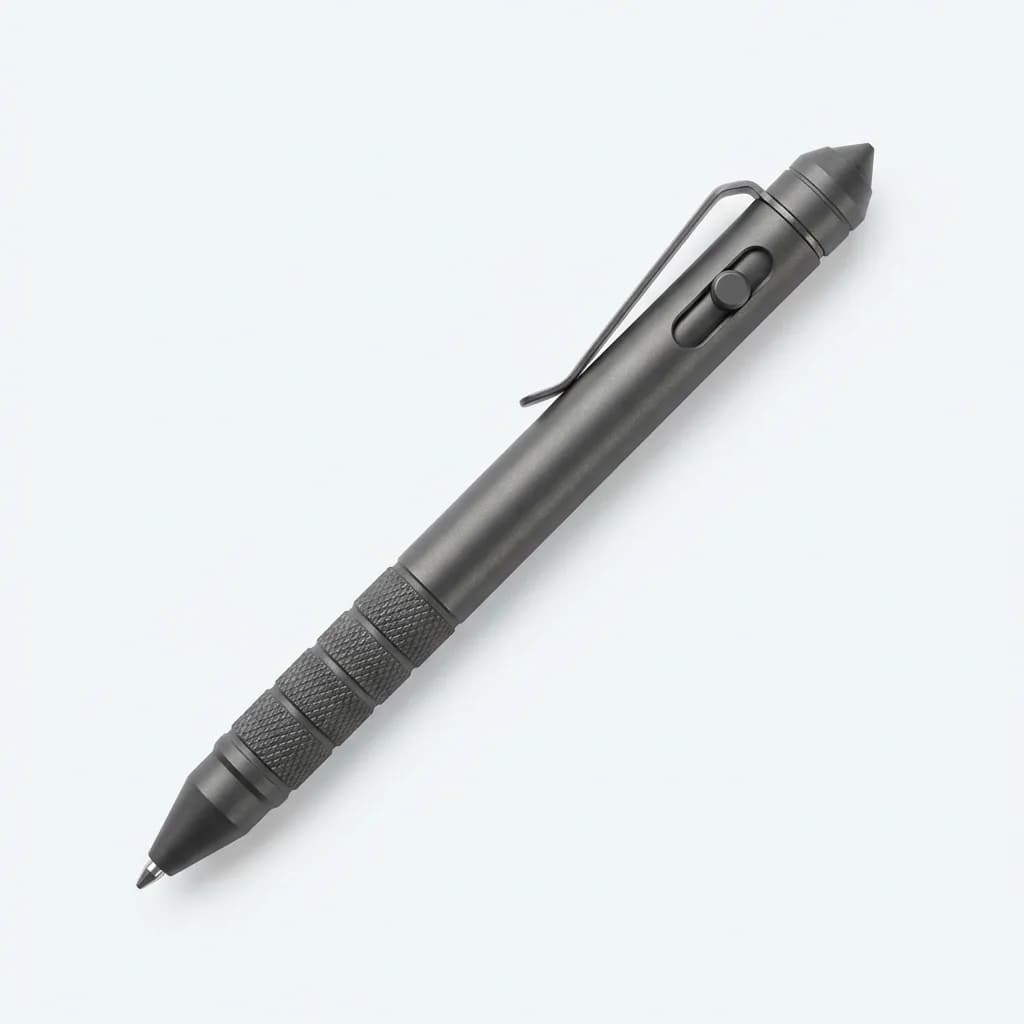
Benchmade 1100 Turmoil Tactical Pen
$90
6061-T6 aluminum body, Fisher Space Pen refill, glass breaker tip, reversible pocket clip. 5.8 inches long, 1.4 ounces. Made in USA.
Effective striking with a pen requires targeting soft tissue or pressure points. Center mass strikes do nothing against someone wearing a jacket. You're aiming for eyes, throat, or nerve clusters - techniques that need training to execute under stress. Without that training, a tactical pen is just an expensive pen that makes you feel safer.
Glass breaker tips add utility for vehicle emergencies. A tungsten carbide tip concentrates force into a tiny point that shatters tempered glass. That's useful if you're trapped in a car after an accident, separate from any self-defense application.
What About Kubotans and Self-Defense Keychains?
Kubotans are 5-inch metal rods that attach to keychains. They give you a solid fist load and a striking surface. The reality: they're only effective with training. Swinging a kubotan without understanding targets, angles, and distancing just gives you a chunk of metal that might hurt your hand more than your attacker.
The appeal is that kubotans are legal everywhere and TSA-approved in checked luggage. They look innocuous - just a chunky keychain. But effectiveness depends entirely on skill. Unlike pepper spray or alarms that work with minimal training, kubotans require regular practice to use properly under stress.
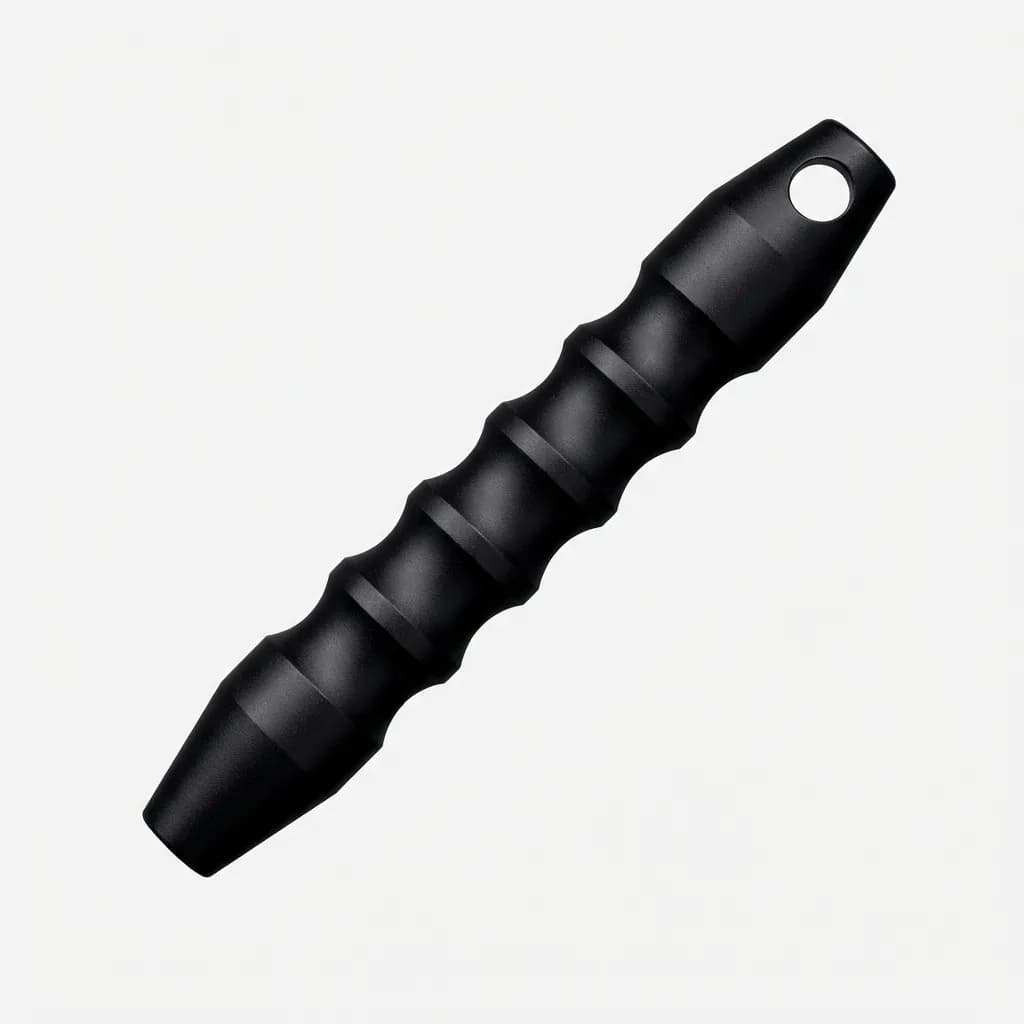
Cold Steel Mini Koga
$12
5.5-inch aircraft aluminum kubotan, 0.75-inch diameter, keychain hole. Based on Takayuki Kubota's original design. 1.6 ounces.
Modern variations add features like pointed ends or serrated edges. These modifications make the tool look more aggressive without adding practical defensive value. Smooth cylindrical designs work fine for pressure point control and joint locks if you know what you're doing. Sharp edges just create legal questions and pocket comfort issues.
Building a Layered EDC Safety System
Effective self-defense EDC combines tools that work at different ranges and situations. Pepper gel handles mid-range threats up to 18 feet. A tactical flashlight with strobe works at 20-30 feet and provides daily utility. A personal alarm works in populated areas where drawing attention helps. Each tool addresses different scenarios instead of overlapping.
Your selection depends on environment and threat model. Urban carriers benefit from personal alarms and pepper gel - populated areas mean witnesses matter and threats emerge suddenly. Rural carriers prioritize flashlights since isolation makes alarms less useful and visibility matters more for wildlife encounters and navigation.
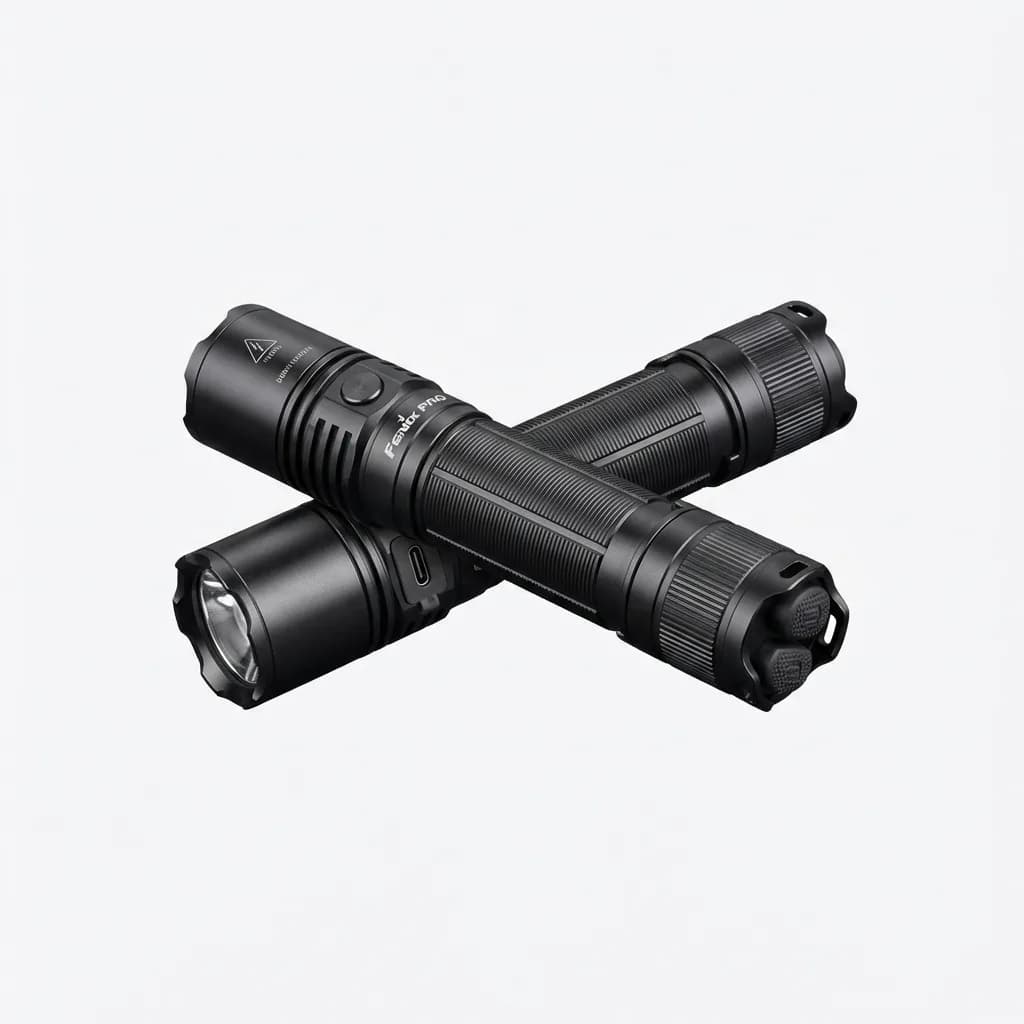
Fenix PD36R Pro Rechargeable Flashlight
$110
2800 lumens max, 5 brightness levels plus strobe, USB-C charging, dual tail switches. 5.6 inches, 5.08 ounces with battery. IP68 waterproof.
Legal compliance varies by location more than people realize. Pepper spray is restricted in some states by concentration or canister size. Some jurisdictions classify kubotans as weapons. Tactical pens and flashlights rarely create issues, but research local laws before carrying anything marketed specifically for self-defense.
Training matters more than gear quality. A $200 tactical flashlight doesn't help if you freeze during an actual threat. Practice deploying your tools under stress. Run scenarios in your head while walking to your car. The gear is backup for awareness and avoidance, not a substitute for situational awareness.
How to Actually Carry and Access Defensive Tools
Carry location determines whether your gear is useful or just weight. Pepper spray buried in a bag is useless. It needs to be accessible within two seconds - jacket pocket, belt holster, or bag strap mount. The same applies to flashlights and alarms. If you can't reach it immediately, you don't really have it.
We keep pepper gel in a jacket pocket during cold months and clipped to a bag strap in summer. The tactical flashlight lives in a front pants pocket with the clip - it deploys as fast as pulling your phone. Personal alarms attach to bag straps where they're visible and accessible. The visibility itself acts as a deterrent.
Practice your draw stroke until it's automatic. Pull your pepper spray ten times while walking to your car. Get used to how it feels coming out of the pocket or holster. Muscle memory matters when adrenaline hits and fine motor skills degrade.
The Role of Training and Realistic Expectations
Gear alone doesn't make you safer - it just gives you options if awareness and avoidance fail. The best self-defense is not being there when trouble happens. Watch your surroundings, trust your instincts about sketchy situations, and leave before things escalate.
That said, tools provide peace of mind and backup plans. Pepper gel works with minimal training. Point at face, spray, move. Alarms require zero training. Flashlights need practice with the strobe mode so you don't blind yourself. Tactical pens and kubotans need formal instruction to be effective.
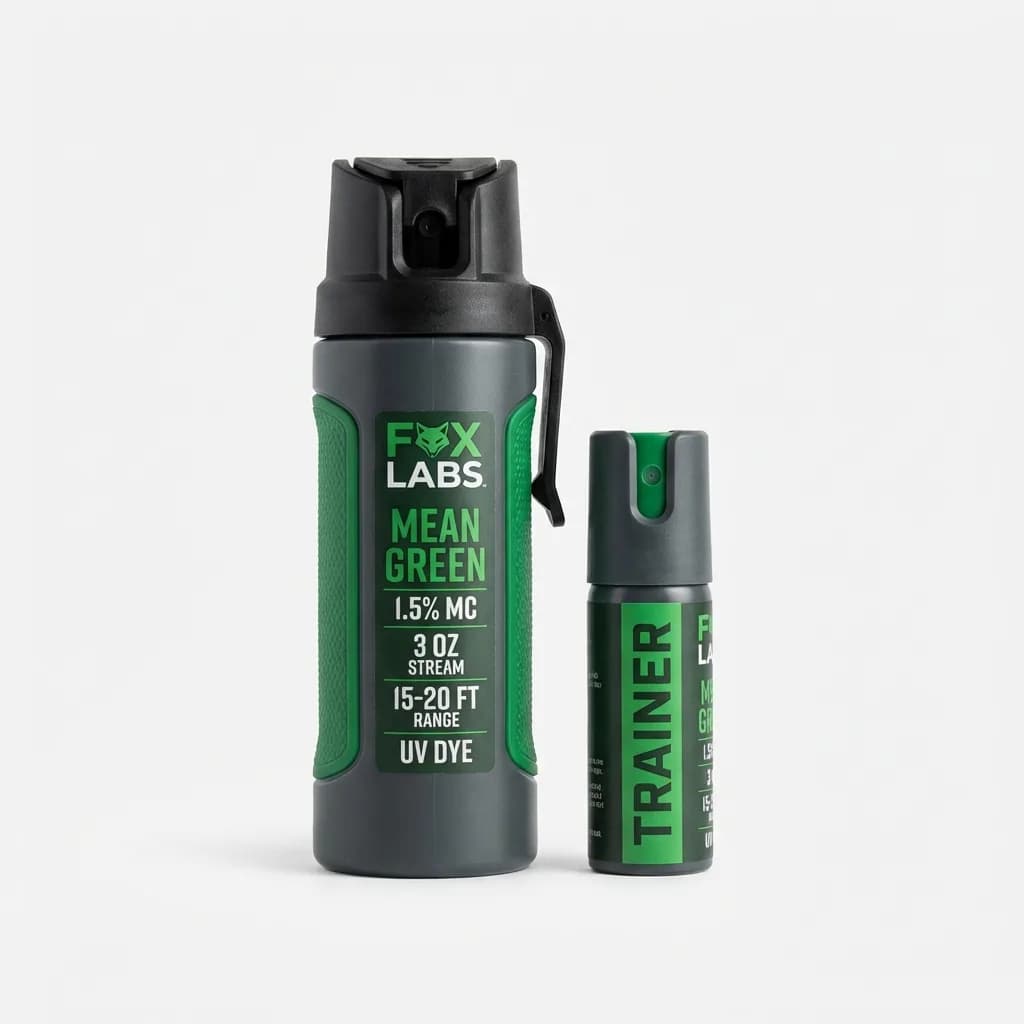
Fox Labs Mean Green Pepper Spray
$20
1.5% MC (major capsaicinoids), 3-ounce stream canister, flip-top safety, 15-20 foot range. UV dye aids identification. Includes trainer.
Consider taking a basic self-defense course that covers legalities, awareness, and verbal de-escalation alongside physical techniques. Understanding force continuum - when different responses are appropriate - prevents overreaction and legal problems. You don't want to escalate a verbal argument into an assault charge because you deployed pepper spray too early.
The psychological component is harder than the gear decision. Most people have never been in a genuinely threatening situation. Stress triggers fight-or-flight responses that override training and planning. Exposure to realistic scenario training helps, but nothing fully prepares you except experience.
Maintenance and Replacement Schedules
Pepper spray expires. The propellant loses pressure and the capsaicin degrades. Most canisters have a 3-4 year shelf life printed on the bottom. Mark replacement dates in your calendar or you'll carry expired spray that fails when you need it. Practice canisters let you test function without wasting your carry unit.
Flashlight batteries degrade even when not in use. Rechargeable cells lose capacity after 300-500 charge cycles. Primary cells last longer in storage but check them annually. A dead flashlight is dead weight. Build a rotation schedule - every 6 months, test your lights and replace batteries as needed.
Personal alarms use button cells that last 1-2 years depending on quality. Test monthly by pulling the pin briefly. If the sound is noticeably quieter than when new, replace the batteries. Alarms fail silently - you won't know they're dead until you activate them.
Tactical pens need occasional refill replacement and cleaning. Fisher Space Pen refills last about one year of daily writing. The pen body should be disassembled and cleaned annually to remove pocket lint and debris that can jam the mechanism. A stuck pen is useless as both writing tool and defensive instrument.
Putting It All Together
Self-defense EDC is about options, not guarantees. Carry tools that make sense for your environment and threat model. Urban commuters benefit most from alarms and pepper gel. Suburban and rural carriers prioritize flashlights with defensive modes. Everyone benefits from awareness and the discipline to avoid problems before they develop.
Start with one or two items that fit your carry style. A tactical flashlight serves dual purposes and creates minimal legal concerns. Add pepper gel if your local laws allow. Build from there based on actual gaps in your daily routine, not hypothetical scenarios.
The gear that works is the gear you actually carry. A powerful flashlight left at home doesn't help when you're walking through a dark parking garage. Find tools that integrate into your existing EDC without adding bulk or weight you'll resent. Consistent carry matters more than maximum capability.
The Weekly Dispatch
Enjoying this article?
Subscribe and get our best gear picks delivered every Sunday morning.
Related Posts
EDC Kickstarter Checklist: 10 Checks to Run First
EDC campaigns are everywhere this fall. Use this 10-point checklist, built on Kickstarter's own rules, to judge knives, lights and clips before you pledge.
VAULT Sling vs Peak Design: Modular EDC Sling 2026
Tool-and-tech EDC slings, not camera bags. VAULT Flex Boards and 7L–9L magnetic expand vs Peak Design Everyday 6L, plus LOCHBY and Kargo.
EDC for Rainy Cities: The Complete Setup
Rainy-city EDC means canopy, wet pouch, and smarter fabrics. Build a daily carry that stays dry on transit without soaking your bag or pockets.
DIY EDC Mods: Personalize Your Everyday Carry Gear
Learn practical DIY modifications for your EDC gear: paracord wraps, anodizing, custom scales, and personalization techniques that improve function and style.