Quartz vs Mechanical Watches: Complete Guide
Understand the real differences between quartz and mechanical movements, from accuracy and maintenance to value and longevity, to choose the right watch.

Walk into any watch shop and you'll face the same fundamental choice: quartz or mechanical. The difference isn't just about how they tick. It's about accuracy versus craftsmanship, convenience versus character, and what you're actually paying for when you strap a timepiece to your wrist.
Most people assume mechanical watches are objectively better because they cost more. That's backwards. Quartz watches are more accurate, more reliable, and require less maintenance. Mechanical watches cost more because they're harder to make, not because they tell time better. Understanding that distinction changes everything about how you shop for a watch.
How Quartz Movements Actually Work
A quartz watch uses a battery to send electricity through a small quartz crystal. The crystal vibrates at 32,768 times per second, a frequency so stable it makes atomic clocks jealous. A circuit board counts these vibrations and converts them into one-second pulses that move the hands.
The result is accuracy within 15 seconds per month for most quartz watches. High-end quartz movements like the Grand Seiko 9F series hit plus or minus 10 seconds per year. That's not a typo. Per year.
Quartz movements have fewer than 10 moving parts compared to the 100-plus components in a mechanical watch. Fewer parts means fewer things that can break, wear out, or fall out of adjustment. A decent quartz watch will run for 2-5 years on a single battery, then cost $10-20 to service at any jeweler.
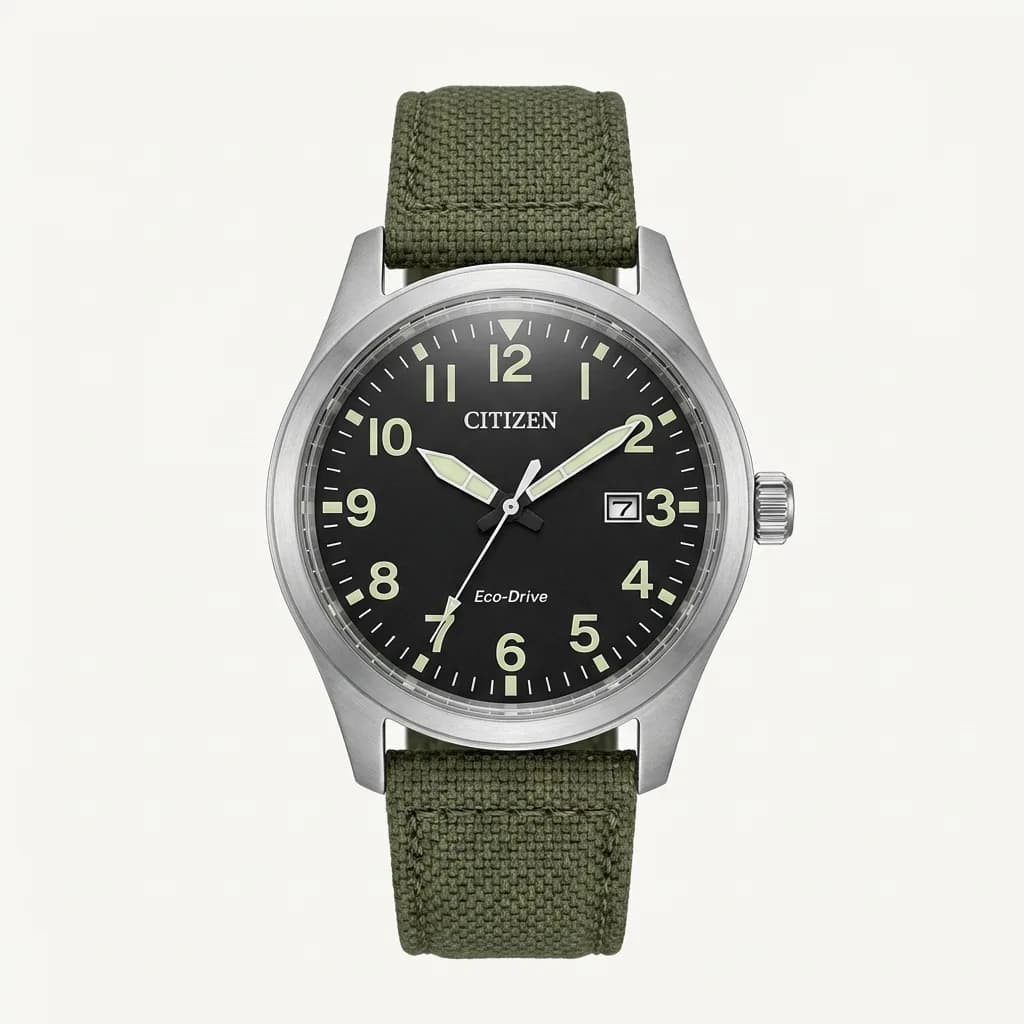
Citizen Eco-Drive Chandler
$180
Solar-powered quartz movement that never needs a battery. Charges from any light source, 180-day power reserve, sapphire crystal, 100m water resistance.
The sweeping hand on most quartz watches actually ticks once per second. Some people find this visually jarring. Higher-end quartz movements can smooth this out, but the characteristic tick is how you instantly identify a quartz watch across a room.
Mechanical Movement Types and What They Mean
Mechanical watches use a coiled spring called a mainspring as their power source. As the spring unwinds, it releases energy through a series of gears that regulate the movement of the hands. The escapement mechanism controls how fast the spring unwinds, creating the rhythmic tick you hear when you hold a mechanical watch to your ear.
There are two types of mechanical movements: manual and automatic. Manual watches require you to wind the crown every day or two to keep them running. Automatic watches have a rotor that spins when you move your wrist, winding the mainspring for you. Wear an automatic watch daily and you never have to think about winding.
Most mechanical watches tick 6-10 times per second, creating a smooth sweeping motion instead of the distinct one-second jumps of quartz. High-frequency movements like those in Grand Seiko tick 10 times per second, making the sweep almost hypnotic to watch.
The accuracy trade-off is significant. A good mechanical watch runs plus or minus 10 seconds per day. That's 5 minutes per month of drift, roughly 20 times less accurate than a basic quartz watch. COSC-certified chronometers tighten this to -4 to +6 seconds per day, but even that's nowhere near quartz territory.

Seiko 5 Sports SRPD
$250
Automatic 4R36 movement with 41-hour power reserve, day-date display, exhibition caseback showing the movement, 100m water resistance. Entry point for mechanical watches.
Mechanical movements need service every 3-5 years. This involves complete disassembly, cleaning, lubrication, and reassembly by a trained watchmaker. Budget $200-300 for standard movements, $500-1000 for Swiss movements, and significantly more for complicated movements with additional functions.
What You're Actually Paying For
When you buy a $200 quartz watch and a $2000 mechanical watch with similar cases and bracelets, the movement accounts for most of the price difference. Quartz movements cost $5-50 to manufacture at scale. A decent mechanical movement starts at $100 for mass-produced calibers and climbs into the thousands for in-house Swiss movements.
But cost of goods doesn't explain the full picture. Mechanical watches represent hundreds of years of horological tradition. The engineering that goes into a reliable automatic movement is genuinely impressive, even if the end result is less accurate than a $20 Casio.
Brand perception plays a huge role. Rolex, Omega, and other luxury brands built their reputations on mechanical movements. When they release quartz watches, even technically superior ones, the market largely ignores them. The Omega Seamaster Quartz is more accurate and more reliable than its mechanical sibling, but it sells for less and holds value poorly.
Quartz watches dominate the under-$500 market because they deliver better performance per dollar. Mechanical watches dominate the over-$1000 market because buyers at that price point care about craftsmanship, heritage, and the romance of wearing a miniature machine on their wrist.
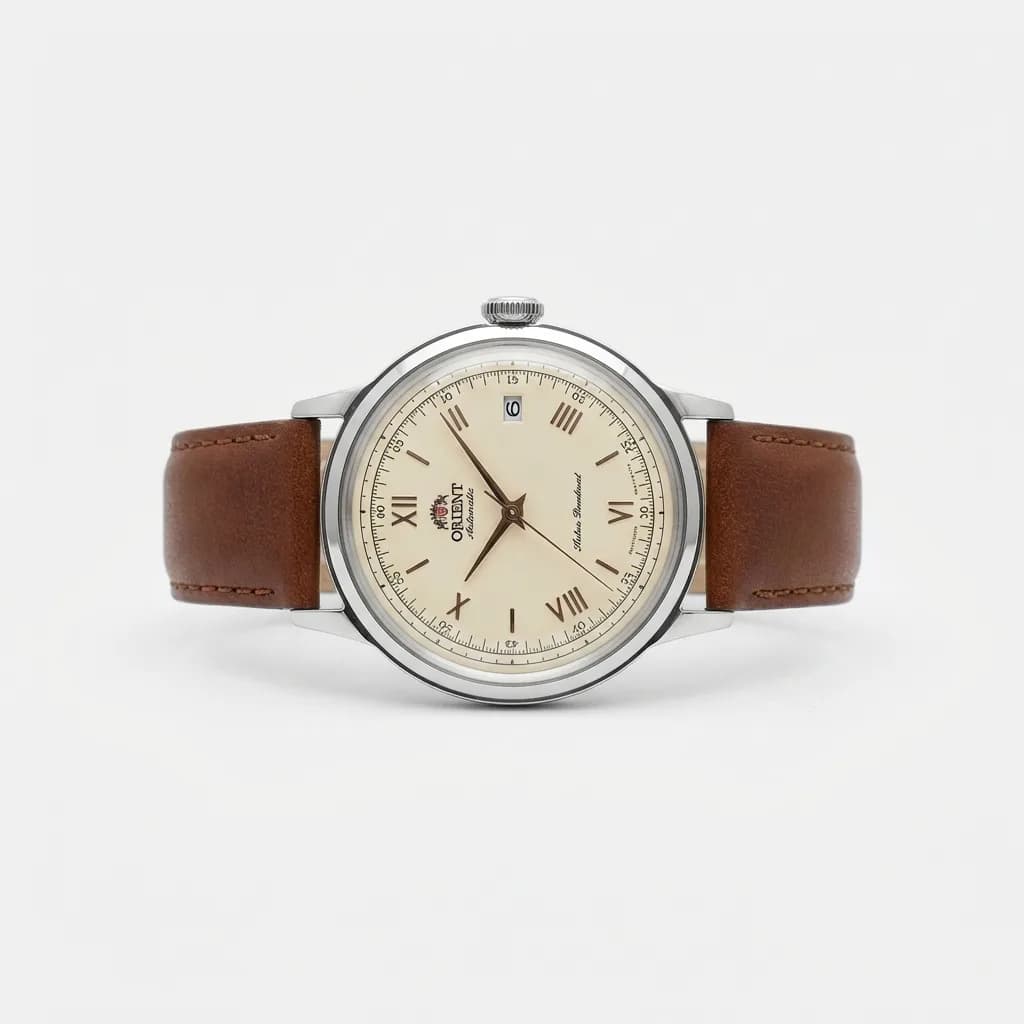
Orient Bambino
$170
In-house automatic F6724 movement, 40-hour power reserve, domed mineral crystal, dress watch styling under $200. Mechanical movement quality at quartz pricing.
The value question is personal. If accuracy and low maintenance matter most, quartz wins without debate. If you appreciate mechanical complexity or want something that feels special when you wear it, mechanical makes sense despite the practical drawbacks.
Durability and Long-Term Reliability
Quartz watches handle shock better than mechanical watches. Drop a quartz watch and the circuit board might crack, but more likely nothing happens. Drop a mechanical watch and you risk knocking the balance wheel out of regulation, damaging pivots, or cracking jewels. The repair bill often exceeds the watch's value for entry-level mechanicals.
Magnetic fields kill mechanical watches. Get too close to speakers, iPad cases, or magnetic phone mounts and your mechanical watch can gain or lose hours per day until it's demagnetized. Quartz watches ignore magnetic fields completely. This alone makes quartz the better choice for anyone working around electronics or machinery.
Water resistance works the same for both movement types - it's determined by case construction, not the movement. But quartz movements tolerate moisture intrusion better. A bit of condensation inside a quartz watch is annoying but rarely fatal. The same moisture in a mechanical watch starts corroding components immediately, often requiring a full service to repair.
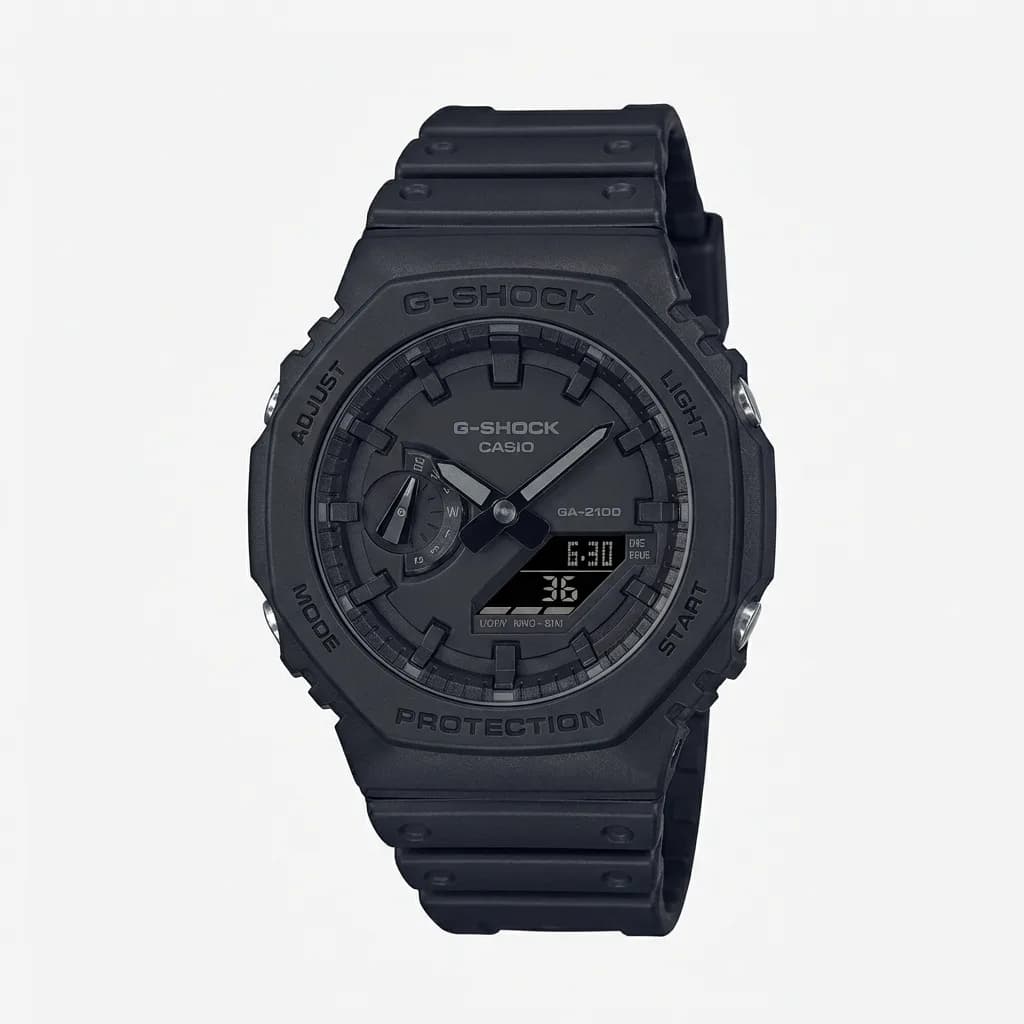
Casio G-Shock GA2100
$99
Shock-resistant quartz module in carbon-reinforced case, 200m water resistance, 3-year battery life. Built to survive impacts that would destroy mechanical watches.
Battery replacement is the main quartz maintenance concern. Standard batteries last 2-3 years and cost $10-20 to replace. Some quartz watches use rechargeable batteries and solar panels, eliminating battery changes entirely but adding initial cost. The Citizen Eco-Drive line pioneered this approach and now offers hundreds of models that charge from any light source.
Mechanical watches theoretically last forever with proper service. Realistically, parts availability becomes an issue after 20-30 years for all but the most established brands. Vintage watch collectors know this pain well. Finding a replacement gear for a 1970s Seiko is possible but time-consuming. Finding parts for a 1970s quartz watch is often impossible because nobody bothered archiving circuits and stepper motors.
Which Watch Movement Should You Choose?
Buy quartz if you want accuracy, low maintenance, and maximum durability per dollar. The practical advantages are overwhelming for anyone who treats watches as tools rather than jewelry.
Buy mechanical if you appreciate the craft, enjoy the ritual of winding, or want something with emotional weight. The smooth sweep and ticking movement visible through an exhibition caseback create a connection no quartz watch can match.
Buy solar quartz if you want quartz accuracy without battery changes. Citizen Eco-Drive and Seiko Solar watches charge from any light source and run for months in darkness. It's the best of both worlds for most people.
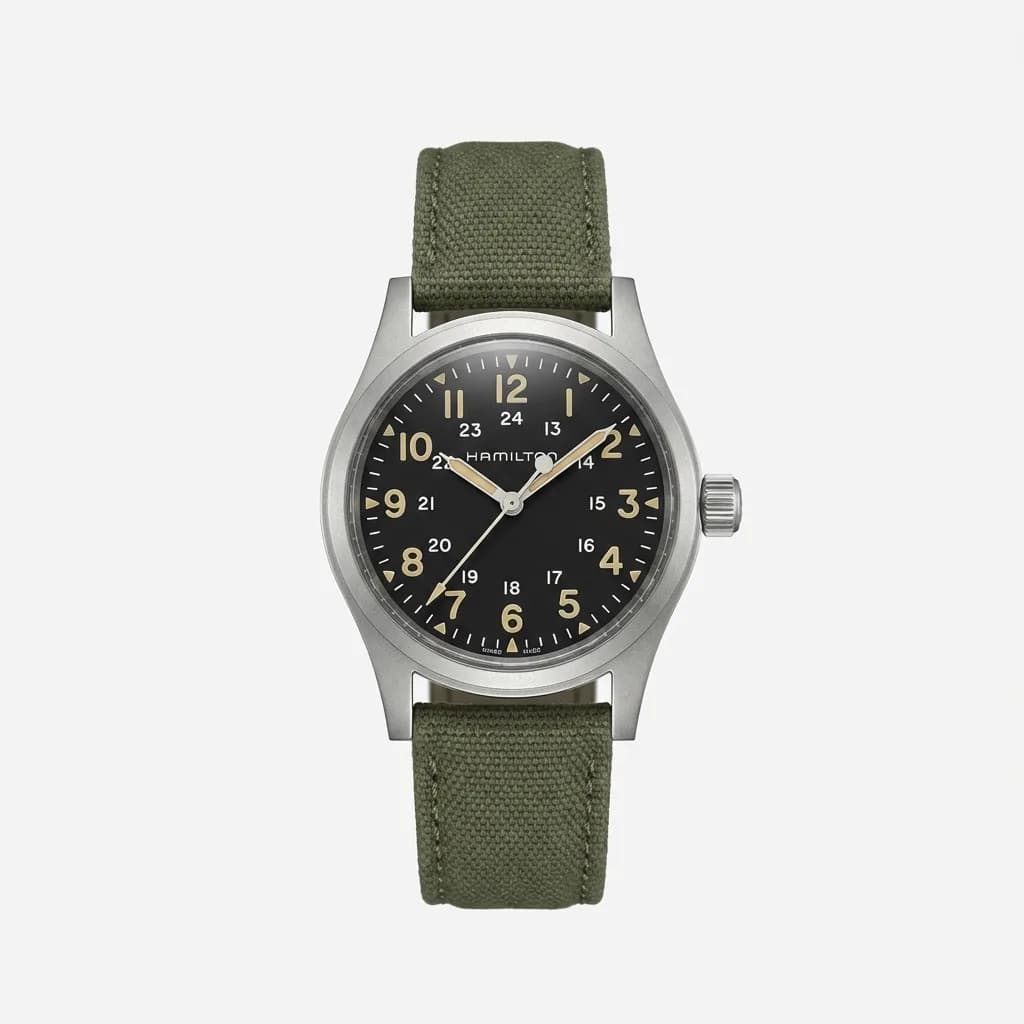
Hamilton Khaki Field Mechanical
$495
Hand-wound H-50 movement with 80-hour power reserve, 38mm stainless case, anti-reflective sapphire crystal. Swiss mechanical watchmaking at a reasonable price.
The worst mistake is buying a mechanical watch for the wrong reasons. If you expect mechanical to be more reliable, more accurate, or lower maintenance than quartz, you'll be disappointed. If you buy mechanical because you love the engineering and accept the trade-offs, you'll appreciate it every time you put it on.
Most watch enthusiasts end up owning both. A reliable quartz or solar watch for daily wear, travel, and situations where accuracy matters. A mechanical watch for occasions when you want to wear something with character and history, even if it means resetting the time every few days.
The movement type matters less than choosing a well-made watch from a reputable brand. A quality quartz watch from Citizen or Seiko will outlast a cheap mechanical watch from an unknown manufacturer. A well-serviced mechanical Seiko 5 will run for decades. Focus on build quality, case construction, and movement reputation rather than getting caught up in quartz versus mechanical tribalism.

Bulova Precisionist
$350
High-frequency quartz movement ticking 16 times per second for smooth sweep, accuracy within 10 seconds per year, sapphire crystal, 300m water resistance.
Neither movement type is objectively better. They're optimized for different priorities. Quartz wins on specs. Mechanical wins on soul. Understanding what each movement type actually delivers helps you choose the right watch for how you'll actually use it, instead of what sounds impressive when you describe it to friends.
The Weekly Dispatch
Enjoying this article?
Subscribe and get our best gear picks delivered every Sunday morning.
Related Posts
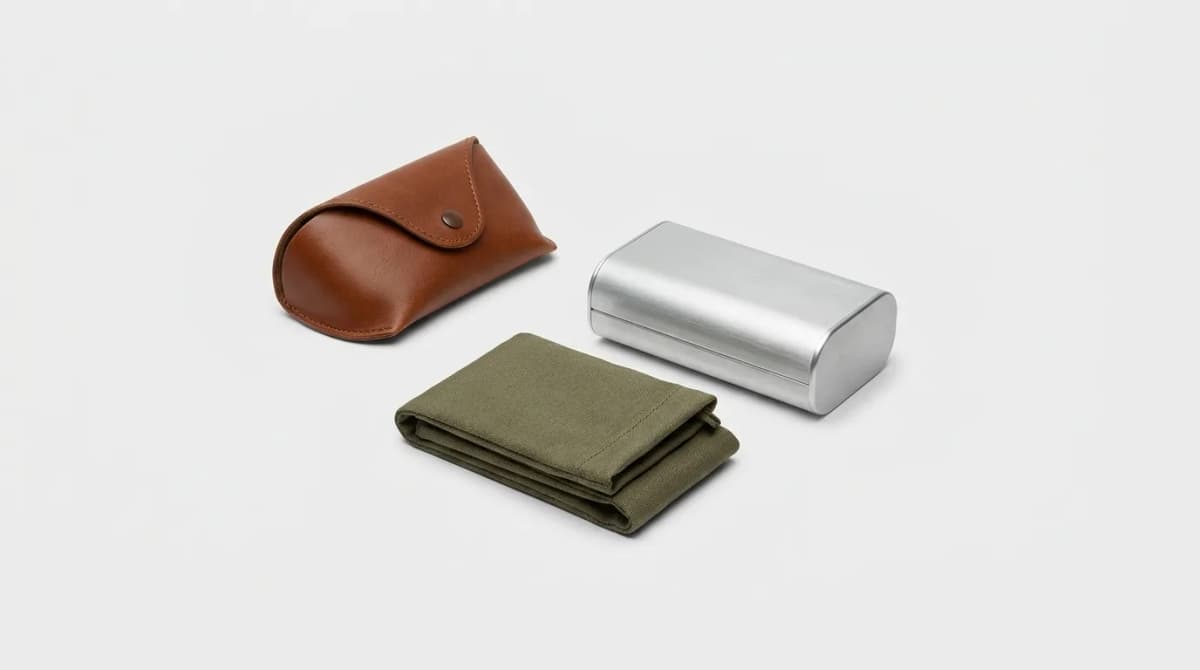
Best Pocket-Friendly Sunglasses Cases
Hard shells can crack and soft pouches can scratch lenses. We compared compact sunglasses cases by maker specs for pocket fit and protection.

Best Lightweight Scarves for Travel in 2026
Discover the best lightweight travel scarves that pack small, provide warmth, and serve multiple purposes. From merino wool to silk blends, here's what works.
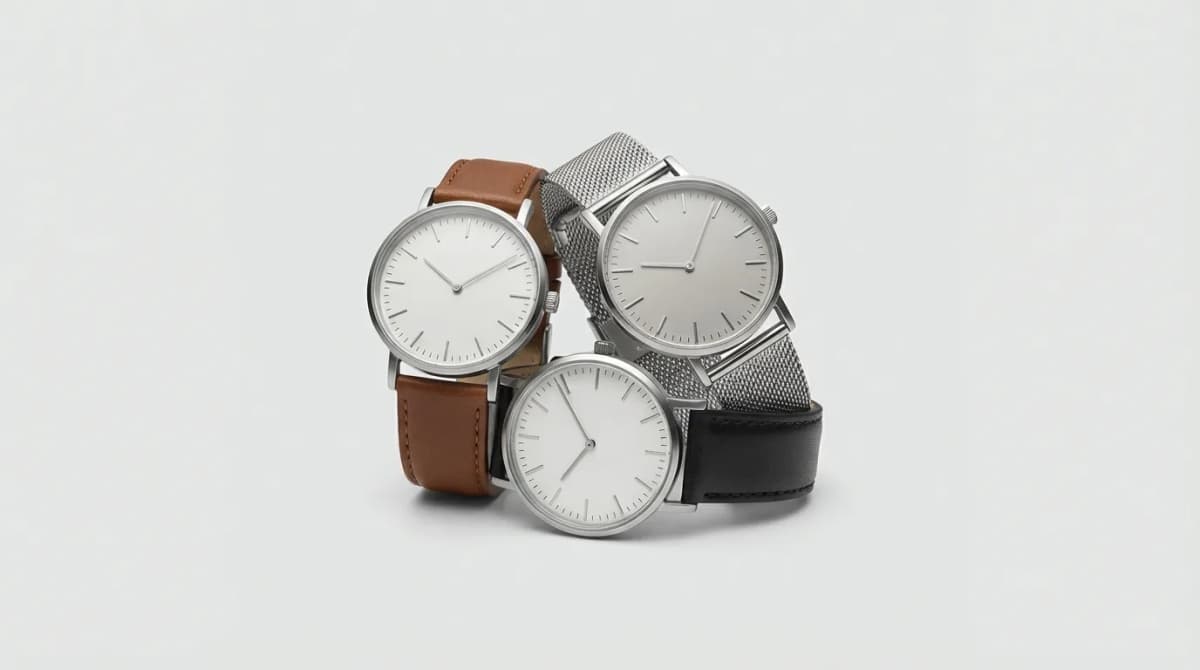
Best Minimal Watches for Everyday Wear
Clean dials, versatile straps, and no-nonsense cases make minimal watches work with everything. Here's what actually matters when choosing one.
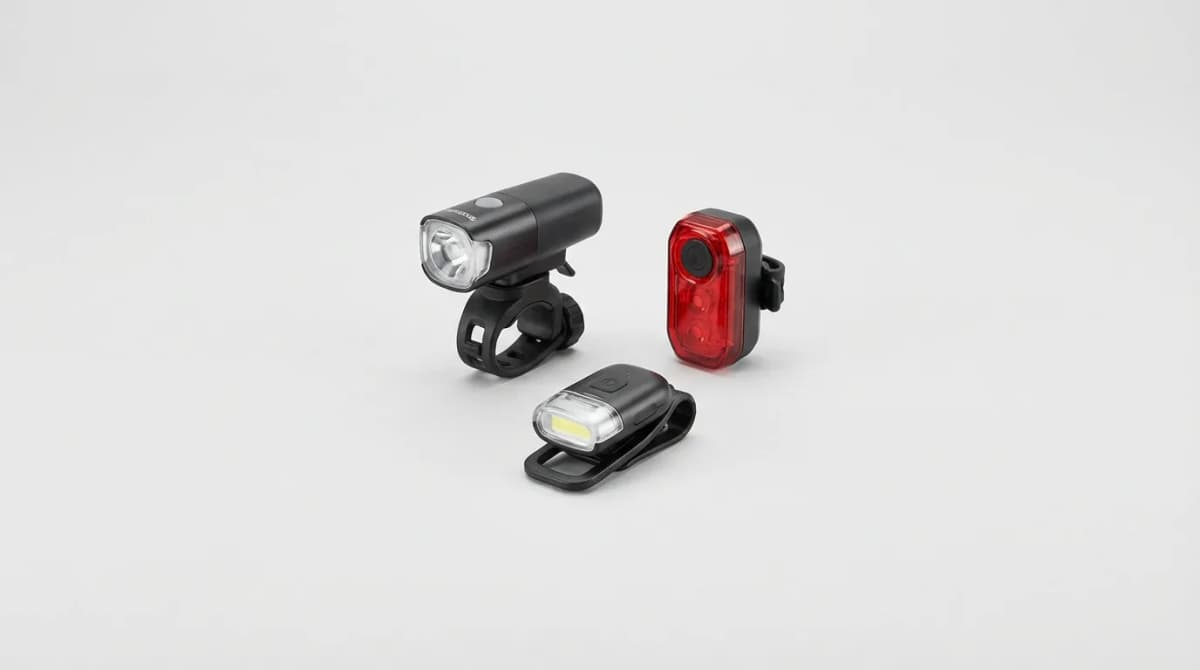
Best Compact Bike Lights for Daily Commuting
The right bike light makes you visible to cars and keeps you legal. We break down lumens, mount styles, battery life, and our top compact picks for daily rides.