What IP Ratings Mean for Waterproof Gear
IP ratings tell you exactly how waterproof your gear is, but most people misread them. Here's what those numbers actually mean for real-world use.

You drop your flashlight in a puddle. Your watch gets soaked in the rain. Your phone slips into the sink. The damage depends entirely on something most people ignore: the IP rating.
Quick Picks
Our top recommendations at a glance:
- 1
- 2
- 3
- 4
- 5
IP stands for Ingress Protection, and it's the international standard that tells you exactly what your gear can handle. Not marketing fluff. Not vague promises. Actual tested limits against dust and water.
Most people see "waterproof" and assume total protection. That's wrong. A device rated IP54 will survive rain but die in a swimming pool. One rated IP68 can sit underwater for 30 minutes. The difference matters when you're hiking in a storm or paddling a kayak.
How IP Ratings Work: Breaking Down the Numbers
The IP code uses two digits. The first covers solid particle protection (dust, sand, dirt). The second covers liquid protection (water, moisture). Higher numbers mean better protection.
First digit scale:
- 0: No protection
- 1-4: Protected against objects larger than 1mm
- 5: Dust protected (some ingress allowed)
- 6: Dust tight (zero ingress)
Second digit scale:
- 0: No protection
- 1-4: Protected against splashing water from various angles
- 5: Protected against water jets
- 6: Protected against powerful water jets
- 7: Protected against temporary immersion (up to 1 meter, 30 minutes)
- 8: Protected against continuous immersion (depth and duration specified by manufacturer)
When you see IP67, you're looking at complete dust protection (6) and temporary water immersion up to 1 meter (7). IP68 means dust tight and submersible beyond 1 meter, but the manufacturer sets the exact depth and time limits.
Here's what confuses people: IP68 doesn't automatically beat IP67 for every scenario. An IP67-rated device is tested for submersion. An IP68 device might be rated for 2 meters but only for 30 minutes, or 1.5 meters for an hour. Check the fine print.
Real-World Applications: What Each Rating Actually Protects Against
IP54 handles light rain and dusty environments. Good for gear you'll use outdoors occasionally but not in harsh conditions. Most consumer electronics that claim basic water resistance fall here.
IP65 survives rain, splashes, and dust. This is the sweet spot for work lights, outdoor speakers, and gear that sees regular outdoor use but won't get dunked. The 5 rating means water jets from any direction won't penetrate.
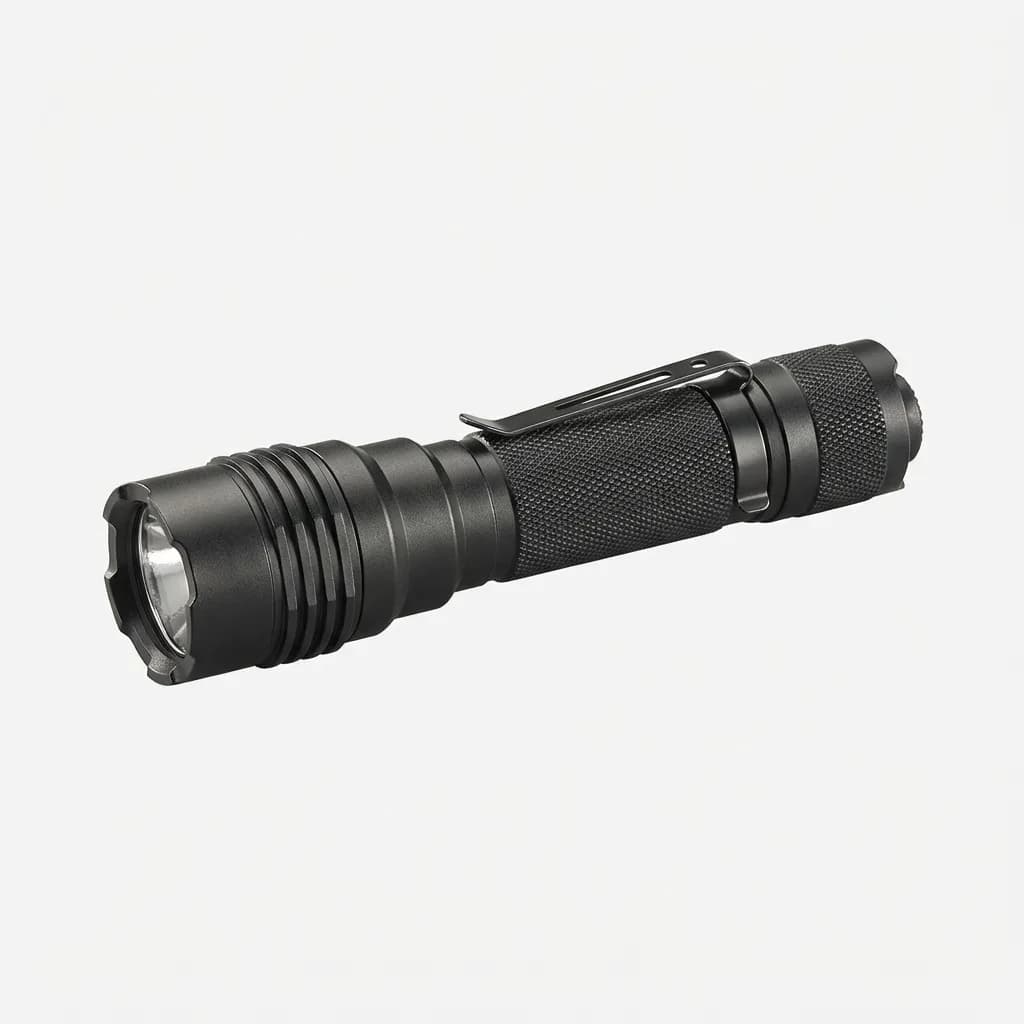
Streamlight 88065 ProTac HL-X
$75
1000-lumen tactical flashlight with IP68 rating. Survives 2 meters underwater for 30 minutes. Ten-Tap programming and dual fuel capability.
IP67 means true submersion protection. Drop it in a lake at 1 meter depth and it survives for 30 minutes. This is minimum spec for gear you rely on in wet environments: kayaking lights, trail cameras, rugged GPS units.
The catch: IP67 doesn't promise protection beyond 30 minutes or 1 meter. It's tested at that limit, but extended submersion or deeper water exceeds the standard. Also, saltwater is more corrosive than the fresh water used in testing.
IP68 varies wildly by manufacturer. One product might survive 1.5 meters for two hours. Another handles 6 meters indefinitely. Apple's iPhone 15 Pro claims IP68 at 6 meters for 30 minutes. Garmin's Instinct 2 watches hit 10 ATM (100 meters) with IP68 rating.
Always check the specific depth and duration claims, not just the IP68 label.
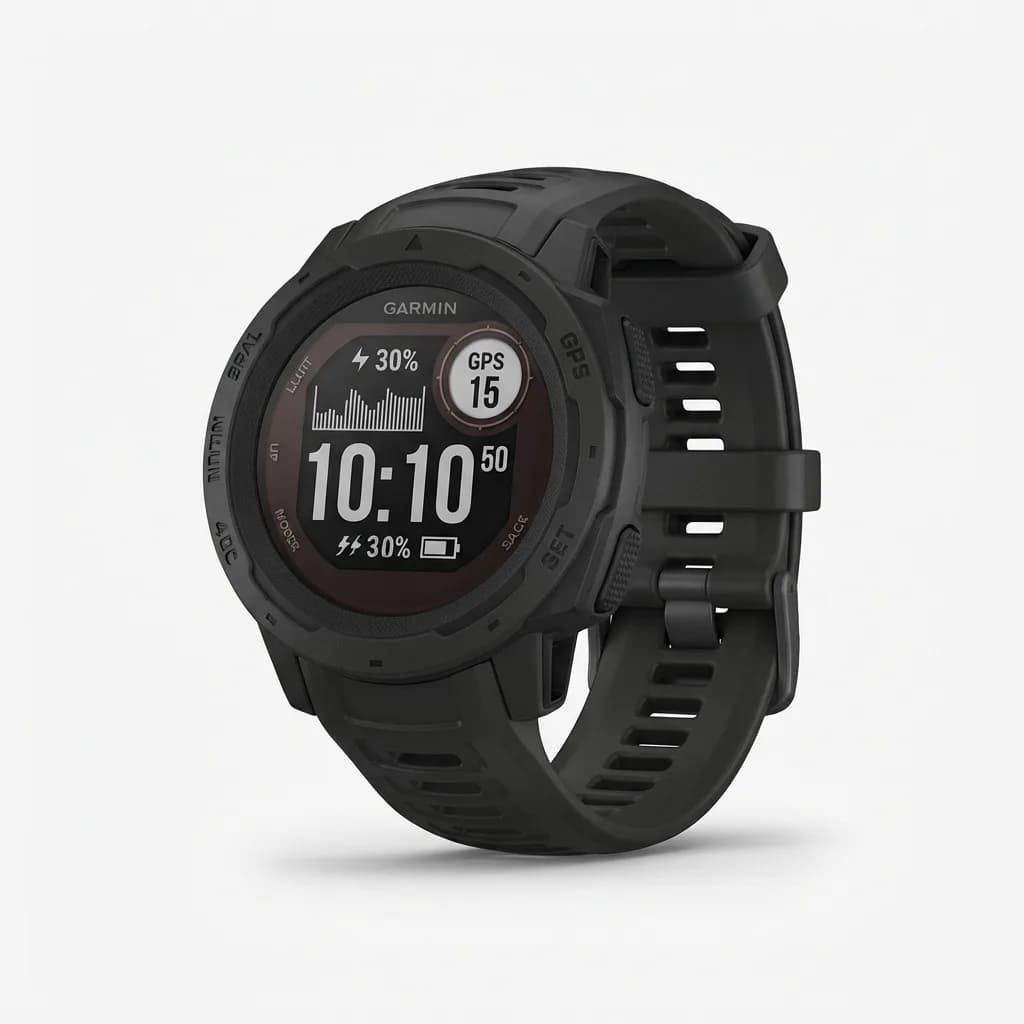
Garmin Instinct 2 Solar
$350
GPS smartwatch with 10 ATM water resistance and IP68 rating. Unlimited battery life in smartwatch mode with solar charging. Built for extreme conditions.
Common Misconceptions About Water Resistance
Water resistant is not waterproof. Marketing teams love blurring this line. Water resistant typically means IP54 or IP65 at best. It handles splashes. Waterproof suggests IP67 or IP68, meaning submersion protection.
Temperature matters but isn't part of IP testing. Cold water is denser than warm water. A device tested at room temperature might leak in freezing conditions because seals contract. Similarly, hot water (like in a shower) can create pressure differentials that push moisture past seals.
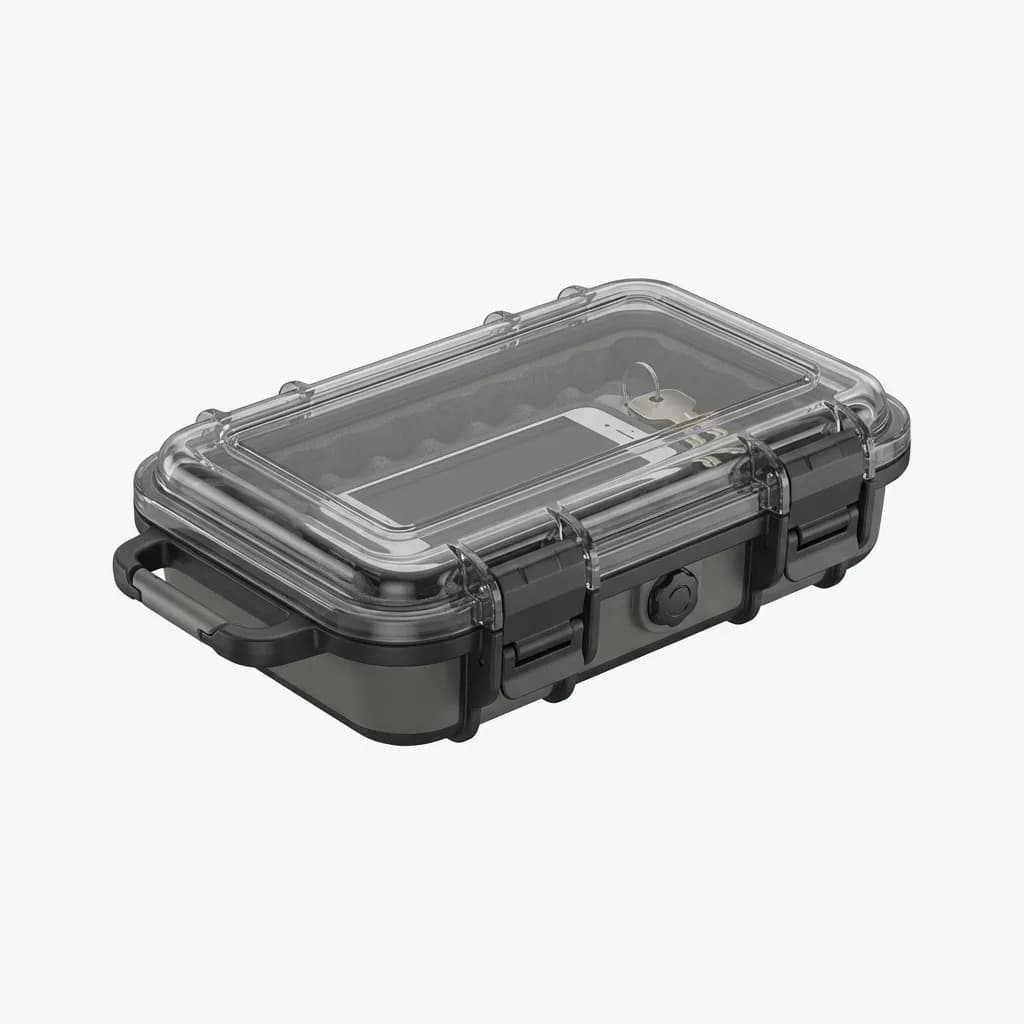
OtterBox 3250 Series Waterproof Case
$30
IP68-rated dry box for phones, keys, and small electronics. Submersible to 6.6 feet. Clear lid lets you use touchscreens through the case.
Pressure washing exceeds most ratings. Even IP68 gear can fail under a pressure washer. The second digit tests water jets at specific pressures, but consumer pressure washers output significantly more force.
Wear and tear degrades protection. Every seal, gasket, and port cover deteriorates over time. An IP68 flashlight that's three years old and heavily used might not meet spec anymore. O-rings dry out. Threads wear down. Hinges loosen.
Drop impacts compromise ratings. A hard fall can crack housings or misalign seals. The IP rating applies to new, undamaged units under controlled test conditions.
Choosing Gear Based on Your Actual Needs
Match the rating to your worst-case scenario, not average use. If you're hiking in rain occasionally, IP65 works. If you're kayaking, paddleboarding, or fishing from a boat, go IP67 minimum.
Consider depth requirements for water sports. Snorkeling? You need IP68 rated for at least 3 meters. Diving? Look beyond IP ratings to dive watch standards (ISO 6425), which test to 200 meters or more.
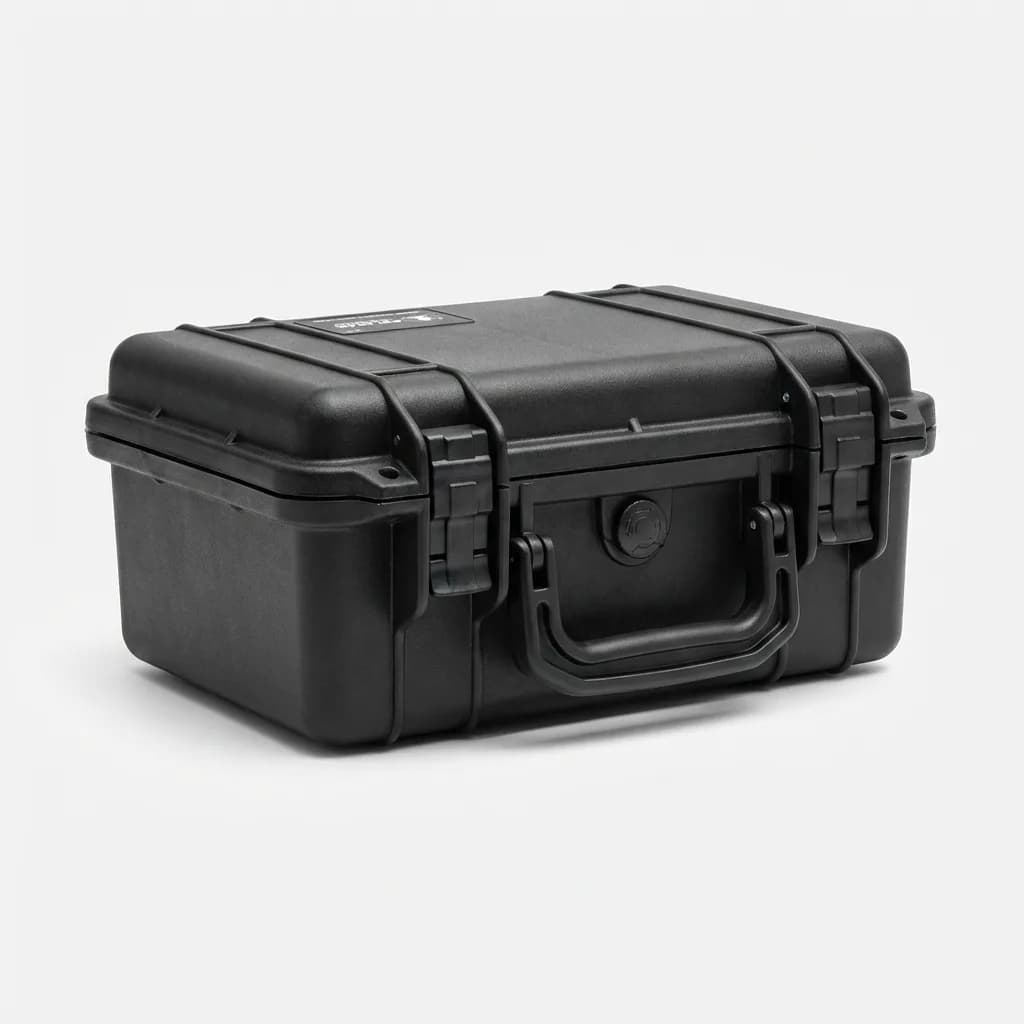
Pelican 1170 Waterproof Case
$50
IP67-rated hard case with customizable foam interior. Survives 1 meter submersion and is crushproof and dustproof. Lifetime guarantee.
Don't overpay for protection you won't use. IP68 costs more to engineer and manufacture. If your gear lives in a backpack and occasionally sees rain, IP65 saves money without sacrificing real-world performance.
Check port and door integrity. USB covers, battery compartments, and SIM trays are weak points. A device with an IP68 body but a flimsy charging port cover won't survive immersion. Screw-down caps beat snap-on covers.
Maintenance extends lifespan. Rinse saltwater exposure with fresh water. Dry gear thoroughly before storing. Replace worn gaskets. Apply silicone grease to o-rings annually. These steps keep your IP-rated gear performing to spec.
Testing Methods: How Manufacturers Verify IP Ratings
Certification requires independent testing labs, not in-house claims. Legitimate IP ratings come from IEC 60529 standard testing at accredited facilities. If a product claims an IP rating without third-party verification, be skeptical.
Dust testing (first digit 5 or 6) uses a sealed chamber filled with talcum powder or fine dust blown by air circulation. For IP6X (dust tight), the device sits in the chamber for eight hours with negative pressure. Inspectors then open it to check for dust ingress.
Water testing varies by the second digit:
- IPX4: Splashing water from any direction for 10 minutes
- IPX5: Water jets at 12.5 liters per minute from 3 meters away
- IPX7: Immersion in 1 meter of water for 30 minutes
- IPX8: Manufacturer specifies conditions, typically deeper and longer than IPX7
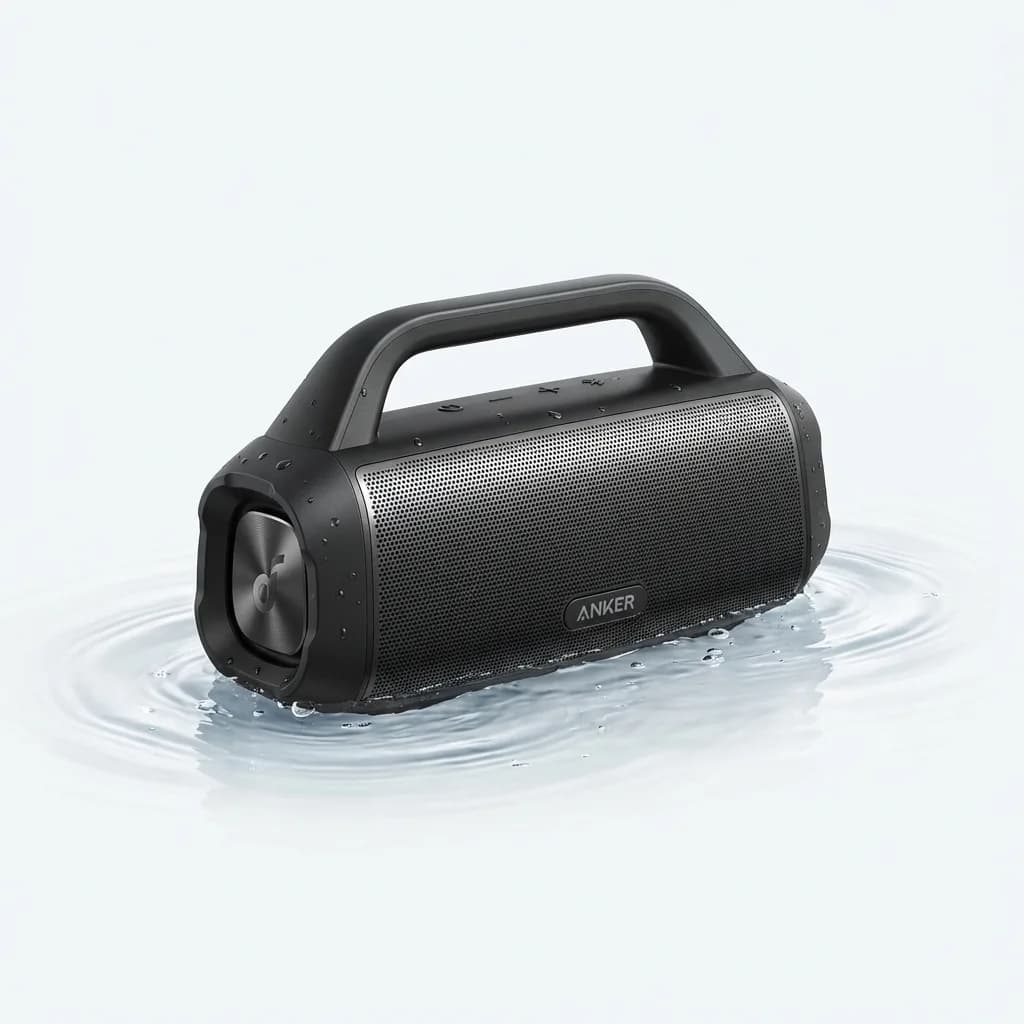
Anker Soundcore Motion Boom Plus
$130
IP67 waterproof Bluetooth speaker with 80W output. Floats on water and handles 1 meter submersion. 20-hour battery life and titanium drivers.
The tests use clean fresh water at room temperature. Real-world conditions (mud, saltwater, chemicals, temperature extremes) aren't part of the standard. Some manufacturers do additional testing, but it's not required for IP certification.
Alternatives and Related Standards
ATM ratings measure static water pressure for watches. 3 ATM (30 meters) means water resistant, suitable for splashes. 10 ATM (100 meters) handles swimming and snorkeling. 20 ATM (200 meters) works for diving.
Military Standard 810 (MIL-STD-810) covers environmental stress beyond IP ratings, including altitude, vibration, thermal shock, and explosive atmosphere. It's not a pass/fail test but a series of methods. Products can be "MIL-STD-810 tested" for just one method or all of them.
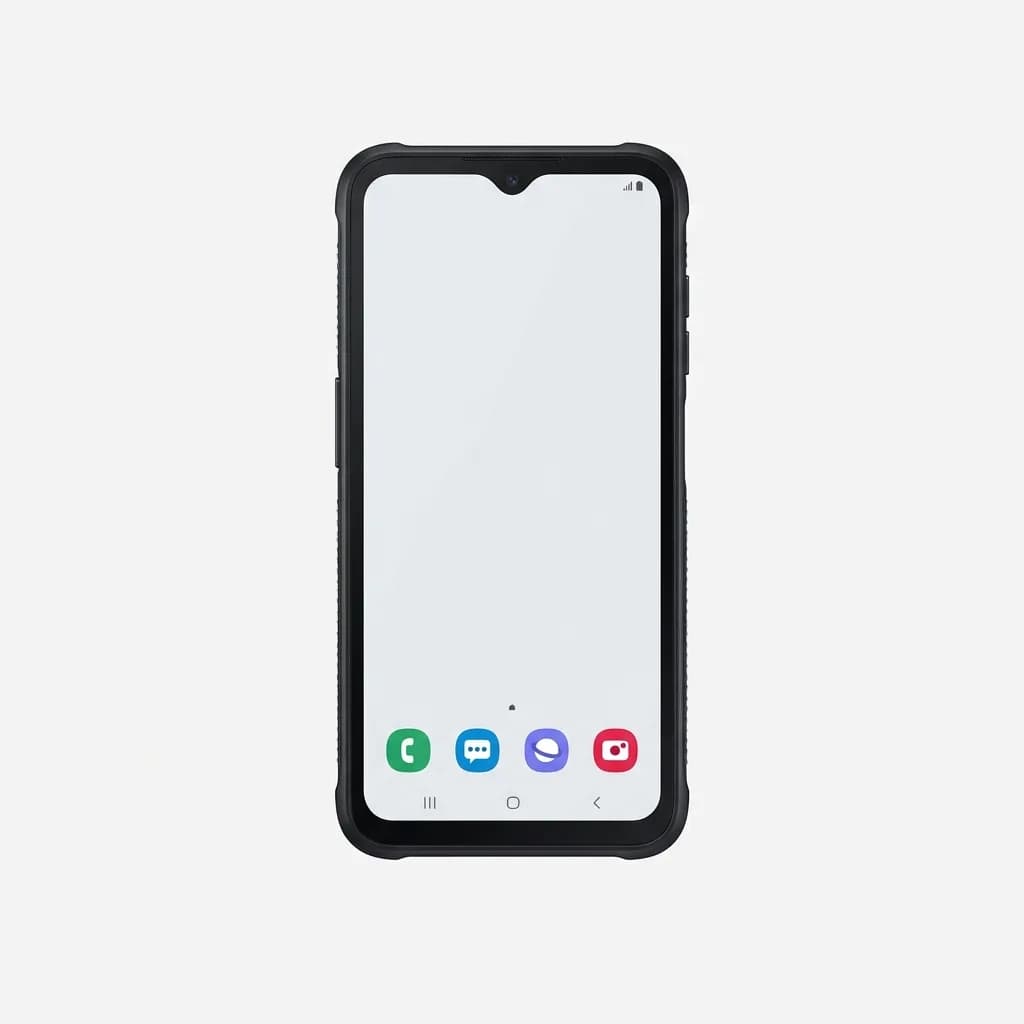
Samsung Galaxy XCover6 Pro
$600
IP68 and MIL-STD-810H certified smartphone. Survives 1.5 meters underwater for 30 minutes. Removable battery, programmable side keys, and glove-touch capable screen.
ISO 22810 specifically covers watches for daily water exposure. It tests wearing the watch during swimming, including arm movements that create pressure pulses. A watch can be IP68 rated but fail ISO 22810 if the crown or pushers aren't designed for underwater operation.
NEMA ratings apply to electrical enclosures and overlap with IP standards but aren't identical. NEMA 4 roughly equals IP65. NEMA 6P equals IP67. Industrial equipment often lists NEMA ratings instead of IP codes.
The Bottom Line on IP Ratings
IP ratings give you objective data in a market full of vague claims. When a manufacturer specifies IP67, they're committing to tested performance limits. When they say "splash resistant" or "rugged," they're avoiding accountability.
Use IP ratings as a baseline, not a guarantee of invincibility. A properly maintained IP68 flashlight will survive situations that destroy a non-rated light. But no rating protects against negligence, extreme abuse, or wear over time.
For EDC and outdoor gear, IP65 is the practical minimum if you'll use it outside regularly. IP67 for water sports and harsh environments. IP68 when you need the extra margin, but verify the manufacturer's specific depth and duration claims.
The numbers aren't marketing. They're engineering specifications that tell you exactly what your gear can handle. Use them to make informed decisions, maintain your equipment properly, and you'll have waterproof protection when it matters.
The Weekly Dispatch
Enjoying this article?
Subscribe and get our best gear picks delivered every Sunday morning.
Related Posts
Best Pocket-Friendly Sunglasses Cases
Hard shells can crack and soft pouches can scratch lenses. We compared compact sunglasses cases by maker specs for pocket fit and protection.
Best Lightweight Scarves for Travel in 2026
Discover the best lightweight travel scarves that pack small, provide warmth, and serve multiple purposes. From merino wool to silk blends, here's what works.
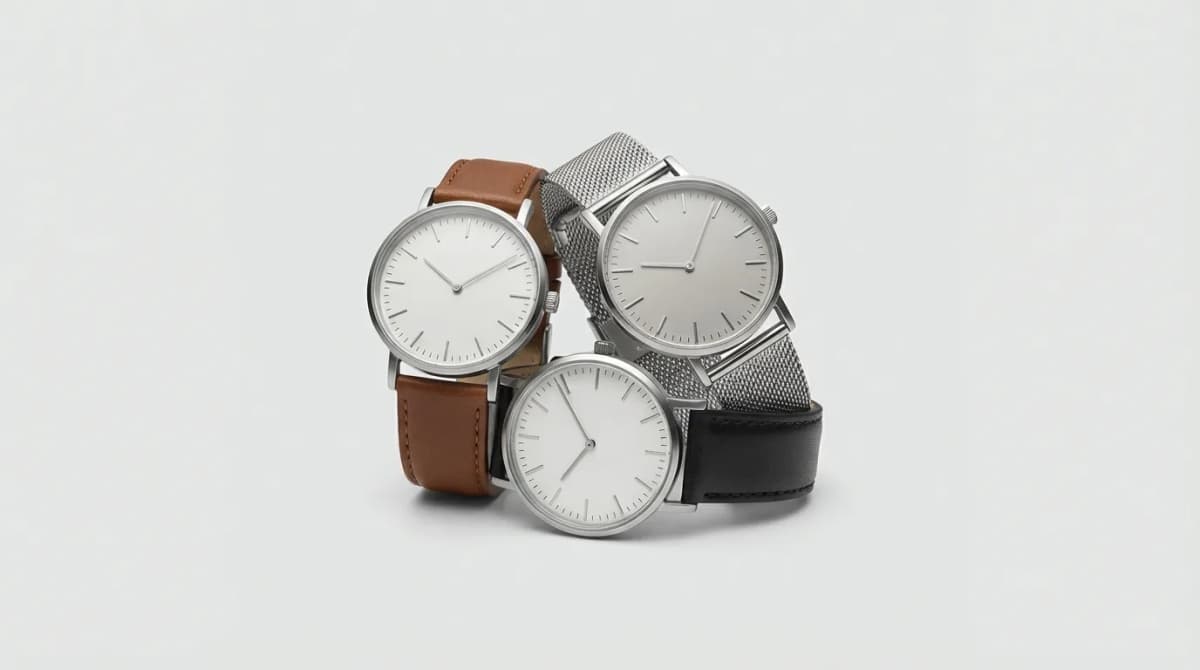
Best Minimal Watches for Everyday Wear
Clean dials, versatile straps, and no-nonsense cases make minimal watches work with everything. Here's what actually matters when choosing one.
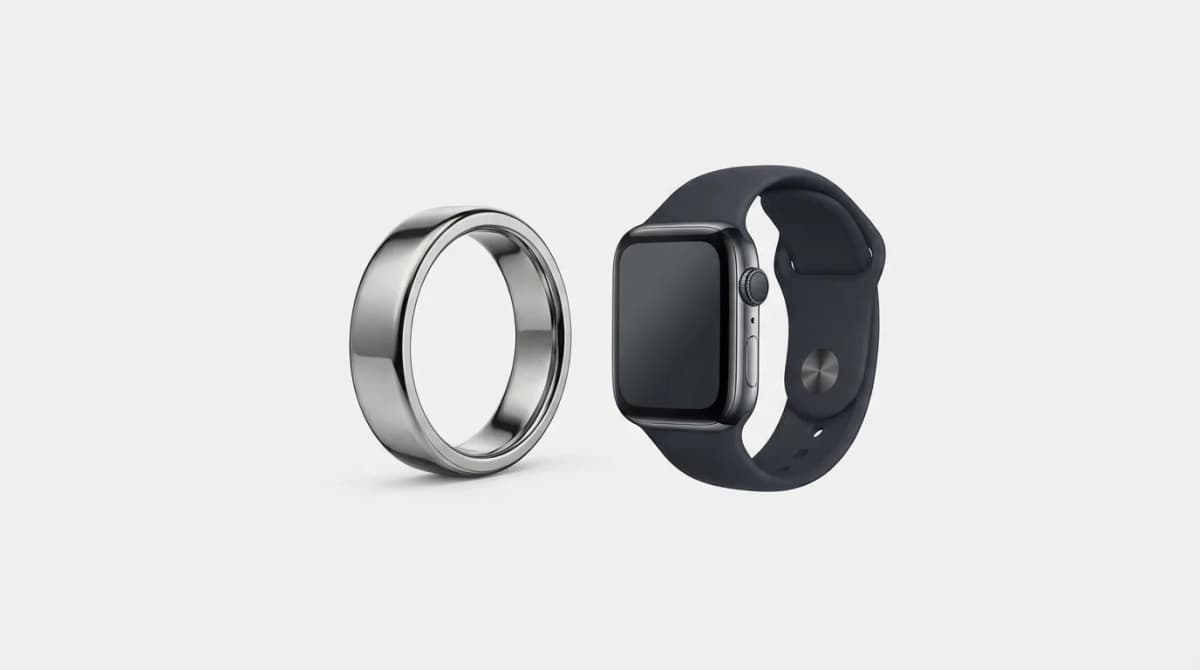
Sleep Tracker Ring vs Smartwatch: Which Works Better?
Smart rings track sleep without the bulk, but smartwatches offer more data. We break down accuracy, comfort, battery life, and cost to help you choose.