How to Pack a Carry-On: Step-by-Step Packing Guide
A step-by-step guide to packing a carry-on: bag size, packing order, liquids, shoes, cubes, and how to fit a suit without wrinkles.
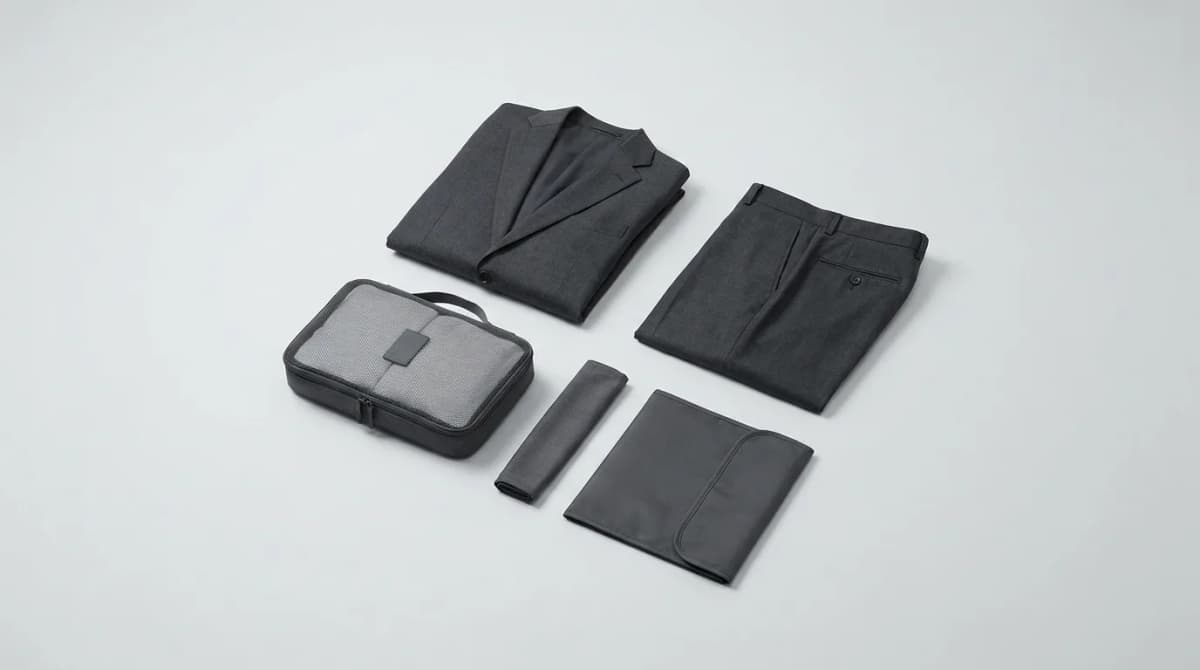
Packing a carry-on well comes down to three things: a bag that fits the airline's limits, a packing order that puts heavy and rigid items in the right places, and a plan for the items that cause trouble at security. This guide walks through each step, then covers the hardest case: getting a suit to your destination without wrinkles.
Quick Picks
Our top recommendations at a glance:
- 1
- 2
- 3
- 4
- 5
Step 1: Check Your Airline's Size and Weight Limits
Carry-on limits vary by airline, and budget carriers are the strictest. Many US airlines allow bags around 22 x 14 x 9 inches, but some international and low-cost airlines are smaller and also enforce a weight limit. Check your airline's current rules before you pack, and measure your bag with the wheels and handles included.
If your bag is borderline, leave its expansion zipper closed. Expanded bags are the most common reason a carry-on gets gate-checked.
Step 2: Lay Everything Out, Then Cut
Put everything you plan to bring on a bed first. Plan outfits around one or two colors so every top works with every bottom, and remove anything you can buy at your destination. A good rule: if you're not sure you'll wear it, it stays home.
Step 3: Pack in the Right Order
Packing order matters more than packing density.
Start with shoes standing vertically along one long edge of the bag. Place your flattest rigid items, such as a garment folder or folded jacket, against the opposite long edge. This creates two parallel walls.
Fill the space between with soft, compressible items like underwear, socks, and workout clothes. They act as cushioning. Your laptop goes in its dedicated sleeve, not floating loose where it creates hard pressure points.
Toiletries go in an external pocket or at the very top where you can grab them quickly at security. Never pack liquids near clothes you care about.
The common mistake is treating your carry-on like Tetris and chasing maximum density. Leave a little space and put soft barriers between hard items.
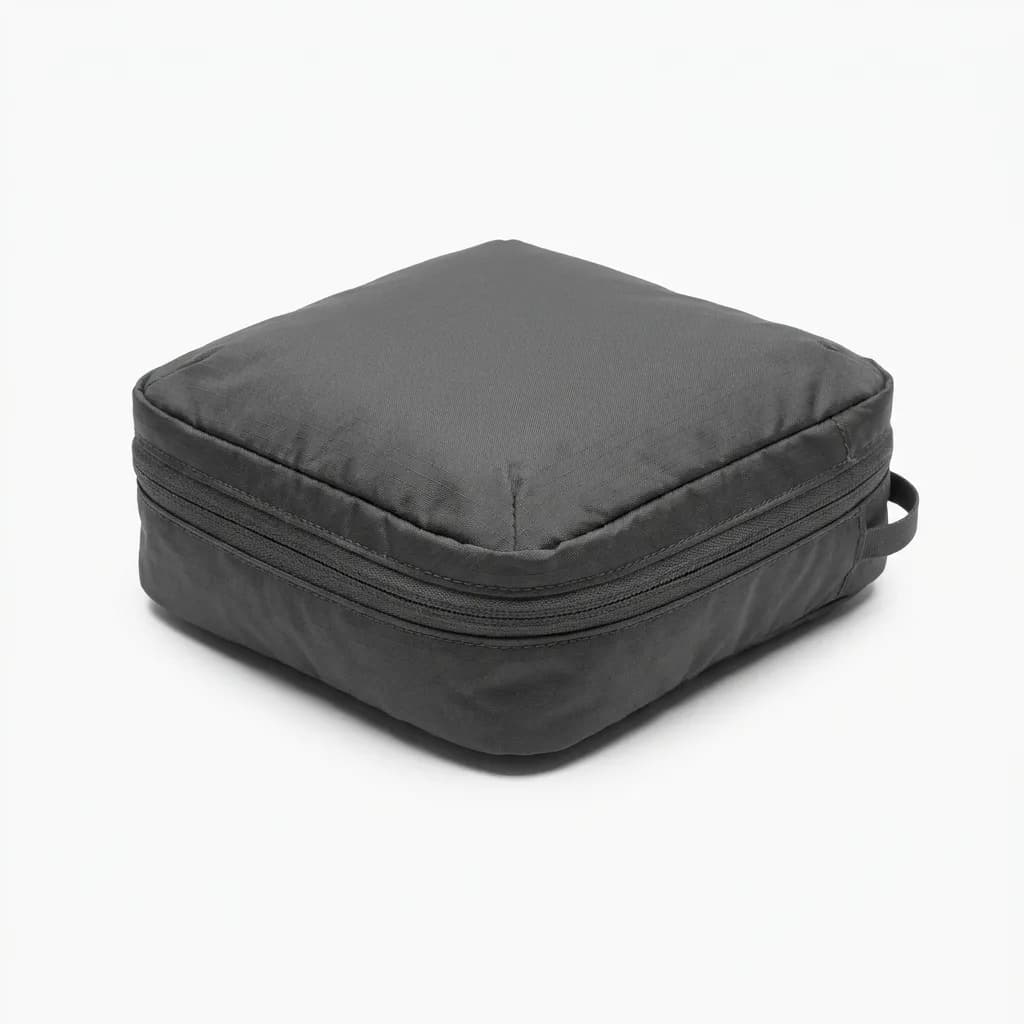
Peak Design Packing Cube Small
$35
Weatherproof packing cube with external compression straps and internal organization. Dimensions optimize for carry-on compatibility. Holds 5-7 dress shirts or equivalent soft items.
Step 4: Roll Casual Clothes, Fold Structured Ones
Rolling works for t-shirts, jeans, and knits: it's compact and fills gaps. It creates creases in anything tailored. Fold dress shirts, blazers, and trousers flat, and use packing cubes to group the rolled items so the bag stays organized when you open it at security.
Step 5: Handle Liquids and Batteries Before Security
In the US, the TSA 3-1-1 rule applies: liquids, gels, and aerosols in containers of 3.4 oz (100 ml) or less, all in one quart-size bag. Keep that bag at the top of your carry-on.
Spare lithium batteries and power banks must stay in your carry-on, not checked luggage. Pack them where you can reach them if a gate agent asks to gate-check your bag.
Step 6: Deal With Shoes
Shoes are the bulkiest, most rigid thing in most carry-ons. Use a separate bag for each shoe rather than pairing them together, because single shoes slot into dead space more easily and won't transfer dirt to your clothes. Stand them vertically along the bag wall with the sole against the side.
If you're bringing two pairs, wear the bulkier pair through the airport.

Allen Edmonds Shoe Bags Set
$25
Heavy-duty cotton flannel bags with drawstring closure. Each bag fits up to size 13 and includes ventilation panel to prevent moisture buildup during travel.
Step 7: Choose a Carry-On That Fits How You Pack
Most carry-ons maximize volume at the expense of shape, creating deep, narrow cavities that force you to stack items vertically. If you pack structured clothing, look for a bag that is wide and shallow rather than tall and narrow.
Hardshell bags offer better crush protection but less give when the bag is full. Softshell bags give you an extra inch of forgiveness but less protection if the bag gets thrown around. Four-wheel spinners stay upright as you move, so the contents don't shift the way they do in a tilted two-wheel roller.
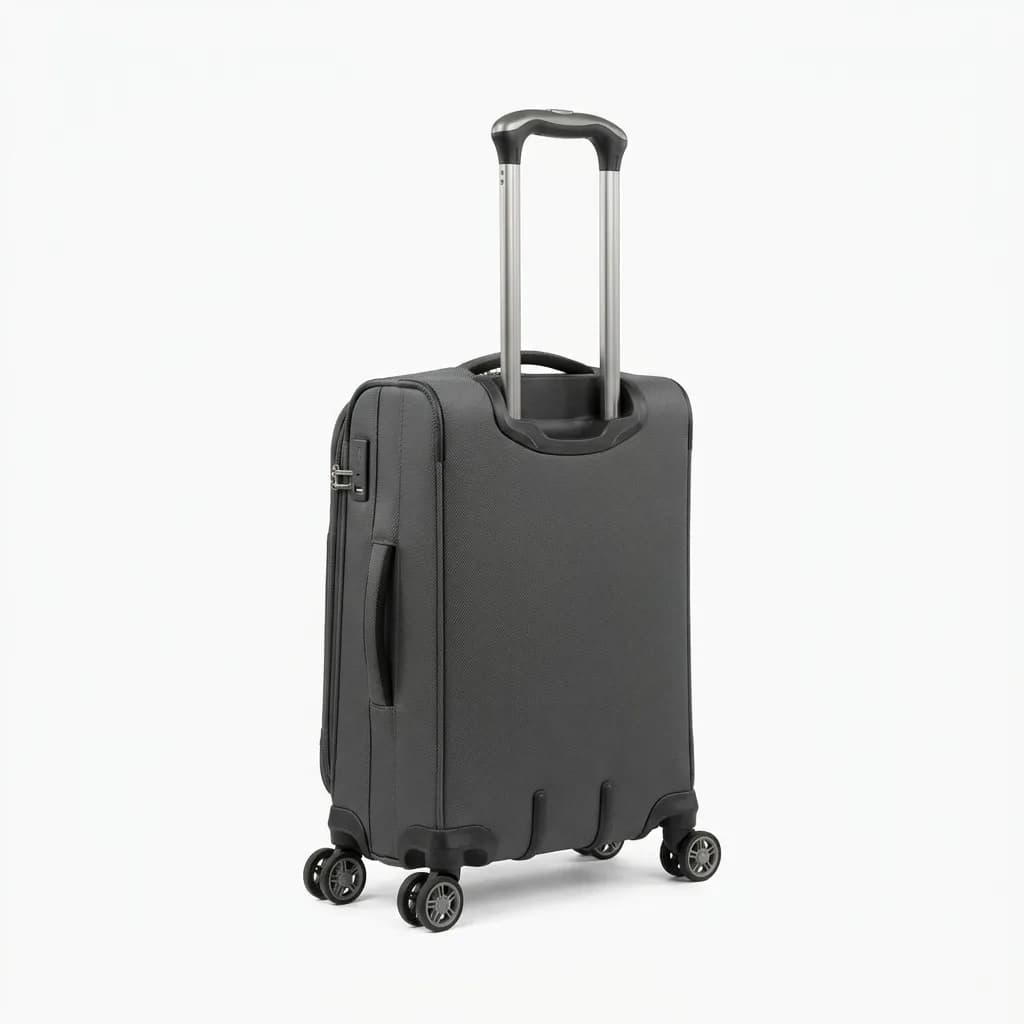
Travelpro Platinum Elite 21-Inch Carry-On
$280
Built-in PowerScope extension handle with four stop heights and patented Contour Grip. Dedicated laptop compartment and garment folder compatibility. Lifetime warranty with trusted companion promise.
For more options, see our guide to the best carry-on luggage with a laptop compartment and our cold-weather carry-on packing list.
How to Pack a Suit in a Carry-On
A suit is the hardest thing to fit into a carry-on, but it's very doable with the right fold.
The Two-Fold Method
Most people fold a suit jacket the way they'd fold a hoodie. Suit fabric has structure, and fighting it creates creases along the fold lines.
The inside-out shoulder fold works with how the jacket is built. Turn the jacket inside out, then fold one shoulder into the other so the shoulder pads nest together. The lining protects the exterior fabric, and you fold along existing seams instead of creating new stress points.
For the pants, fold them lengthwise with the crease aligned, then fold once at the knee. Every extra fold adds wrinkle risk. If your carry-on won't fit a single knee fold, you need a bigger bag or a garment folder.
Lay the folded jacket flat in your bag first, against the side that stays vertical when you roll through the airport. Pants go on top, and everything else goes around the perimeter.
Use a Garment Folder
A garment folder is a semi-rigid board that holds a suit flat and protects it from compression. The bigger advantage is protection: when you jam a water bottle into your bag at security or the bag is gate-checked, the rigid panel keeps the suit from being crushed against hard edges.
Check the sizing before you buy. Some budget folders top out at smaller jacket sizes; the Eagle Creek folder fits jackets up to size 52 and has room for shirts and ties.
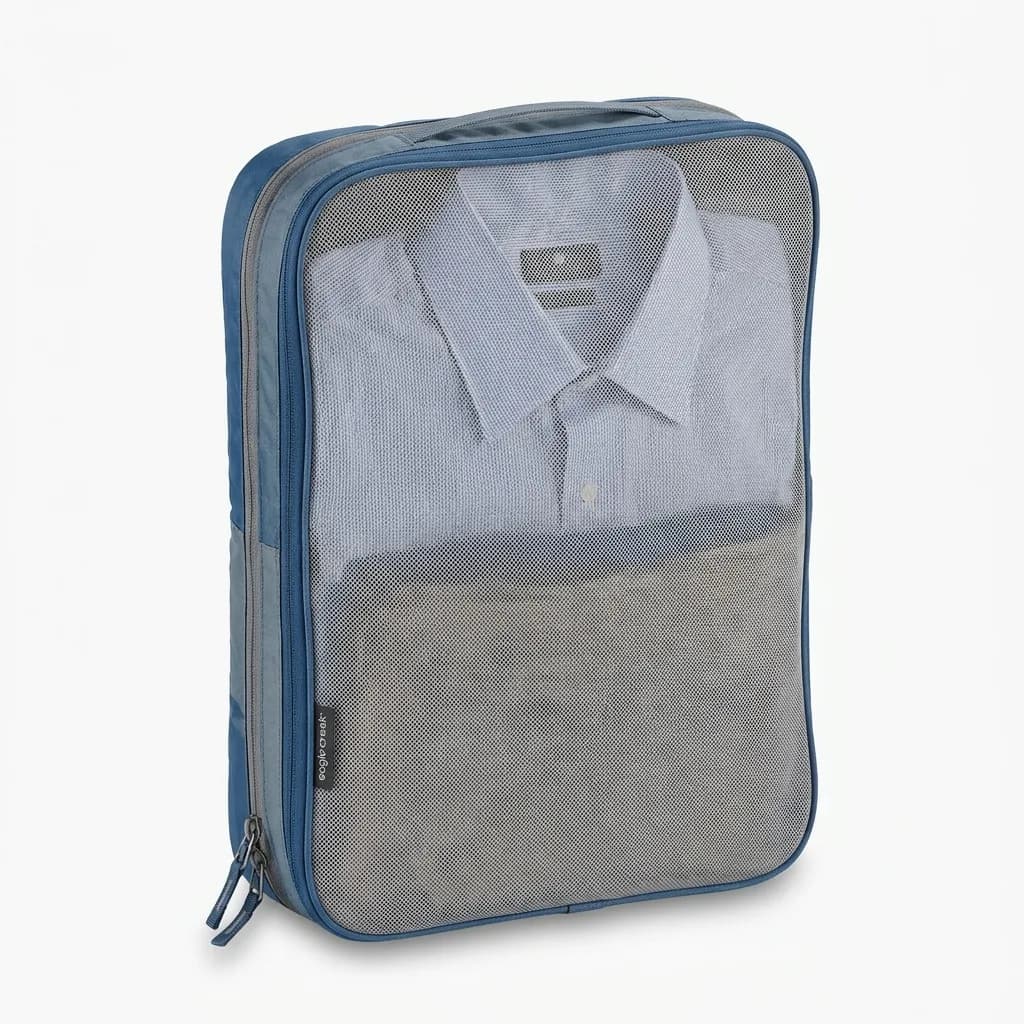
Eagle Creek Pack-It Reveal Garment Folder
$45
Bi-fold design with built-in board keeps suits flat and protected. Fits jackets up to size 52 and includes shirt/tie storage. Water-resistant nylon construction.
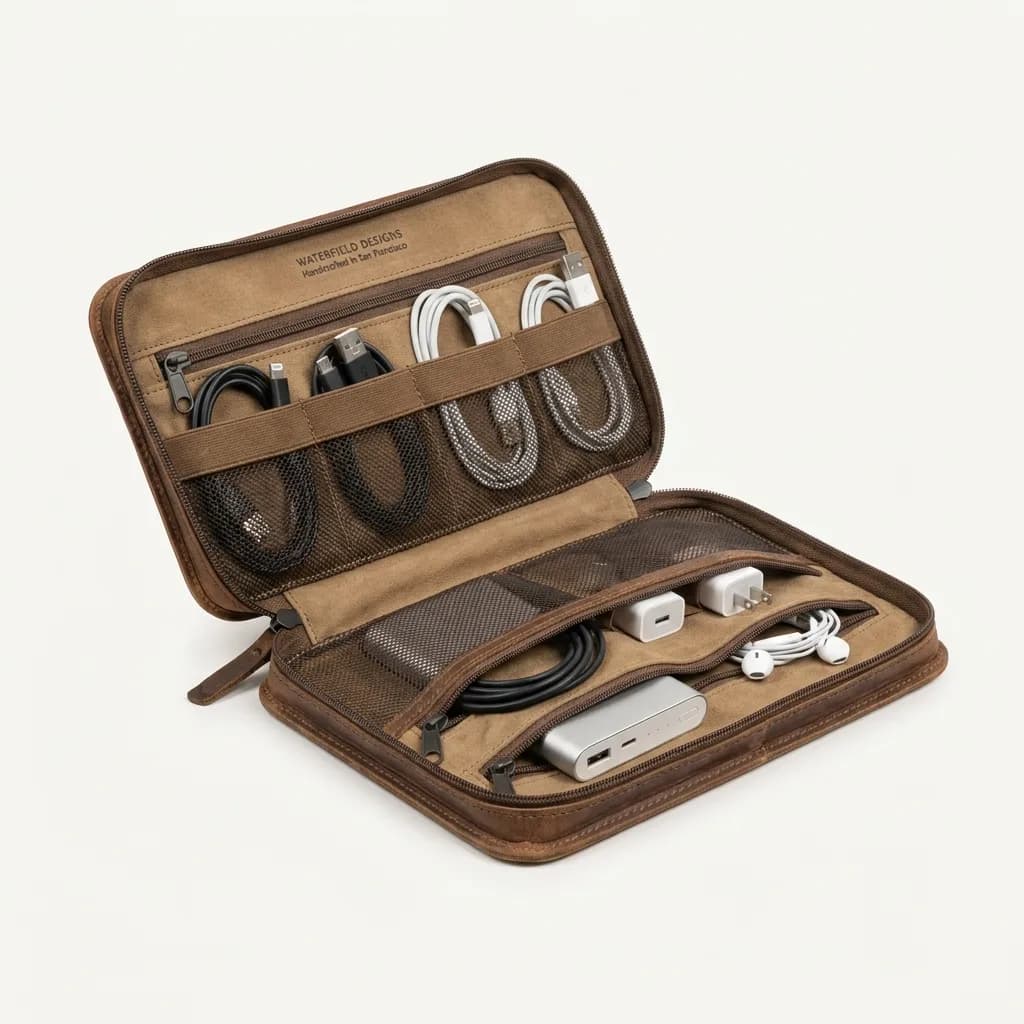
Waterfield Designs Travel Organizer
$79
Full-grain leather organizer with multiple pockets for ties, cufflinks, collar stays, and accessories. Keeps small items from disappearing into bag corners.
Get Wrinkles Out on Arrival
Even good packing leaves some stress lines, especially in heat or humidity. Unpack your suit as soon as you arrive and hang it in the bathroom while you shower; the steam relaxes light wrinkles. A wrinkle-release spray applied to the hung garment helps further.
For stubborn creases, use the hotel iron on a low steam setting with a pillowcase as a pressing cloth. Direct iron contact on suit fabric risks shine and scorch marks.
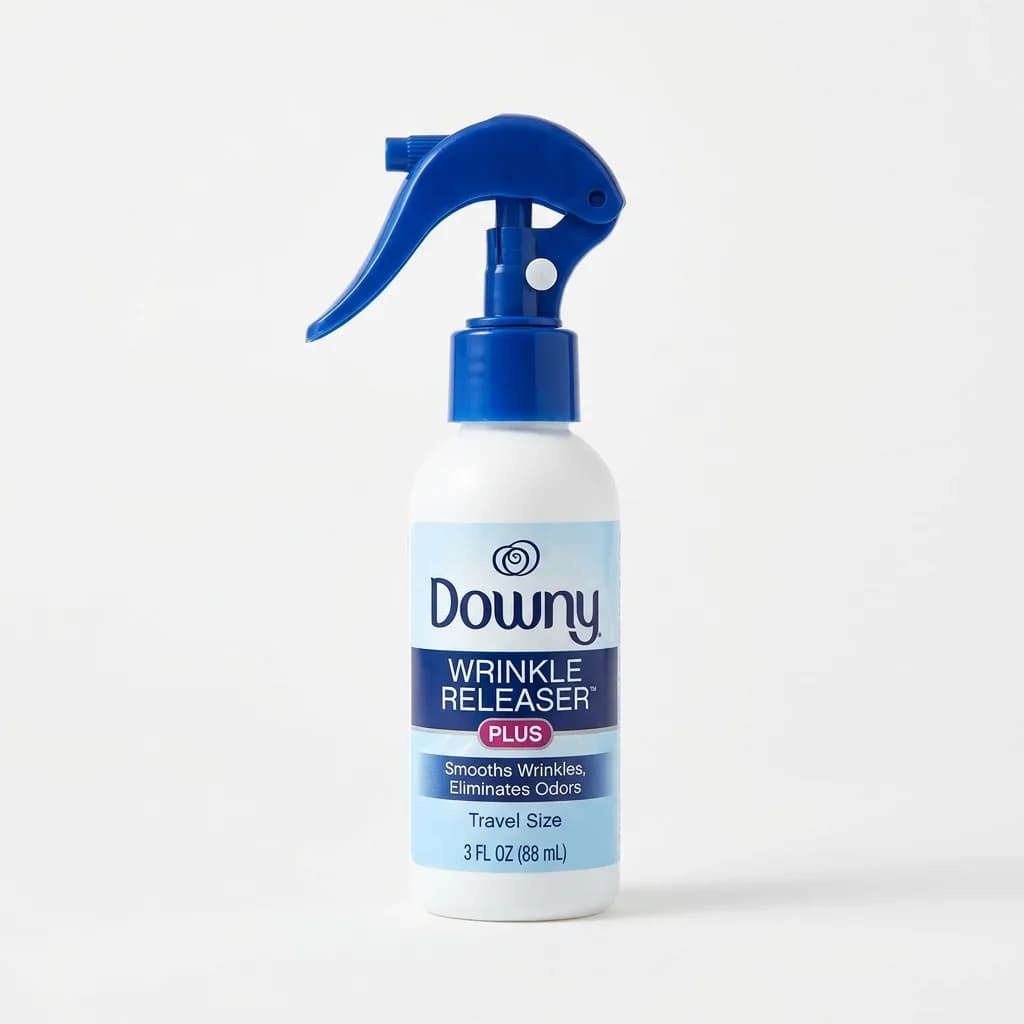
Downy Wrinkle Releaser Travel Size
$8
TSA-compliant 3oz bottle of wrinkle-release spray. Safe for all fabrics including wool, cotton, and synthetics. No heat or ironing required for light wrinkles.
When to Check the Suit Instead
Some trips aren't worth the effort. If you need several suits for a multi-day event, or you're traveling with formal wear with delicate details, a properly packed checked garment bag may be the safer choice. Some airlines also offer special handling for garment bags, so it's worth asking at check-in.
Quick Carry-On Packing Checklist
- Bag measured against your airline's current size and weight limits
- Outfits planned around one or two colors
- Shoes in individual bags along one wall
- Structured clothes folded flat; casual clothes rolled into cubes
- Liquids in one quart-size bag at the top
- Power banks and spare batteries in the carry-on, within reach
- Laptop in its sleeve, ready to remove at security if required
The Weekly Dispatch
Enjoying this article?
Subscribe and get our best gear picks delivered every Sunday morning.
Related Posts
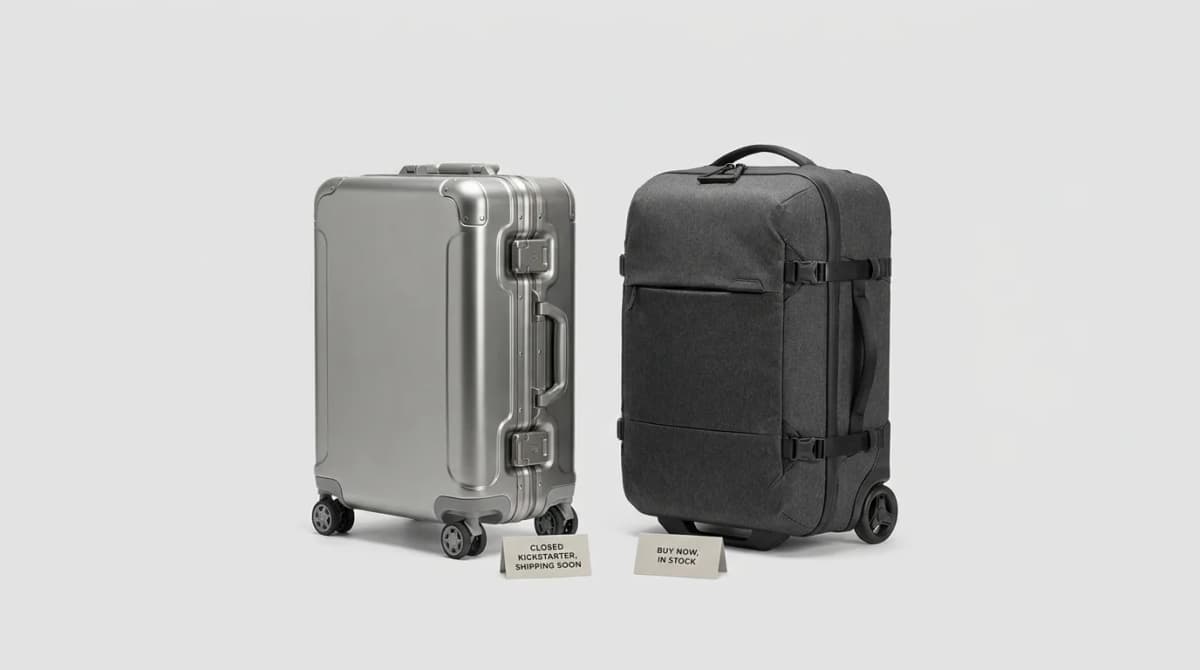
Titaner Voyager vs Peak Design: Titanium Carry-On
Peak Design owns Kickstarter travel bags. Titaner answered with a Grade 1 titanium latch spinner - not another backpack. Closed KS ship watch vs Roller Pro buy-today: who waits for Voyager, who buys Peak now.
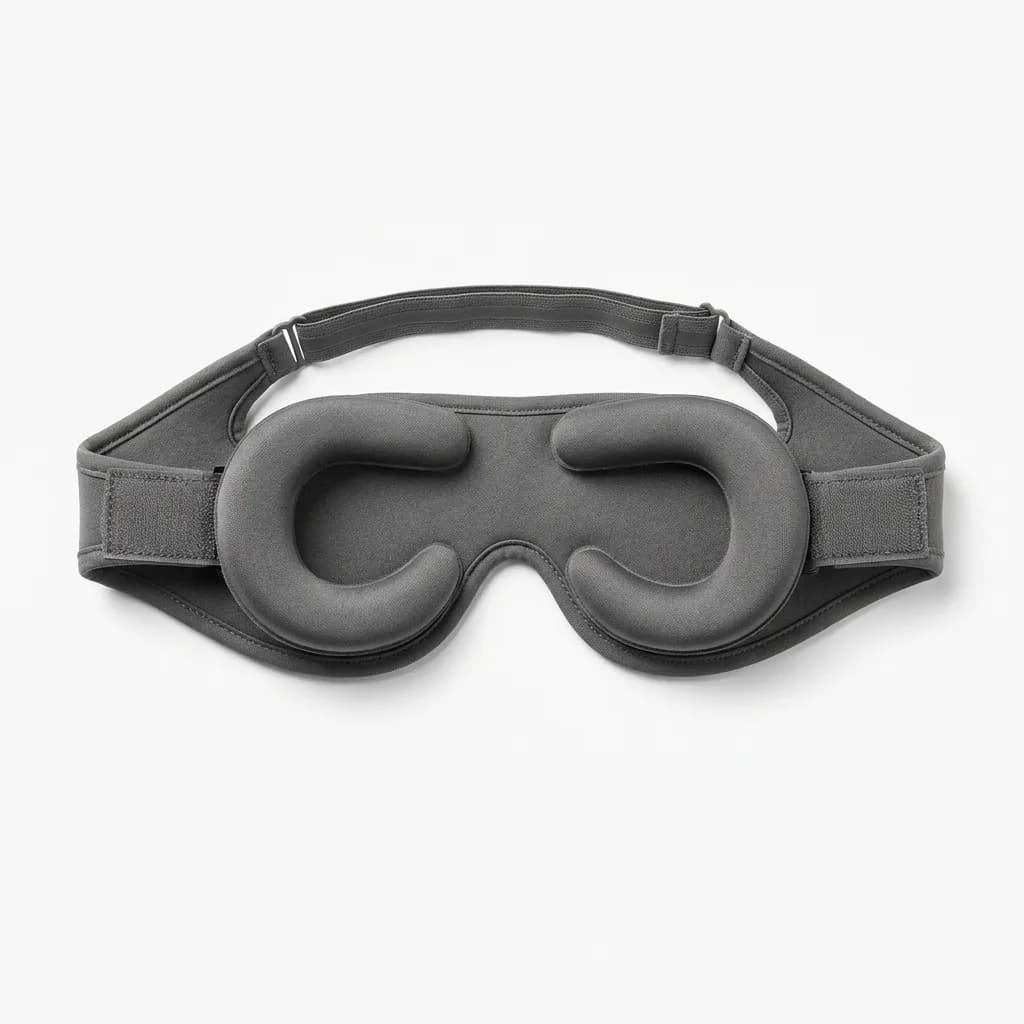
Best Sleep Masks for Flights and Hotels
Foam blocks more? Not always. We compare contoured, silk, and eye-cup sleep masks for flights and hotels so you pick blackout that still packs small.
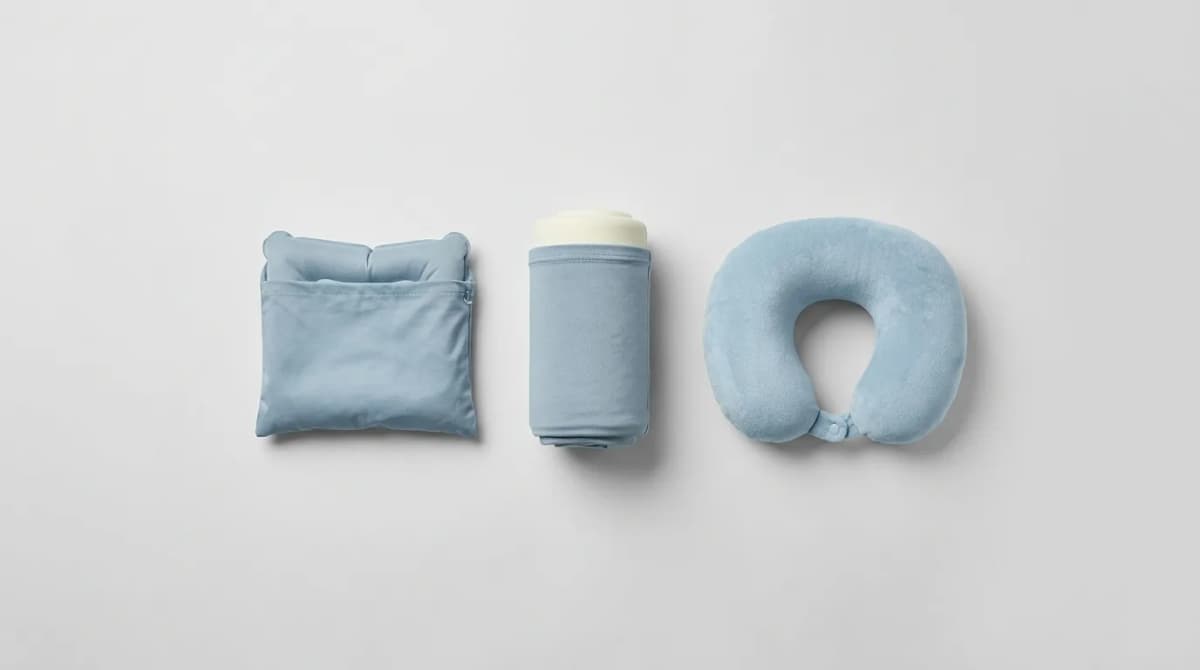
Best Travel Pillows That Pack Small
Compact travel pillows compared: inflatable vs memory foam, what actually supports your neck on flights, and which ones compress small enough to matter.
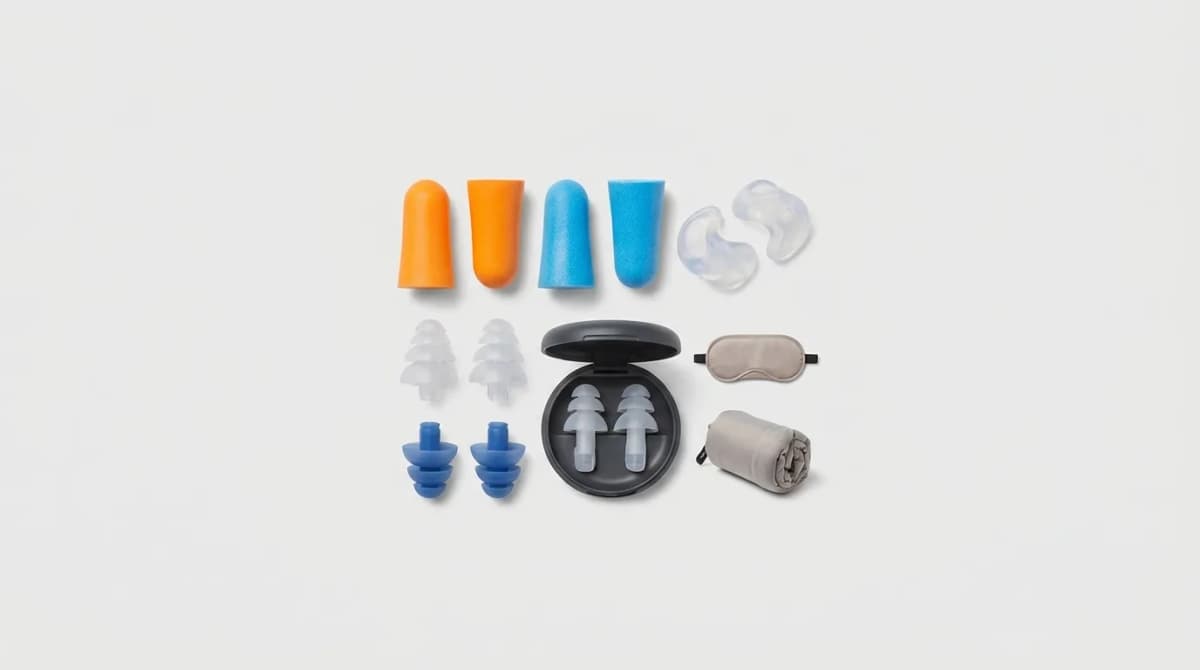
Earplugs for Travel: Which Type Works Best
Foam blocks more noise but silicone lasts longer. We compared every type by NRR ratings and materials for flights, hotels and noisy neighbors.