How to Choose a Wallet That Does Not Wear Out
Learn what makes wallets fail and how to spot construction quality that lasts. We break down leather types, stitching, and stress points that matter.
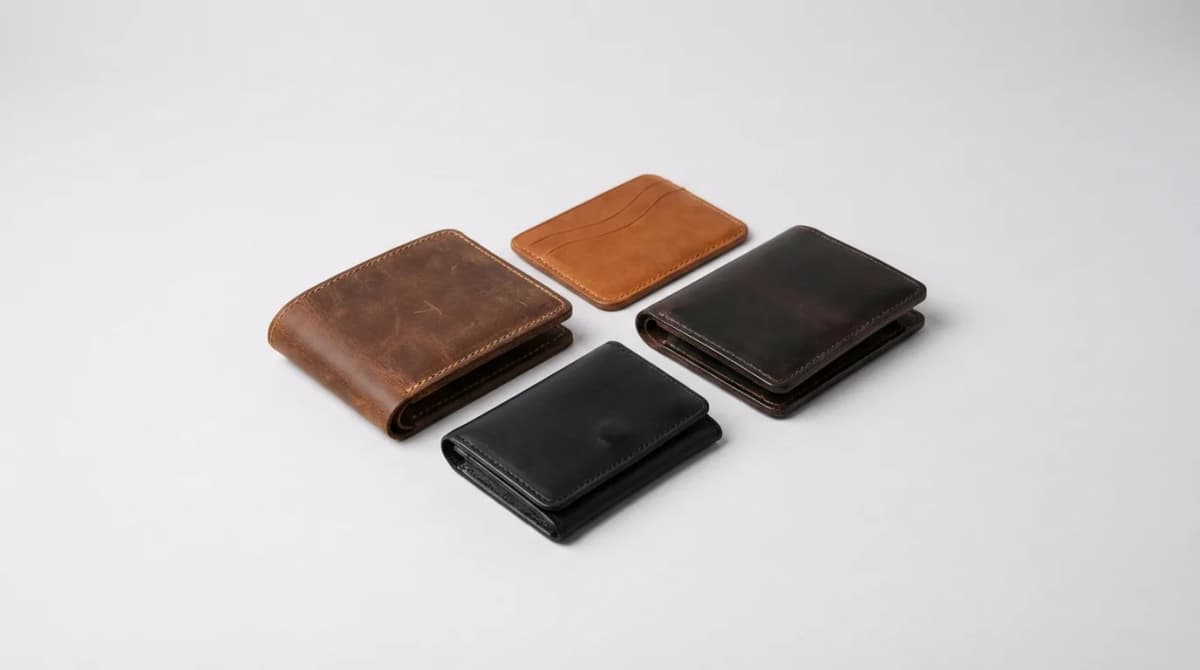
Most wallets fail in predictable ways. Stitching pulls apart at the corners. Leather cracks along fold lines. Card slots stretch out and lose grip. These failures happen because most manufacturers cut costs in places you won't notice until six months later.
The wallets that last share specific construction details. The difference between a wallet that wears out in a year and one that lasts a decade comes down to material choice, how stress points are reinforced, and whether the maker understands where failure happens.
Why leather type matters more than brand names
Not all leather is created equal, and the industry terms are deliberately confusing. Full-grain leather is the top layer of the hide with the grain intact. It's the most durable because the fibers are tightly packed and naturally resistant to wear. It develops a patina over time instead of looking worn out.
Top-grain leather is full-grain that's been sanded down to remove imperfections. It looks uniform and clean out of the box, but it's weaker. The sanding removes the strongest part of the hide. It will show wear faster and won't develop the same character.
Genuine leather is the lowest grade sold as "real leather." It's made from leftover hide scraps that are ground up, mixed with binding agents, and pressed into sheets. It's leather in name only. These wallets crack, peel, and fall apart within a year of daily carry. If a wallet says "genuine leather" and nothing else, skip it.
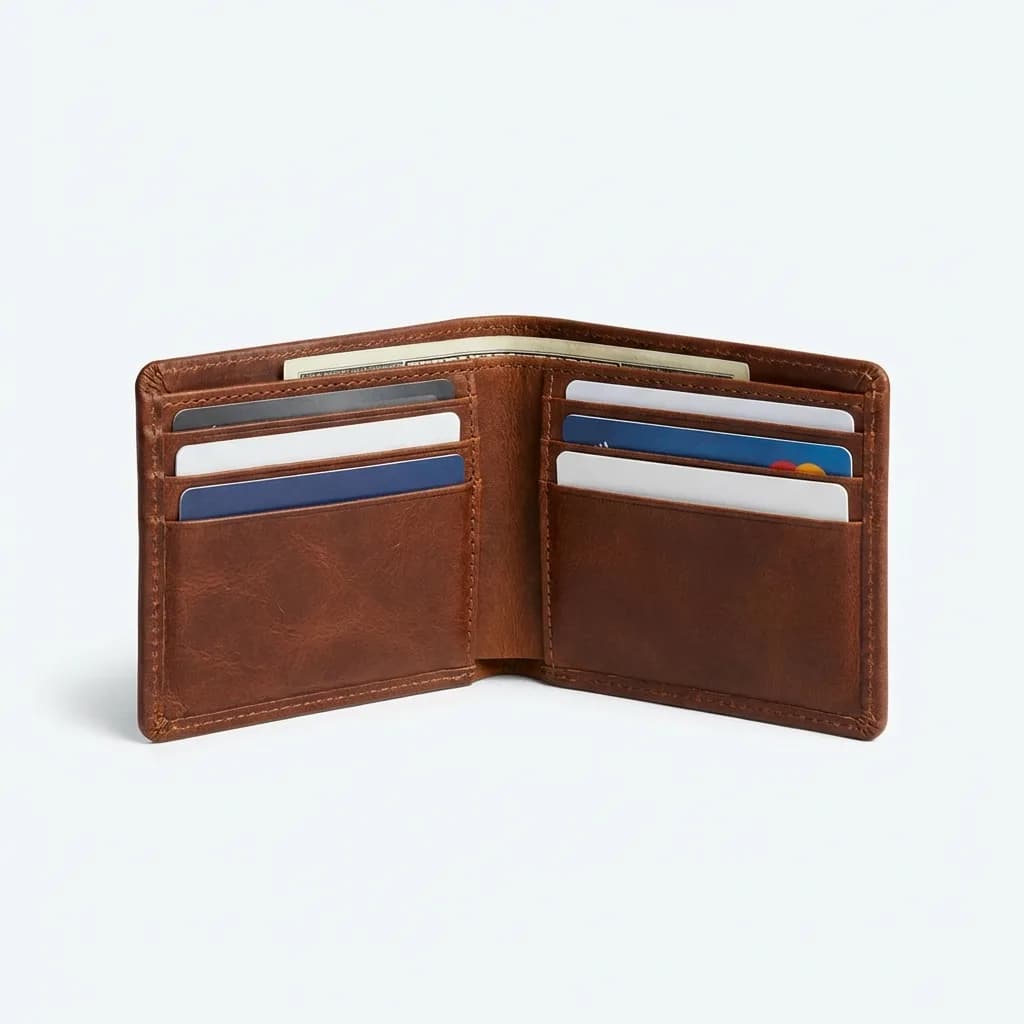
Bellroy Hide & Seek Wallet
$99
Full-grain leather bifold with reinforced stitching at all stress points. Features internal storage for bills and up to 12 cards. Develops rich patina over years of use.
Vegetable-tanned leather is a different process, not a different grade. It uses natural tannins from tree bark instead of chemicals. The result is stiffer initially but breaks in beautifully and lasts longer than chrome-tanned leather. Most high-end wallets use veg-tan full-grain leather because it's the best combination for durability and aging.
Stitching patterns reveal construction quality
Stitching is where most wallets fail first. Look for saddle stitching, which uses two needles and interlocks each stitch. If one stitch breaks, the others stay intact. Machine stitching uses a single thread in a chain pattern. Break one stitch and the entire seam can unravel.
Saddle stitching takes longer and costs more, so manufacturers avoid it unless they're confident in their product. You can spot it by looking at the stitch spacing (it's slightly irregular because it's done by hand) and checking both sides of the leather. Saddle stitching looks identical on both sides. Machine stitching shows different patterns front and back.
Thread thickness matters too. Thin thread cuts through leather over time under tension. Quality wallets use thicker thread, often waxed to resist moisture and friction. The stitching should sit slightly recessed into the leather, not raised above the surface where it can catch and wear.
Check the stitch density at corners and stress points. These areas need tighter stitching (more stitches per inch) to handle repeated flexing. If the stitching looks exactly the same everywhere, it's optimized for manufacturing speed, not longevity.
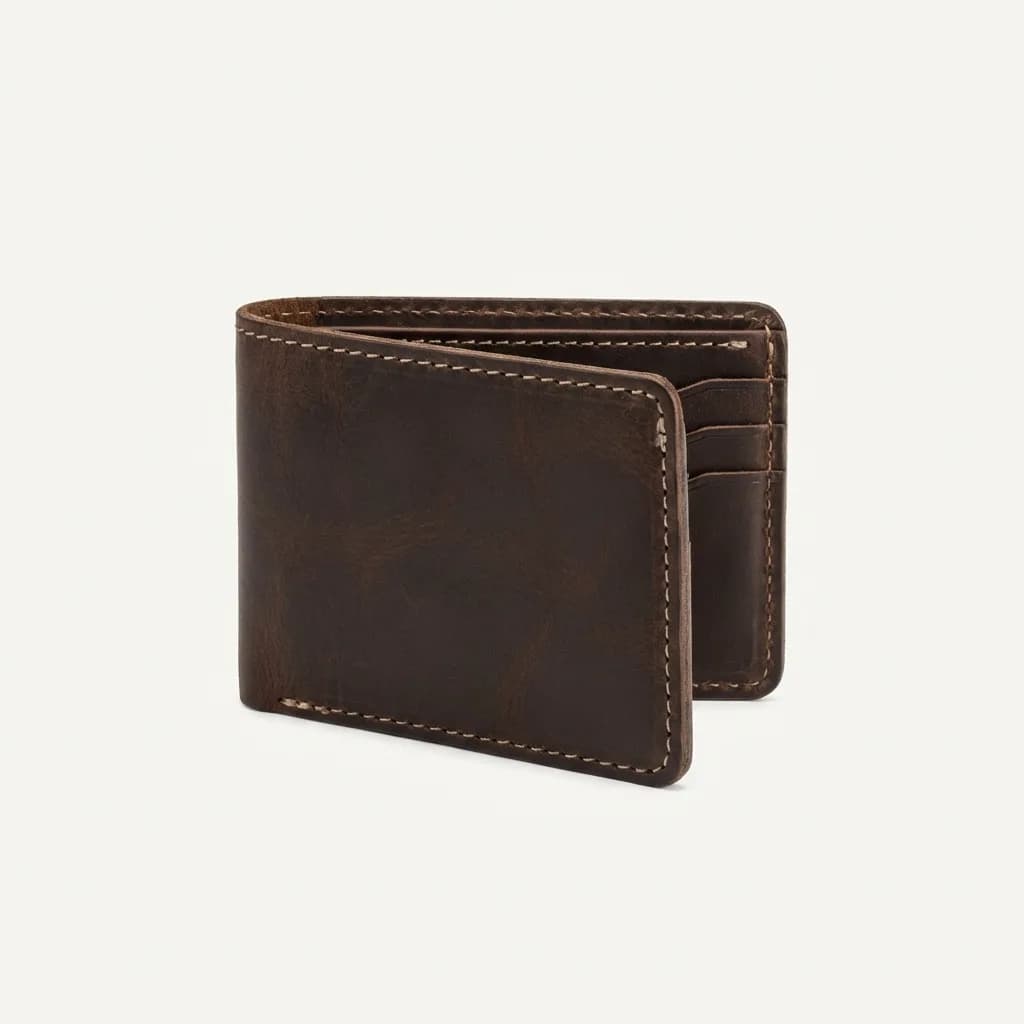
Saddleback Leather Bifold Wallet
$38
100% full-grain leather with marine-grade saddle stitching throughout. Reinforced card slots and stress points. Backed by 100-year warranty covering materials and construction.
Where wallets break and how to check for reinforcement
The bill fold crease is the number one failure point. Every time you open your wallet, this fold flexes. Cheap leather develops stress cracks here within months. Quality wallets either use thicker leather at this point or reinforce it with a strip of leather on the inside.
Run your finger along the fold line of any wallet you're considering. If it feels thin or you can see the leather stretching when you flex it, that's a future failure point. The leather should be at least 1.5mm thick at the fold, preferably 2mm.
Card slot corners are the second most common failure. When you slide cards in and out, the corners take all the force. The stitching here should be reinforced with backstitching (stitching back over the same area) or bar tacks (tight zigzag stitching). Check if the card slots are cut flush with the edge or if there's a margin of leather beyond the slot. A margin adds strength.
The wallet edges tell you a lot about construction. Burnished edges (sanded smooth and heat-sealed) are stronger than raw cut edges. Painted edges look nice but the paint chips off with use. Some makers fold the leather over at edges for double thickness, which is the strongest option but adds bulk.
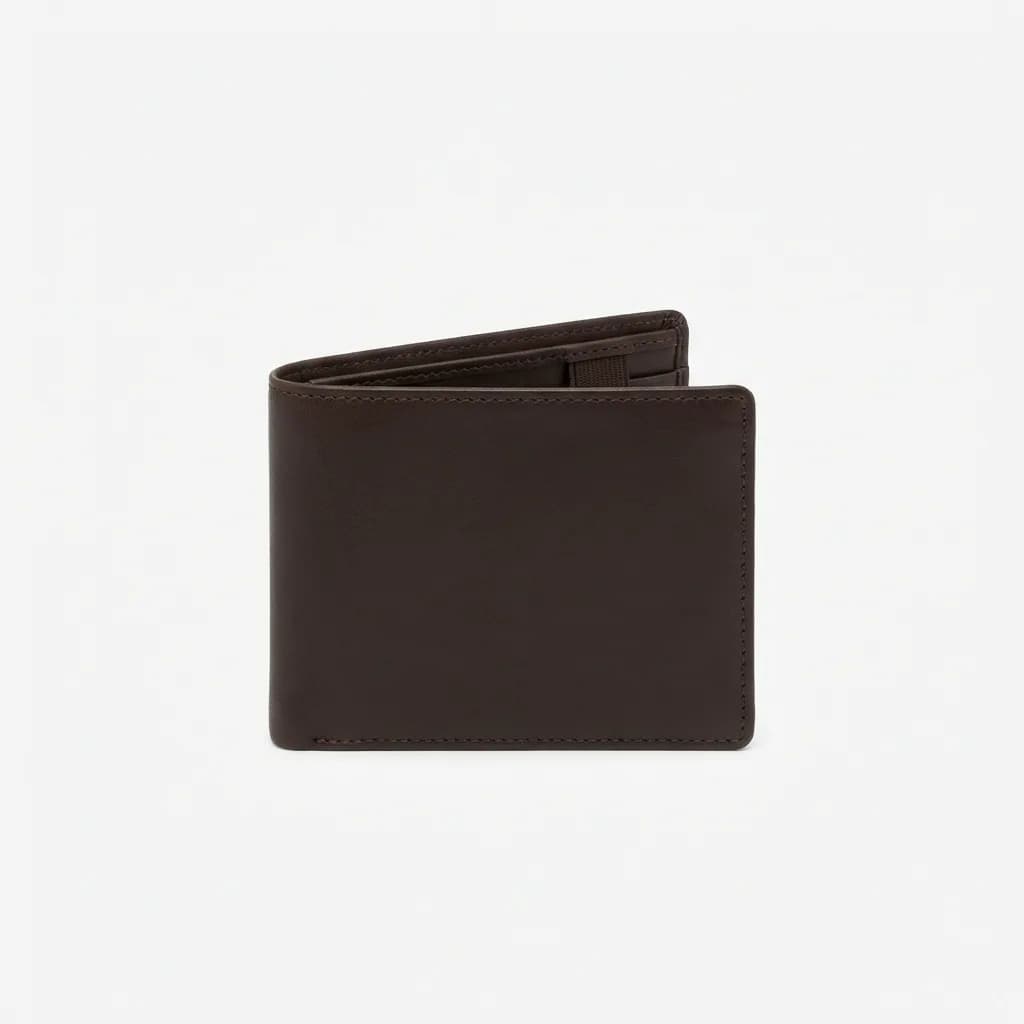
Allett Original Napa Wallet
$55
Nappa leather construction with reinforced bill compartment fold. Holds up to 12 cards with elastic pockets that maintain tension over time. Slim 0.3-inch profile.
Material alternatives that outlast leather
Leather isn't always the most durable option. Ballistic nylon wallets like those from Flowfold or Flowfold will outlast most leather wallets in harsh conditions. The nylon is waterproof, doesn't crack or stretch, and is lighter. The tradeoff is no patina and a more casual aesthetic.
Carbon fiber and aluminum wallets eliminate flex entirely. They're extremely durable but offer zero give. If you carry more than the designed capacity, they won't accommodate it like leather does. These work best for minimalists carrying exactly 4-6 cards.
Synthetic leather alternatives like Pinatex (made from pineapple leaf fiber) or mushroom leather are showing up in premium wallets. The durability data is still limited since these materials are newer, but early results suggest they wear similarly to mid-grade leather without the animal products.
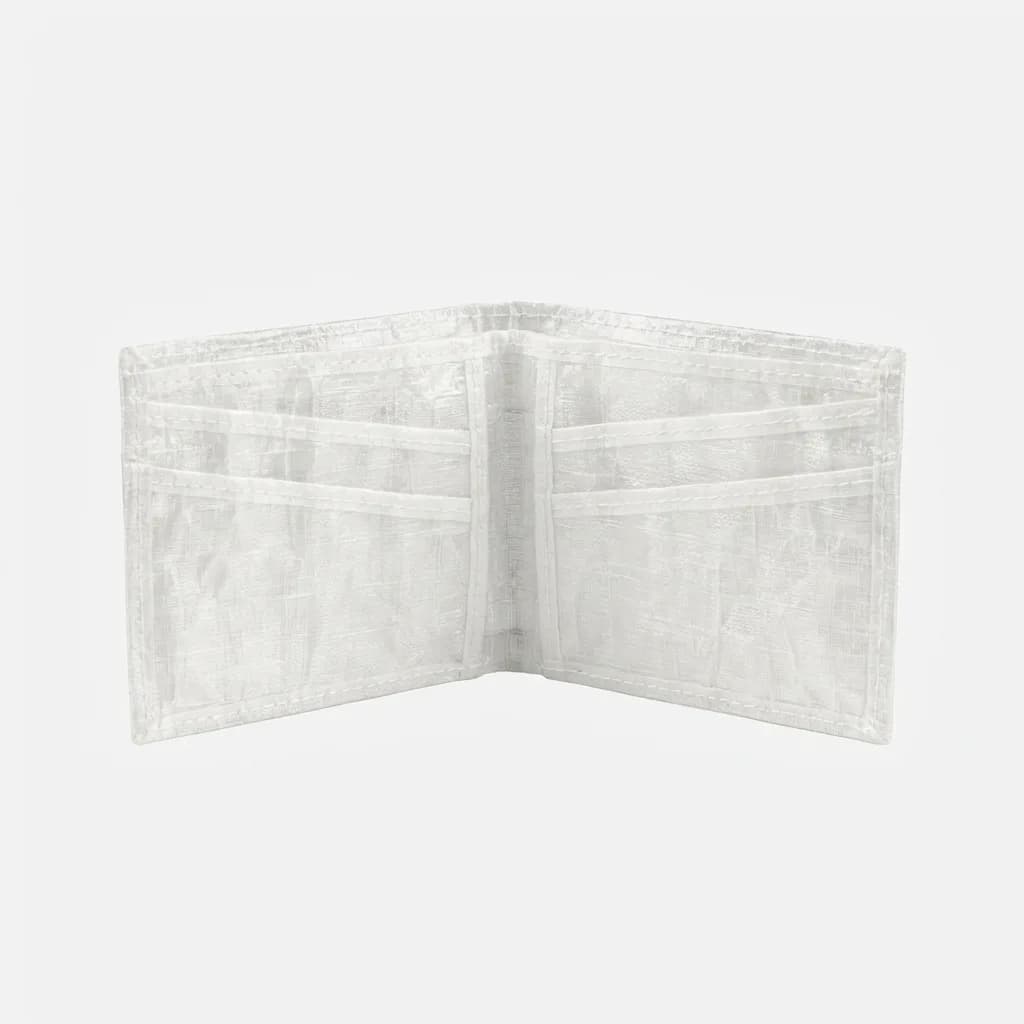
Flowfold Vanguard Limited Bifold Wallet
$68
Made from Dyneema, the world's strongest fiber (15 times stronger than steel by weight). Waterproof, tear-resistant, and virtually indestructible. Lifetime guarantee.
How wallet thickness affects durability
Thicker isn't always better. A wallet that's too thick for your pocket will get sat on at angles, creating uneven stress. This accelerates wear at fold points. The ideal thickness depends on where you carry it.
Front pocket wallets should be under 0.5 inches when fully loaded. Back pocket wallets can handle up to 0.8 inches, but anything over that creates pressure points when you sit. If your current wallet is wearing out at the fold, check if it's too thick for how you carry it.
Leather thickness is measured in ounces (1 oz equals about 0.4mm). Premium bifold wallets typically use 3-4 oz leather (1.2-1.6mm) for the exterior and 2-3 oz for interior pockets. Thicker sounds more durable, but 5+ oz leather is stiff and slow to break in. It also creates bulk that stresses seams.
Card slot engineering and why slots stretch out
Card slots lose their grip when the pocket material stretches or when stitching loosens. Quality wallets use leather that's firm enough to grip cards but flexible enough to allow insertion. Too soft and the slots balloon. Too stiff and you'll tear the leather forcing cards in.
The best card slot design uses elastic fabric or elastic-backed leather. The slots expand when you insert cards and contract around them for a secure hold. This prevents the permanent stretching that makes cards slip out over time.
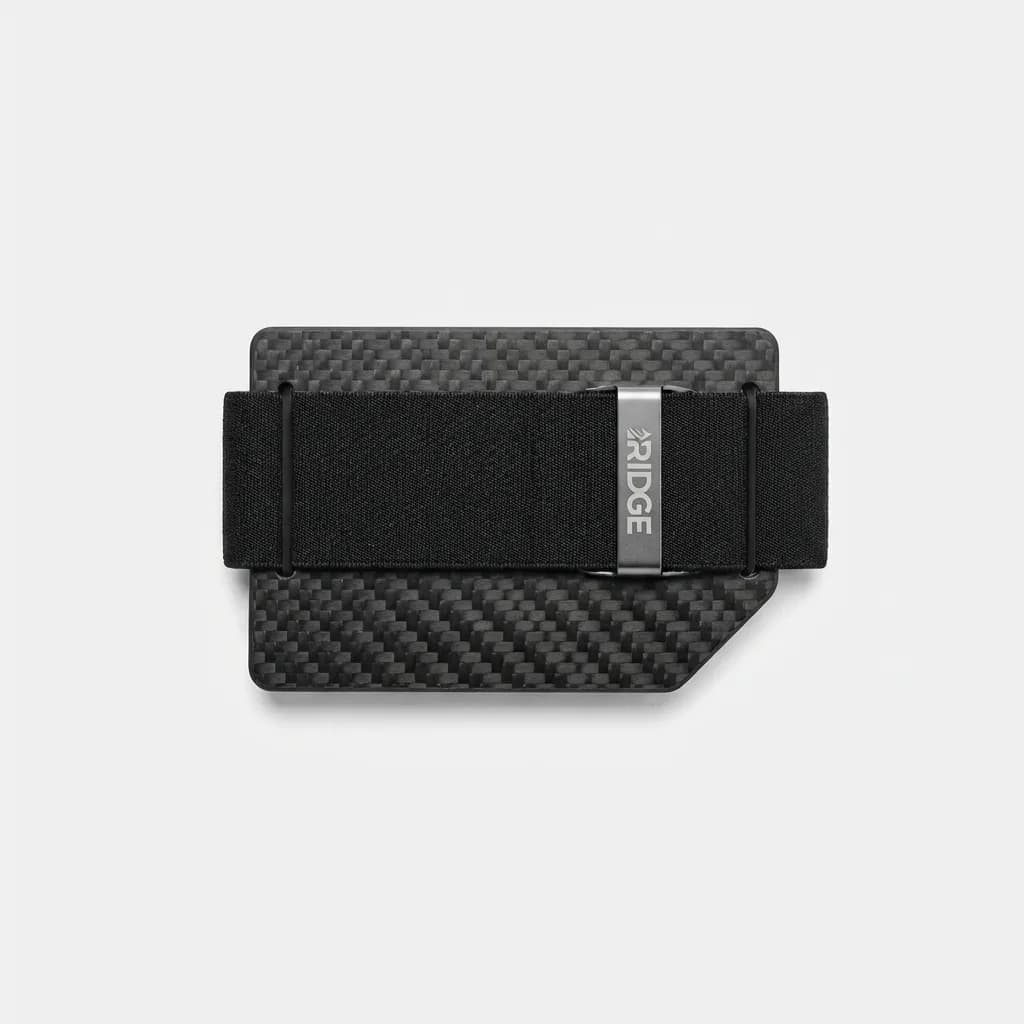
Ridge Wallet
$95
Aluminum or carbon fiber frame with elastic strap holds 1-12 cards. Blocks RFID scanning. Virtually indestructible metal construction with lifetime guarantee. No leather to wear out.
Look for card slots cut slightly smaller than a standard credit card (3.375 x 2.125 inches). They should require light force to insert a card when new. If cards slide in effortlessly, the slots will be loose within months. If you have to jam them in, the leather will tear.
Warranty terms reveal manufacturer confidence
A lifetime warranty sounds impressive until you read the terms. Many exclude normal wear, which is subjective and gives the manufacturer an out. Look for warranties that specifically cover stitching failure, leather cracking, and hardware breakage.
Saddleback's 100-year warranty covers everything except loss and "trying to destroy it on purpose." That's confidence. Bellroy offers three years, which is reasonable for their price point. Most fashion brands offer no warranty or 90 days, which tells you they expect the product to fail.
If a wallet costs over $60 and doesn't include at least a one-year warranty covering construction defects, that's a red flag. The maker knows something about the durability you don't.
Maintenance extends lifespan significantly
Even the best wallet needs care. Leather dries out and cracks without conditioning. Apply leather conditioner every 3-6 months depending on climate. Dry climates require more frequent conditioning. Use products without silicone or petroleum, which clog leather pores.
Keep your wallet out of back pockets when sitting for extended periods. The constant pressure and heat break down leather fibers and stress stitching. Front pocket carry or removing your wallet when sitting doubles its lifespan.
Rotate cards to different slots every few months. This distributes wear across all pockets instead of stretching out your most-used slots. If you carry loyalty cards you rarely use, keep them elsewhere.
Clean your wallet every month. Dirt and oils from your hands act as abrasives that wear down leather and loosen stitching. Wipe it down with a barely damp cloth and let it dry completely before reconditioning.
The wallets that last decades aren't magic. They're built with better materials, stronger construction methods, and designs that account for how wallets actually fail. Look for full-grain leather, saddle stitching, reinforced stress points, and makers confident enough to warranty their work. Pay attention to thickness relative to how you carry, and maintain the wallet once you buy it. A $100 wallet that lasts 15 years costs less per year than a $30 wallet you replace every 18 months.
The Weekly Dispatch
Enjoying this article?
Subscribe and get our best gear picks delivered every Sunday morning.
Related Posts
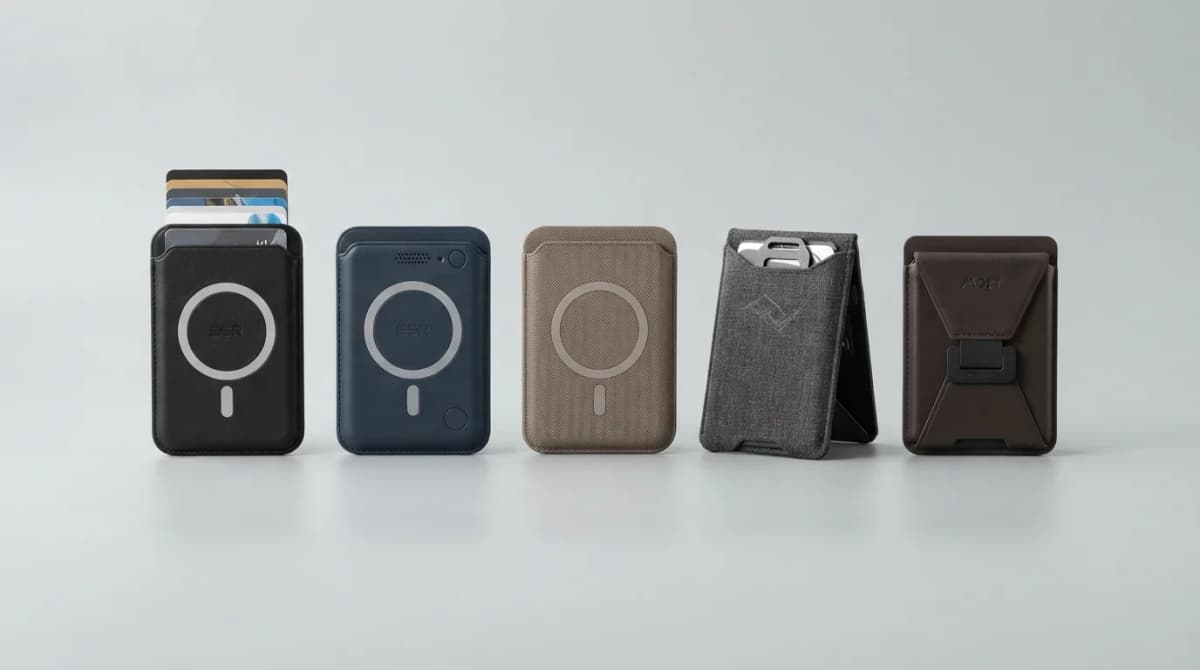
Best MagSafe Wallets 2026: Slim Picks That Stay Put
The best MagSafe wallets for 2026: ESR Classic 5-card, ESR Geo with Find My, Apple FineWoven, Peak Design Mobile Wallet Stand and MOFT Snap-on. Prices at publish, Oct 2026.
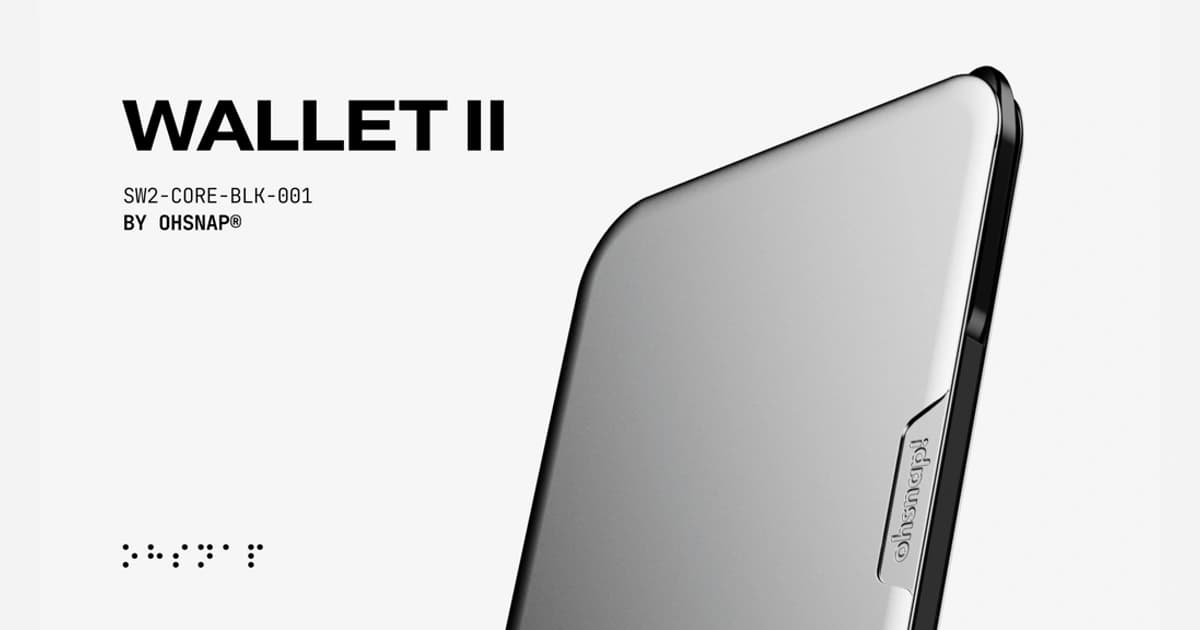
Ohsnap Wallet 2 Kickstarter: MagSafe Pop-Up Wallet
MagSafe wallets are usually a thin sleeve or a pricey titanium tool slab. Ohsnap Wallet 2 is the wallet + SnapGrip / MagStack lane on Kickstarter - pop-up card cores, modular covers, campaign clock ending Sep 26, 2026. Who picks MagStack, who skips crowdfunding risk.
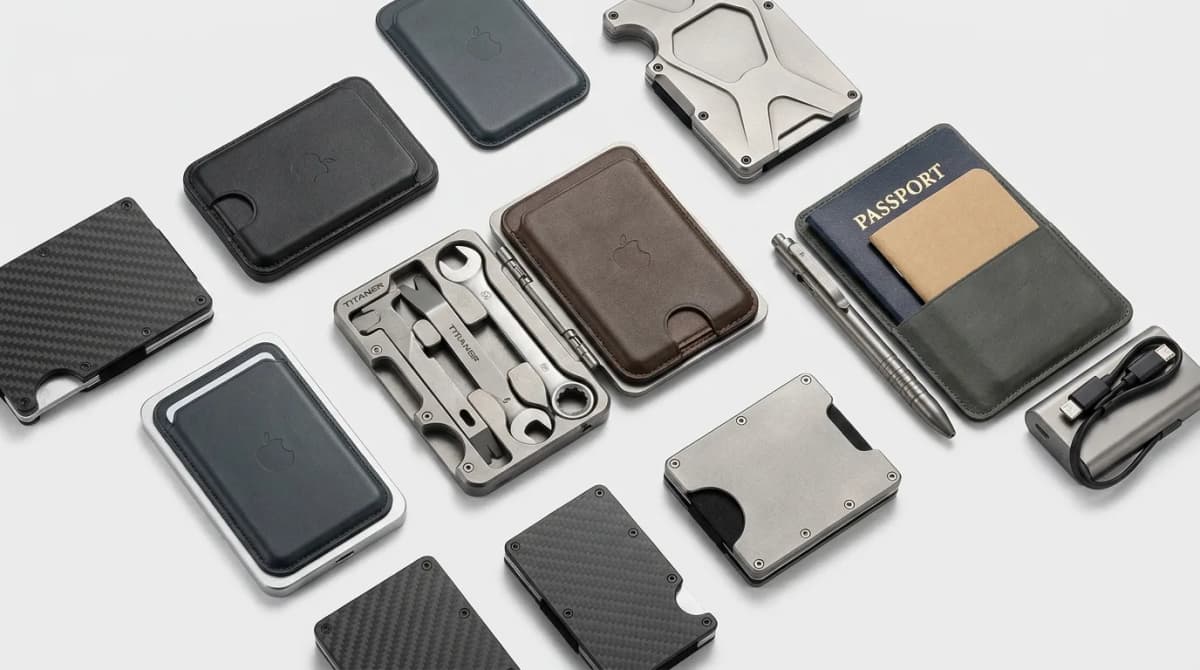
Titaner Verso and the MagSafe Tool-Wallet Trend
MagSafe wallets got expensive fast. Titaner Verso closed at $248-$298 as a Grade 5 Ti tool-wallet - who should buy, plus a travel EDC stack.

Smart Wallets Review: Wallets With Trackers
Smart wallets combine Bluetooth tracking, RFID protection, and app connectivity to prevent loss. We compare battery life, features, and the best models worth buying.