EDC for the Office and After Hours
Building an EDC that works from boardroom to bar requires smart choices, not duplicate gear. Here's how to carry less and do more.
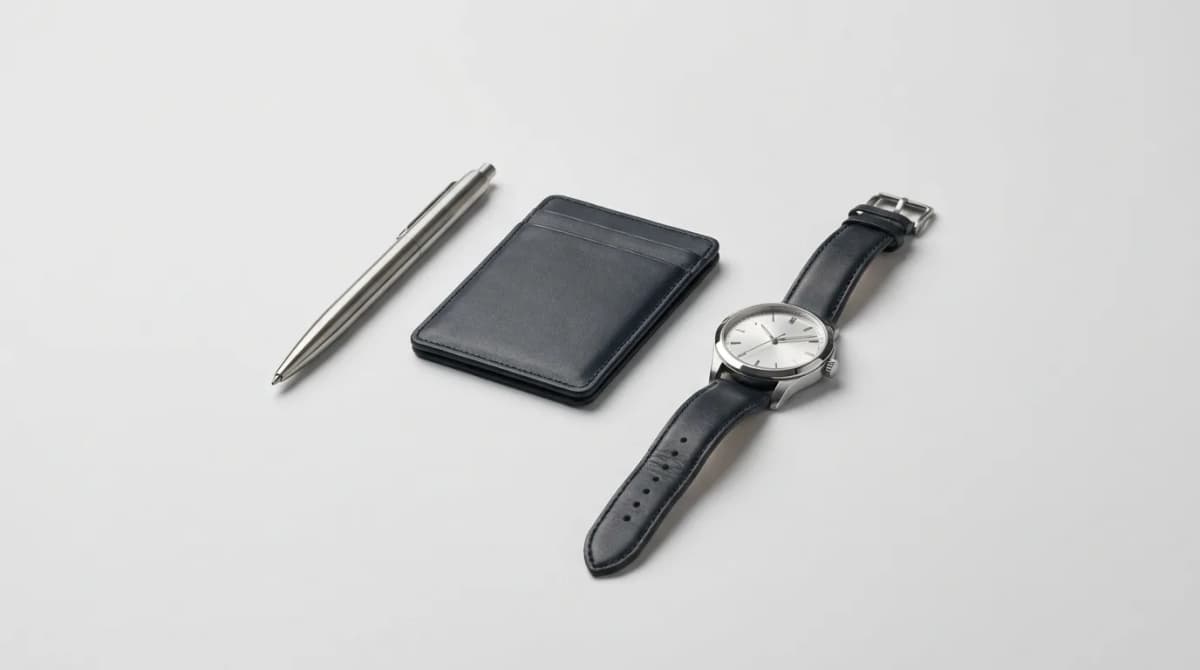
Your office EDC needs to do two things most guides ignore: look professional under fluorescent lights and not embarrass you when you pull it out at dinner. The mistake most people make is overthinking the transition. You don't need a second carry setup. You need pieces that work in both contexts.
Quick Picks
Our top recommendations at a glance:
- 1
- 2
- 3
- 4
- 5
The real challenge isn't finding gear that's office-appropriate. It's finding gear that doesn't look out of place when you're not at your desk. A tactical pen might feel practical in your pocket, but it screams "I have opinions about preparedness" when you sign a check at a restaurant. The inverse is also true. That luxury pen you got as a gift works great for client meetings but feels precious when you're jotting notes at a brewery.
We found the sweet spot isn't about compromise. It's about choosing items with intention, where form follows function without announcing itself.
What Actually Needs to Transition
Most of your EDC doesn't change between contexts. Your phone is your phone. Your keys are your keys. The items that matter for office-to-evening carry fall into three categories: writing instruments, wallets, and multitools or pocket knives.
Writing instruments take the most scrutiny. In an office setting, you're handing pens to colleagues, signing documents in front of clients, and generally using them as visible tools. A Parker Jotter works. A Space Pen works. A Sharpie does not, unless you work in a warehouse. After hours, nobody cares what you write with, but you still want something that feels good in your hand and doesn't leak in your shirt pocket.
Chargers and cables need a home too, and our tomtoc vs BAGSMART comparison covers two compact tech pouches that fit an office bag.
Wallets get pulled out constantly. At work, it's for your badge, your corporate card, maybe a business card you're handing over. After work, it's personal cards, cash, and IDs. Bulk is the enemy in both scenarios. A bifold stuffed with receipts looks sloppy in a meeting and feels worse in your front pocket when you sit down at a bar.
The knife or multitool question depends entirely on your office culture and local laws. Some workplaces don't blink at a Leatherman on your belt. Others will have HR calling if you open a box with anything sharper than safety scissors. Know your environment.
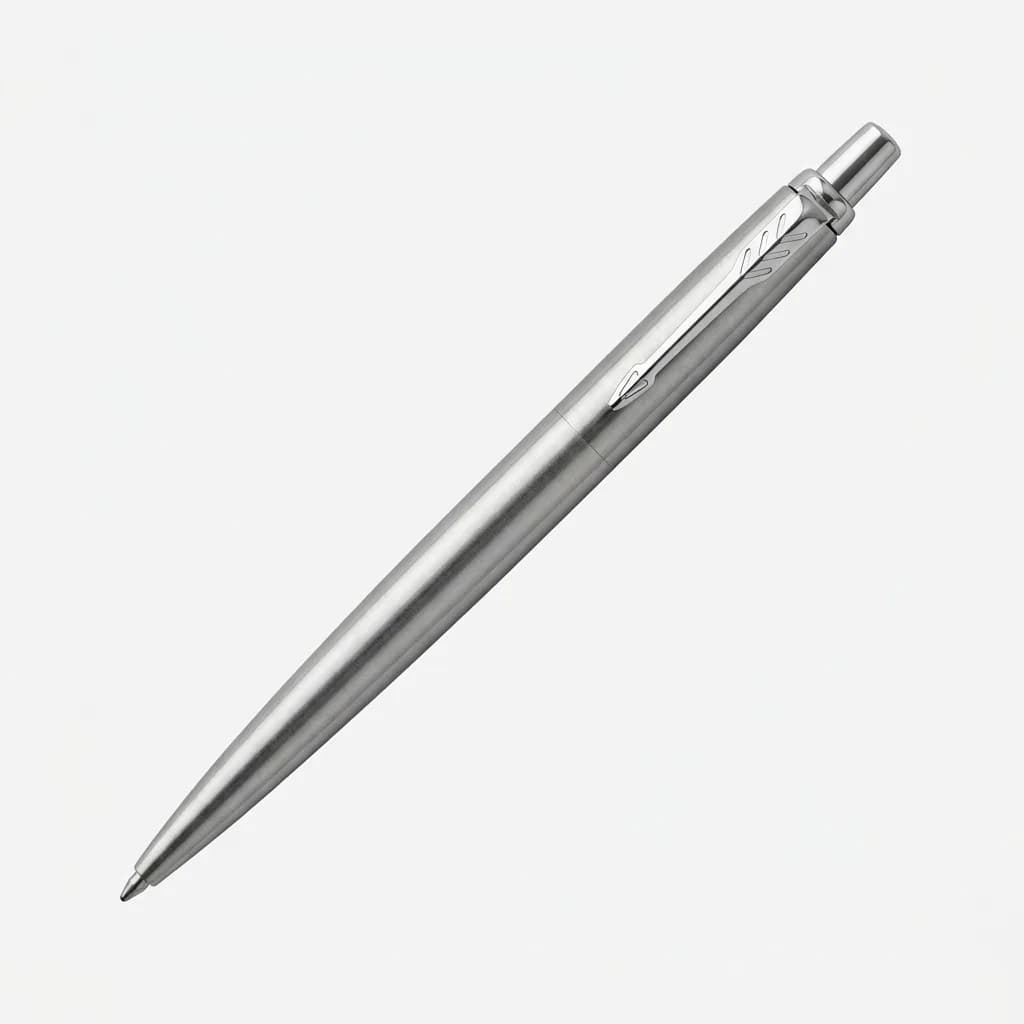
Parker Jotter Stainless Steel Ballpoint Pen
$12
Stainless steel body with chrome trim, reliable refill system, fits comfortably in shirt pockets. Classic design that works in any professional setting.
The Case for Single-Purpose Tools Over Multifunction Gear
Multitools sound efficient until you realize you're carrying a chunky object that does six things adequately instead of two things you actually need done well. For office EDC, specificity wins. A good pen is just a pen. A slim wallet is just a wallet. This isn't survival gear. You're not in the backcountry. You're in a building with supply closets.
The exception is if your job genuinely requires tool versatility. If you're in IT, facilities, or any role where you're regularly opening panels or tightening screws, a multitool earns its weight. For everyone else, it's usually overkill.
What you do want is gear that doesn't require explanation. Nobody asks why you're carrying a pen. Nobody questions a cardholder. The moment you have to justify an item, it's probably not right for the office half of your day.
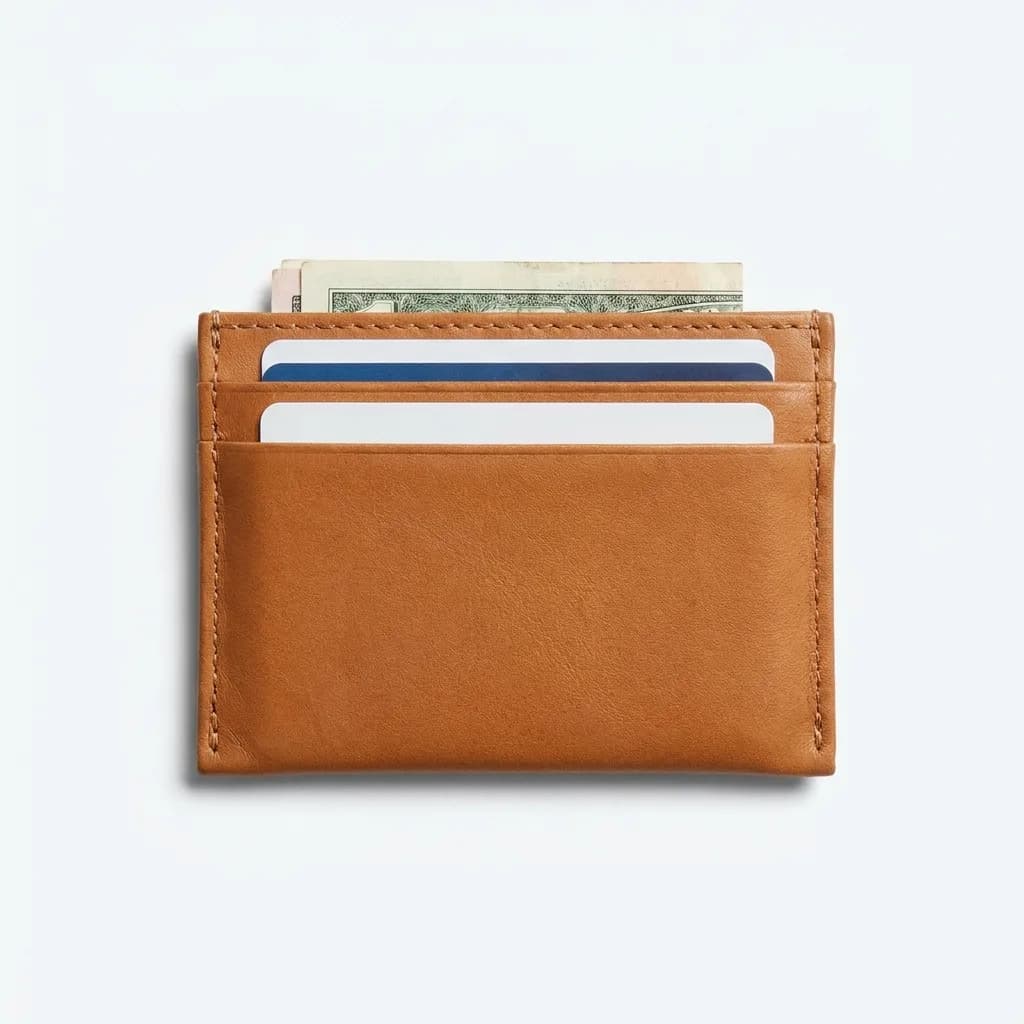
Bellroy Card Sleeve Wallet
$69
Holds 4-8 cards plus folded bills, premium leather construction, slim profile under 8mm thick. No RFID bulk, just clean lines.
Materials Matter More Than Features
A titanium wallet sounds cool until you're pulling it out during a budget meeting and it clanks on the conference table like you're carrying spare change. Metal EDC has its place, but in professional environments, the sound and weight can work against you. Leather, polymer, and coated aluminum disappear into your routine. Bare metal announces itself.
This doesn't mean you need to carry boring gear. It means the details should be subtle. A leather wallet with contrast stitching reads as intentional. A carbon fiber cardholder reads as overwrought. The goal is to look like you care about quality without looking like you obsess over gear.
The same logic applies to patina. Natural leather that ages well gives you character over time. Distressed leather that's pre-aged at the factory looks like you're trying too hard. Let your gear earn its wear.
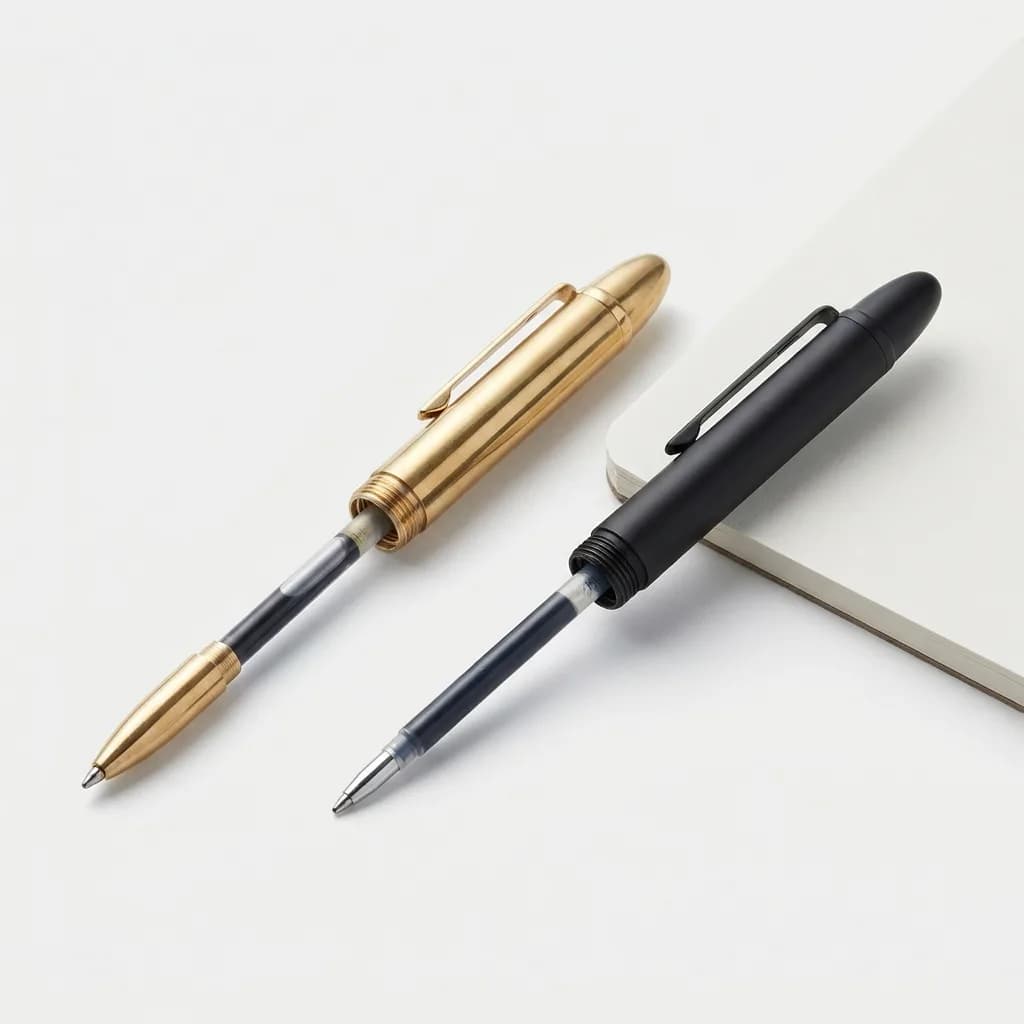
Fisher Space Pen Bullet
$30
Pressurized ink cartridge writes at any angle, compact 3.9-inch closed length, brass or matte black finish options. Clips to pocket or notebook.
How to Handle the Knife Question
If your office allows pocket knives, a 2.5 to 3-inch folder with a clean design keeps you functional without raising eyebrows. Avoid serrations, avoid tanto points, avoid anything with "tactical" in the product name. A Benchmade Mini Griptilian or Spyderco Dragonfly gets the job done and looks like a tool, not a statement.
If knives aren't viable, a good multitool with scissors and a package opener works for most daily tasks. The Leatherman Squirt PS4 or Victorinox Classic SD fit on a keychain and handle 90 percent of what you'd use a blade for anyway.
The real issue is transition. If you carry a knife to work and then head to a concert, a sporting event, or anywhere with metal detectors, you need a plan. Leaving it in your car works. Keeping a small lockbox in your trunk works. Hoping security won't notice does not work.
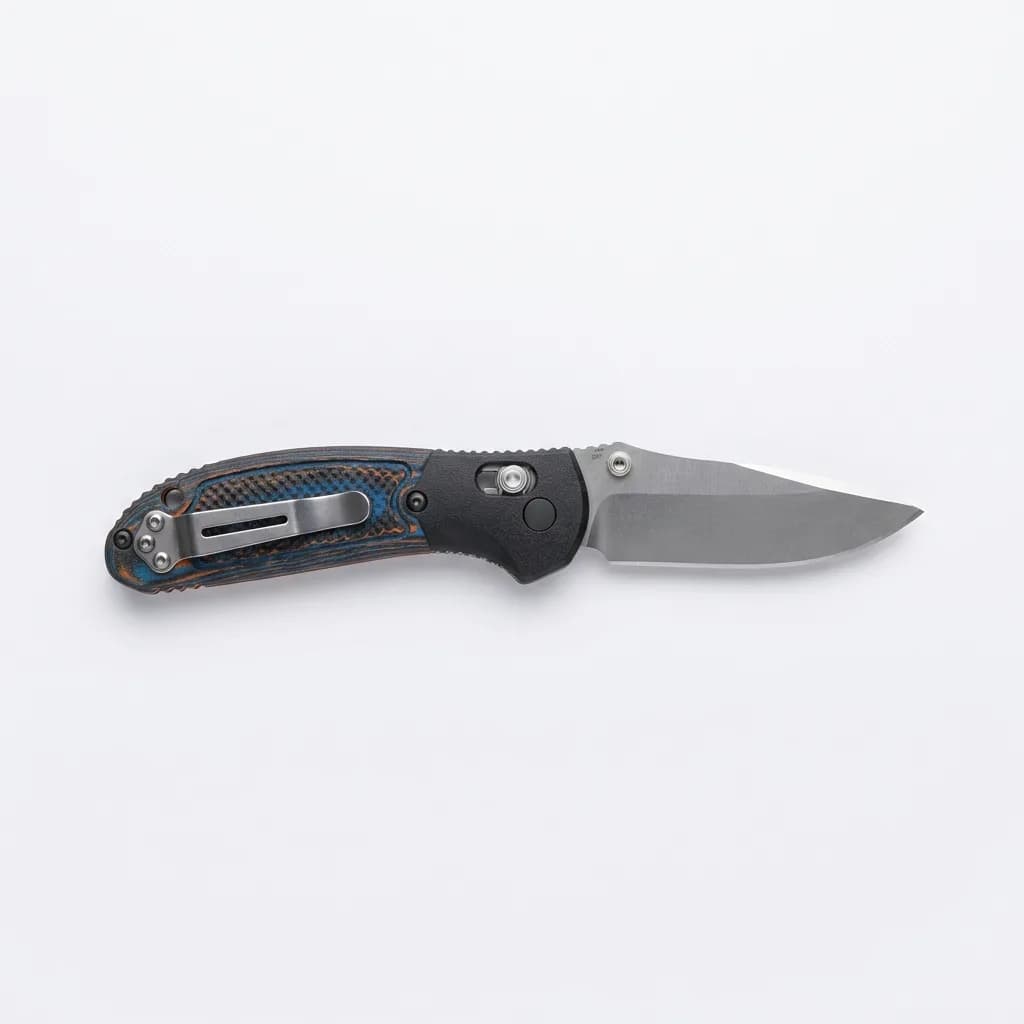
Benchmade Mini Griptilian 556
$110
2.91-inch drop-point blade, AXIS lock mechanism, reversible pocket clip, available in multiple handle colors. Made in USA with Benchmade's Lifesharp service.
What Not to Carry in a Professional Setting
Lanyards, carabiners, and visible belt clips are outdoor gear conventions that don't translate indoors. Your office isn't a trail. You don't need quick-access retention systems for a pen. If you can't carry something in a pocket or bag without external attachment points, it's probably not office-appropriate.
The same goes for paracord, webbing, and anything marketed as "survival" adjacent. These materials have legitimate uses. Those uses are not "writing emails" or "attending stand-up meetings."
Visible wear is fine. Visible tactical branding is not. A Moleskine notebook with a worn cover shows use. A Field Notes with a custom Kydex sheath shows you spend too much time on EDC forums.
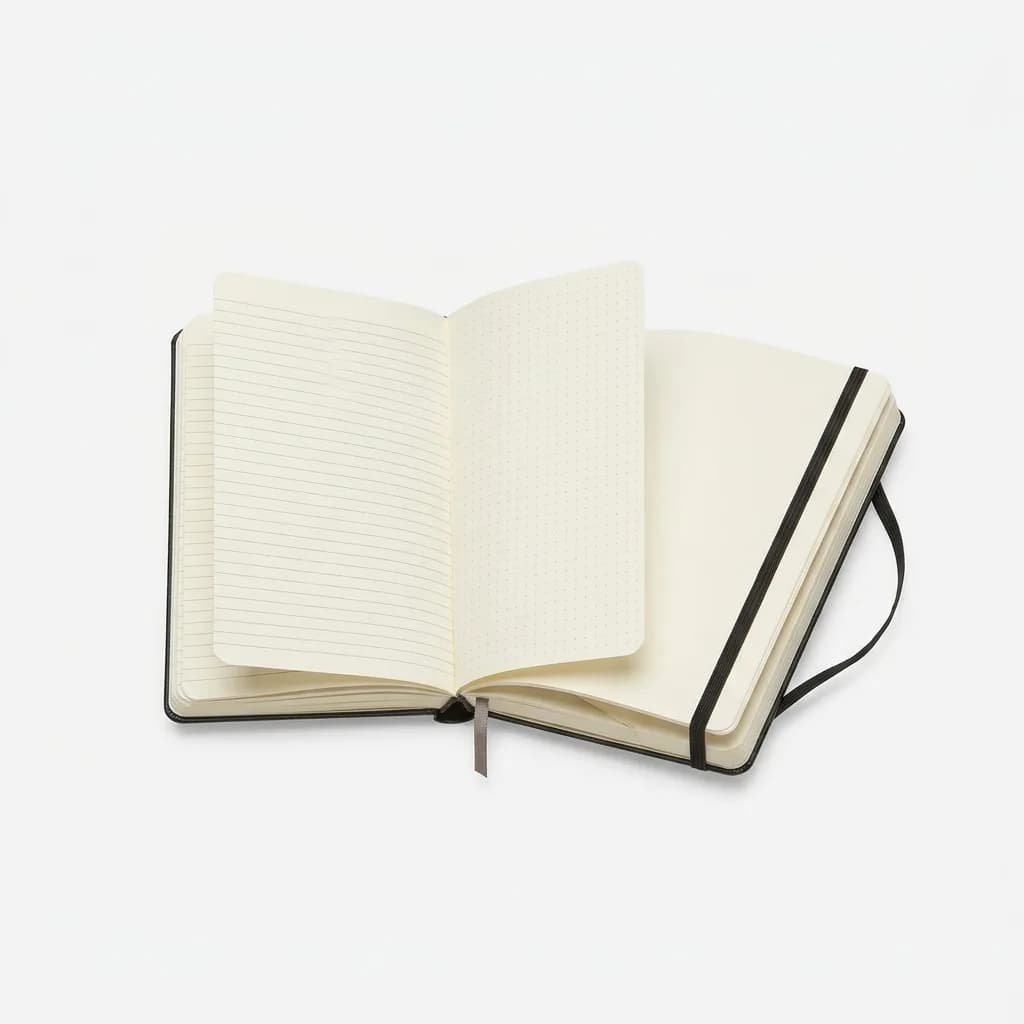
Moleskine Classic Hard Cover Notebook
$18
240 pages of acid-free paper, elastic closure, expandable inner pocket, ribbon bookmark. Available in ruled, dotted, or plain layouts.
The After-Hours Shift
When you leave the office, your EDC doesn't need to change unless your activities demand it. Heading to a bar? Same carry. Meeting friends for dinner? Same carry. Going to the gym first? That's when you actually swap things out, but you're changing clothes anyway.
The idea that you need distinct "work" and "personal" EDC setups is mostly marketing. What you need is gear versatile enough to fit both contexts. A slim wallet works everywhere. A quality pen works everywhere. A low-profile knife or multitool works in most places.
Where people get tripped up is adding items for "what if" scenarios that never happen. You don't need a flashlight in your pocket unless your commute involves unlit areas or your hobbies require it. You don't need a pry bar unless you're regularly opening crates. Carry what you use, not what you might theoretically use someday.
Building a Kit That Actually Works
Start with the non-negotiables: phone, keys, wallet, pen. Those four items handle 95 percent of daily tasks. Everything else is context-dependent. If you take public transit, headphones or earbuds matter. If you drive, they're optional. If you're in meetings all day, a notebook makes sense. If you're at a desk with a computer, it's redundant.
The best office-to-evening EDC is the one you forget you're carrying until you need it. Weight distribution matters. A heavy wallet in your back pocket gets old fast. A bulky multitool on your belt loop catches on chair arms. Spread the load across front pockets, chest pockets if you wear button-ups, or a small bag if your workplace allows it.
Test your setup on a normal day. If you're constantly adjusting, moving things between pockets, or leaving items behind because they're annoying to carry, something's wrong. Good EDC disappears into your routine. You reach for it without thinking and put it back the same way.
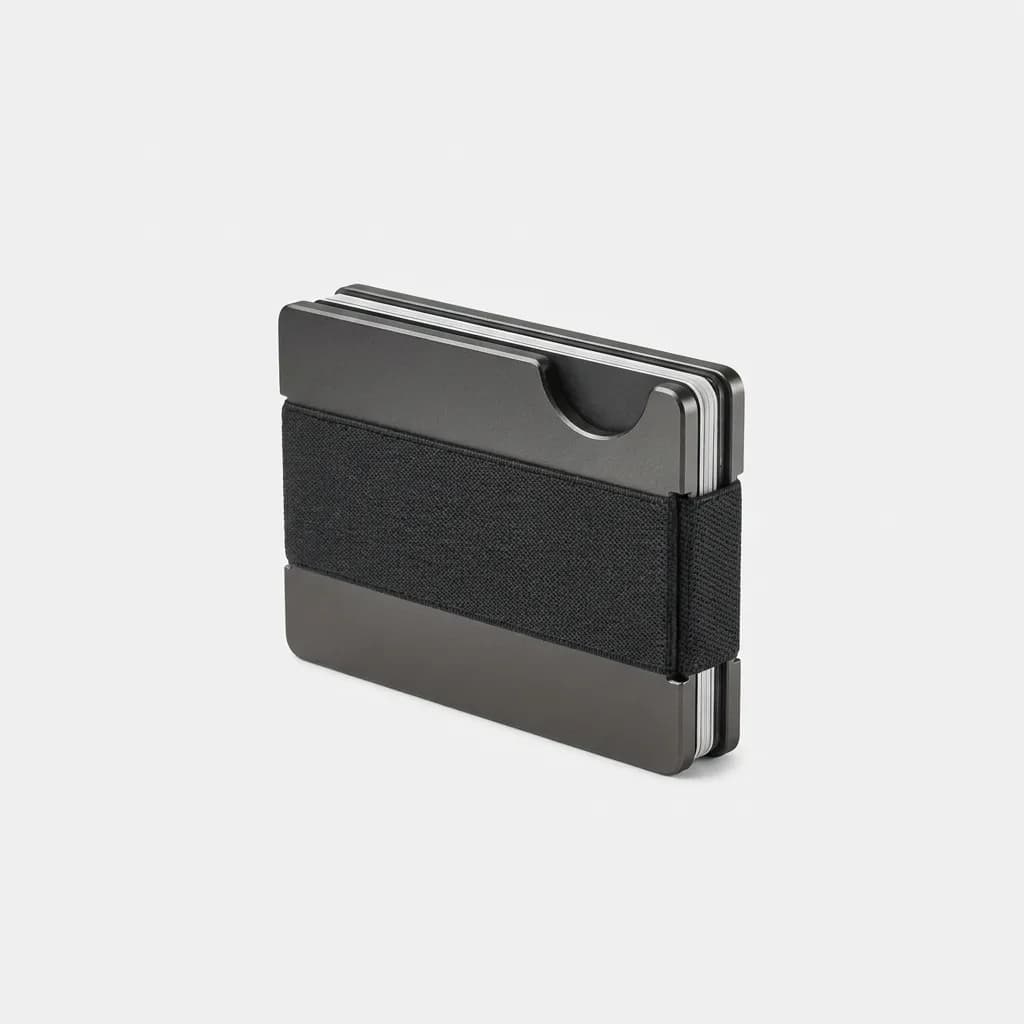
Ridge Wallet
$75
Aluminum or carbon fiber frame holds 1-12 cards with elastic money clip, RFID blocking, lifetime guarantee. Minimalist design at 3.35 x 2.12 x 0.24 inches.
Common Mistakes and How to Avoid Them
Overbuilding your carry is the most common error. You don't need backups of items that rarely fail. One good pen is enough. Two is excessive. Three means you're not thinking about weight and bulk.
The second mistake is prioritizing aesthetics over function. A beautiful leather notebook is worthless if you never write in it because you're afraid to mess it up. Gear is meant to be used. If you're babying it, you bought the wrong thing.
The third issue is ignoring maintenance. Leather needs occasional conditioning. Metal needs cleaning. Refillable pens need refills. If your EDC looks ragged because you're not taking care of it, that reflects poorly in professional settings. Ten minutes of upkeep every few months keeps everything looking intentional instead of neglected.
Your office EDC should make you more capable without making you look like you're cosplaying a different job. Keep it simple, keep it functional, and keep it appropriate for the environments you actually move through. The best compliment your carry can get is no comment at all.
Building Flexibility Into Your System
The reality of office-and-after-hours carry is that some weeks you'll need different tools than others. Business travel adds constraints. Client-facing days have different requirements than heads-down work days. Instead of building one rigid loadout, think in terms of a core kit plus situational additions.
Your core is what you carry every single day regardless of schedule. Phone, keys, wallet, pen. That's it. Everything else swaps in based on need. Meeting-heavy day? Add a notebook. Traveling? Add a portable charger. After-work event that might run late? Add a backup battery or transit card if you don't keep it in your wallet already.
This modular approach prevents the trap of carrying everything all the time "just in case." It also makes transitions smoother. You're not thinking about what to leave behind. You're thinking about what specific additions the day requires.
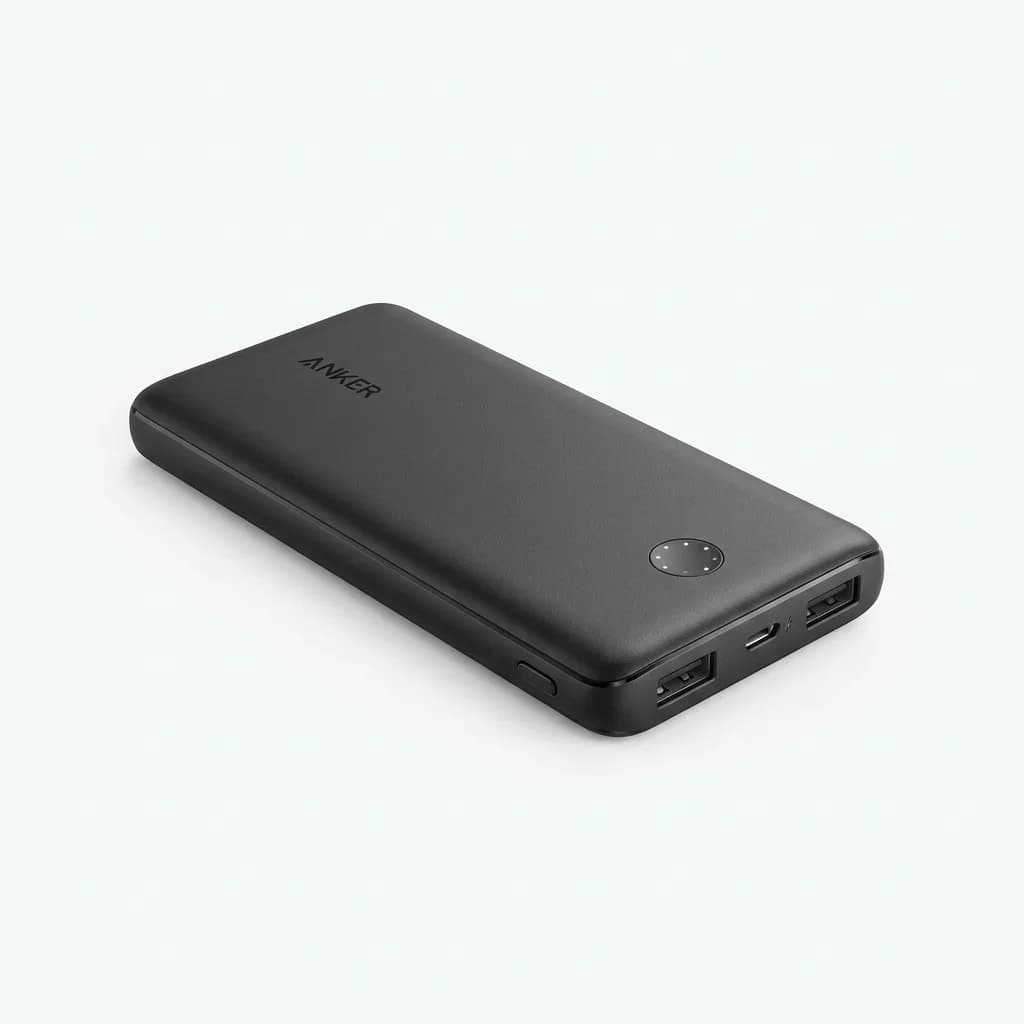
Anker PowerCore Slim 10000mAh
$26
Ultra-slim portable charger at 0.55 inches thick, dual USB output, PowerIQ technology for optimized charging speeds. Fits in jacket pocket or bag easily.
The goal isn't to have the most impressive EDC. It's to have the most useful one. That means different things depending on your job, your commute, and how you spend your time outside the office. Build around your actual patterns, not around what looks good in a pocket dump photo. Use your gear until you know exactly what works and what doesn't. Then refine from there.
The Weekly Dispatch
Enjoying this article?
Subscribe and get our best gear picks delivered every Sunday morning.
Related Posts
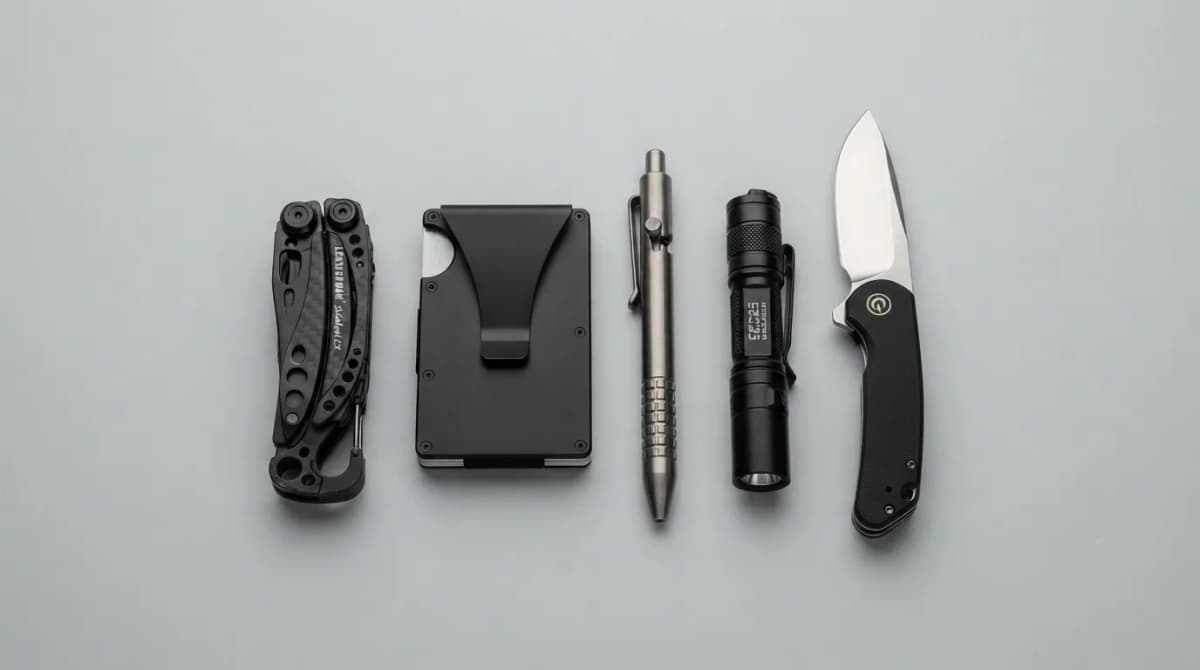
EDC Gifts Under $100 (2026): Gear Worth Carrying
EDC gifts under $100 for 2026: Leatherman Skeletool CX, Ridge Wallet, Tactile Turn Titanium Bolt Action Pen, Nitecore EDC25 and CIVIVI Elementum. Prices at publish, Oct 2026.
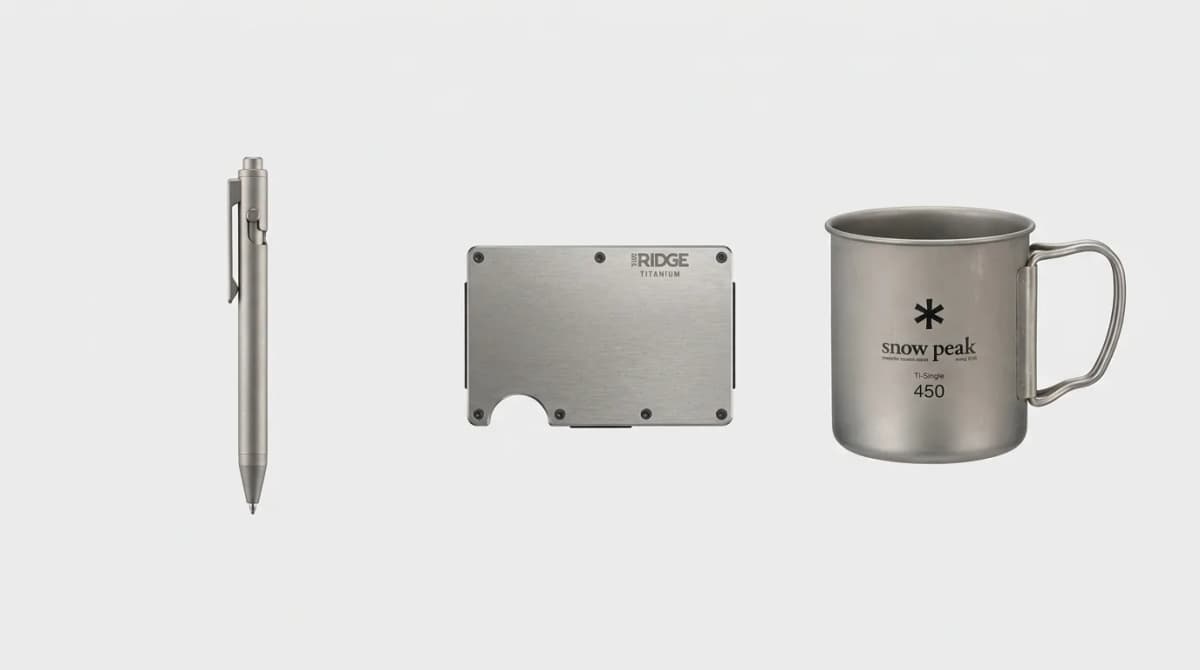
Titanium Gifts for Men (2026): Light, Tough EDC
Titanium gifts for men in 2026: Ridge Titanium wallet, Big Idea Design Ti Pocket Pro pen, Toor titanium keychain tool, Nemesis NK-12 opener, Snow Peak Ti-Single 450 mug and titanium spork. Prices at publish, Oct 2026.
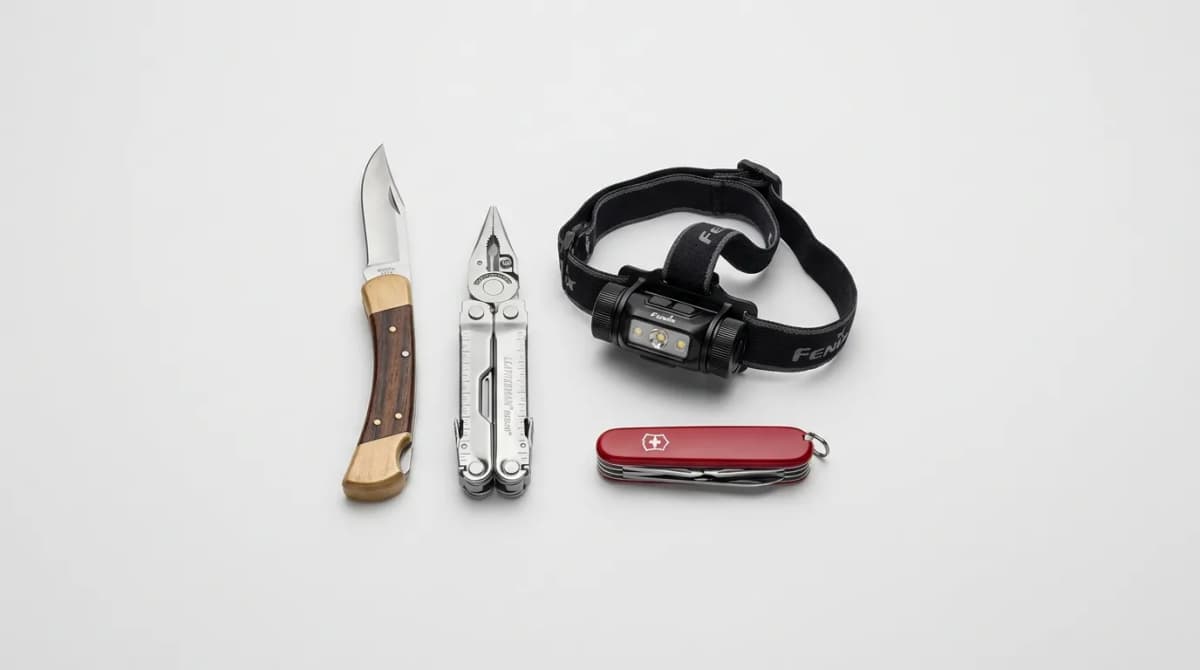
EDC Gifts for Dad (2026): Gear He'll Carry
EDC gifts for dad in 2026: Buck 110, Leatherman Rebar and Skeletool, Gerber Truss, Fenix HM50R V2.0 headlamp and Victorinox Huntsman. Prices at publish, Oct 2026.
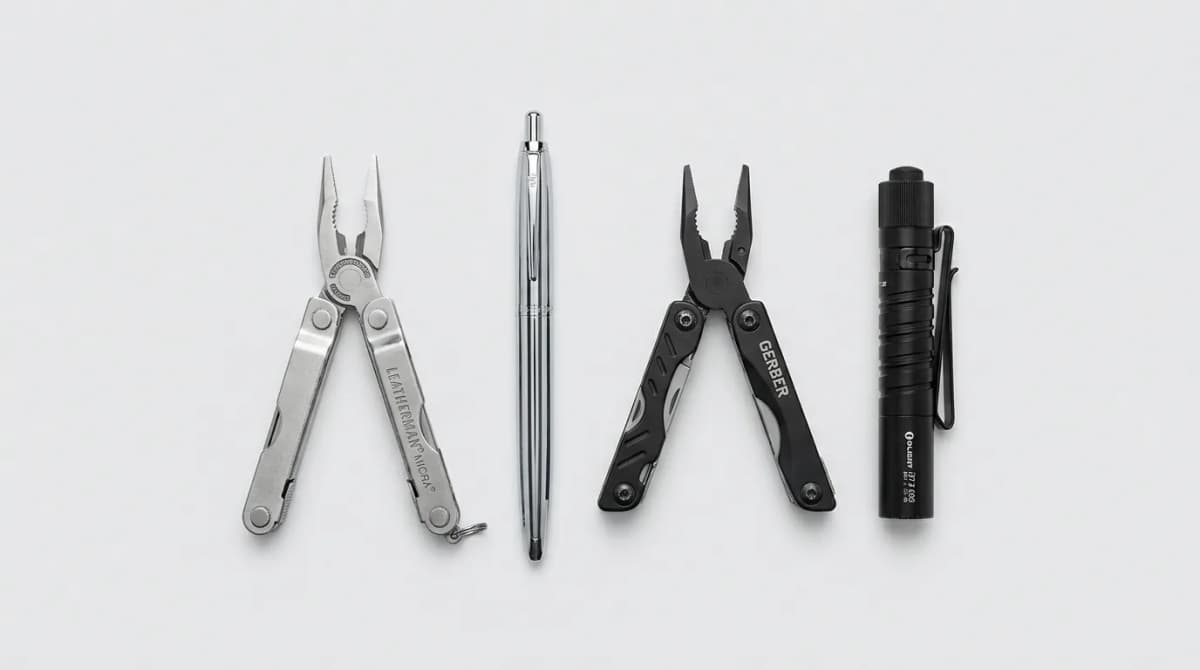
EDC Gifts Under $50 (2026): Useful Pocket Gear
EDC gifts under $50 for 2026: Leatherman Micra, Fisher Space Pen, Gerber Dime and Splice, Olight i3T 2 EOS, Victorinox Classic SD and Opinel No.08. Prices at publish, Oct 2026.