EDC for the Gym Before Work: What Actually Works
The right gym EDC turns 5 a.m. workouts from chaotic to clockwork. Here's what to carry when you're hitting the gym before the office.
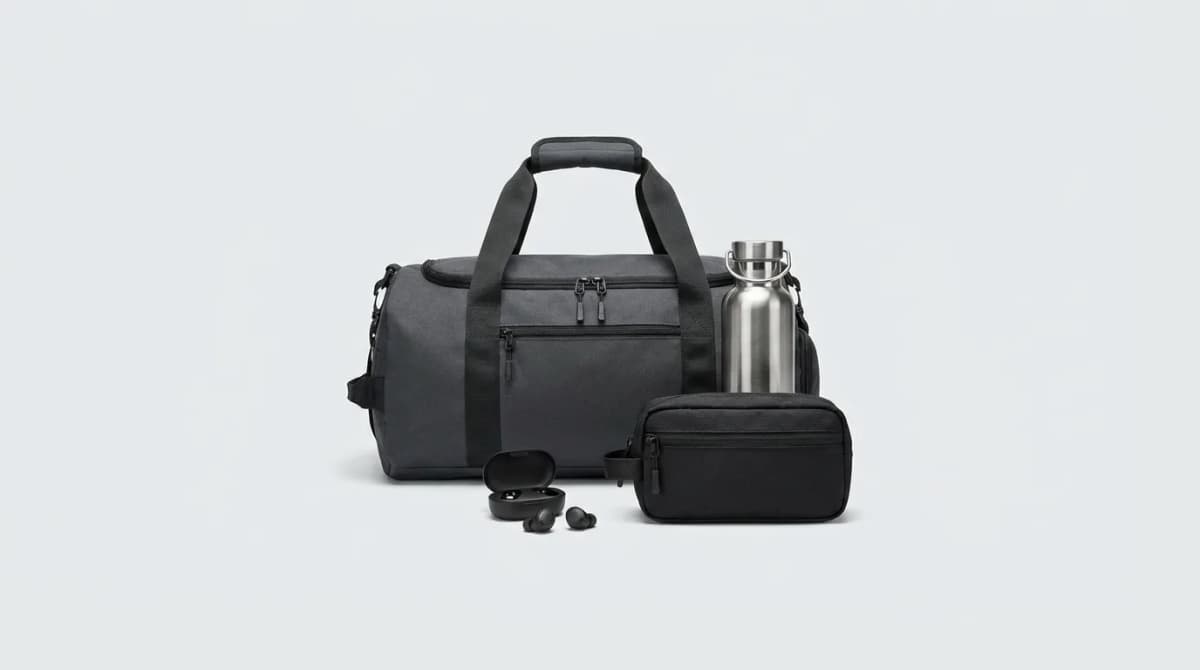
You walk into the office at 8:30 a.m. already showered, fed, and energized while your coworkers are still fighting Monday. That's the morning gym advantage. But it only works if your carry system doesn't fall apart between the squat rack and your desk chair.
Quick Picks
Our top recommendations at a glance:
- 1
- 2
- 3
- 4
- 5
Most people treat gym-before-work EDC like an afterthought. They throw everything in a duffel and hope for the best. Then they're digging for deodorant in a bag that smells like old socks, or they forget their badge and have to drive home.
The difference between a smooth morning and a disaster comes down to three things: sweat containment, bag organization, and a backup plan for the stuff you always forget.
Why regular gym bags fail for commuters
A standard gym bag dumps clean clothes next to sweaty shoes. It has one big compartment and maybe a side pocket. That's fine if you're going home afterward, but it's a problem when you need to transition straight to a workday.
The core issue is separation. You need barriers between wet and dry, worn and fresh, gym gear and work essentials. A single-compartment bag forces everything to touch, and that's how you end up with a dress shirt that smells like a locker room.
Size matters too. Oversized duffels are overkill for a one-hour workout, but tiny drawstring bags can't fit a change of clothes and toiletries. The sweet spot is 25-35 liters with dedicated pockets for shoes, wet items, and a laptop if you're heading straight to the office.
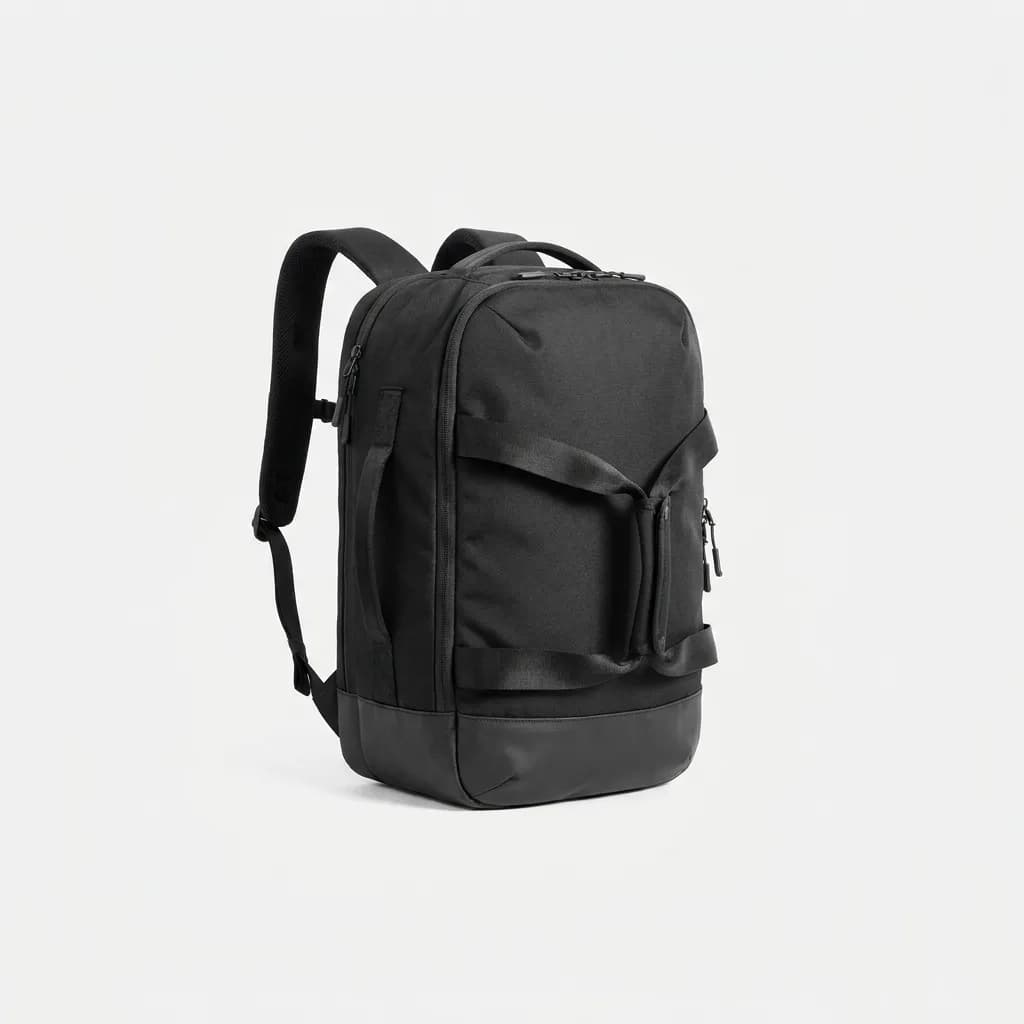
Aer Duffel Pack 3
$195
35-liter hybrid with separate shoe compartment, waterproof base, and laptop sleeve. Converts from duffel to backpack for hands-free commuting.
Weight distribution is the other hidden problem. A duffel slung over one shoulder throws your posture off, especially if you're walking or biking to the gym. Backpack straps or convertible designs spread the load and keep your hands free for coffee.
The toiletry system that actually contains smell
Deodorant, body wash, face wash, maybe a razor. Most people toss these loose into their bag or use a flimsy zippered pouch that leaks. After a few weeks, the bag interior smells permanent.
The fix is a waterproof toiletry kit with internal organization. Look for welded seams or roll-top closures, not zippers that eventually leak. Dopp kits are classic, but they're designed for travel, not daily abuse. You want something that can handle being stuffed into a bag still damp from yesterday.
Internal pockets or elastic loops keep bottles upright so they don't spill. A hook or carabiner loop lets you hang it in the shower or locker instead of setting it on grimy tile. And if it's see-through or brightly colored, you can find it instantly without digging.
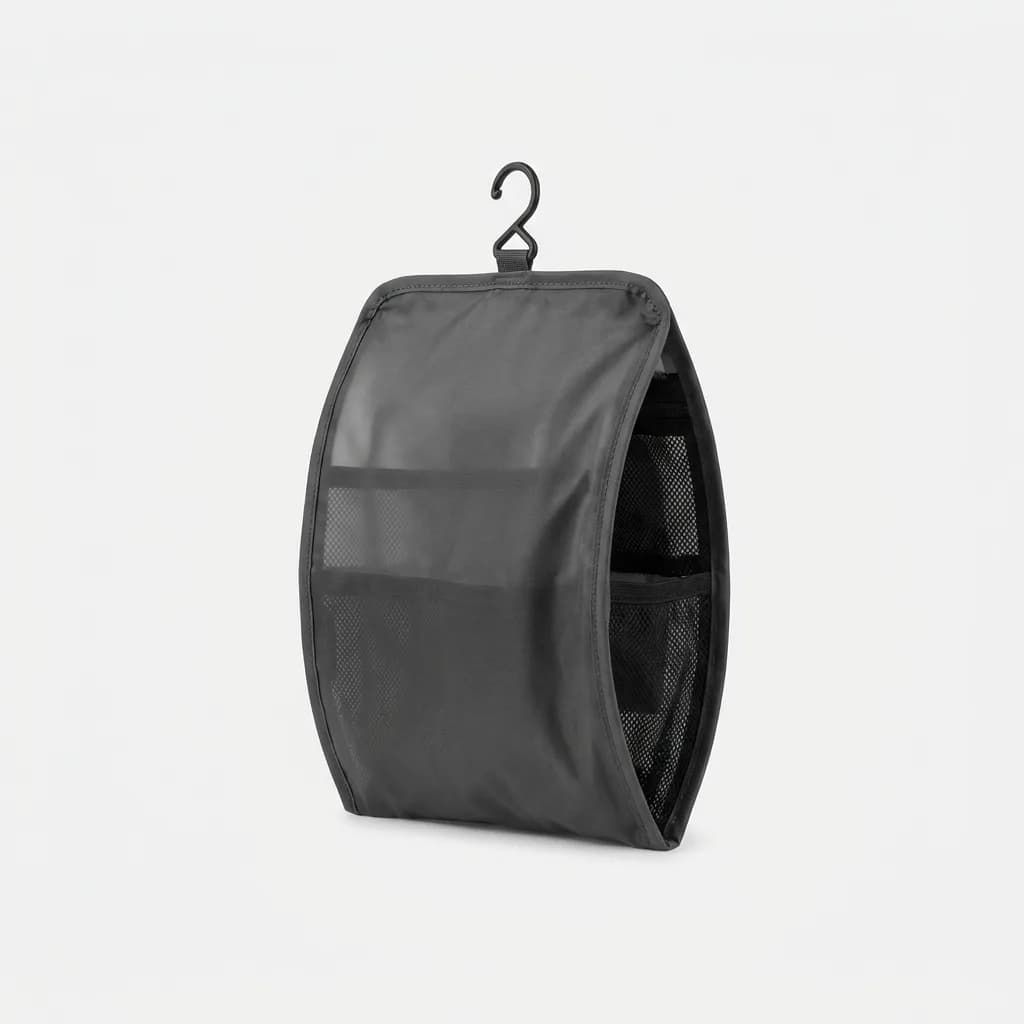
Matador FlatPak Toiletry Case
$30
Waterproof welded construction with internal mesh pockets and a hanging hook. Packs flat when empty, expands to 2 liters.
Solid products beat liquids for daily carry. A bar of soap in a travel case weighs less than a bottle of body wash and won't explode in your bag. Same with solid deodorant versus spray. The tradeoff is convenience, shampoo bars work but they're not for everyone.
One trick: keep duplicates of toiletries in your gym bag so you're never scrambling at home. A dedicated set lives in the bag permanently. You're not borrowing from your bathroom, you're just restocking when something runs out.
How to organize a bag for zero digging
The worst moment is standing in the locker room, late, digging through a pile of fabric trying to find your socks. Good organization means you can grab what you need in under five seconds, even in bad lighting.
Packing cubes are the baseline solution. One cube for workout clothes, one for post-shower clothes, maybe a small one for accessories like a lifting belt or resistance bands. They compress everything, keep it separated, and you can pull the whole cube out instead of unpacking your entire bag.
Color-coding helps if you're using multiple cubes. Bright colors stand out, or you can assign colors by category: red for gym clothes, blue for work clothes. It sounds excessive, but when you're doing this at 5:30 a.m. in a dark locker room, it makes a difference.
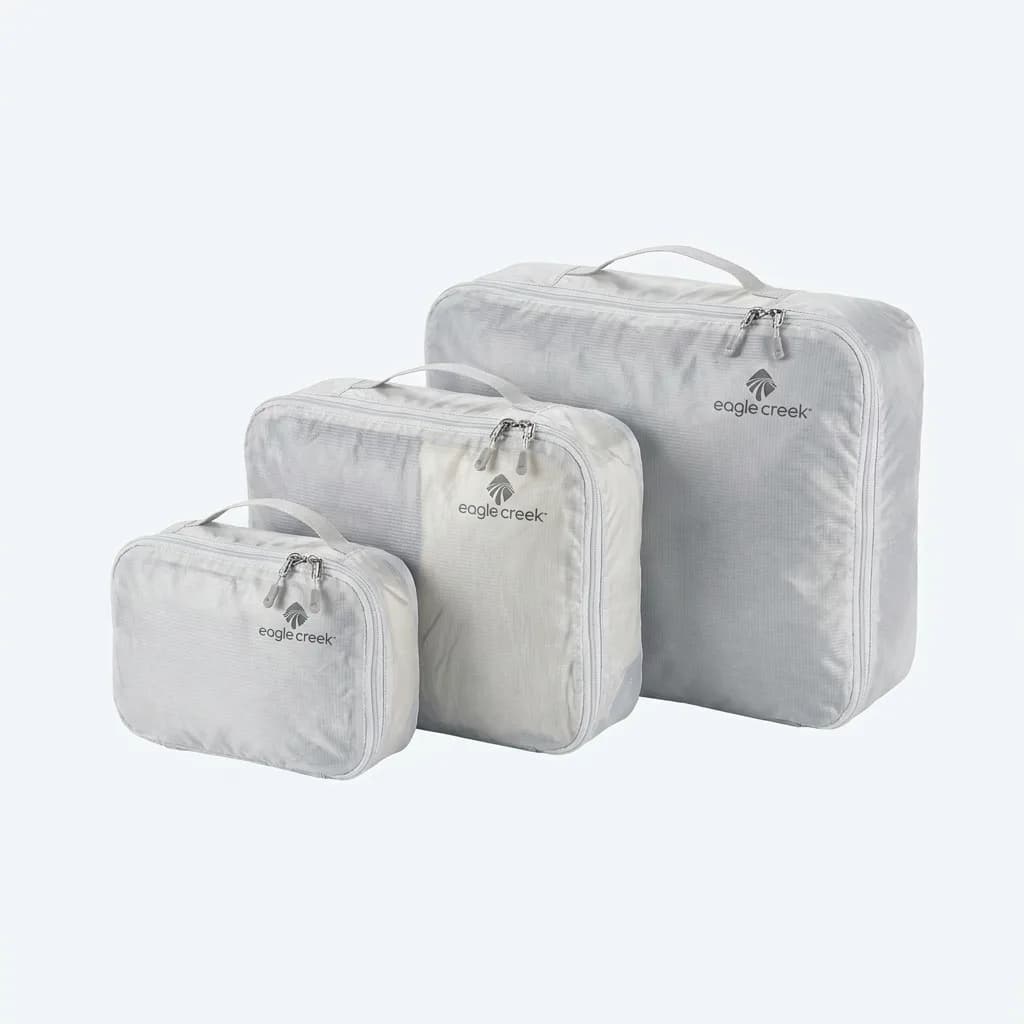
Eagle Creek Pack-It Specter Cube Set
$36
Ultra-lightweight ripstop nylon cubes in multiple sizes. Translucent fabric for quick identification, water-resistant finish.
Shoe compartments are non-negotiable. Shoes carry the most dirt and smell. If your bag doesn't have a dedicated shoe pocket, use a drawstring shoe bag or a dry bag. Never let shoes touch clean clothes directly.
Wet pockets or wet bags handle the post-workout chaos. Your sweaty gym shirt, shorts, and towel go straight into a waterproof compartment or stuff sack. This keeps moisture away from everything else and contains the smell until you get home. Some bags have built-in wet pockets with ventilation, others require a separate bag.
What to keep in your bag permanently
The mistake is packing and unpacking your gym bag every day. You forget stuff, it's extra work, and it's a decision tax when you're barely awake. The smarter move is to keep 80% of your gym EDC in the bag at all times.
Permanent residents: deodorant, body wash, shampoo, a microfiber towel, flip-flops for the shower, a lock, headphones, a charging cable, and a reusable water bottle. These never leave the bag. You're just adding fresh clothes each morning.
A microfiber towel dries faster than cotton and packs smaller. After your shower, wring it out and stuff it in the wet pocket. By the next day, it's dry enough to reuse. Keep two in rotation if you're particularly sweaty or prefer a fresh towel daily.
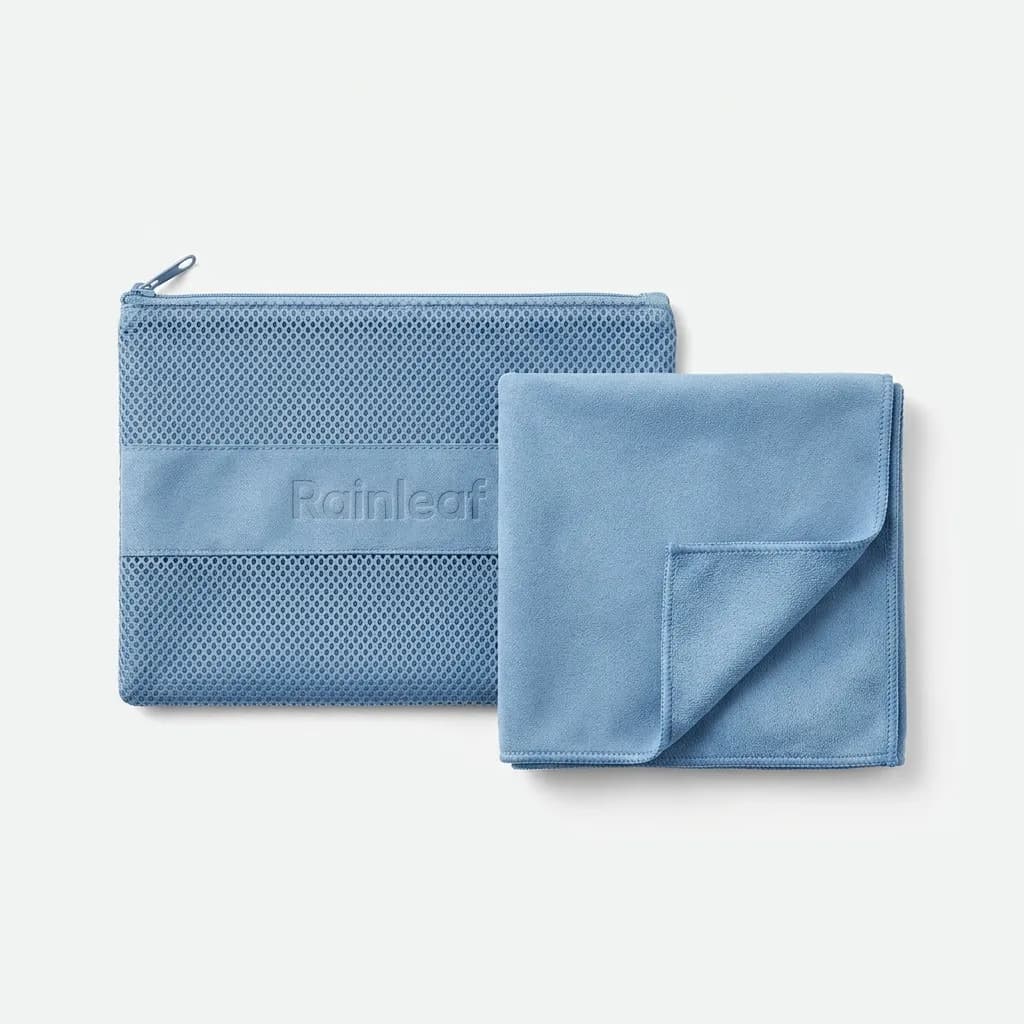
Rainleaf Microfiber Towel
$13
Fast-drying microfiber in multiple sizes. Comes with a carry pouch, absorbs 5x its weight, and dries in hours.
Shower shoes are underrated. Gym showers are petri dishes. A cheap pair of flip-flops or slide sandals lives in your bag and protects you from whatever's growing on that tile. They air out between uses if you store them in a ventilated pocket or mesh bag.
The lock situation depends on your gym. Some gyms provide locks, some require you to bring your own, and some have no lockers at all. If you need a lock, get a resettable combination lock so you're not carrying a key. Four-digit locks are more secure than three-digit, and a weather-resistant body holds up better to moisture.
The backup plan for things you always forget
No matter how dialed your system is, you'll eventually forget something. Deodorant, socks, your work badge, whatever. The pros keep backups.
A backup deodorant lives in your desk drawer or car. Same with an extra phone charger, a protein bar, maybe a spare shirt if you're prone to coffee spills. This isn't paranoia, it's friction reduction.
The items most commonly forgotten: socks, underwear, and a belt. Keep an emergency set at work in a desk drawer. They don't have to be your favorites, they just have to exist. One day you'll need them and you'll be glad they're there.
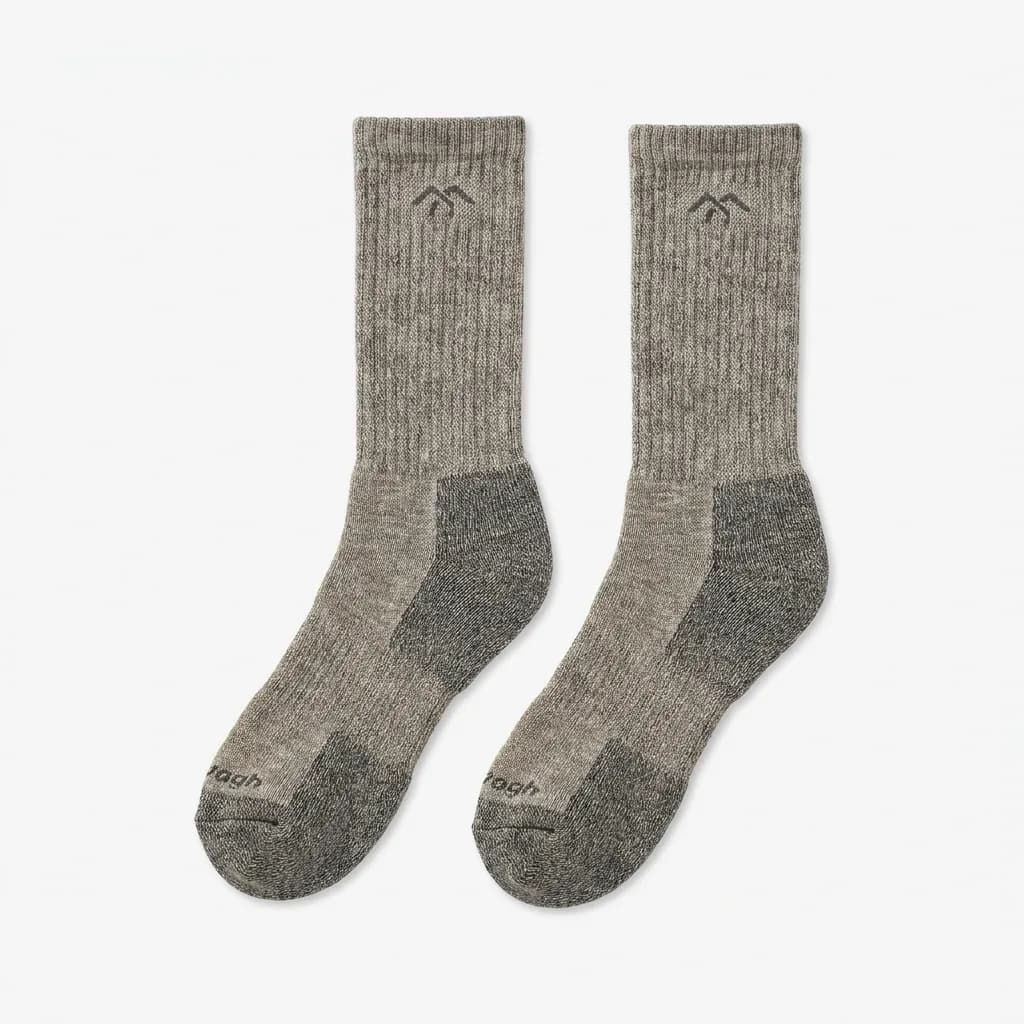
Darn Tough Merino Wool Socks
$26
Lifetime guaranteed merino blend that resists odor and moisture. Mid-weight cushion for all-day comfort, seamless toe.
A checklist on your phone or taped inside your bag lid helps if you're genuinely scatterbrained. Before you leave home, scan the list: gym clothes, work clothes, shoes, toiletries, towel, water bottle, headphones, badge. It takes 10 seconds and prevents the mid-commute realization that you forgot pants.
Some people keep a fully packed backup bag in their car trunk. It's got a complete set of gym and work clothes, toiletries, everything. If you completely forget your bag at home, you're covered. This is overkill for most people, but if you've got a long commute and can't easily turn around, it's worth considering.
Deodorant strategy for maximum effectiveness
You can't just swipe deodorant in the locker room and call it done. If you're sweating hard, standard deodorant won't cut it, and you'll smell like gym by lunch.
The move is a two-step system. Apply antiperspirant the night before bed. Your sweat glands are less active at night, so the aluminum compounds have time to block pores. In the morning post-shower, apply regular deodorant for scent. This combo keeps you dry and fresh longer than either product alone.
Antiperspirant takes 6-8 hours to activate fully, so morning-only application doesn't work as well. Night application plus morning deodorant is the clinical recommendation, and it's especially important if you're doing intense cardio before work.
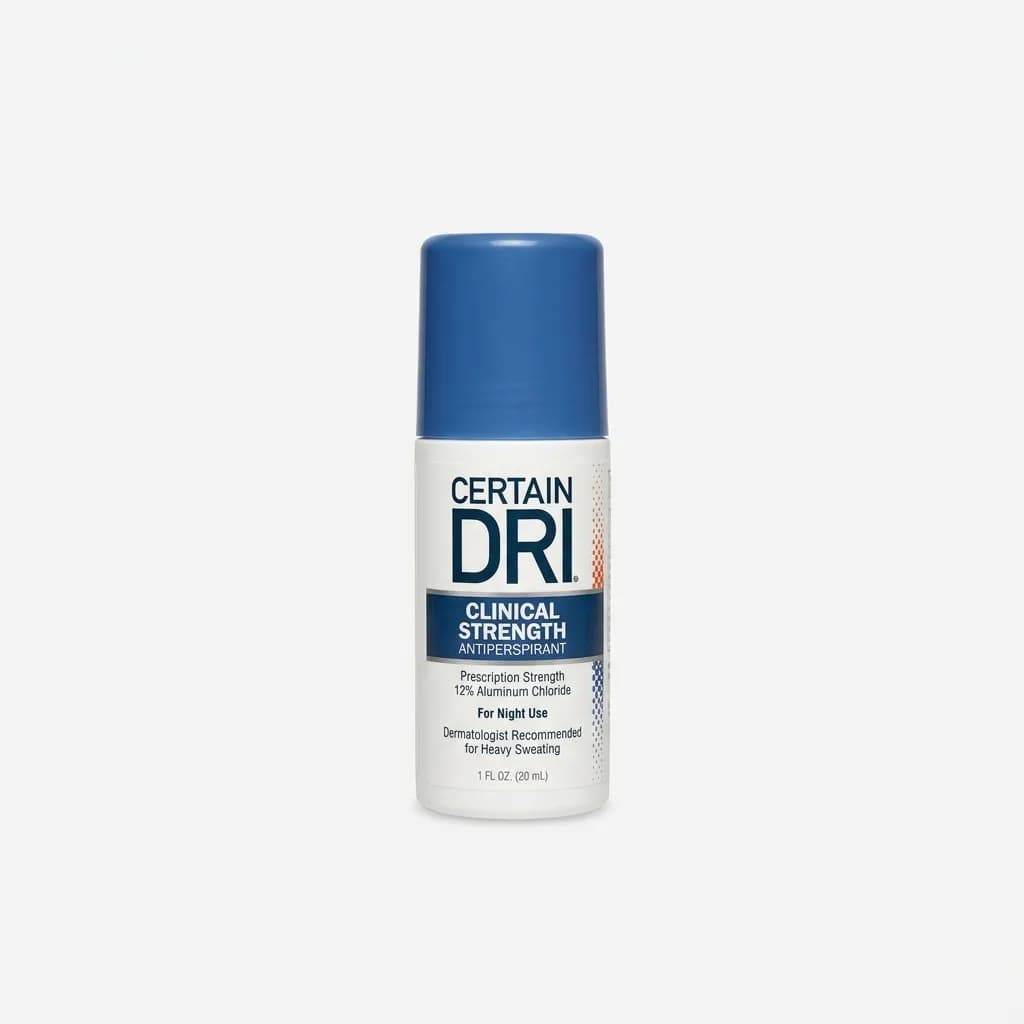
Certain Dri Clinical Strength Antiperspirant
$7
Prescription-strength 12% aluminum chloride formula for night use. Dermatologist recommended for heavy sweating.
If you're anti-aluminum, you're stuck with natural deodorant, which controls odor but doesn't stop sweat. The best natural options use baking soda or magnesium to neutralize bacteria. They work, but you'll need to reapply midday if you're active. Keep a travel-size stick in your desk.
Body wipes are a last resort if you don't have time to shower. They're not a substitute for actual washing, but if you're running late and need to wipe down fast, they're better than nothing. Look for individually wrapped wipes so they don't dry out in your bag.
How to handle work clothes in a gym bag
Dress shirts wrinkle in a gym bag. Dress pants wrinkle worse. If your job requires business attire, you need a strategy beyond "stuff it in the bag and hope."
Option one: keep work clothes at the office. A week's worth of shirts and pants hang in a closet or under your desk. You only carry gym clothes to and from home. This eliminates wrinkles but requires closet space and discipline to restock your office wardrobe weekly.
Option two: use a garment folder or packing cube designed for dress clothes. Eagle Creek and Osprey make folders that minimize creases. You fold your shirt using a specific technique with the folder as a template, and it emerges less wrinkled than a random stuff job.
Option three: wrinkle-resistant fabrics. Wool-blend dress pants and performance dress shirts (polyester or nylon blends marketed as "wrinkle-free") handle gym bag abuse better than 100% cotton. They're not indestructible, but they're more forgiving.
The nuclear option is keeping a steamer or iron at work. A travel steamer is $20 and takes two minutes to knock out wrinkles. If you've got a private office or a break room, this works. If you're in an open floor plan, it's awkward.
Tech that survives sweat and commutes
Headphones, phone, maybe a smartwatch. Electronics and sweat don't mix, but you need them for workouts. The key is sweat resistance and secure storage.
Truly wireless earbuds (Airpods, Jabra, etc.) are better than wired for gym use. No cable to snag on equipment, and most current models have IPX4 or better water resistance. That's enough to survive sweat and light rain. Store them in their charging case when not in use, the case protects them from getting crushed in your bag.
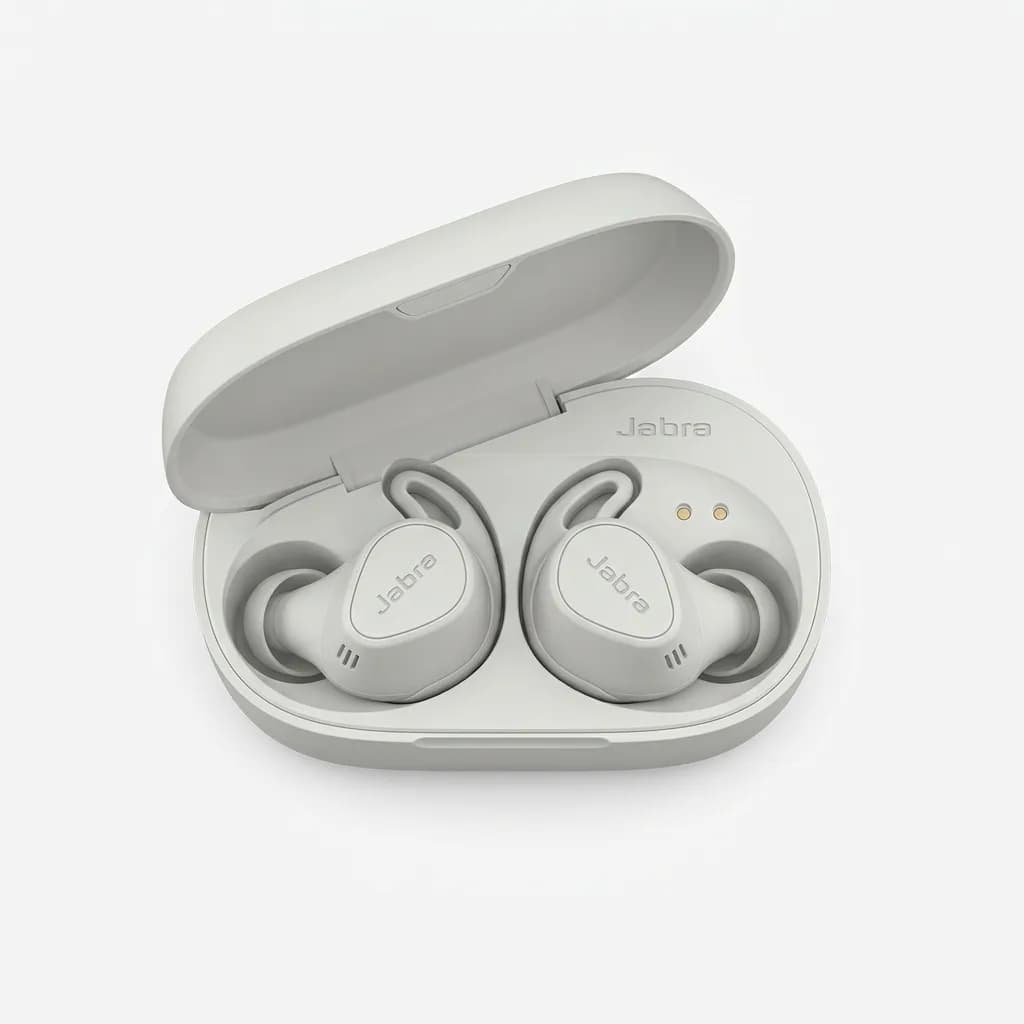
Jabra Elite 4 Active
$120
IP57 waterproof rating for sweat and dust resistance. Secure fit with adjustable EarGels, 7-hour battery, and 28-hour total with case.
Your phone should stay in a locker or a sealed pocket, not loose in your bag where it can get wet. Some people use waterproof phone pouches for extra protection, but modern phones (iPhone 12 and later, most Androids from the last few years) have IP68 ratings. They can handle sweat and splashes, just don't submerge them.
Charging cables and battery packs are insurance. Keep a short Lightning or USB-C cable in your bag, and a small power bank if your phone doesn't last the full day. Anker and RAVPower make 10,000mAh packs that fit in a jacket pocket and can charge your phone twice.
A fitness tracker or smartwatch needs a sweat-resistant or silicone band, not leather or fabric. Leather absorbs moisture and smells bad after a few sweaty workouts. Silicone wipes clean and dries fast. If you're wearing the watch all day including the gym, a quick rinse under the faucet after your workout keeps it from getting grimy.
The minimalist approach: what you can actually skip
Not everyone needs a 35-liter bag full of gear. If your gym has good showers, toiletries, and towels, you can get away with a much lighter load.
Minimalist gym EDC: workout clothes, shower shoes, a small toiletry pouch (deodorant, face wash, maybe a razor), and fresh clothes for work. Everything fits in a 15-20 liter drawstring bag or small backpack. You use the gym's towels and body wash, and you're in and out fast.
The tradeoff is dependence on gym amenities. If your gym runs out of towels or the body wash dispenser is empty, you're stuck. And gym-provided products are usually low-quality. But if you value light carry over control, it's viable.
Some people skip the post-workout shower entirely and shower at home or at the office. This only works if your workout is low-intensity (yoga, light weights) or if you genuinely don't sweat much. For most people doing cardio or heavy lifting, skipping the shower means you smell, and your coworkers will notice even if you don't.
You can skip the laptop compartment if you're not carrying a computer. A lot of hybrid bags include laptop sleeves because it's a common feature, but if you don't need it, you can downsize to a pure gym bag and save weight and bulk.
Putting it all together: a sample packing list
Here's what a complete gym-before-work EDC looks like in practice.
In the bag permanently: toiletry kit (deodorant, body wash, face wash, razor), microfiber towel, shower shoes, gym lock, headphones, charging cable, 10,000mAh battery pack, packing cubes, and a reusable water bottle.
Added each morning: workout clothes (shirt, shorts, socks, underwear), post-workout clothes (work shirt, pants, belt, underwear, socks), work shoes if you're not wearing them, and a protein bar or snack.
In the wet pocket post-workout: sweaty gym clothes and the damp towel.
That's 22 items total, but half of them live in the bag full-time. Your morning routine is grab the bag, stuff in fresh clothes, and go. No decisions, no forgotten items, no stress.
The bag itself should be durable enough to handle daily use for at least a year, ideally longer. Nylon or polyester with reinforced stitching, not canvas that soaks up moisture. YKK zippers hold up better than generic. And if you're biking or walking, reflective accents or loops for a bike light improve visibility.
The goal is a system that works on autopilot. You shouldn't have to think about what goes where or remember to pack something. It should be muscle memory: wake up, grab the bag, go. When it works, the gym becomes part of your routine instead of a logistical headache.
Most people give up on morning workouts not because they hate exercise, but because the friction of getting out the door is too high. The right EDC removes that friction. Your bag is always ready, you know where everything is, and you can walk into the office looking like you didn't just deadlift twice your body weight. That's the point.
The Weekly Dispatch
Enjoying this article?
Subscribe and get our best gear picks delivered every Sunday morning.
Related Posts
EDC Gifts Under $100 (2026): Gear Worth Carrying
EDC gifts under $100 for 2026: Leatherman Skeletool CX, Ridge Wallet, Tactile Turn Titanium Bolt Action Pen, Nitecore EDC25 and CIVIVI Elementum. Prices at publish, Oct 2026.
Titanium Gifts for Men (2026): Light, Tough EDC
Titanium gifts for men in 2026: Ridge Titanium wallet, Big Idea Design Ti Pocket Pro pen, Toor titanium keychain tool, Nemesis NK-12 opener, Snow Peak Ti-Single 450 mug and titanium spork. Prices at publish, Oct 2026.
EDC Gifts for Dad (2026): Gear He'll Carry
EDC gifts for dad in 2026: Buck 110, Leatherman Rebar and Skeletool, Gerber Truss, Fenix HM50R V2.0 headlamp and Victorinox Huntsman. Prices at publish, Oct 2026.
EDC Gifts Under $50 (2026): Useful Pocket Gear
EDC gifts under $50 for 2026: Leatherman Micra, Fisher Space Pen, Gerber Dime and Splice, Olight i3T 2 EOS, Victorinox Classic SD and Opinel No.08. Prices at publish, Oct 2026.